-
-
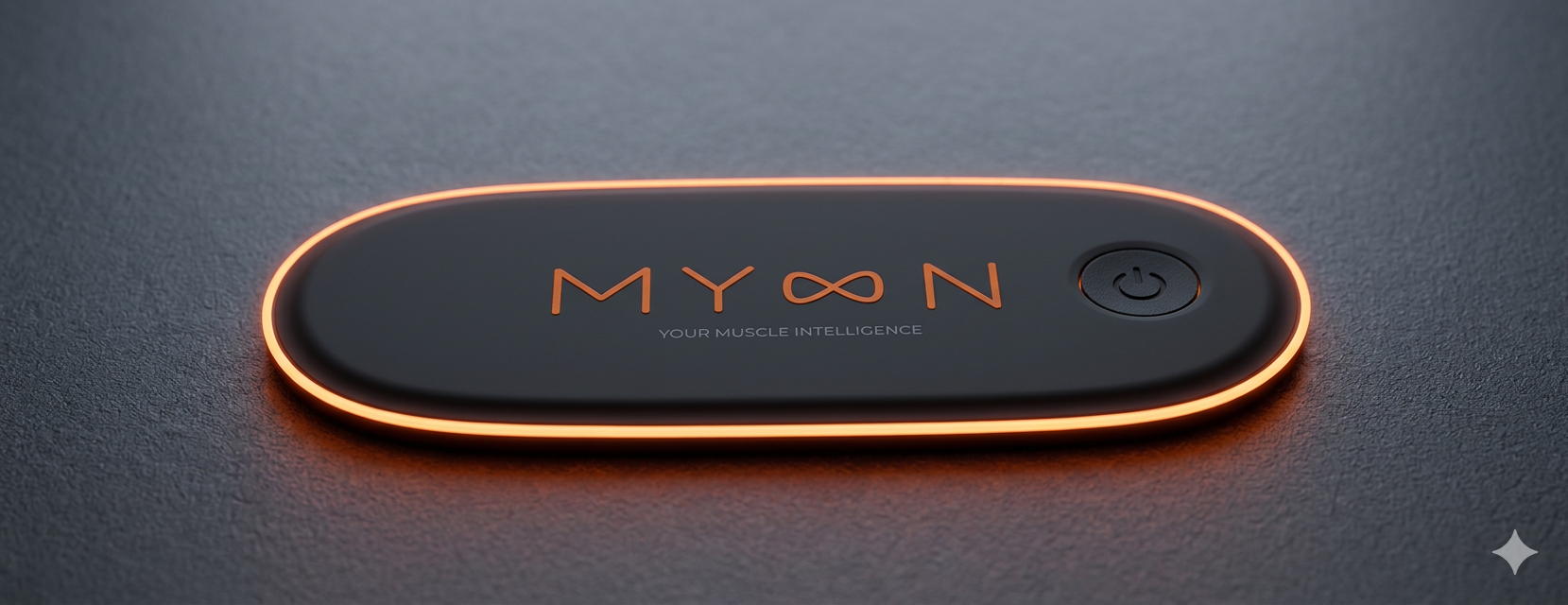
Logo with Tagline
-
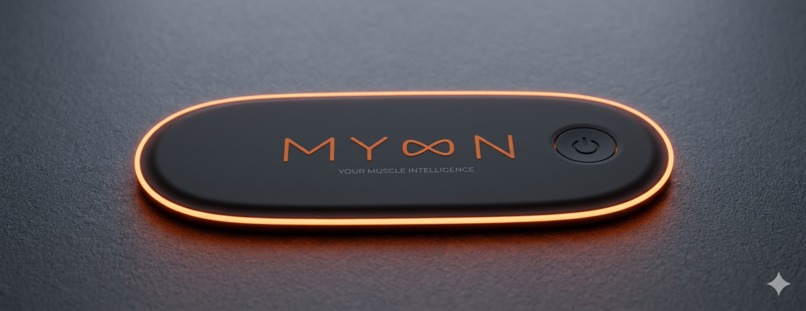
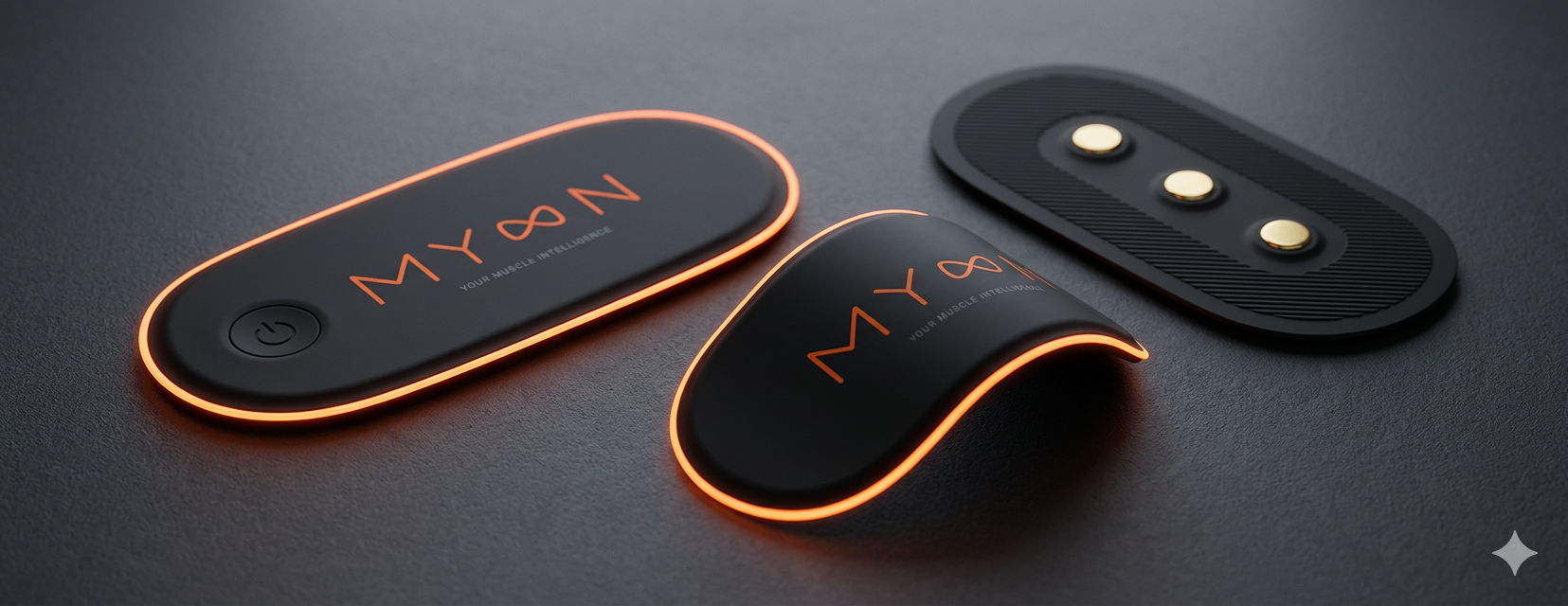
Product look
-
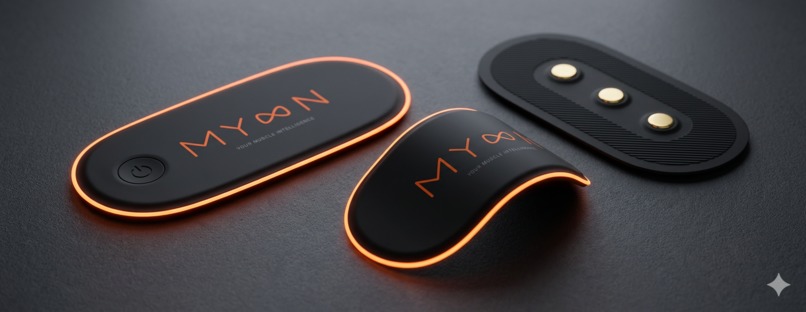
Product Look
-

Product Mockup

Inspiration
I started going to the gym and struggled with form like most beginners do. My friends trained there too but they had their own workouts to focus on, I didn't want to keep interrupting them every set to check if I was doing it right. So I just guessed. For months I thought I was training my biceps. Turns out my forearm was doing most of the work. That moment made me realise the problem wasn't effort or consistency, it was that without someone watching you every single rep, you have no way to know which muscle is actually firing. MYON is what I wish I had on day one.
What it does
MYON reads the electrical signal your muscles fire during every rep and shows you exactly which muscle is working, which is compensating, and what to do about it — in real time, without needing anyone else in the gym with you.
How we built it
MYON was designed and built entirely during the submission period. The UI was initially concepted in Figma Design: laying out every screen, flow, and interaction before touching code. Figma Make was used to bring the prototype to life with real interactivity. The full working app was then built in VS Code: TypeScript and Tailwind CSS, managed through GitHub for version control.
Challenges we ran into
Our SVG imports kept breaking and took a long time to fix. Figma make kept generating its own components instead of using our actual assets, and ignored our design rules constantly, so we had to manually clean up and correct the code throughout. We didn't use our Figma Make credits wisely, which meant finishing everything manually in VS Code.
Accomplishments that we're proud of
We are proud of MYON from end to end. The idea itself, identifying a gap that affects every single person who trains and nobody has solved at a consumer level. The look of the app, dark, precise, and purposeful with every design decision tied to the problem. The purpose, building something that could genuinely change how people train. And the fact that it actually works, a fully functioning app built from scratch during the submission period that does exactly what we set out to build.
What we learned
We learned how to use Figma Make and Figma Design together as a real product workflow, moving from concept to prototype to working app. We learned how to work with AI coding tools effectively, when to trust them and when to override them. We learned that AI is a fast starting point but human judgment is what keeps the code clean and consistent. We learned how to manage a codebase across a tight deadline. And we learned that a strong idea only lands if the design, the story, and the execution are all pulling in the same direction.
What's next for MYON
The next step is real hardware. The app is built and the concept is proven, the missing piece is a physical EMG patch that actually reads muscle activation and streams it to the app in real time. Beyond hardware, expanding the exercise library, refining the compensation detection algorithm, and building out the Squad features for group and coach sessions. Long term, MYON has a clear path into physiotherapy and sports performance: anywhere that neuromuscular recruitment matters and nobody can currently see it.
Built With
- css
- figma
- figmamake
- supabase
- typescript


Log in or sign up for Devpost to join the conversation.