
Inspiration
When I was a kid, we had a substitute teacher who visited us twice. I must have been about 7 or 8 at the time. Her lesson was all about stretching our imagination. She gave us thought exercises that flipped reality upside down—like imagining what it would be like to walk on the ceiling or how life would change if we renamed everyday objects with entirely different words. These ideas stuck with me, even now, decades later. It made me realize that I could change the way I saw and interacted with the world around me.
What it does
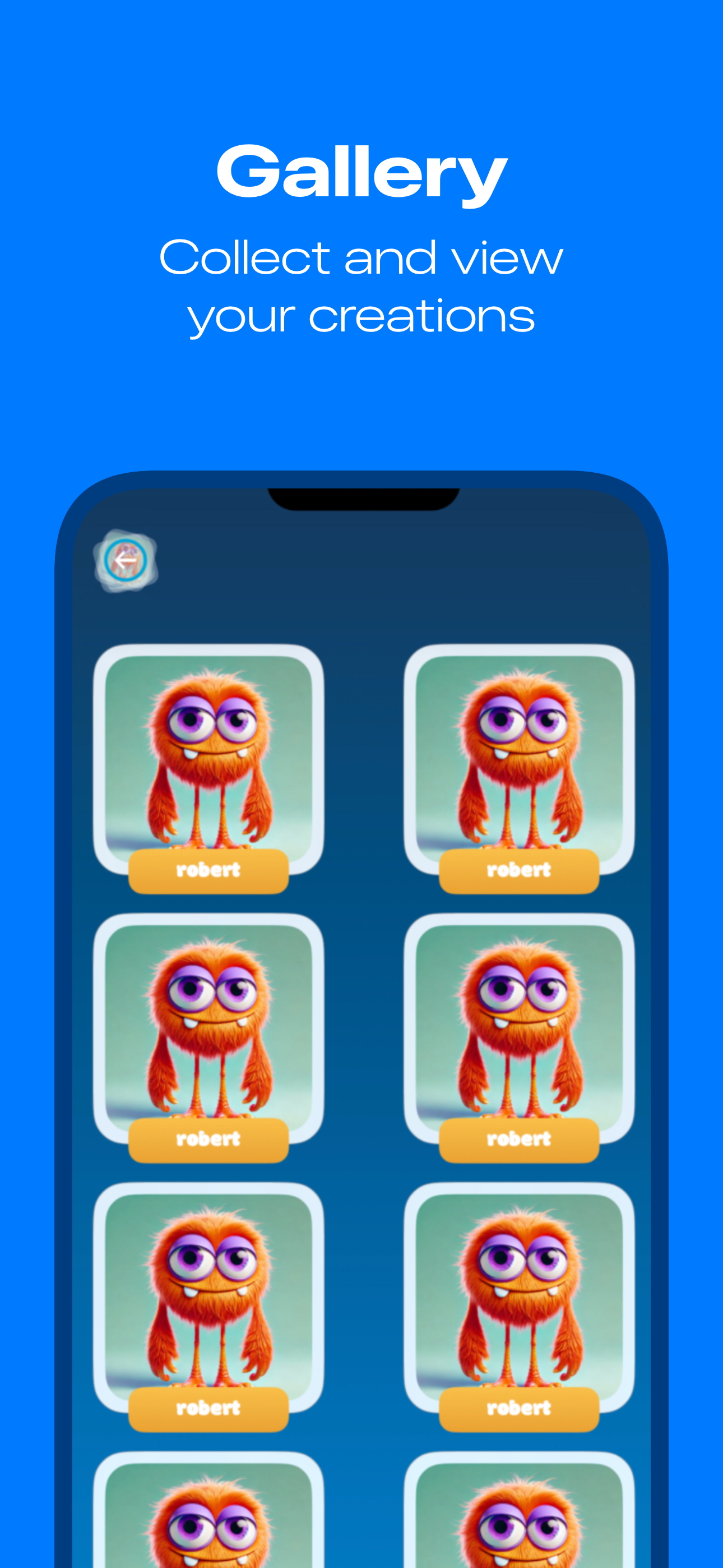
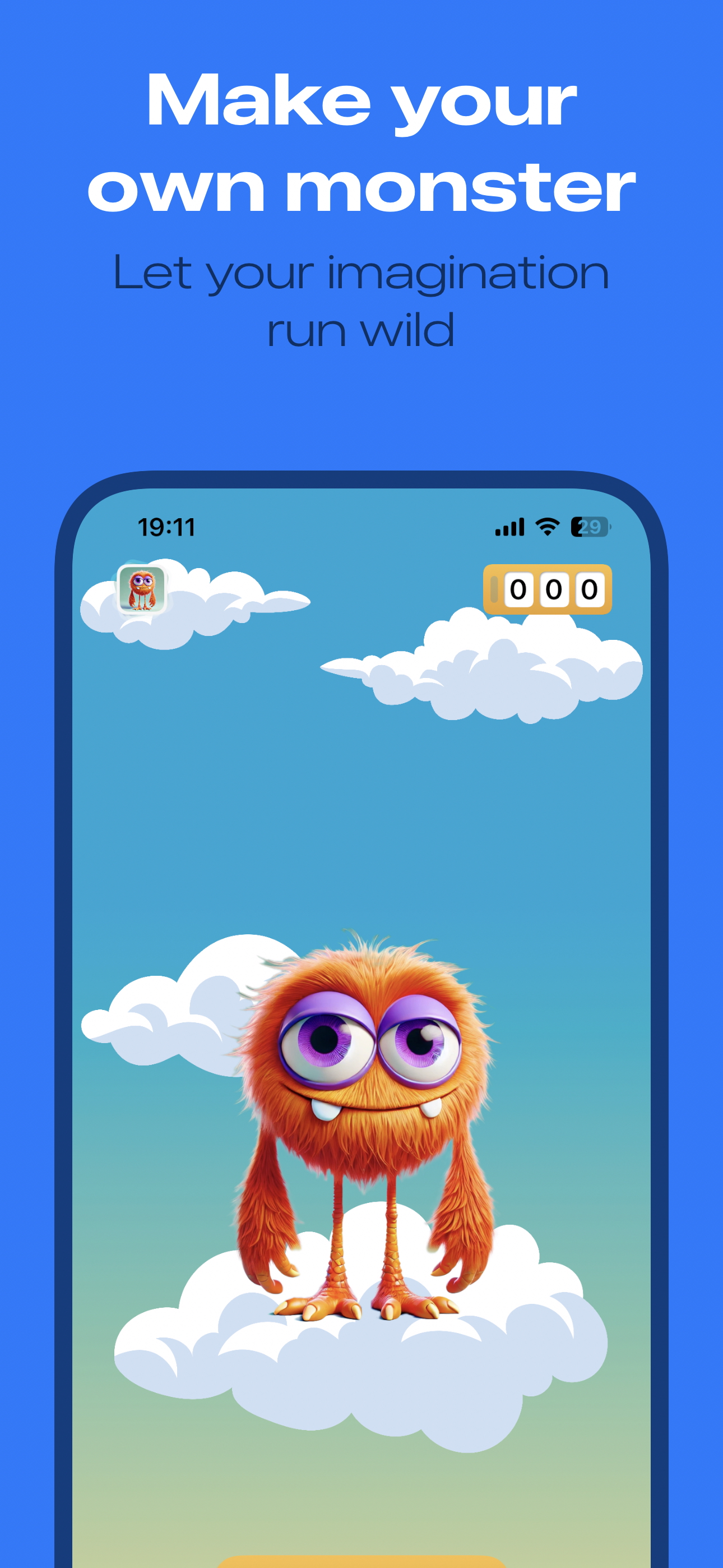
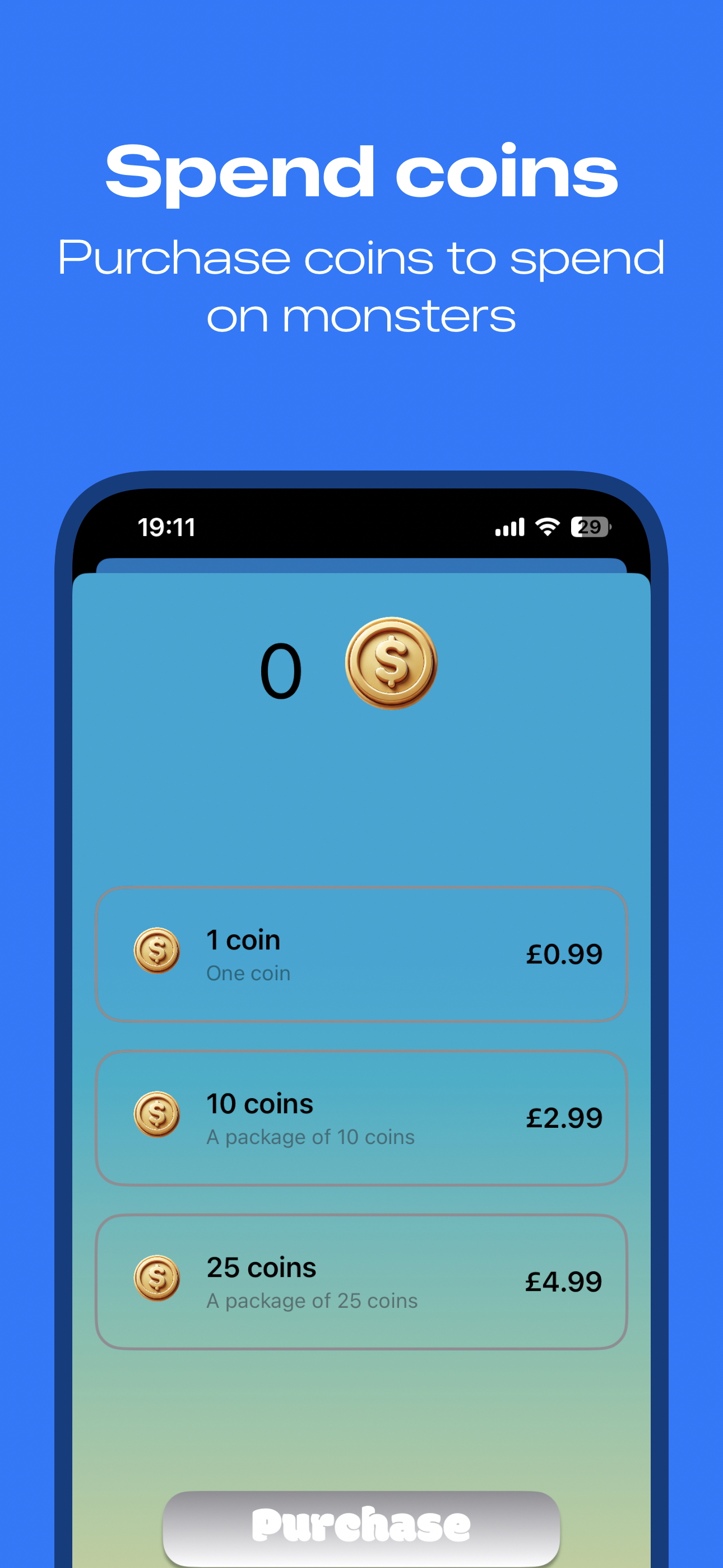
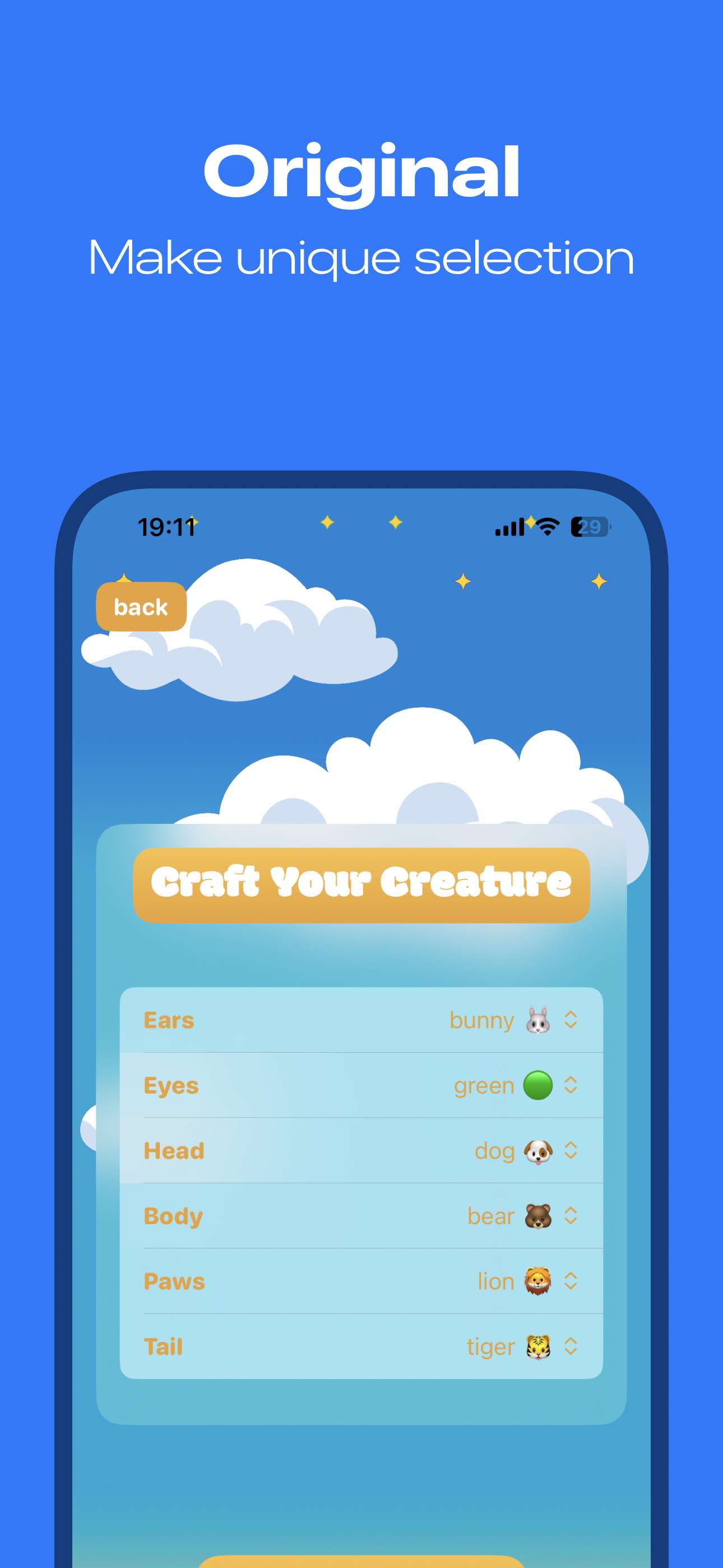
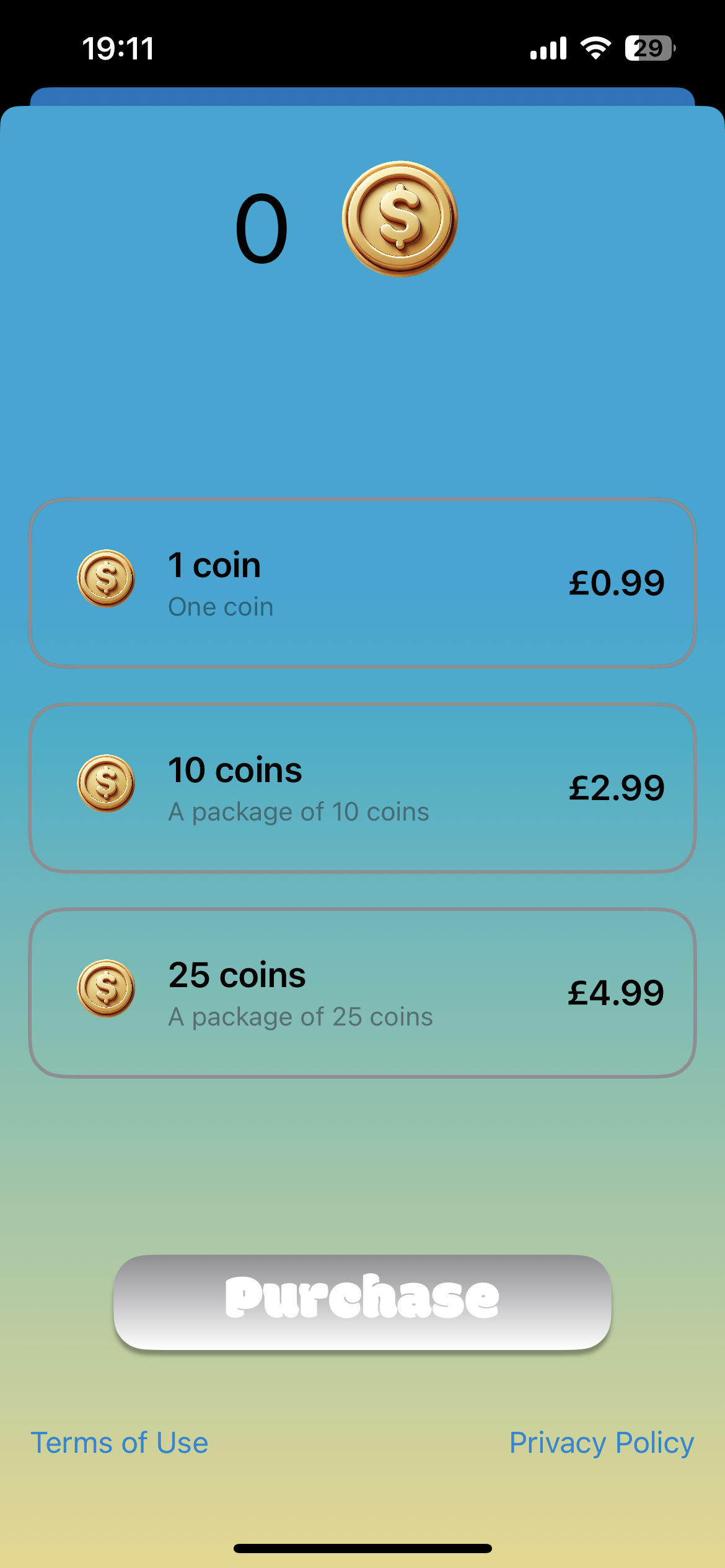
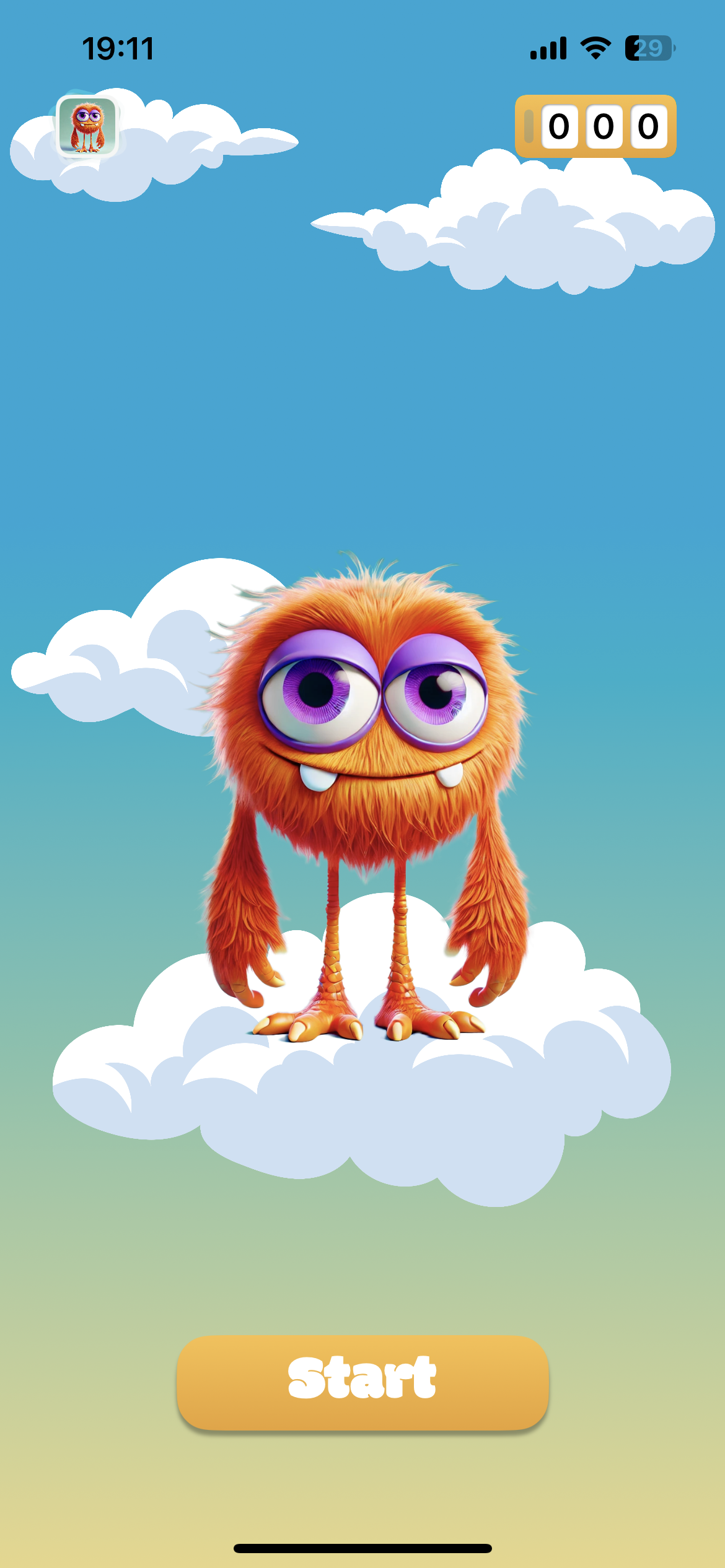
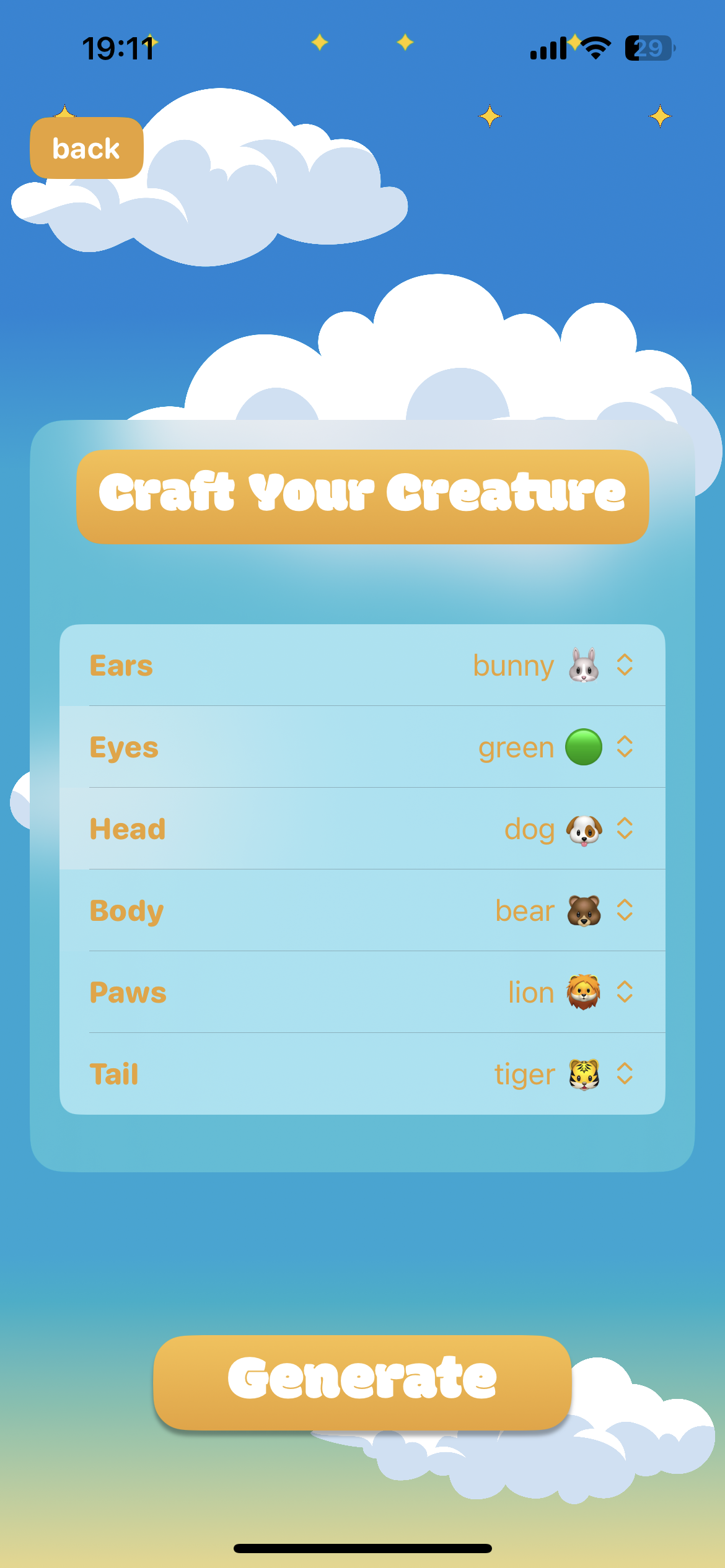
Our app is designed to spark children’s imaginations, encouraging them to think creatively about how different things can come together in unexpected ways. The app lets kids mix and match body parts from various animals to create their own unique, playful monsters. Once their monster is complete, they can give it a name and save their creations in a personal gallery. It costs one coin to produce an image and we sell coin packs.
How we built it
The work was done by my business partner and me. We used Figma to sketch the design and Xcode to develop the app, incorporating the RevenueCat SDK for handling consumable coins. Later, we added a backend on Google Cloud to validate transactions and abstract the Image Diffusion model, allowing us to integrate different models in the future for improved results.
Challenges we ran into
We currently use OpenAI’s diffusion model for image generation.
• The first major challenge with this model is consistency. We had to include a disclaimer in the App Store description, noting that we can’t guarantee consistent results at this time. We’ll also be adding this warning within the app. However, after experimenting with other models, we’ve seen better outcomes, and we expect to switch to a different model soon.
• Initially, we didn’t plan on using a backend, but we discovered that if the app was deleted and reinstalled, users could get an unlimited number of coins. To address this, we implemented a backend system to ensure security.
• Since we’ve never developed an app for kids before, Apple’s requirement for a “parental gate” was new to us.
Accomplishments that we're proud of
We’re really proud of the app’s animations. The few people we’ve shown it to so far seem to love it. We even had a few kids try it out, and the most rewarding moment came when they asked to use the app again a few days later.
What we learned
We’ve gained a lot of knowledge about animation within SwiftUI framework and have plenty of new ideas, as well as tools like Spline, that we plan to incorporate in the future. Integrating the RevenueCat SDK was a first for us, as was connecting it with a backend to validate transactions. We’re also continuously learning what kids enjoy through ongoing feedback.
What's next for Make your own monster
Our first priority is to switch to a new diffusion model as soon as possible. However, this might increase the cost of coins, so we’re considering adding ads that users can watch to earn coins. This way, we can reduce API costs while still offering free coins occasionally. We’re also focused on refining the design and experimenting with tools like Spline to create an even more immersive experience.
Future features we’re excited to explore:
• Adding sound to enhance the in-app experience
• Integrating haptic feedback for a more tactile experience
• To further engage kids’ imaginations, we want to prompt them with questions after they create a monster, like “Where is this monster from?” or “What does it do?” Based on their answers, an AI model will generate a short story and read it aloud, bringing the monster to life with a personalized narrative.
• Making the monsters more interactive by using AI tools to add features like blinking or simple movements.
Built With
- google-cloud
- revenuecat
- swifdata
- swift
- swiftui


Log in or sign up for Devpost to join the conversation.