-
-
Garden
-
-
-
World
-
weekly planner
-

Calendar
-
Shop

Inspiration
Planning tools are useful, but they can often feel repetitive and disconnected from motivation. We wanted to make everyday productivity feel more rewarding and fun.
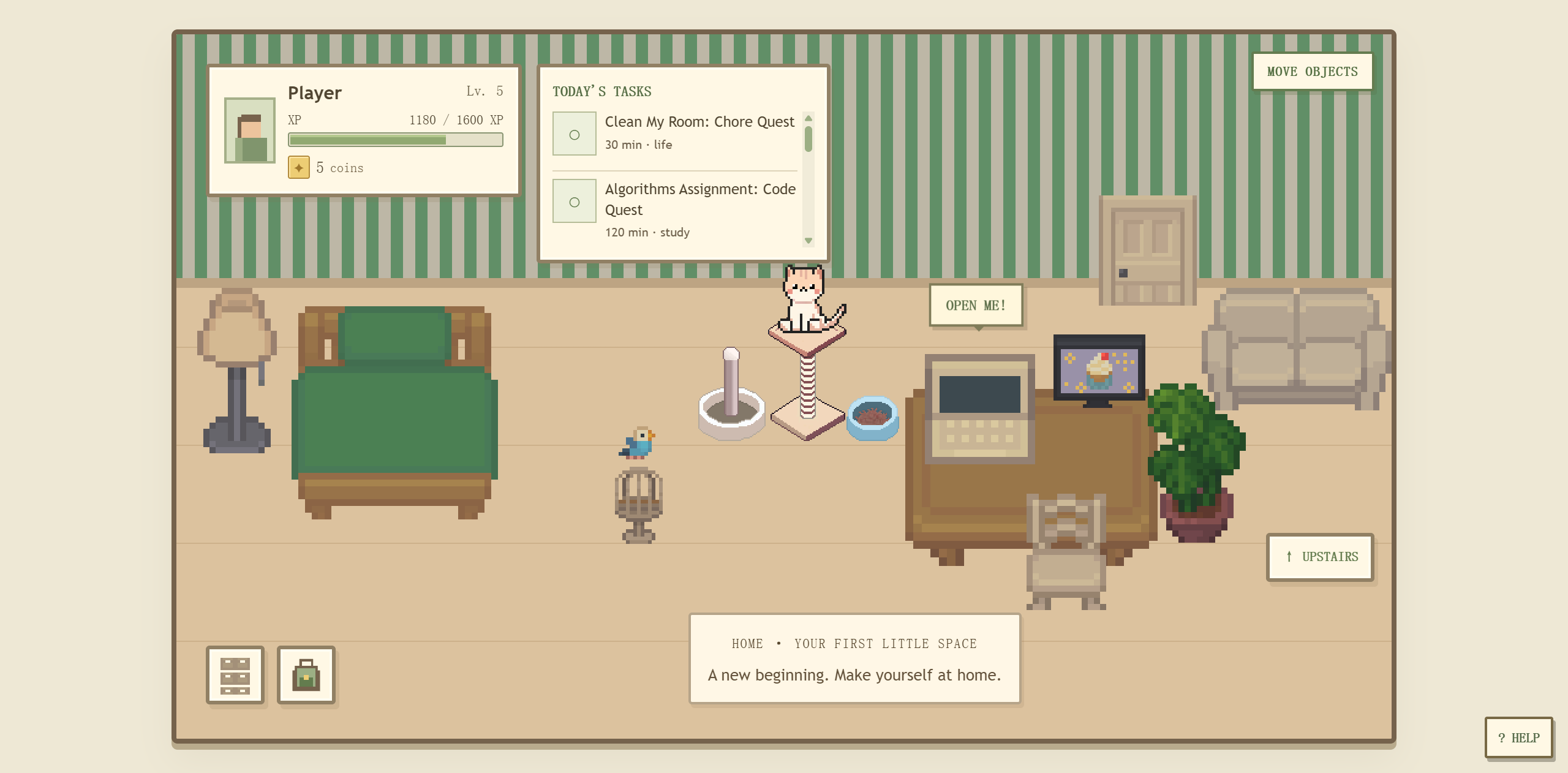
That inspired us to create LifeQuest, a cozy pixel-style productivity game where real-life progress becomes in-game progress. Instead of simply checking tasks off a list, players can complete quests, earn XP and coins, build habits, unlock rewards, decorate their home, and gradually grow their own virtual world.
What it does
LifeQuest turns a player's real-life plans into interactive quests.
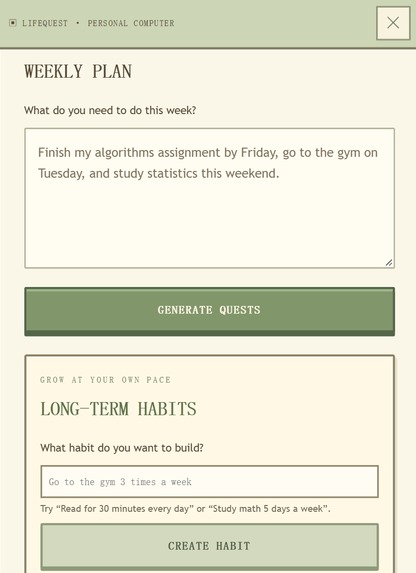
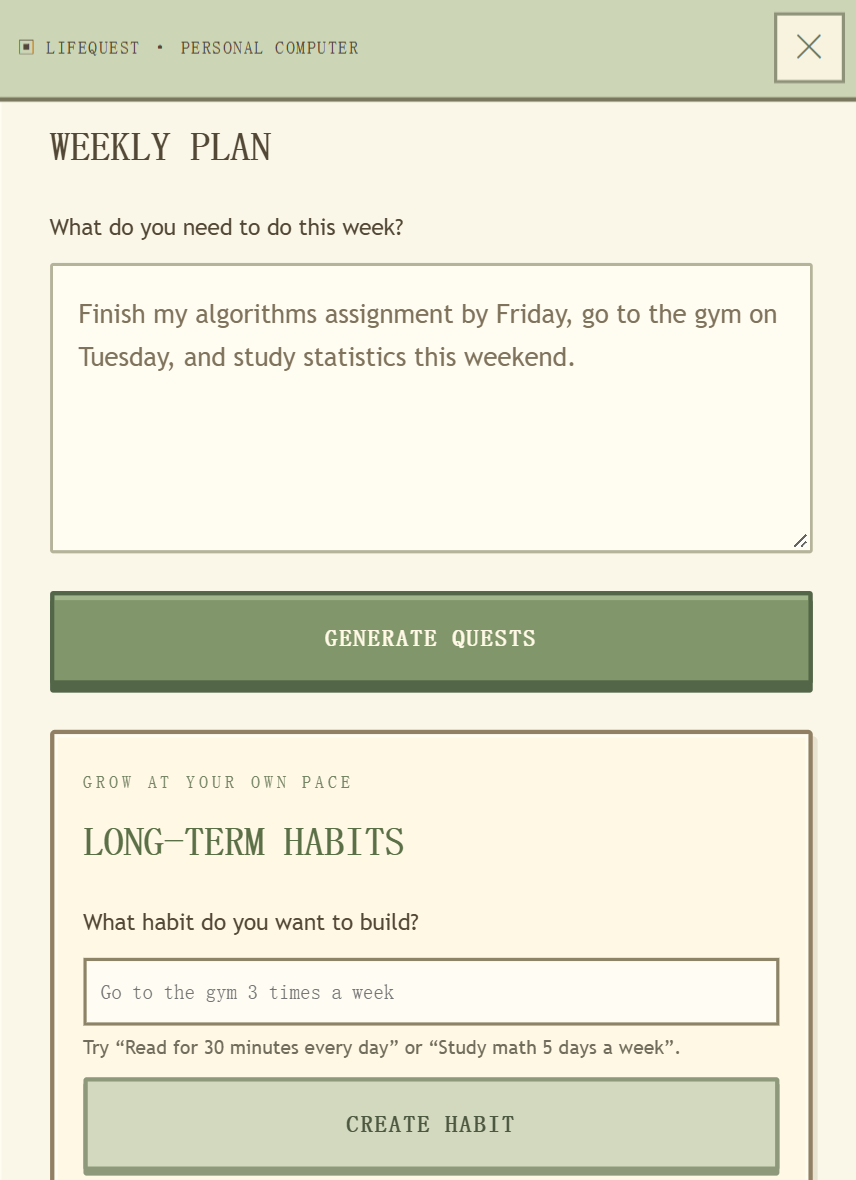
Players can describe what they need to do in natural language, and the app converts those plans into structured quests with dates, times, categories, and rewards. These quests are organized through a calendar and task system so players can easily see what they need to complete.
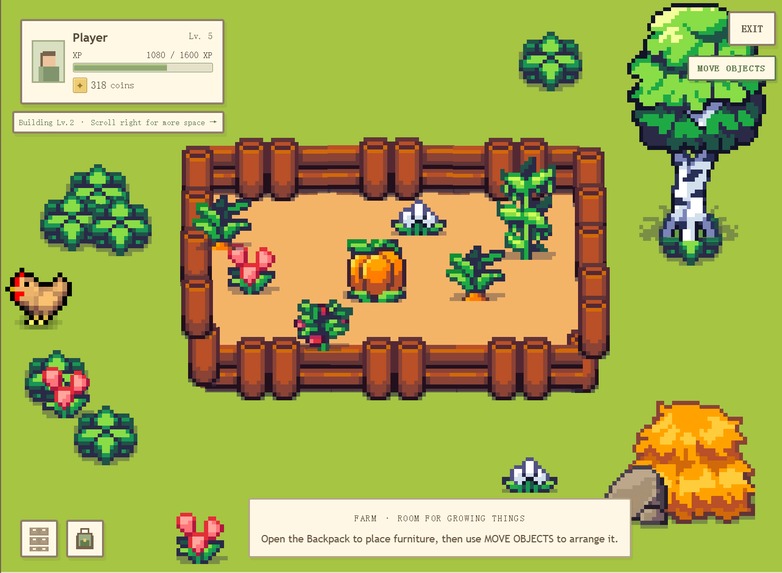
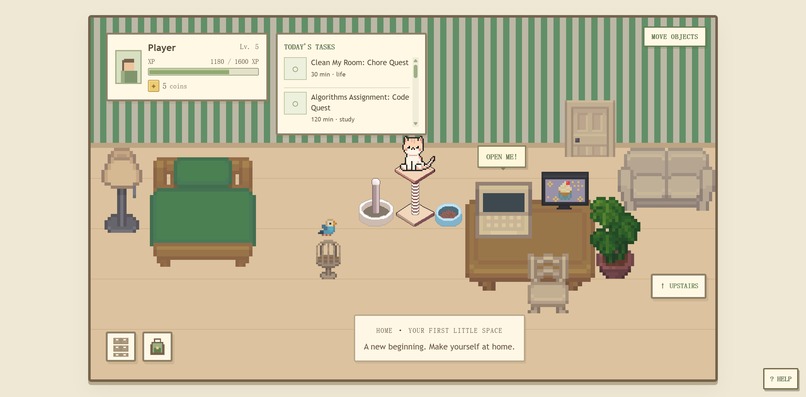
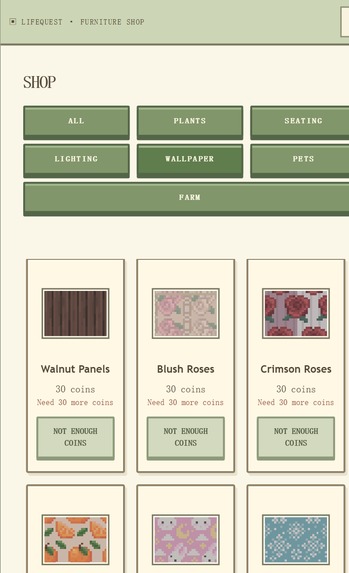
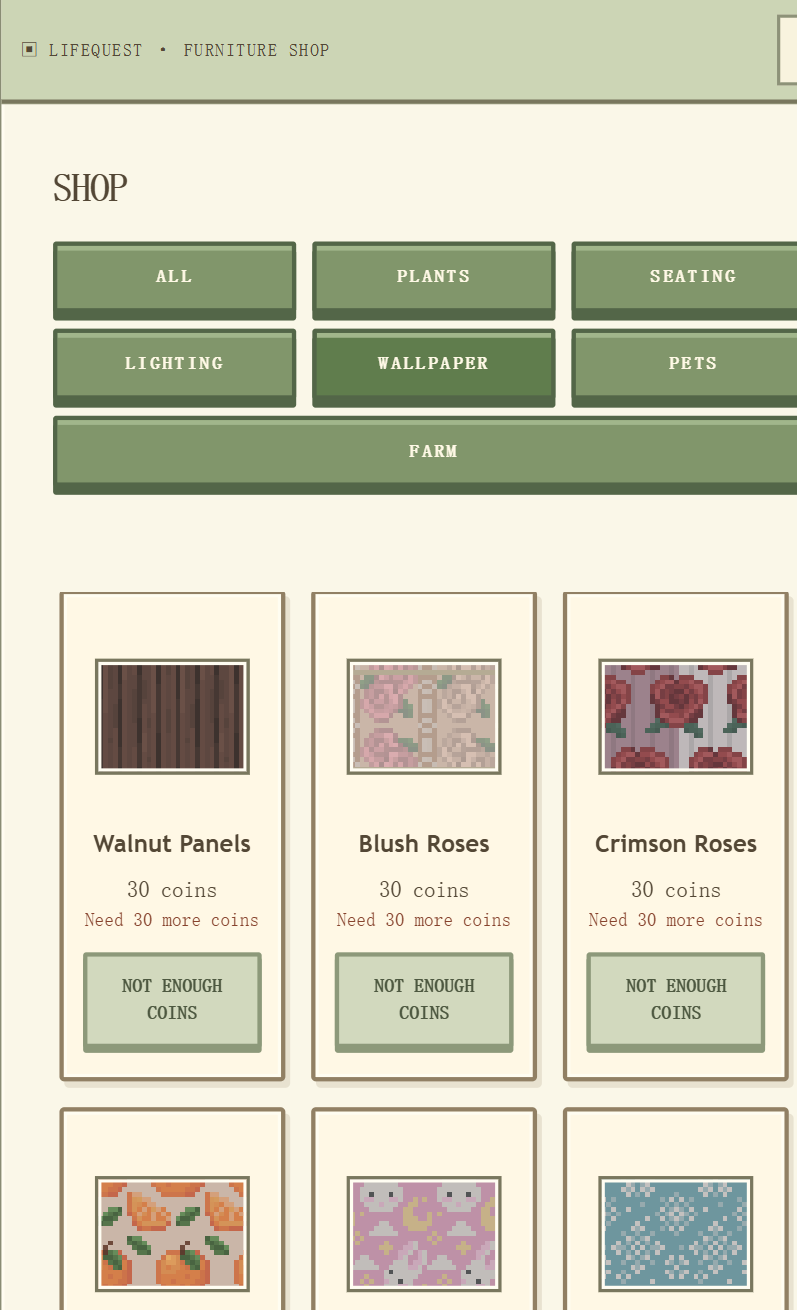
Finishing quests rewards the player with XP and coins, allowing them to level up and purchase decorations for their home and world.
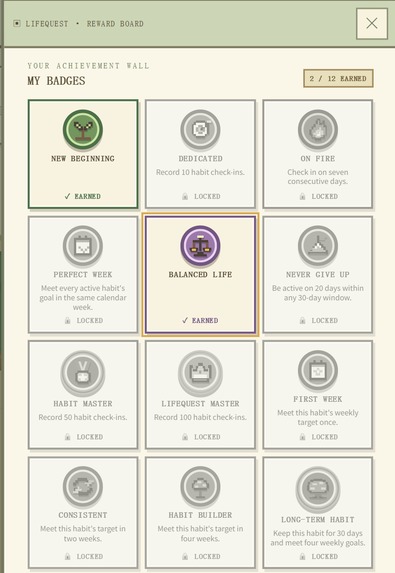
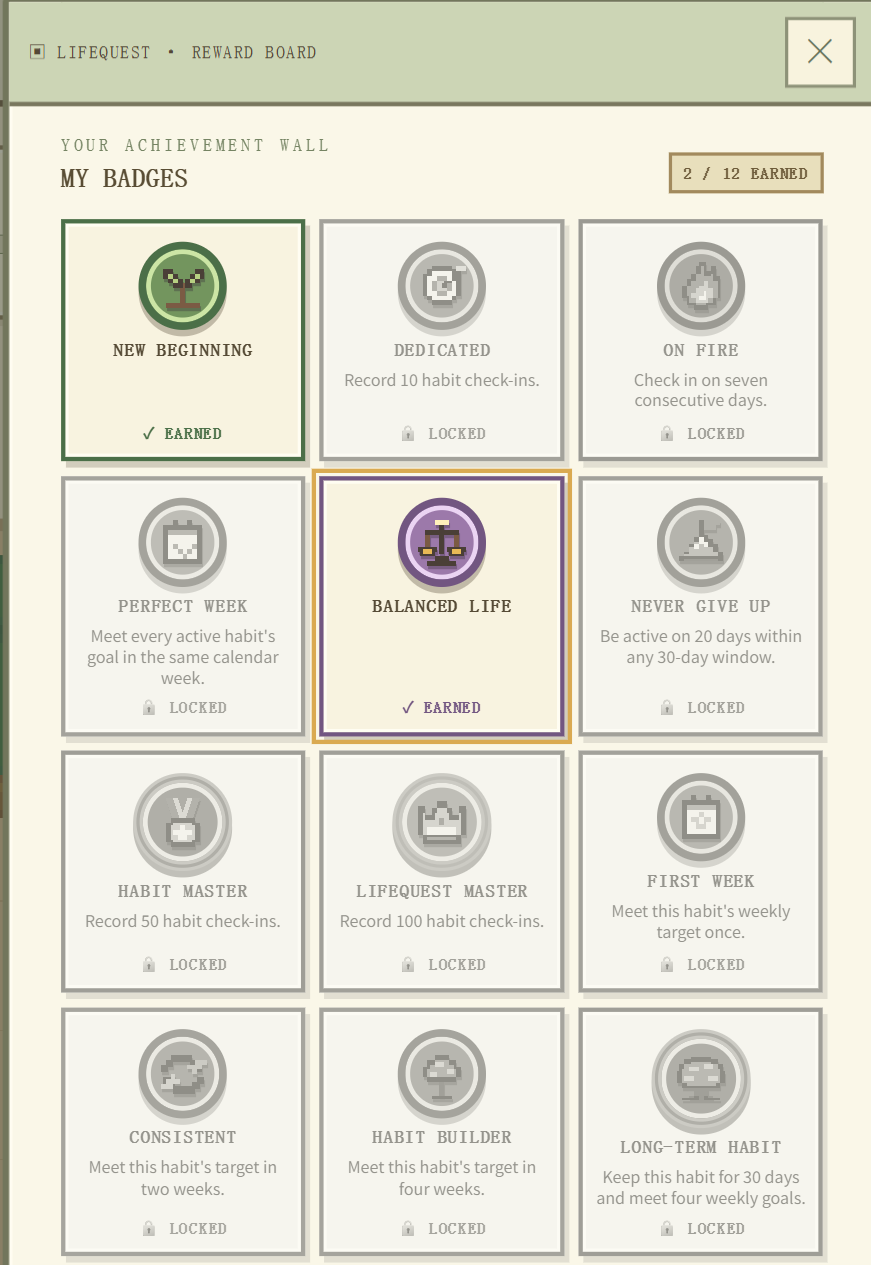
LifeQuest also supports long-term habits. Players can create daily or weekly habits, track their progress, and unlock milestones and achievements for staying consistent. These achievements can reward XP, coins, badges, furniture, plants, and special world decorations.
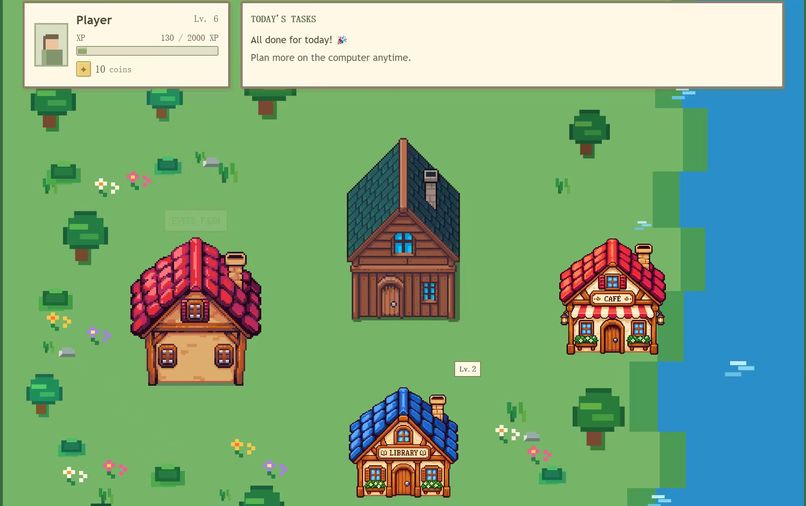
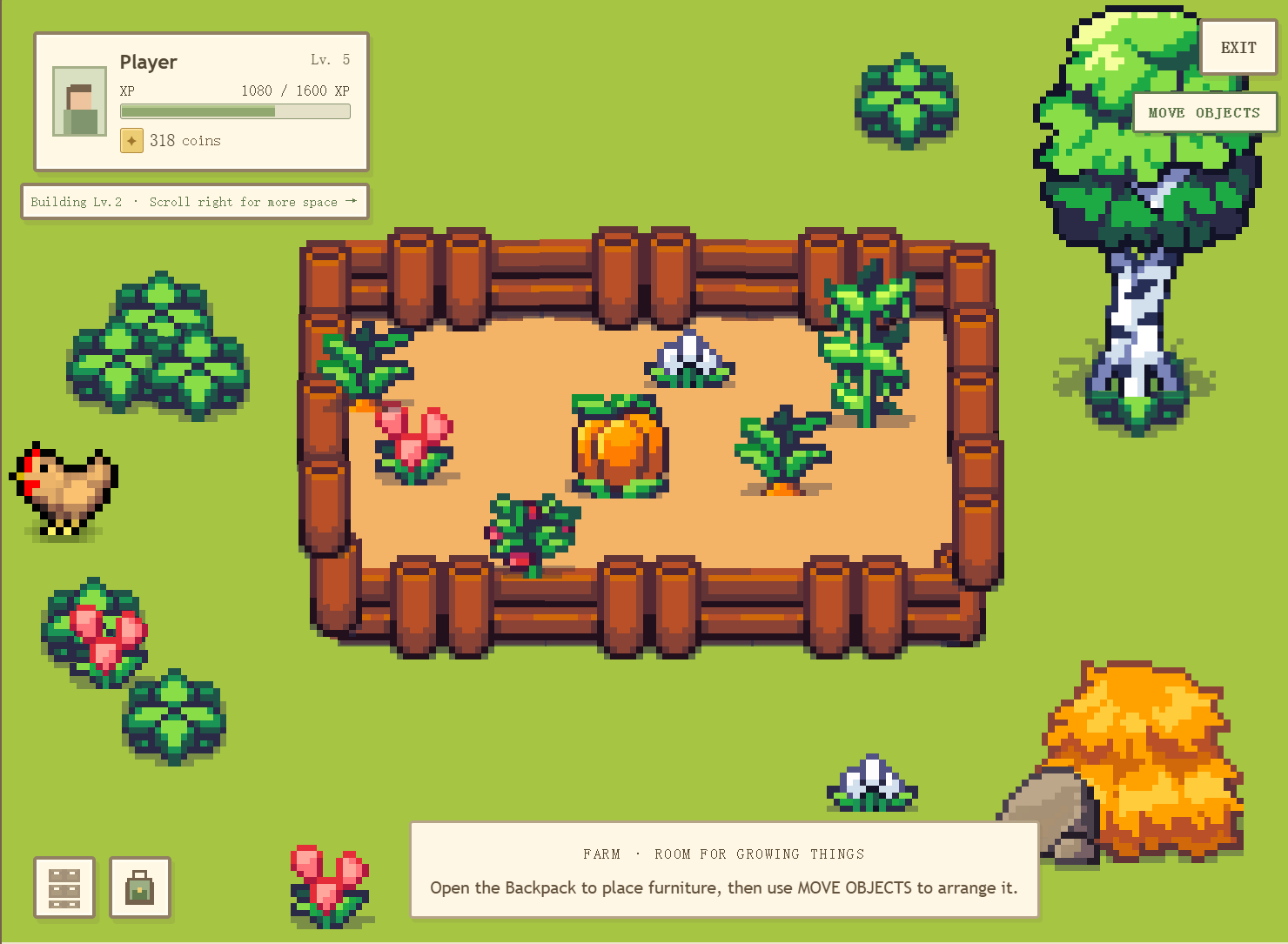
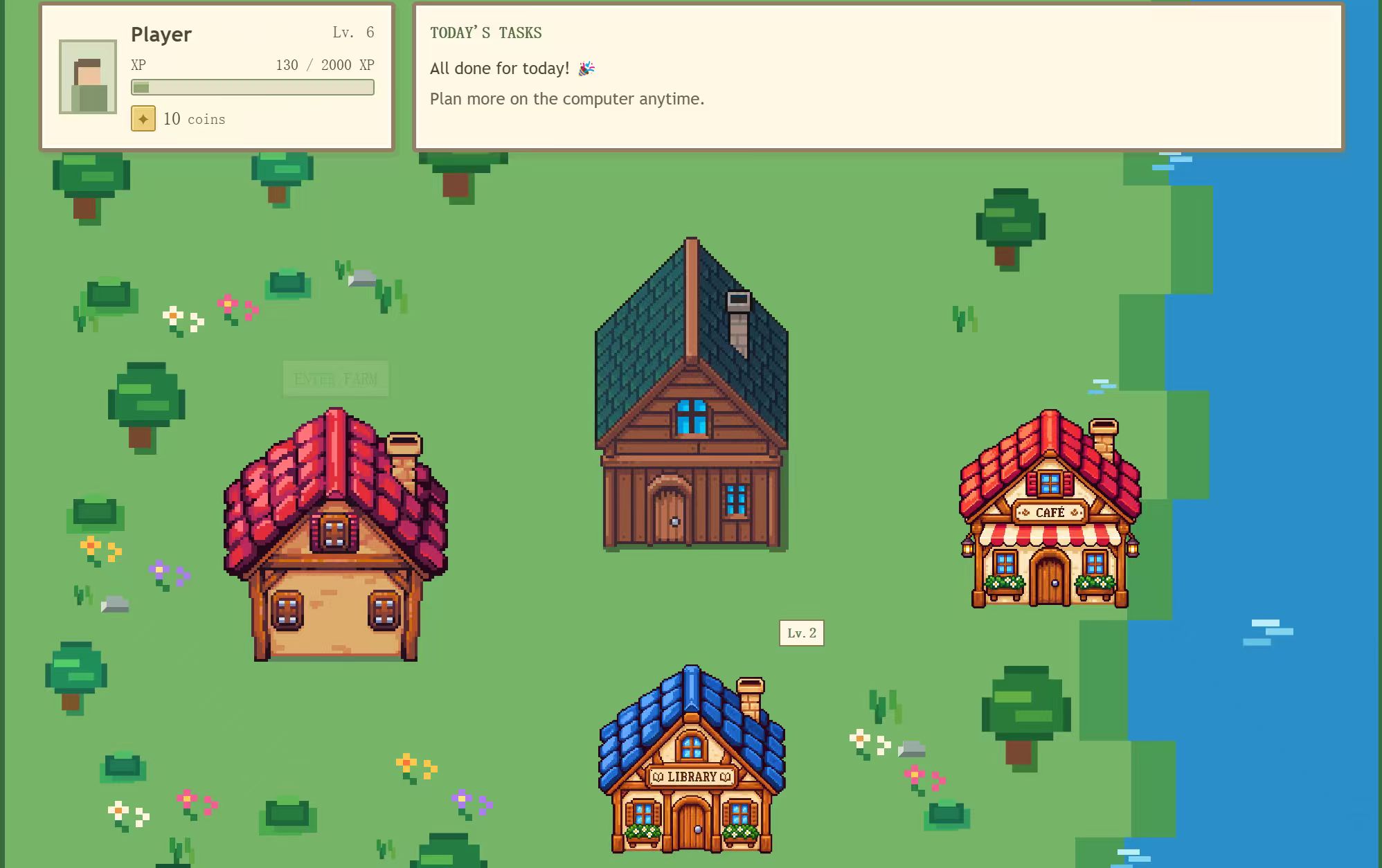
The game also includes an interactive pixel-art world with buildings, shops, home customization, furniture placement, and progression-based rewards.
How we built it
We built the frontend with React and TypeScript and created the backend with Node.js and Express.
We integrated Gemini to transform natural-language plans into structured quests. For example, a player can enter multiple tasks with different dates and times, and LifeQuest converts them into quests that can be displayed correctly in the calendar.
TiDB is used for persistent game data such as player information, quests, items, habits, check-ins, and rewards.
We also built our own game systems for XP, coins, levels, quest completion, habit tracking, achievements, inventory, shops, and world progression. The pixel-art interface ties these systems together so that productivity feels like part of the game rather than a separate to-do list.
Challenges we ran into
One of our biggest challenges was converting flexible natural-language input into reliable scheduled tasks. Users might write dates and times in many different ways, so we had to make sure quests were assigned to the correct days and that multiple tasks could appear on the same date.
Another challenge was connecting many different systems at once. Our calendar, AI quest generation, backend APIs, player progression, shops, habits, rewards, and interactive world all needed to share consistent data.
Because we worked as a team, we also had to frequently merge different features while making sure new changes did not break existing functionality.
Accomplishments that we're proud of
We're especially proud that LifeQuest became more than a simple task manager.
We created a complete gameplay loop where planning real-life tasks creates quests, completing those quests earns rewards, and those rewards can be used to customize and expand the player's virtual experience.
We also built a long-term habit and achievement system with unique badges and milestone rewards, giving players reasons to stay consistent beyond completing individual daily tasks.
Finally, we created an interactive pixel world that makes the player's productivity progress visible and rewarding.
What we learned
This project taught us how to connect AI with a full-stack application instead of using AI as a standalone feature.
We learned a lot about designing APIs, managing persistent data, building game progression systems, handling natural-language scheduling, and keeping frontend and backend state synchronized.
We also gained experience collaborating through Git and GitHub, resolving merge conflicts, testing features developed by different team members, and rapidly iterating on a product during a hackathon.
What's next for LifeQuest
We would like to make the LifeQuest world much larger and allow players to unlock new areas as they progress.
We also want to add more buildings, furniture, characters, pets, achievements, and customization options. In the future, the AI planner could become more personalized by learning from a player's habits and helping them create realistic schedules based on their previous progress.
Ultimately, we want LifeQuest to become a world that grows together with the player — turning everyday productivity into a long-term adventure.
Built With
- codex
- css
- express.js
- gemini
- node.js
- react
- tidb
- typescript
- vite

Log in or sign up for Devpost to join the conversation.