-
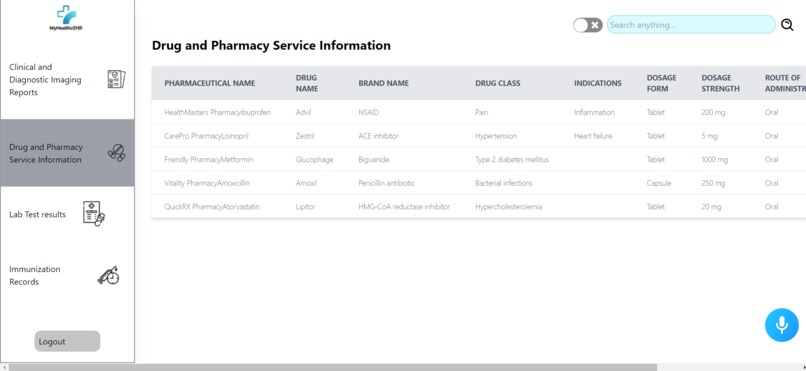
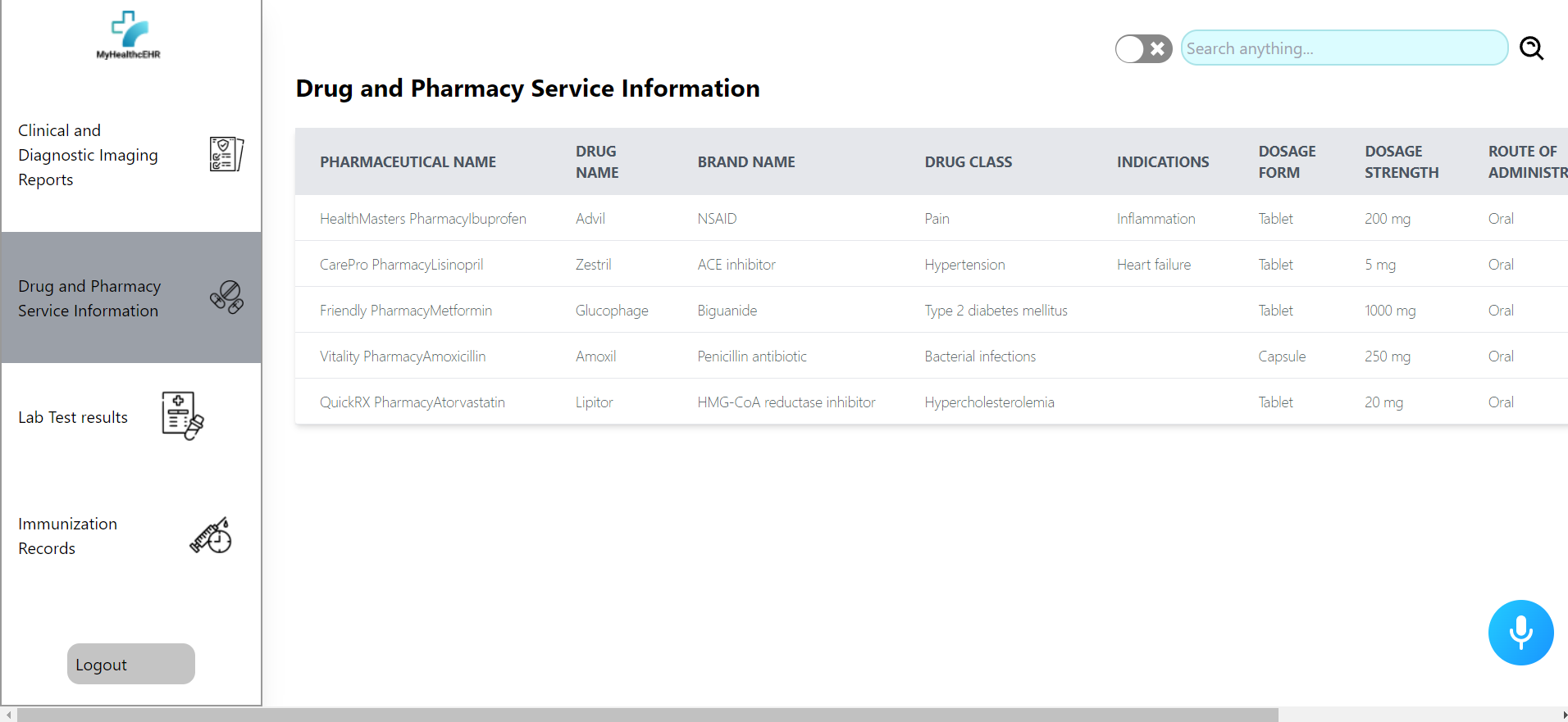
Pharmacy Information
-
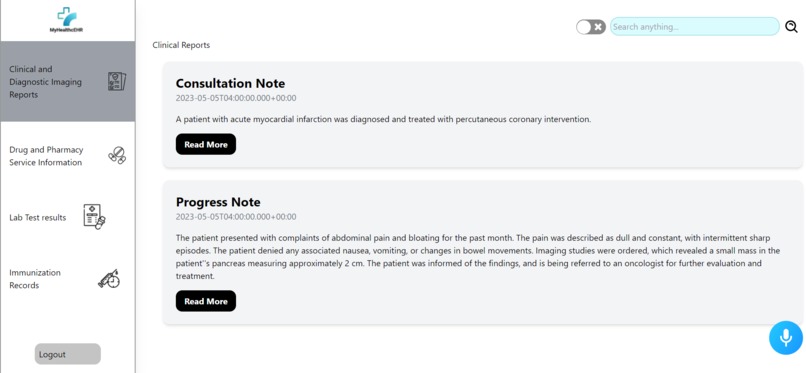
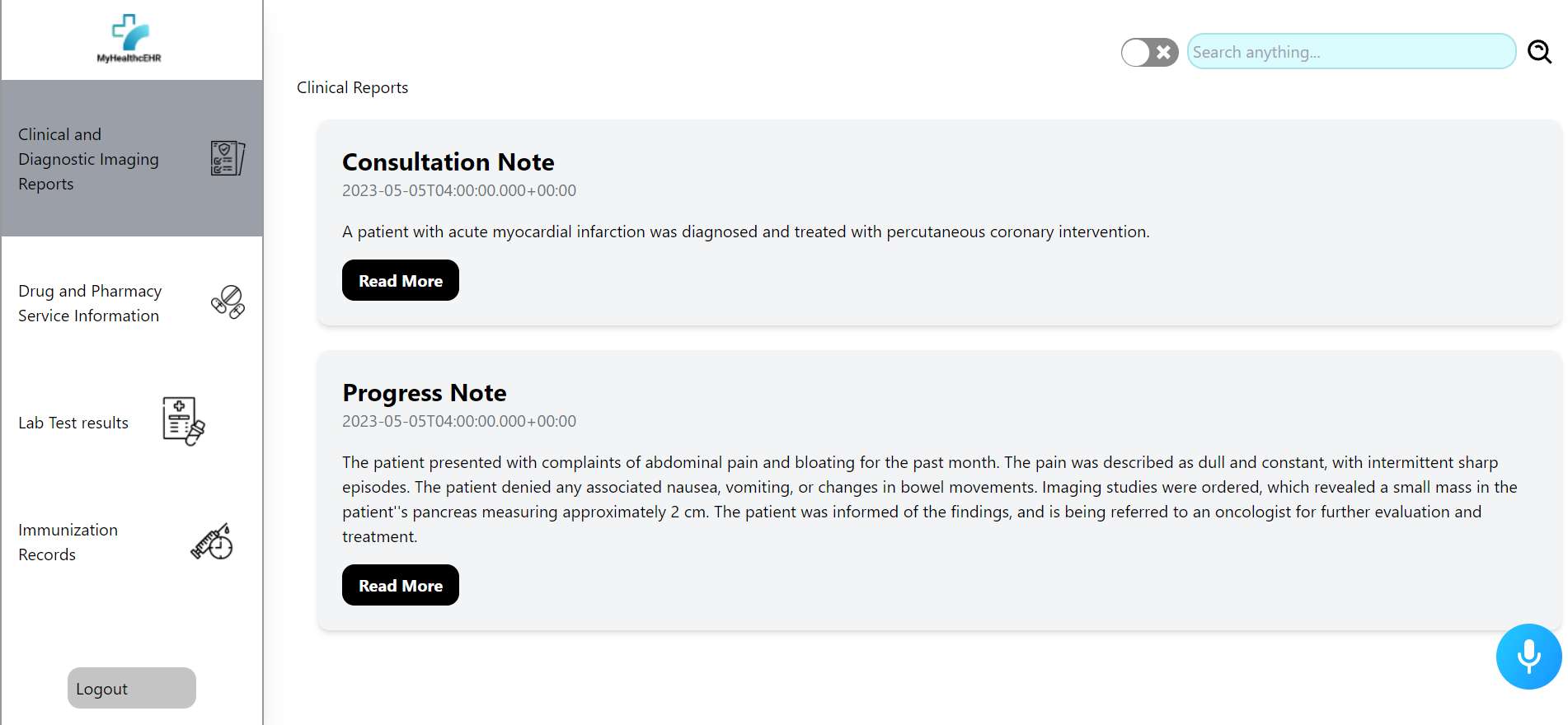
Clinical Reports
-
Immunization Records
-
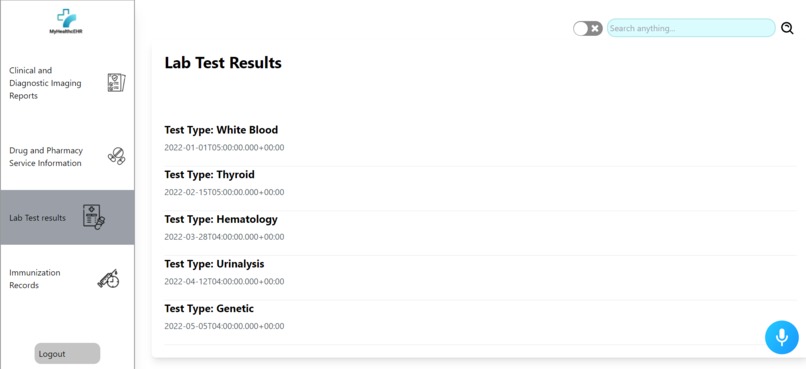
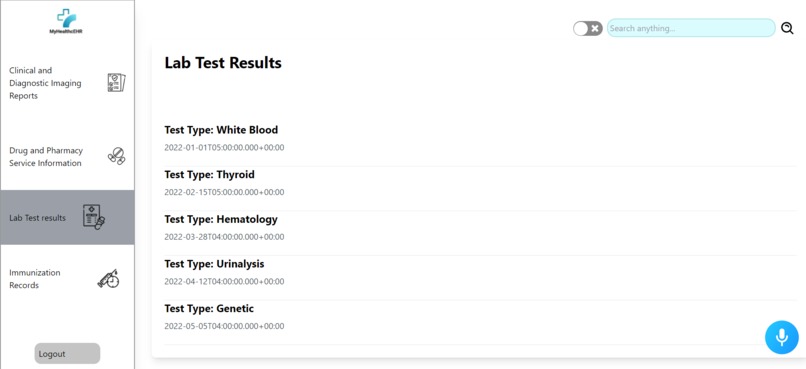
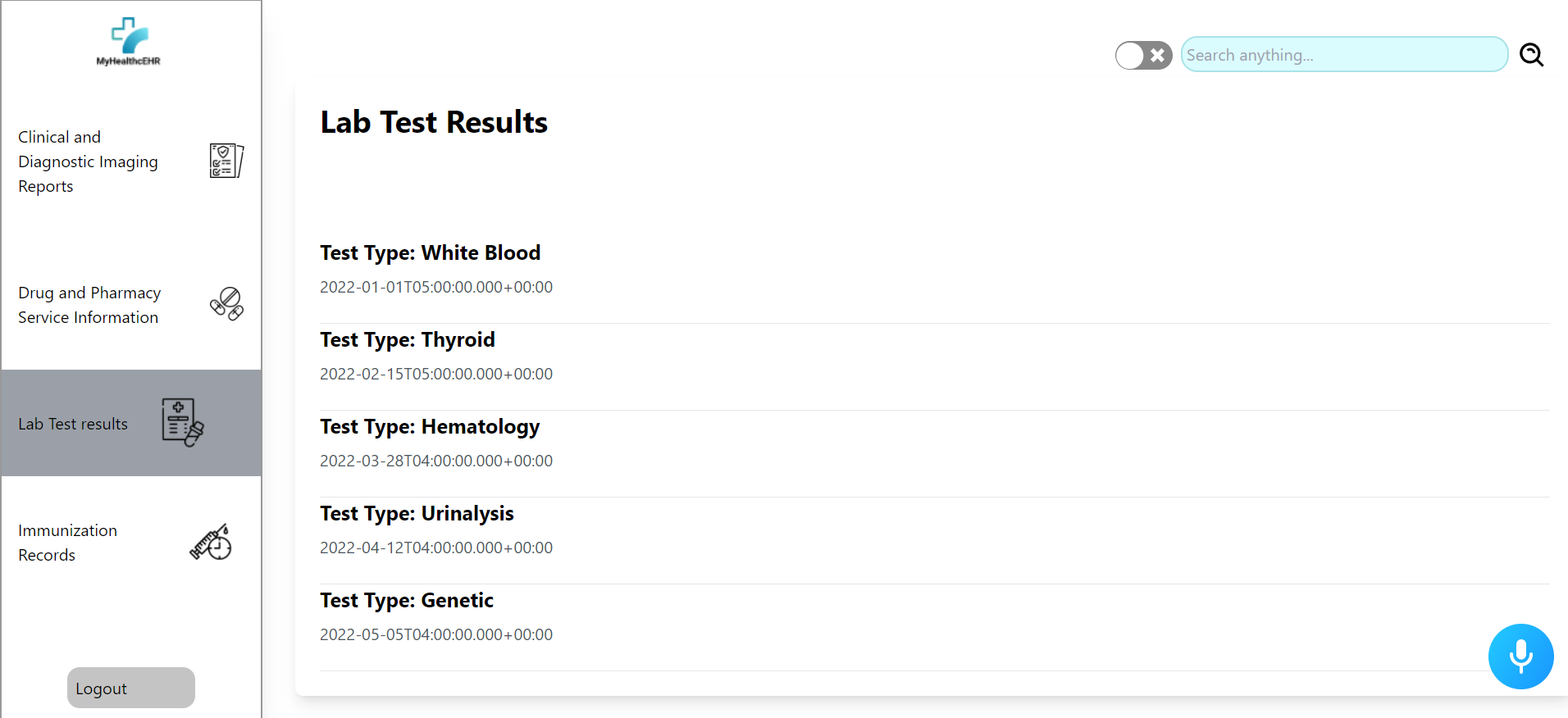
Lab Test
-
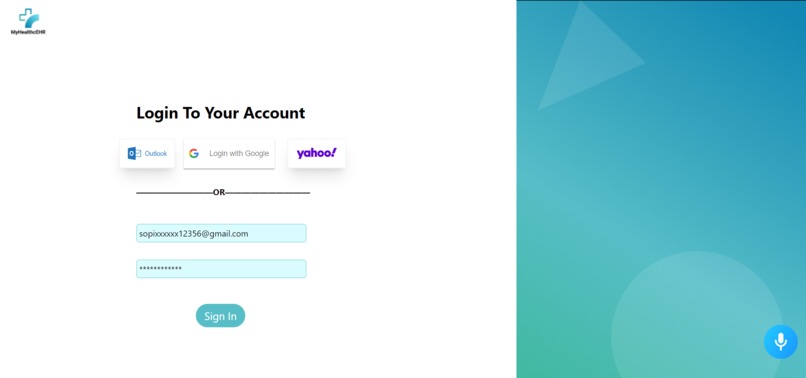
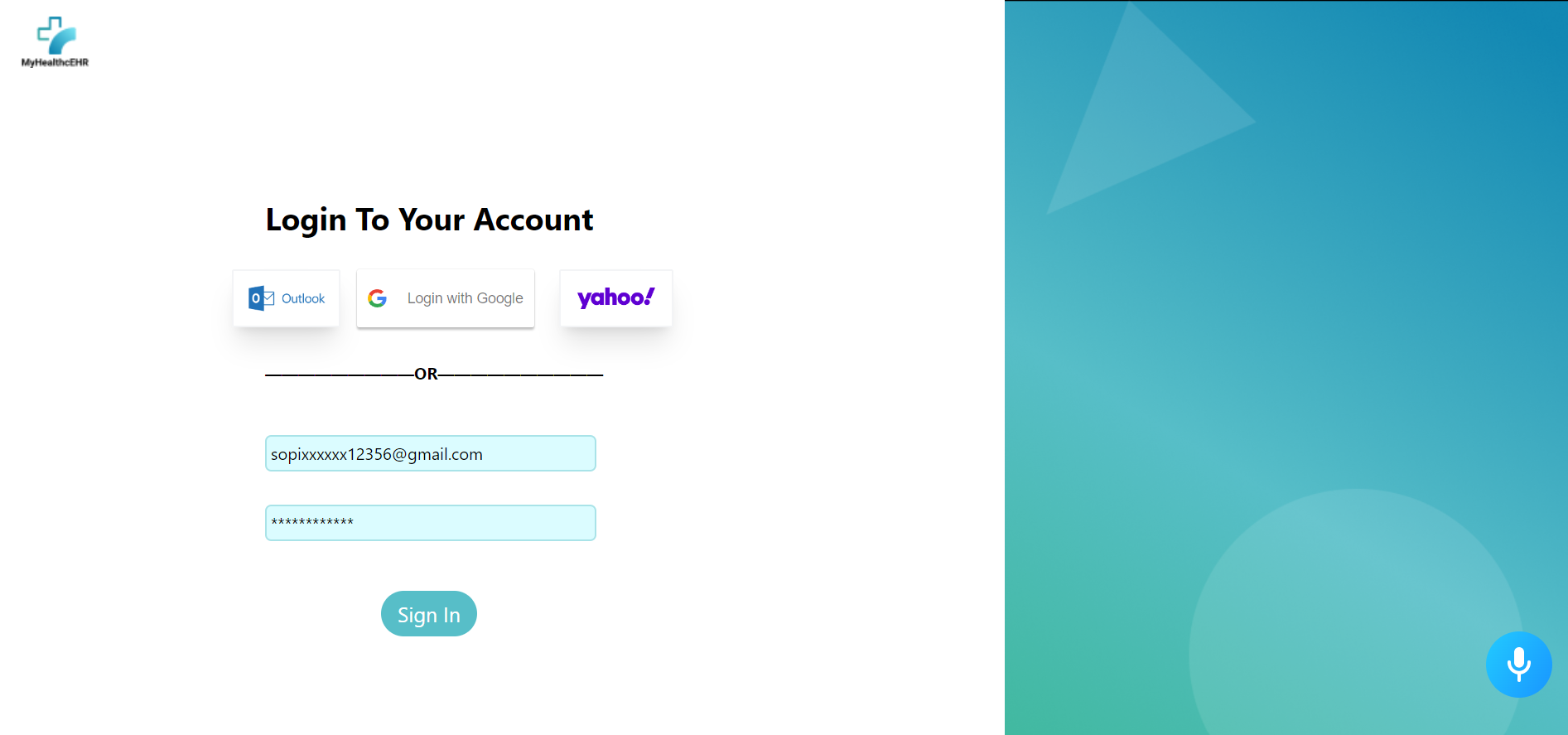
Login Page
-
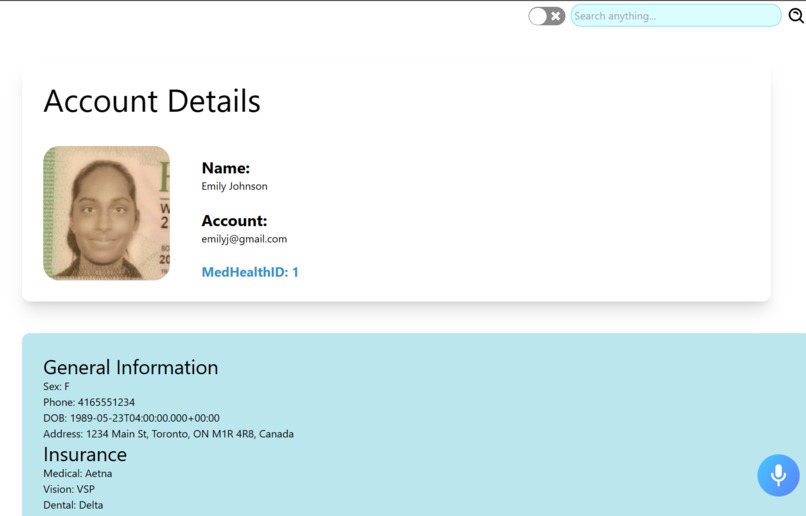
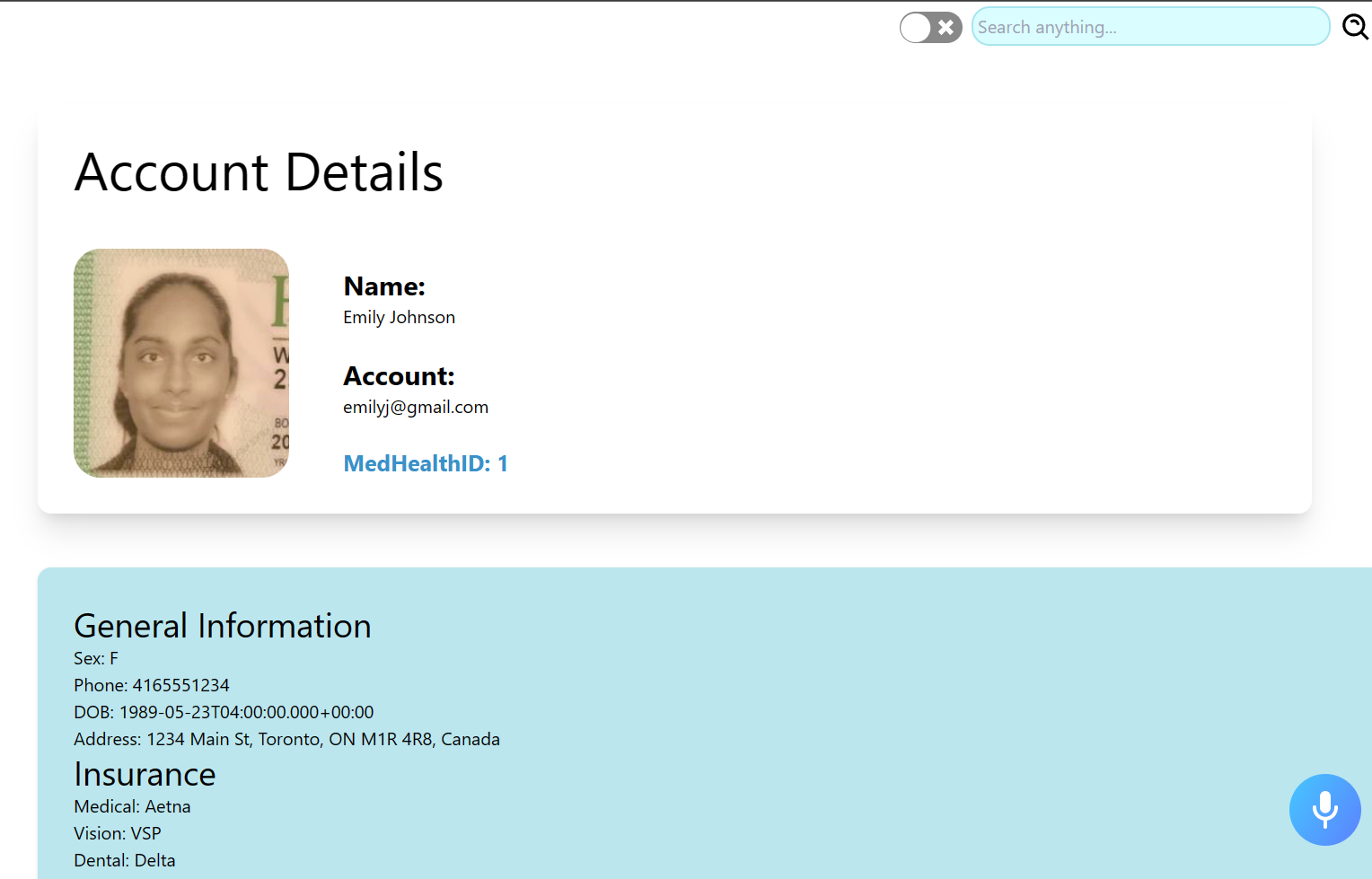
Account Details

Inspiration
One of the main requirements that patients look for in their healthcare providers is clear and effective communication about information such as their medical conditions, treatment options, and potential side effects. One of the places where such information is stored is on a patient’s health record.
An electronic health record (EHR) is a secure and private lifetime record of your health history. It gives your healthcare team, including family doctors, nurses, emergency room clinicians, and specialists, real-time access to your relevant medical information, so they can provide the best care for you. As a patient, you - or your substitute decision-maker - have the right to access a copy of your personal health information.
However, according to eHealthOntario, patients do not have digital access to their EHR as relevant information is decentralized. This means that in order for a patient to access their information, they will need to contact various organizations individually.
What it does
Our platform aims to revolutionize healthcare by centralizing patients' electronic health records, enabling them to access their medical information in one place, saving time, reducing costs, and improving healthcare quality. Currently, patients have to contact multiple organizations individually to access their EHR, but with our platform, this process becomes more streamlined and efficient.
How we built it
Our team built a digital dashboard for accessing electronic health records (EHRs) using MySQL for the database, Spring Boot for the backend, and React for the frontend. MySQL was chosen for its ability to manage large volumes of data, while Spring Boot provided features for enterprise-level development. React's component-based architecture was leveraged to build a user-friendly and interactive interface for patients to quickly access the information they need.
Challenges we ran into
Building our digital dashboard came with challenges that required creative solutions. One such challenge was resolving CORS security issues when connecting our React frontend with our Spring Boot APIs, which we overcame with server configuration and browser extensions. We also had to develop a custom data processing pipeline to handle diverse input formats for Cohere's Rerank API, as well as a robust backend system to manage many different SQL tables.
Accomplishments that we're proud of
We achieved many proud accomplishments while building our digital dashboard. Firstly, we successfully developed working APIs using Spring Boot, allowing for integration with our React frontend. Additionally, our frontend was able to load JSON data from our custom APIs, providing real-time data to users. We are also proud of integrating Cohere's APIs into our own, which provided sophisticated natural language processing features for efficient information retrieval. Finally, all of our group members learned something new about Spring Boot and React during the project, which will benefit us in future projects.
What we learned
Throughout the course of building our digital dashboard, we learned a great deal about a range of technologies and concepts. We gained experience in building responsive, dynamic user interfaces using React and learned about the features and components of Spring Boot to build scalable, robust backend systems that could handle large volumes of data and traffic. We also learned how to use RESTful APIs to communicate data between the frontend and backend, and how to solve issues that arose quickly and efficiently as a team.
Overall, building our digital dashboard was a valuable learning experience that helped us deepen our understanding of React, Spring Boot, API development, and troubleshooting techniques. These skills will be useful in our future projects and careers, and we are proud of what we achieved as a team.
What's next for MyHealthcEHR
Looking ahead, we plan to focus on several key areas to make MyHealthcEHR a more comprehensive tool for healthcare professionals and organizations. These include developing dedicated views for healthcare users, adding the ability to visualize lab test results in graphs and charts, and enabling healthcare organizations to upload more types of documents and data to our platform. We are excited about the future of MyHealthcEHR and believe that these upcoming features will help us make a real difference in the healthcare industry by improving patient outcomes and reducing healthcare costs.
Built With
- cohere
- java
- javascript
- mysql
- postman
- react
- springboot


Log in or sign up for Devpost to join the conversation.