-
-
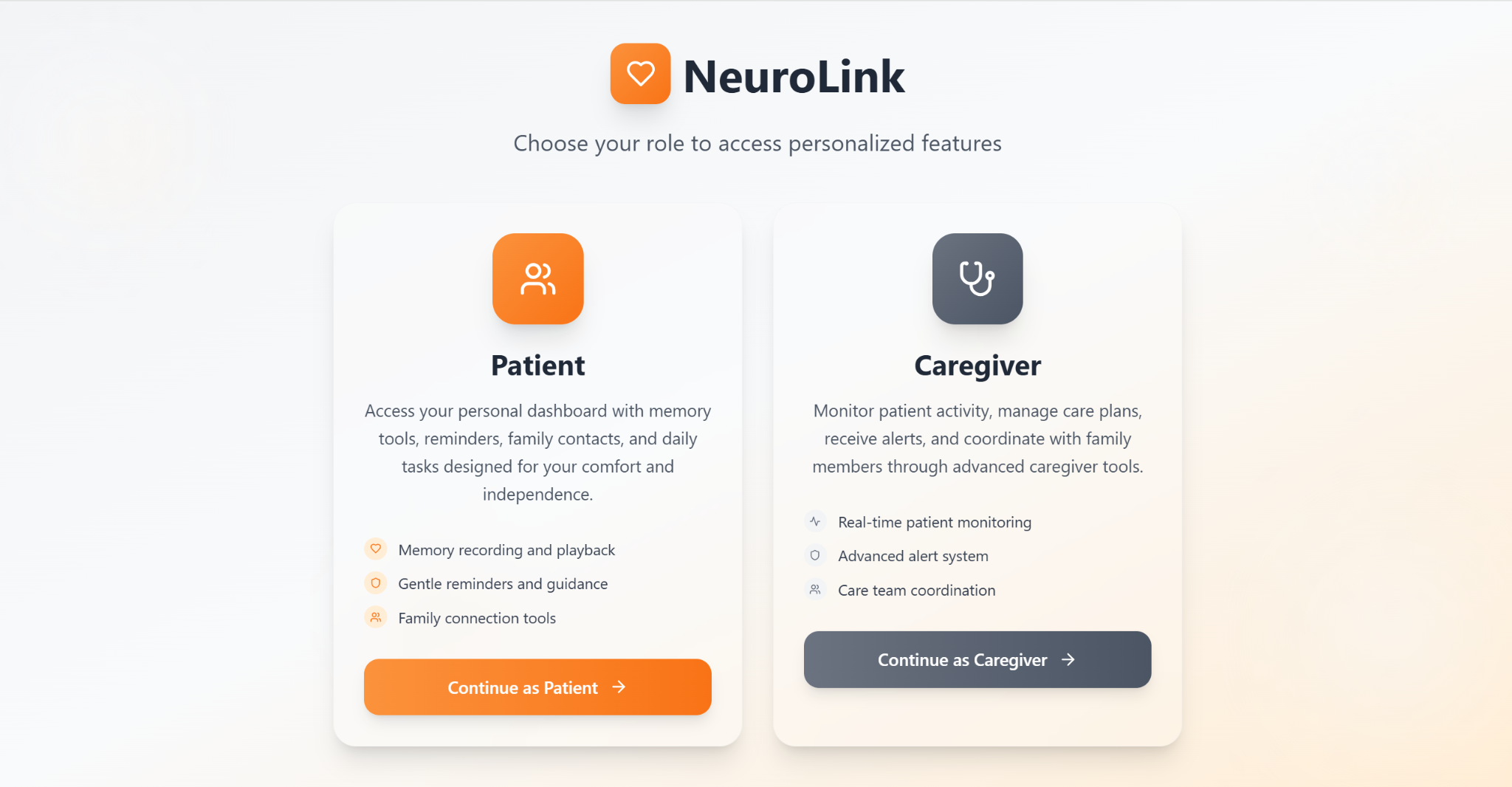
Landing Page
-
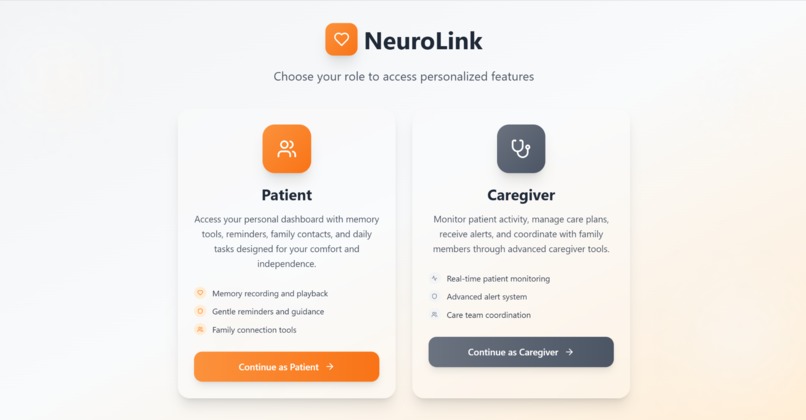
Choose the required dashboard
-
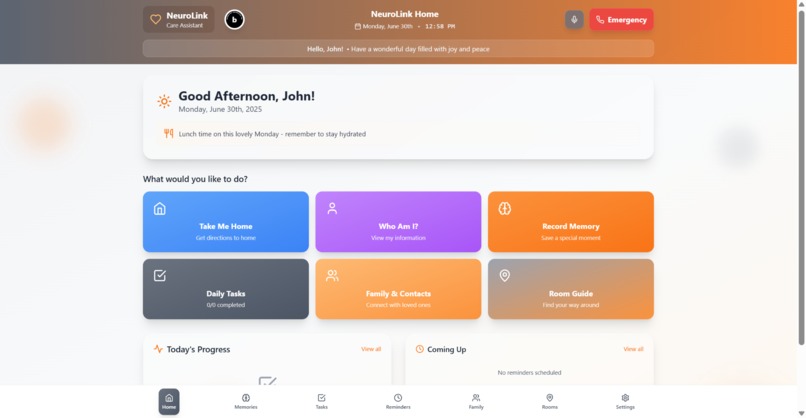
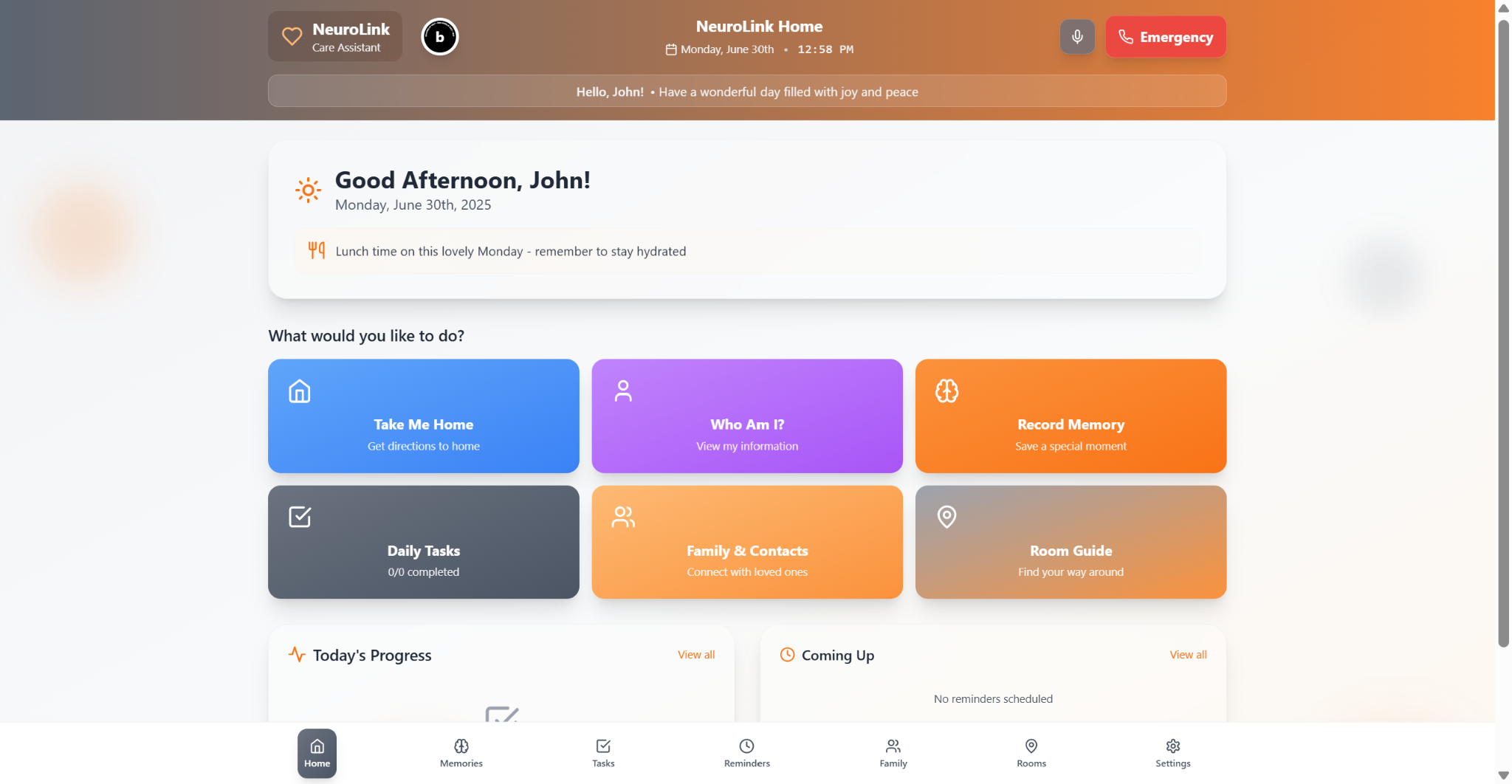
Patient dashboard
-
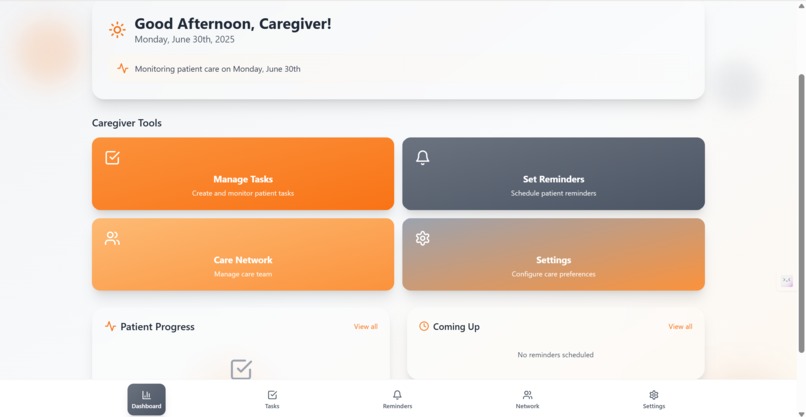
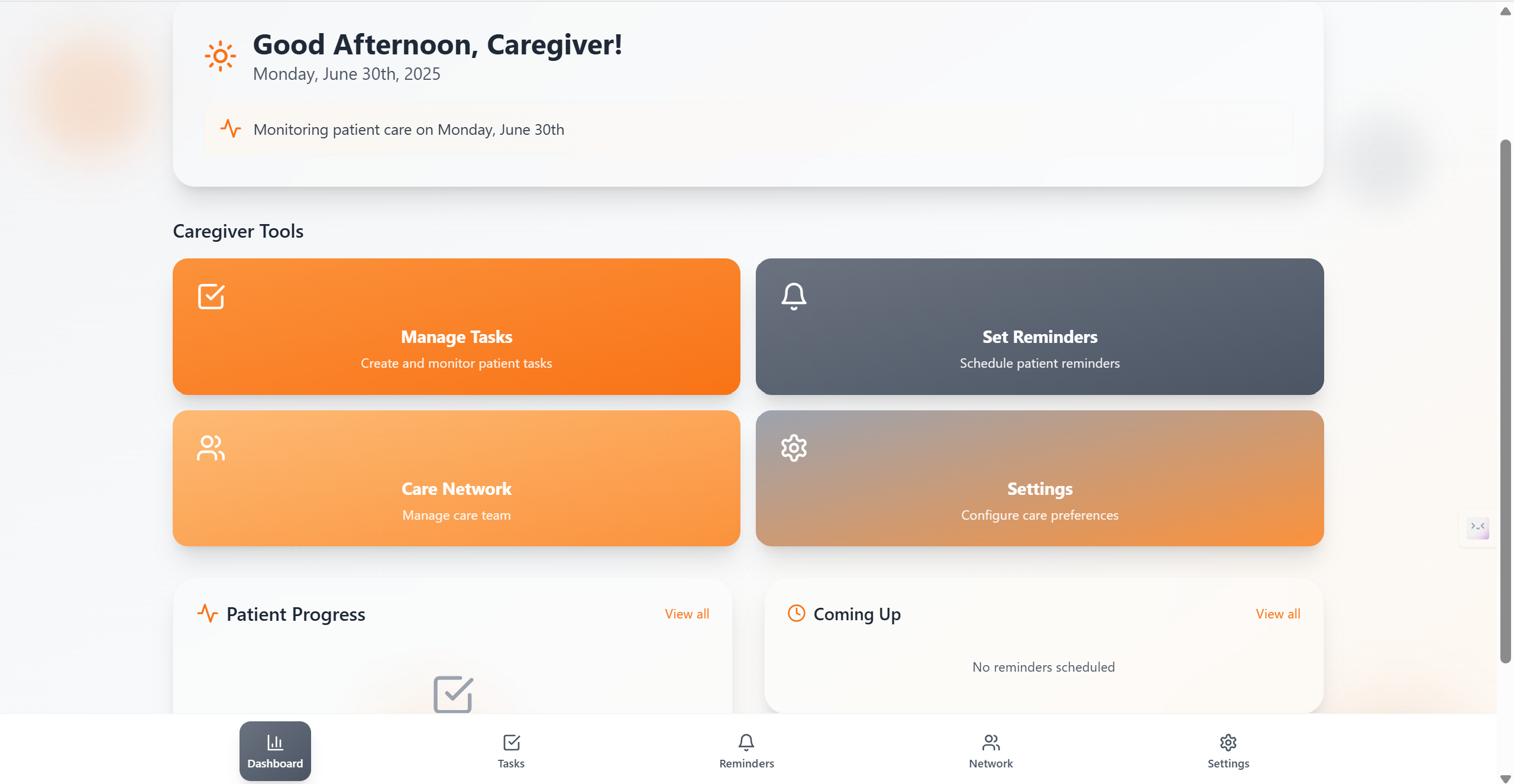
Caregiver dashboard
-
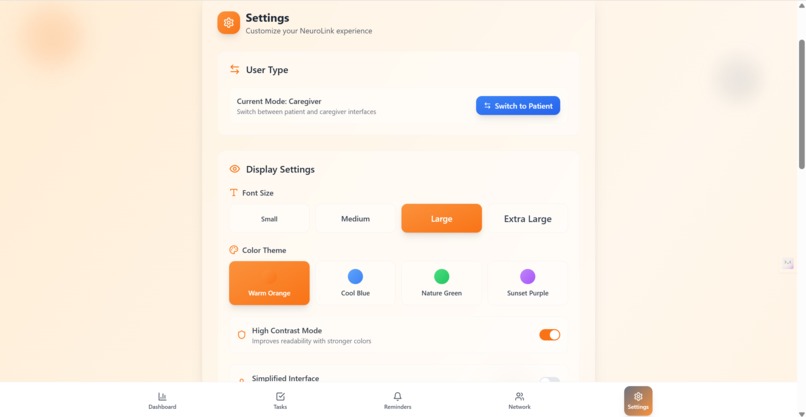
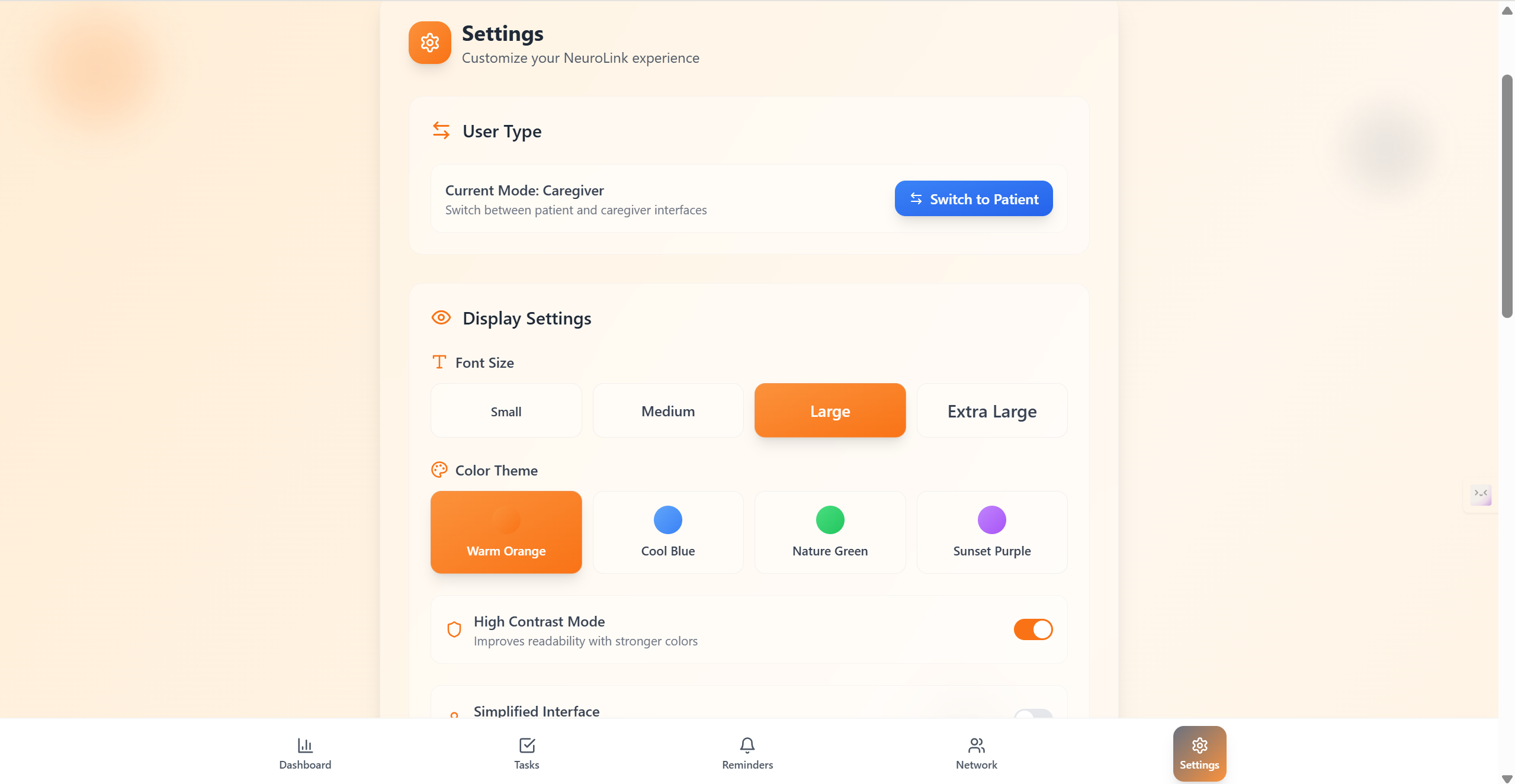
Settings Page
-
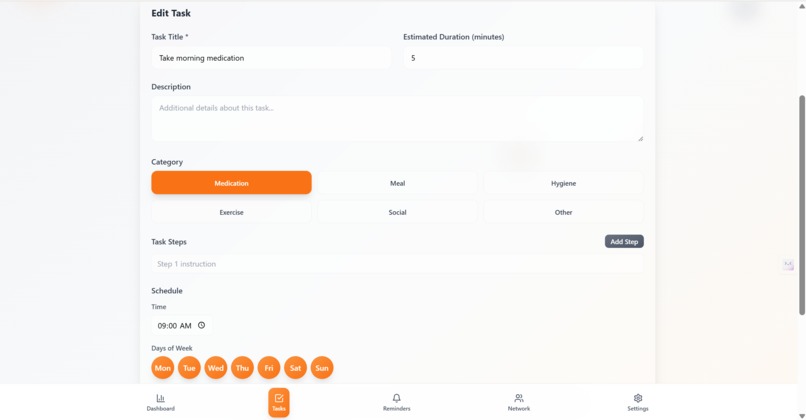
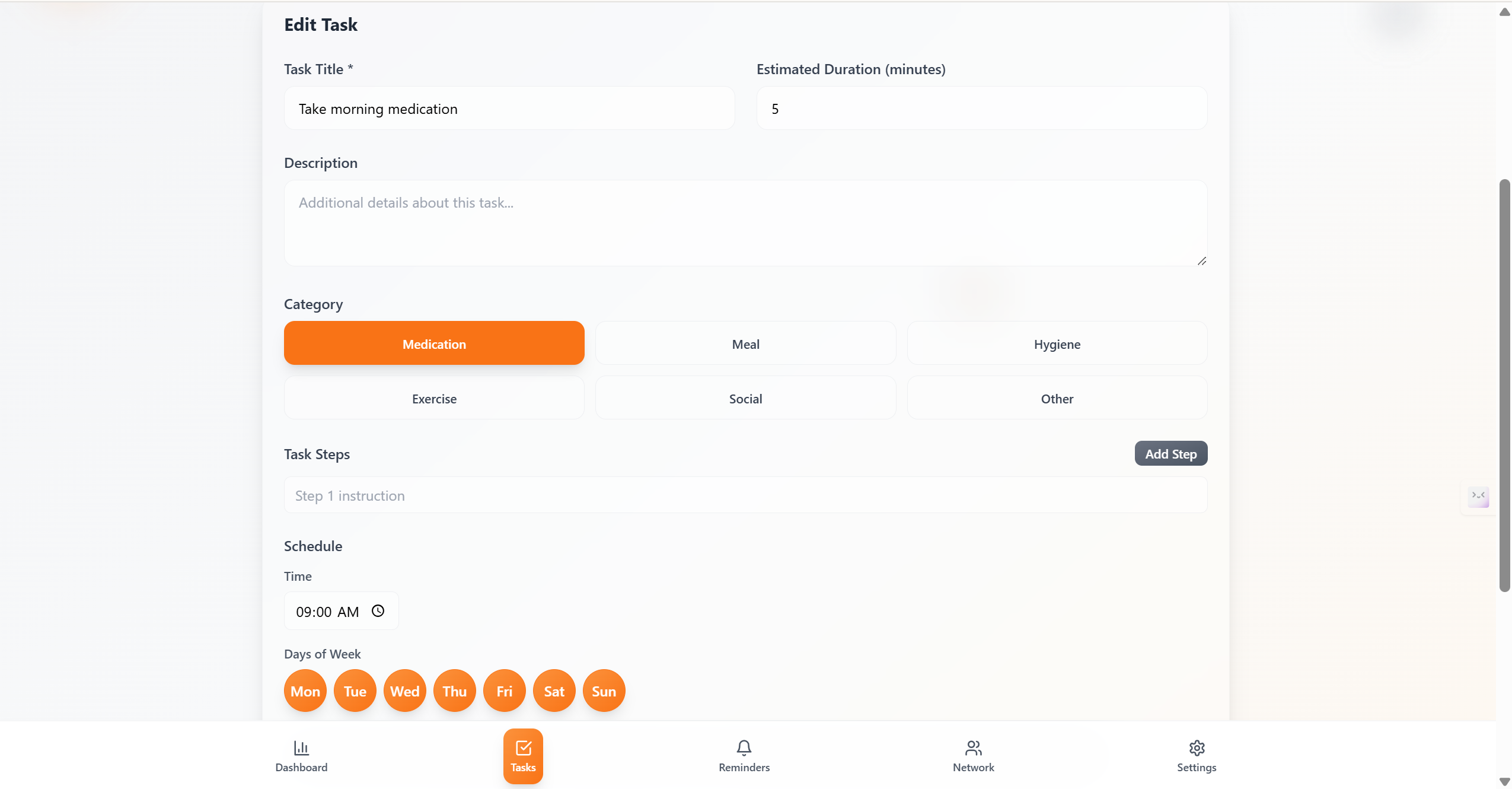
Caregiver creating tasks
-
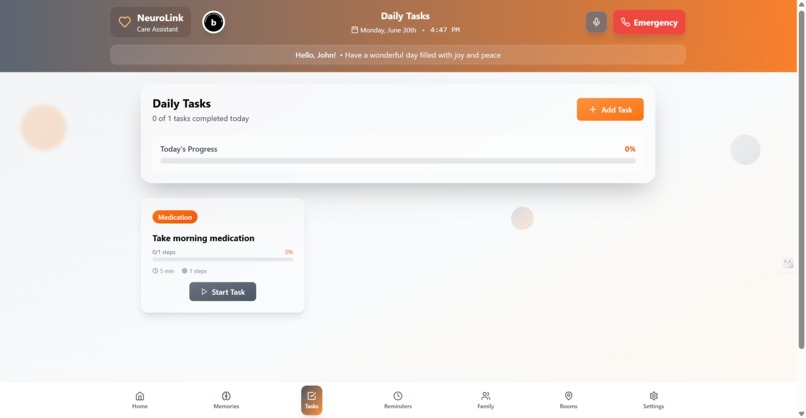
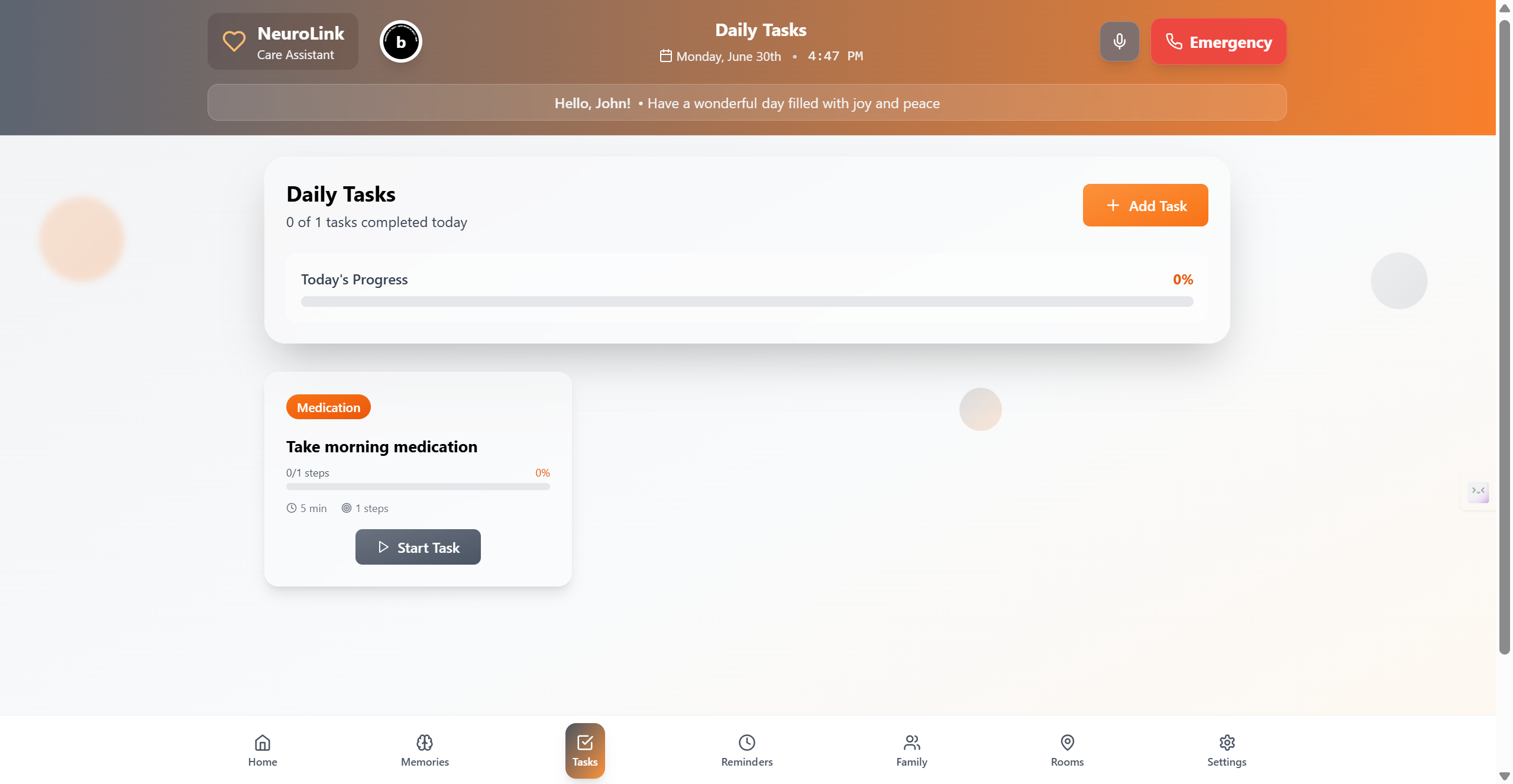
Tasks showing up on patient dashboard
Inspiration
NeuroLink was born out of a personal experience - watching a loved one struggle with dementia and how difficult daily life became, both for them and their caregiver. It wasn’t just about memory loss; it was about losing independence, structure, and connection. That’s where NeuroLink began — an app designed not to replace care, but to extend it gently into the hands of those who need it most. Our project's foundation and early ideation were deeply inspired by Bolt AI’s capabilities and the vision of building real, human-centered tools using its powerful platform.
What it does
NeuroLink bridges the communication gap between dementia patients and their caregivers by providing a shared digital space. Caregivers can easily schedule tasks, reminders, and wellness check-ins, which are automatically delivered to the patient in a simplified, distraction-free interface. Designed with empathy, the app uses soft visuals, large actionable elements, and calming transitions to reduce cognitive overload. Instead of overwhelming the user, NeuroLink gently guides them — supporting independence while keeping caregivers connected and in control.
How we built it
We used Bolt’s app builder to create a multi-screen, visually calming app with two core dashboards: one for the patient, and one for the caregiver. The caregiver can add tasks, reminders, hydration or medication cues — and they instantly sync to the patient’s view. The UI is designed to be clutter-free, with large buttons, soft motion, and colors that reduce cognitive load. We also included voice input and real-time syncing logic between the two user roles.
Challenges we ran into
Designing for elderly users with cognitive impairment meant we had to unlearn everything about traditional UX — less text, more visuals, and only one action per screen. Another challenge was making the caregiver-patient data sync seamless and real-time using Bolt’s limited logic system. We also faced edge cases in accessibility — such as ensuring high contrast modes, audio triggers, and building a UI that could scale without overwhelm.
Accomplishments that we're proud of
We’re proud that NeuroLink feels calm, intuitive, and functional — not just a concept. We built a working, real-time reminder and task system across two roles. We designed for accessibility and cognitive simplicity, and made something that elderly users could actually use. From syncing logic to soft UI animations, we focused on details that matter in real-world care.
What we learned
We learned how to design for clarity and simplicity — especially when building for vulnerable users. We also realized the power of microinteractions (like moving circles or subtle transitions) to create calm in the interface. More importantly, we learned to build with empathy — not just aesthetics or logic.
What's next for NeuroLink - Dementia Care Assistant
Next, we want to integrate personalized voice reminders, multi-language support for inclusivity, and basic AI to detect missed tasks and alert caregivers. We also plan to add a journaling feature for caregivers to log behavior patterns over time. Long term, we envision NeuroLink expanding into a complete digital assistant for cognitive health — built on empathy, clarity, and smart simplicity.
Built With
- bolt
- css
- html
- javascript
- jsx
- react.js
- ts
- tsx


Log in or sign up for Devpost to join the conversation.