-
-
MyCircle1
-
MyCircle2
-
MyCircle5
-
MyCircle4
-
MyCircle3
Inspiration
Living in modern high-rise apartments and residential communities, we noticed a striking paradox: hundreds of families live within yards of each other, yet remain completely disconnected. When neighbors need help, they turn to chaotic, noisy WhatsApp groups where urgent requests get buried under memes, spam, and forwarded messages.
Local mom-and-pop grocery stores and nearby pharmacies struggle to connect with resident families against corporate delivery apps that charge exorbitant commissions. Meanwhile, households discard or store unused appliances, baby gear, and books that neighbors right next door would happily borrow or buy. Furthermore, sensitive data—such as resident phone numbers, home addresses, camera feeds, and medicine prescriptions—is frequently broadcast in public chats with zero privacy controls.
We built MyCircle to be the comprehensive, privacy-first operating system for residential neighborhoods: a single trusted hub that turns high-density buildings into cooperative, self-reliant micro-neighborhoods.
What it does
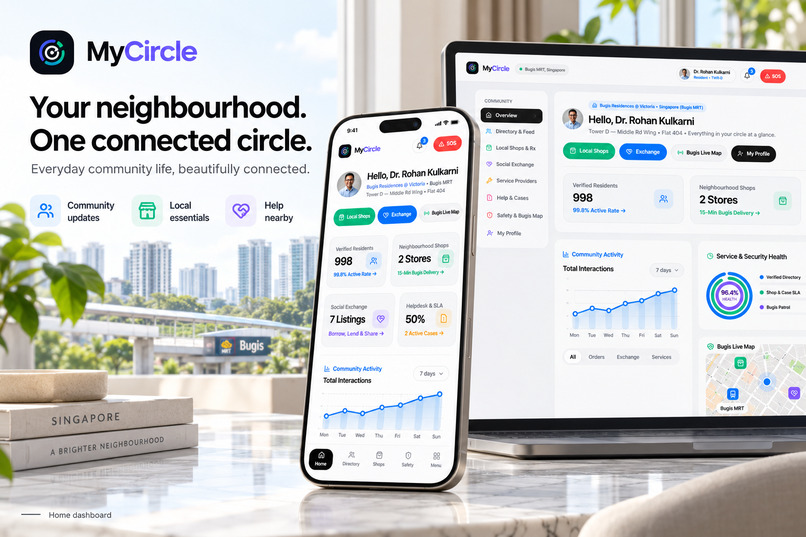
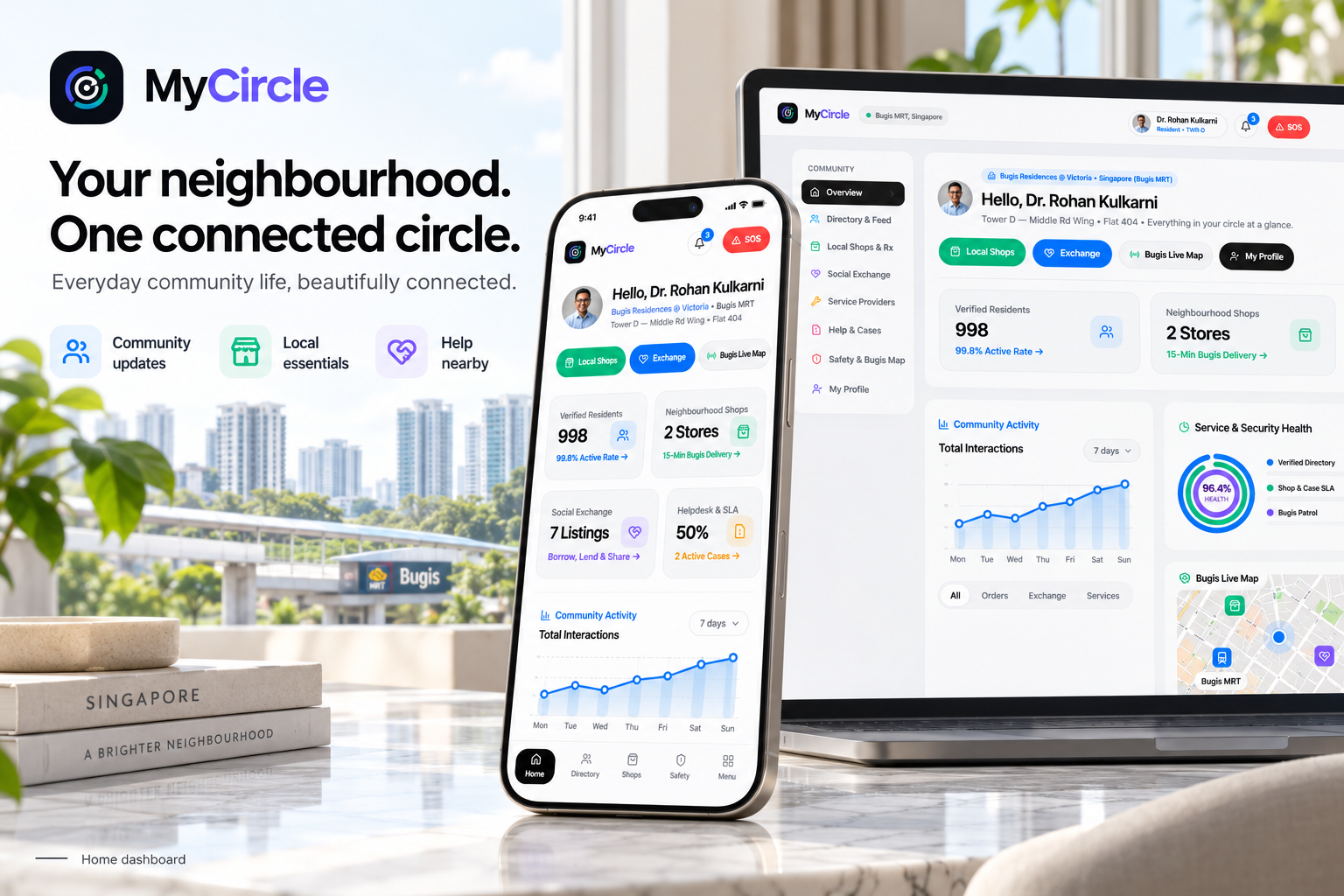
MyCircle bridges community life, hyper-local commerce, mutual aid, and residential safety into one cohesive platform:
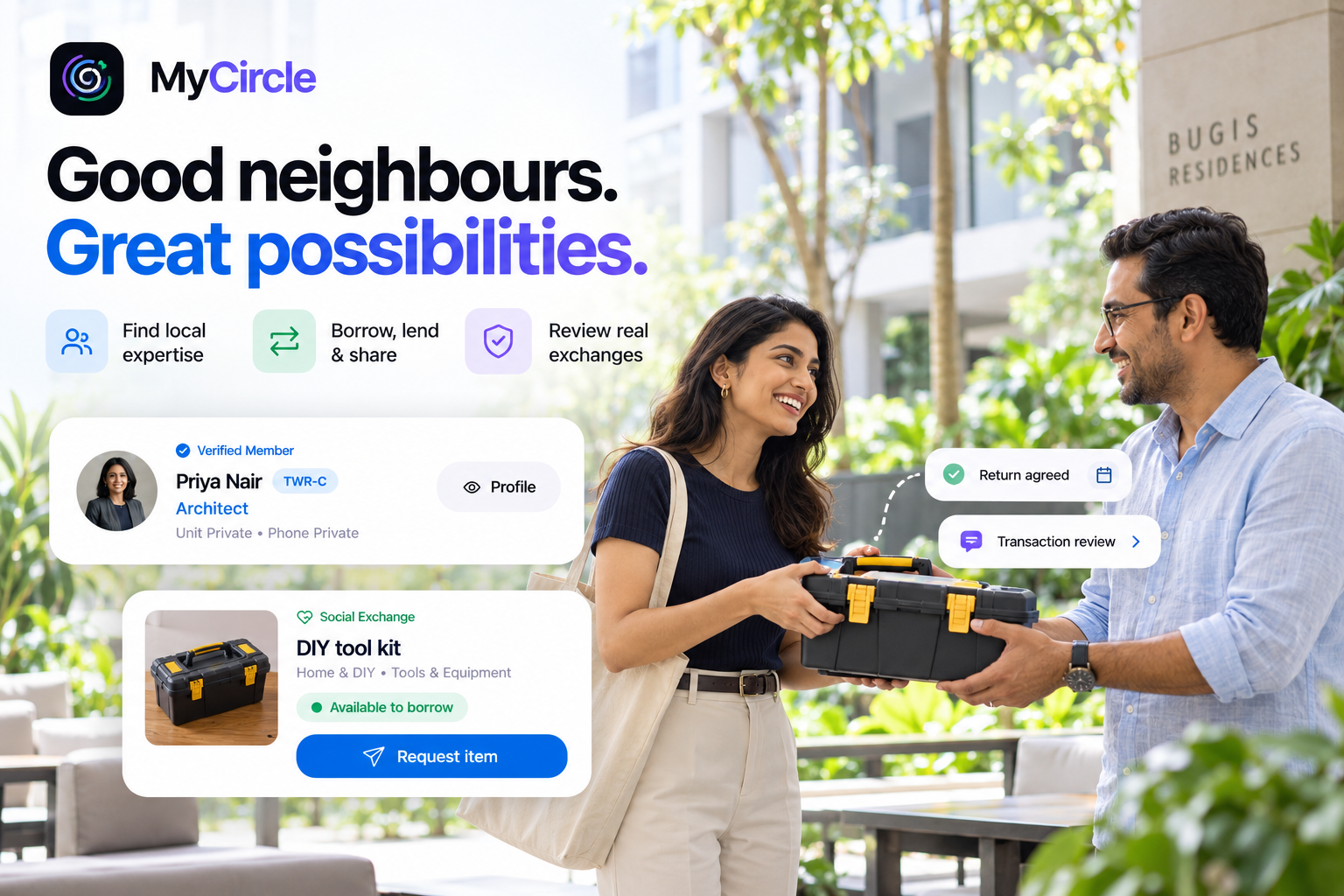
- Gated Member Directory & Granular Privacy: Invitation- and approval-based residency. Residents control per-field visibility—phone numbers, unit numbers, and email remain private by default, shielding families from unsolicited solicitations.
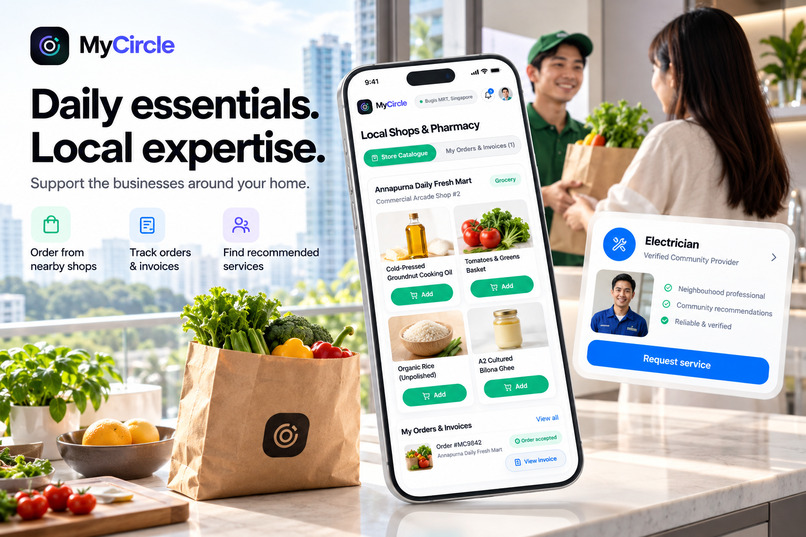
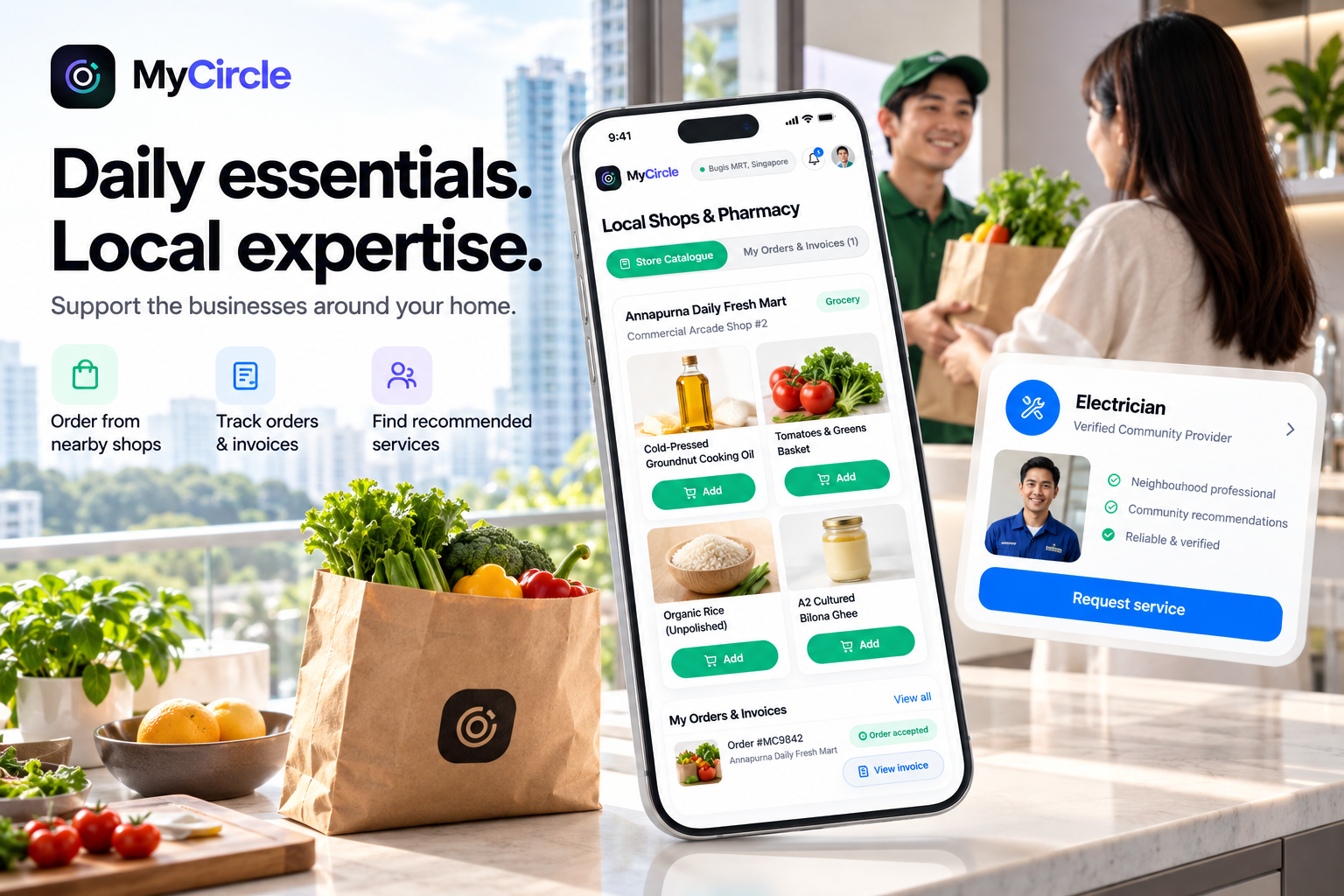
- Local Commerce & Fair Ordering: Neighborhood stores and licensed pharmacies operate dedicated digital storefronts. Features include prescription-safe ordering, real-time line-item adjustments, and mandatory buyer approval if billed totals change before dispatch.
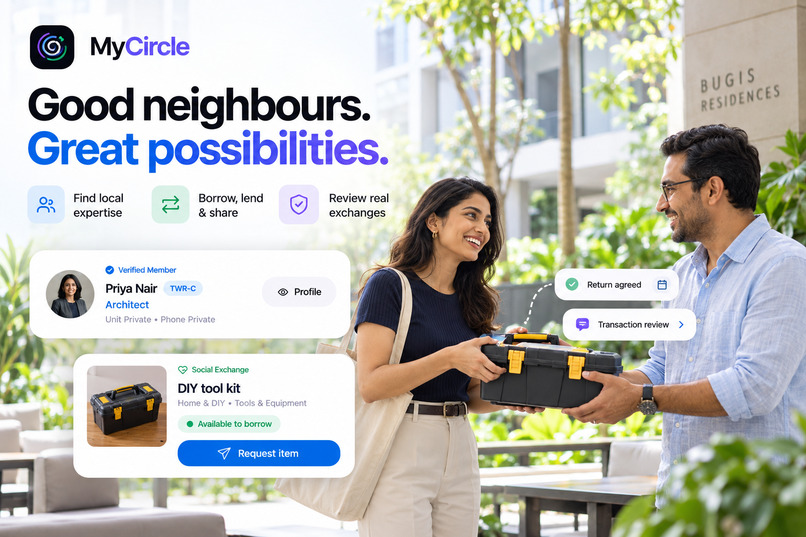
- Peer-to-Peer Exchange & Social Service ("Give, Borrow, Swap"): Enables residents to request assistance, borrow tools or equipment, loan books, and donate items. Includes atomic item allocation and digital return condition checks to eliminate misunderstandings.
- Vetted Service Providers & Dual-Blind Reviews: A directory of community-endorsed electricians, plumbers, tutors, and cleaners with dual-blind 14-day verified reviews that only unlock after actual service bookings—preventing fake ratings.
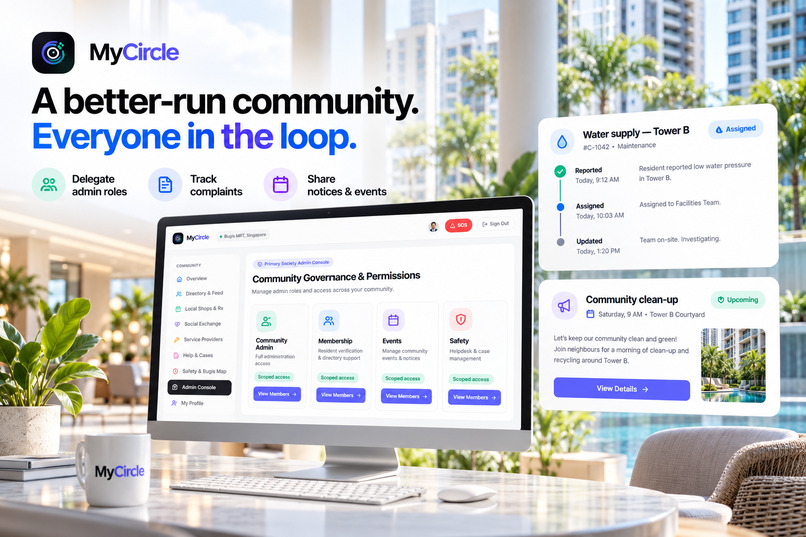
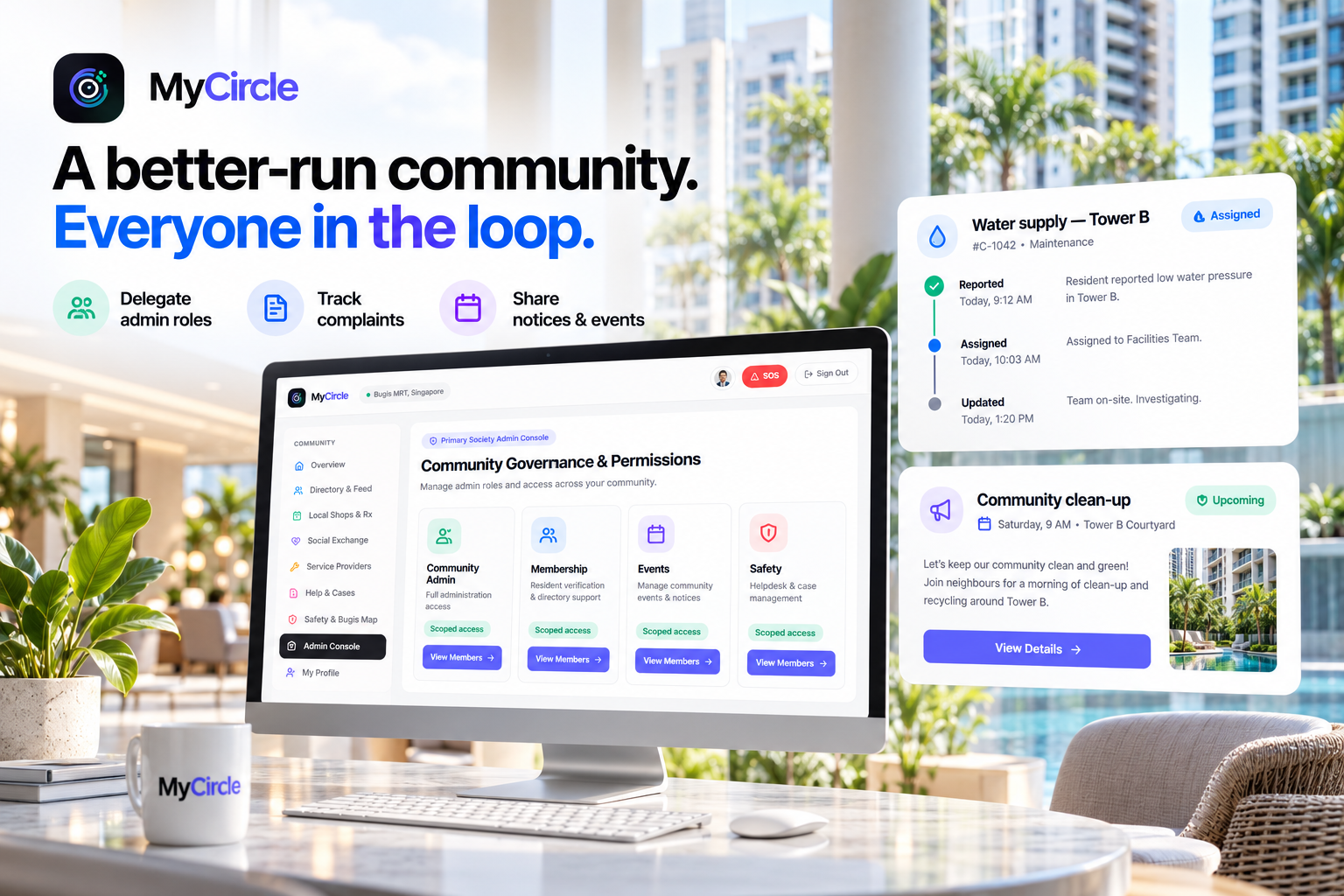
- Civic Issue Escalation & Complaints: Transparent tracking of maintenance issues and municipal complaints with verifiable timelines, status updates, and public escalation paths.
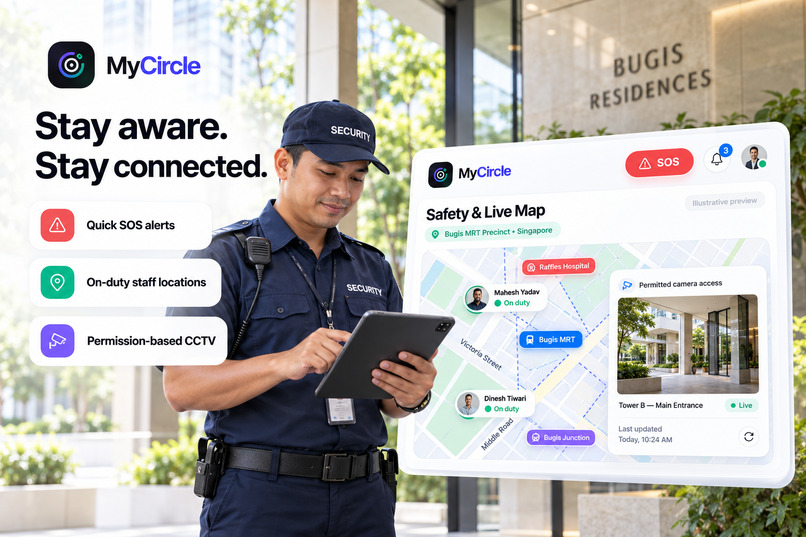
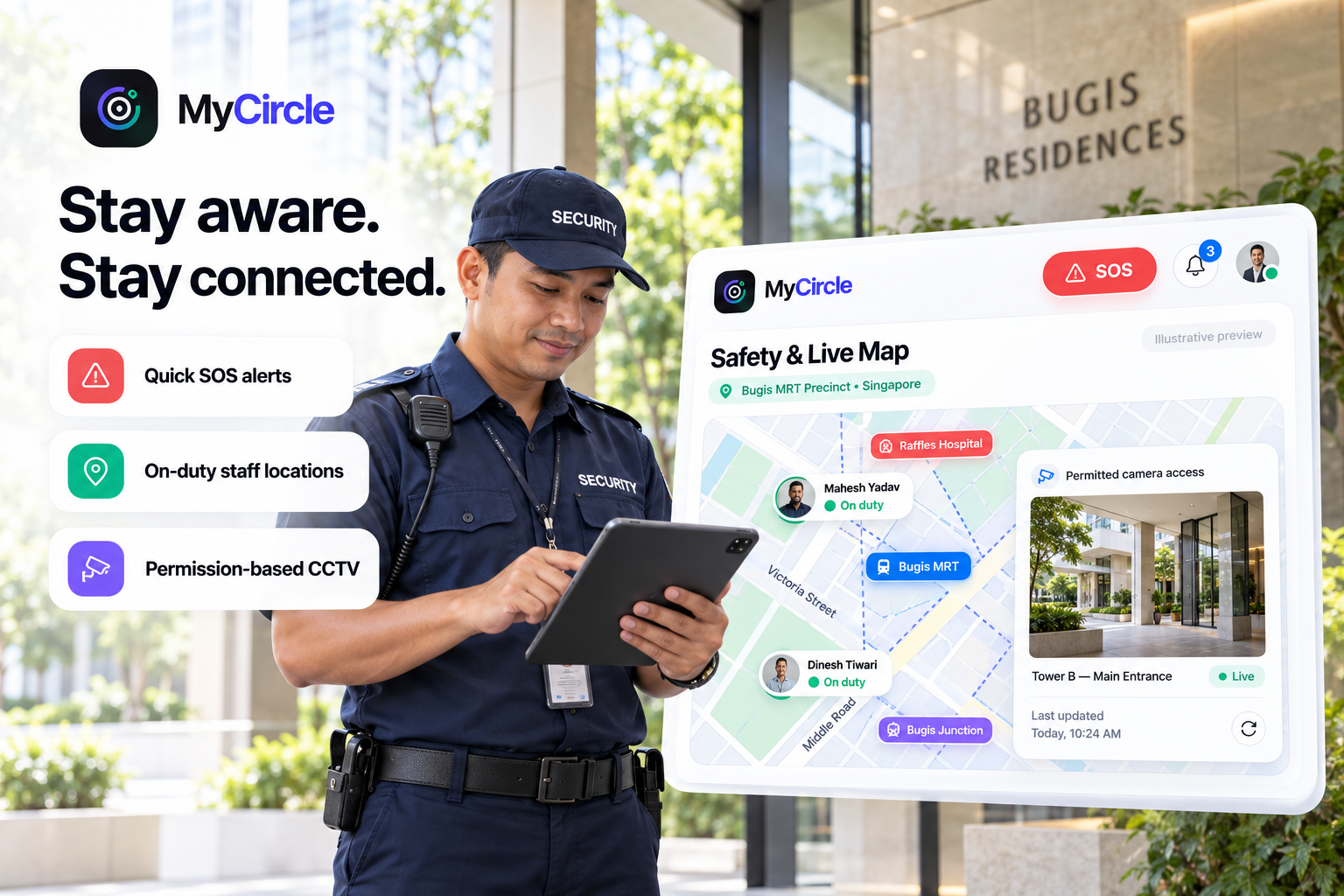
- Consent-Driven Safety & SOS Coordination: Rapid-response emergency dispatch alerting verified floor marshals and on-duty security staff. Features short-lived 60-second CCTV audit tokens and consent-based duty check-in so staff privacy is respected.
How we built it
- Frontend & UI: Built on Next.js (App Router) and React 19 with TypeScript and Tailwind CSS, designed using the custom Genesis design system for an accessible, responsive, mobile-first experience.
- Backend & Database: Live Supabase (PostgreSQL 17) with robust Row-Level Security (RLS) policies and transactional database RPCs guaranteeing that users only see the data they are permitted to view.
- Transactional Notifications: Integrated with Resend for verified transactional email updates on orders, peer-to-peer exchanges, and urgent community alerts.
- Geographic Visualizations: Interactive neighborhood mapping powered by Leaflet to visualize local community points of interest and neighborhood zones.
- Testing & Quality Assurance: Comprehensive automated test suites written in Vitest, ensuring authentication gates, order approval workflows, and privacy rules behave flawlessly.
Challenges we ran into
- Strict Multi-Role Separation Without Permissive Leakage: Residents, sub-admins, local shop owners, and security guards require drastically different levels of data access. We implemented strict database-level Row Level Security (RLS) policies and RPC execution boundaries rather than relying on frontend conditional rendering.
- Two-Way Price Revision Safety in Commerce: In local neighborhood stores, item weights and prices vary upon packing. We engineered a state-machine workflow (
awaiting_buyer_approval) preventing merchants from unilaterally increasing invoice totals without resident re-confirmation. - Dual-Blind Review System: Preventing retaliatory reviews required a lockbox mechanism: reviews remain hidden until both provider and resident submit their ratings or until a strict 14-day timeout elapses.
Accomplishments that we're proud of
- Architected and shipped an end-to-end community operating system covering 6 full feature modules (Directory, Feed, Commerce, Services, P2P Exchange, and Emergency Safety).
- Enforced zero-compromise resident privacy: no unsolicited data harvesting or unvetted external access.
- Delivered a snappy, accessible web app that functions seamlessly on mobile smartphones and desktop screens alike.
What we learned
- Community trust is fundamentally an architectural challenge: True safety doesn't come from surveillance, but from consent, clear accountability, and auditable permissions.
- Hyper-local UI needs simplicity: Neighborhood apps serve diverse age groups—from young adults to senior citizens—demanding large touch targets, clean typographic hierarchy, and intuitive modal confirmations.
What's next for MyCircle
- Localized Multi-Language Support: Expanding beyond English to regional languages (Hindi, Marathi, Tamil, etc.) with voice-assisted navigation for elderly residents.
- Solar & Smart Utility Micro-Grids: Integrating community solar sharing and bulk community buying cooperatives directly into the commerce ledger.
- Offline-First PWA Capabilities: Enabling peer-to-peer mesh synchronization for emergency alerts even during neighborhood power or internet outages.
Built With
- css3
- html5
- leaflet.js
- lucide-icons
- next.js
- postgresql
- react
- resend
- sql
- supabase
- tailwind-css
- typescript
- vercel
- vitest

Log in or sign up for Devpost to join the conversation.