-
-
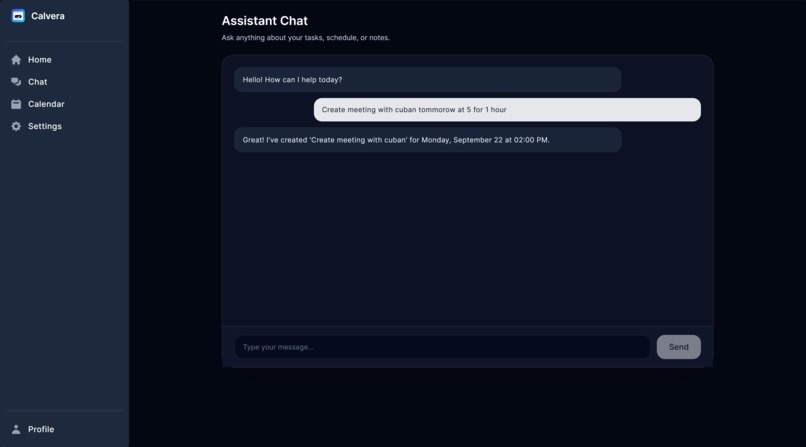
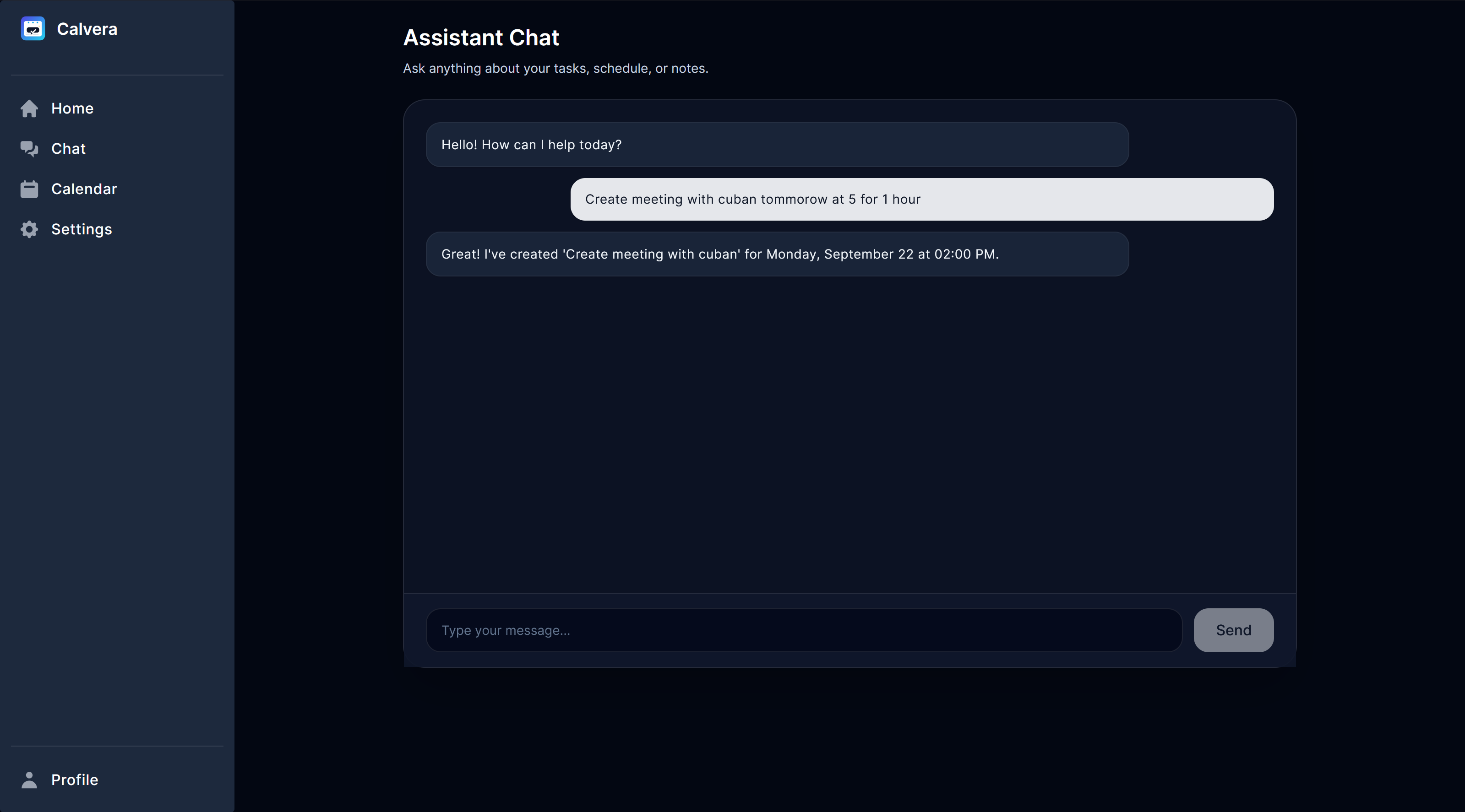
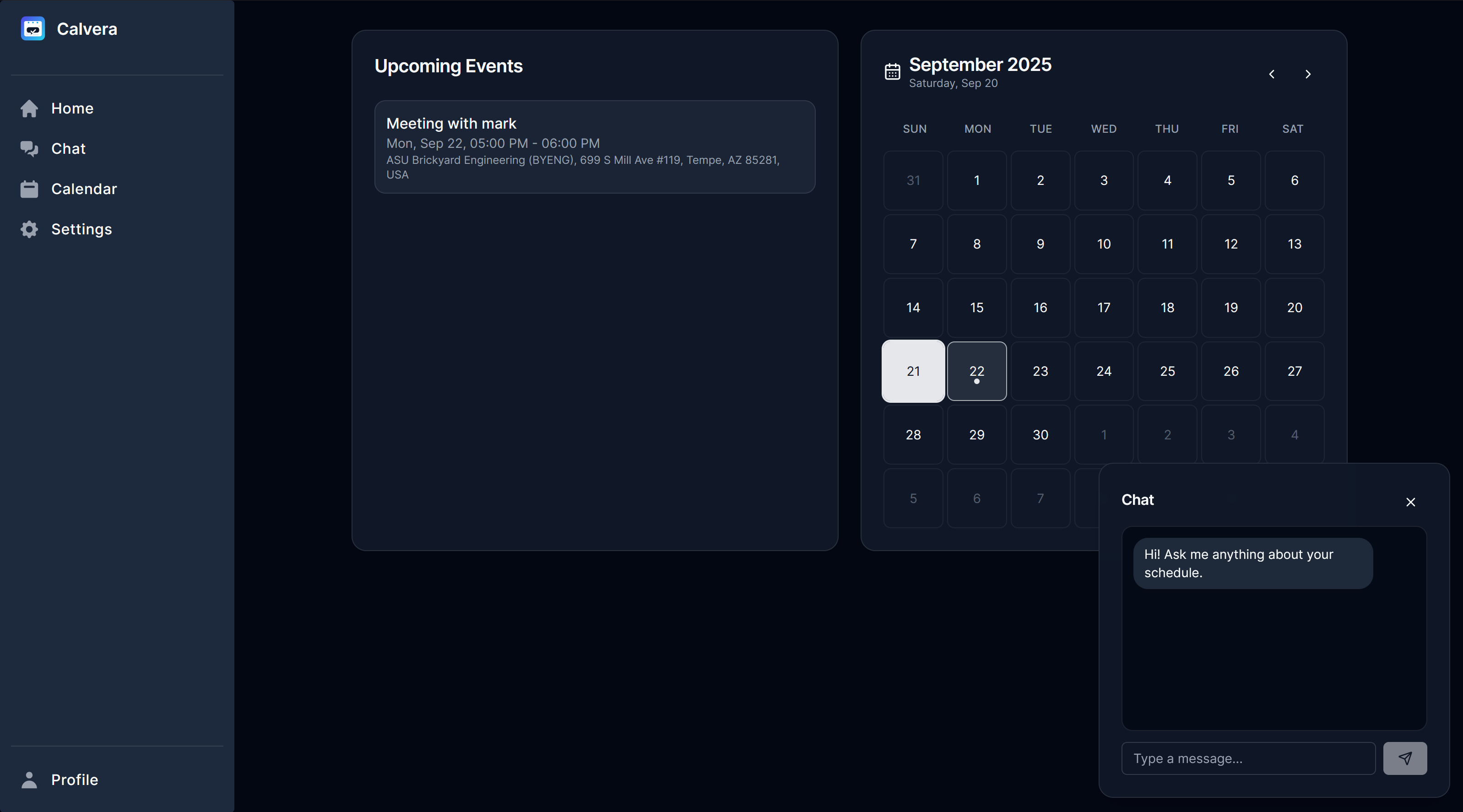
The Chat Agent
-
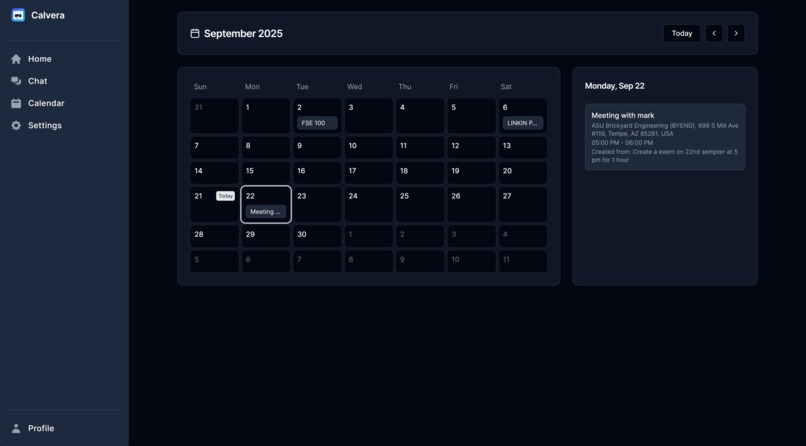
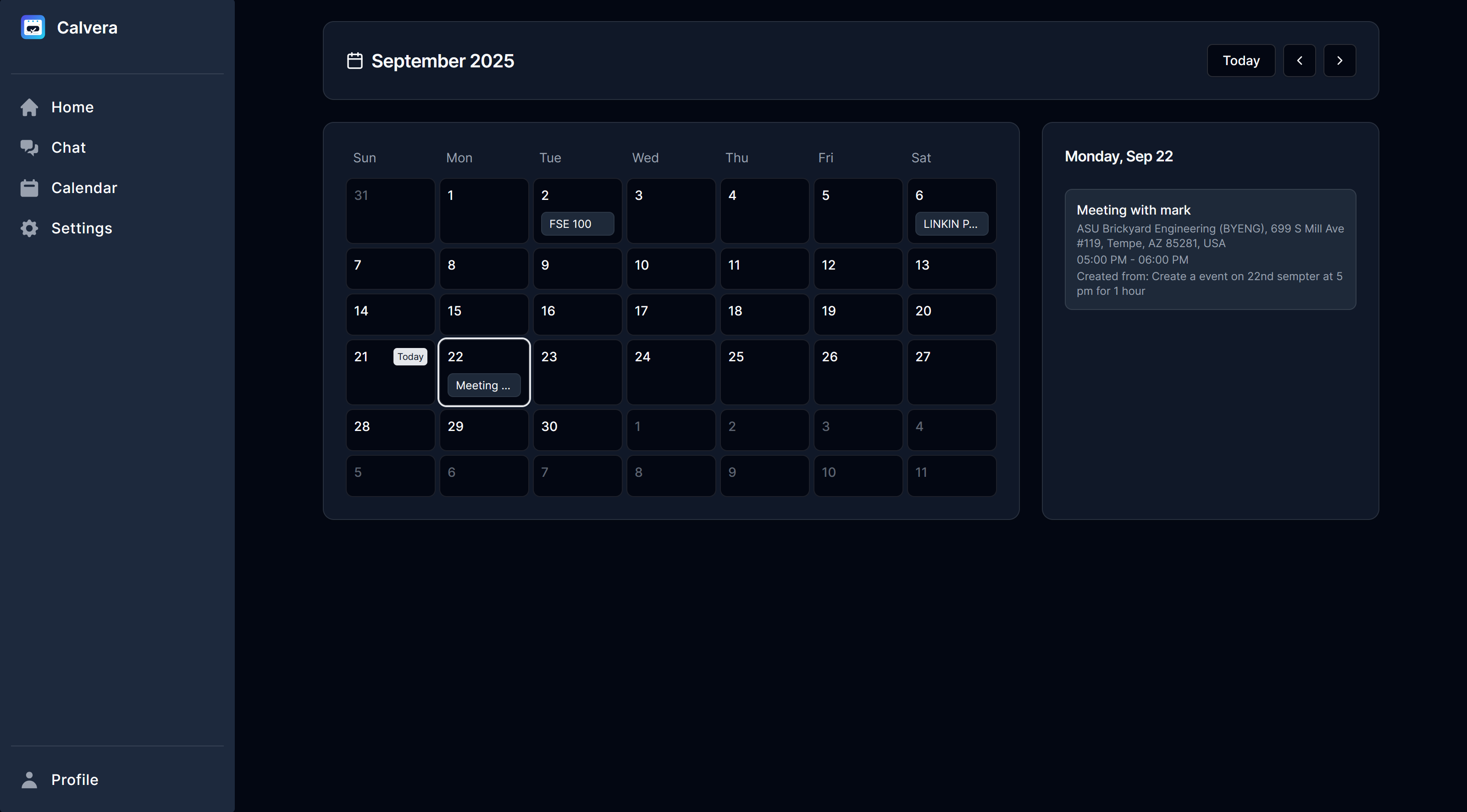
calender overview
-
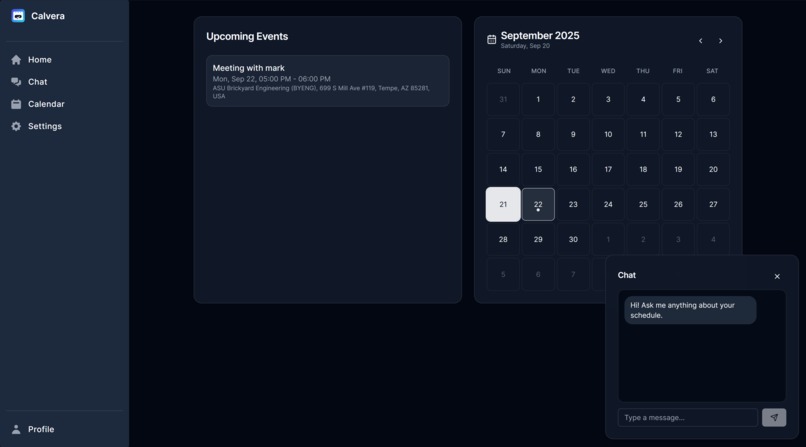
Home page with our day(Hopefully filled with events)
Inspiration
The endless back-and-forth of scheduling meetings inspired myAssist. After witnessing countless hours lost to "finding a time that works for everyone," we realized that calendar management needed intelligence, not just storage. The breakthrough moment came when we discovered that AI agents could negotiate directly with each other—imagine your calendar assistant talking to your colleague's assistant to automatically find the perfect meeting time.
What it does
Traditional calendars are reactive tools that wait for human input. we envisioned a proactive system that learns preferences, remembers context, and collaborates autonomously. The goal was ambitious: transform scheduling from a manual chore into an intelligent, collaborative process.
How we built it
-Architecture Foundation We started with a backend-first approach, building a FastAPI-based system organized into three core layers :
-Agent Layer: The calendar_agent.py serves as the main orchestrator, processing natural language requests and coordinating all operations
-Service Layer: Handles Google Calendar MCP integration, Supermemory client operations, and agent registry management
-API Layer: Provides REST endpoints for both user interactions and inter-agent communication
- Key Components The agent communication protocol enables secure discovery, authentication, and messaging between different users' AI assistants. The scheduling intelligence engine implements advanced algorithms for conflict resolution, time zone handling, and preference learning.
The integration stack combines Google Calendar MCP for secure calendar access, Supermemory for universal memory management, and custom agent communication protocols for collaborative scheduling.
Challenges we ran into
Multi-Agent Communication The biggest challenge was designing secure, reliable communication between independent AI agents. Each agent needs to authenticate other agents, negotiate scheduling proposals, and handle multi-party conversations while maintaining user privacy.
Context Management Balancing memory persistence with privacy compliance proved complex. The Supermemory integration needed to store enough context for intelligent decision-making while respecting user privacy and data retention policies.
Scheduling Intelligence Creating algorithms that understand nuanced scheduling preferences—like "I prefer morning meetings but not on Mondays"—required sophisticated pattern recognition and conflict resolution capabilities. The system needed to handle time zones, availability analysis, and meeting preference learning simultaneously.
Integration Complexity Coordinating between Google Calendar MCP, Supermemory, and custom agent protocols while maintaining security and performance standards required careful architectural planning. Each integration point introduced potential failure modes that needed robust error handling.
Despite these challenges, myAssist represents a fundamental shift toward truly intelligent calendar management that learns, remembers, and collaborates autonomously.
Accomplishments that we're proud of
Supermemory: An amazing tool to work with, and we have been able to integrate Supermemory into the agent in order to have the personal context and memory knowledge so that events, recommendations, and tips could be more personalized.
Google Calendar automation: Using this tool, you will now have a way to manage your deadlines, meetings, and events much more smoothly and autonomously.
An eye-catching UI built with React and dark mode (toggleable)
What we learned
- The past 24 hrs have been a rollercoaster of debugs, errors, and GitHub mishaps... We've learned to make sure not to force push into github (Mainly)
What's next for myAssist
- Fully fledged AI persona Integration
- Multi-agent communication for communication between 2 assistants on behalf of their users.
Built With
- fastapi
- fastmcp
- firebase
- javascript
- python
- react
- supermemory
- tailwind
- typescript


Log in or sign up for Devpost to join the conversation.