-
-
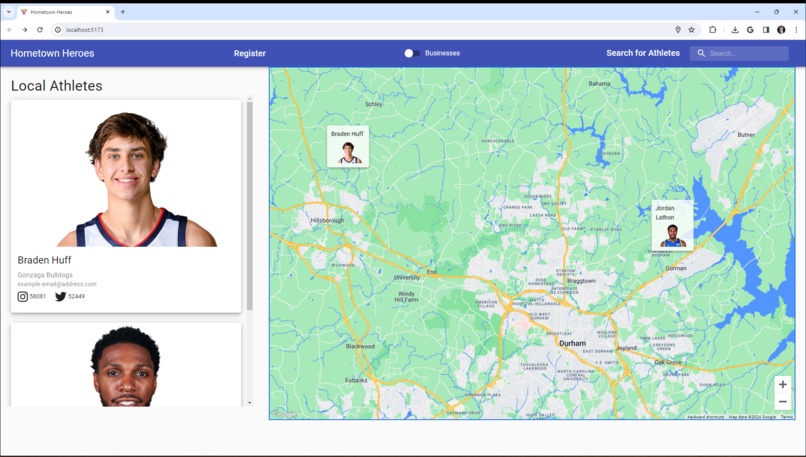
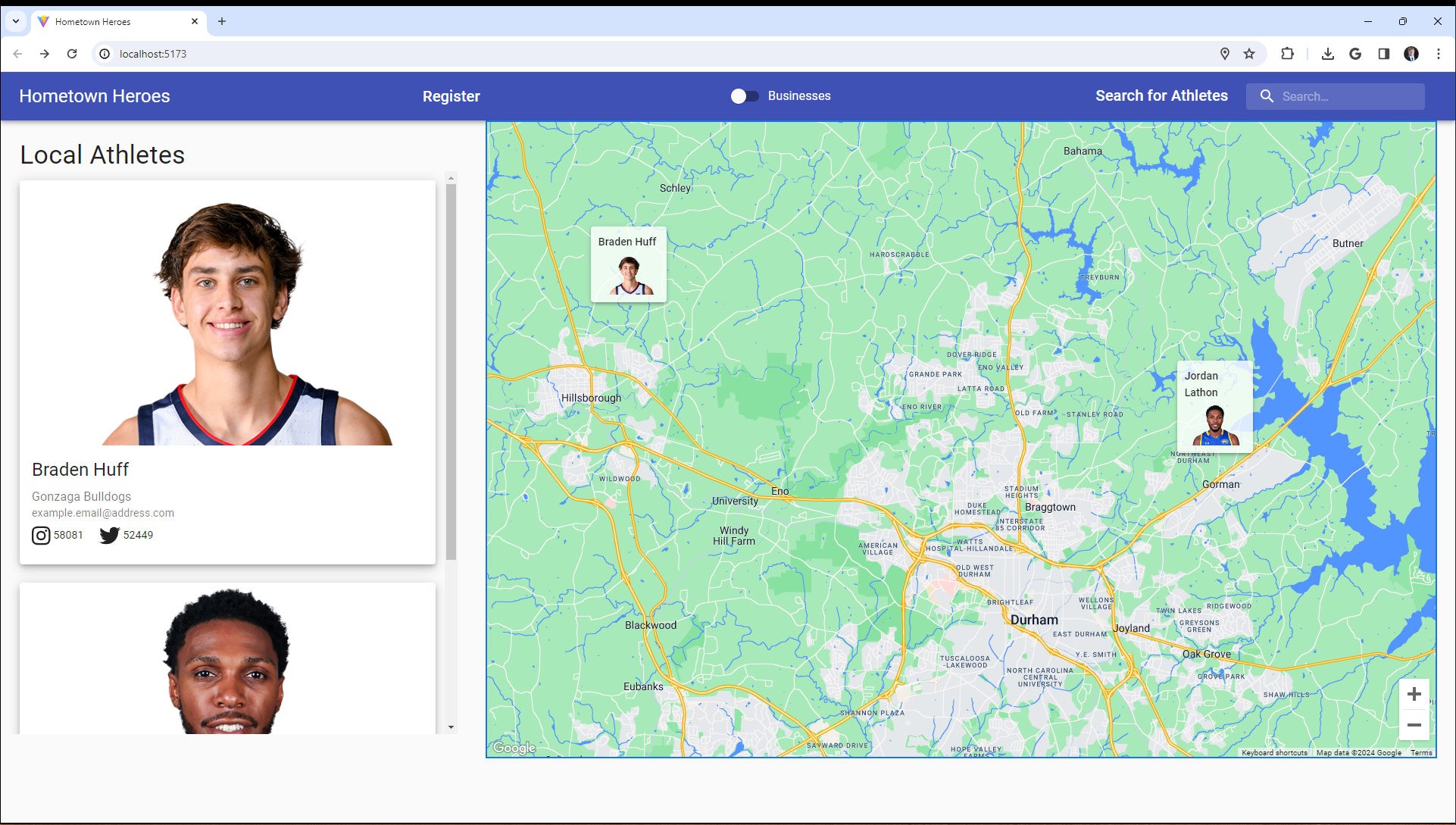
Map of athletes open to NIL endorsements
-
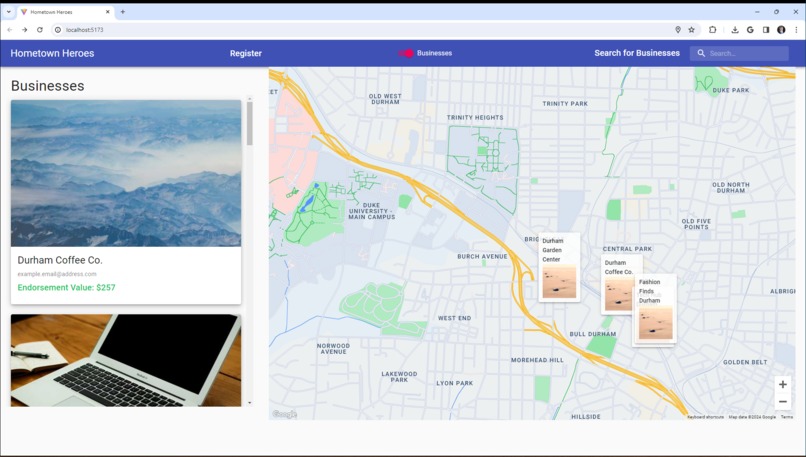
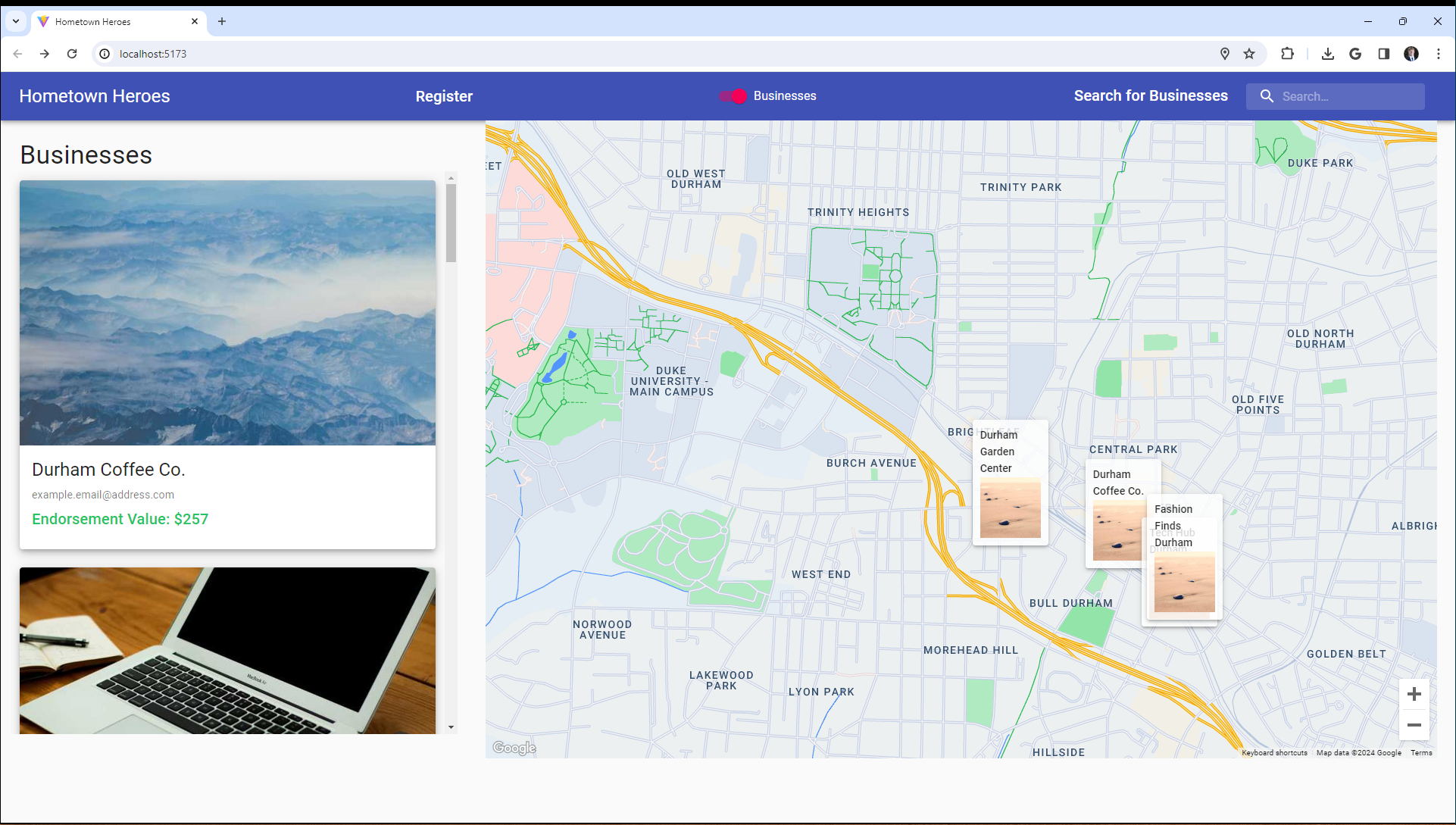
Map of businesses searching for NIL athletes to endorse
-
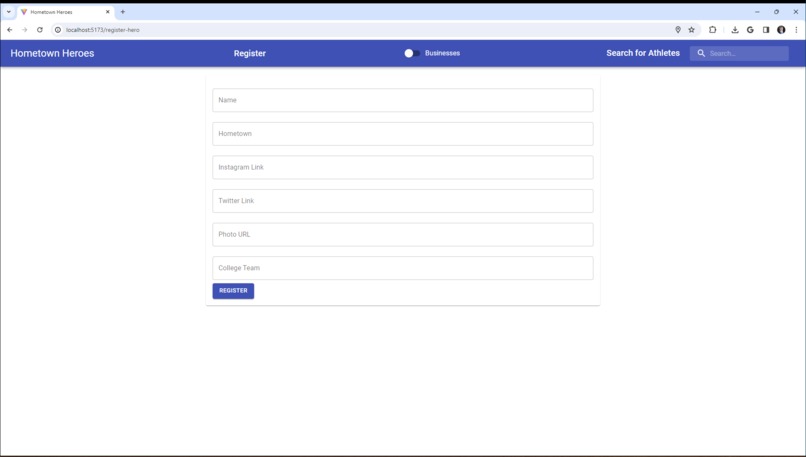
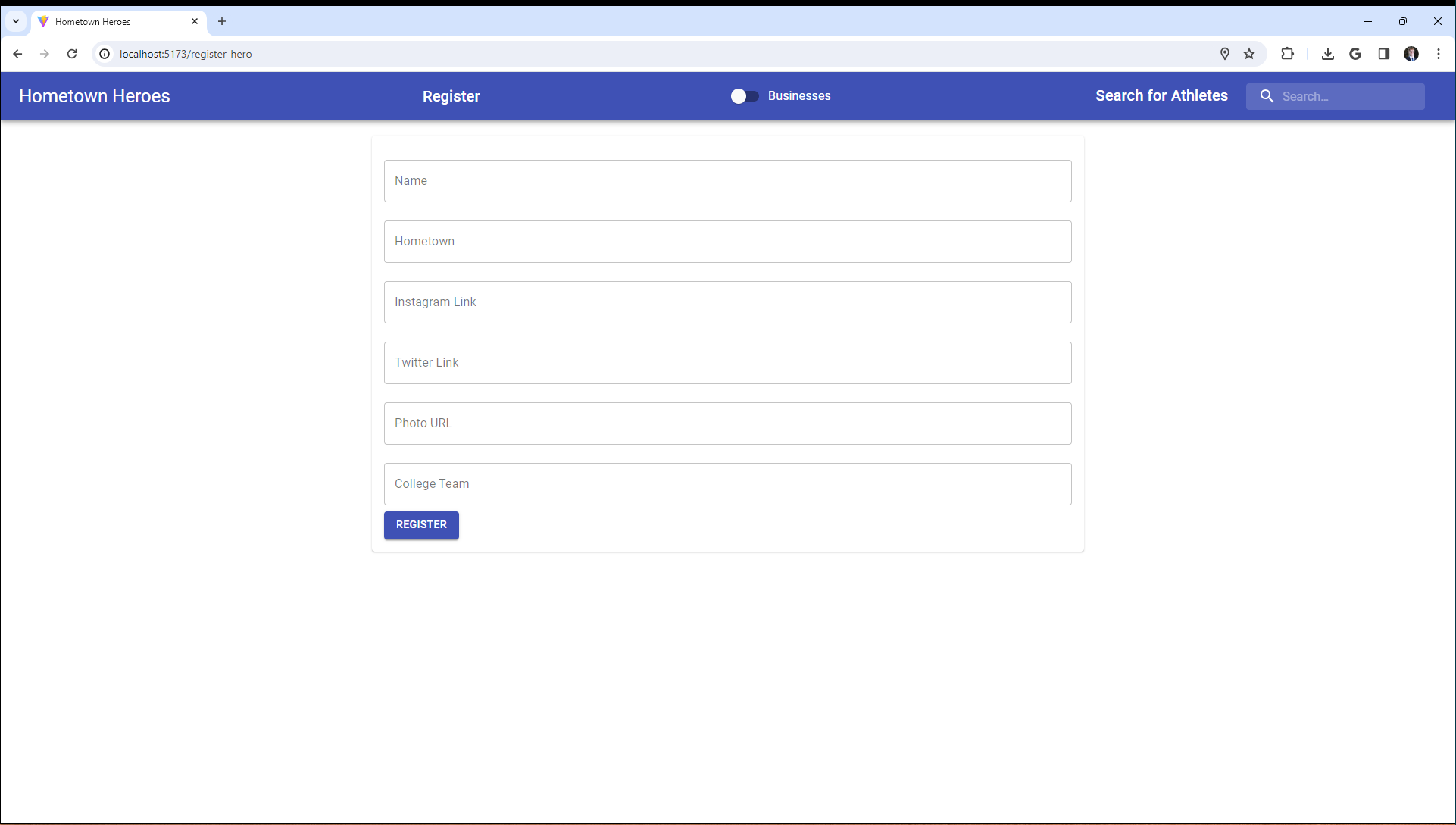
Registration page
Inspiration
In 2021, the NCAA adopted a policy allowing athletes to monetize their name, image, and likeness (NIL) rights. Since then, the policy has transformed the college sports landscape. Student athletes, especially those in high-profile sports or big-name teams, often command large followings. The social media presence of 18-year-old students may exceed those of even professionals athletes. As such, companies and collectives alike have scrambled to offer student athletes compensation in exchange for endorsement deals, public appearances, or even to encourage their commitment to a particular school. The NIL market is projected to reach $1.17 billion 1, or about $2,250 per of the roughly 520,000 NCAA athletes 2 in just its third year of existence.
Despite the immense size of the current NIL landscape, I believe the NIL market suffers from inaccessibility and a general lack of transparency. In particular, I think there remains a significant untapped potential from small/regional businesses. While there exist NIL "marketplaces" in which athletes may build profiles to connect with potential sponsors, I believe these sites largely exclude small businesses from participating.
Nationally-recognized brands may benefit almost regardless of the athletes they choose to sponsor. Large companies may benefit from the fact that an athlete's following may already be familiar with their brand, or that their product is at least accessible to their following via online transactions. However, small businesses, especially those without an online presence, do not have this guarantee. If they were to participate in the NIL market, it is crucial they find athletes prominent within local areas so as to target the appropriate customer demographic.
What it does
Hometown Heroes is a tool to connect NCAA athletes with local businesses. If fully implemented (see video for current features), athletes will have the ability to enter their hometown along with relevant demographic information. Businesses may then search for athletes to contact via the maps feature. Similarly, athletes can search for local businesses seeking to endorse local athletes.
How we built it
I built this app with React, Express.js, Node.js, and the Google Maps API. I used a dataset of NCAA D1 college basketball players and their cities of birth as sample data for the application. If taken further, I would incorporate a MongoDB database to store athlete and business profiles, as well as to incorporate a login/registration process.
Challenges we ran into
The dataset I used did not encode birth cities as coordinates, but rather strings. I used a geocoding library in Python to individually convert these locations to coordinates useable with the Google Maps API.
Accomplishments that we're proud of
I learned a great deal about the MERN stack in creating this app, and I believe that, if implemented fully, this app could be a useful tool for athletes and local businesses alike.
What's next for My Project
I believe there are many potential next steps for this project:
- Integrate a MongoDB database
- Allow athletes to create/manage their profile
- Allow local business to create/mange their profile
- Implement a in-app messaging and transactions for endorsement deals.
- Expand this app beyond just athletes (e.g., influencers in other fields).


Log in or sign up for Devpost to join the conversation.