-
-
App Icon
-
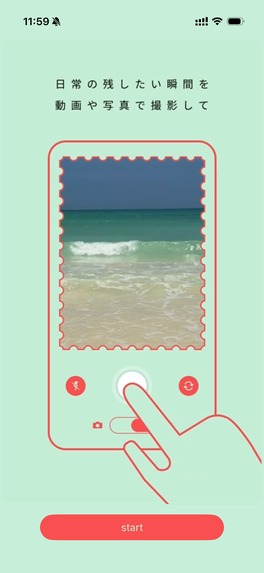
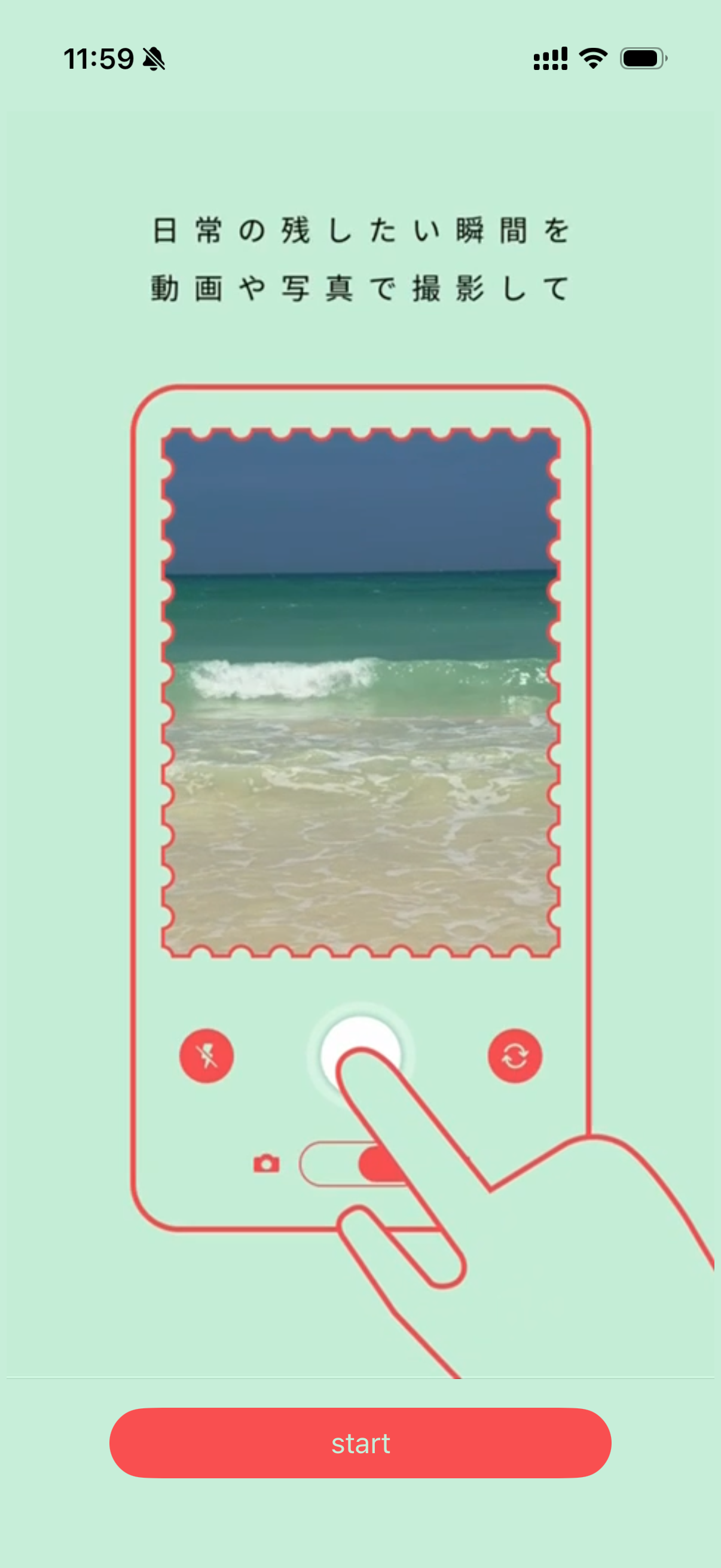
Tutorial 1
-
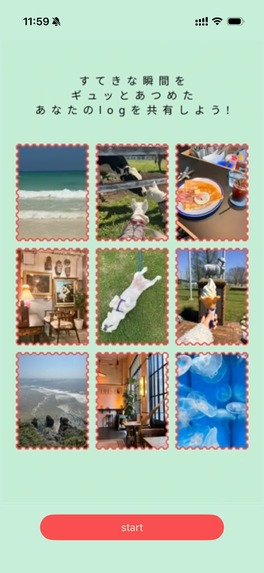
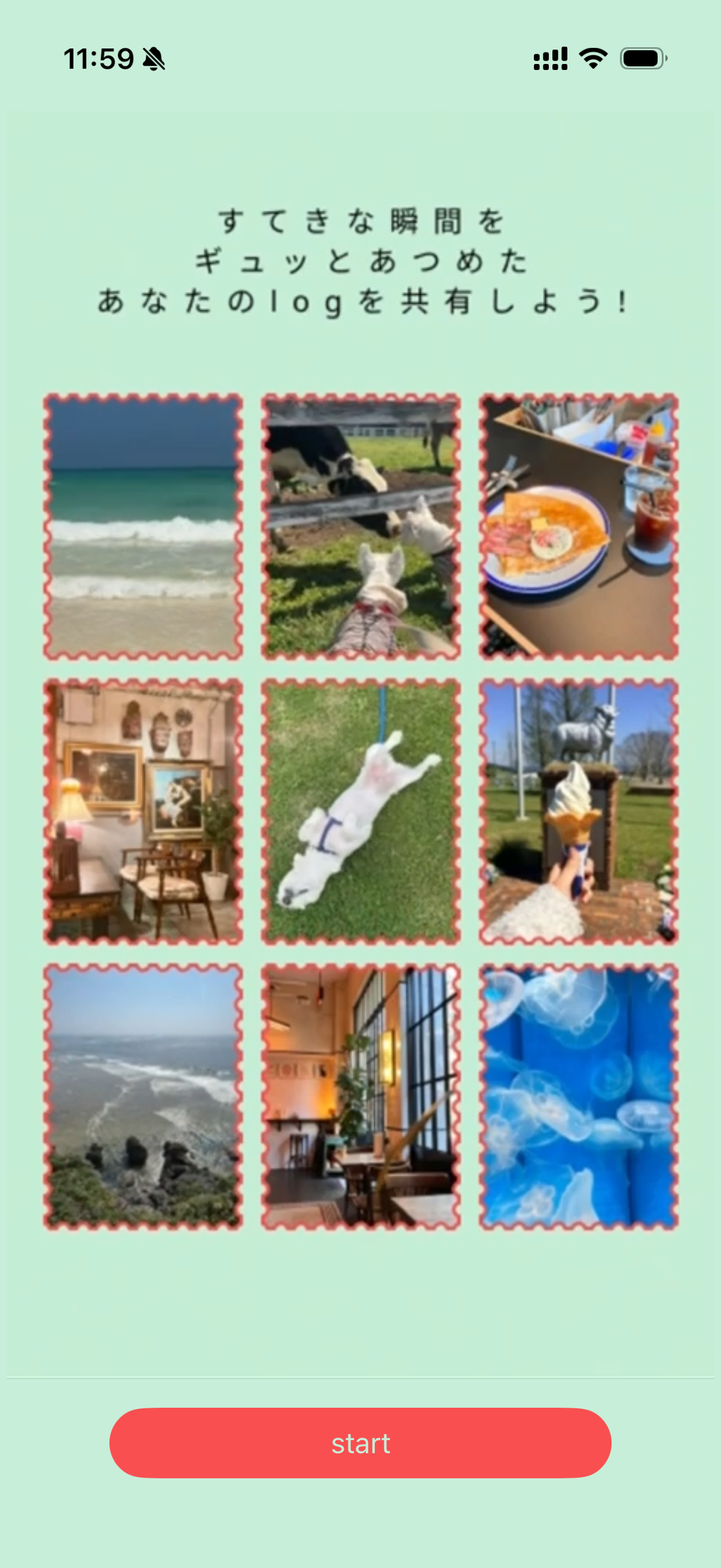
Tutorial 2
-
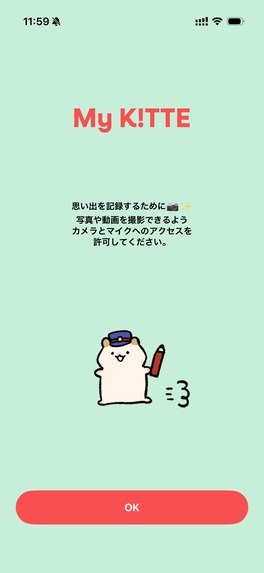
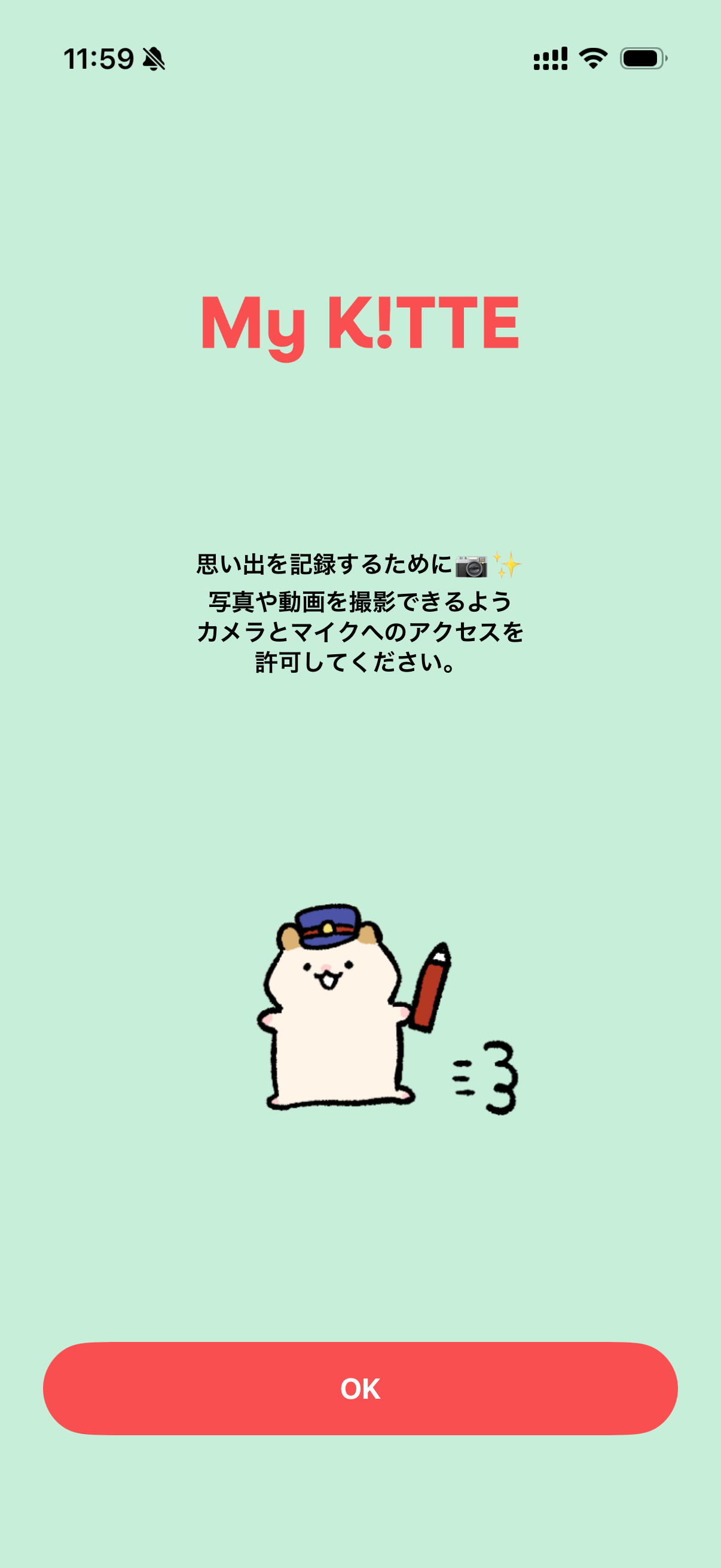
Permission Grant Screen
-
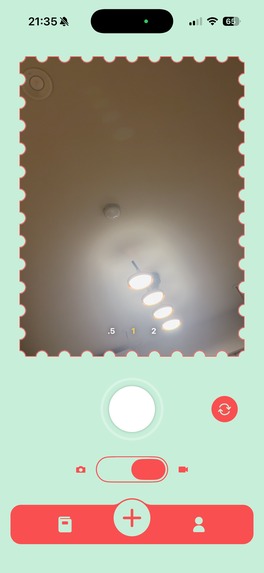
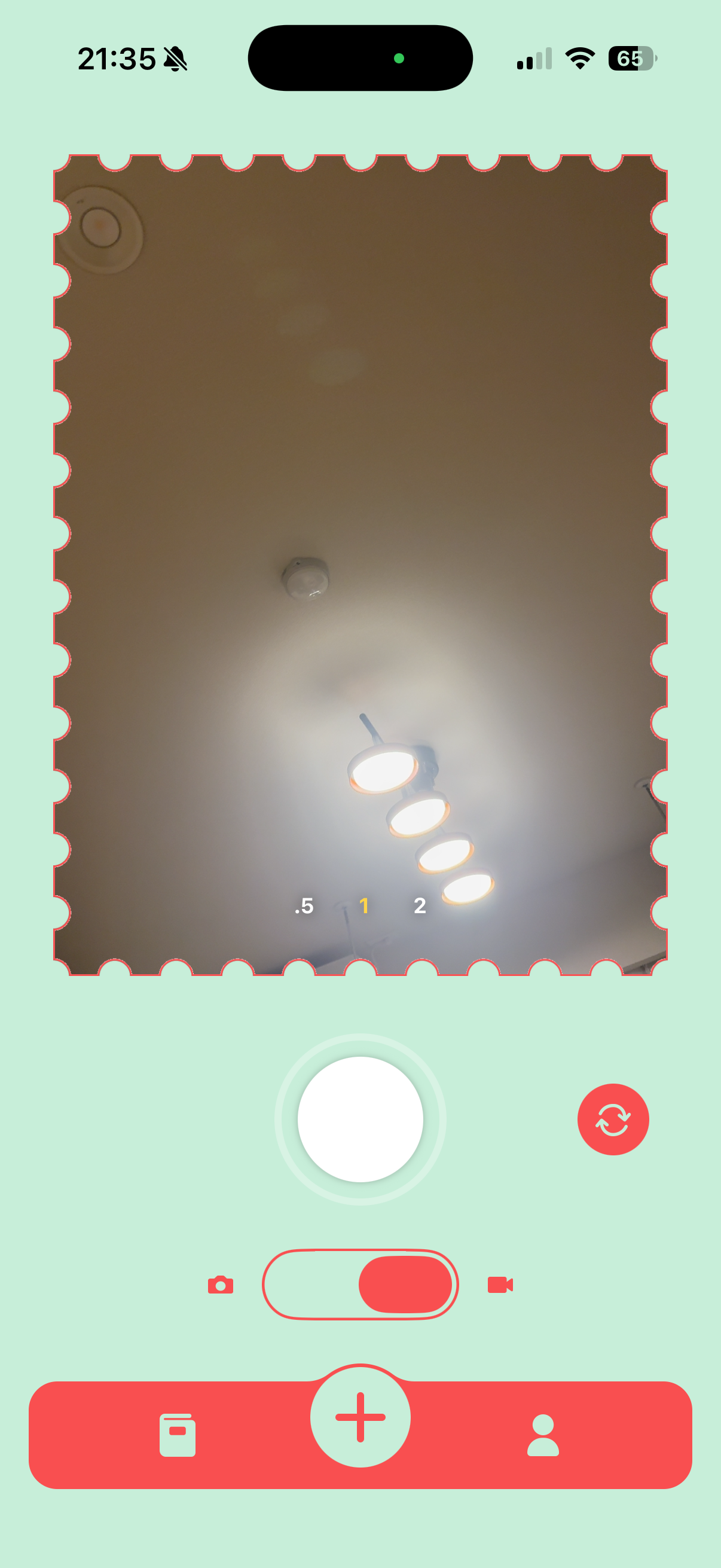
Take Photo Screen
-
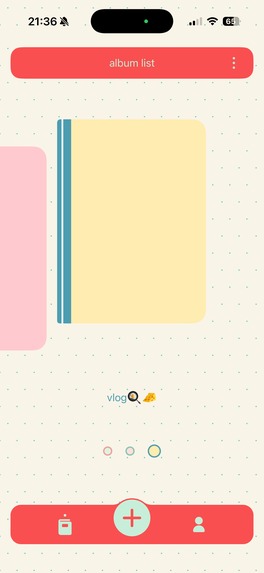
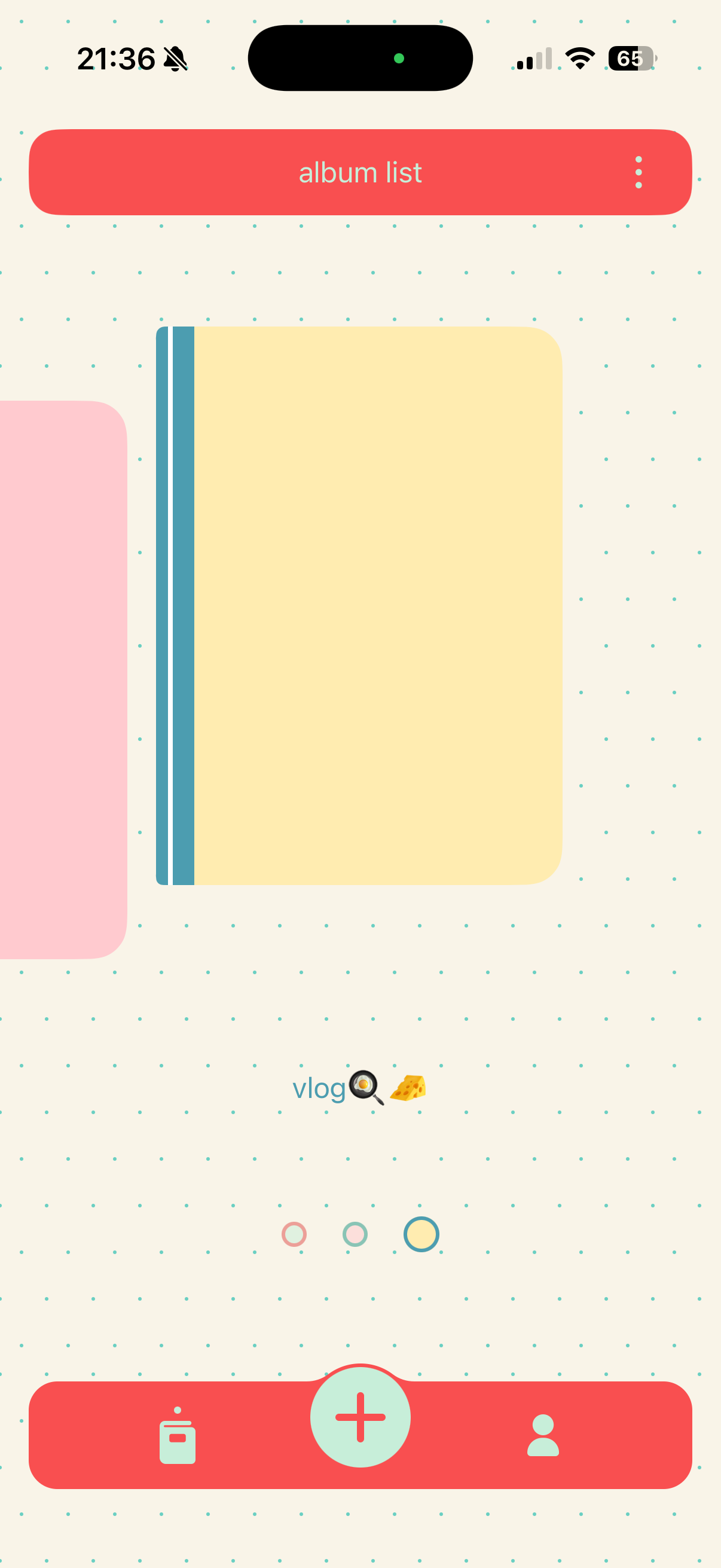
Album List
-
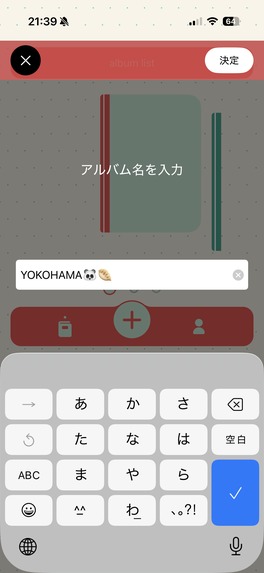
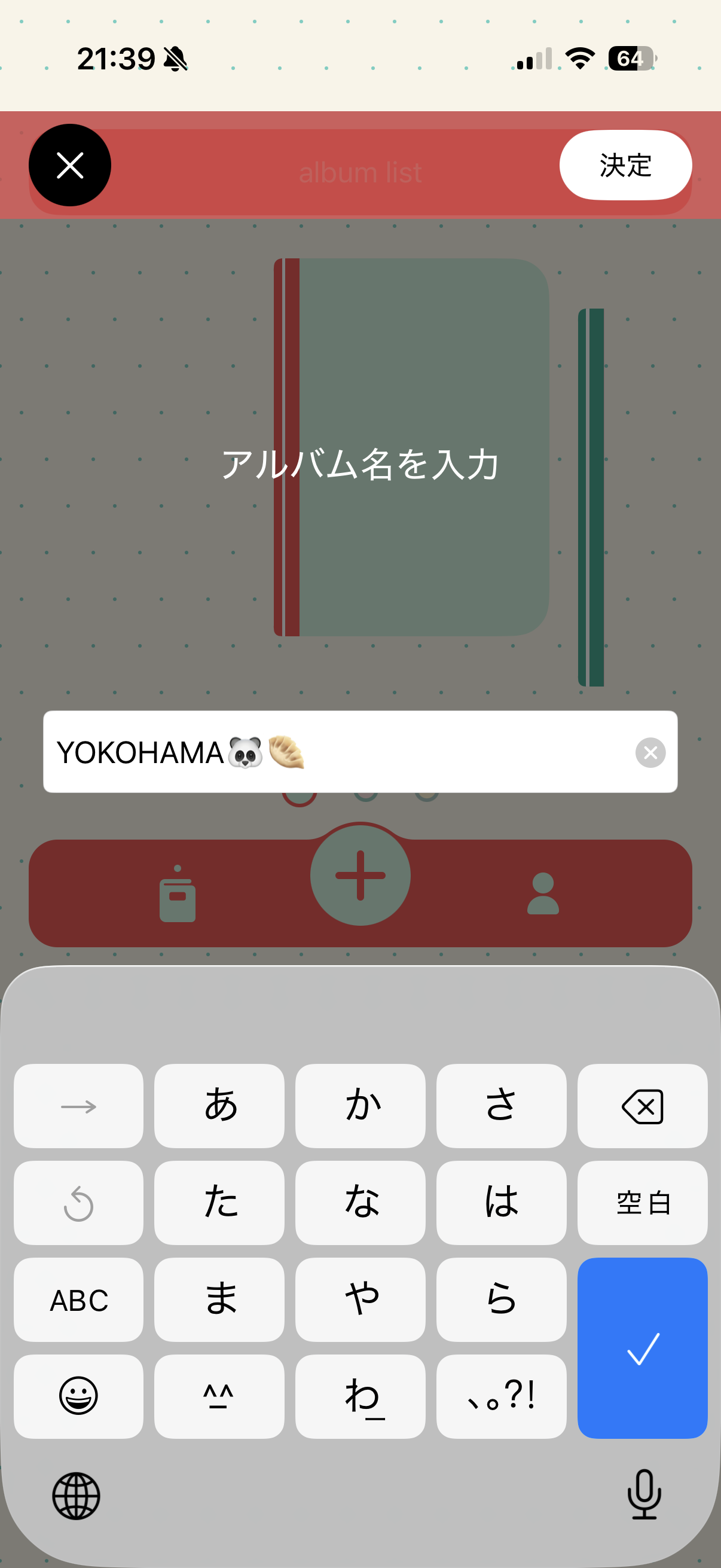
Rename Album Name
-
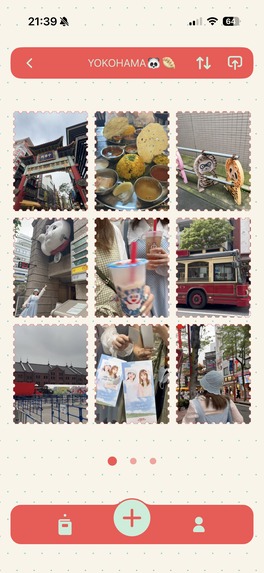
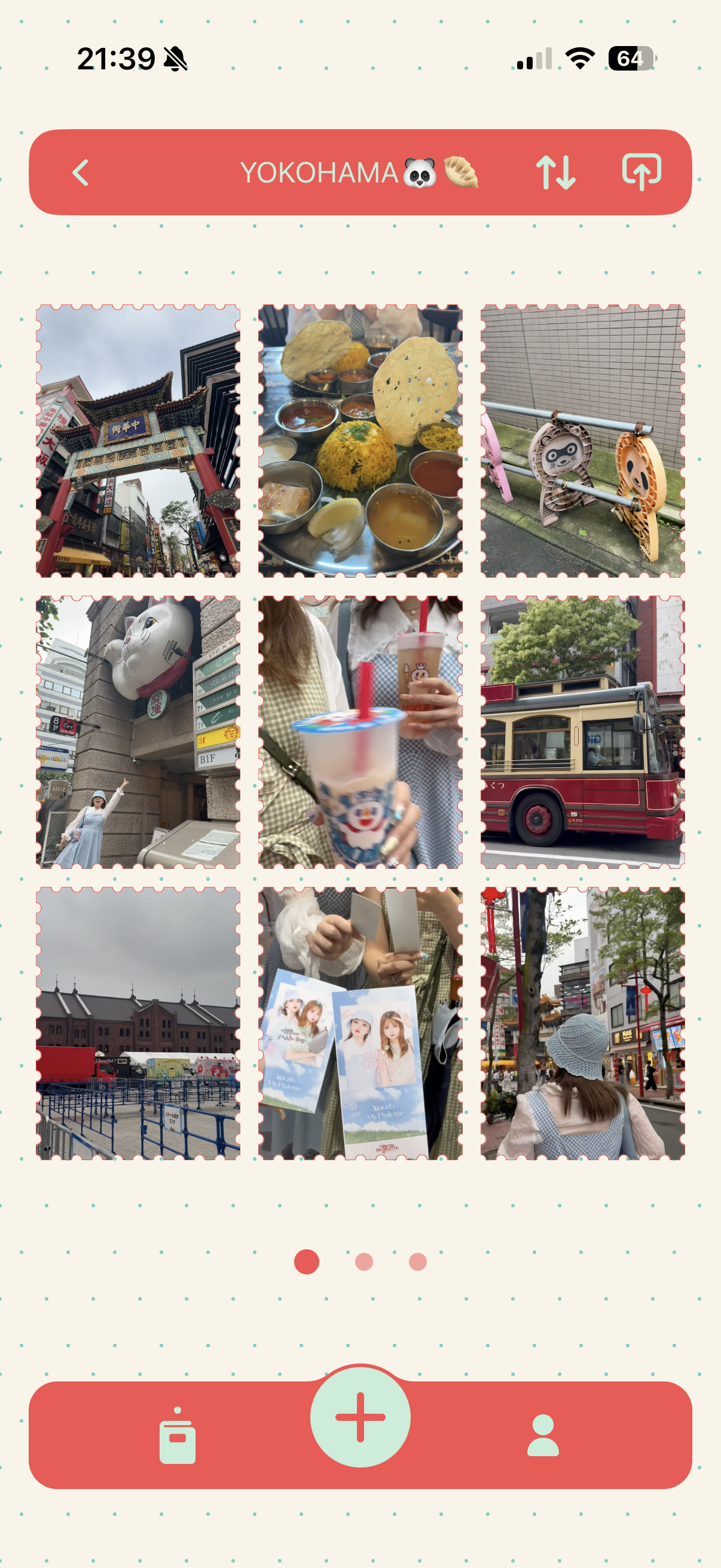
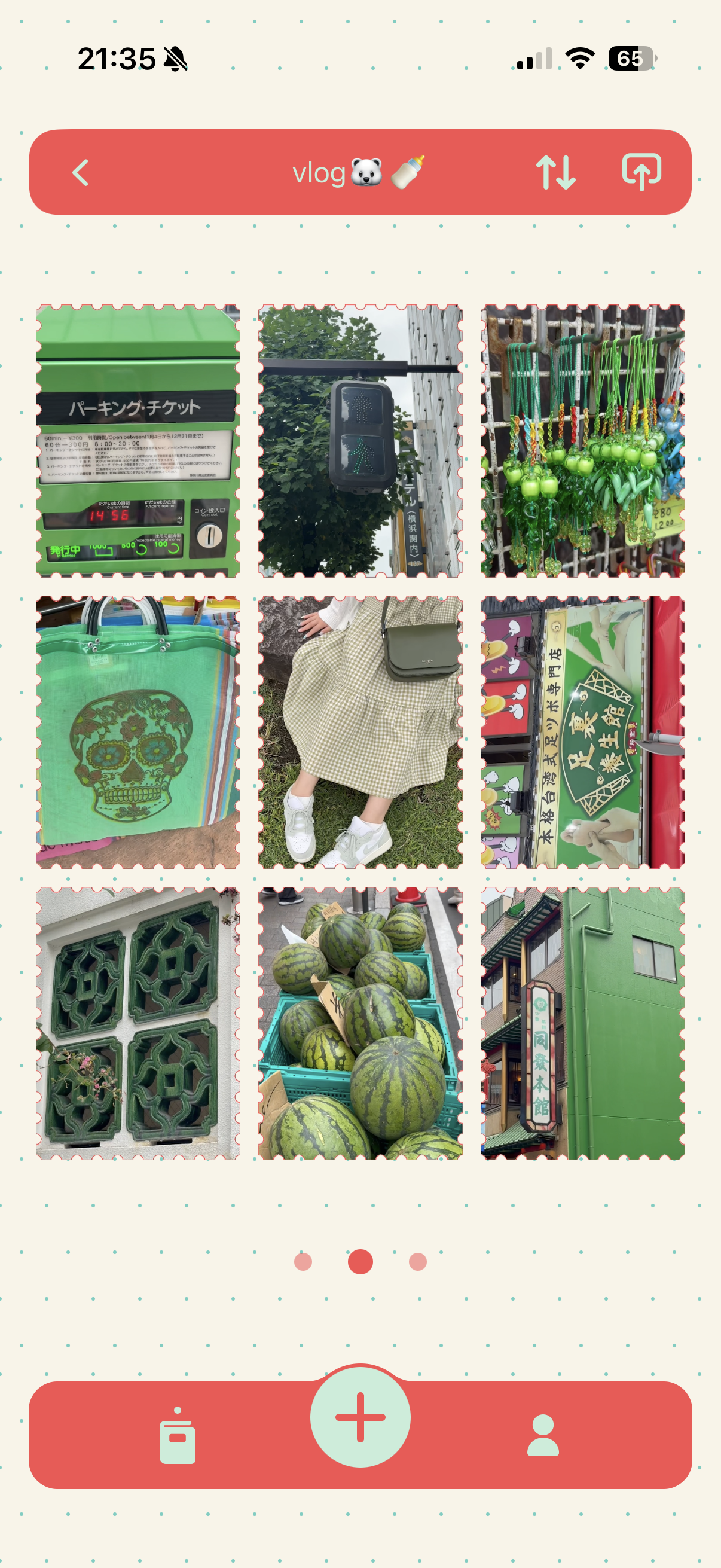
Album Page 1
-
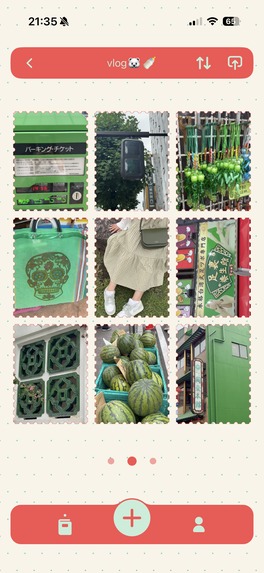
Album Page 2
-
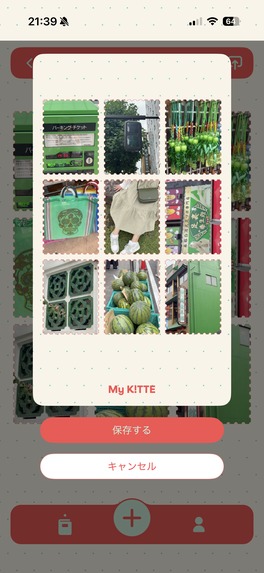
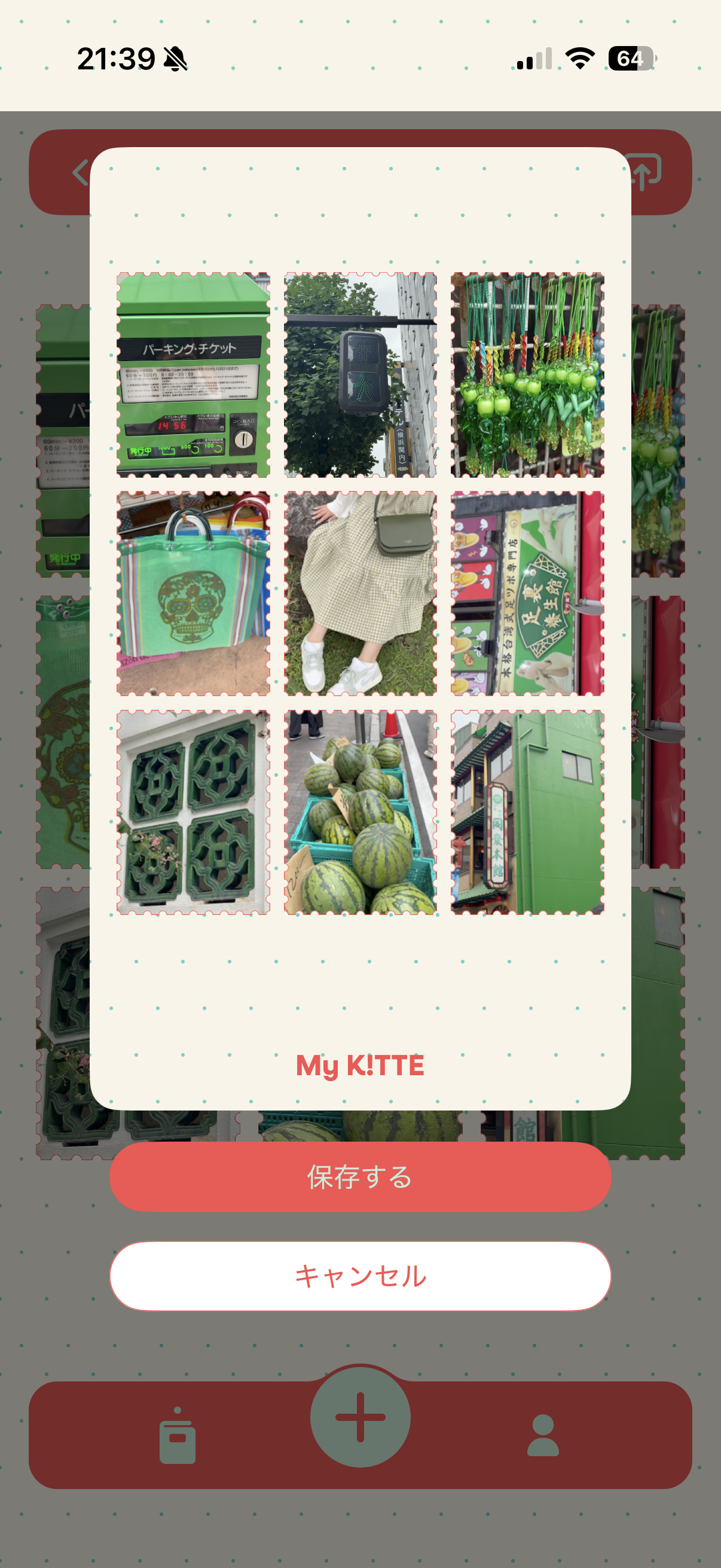
Export Screen
-
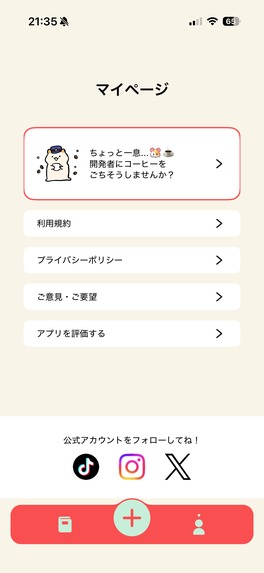
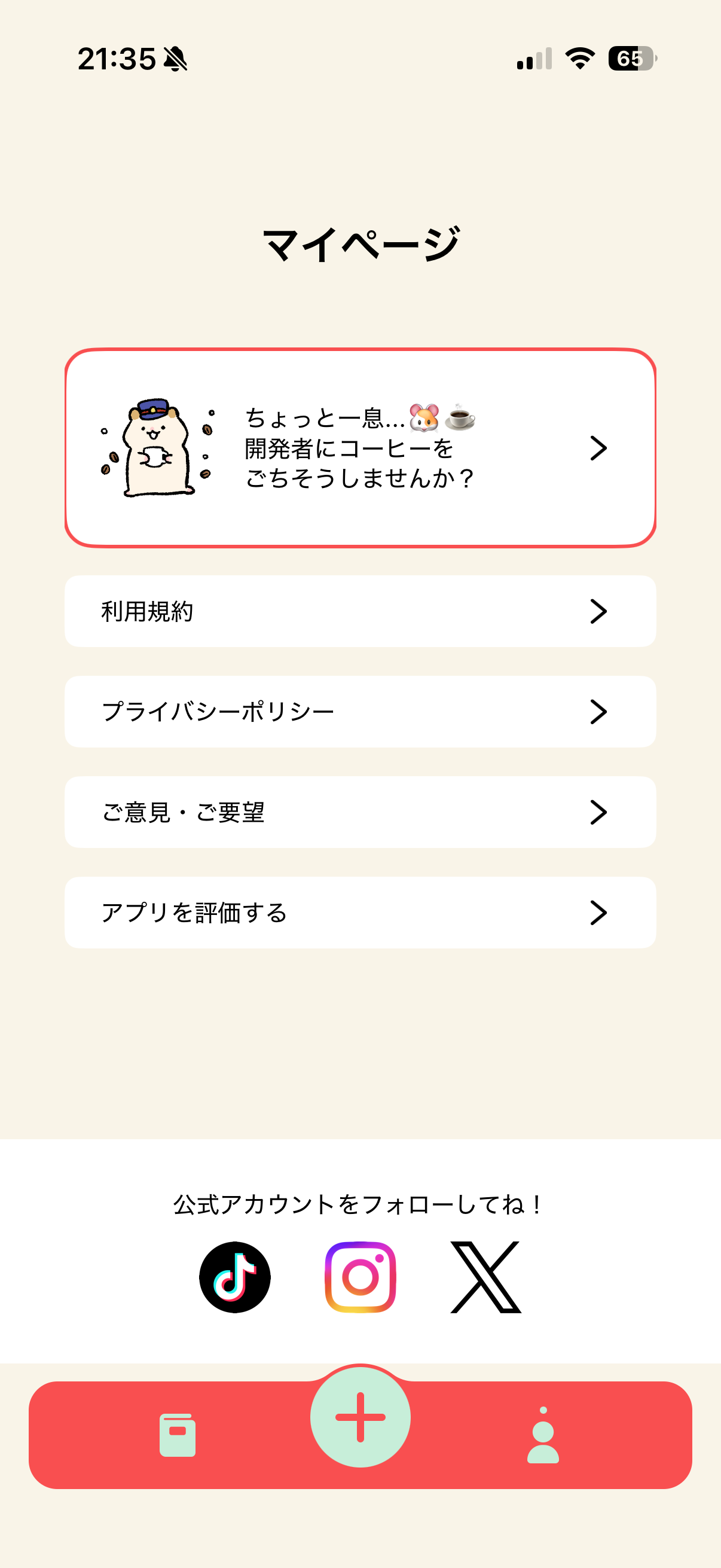
Mypage
-
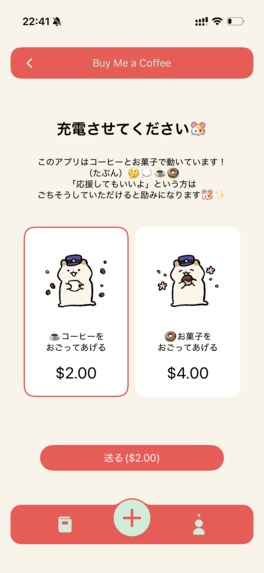
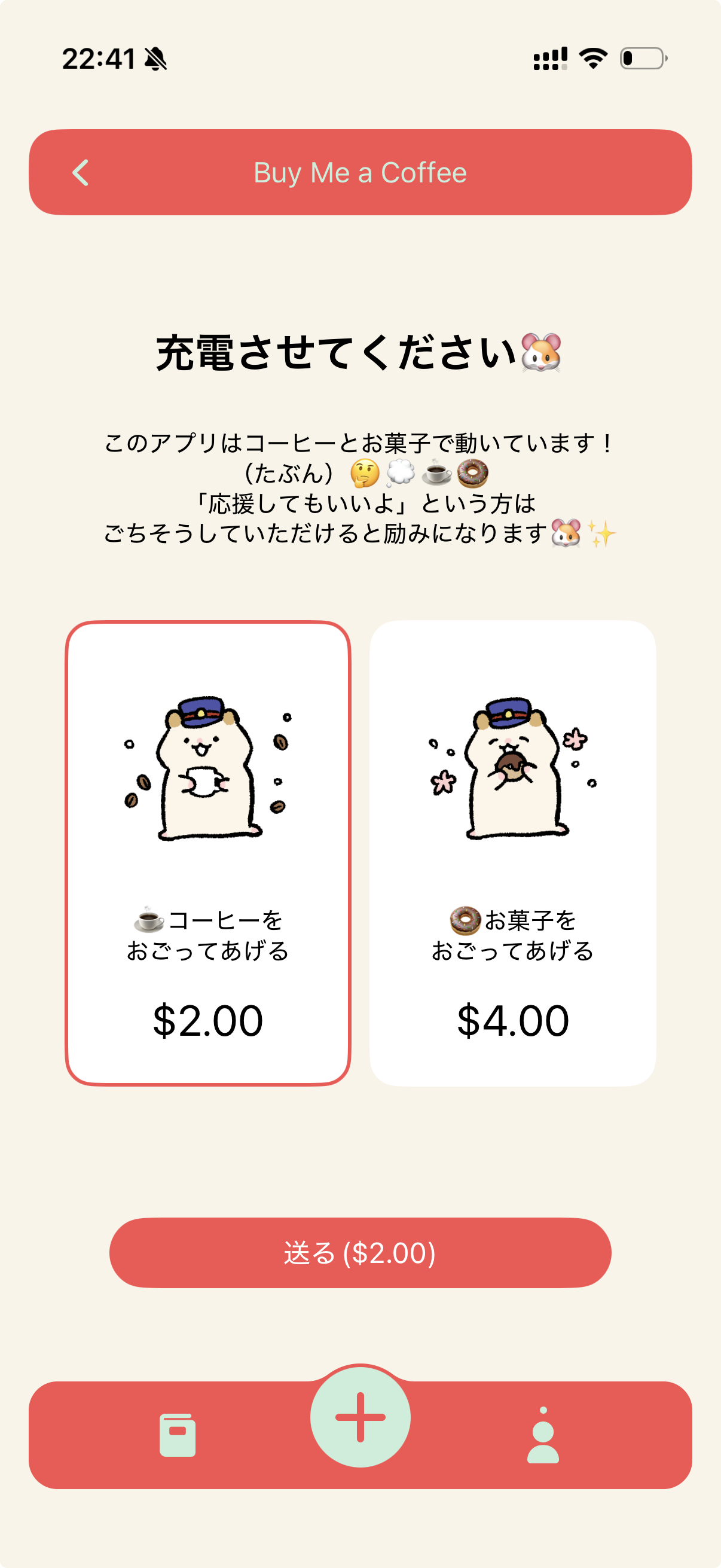
Buy Me A Coffee Screen
Inspiration
There is a simple joy in cutting out favorite pictures and collecting them one by one. My K!TTE began with a question: could we bring that joy to the small things we notice every day?
A dog you meet on a walk. A detail on a favorite outfit. Sunlight on a café table. These moments do not have to be milestones to be worth keeping.
We created My K!TTE to give those everyday discoveries a place in a personal digital stampbook.
The name comes from the Japanese word kitte (切手), meaning “postage stamp.” We chose My K!TTE to preserve the soft, playful sound of the Japanese word while giving the app a distinctive identity.
What it does
My K!TTE turns photos and three-second videos into digital stamps.
Collect them on 3×3 stampbook pages, rearrange the stamps, rename your albums, and export each page to your device as a collage image or video.
Photos and videos share the same stamp format, bringing still and moving moments together in one collection. All current app features are free, and no account is required.
The goal is not to record everything, but to choose the small moments you want to keep.
Designing around collecting
Postage-stamp edges give each photo or video a recognizable collectible shape.
The cream background, small dotted pattern, coral-red controls, and mint accents create a consistent visual identity around that idea.
The stampbook grows one small moment at a time. Rearranging stamps and renaming albums lets each collection reflect the person making it.
The aim is not to recreate a physical book literally, but to bring the satisfaction of choosing and collecting into a simple digital interface.
How we built it
We built My K!TTE with SwiftUI and MVVM, using a View → ViewModel → Repository/Service structure. We omitted a separate use-case layer to keep the MVP lightweight while maintaining clear responsibilities.
A custom AVFoundation camera handles photo and video capture. Both media types are composited into the same stamp shape.
RevenueCat powers optional Coffee and Snack support purchases, which do not unlock features. We integrated it through a protocol abstraction so the UI does not depend directly on the SDK.
We took a specification-first approach to AI-assisted development. AI agents operated the app in the simulator, identified bugs and usability issues, and created GitHub issues with reproduction steps and expected behavior. Coding agents then handled fixes, additional tests, and pull requests in short cycles.
Guidelines in AGENTS.md set coding and review expectations. The human team remained responsible for specifications, product decisions, code review, and final validation.
Challenges we ran into
Starting in August gave us a limited window to ship. We had to balance development speed with the small details that make the collecting experience satisfying.
In particular, we spent considerable time refining the proportions of the perforated stamp edges and finding the right duration for exported videos. We repeatedly tested different versions on real devices until the experience felt balanced and natural.
Accomplishments that we're proud of
We're proud of bringing the complete capture-to-export experience together without losing the idea that inspired it.
Rather than becoming a general-purpose photo organizer, My K!TTE stayed focused on making small, everyday moments feel worth collecting. The result is a working app that carries the original concept through to the finished stampbook.
We are also proud that we were able to take My K!TTE from an initial idea to a publicly released MVP within the Shipaton timeframe.
What we learned
Finishing within a fixed period taught us to define the smallest feature set that still delivers the core experience. We also underestimated the time needed for App Store review and release. Launch planning needs to include submission, review, and any necessary revisions—not just development.
Users also revealed possibilities we had not anticipated. One user treated the 3×3 stamp layout itself as a design canvas, creating a composition we had never considered. It showed us that users can find new value in even a simple format, and that insight has already inspired ideas for future page designs.
What's next for My K!TTE
Next, we want to explore more page backgrounds, stamp-border colors, and digital animations for punching out stamps, placing them on a page, and transitioning between pages.
Further ahead, we imagine shared stampbooks where friends can contribute their own moments, whether traveling together or living in different parts of the world.
