-
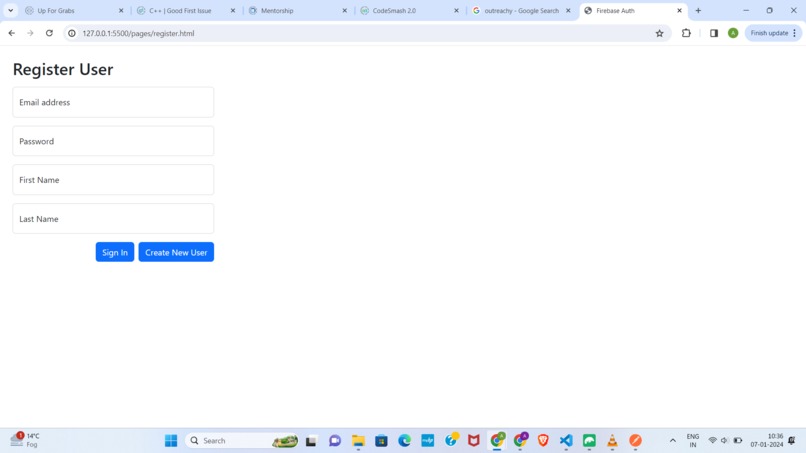
Register Page
-
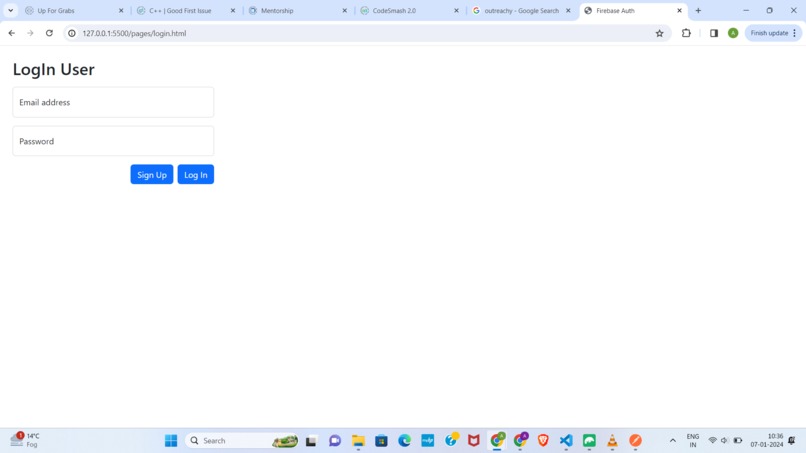
Login Page
-

Home Page

Inspiration
The inspiration for creating the GIF generator app stemmed from a desire to explore the possibilities of integrating real-time dynamic content into an interactive platform. Witnessing the popularity of GIFs in modern communication, I envisioned a user-friendly app that allows individuals to easily access and share a wide range of GIFs for various purposes - be it adding humor, expressing emotions, or enhancing conversations.
What it does
The application can easily search related gifs as per the user's request.
How we built it
The development process began with planning the app's user interface to ensure a seamless and intuitive experience. I focused on creating a clean and responsive design that allowed users to search and browse through GIFs effortlessly. Next, integrating the Giphy API was pivotal, enabling users to access a vast library of GIFs and fetch relevant content based on their queries. The integration of Firebase's Firestore added a layer of personalization, allowing users to save favorite GIFs and access them across devices. Balancing front-end functionality with back-end data management was a critical aspect of the project's architecture.
Challenges we ran into
Overcoming challenges, such as optimizing API calls for faster loading and implementing efficient data storage strategies in Firestore, significantly contributed to my understanding of app development.
Accomplishments that we're proud of
Developing this app provided a rich learning experience across multiple domains. I gained extensive knowledge about API integration, particularly with the Giphy API, understanding how to fetch and display GIFs based on user queries or preferences. Additionally, working with Firebase's Firestore taught me valuable insights into managing user data securely in a cloud-based database system.
What we learned
This project exceeded my initial expectations in terms of understanding API integration and cloud-based data storage. Reflecting on the process, I see areas for potential improvement, such as refining search functionalities for better accuracy and expanding user interactions beyond saving favorites, possibly incorporating sharing features or user-generated content.
Conclusion
Overall, this project not only showcased the power of real-time content integration but also served as a robust learning experience for building user-centric applications.
Built With
- api
- bootstrap
- css
- firebase
- firestore
- html5
- javascript


Log in or sign up for Devpost to join the conversation.