Inspiration
The inspiration for My Doctor came from a harsh reality: nearly 9 out of 10 adults struggle with health literacy. Walking out of a doctor’s office or downloading a lab report often feels like reading a foreign language. Complex jargon, confusing metrics, and overwhelming medical shorthand leave patients feeling anxious, confused, and powerless. We realized that this lack of understanding doesn't just cause anxiety—it leads to skipped medications, missed follow-ups, and poorer health outcomes. We wanted to build a bridge between the clinical world and the average patient, turning overwhelming clinical data into clear, actionable, and empathetic human guidance.
What it does
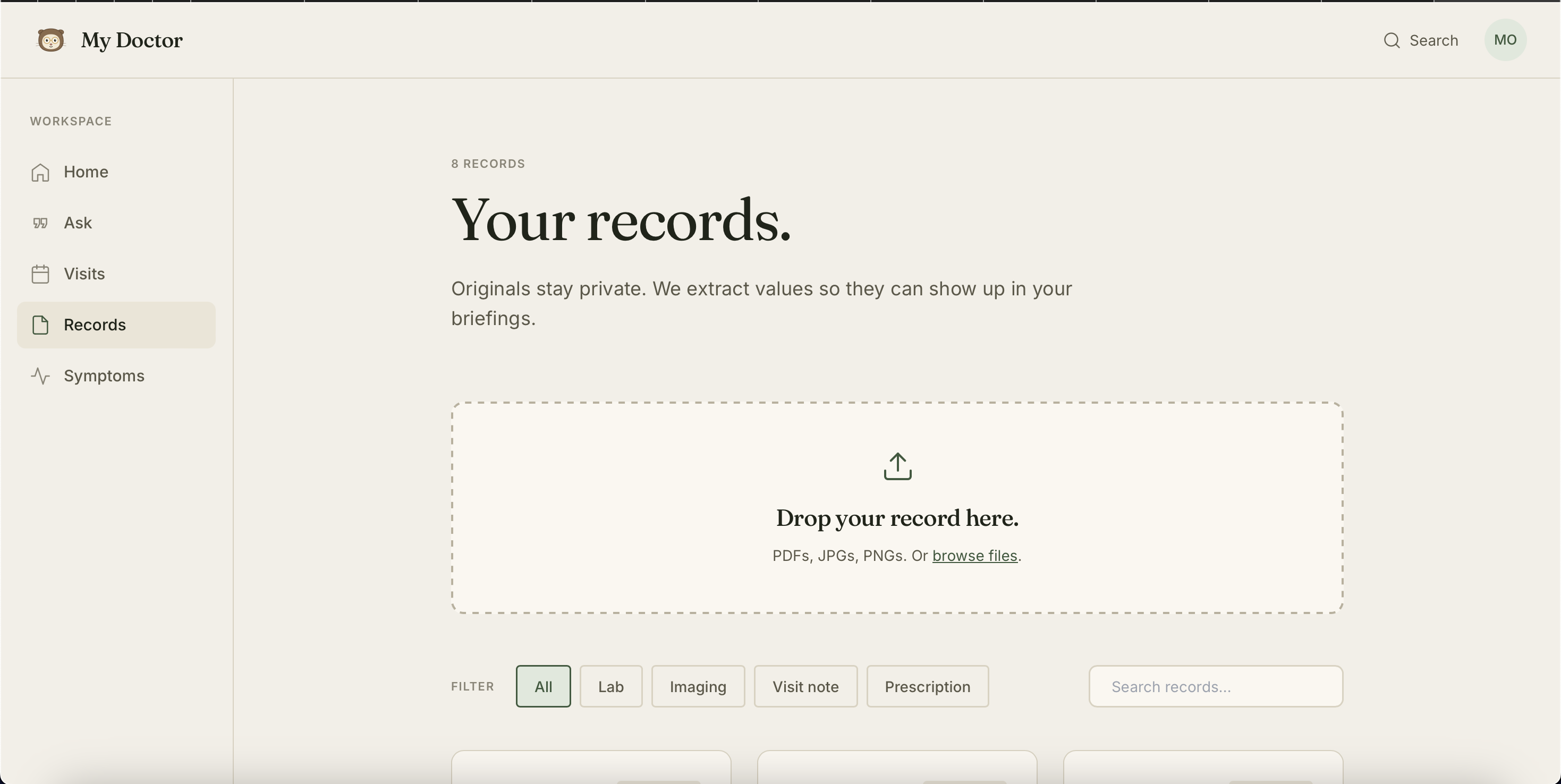
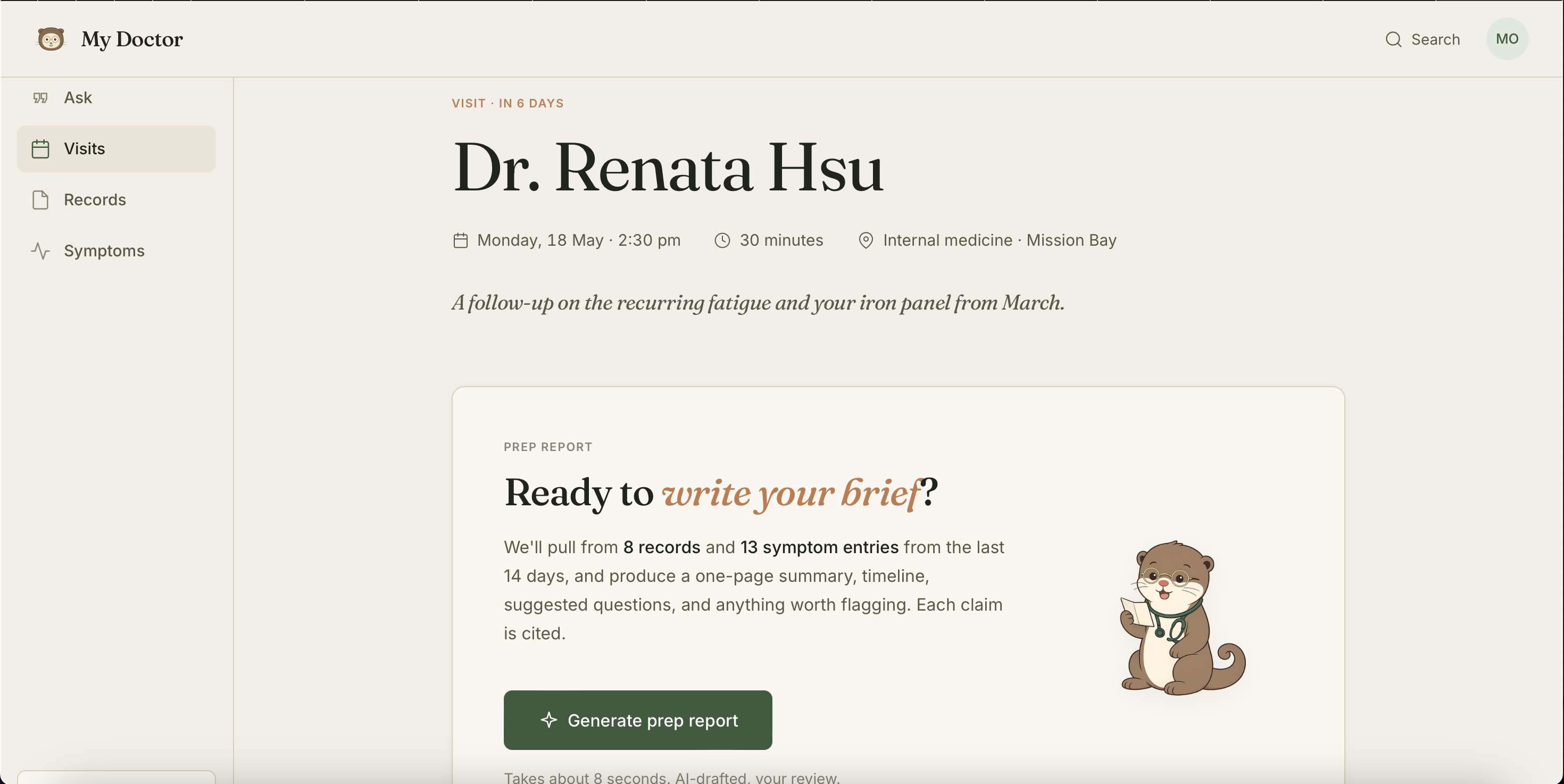
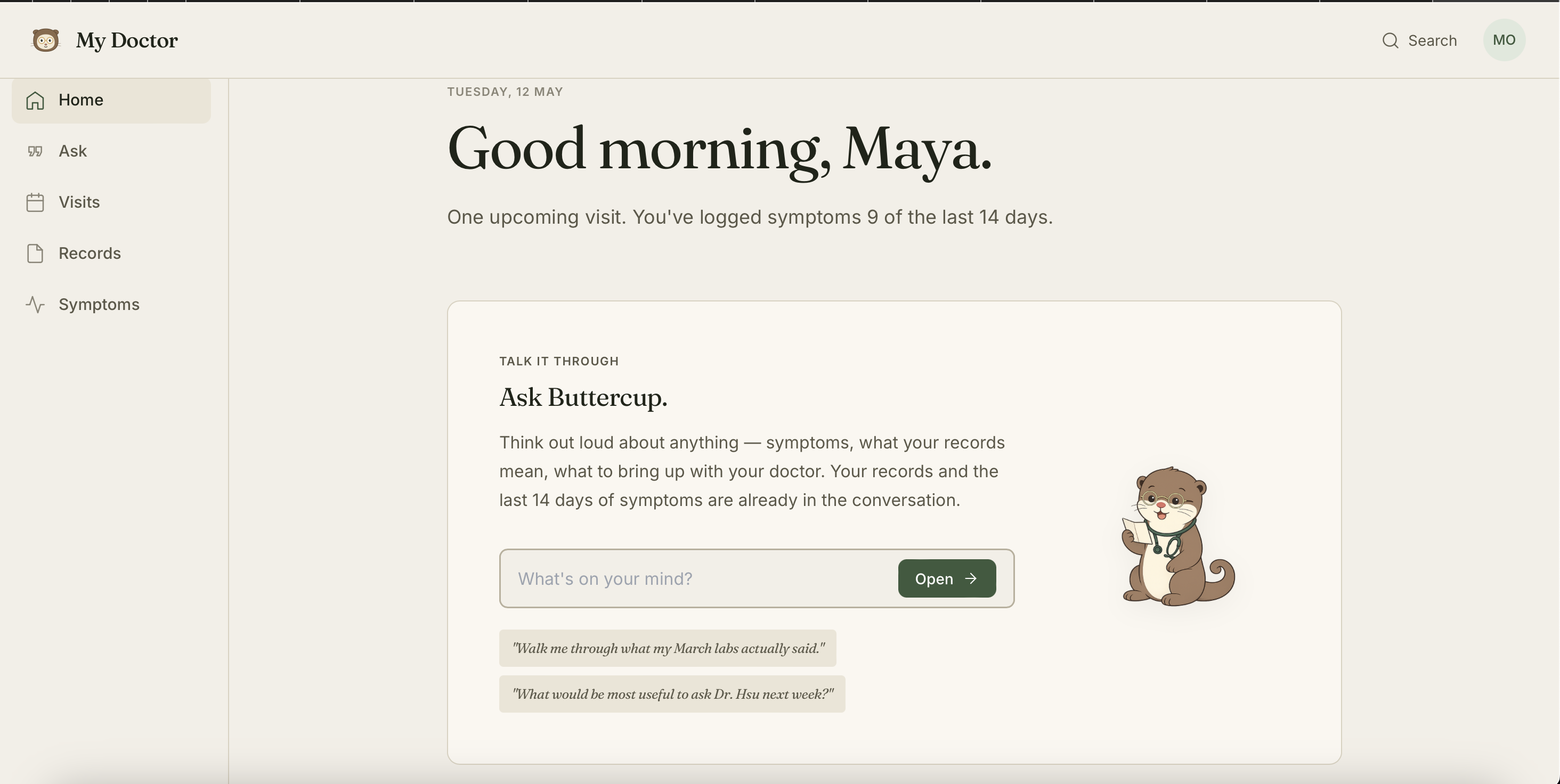
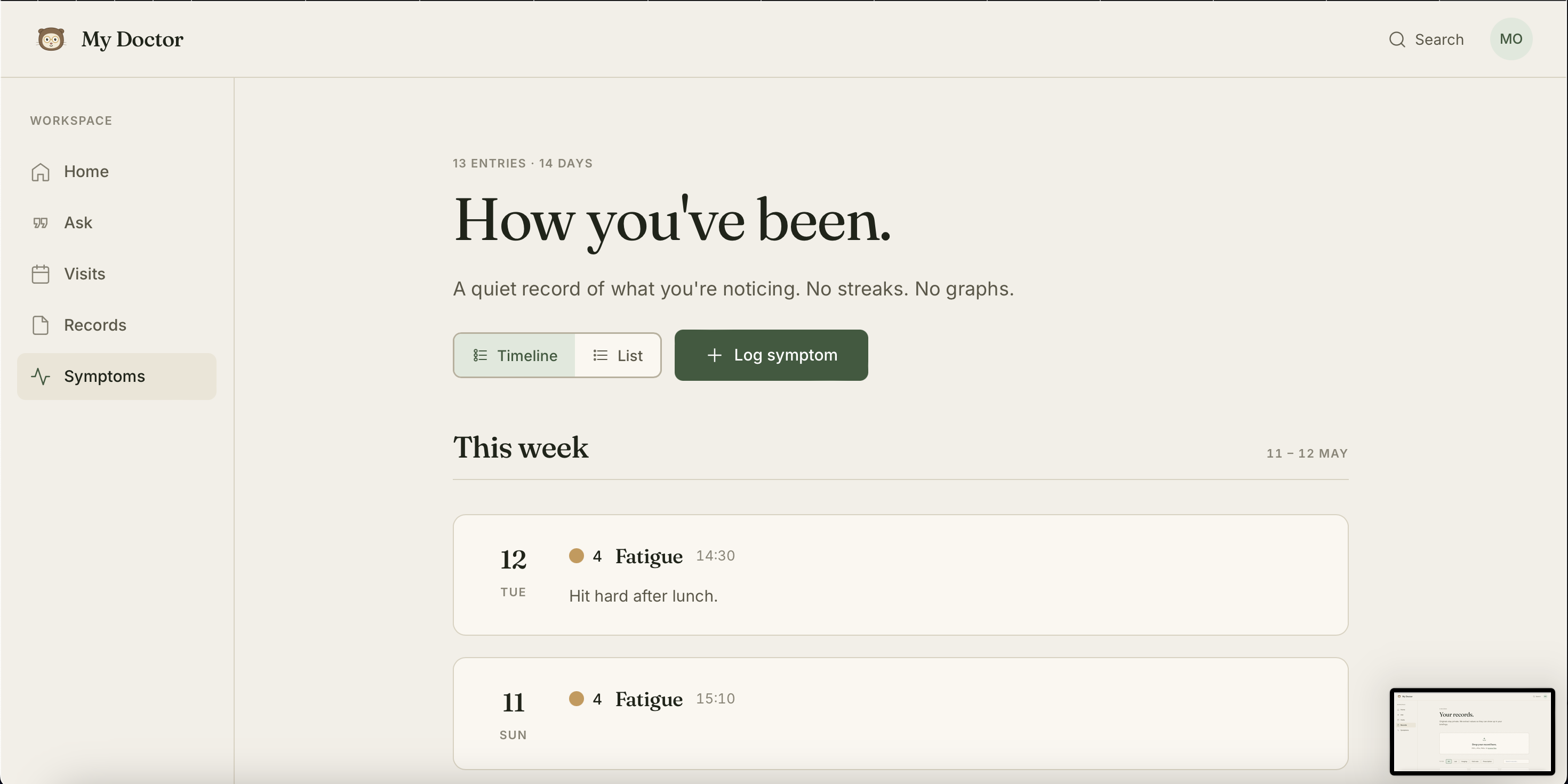
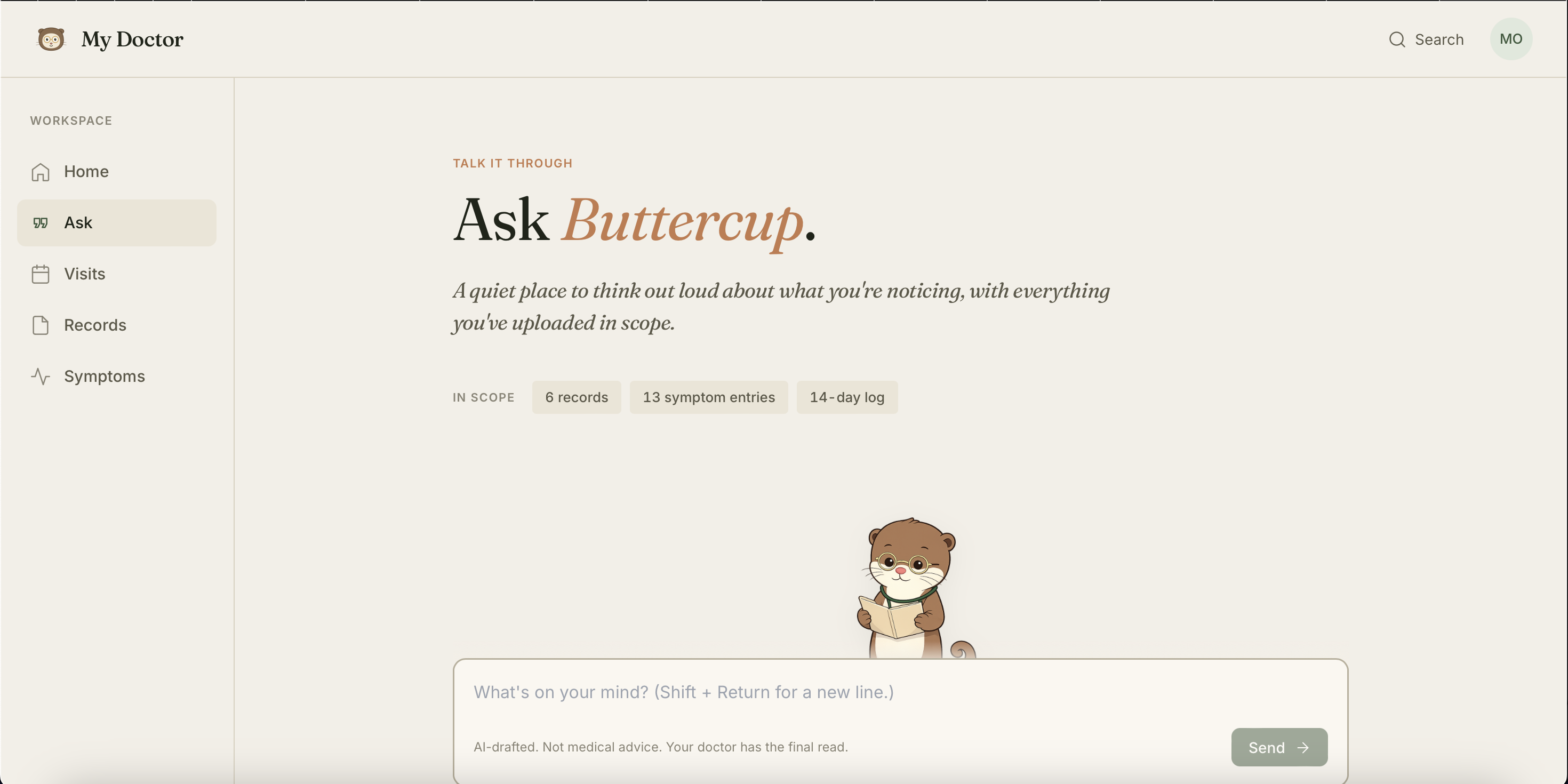
My Doctor is a smart, patient-first health literacy application designed to demystify complex medical information. Users can upload lab results, paste physician notes, or type in diagnoses they don’t understand. The app instantly processes the information and translates the heavy "medspeak" into plain, everyday language tailored to a 6th-grade reading level. Beyond translation, My Doctor provides context such as explaining what specific biometrics mean, offering an interactive plain-language glossary, and generating a personalized list of questions for users to bring to their next appointment, ultimately facilitating true shared decision-making between patients and their physicians.
How we built it
We engineered My Doctor with an emphasis on accessibility and rapid processing.
Frontend: The landing page and user interface were built using modern web frameworks JavaScript and HTML5 to ensure a clean, responsive, and mobile-friendly design that handles high contrast and readable layouts for users of all ages.
Backend & AI Integration: To power the medical translation engine, we utilized Butterbase hosting combined with large language models via API. We engineered precise system prompts to enforce clinical accuracy while strictly prioritizing the simplification of text.
OCR & Document Processing: We integrated document parsing tools so users could upload PDFs or images of their physical medical documents and have the text seamlessly extracted and analyzed.
Challenges we ran into
One of our biggest hurdles was striking the perfect balance between simplification and medical accuracy. In healthcare, substituting a word can completely alter a diagnosis, so we had to rigorously test our AI logic to ensure it stripped away jargon without losing critical context. Additionally, handling unstructured medical notes presented a formatting nightmare, as different clinics layout reports in entirely different ways. We spent a significant amount of time refining our parsing algorithms and edge-case handling to keep the user experience smooth and error-free.
Accomplishments that we're proud of
We are incredibly proud of creating an intuitive, highly functional application from scratch that addresses a massive, systemic problem. Achieving a clean UI that doesn't feel clinical or intimidating was a huge win for us. More importantly, we successfully built an engine that can take an intensely complex text, like a pathology report filled with acronyms, and turn it into a comforting, readable paragraph that empowers the patient rather than scaring them.
What we learned
This project taught us that accessibility in tech isn't just about alt-text or contrast ratios; it's heavily about language. We learned a great deal about universal health literacy precautions and the psychology of patient anxiety. From a technical standpoint, we deepened our knowledge of prompt engineering, data parsing, and deployment workflows using modern cloud infrastructure.
What's next for My Doctor
We see the current version of My Doctor as just the beginning. Our next steps include:
Multilingual Support: Translating medical jargon not just into plain English, but into multiple languages to help non-English speaking families navigate the healthcare system.
Voice-to-Text Integration: Allowing patients to record their consultations in real-time (with doctor permission) and automatically receive a simplified summary.
Medication Interaction Checker: Adding a feature that cross-references prescribed drugs with everyday language explanations of potential side effects and warning signs.
Provider Partnerships: Partnering with local clinics to integrate My Doctor directly into patient portals, fixing the problem right at the source.

Log in or sign up for Devpost to join the conversation.