-
-
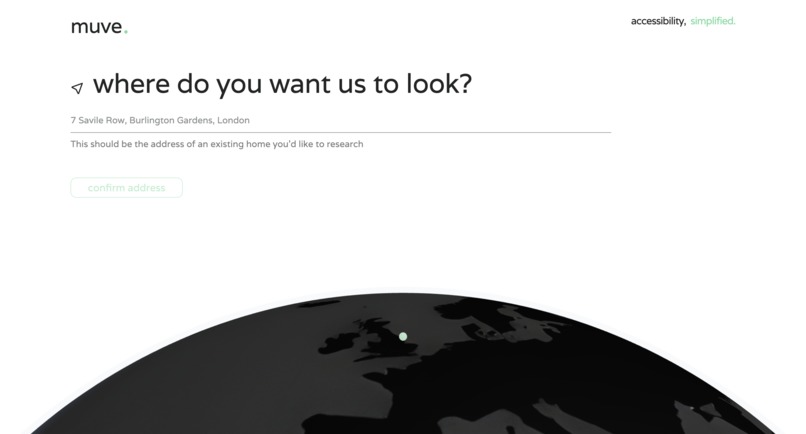
Home page for site
-
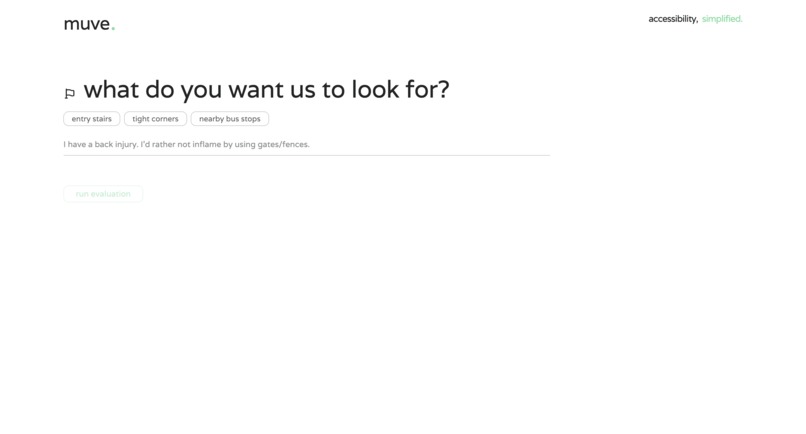
Input for accessibility needs
-
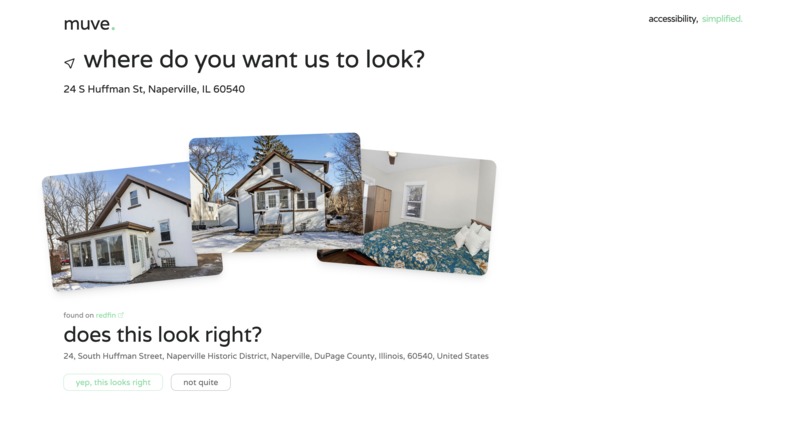
Scanning through images pt 1
-
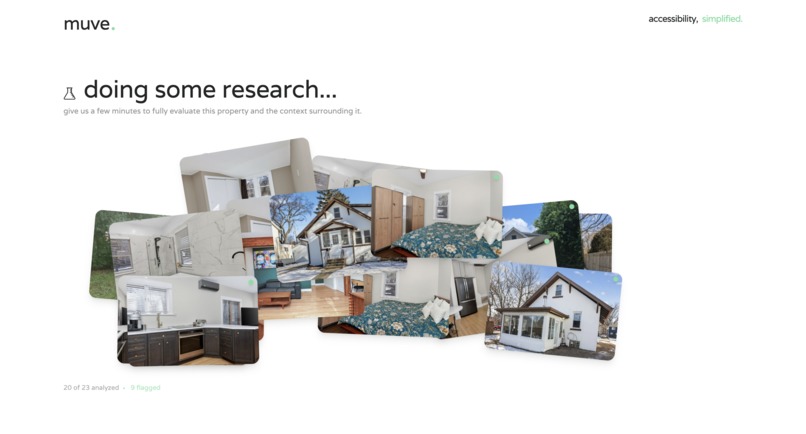
Scanning through images pt 2
-
FInal Score report
Inspiration
We thought that finding a home is already stressful, but for those with disabilities or specific accessibility needs, it would be much harder to actually look through homes if they don’t fit your needs. Real estate platforms currently don’t provide structured accessibility needed information, making it so people will have to scan through their sites to try to find out more, but ultimately can’t do it. Our website, Muve closes this gap and makes accessibility a first priority in the home-buying process.
What it does
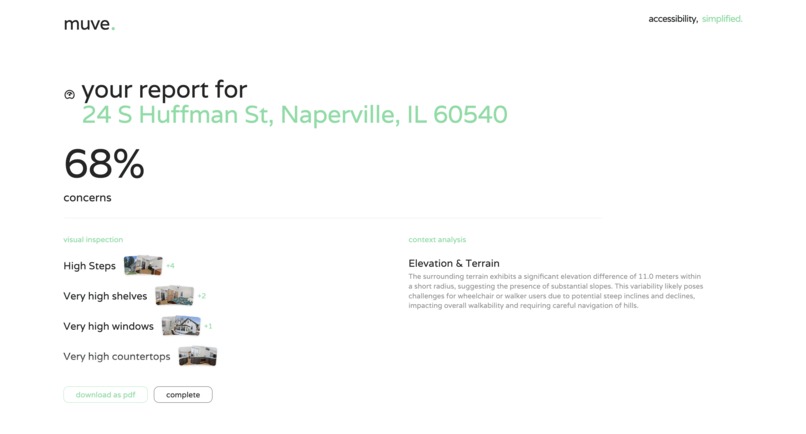
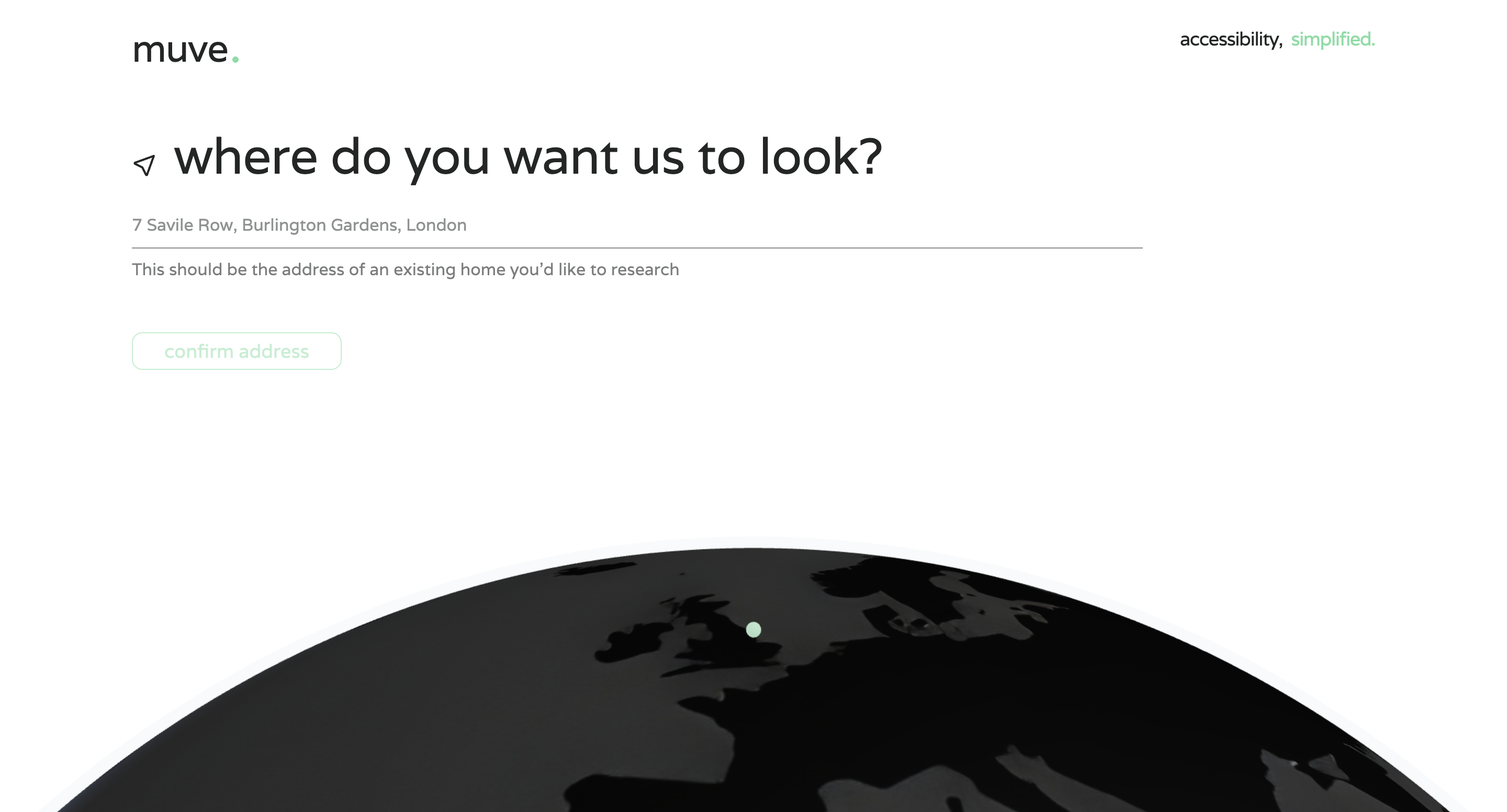
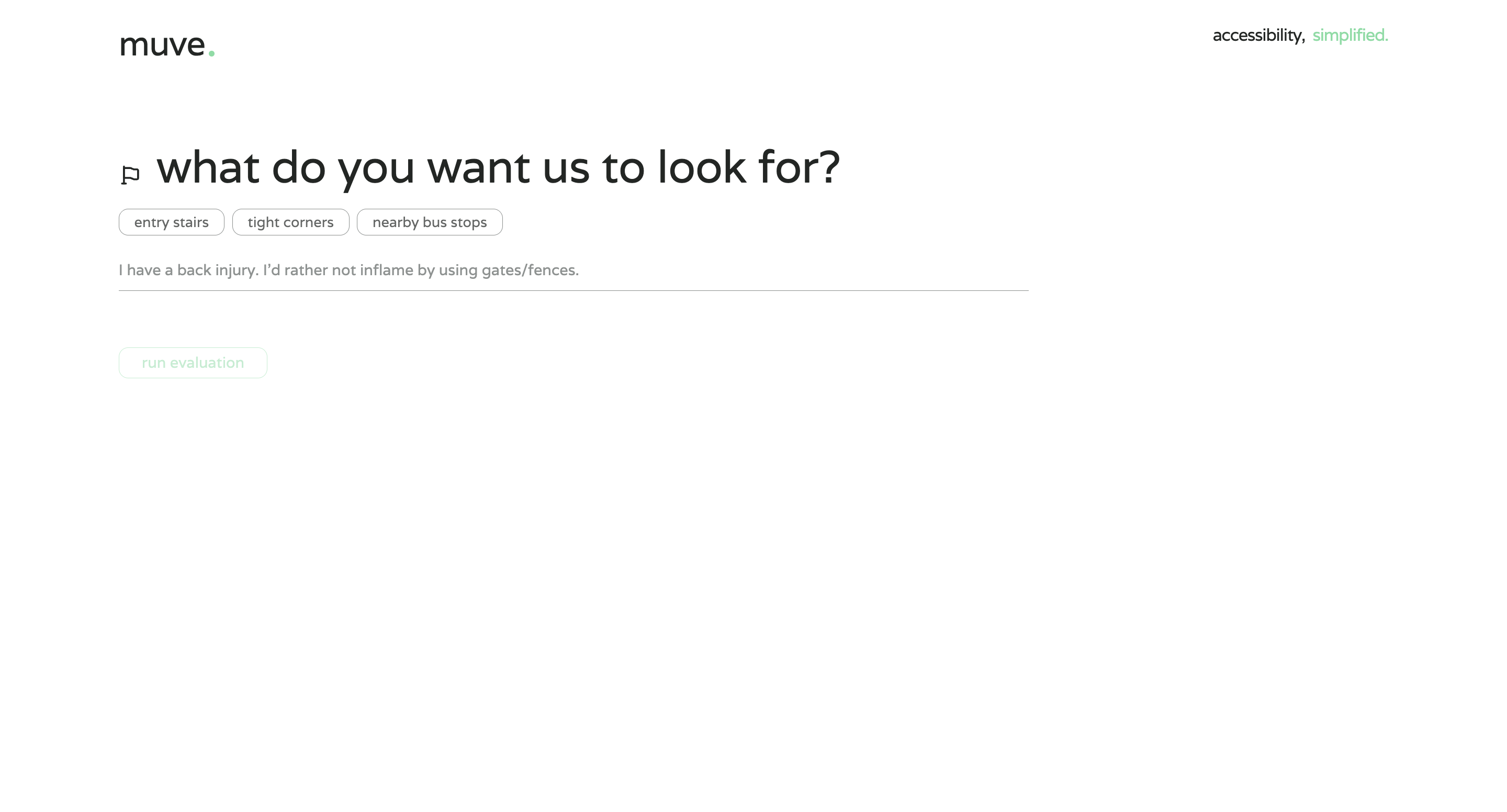
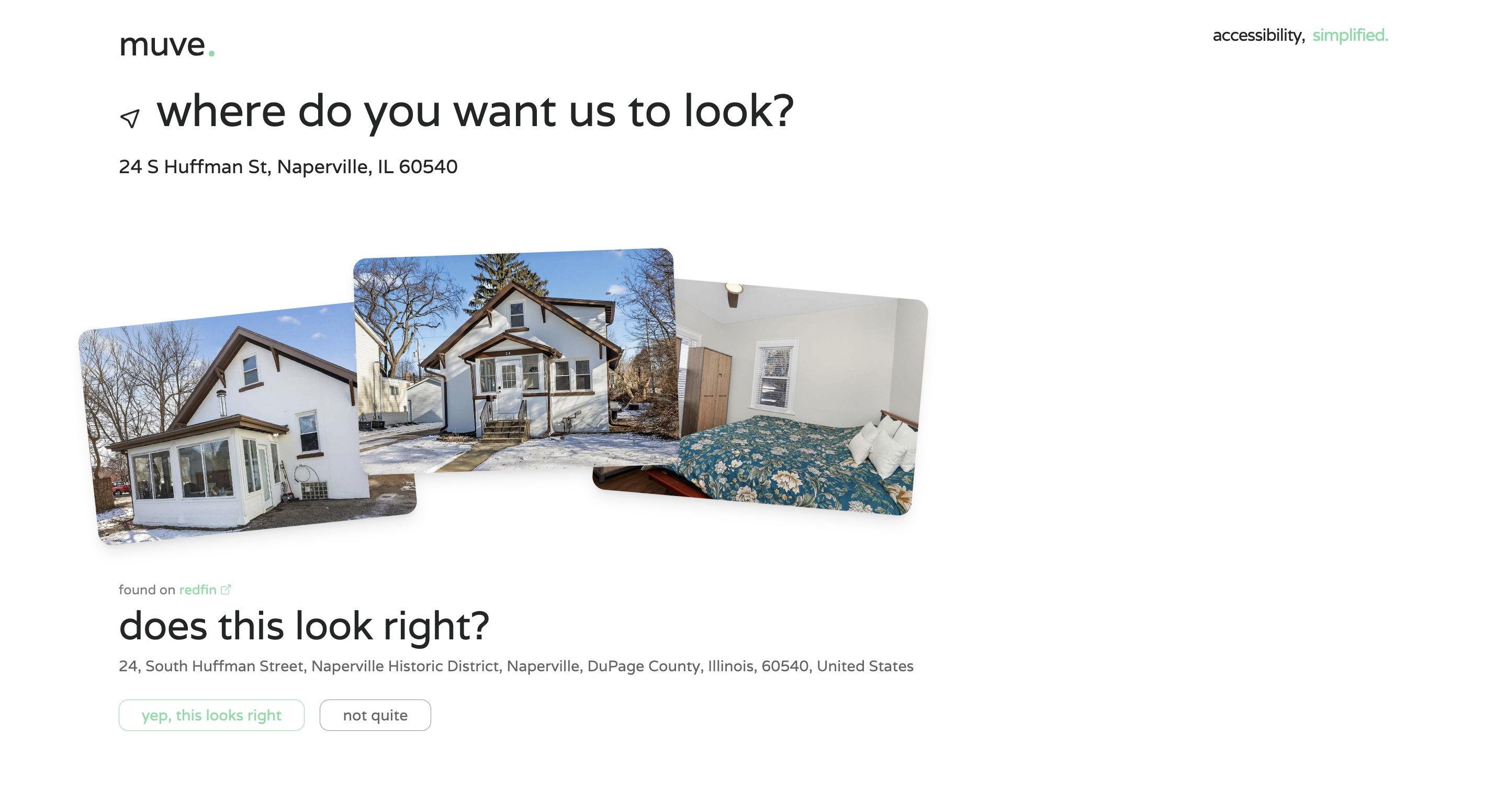
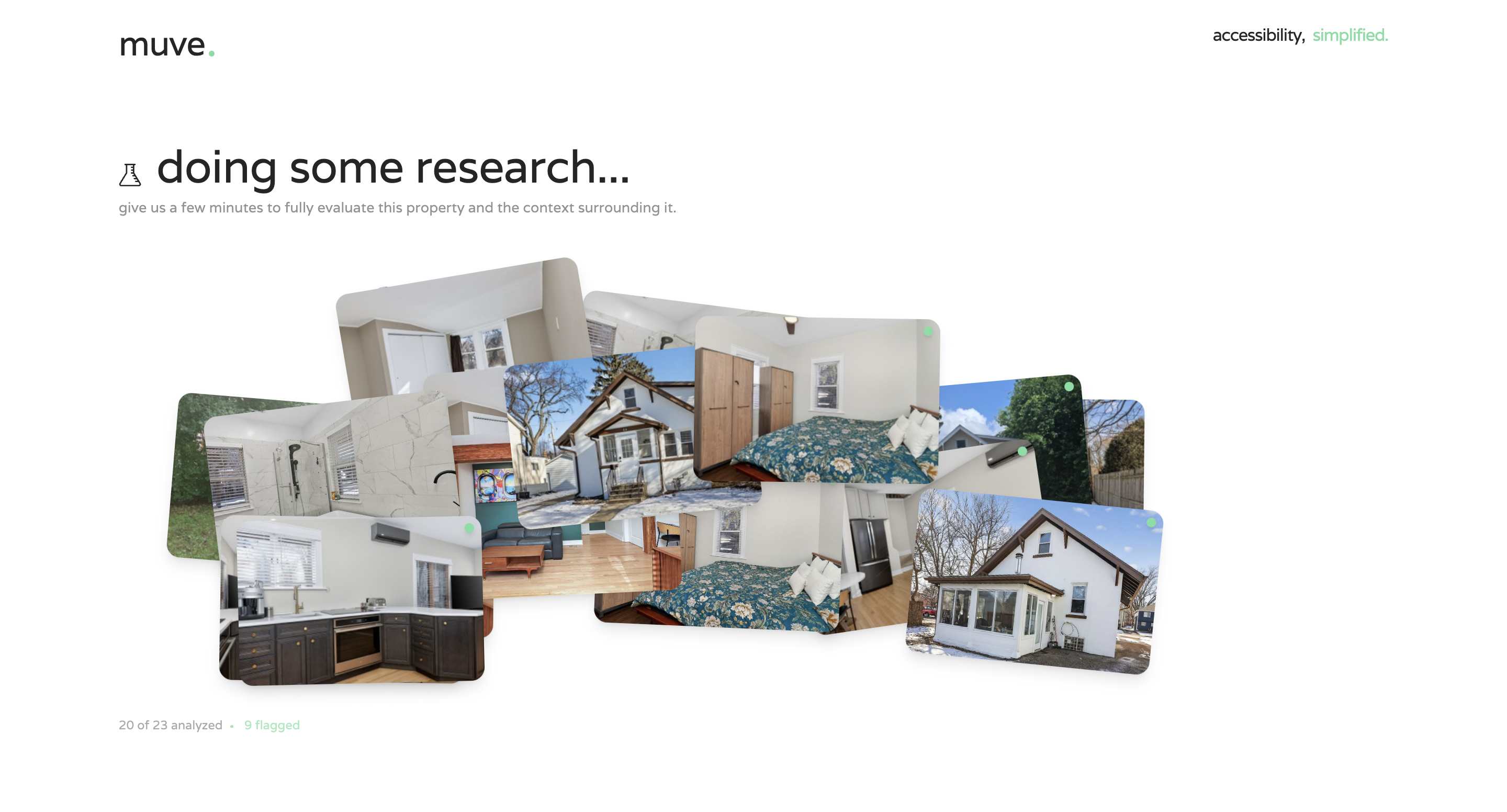
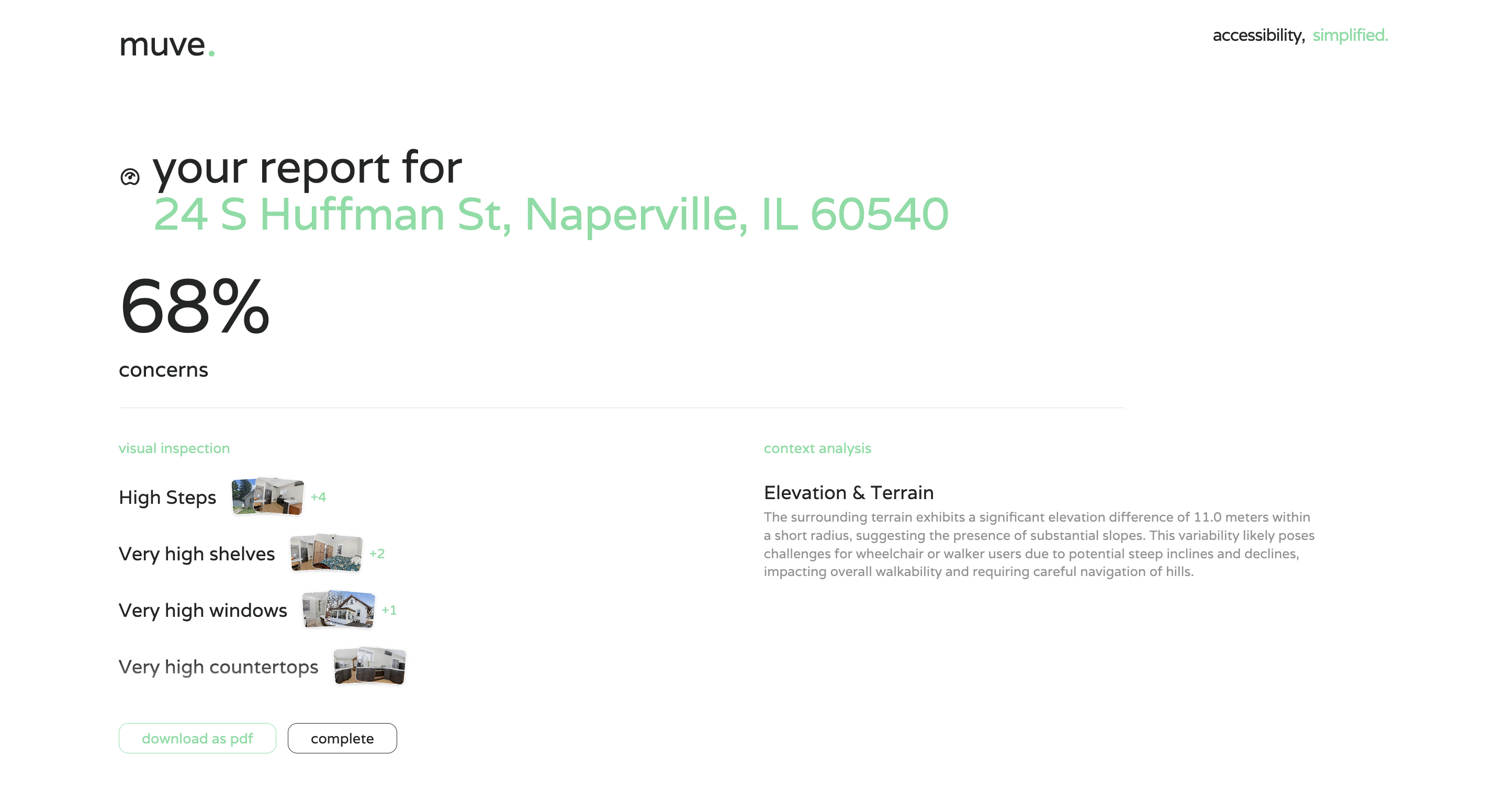
Muve helps users evaluate whether a property truly meets their accessibility needs before they ever step inside. First, users enter the address of a home they’re considering. Muve retrieves interior listing images and confirms the property with the user. Then, users provide a list of disabilities or accessibility needs (e.g., wheelchair mobility, low vision, sensory sensitivities, elderly support). Using that input, Muve leverages AI to generate a personalized checklist of potential accessibility concerns tailored to the user’s needs. It then scans the property images in small batches, analyzing each photo for features that may raise accessibility flags such as stairs without ramps, narrow doorways, high countertops, or obstructed layouts. As the system processes images, it provides real-time updates, highlighting flagged concerns as they’re detected. In parallel, Muve performs contextual analysis of the surrounding area when relevant. For example, evaluating nearby medical facilities, public transportation, or terrain conditions. Once all data is collected, Muve aggregates image analysis results and contextual insights into a final accessibility score. It also provides any specific concerns it has on the property in a comprehensive, easy-to-read report.
How we built it
We built it using Vite React app for the frontend, Express for the backend, supabase as a database, tailwind css for styling, Google’s Gemini Flask for AI in both scanning the images and problem generation, in addition to vercel for deployment.
Challenges we ran into
Some big challenges we ran into were trying to get the globe to correctly display and trying to cut down the run time during the chunk where we generate the list of things to look for and scan all of the photos.
Accomplishments that we're proud of
We were really proud about being able to make everything come together at the end and take many steps of datascraping, scanning, and potential accessibility problem generation to make a comprehensive but clean report at the end.
What we learned
We learned a lot about a lot of different things across the board, such as controlling headless chrome browsers to scrape for images, having a constant stream of updates to the frontend through the updates to a database, and a lot about frontend styling.
What's next for Muve
We hope to expand our website to accommodate the needs of more people and their search for homes.
Built With
- gemini
- node.js
- react
- typescript
- vercel
- vite


Log in or sign up for Devpost to join the conversation.