-
-
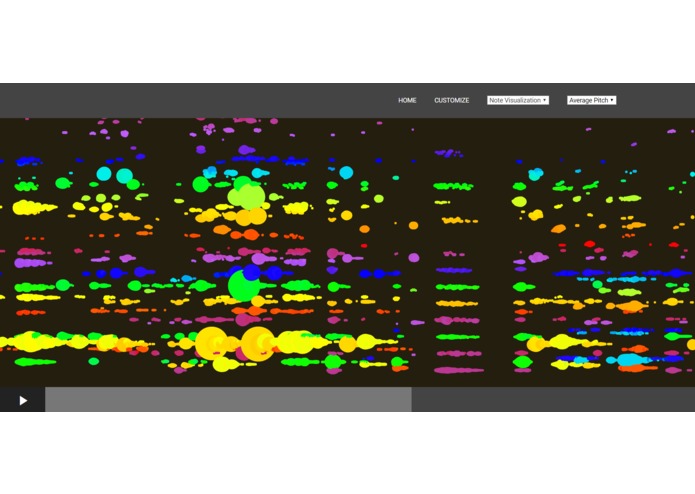
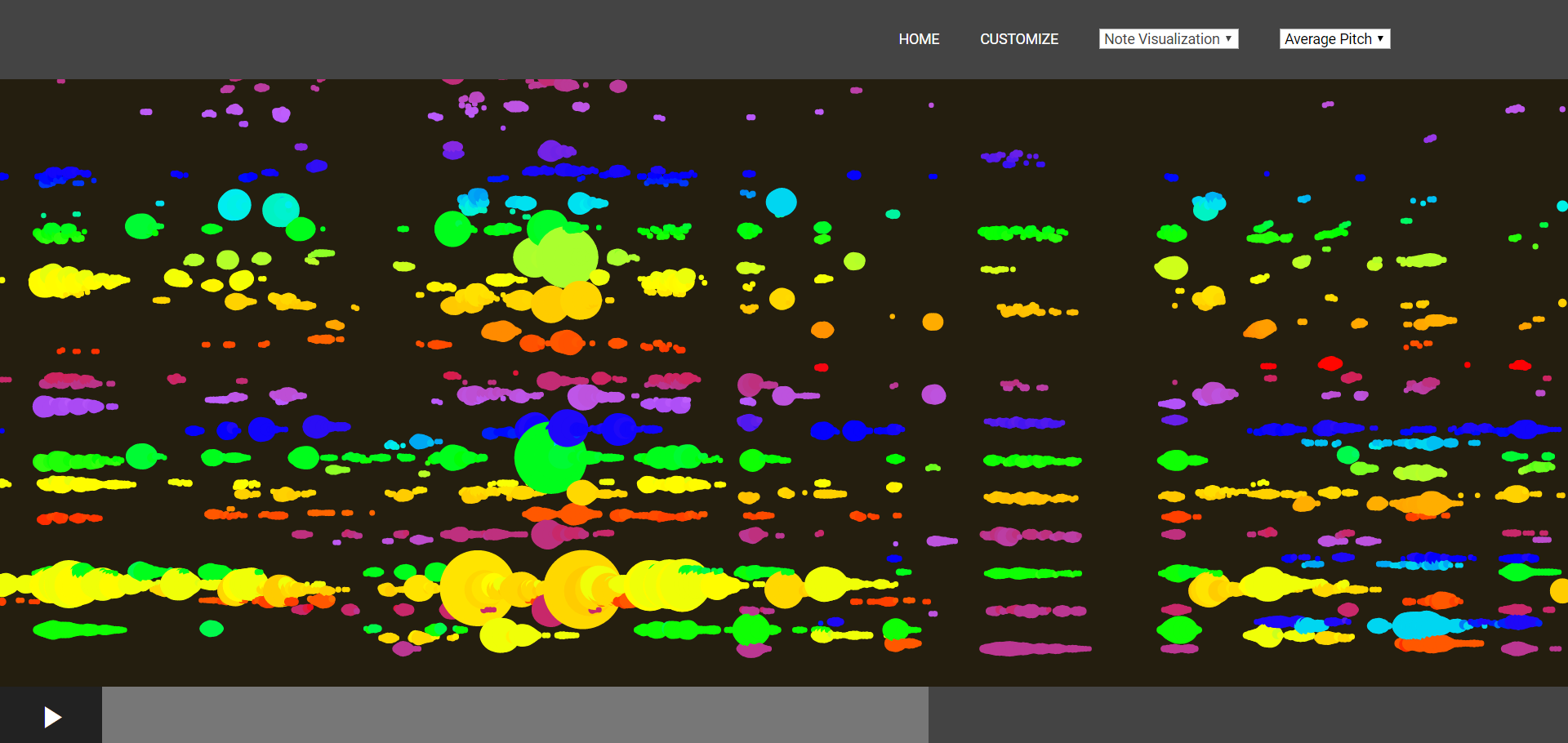
Note Signature
-
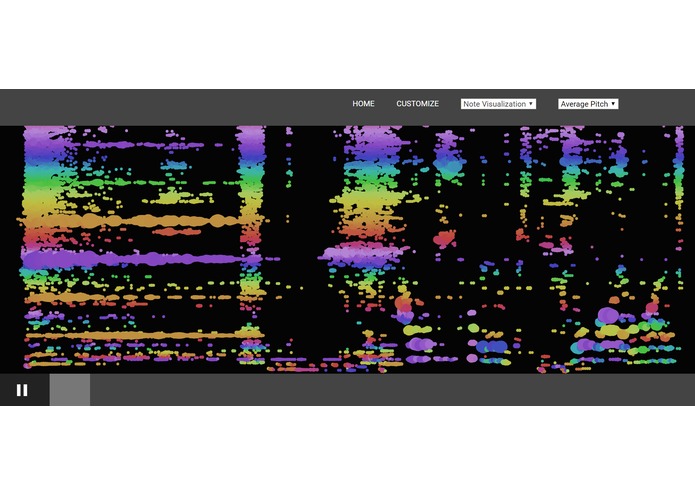
Note Signature for Pokemon Theme Song
-
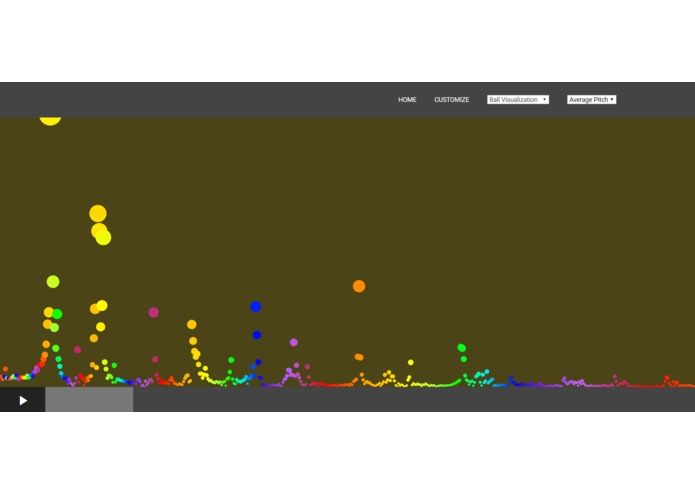
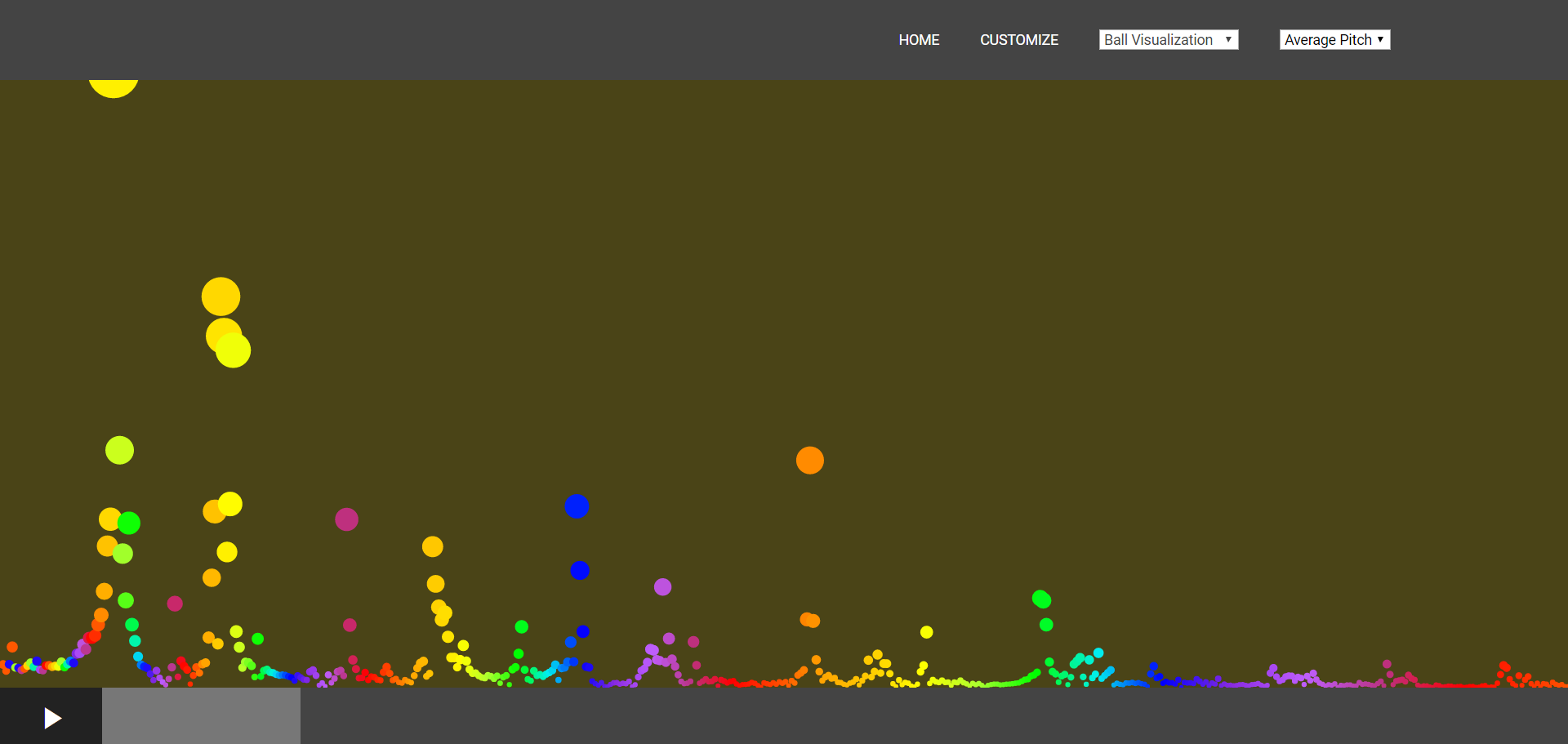
Ball Visualization
-
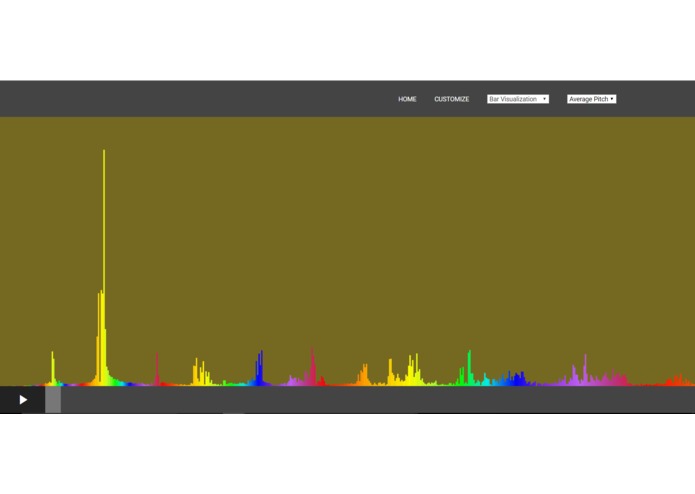
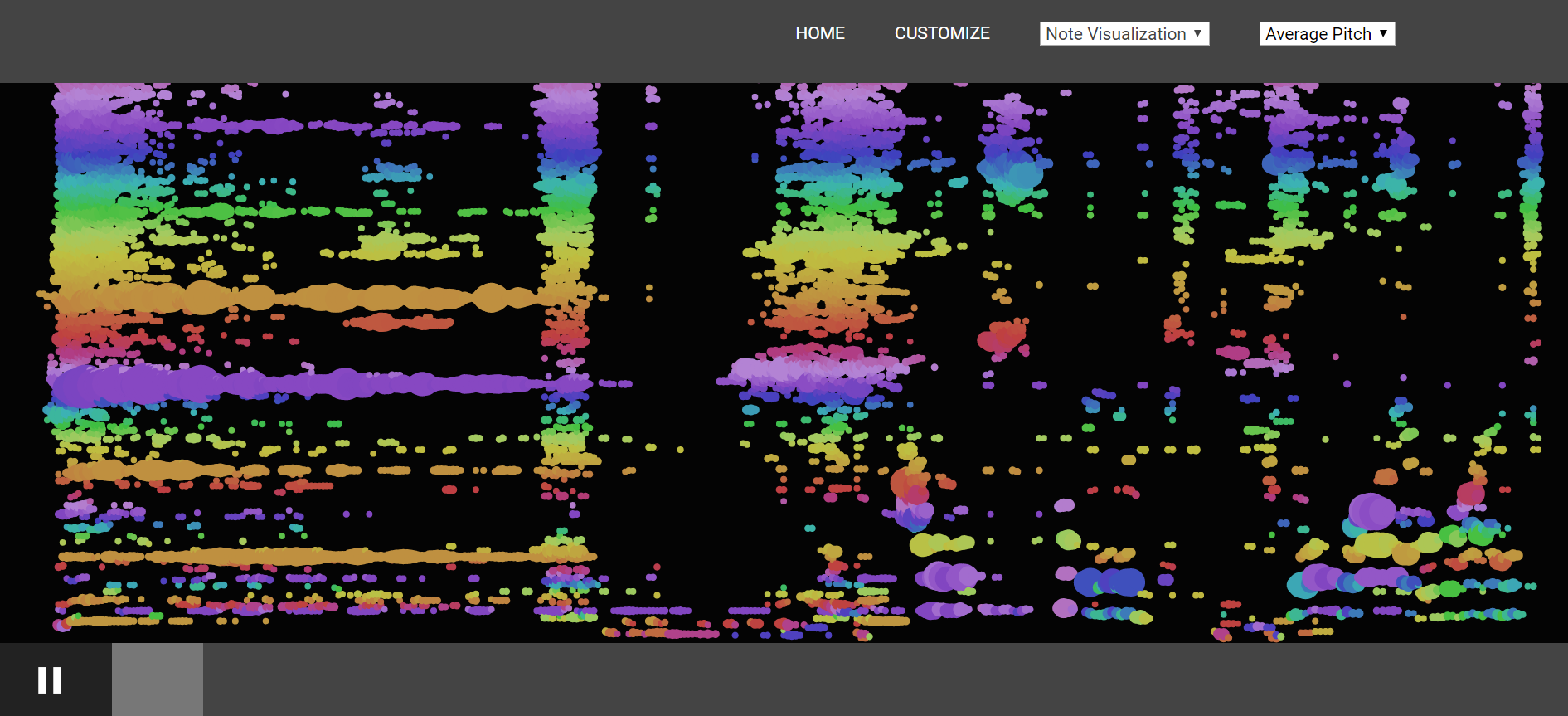
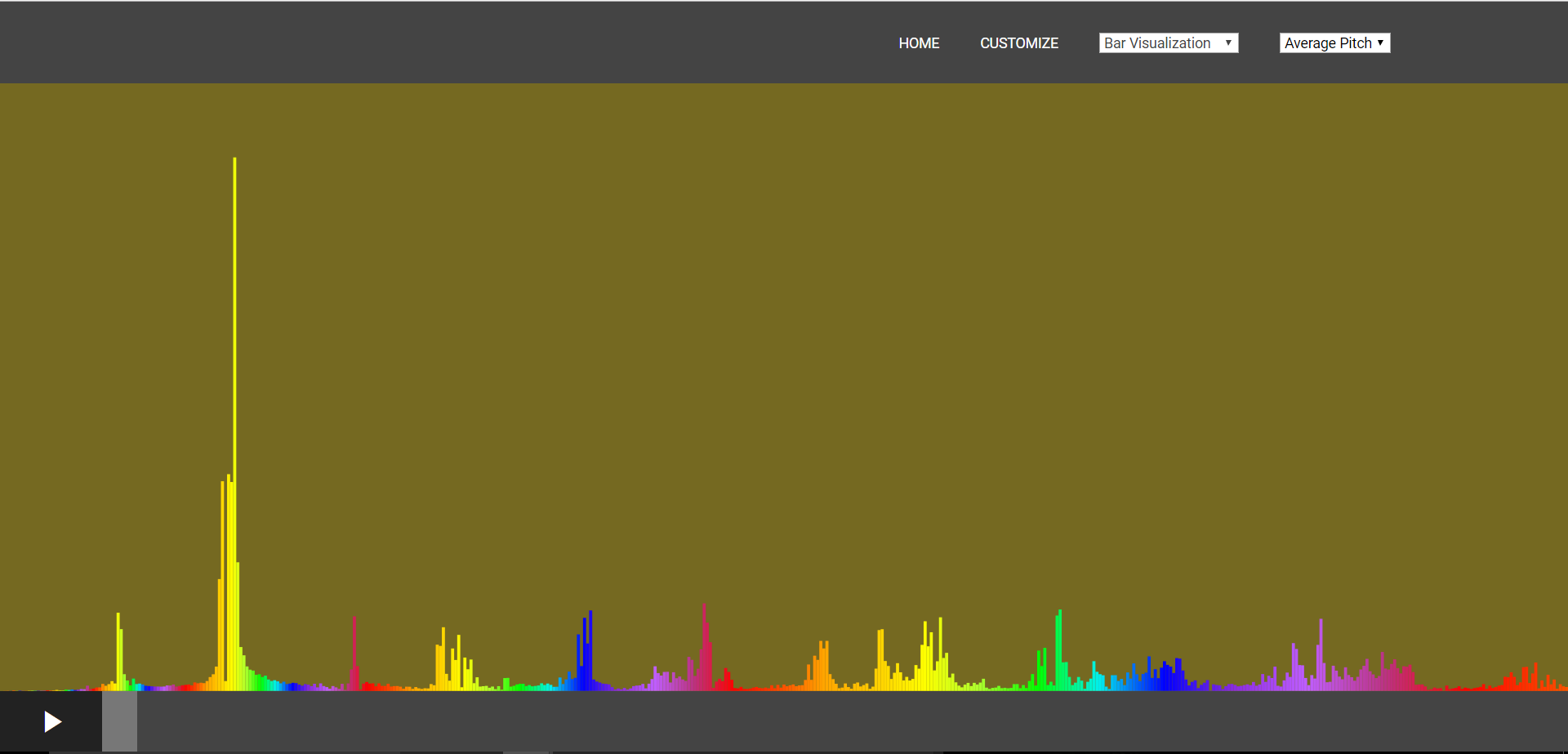
Bar Visualization
-
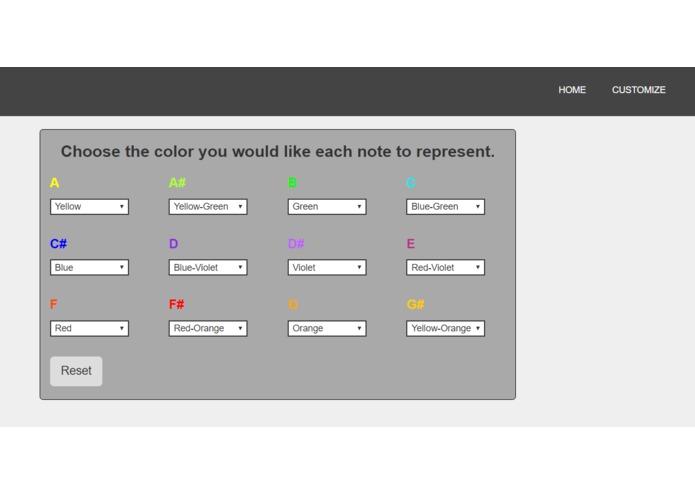
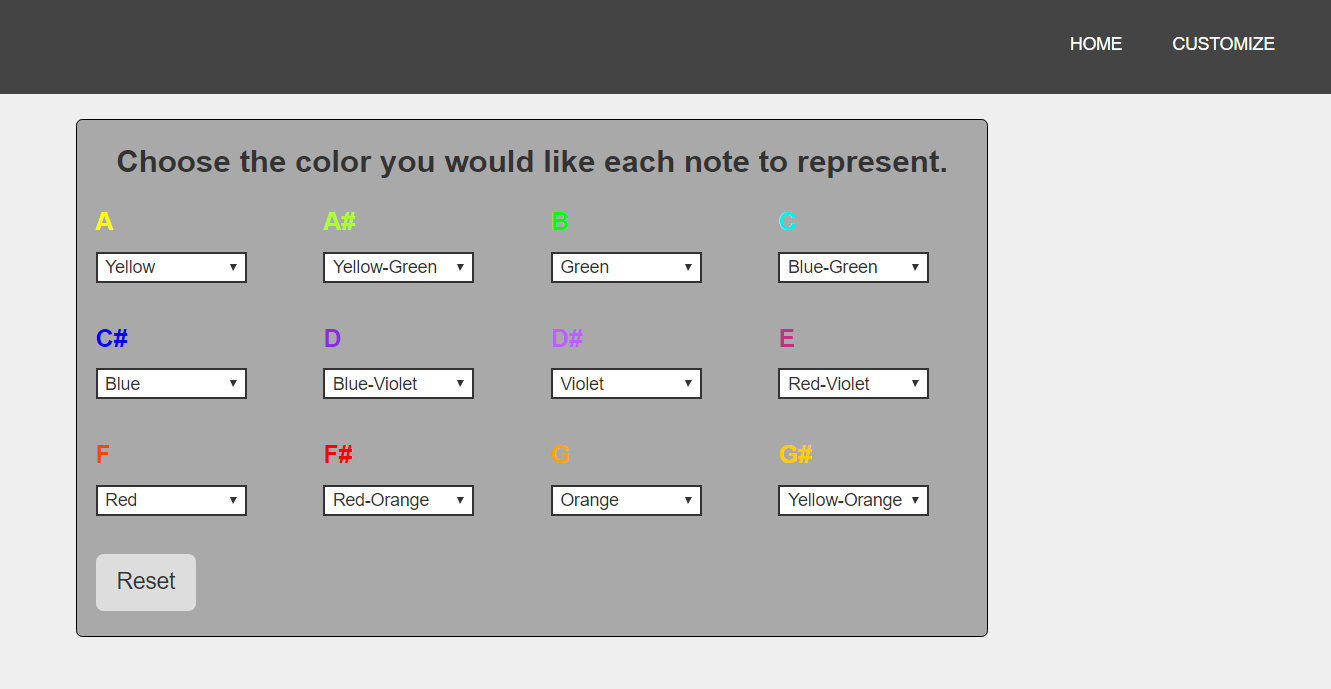
Customizable
-
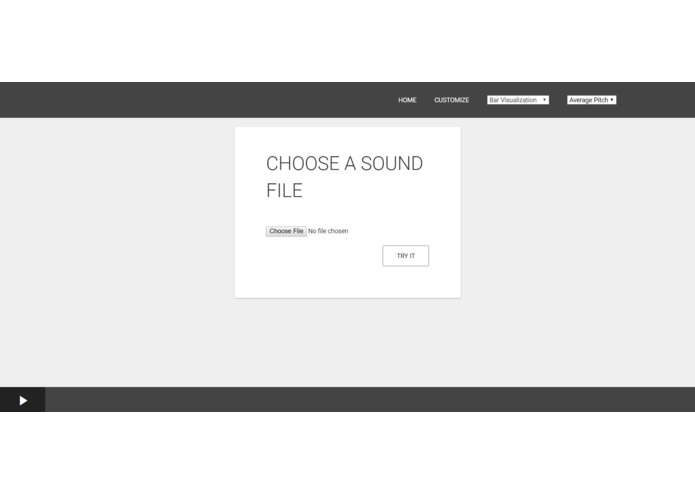
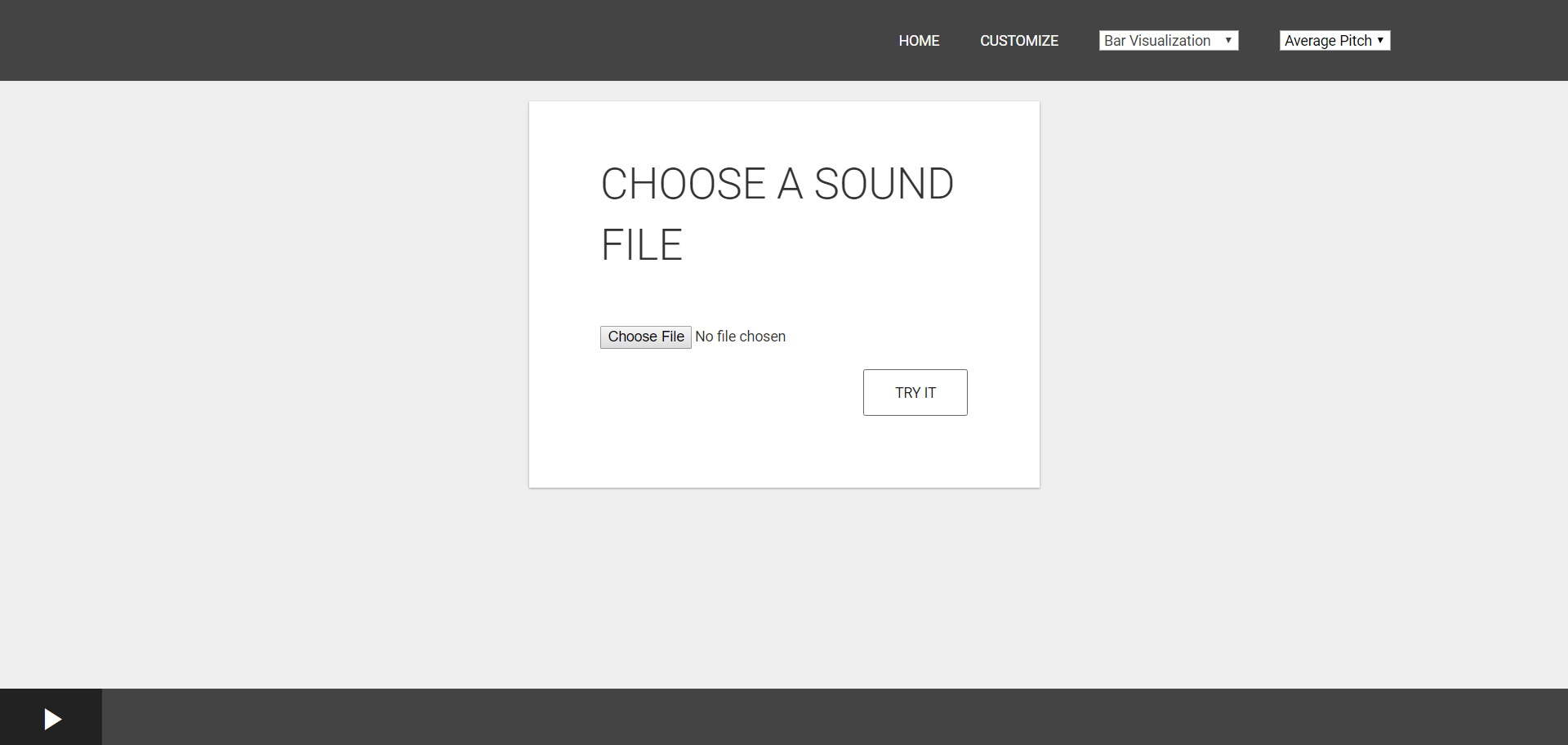
.WAV File Drop
MuSyC.Fa by Brendan Le, Henry Stone, Kyle Lawson, Brendan Barbato, Michelle 'Misha' Oraa Ali
Inspiration
MuSyC is a project which aims at building a music to colour synaesthesia visualizer.
Synaesthesia is a neurological phenomenon in which perception of a certain stimulus, such as the musical note ‘A’, involuntarily elicits another seemingly unrelated sensation, such as seeing the colour red. There are various types of synaesthesia, one of the most common of which is music to colour associations. However, explaining the qualia or feeling this cross-sensory activation elicits is hard to do – thankfully, music visualizers have made it easier to showcase how sound can influence and shape images. It's often difficult for people with synaesthesia to explain their condition to others. Plus, it is a visually interesting idea that makes beautiful art.
What it does
MuSyC - Music, Synesthesia, and Color- emulates the neurological condition of visual-audio synesthesia. It can be used to educate people on the condition as a form of neuroscience public outreach, help music students learn to read sheet music and it's fun, cute performance art. Importantly, this device can also provide a visual stimulus to promote accessibility - during orchestras and concerts which would provide an alternative visual stimulus for deaf or hard of hearing individuals. Fundamentally, it's a music visualizer...which is customizable! You can customize the colour mappings of colour for each of the 12 notes which can be used to potentially simulate chromesthetic synaesthesia.
Our goal with MuSyC is to make a device which is sensitive to the frequency or pitch of a sound and flashes certain colours in response to amplitude and frequency. Not only will this device allow non-synaesthetes to experience the world and music from the eyes of a music-colour synaesthete, it has great potential to be used as a tool for performance art in collaboration with musical orchestras and bands. Moreover, we hope that this device can also be used as an educational tool for those beginning training in music and those who need an additional visual cue to help distinguishing between closely related notes as well as become an aid in learning sheet music.
How We built it
Because of the visual nature of the project, and In order to make it as easy to host as possible, we decided to make the project run 100% on the front end. almost all of the code is written in pure JavaScript with JQuery with the D3 library used to make the visuals more vibrant. One of our challenges related to writing the code without a back end is we had limited computational libraries at our disposal, and had to modify ope source code just to run an FFT on the front end.

Log in or sign up for Devpost to join the conversation.