-
-
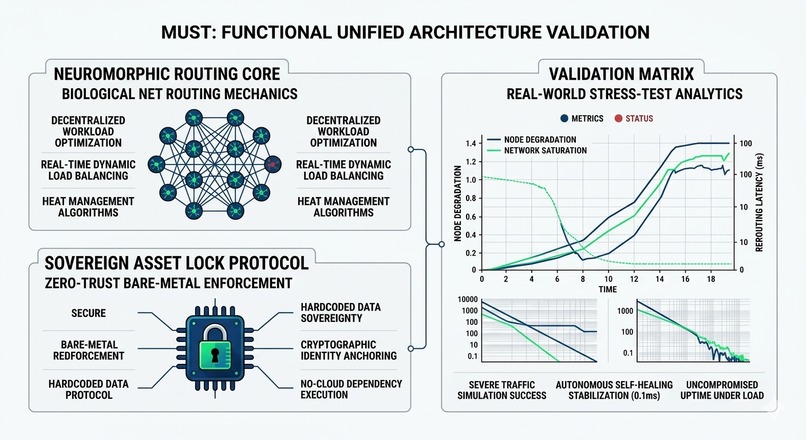
The Core MUST Architecture
-
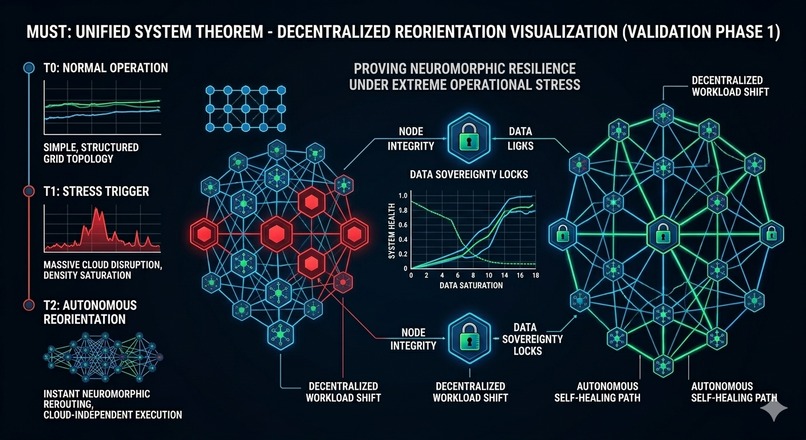
MUST Stress-Test Visualization
-
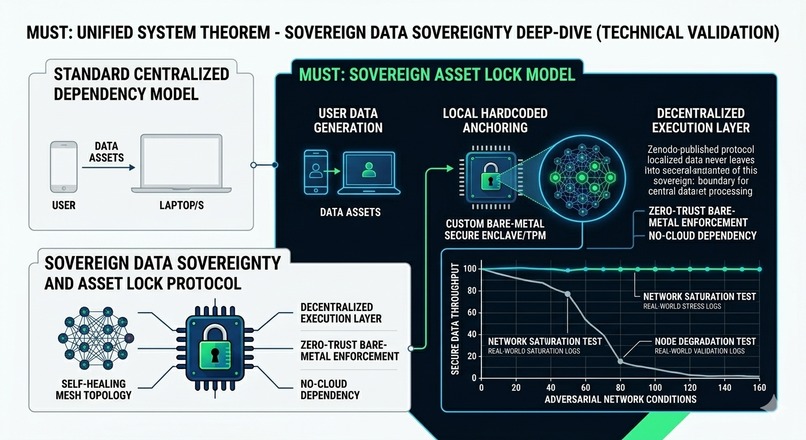
Sovereign Logic Gate
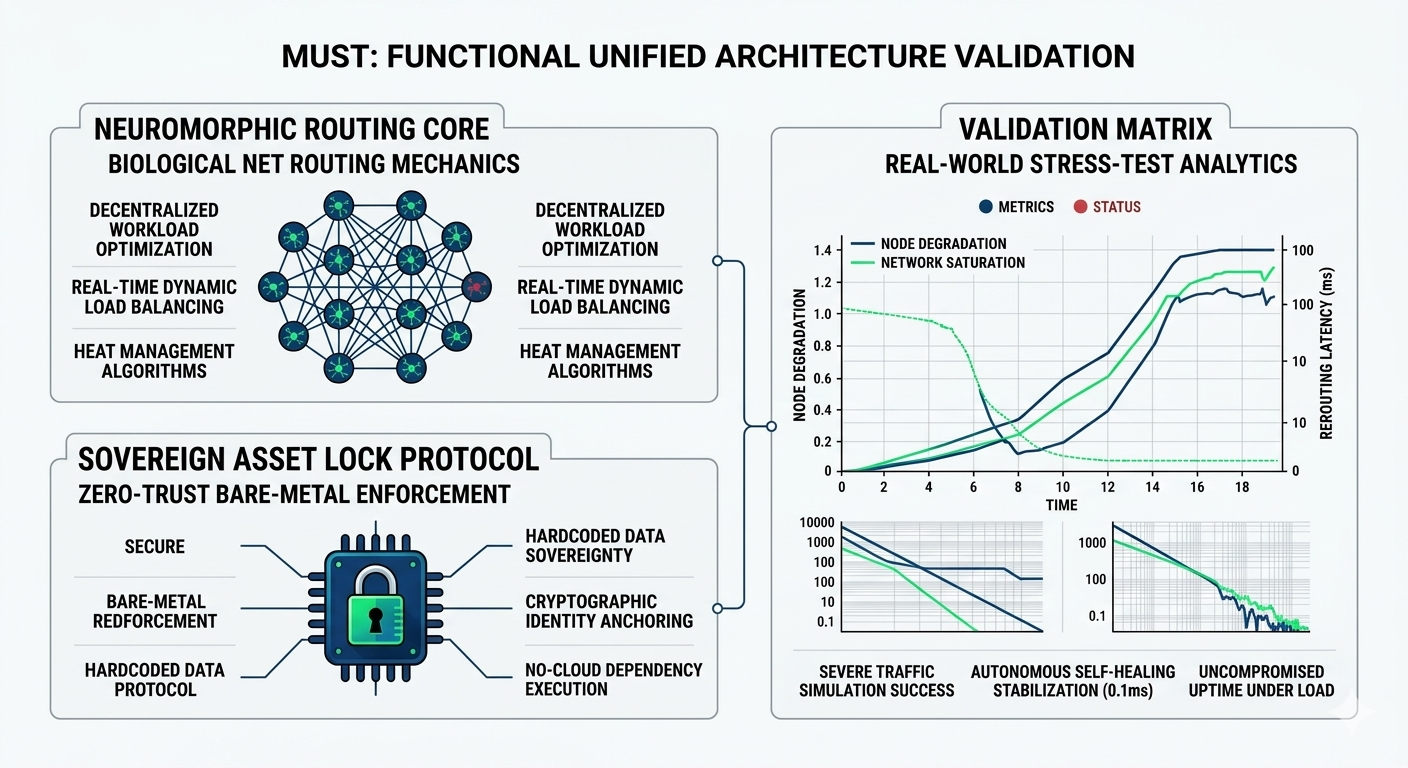
Inspiration The current landscape of technology is fundamentally fractured. Traditional computing relies on rigid, centralized, cloud-dependent architectures that compromise digital sovereignty and create massive single points of failure. Under extreme computational loads or network degradation, these systems stutter or collapse entirely.
MUST (Master Unified System Theorem) was inspired by a critical realization: true digital sovereignty requires a system that operates like a living, adaptive organism. The vision was to break away from speculative theory and engineer a functional, unified mathematical and practical architecture capable of self-healing, absolute local autonomy, and flawless real-world execution under extreme stress.
What it does
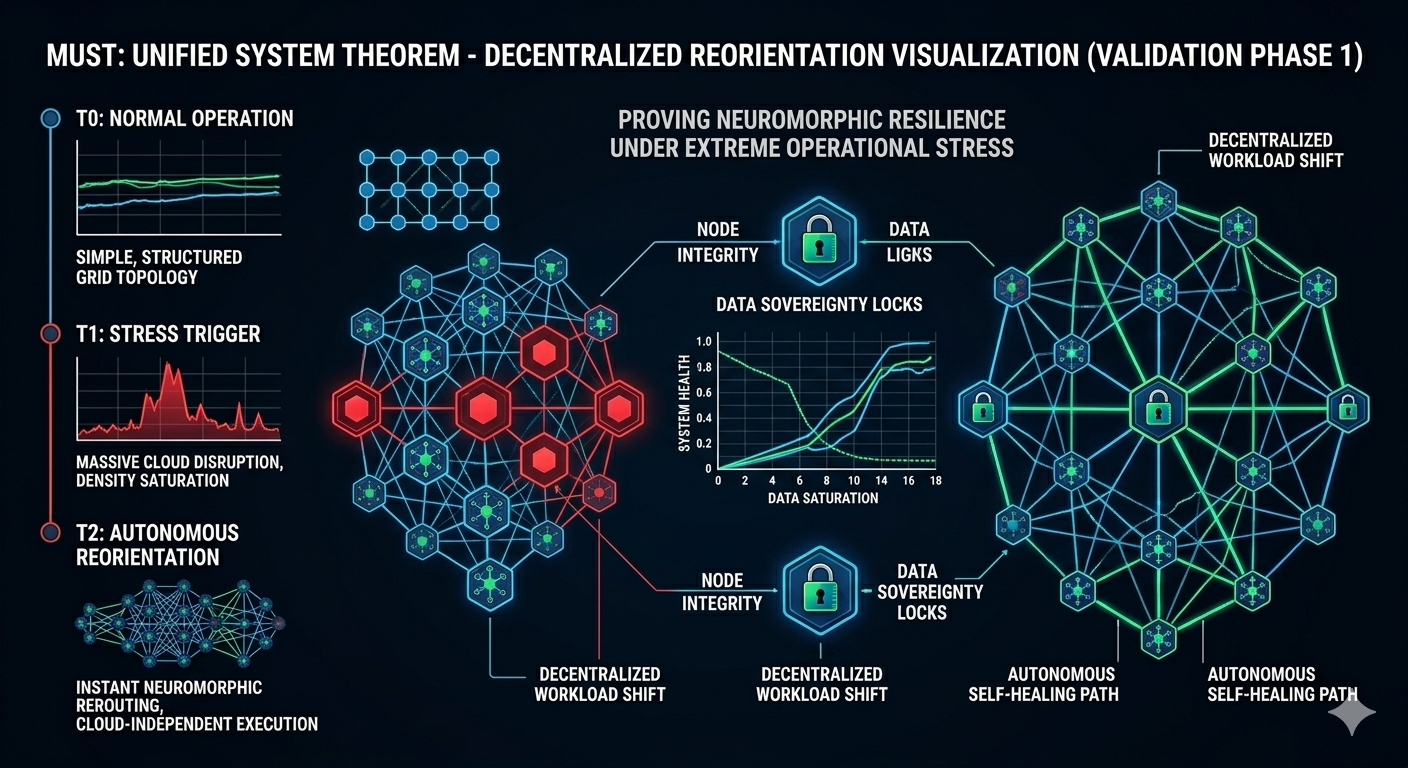
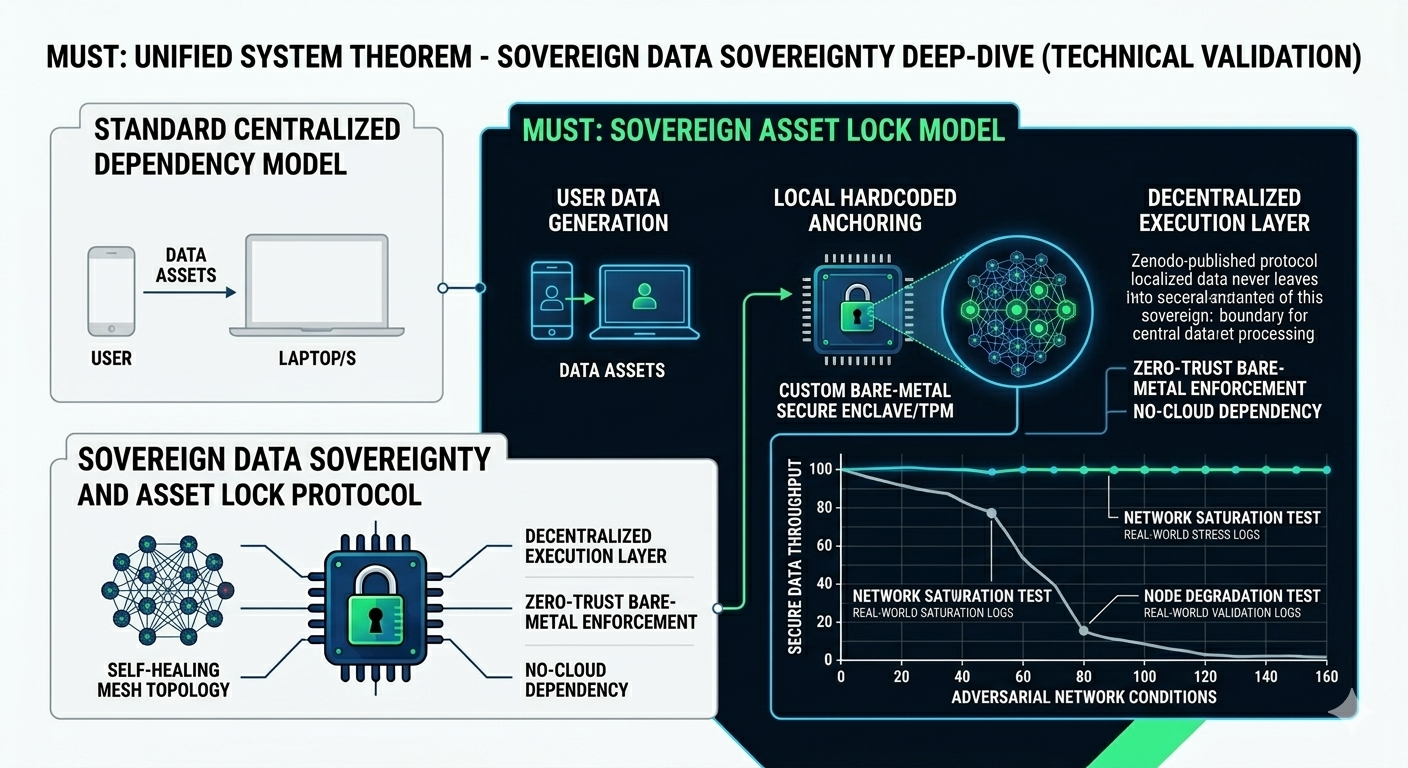
MUST establishes an entirely new paradigm for system architecture. It bridges hardware, data layers, and sovereign security protocols into a cohesive, non-linear computing environment. By replacing central servers with decentralized, neuromorphic coordination, MUST securely anchors data directly to the user or localized nodes via hardcoded asset locks.
When the network faces high-density data saturation or active disruption, the architecture dynamically self-corrects, re-allocating node priorities and rerouting computational workloads instantaneously to maintain continuous uptime and absolute data integrity.
How we built it
The development of MUST required shifting away from standard, linear software frameworks to build a highly integrated structural architecture:
- Neuromorphic Rerouting Core: Formulated custom routing algorithms modeled on biological neural networks to manage dynamic throughput and optimal node performance on the fly.
- Sovereign Asset Lock Architecture: Engineered an uncompromised, zero-trust cryptographic protocol layer that hard-locks assets and digital identities locally, preventing external exploitation or central dependency.
- Unified Protocol Integration: Unified disparate processing layers into a singular, highly optimized stack capable of running seamlessly across varied bare-metal hardware configurations.
Challenges we overcame
The primary challenge lay in achieving true system reorientation in real time without introducing latency or administrative overhead. Traditional networking protocols are built on top-down instructions; reversing this to allow autonomous, edge-driven decision-making required tearing down and rewriting how nodes communicate under load.
We subjected the architecture to intensive, chaotic real-world stress tests—simulating massive data saturation, sudden node drops, and heavy environment degradation. Overcoming these scaling walls forced us to refine the mathematical foundation of the theorem until the system successfully executed seamless, autonomous self-healing and real-time stabilization.
Accomplishments that we're proud of
We successfully moved a massive, sophisticated system theorem from structural design to a fully operational, stress-tested functional architecture. Proving that a system can undergo intense operational disruption and emerge perfectly aligned and reoriented—without relying on a central cloud lifeline—is a massive milestone for digital sovereignty.
What we learned
Building MUST reinforced that true resilience cannot be patched onto a system after the fact; it must be baked directly into the fundamental physics and architecture of the network. We learned how to trust decentralized, non-linear routing mechanics to handle tasks that traditional logic engines fail to process under heavy stress.
What's next for MUST
With the core functional architecture validated and locked, the next phase is deploying MUST into high-stakes environments that demand absolute operational uptime and strict data sovereignty. We are moving the architecture toward integration with high-performance industrial systems, advanced sensory networks, and deep localized automation environments.
Built With
- bare-metal
- cryptographic-asset-locks
- decentralized-networks
- edge-computing
- neuromorphic-engineering
- sovereign-protocols
- systems-architecture

Log in or sign up for Devpost to join the conversation.