-
Music Visualized!
Inspiration
Our inspiration began with recognizing the difficulties that indie artists faced in promoting their music. This difficulty is especially prevalent here in Music City (Nashville, Tennessee). We aimed to develop a solution to this issue by generating unique visual accompaniments for their music. We believe that our project accomplishes this task as well by allowing the indie artist to customize the result by using their album cover (or any art which exemplifies the tone of their song) as the seed for our program.
What it does
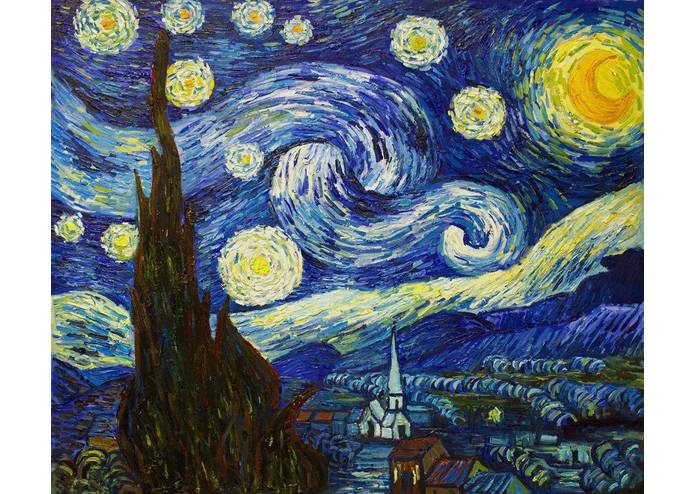
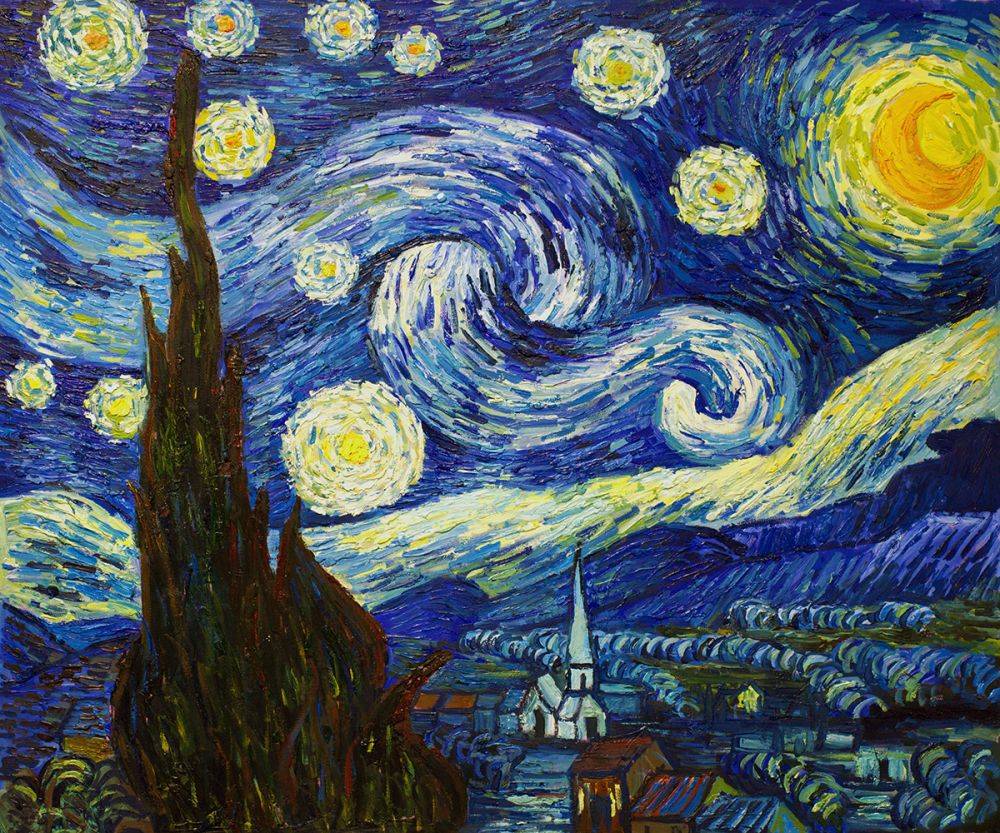
Our program extracts amplitude and frequency information from music and then applies image filters onto a base image. The result is a real-time video which moves in tandem with the music, coordinating changes in the song to changes in the visuals.
How we built it
We began with Processing programming language and shifted the project over into P5.js. The project utilized skills from each of the team members. Keenan was most familiar with musical theory and art theory, which we used in the image filters. Christopher was most familiar with the P5.js programming language. Cole was able to handle group coordination through github. Patrick was able to find the necessary mathematical functions to develop the idea.
Challenges we ran into
Part of the idea of the project relied on classes which were part of the Processing programming language. However, many of the functions we planned on using had depreciated. We also needed to find ways to extract the amplitude and frequency information. The frequency information was especially challenging as we had to handle Fourier transforms of audio input (a mathematically intensive procedure). In the end, we were able to overcome each of these challenges to reach a result that we are all proud of.
Accomplishments that we're proud of
Meeting and collaborating with new people. Finding the skills of each of the group members to effectively use them to drive the project. We are also proud of the possibility that our tool may be useful to the growing indie artist community here in Nashville.
What we learned
We learned how to handle audio information, using tools for group collaboration, and exposure to new programming languages, as well as learning about the needs of indie artist through research during the project's development.
What's next for Music Visualized
To make a website which hosts the program. This integration into a website will be easily done as the program was developed in a variant of Javascript. Next we would bring the program to indie artist networking events to get the tool to those who would benefit from it the most. If we see a demand for the program, we would begin setting a business plan for the project.

Log in or sign up for Devpost to join the conversation.