-
-
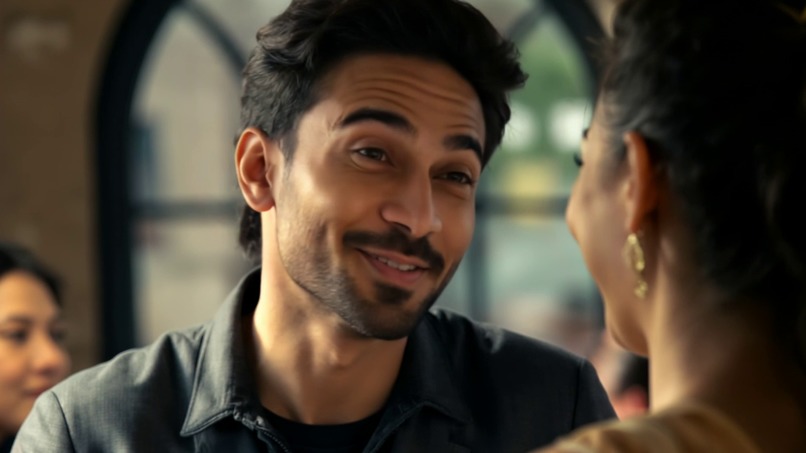
Tera-Mera-Pyaar Bollywood Song
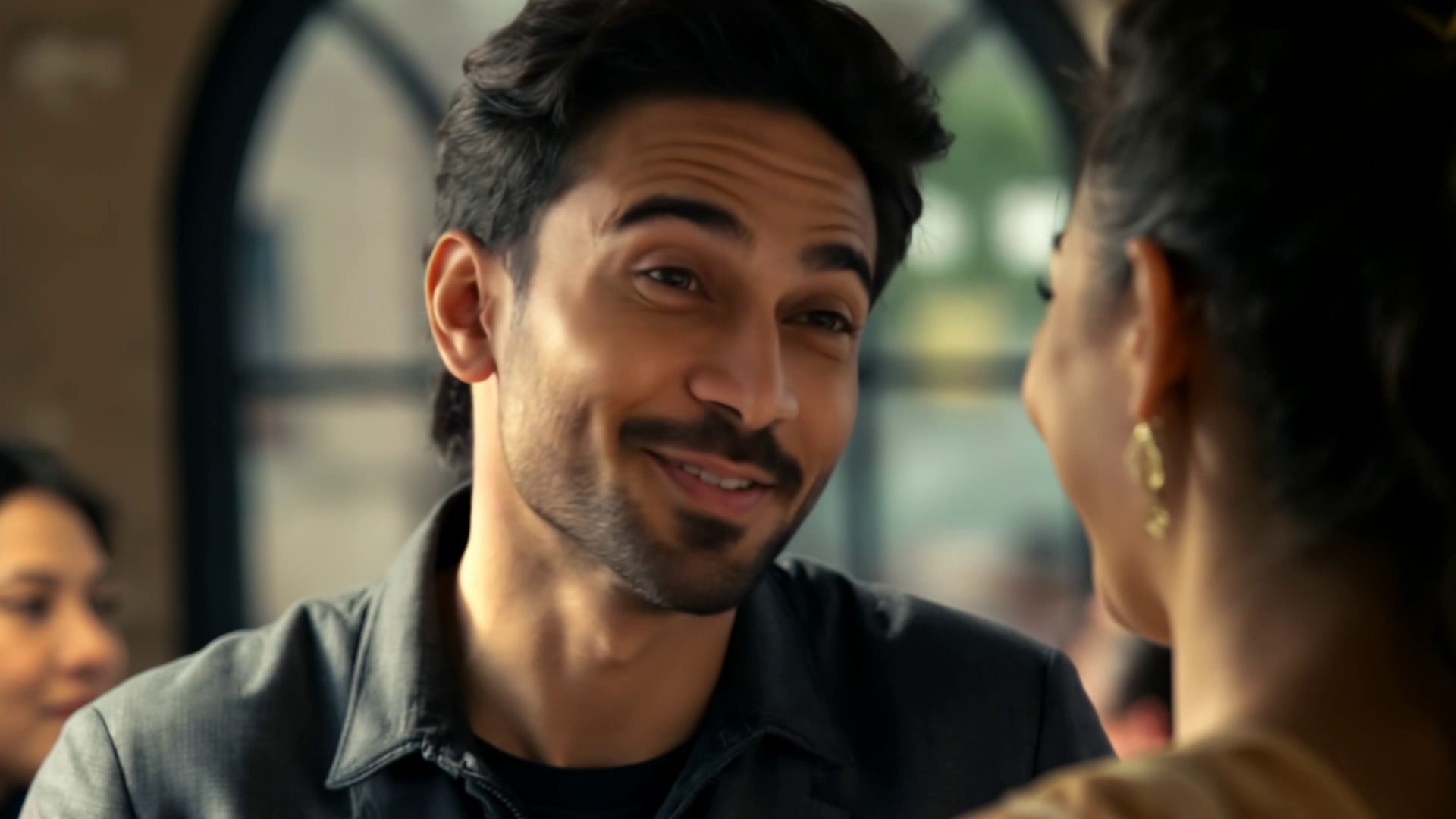
- Inspiration
The idea was born from the timeless emotion of eternal love — how it can transcend lifetimes, memories, and even reality. We were inspired by the poetic visuals of The Great Gatsby, the elegance of Mughal-e-Azam, and the visual direction of filmmakers like Satyajit Ray and Wong Kar-Wai. Each era reflects a reincarnated memory of love — from 1920s jazz ballrooms to ancient India’s royal courts.
We asked: What if love was remembered not linearly, but as fragments across lives?
- What it does
This project is an AI-generated music video that blends live-action aesthetics with pencil-drawn storyboards and stylized eras. Each scene transitions across timelines — 1920s, prince of Persia, ancient India, modern day — as a couple finds each other again and again.
The video uses:
Flash cuts, dolly shots, whip pans (inspired by Ray)
Vertical format (16:9 + 9:16 mobile exports)
Hand-drawn storyboard sequences
Character LoRAs of Arjun and Aisha (Rynaa) powered by ComfyUI and Flux
AI-generated realistic renders for select panels
- How we built it
Storyboard Design:
Created pencil-style hand-drawn sketches for each major scene using AI image workflows
Inspired by old-school previsualization methods, each scene was directed with attention to cinematography (camera angles, movement, mood)
Tech Stack:
ComfyUI + Flux + Custom LoRAs trained on Arjun (Sa1man) and Aisha (Rynaa)
Workflow scripting for panel-wise storyboard generation
Used prompt-engineered rendering to match lighting/mood of each era
Scene Design:
Scene-by-scene timeline breakdown in vertical format
Visual consistency with character sheets and close-up continuity
Annotated visual direction for AI to recreate human-style camera work
- Challenges we ran into
Maintaining Character Consistency: Swapping eras while keeping Arjun and Aisha visually consistent (across AI render passes) was tough. Required precise prompt balancing and manual selection.
Stylization vs Realism: Achieving the soft look of pencil-drawn sketches without losing clarity. Also generating realistic outputs that still feel cinematic rather than uncanny.
Camera Direction in AI: Simulating crane-downs, dutch tilts, dolly-outs in AI still-image formats needed creative prompting and scene labeling. We had to embed camera logic in image generation descriptions.
Aspect Ratio Management: Moving from wide cinematic 16:9 to mobile-ready 9:16 without losing narrative clarity.
- Accomplishments that we're proud of
Created a storyboard that blends ancient and modern eras through cinematic transitions
Achieved visual emotion in sketches — sadness, longing, rediscovery
First time using AI tools to simulate Ray-style scene language and dolly movements
Seamlessly integrated ComfyUI LoRAs and Flux to maintain character fidelity
- What we learned
Prompt engineering is a form of direction — we learned to direct AI like a cinematographer
AI can generate not just art, but cinematic rhythm if scenes are broken down like film grammar
Iteration is key — we often needed 3-4 versions of each panel to hit the right tone
Character-first storytelling makes even surreal timelines emotionally grounded
-What's next for the Music Video
Render all 20 storyboard panels in high-resolution animation
Add sound design and original score for transitions
Release teaser reels for each timeline on social platforms
Collaborate with musicians and poets to write era-based lyrical versions
Explore voiceover performances from AI-generated actors
Submit to AI Art and Short Film festivals (like SIGGRAPH, Sundance AI labs)
Built With
- amazon-web-services
- bytedanceapi
- cloud
- comfyui
- custom
- nodes
- python
- wan
- workflow

Log in or sign up for Devpost to join the conversation.