-

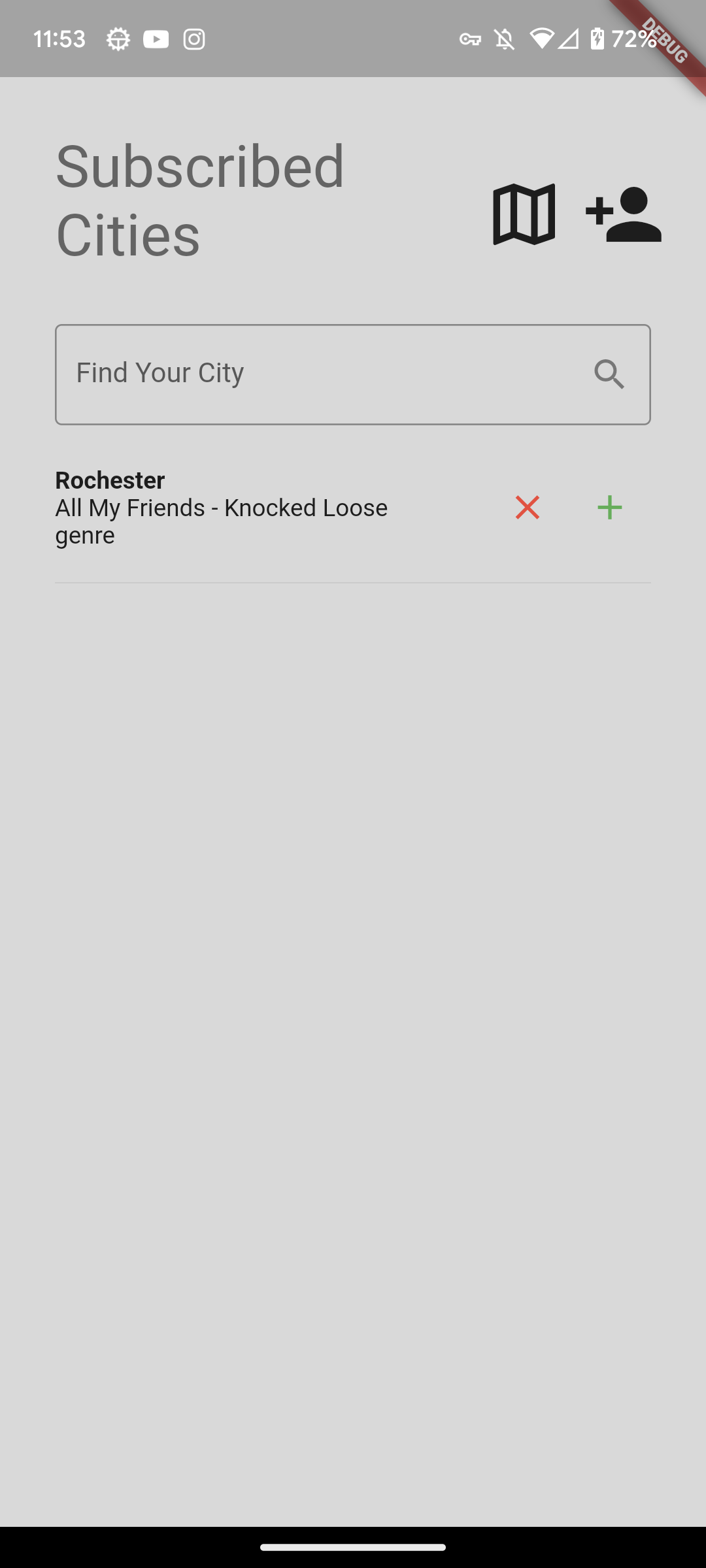
Subscribed Cities Feature
-
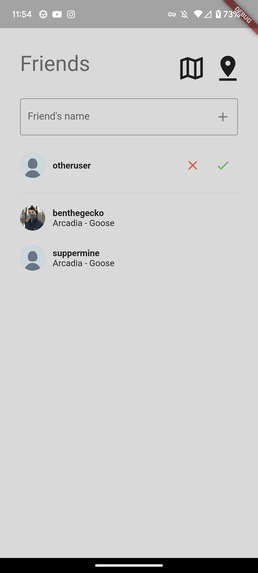
Friends feature
-

Friends feature
-
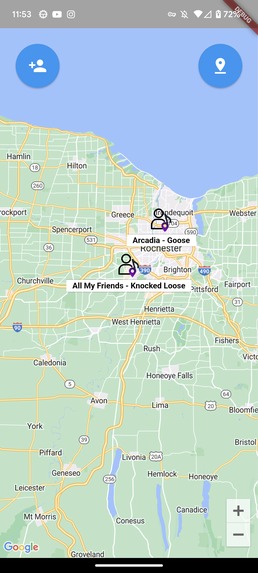
Map feature
-
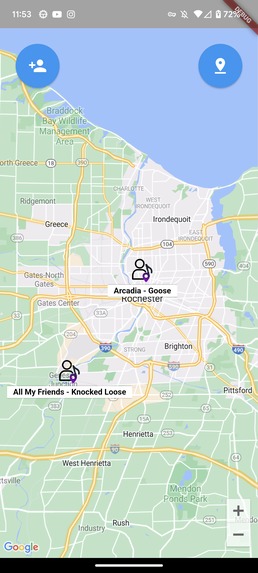
Map feature

Inspiration
Oftentimes, when people want to experience a new culture, they turn to art. Consider the popularity that places such as museums or authentic restaurants have with tourists. Our team believes that not enough emphasis is placed on learning about culture through music. With 433 million active Spotify users, everyone is always looking for ways to share the music they find interesting. Consider the annual wave of Spotify Wrapped stories that are shared with the end of the every year, or consider platforms such as Instagram, Snapchat or Facebook that all are finding new ways to integrate music into their posts. While Spotify is oftentimes praised for curating playlists to introduce users to similar music, these algorithms do little to introduce users to new music. Our mission with MusicMaps is to allow users to break outside of these recommendation bubbles by encouraging others to share the music they find interesting and experience a city through it’s music.
What it does
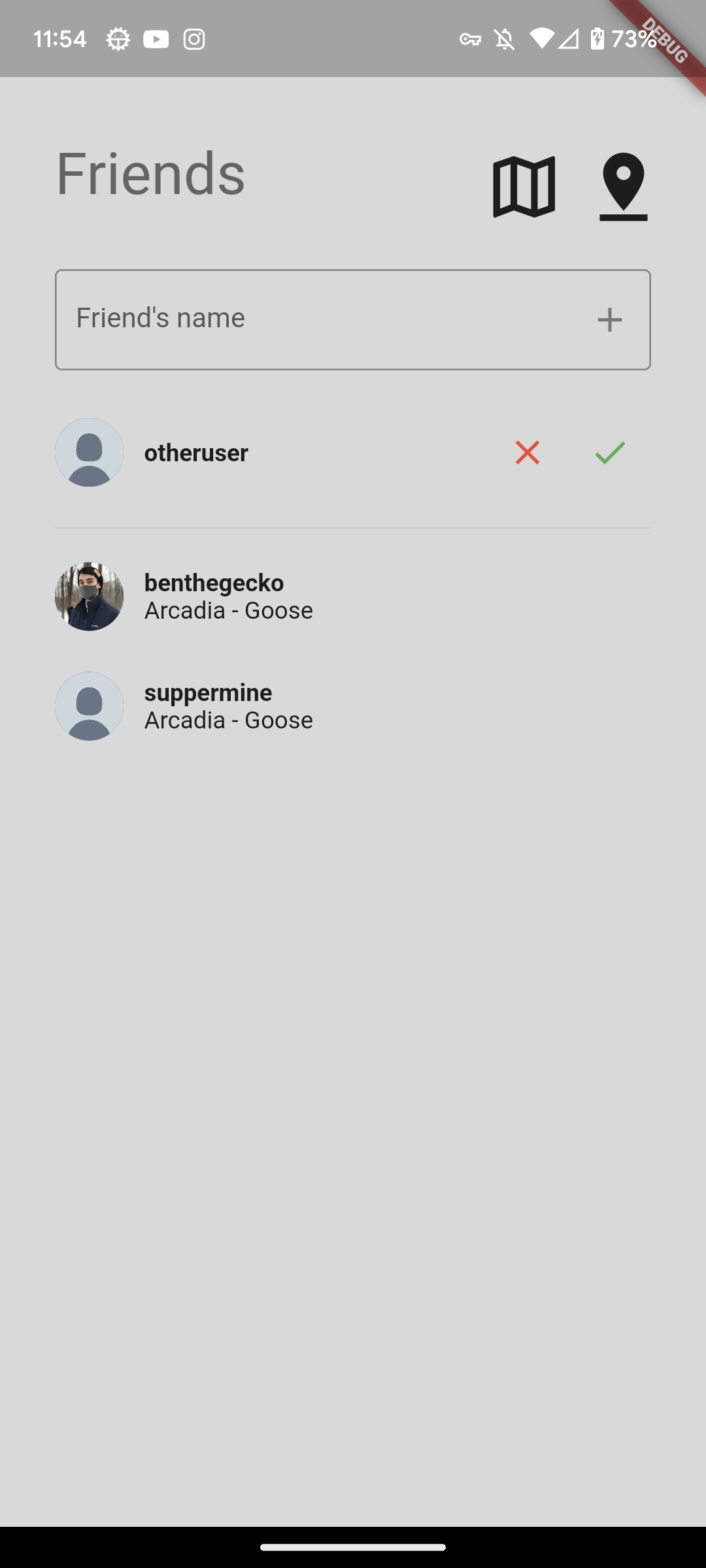
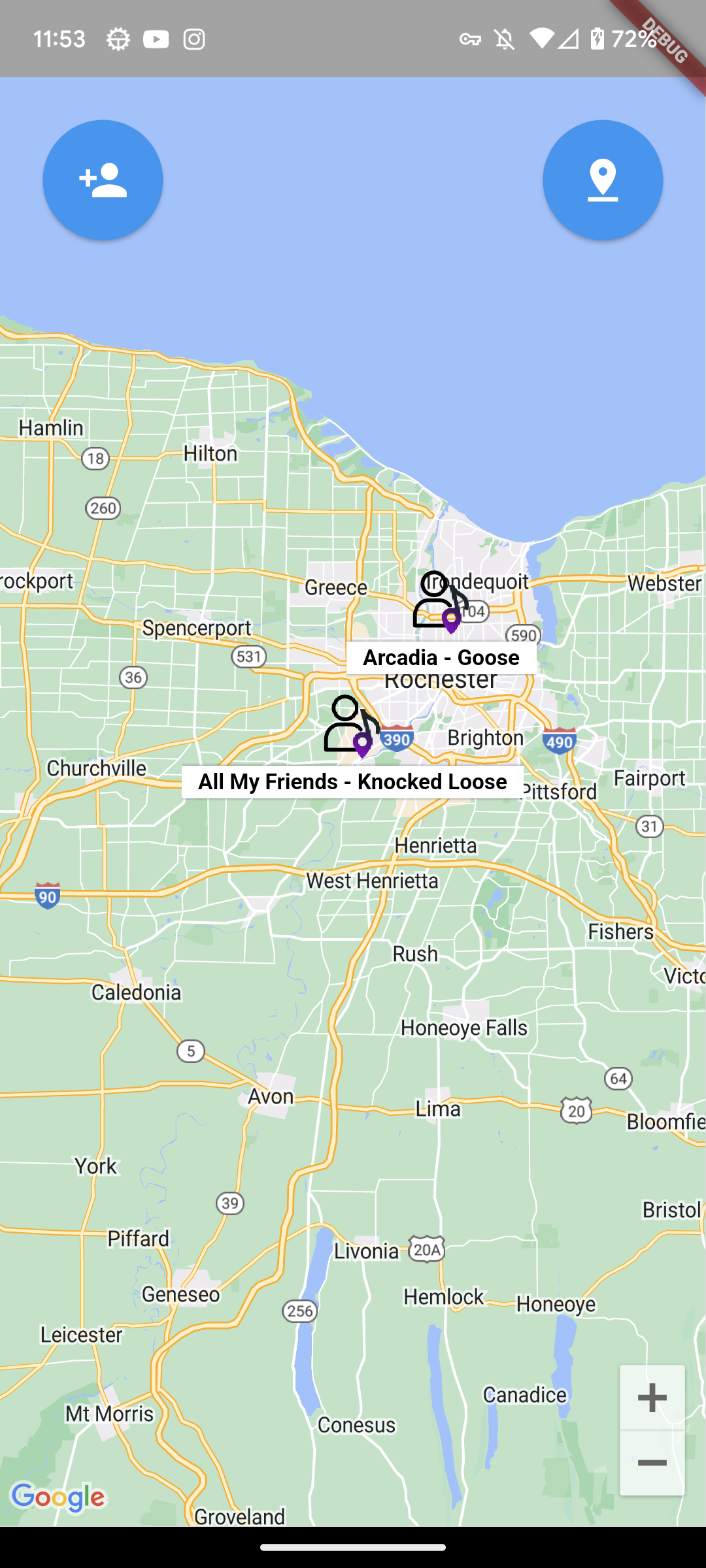
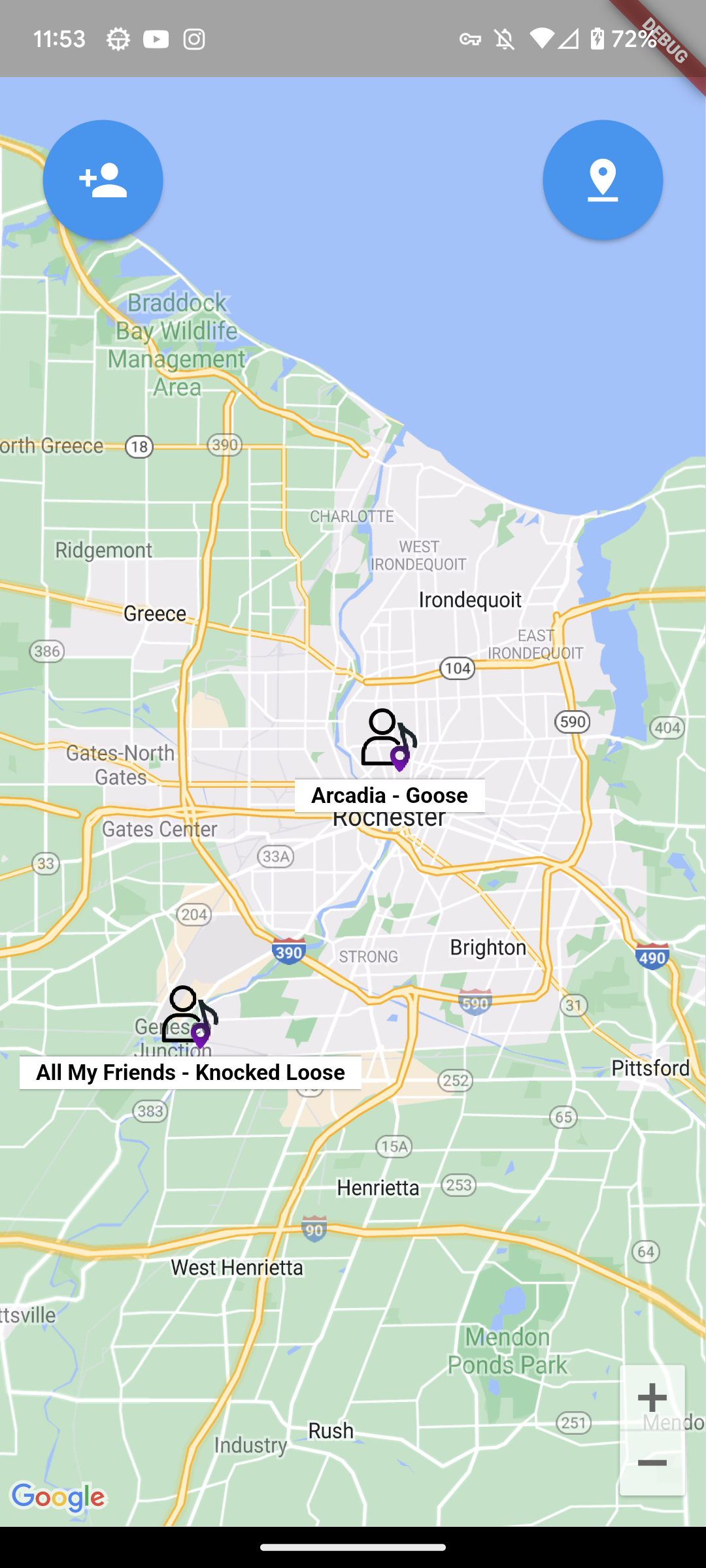
MusicMaps uses Spotify user data to chart popular music in a given location. Users can search through a map to find other users actively listening to music and join their listening experience. Users can add each other as friends to see what music they are listening to in the future. From there, users can also explore each other’s Spotify pages. Users can also “subscribe” to a city to keep track of the most popular songs and genres in that area to learn more about the music scene.
How we built it
We built Music Maps with a Flutter/Flask/PostgreSQL stack. We chose this stack because it allows for extremely fast, and versatile development. Flutter allows us to deploy this application to web app, desktop app, or a mobile app that works on both Android and Apple. We chose Flask because it's an extremely lightweight backend framework that allows for extremely fast paced backend development that helped us to implement as many features as we could display on the front-end. To develop simultaneously we all connected to an IntelliJ Code With Me session which was hosted by one of our teammates who was remotely connected to his desktop computer back home. We used a self-hosted VPN and WireGuard in order to tunnel to his PC to test our API calls using postman.
Challenges we ran into
- Max got locked out of his Gmail.
- Various issues with Google Maps API.
- Issues with desired graphics from Spotify.
- Sleep
Accomplishments that we're proud of
- Aggregating music data based on location proximity using Google Maps
- Support for modern versions of Android
- Geo-locating Users
What we learned
- Principles of Graphic and UI Design
- Maintenance of rapid database entries
What's next for Music Map
- Funding for Apple Developer License
- Long term music history charting
- Better support for rural areas
- Area based chatting
- Chatting with friends

Log in or sign up for Devpost to join the conversation.