-
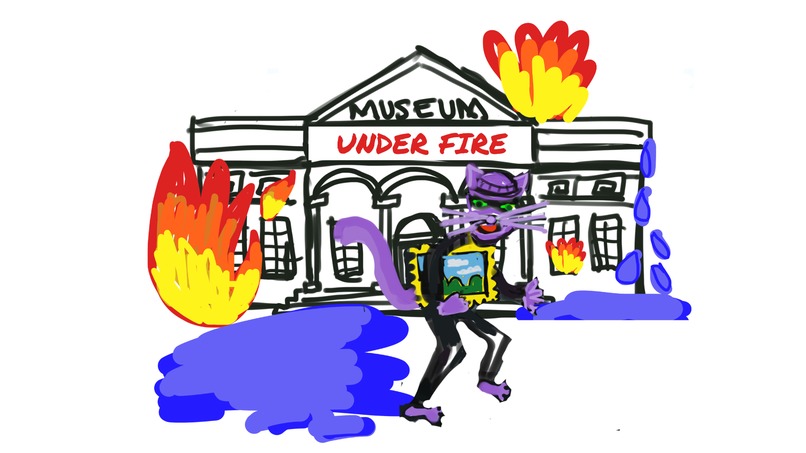
Museum Under Fire
-
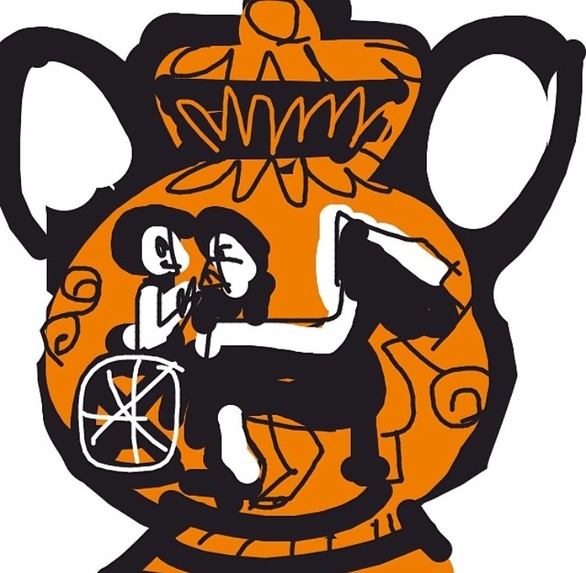
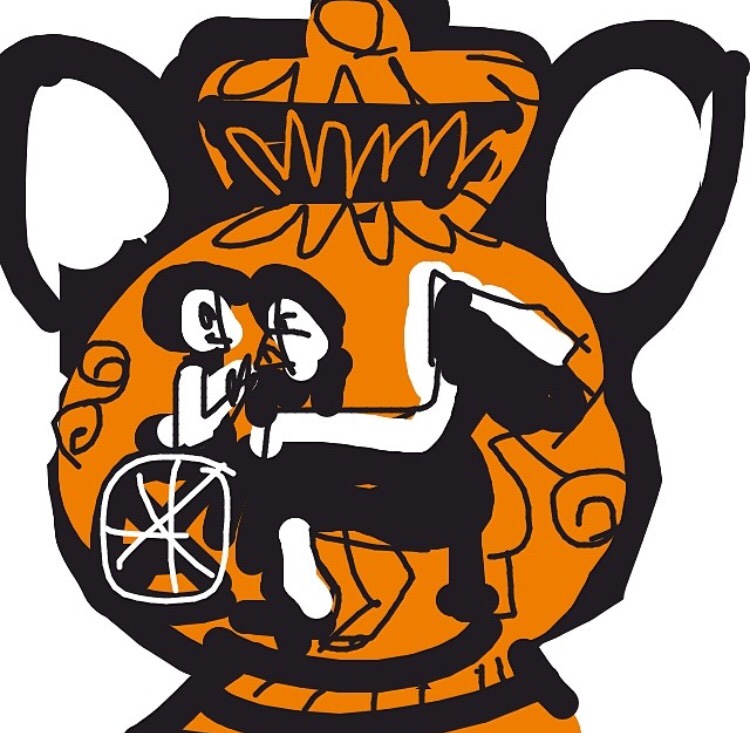
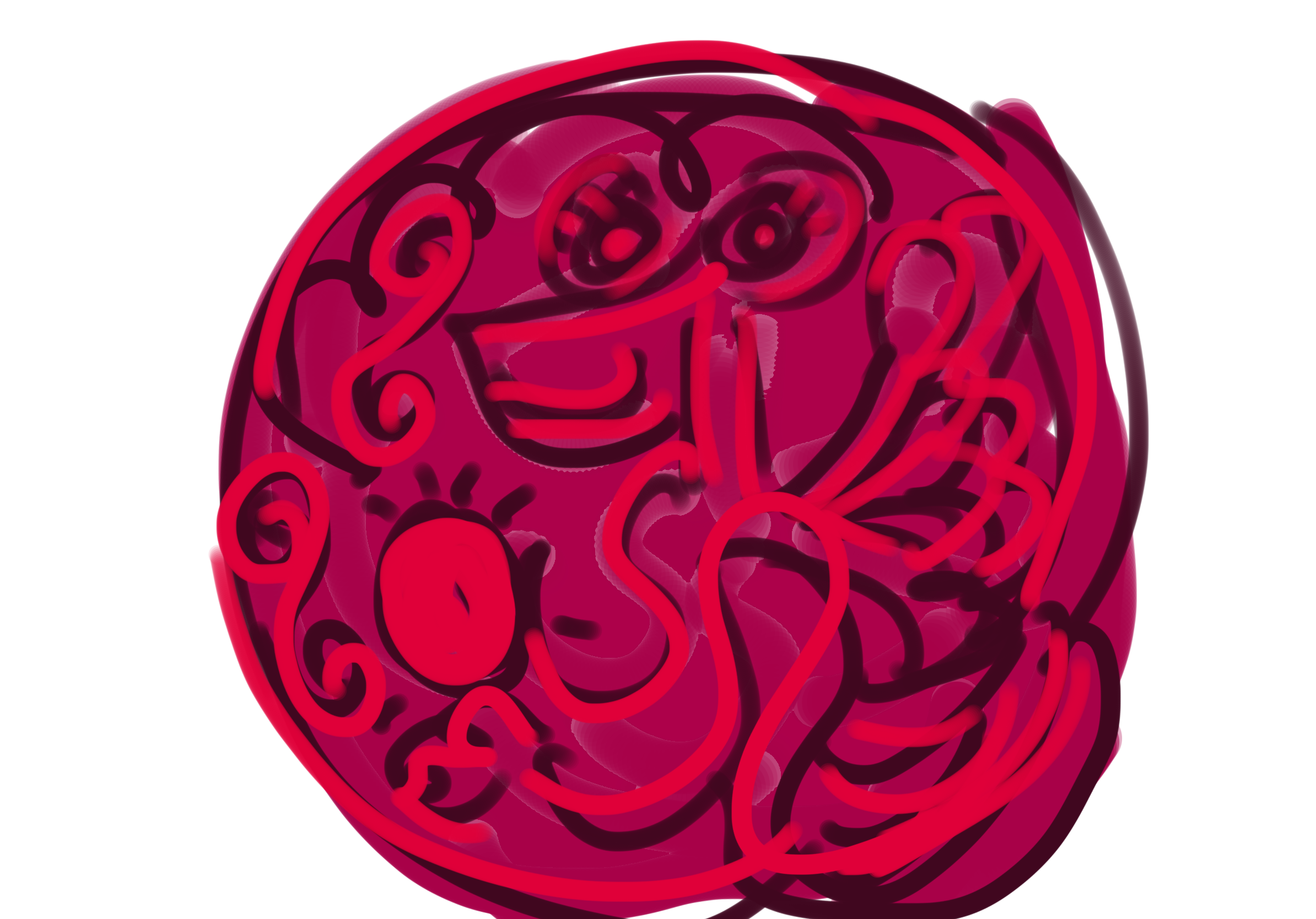
Stylized Antique Vase (after Exekias)
-
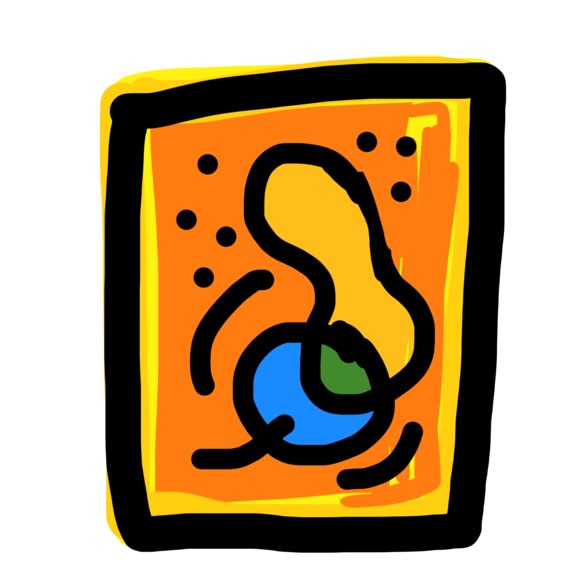
Lead Stylized Art Image: "Icarus, Joan Artmaker, 1956"
-
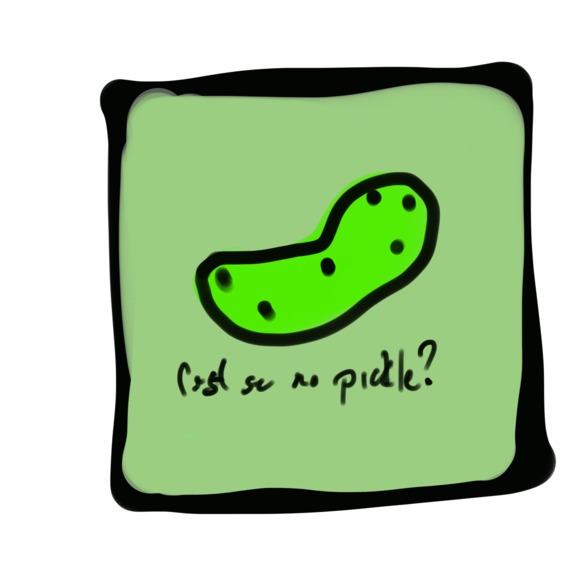
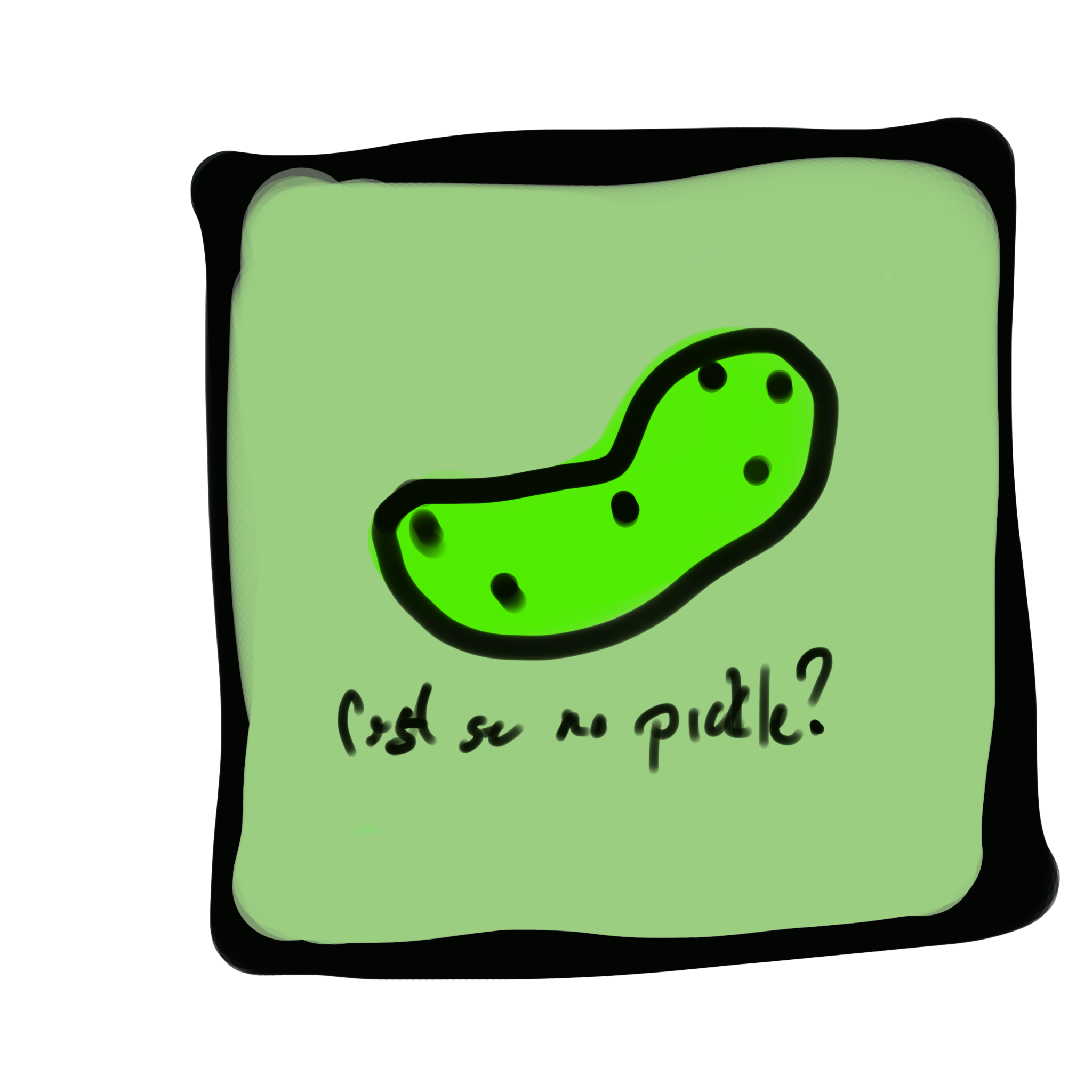
Stylized Art: Is this not a pickle?
-

Fire, Water, or Looted? Make an Insurance Claim
-
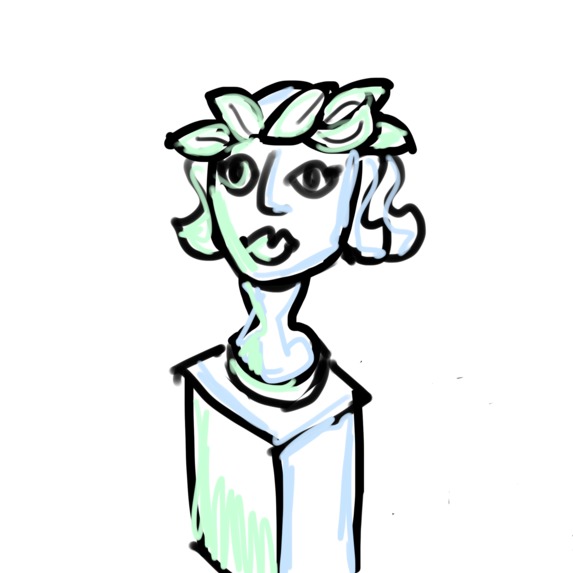
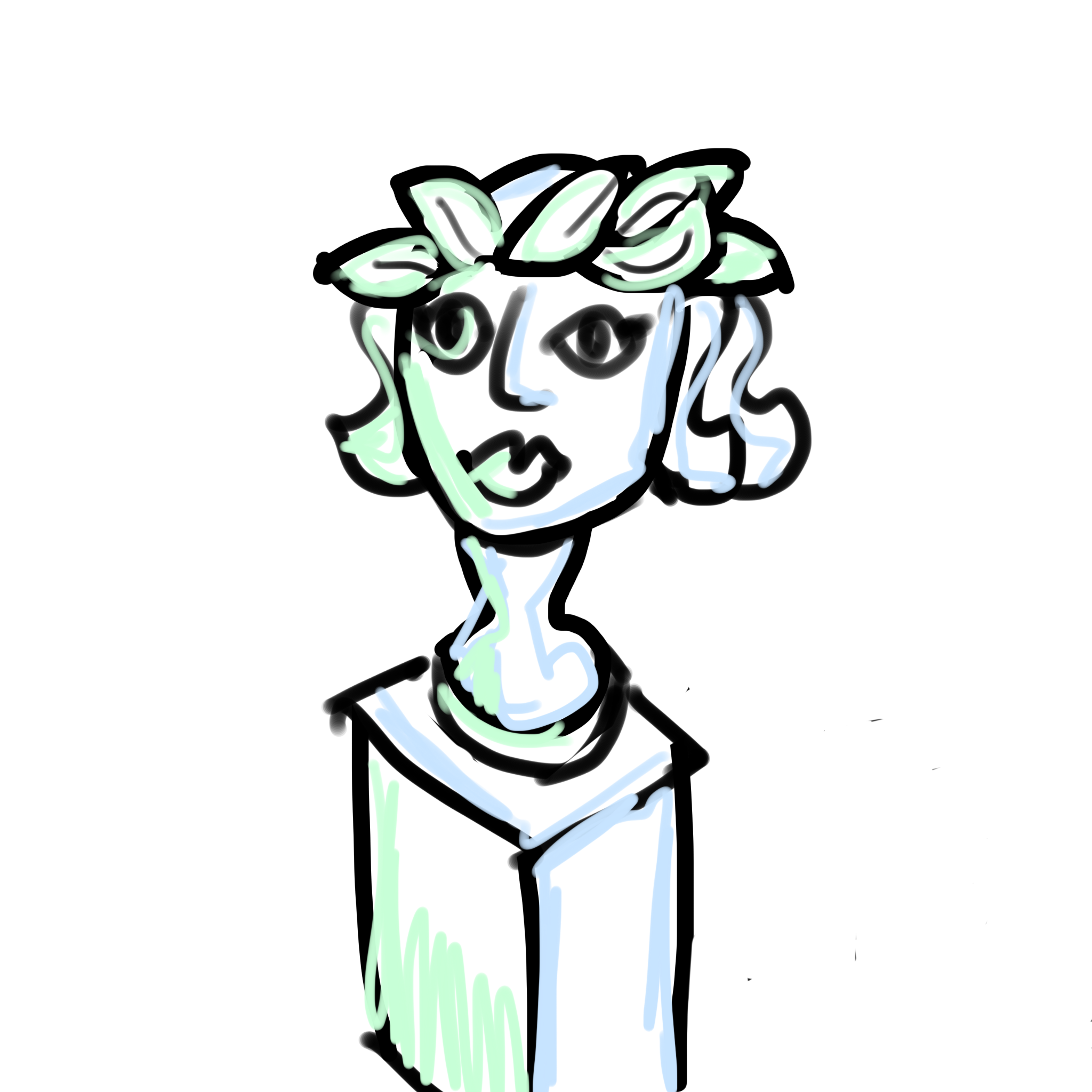
Stylized Antique Bust
-
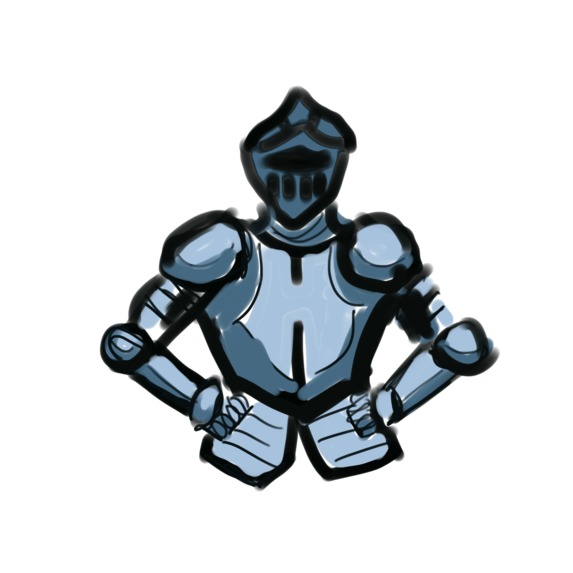
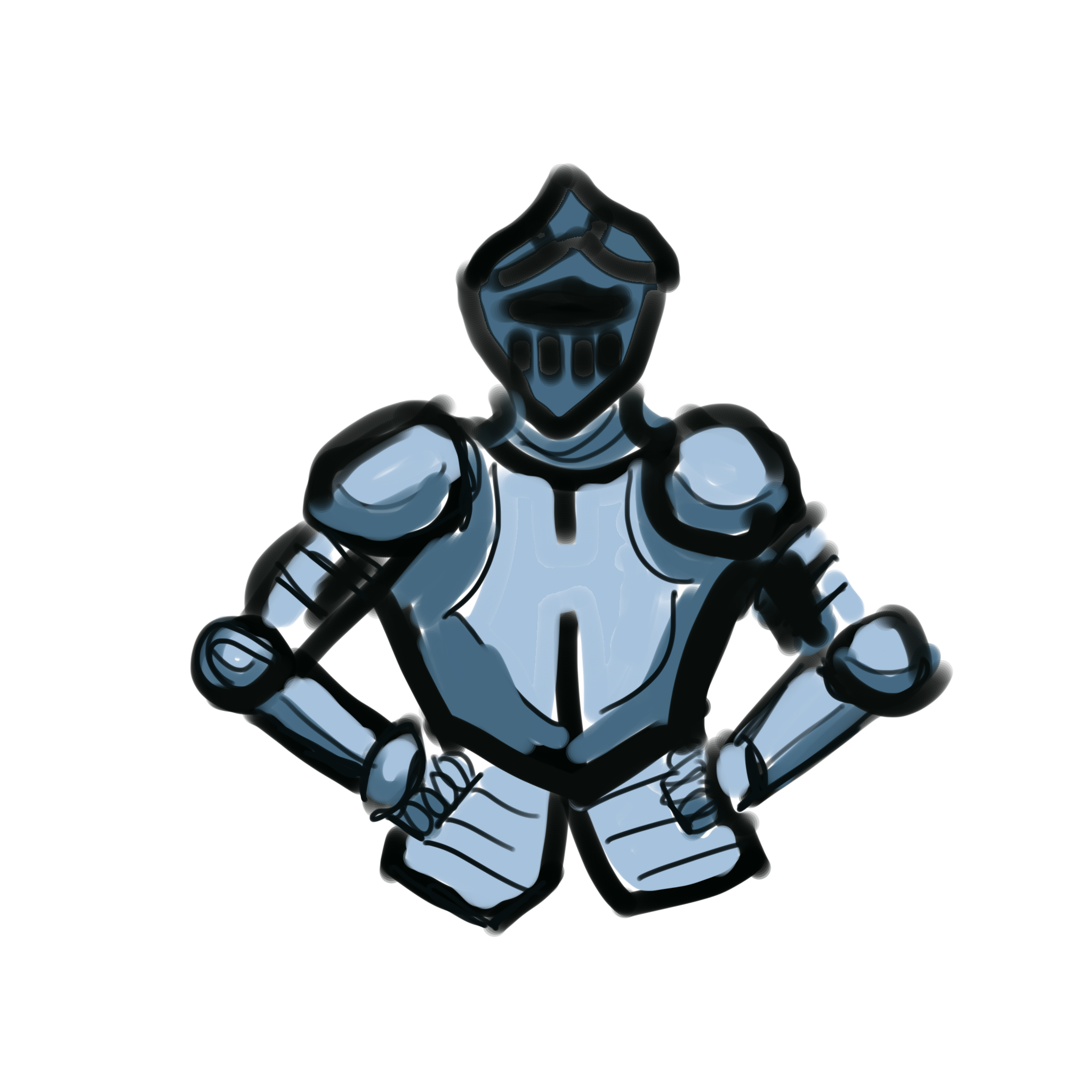
Level 2: Arms & Armor
-
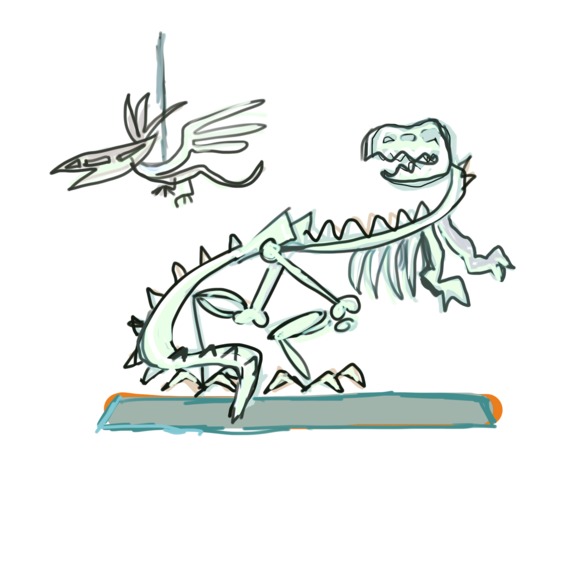
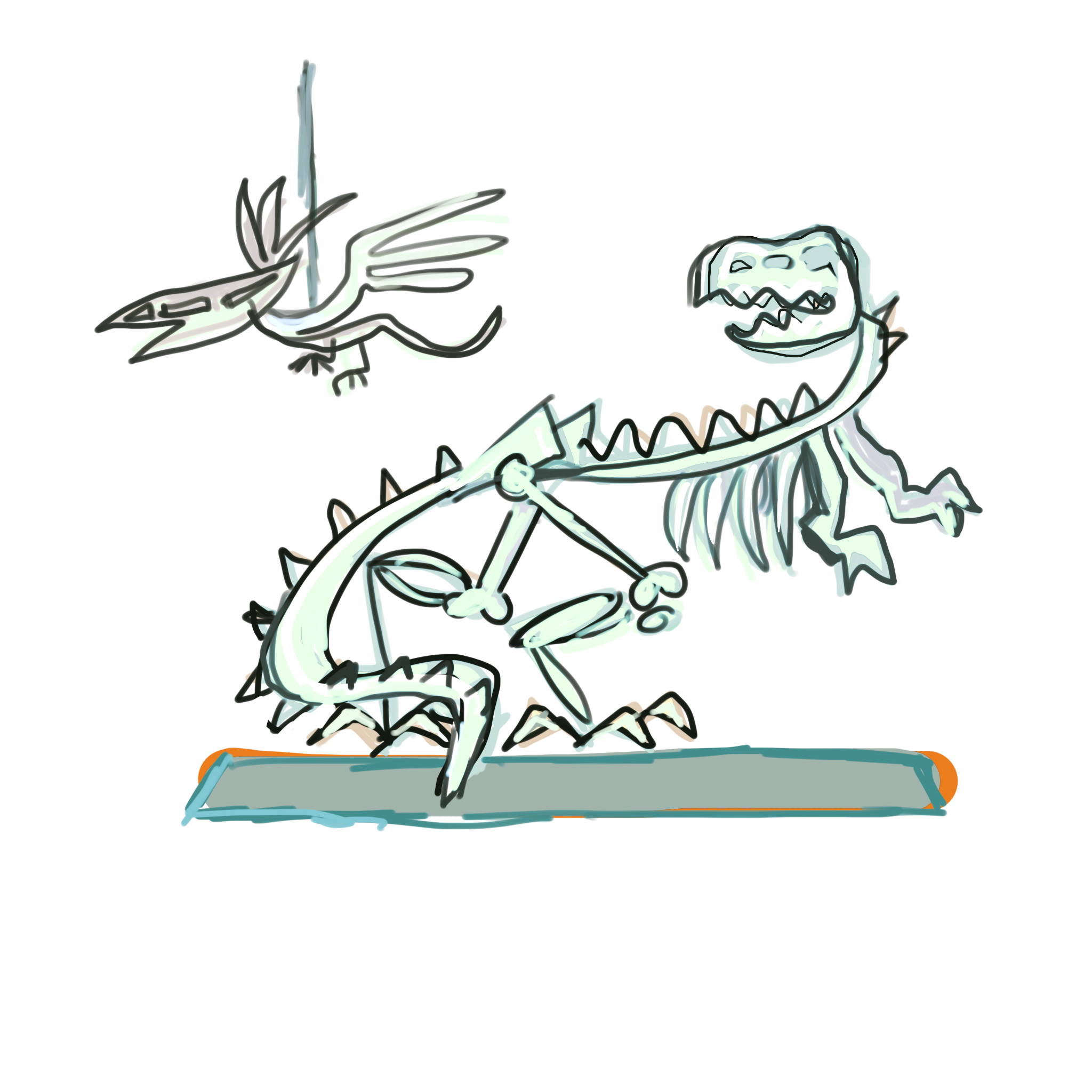
Level 3: Natural History
-

Stylized European Art
-
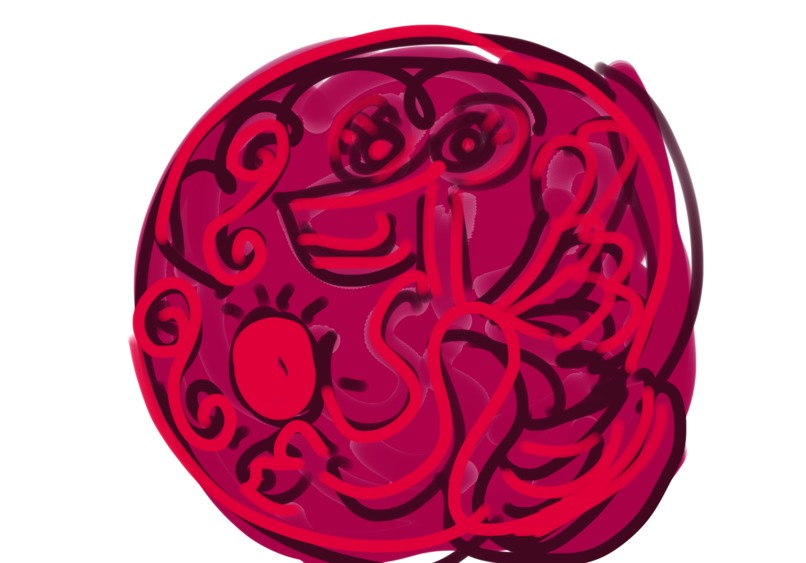
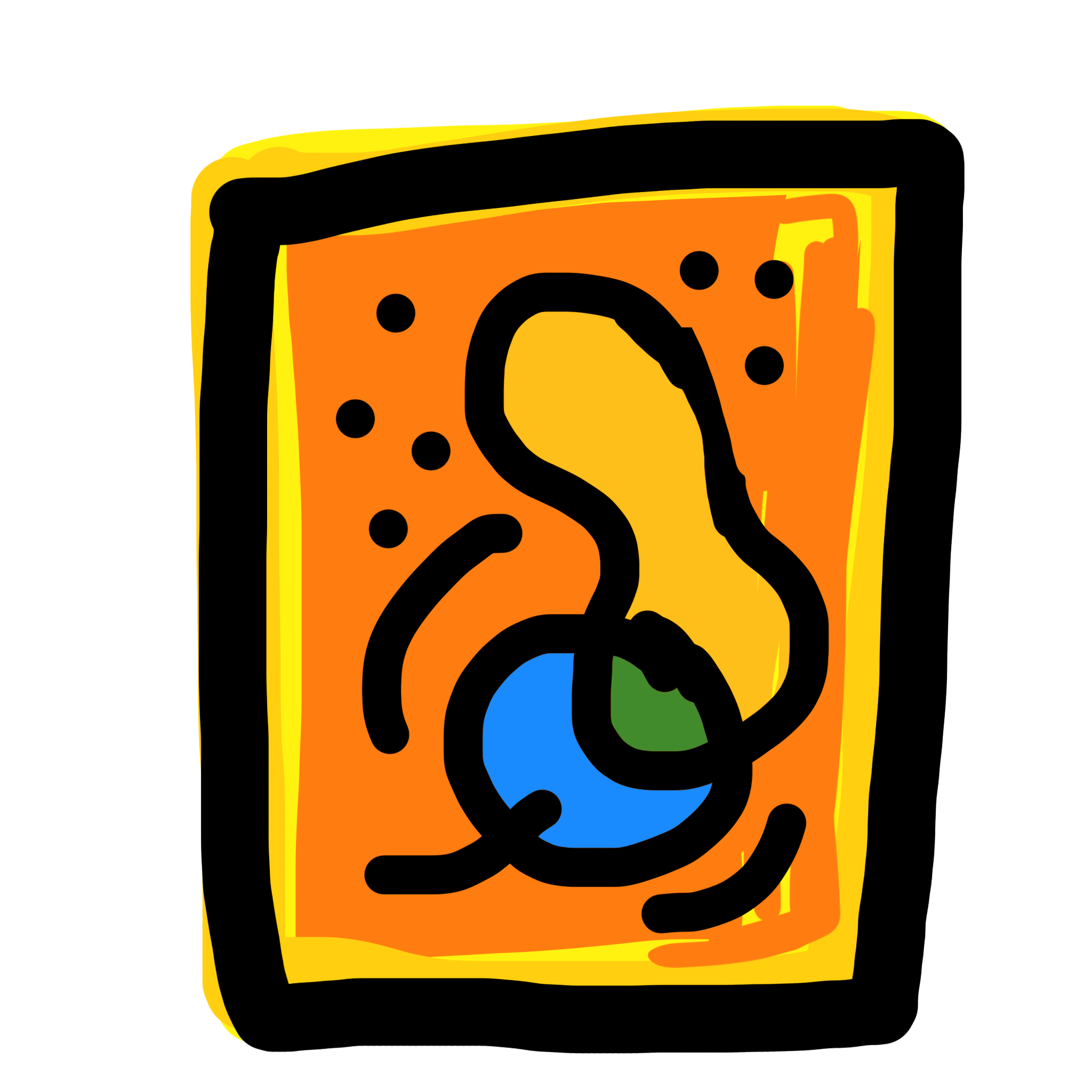
Stylized Asian Dragon Laquer Box
-
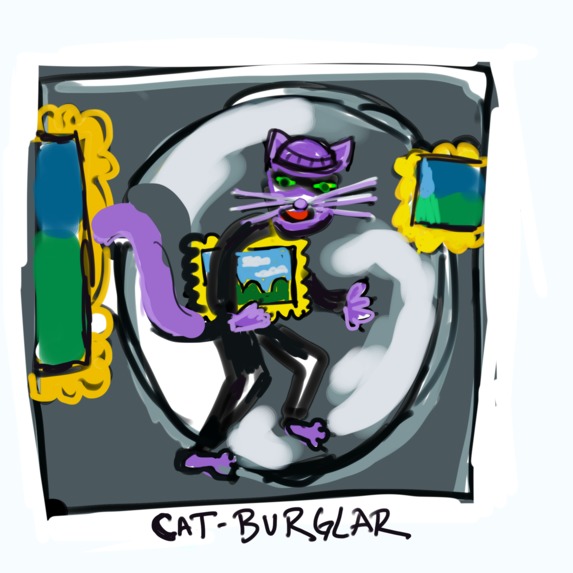
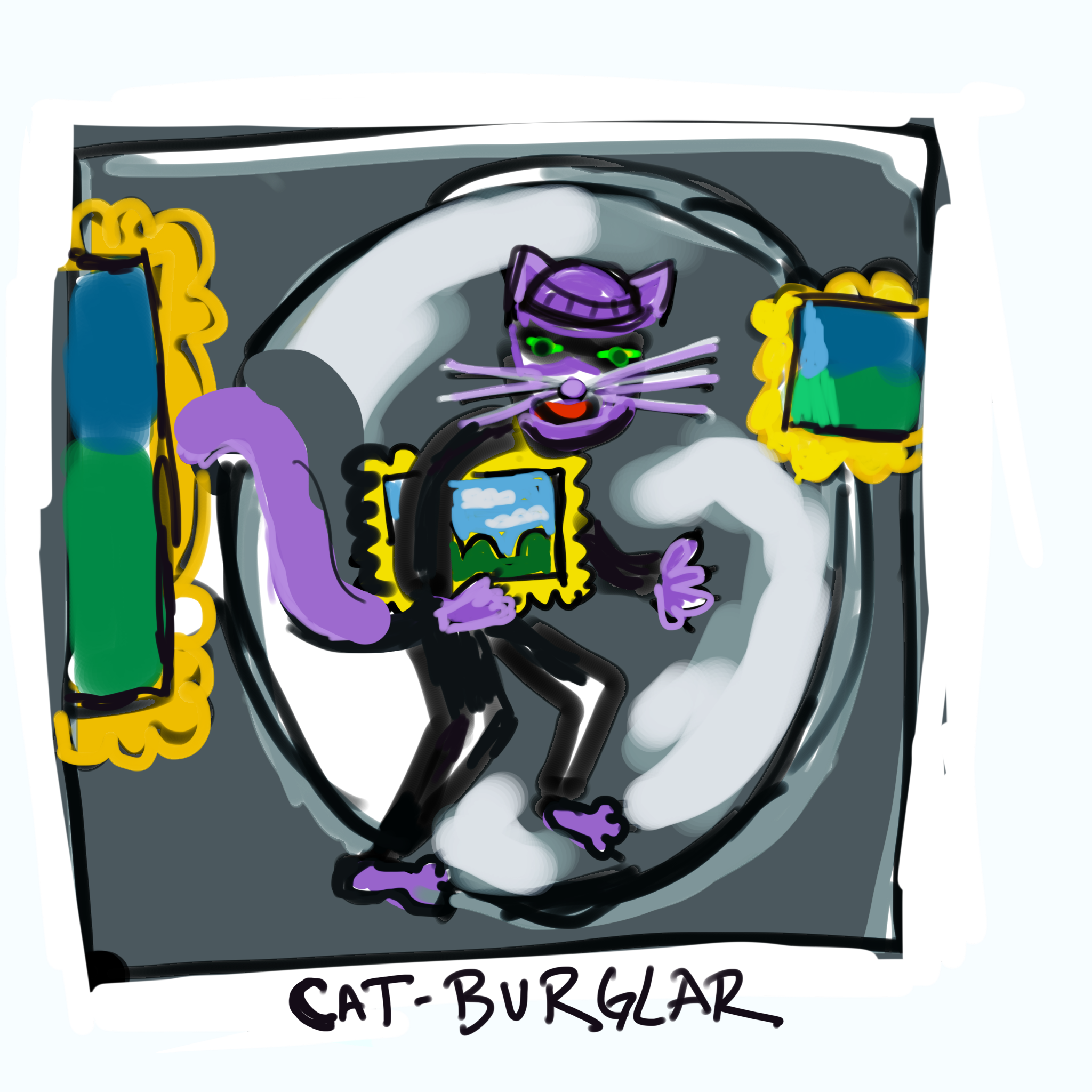
Looters: Cat-Burglar
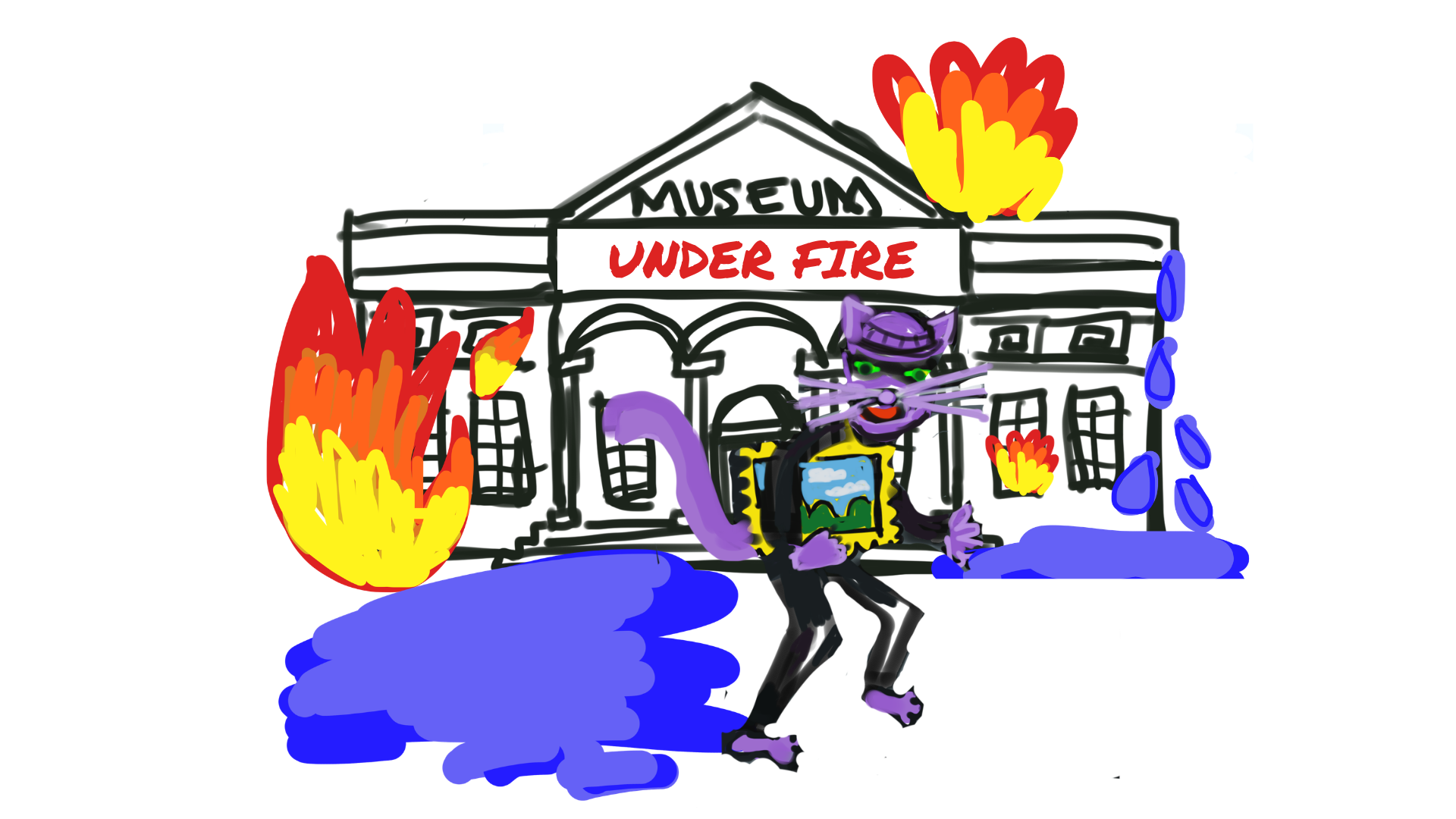


Museum Under Fire
Simulation & Management
Inspiration
Museum Under Fire was inspired by my experience working with museum collections, archives, exhibition planning, and emergency preparedness. Museums are often seen as quiet, stable spaces, but behind the scenes they are constantly making rapid decisions about preservation, access, risk, and the survival of cultural memory.
As the concept evolved, I became interested in a larger question:
When everything cannot be saved, what deserves preservation?
Rather than focusing on real-world collections, the game is set in the fictional Museum of Valuable Things, allowing for a fully original world of artworks, artifacts, inventions, archives, specimens, and cultural objects designed specifically for gameplay and interpretation.
Players do not simply “save objects”—they interpret meaning under pressure using curator notes, registrar notes, and fast visual icon systems to decide what matters most.
What it does
Museum Under Fire is a Simulation & Management game set in the world-famous Museum of Valuable Things.
When a cascading urban crisis strikes, fire, flooding, looting, and structural failures spread through the museum in real time. Players navigate a stylized node-based museum map, interpret artifacts through curator and registrar notes, and use fast icon-based signals to make irreversible decisions about what to save, secure, or lose.
Each object must be quickly understood before action—value is not automatic, it is interpreted.
Every object cannot be preserved. Every decision reshapes what remains.
How we built it
The project was designed as a crisis-management simulation built around a fast interpretation loop:
Navigate a node-based museum map Click artifacts to reveal curator and registrar notes Interpret visual icon signals for value, risk, and transport difficulty Make rapid preservation decisions Respond to escalating environmental systems
The museum is structured as a connected network of galleries, archives, and storage zones where multiple disaster systems interact dynamically, constantly shifting accessibility and priorities.
The fictional Museum of Valuable Things enables a fully original artifact system, free from licensing constraints, inspired by art history, science, cultural memory, and speculative design.
The visual direction emphasizes a hand-drawn, stylized aesthetic where artifacts function as expressive, semi-symbolic objects rather than realistic museum reproductions.
Challenges we ran into
One challenge was balancing systemic depth with immediate readability. Early versions leaned too heavily into complex simulation mechanics, which risked slowing down the fast decision-making experience.
The solution was shifting toward a rapid interpretation system, where players read meaning through curator notes, registrar summaries, and icon-based visual cues rather than dense management interfaces.
Another challenge was defining “value” in a way that remained intuitive under time pressure. This was solved by making value visually legible through icon systems rather than numerical analysis.
Accomplishments that we're proud of
We transformed a niche concept—museum preservation under crisis—into a fast, readable simulation experience centered on interpretation and decision-making.
Highlights include:
A crisis-driven simulation with a strong narrative hook A unique interpretation system using curator + registrar perspectives Icon-based visual decision language for fast gameplay A fully original fictional museum collection system Strong alignment between gameplay mechanics and thematic meaning
Most importantly, the game reframes preservation as interpretation under pressure, not just resource management.
What we learned
This project demonstrated how real-world institutional systems can be translated into accessible game mechanics when reduced to essential decision points.
We learned that clarity and speed often matter more than procedural realism in simulation design, especially for mobile-first experiences.
We also discovered that fictional worldbuilding enables greater creative freedom, allowing for a more expressive and visually driven interpretation of cultural value.
What's next for Museum Under Fire
Next steps focus on building a playable prototype emphasizing fast interpretation and decision-making under pressure.
Future development areas include:
A fully functional icon-based artifact evaluation system Stylized hand-drawn UI for curator and registrar notes Expanded disaster simulation systems (fire, flood, access collapse, looting) Procedural museum layouts with dynamic crisis states Adaptive environmental behavior systems Expanded artifact categories within the fictional museum canon
The long-term vision is a replayable crisis interpretation simulator where players continuously define what is worth preserving when systems collapse and time is limited.
Core Design Thesis
Value is not predefined. It is interpreted under pressure.
Built With
- 2d-ui
- access)-design-approach-built-for-ai-native-creation-in-horizon-worlds
- ai-assisted-development
- ai-workflow-integration
- and-animations-exported-for-use-in-2d-interface-and-overlays-system-design-(conceptual)-event-driven-simulation-system-built-around:-museum-node-based-map-(galleries-+-corridors)-artifact-state-tracking-(save-/-evacuate-/-lose)-crisis-events-(fire
- and-interaction-design-within-horizon-worlds-workflows-ui-/-2d-systems-noesis-gui-tactical-2d-interface-layer:-museum-crisis-map-artifact-decision-cards-resource-and-evacuation-ui-art-pipeline-procreate-hand-drawn-ui-assets
- and-interactive-world-systems-development-tools-visual-studio-code-(vs-code)-core-environment-for-scripting-and-simulation-logic-design-ai-assisted-coding-for-rapid-iteration-ai-assisted-design-workflow-used-for-system-prototyping
- animation-export
- artifact-visuals
- capacity
- creator-tools
- crisis-simulation
- decision-cards
- digital-illustration
- event-driven-systems
- fast-iteration
- flood
- focusing-on-modular-systems
- game-studio
- gameplay-iteration
- graph-simulation
- hand-drawn-assets
- interactive-storytelling
- interface-design
- json-based-data-structures
- looting)-resource-constraints-(time
- meta-horizon-worlds
- mobile-first-design
- node-based-map-system
- noesis-gui
- procreate
- real-time-events
- resource-management-ui
- scripting
- simulation-logic
- spatial-logic
- state-machine-design
- tactical-map-ui
- using-ai-assisted-creation-workflows-and-lightweight-simulation-systems-for-rapid-prototyping-of-interactive-experiences.-platform-meta-horizon-worlds-(game-studio-/-creator-tools)-target-deployment-environment-supports-event-driven-gameplay
- visual-studio-code
- vs-code


Log in or sign up for Devpost to join the conversation.