-
-
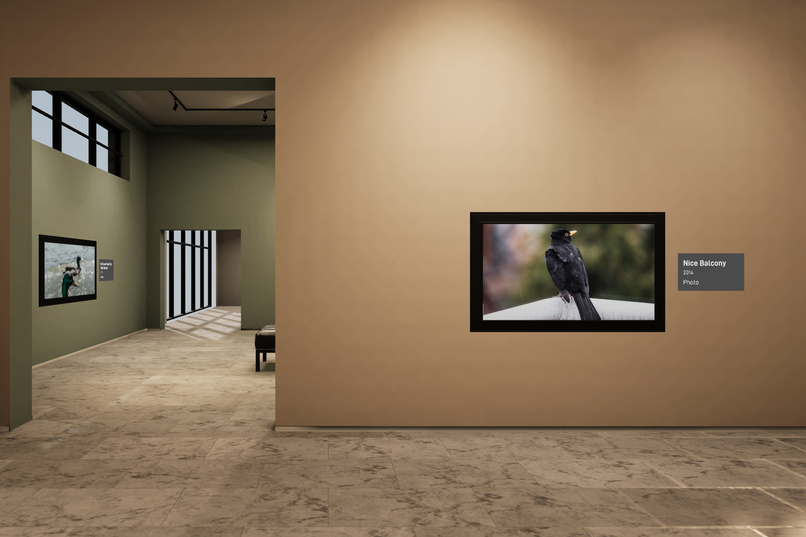
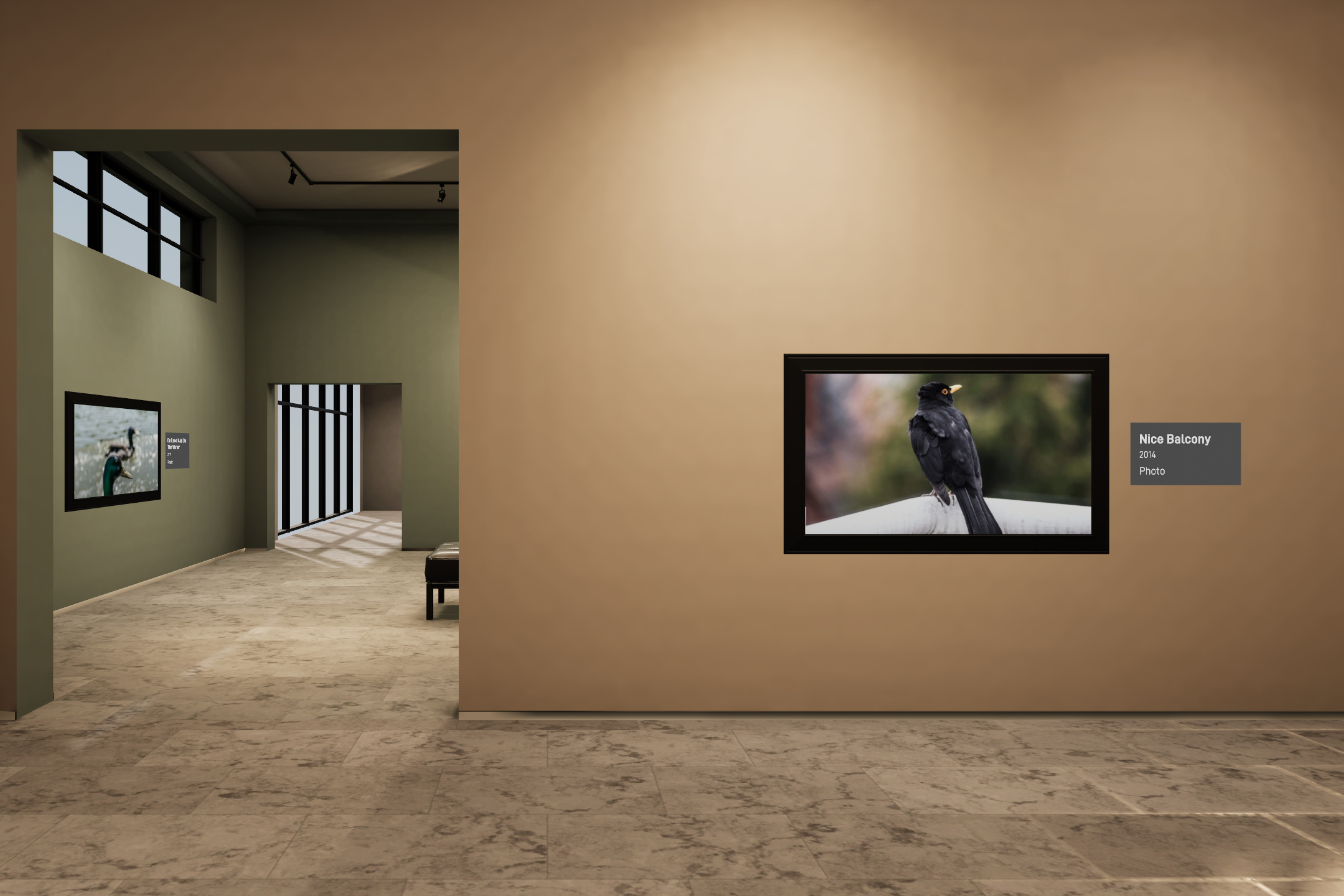
Photo Exhibit
-
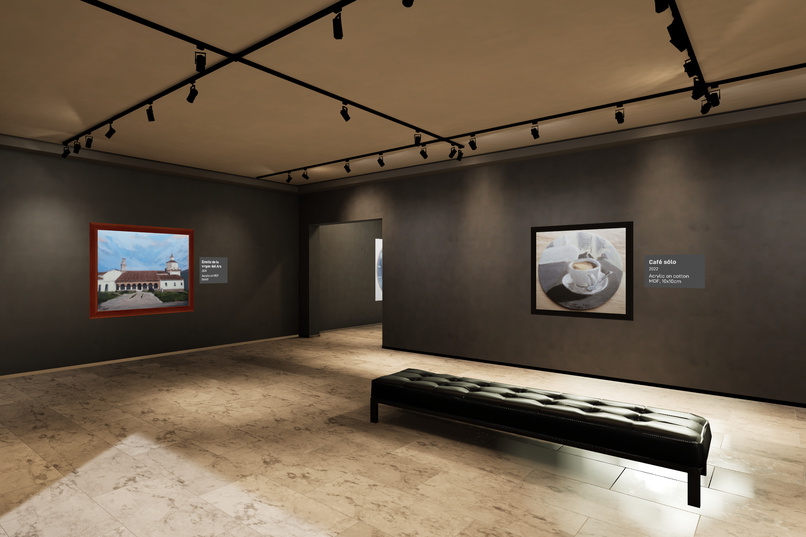
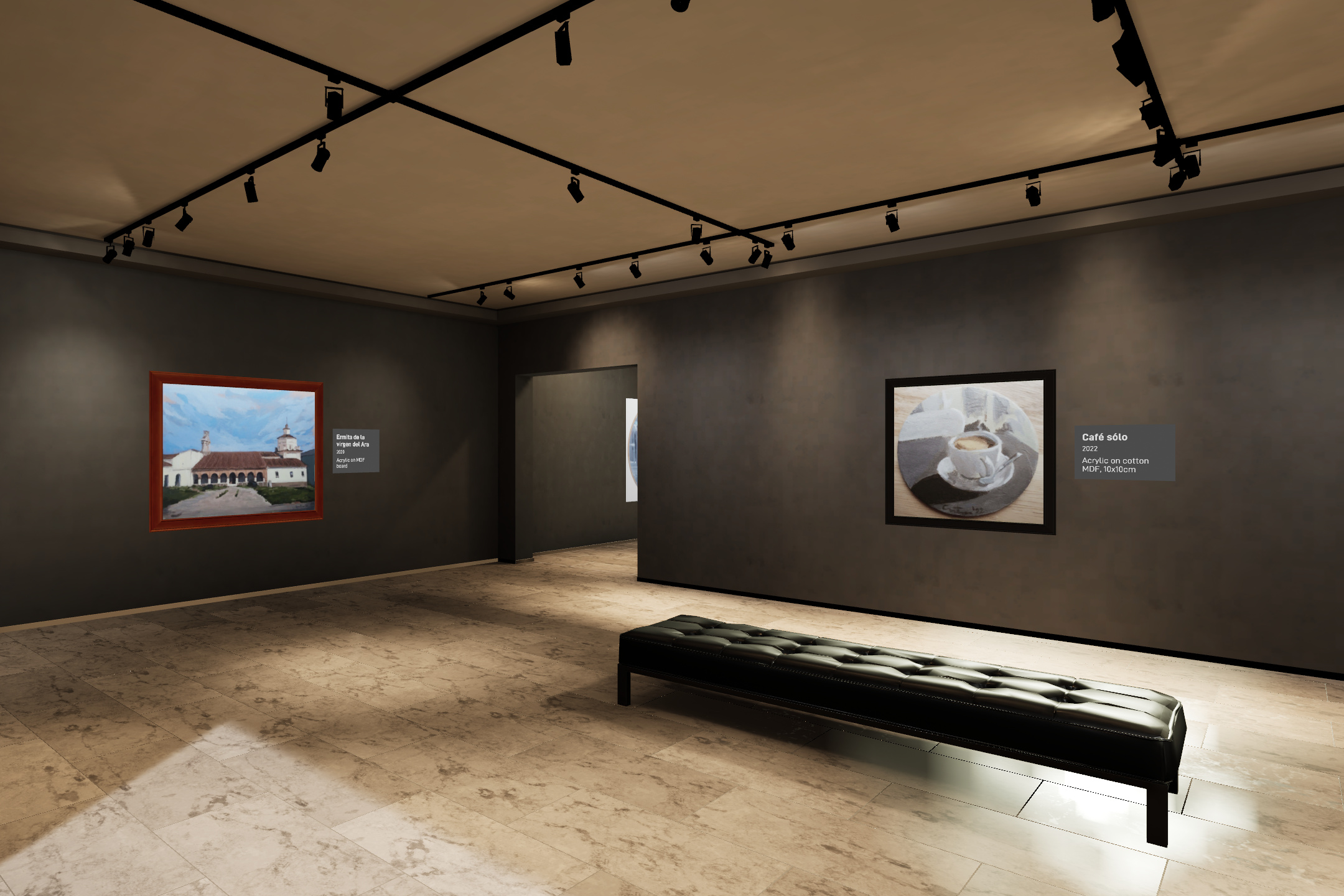
Painting Exhibit
-
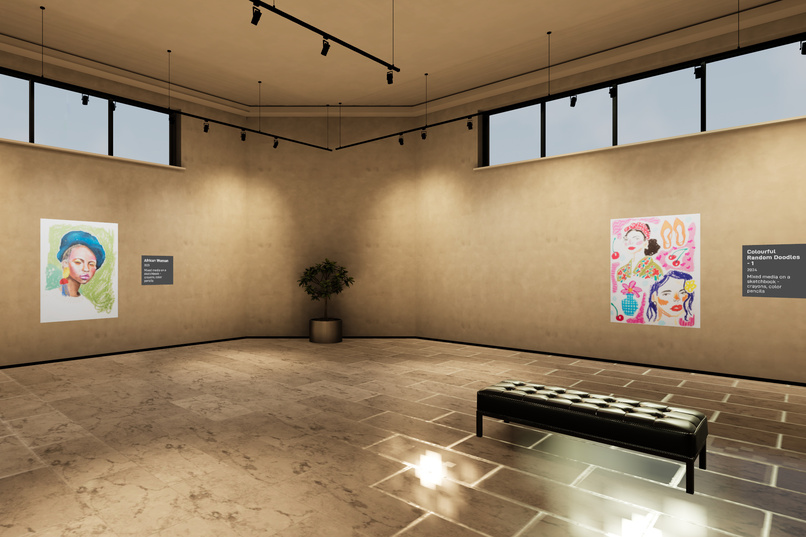
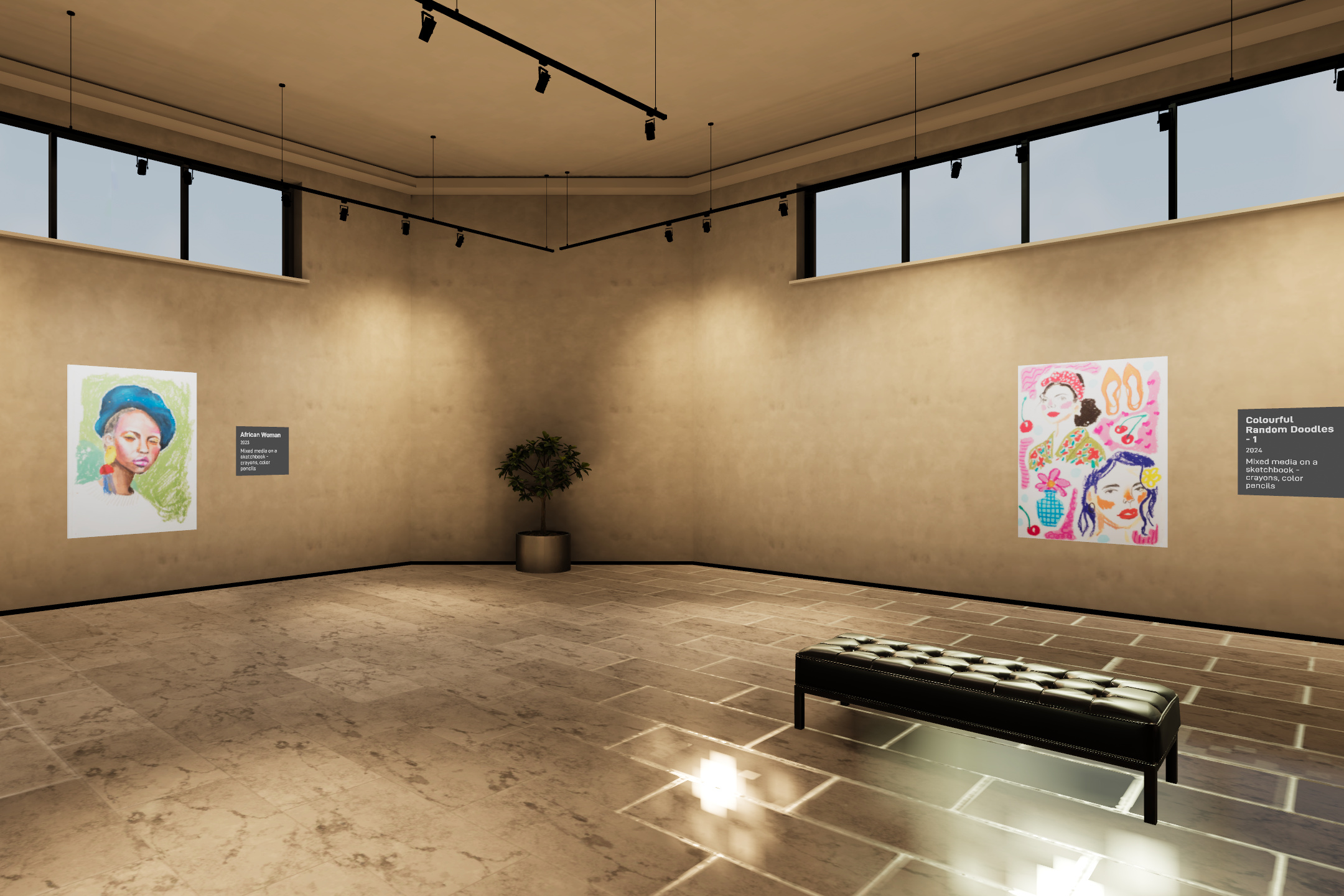
Sketches Exhibit
-
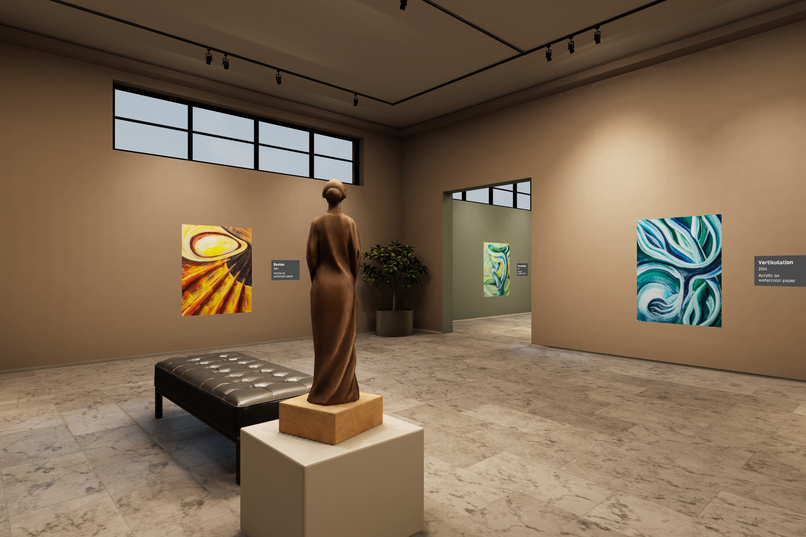
Painting Exhibit
-
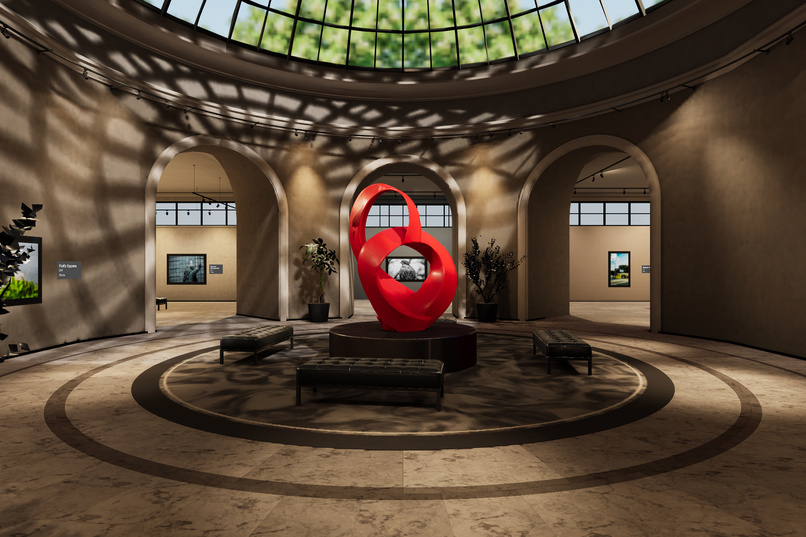
Rotunda
Inspiration
Museum For A Rainy Day began on a rainy Sunday, when our founder was reviewing nearly two decades of photography. Of roughly 30,000 photographs, he felt about 200 might be worth exhibiting.
Friends and family who had seen his prints at home had often asked when he would hold a gallery show. But they lived in different cities and countries. A local exhibition lasting a few weeks would leave many unable to visit.
Selling prints wasn’t the motivation. Sharing the work was.
We saw the same problem among other artists: years of creative work, with relatively few opportunities for people to experience it. What if we could build a curated museum that people could visit wherever they lived, whenever they felt like seeing art?
What it does
Museum For A Rainy Day is a free digital museum on Meta Quest, iPhone, iPad, and Android phones and tablets.
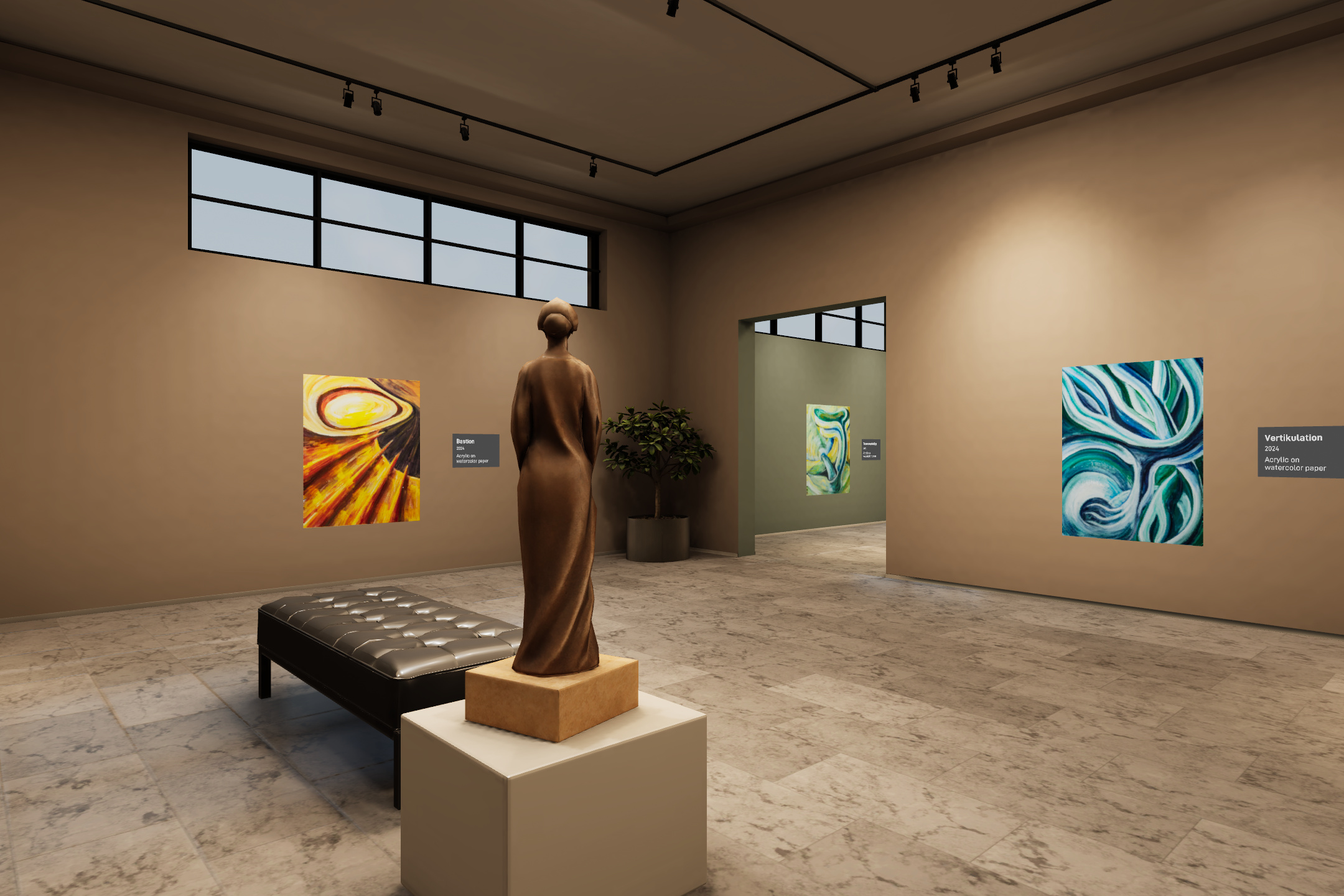
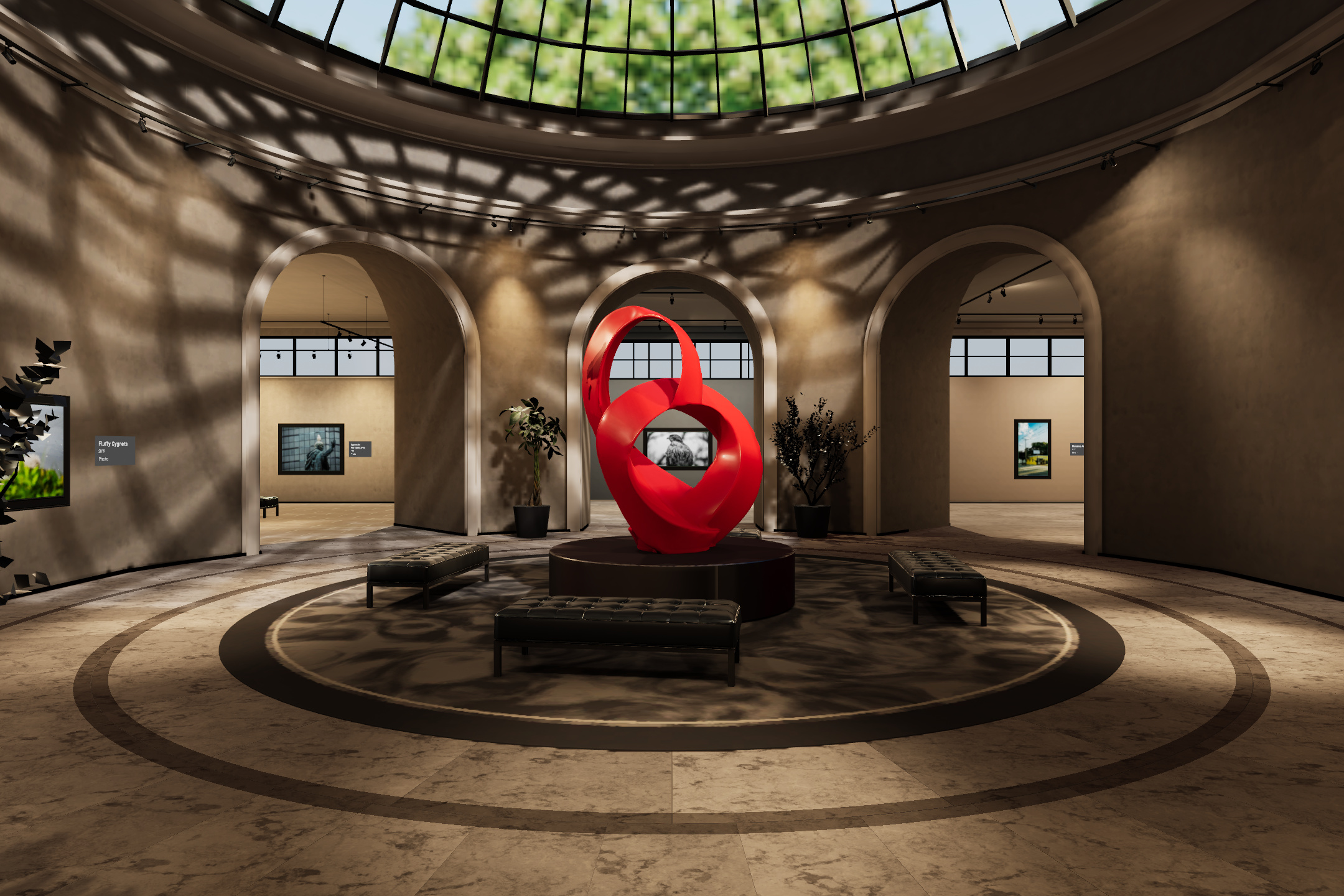
Visitors enter galleries, explore at their own pace, and discover artists through complete exhibitions. On Quest, they can navigate and interact entirely with their hands, listen to artists’ audio tours, and double-pinch an artwork to enter it. Once inside, they can look up, look down, and move within the artwork.
Every exhibition is curated. Each artist presents 24 works that belong together, giving visitors the opportunity to explore a coherent body of work.
How we built it
We built the museum in Unreal Engine. Our Quest app originally required controllers. Since September 24, we have:
- Added gesture-based navigation and interaction throughout the app, making every feature usable without controllers while retaining controller support.
- Added double-pinch immersive viewing, allowing visitors to enter and move within an artwork.
- Introduced a new gallery design and additional art.
- Launched our first two artist audio tours in November 2026, allowing artists to explain their exhibitions and the ideas behind them.
Alongside the apps, we are developing the GROW website, where artists prepare exhibitions, grant permission to display their work, and create material such as audio tours. These tools help us scale the museum to support more artists while keeping curation central.
Challenges we ran into
A gallery has to feel like a place worth visiting and still run well on a phone. We have revised ours several times, balancing lifelike spaces and artwork presentation with performance across mobile devices and Quest headsets, including older hardware.
Artists should not need to become game or 3D developers to exhibit their work. They create in the proportions their work requires, while efficient rendering in Unreal Engine benefits from power-of-two texture dimensions. We wrote scripts and processing code to prepare artwork automatically before compiling the museum for each target device, handling those technical requirements on the artists’ behalf.
Accomplishments that we're proud of
We have brought the museum to iPhone, iPad, and Android, but we are especially proud of our Quest app. We believe the feeling of being present in the galleries, together with natural hand interaction, makes it the best way to experience Museum For A Rainy Day.
Our first eight artists have helped us test both the museum apps and GROW in real use. We are building the foundations to support hundreds, eventually thousands, of artists while maintaining curatorial review for every exhibition.
What we learned
Supporting artists means translating between creative practice and technical requirements. We take on that complexity so artists can concentrate on their exhibitions.
Image preparation, exhibition sequencing, and audio-tour creation all affect what visitors ultimately experience. We have learned to develop the artist tools and the museum together.
What's next for Museum For A Rainy Day
We want to improve exhibition preparation and audio-tour tools, refine the galleries and navigation, and bring the museum to more devices.
Above all, we want to give more artists the opportunity to share their work, and more people the chance to discover it.proud of
