-
-
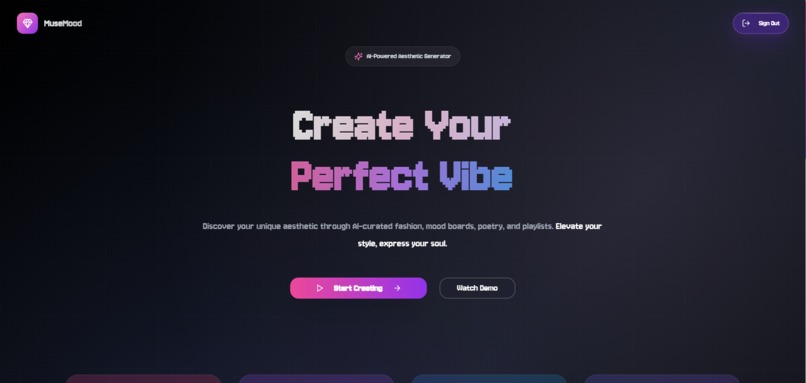
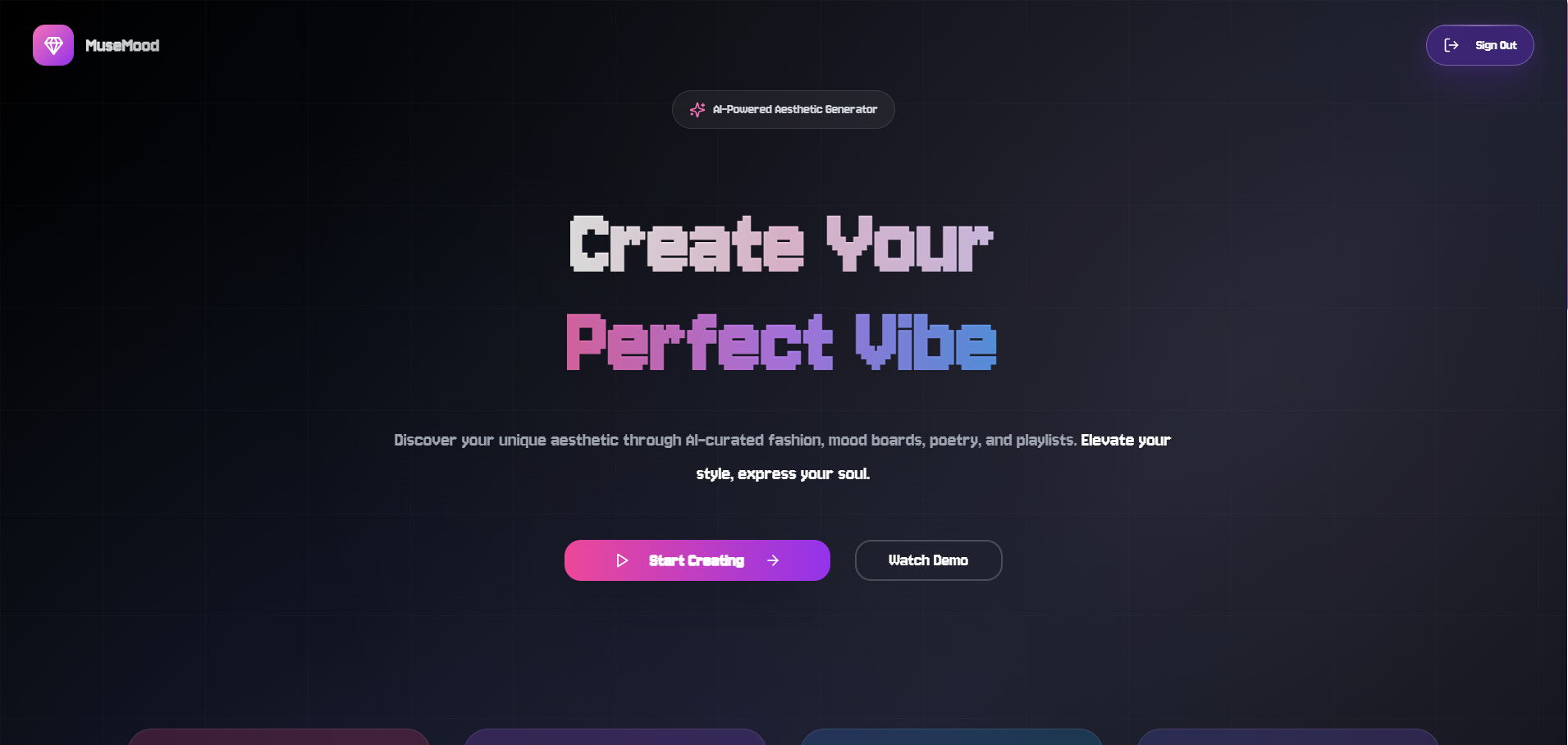
landing page
-
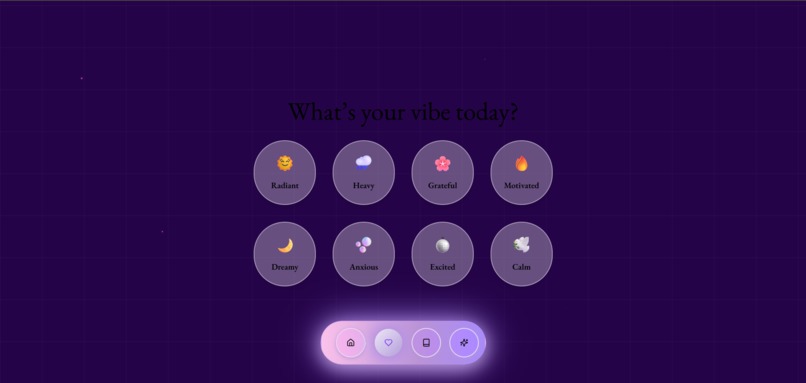
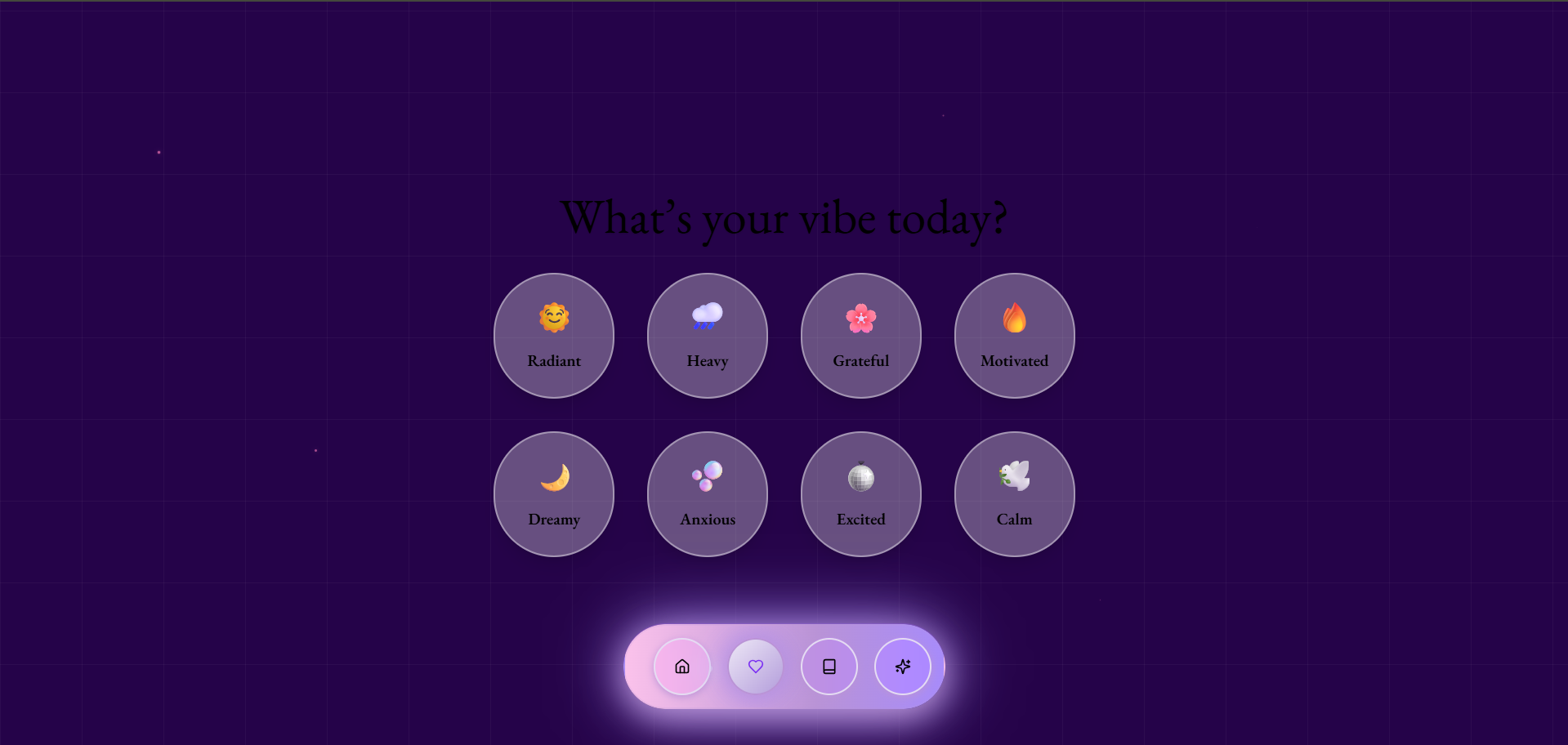
mood selector
-
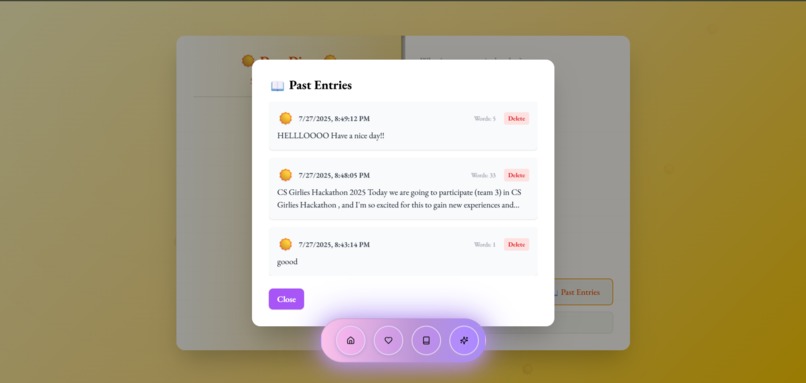
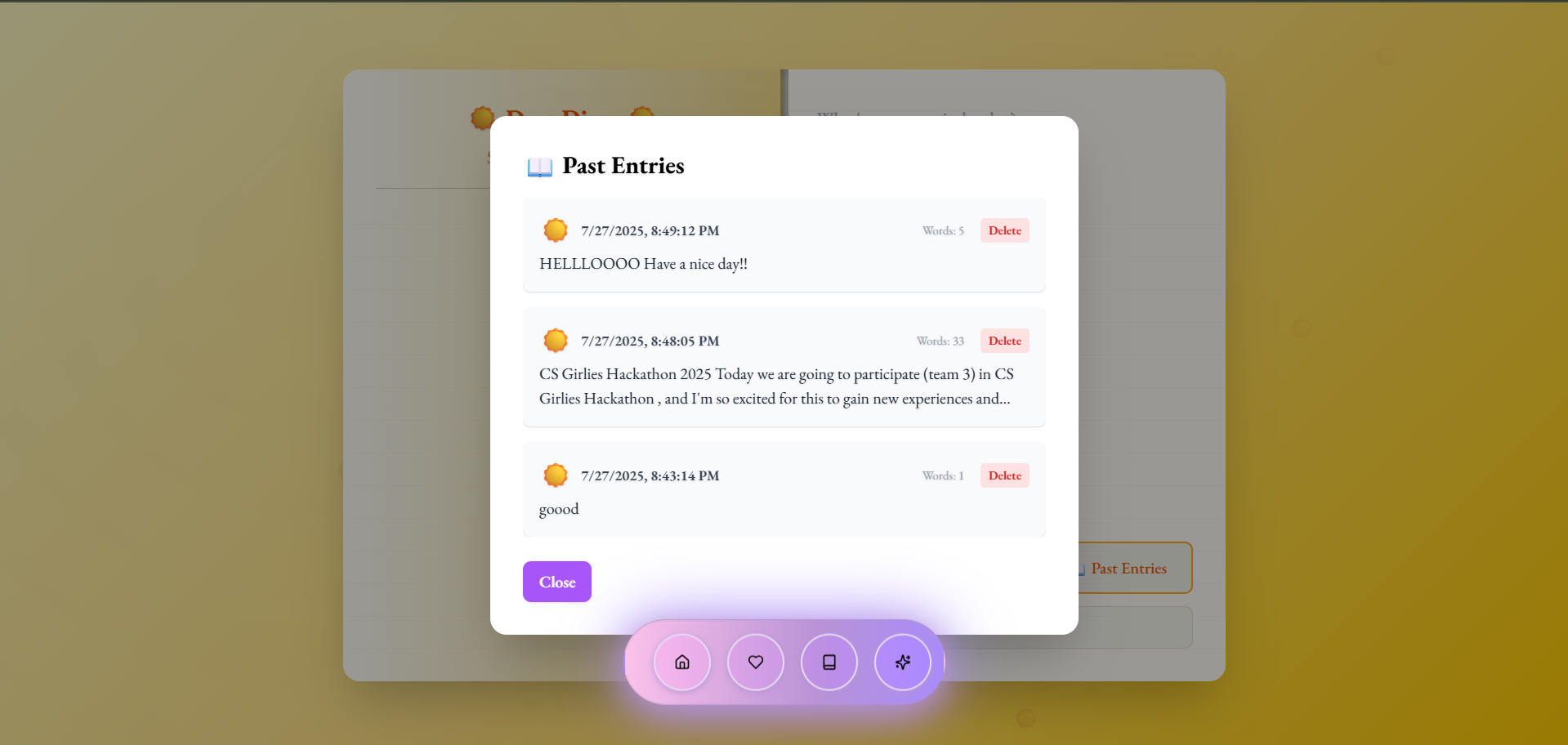
past entries
-
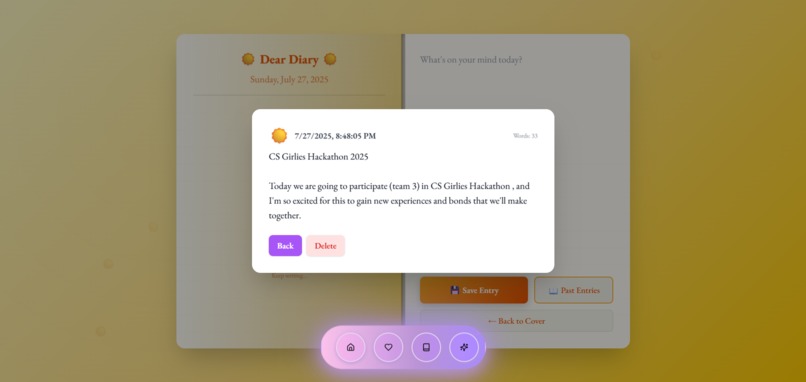
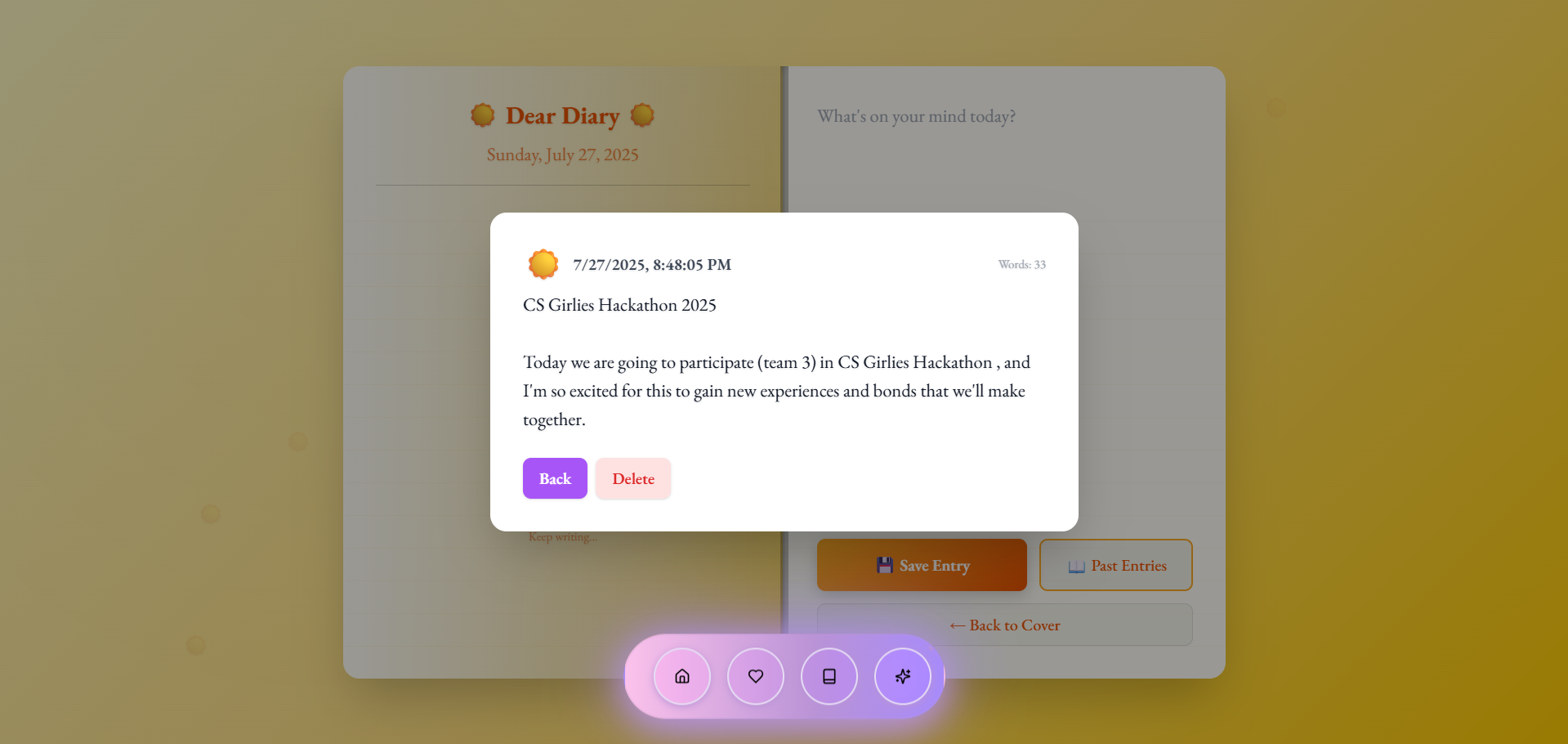
preview of past entry
-
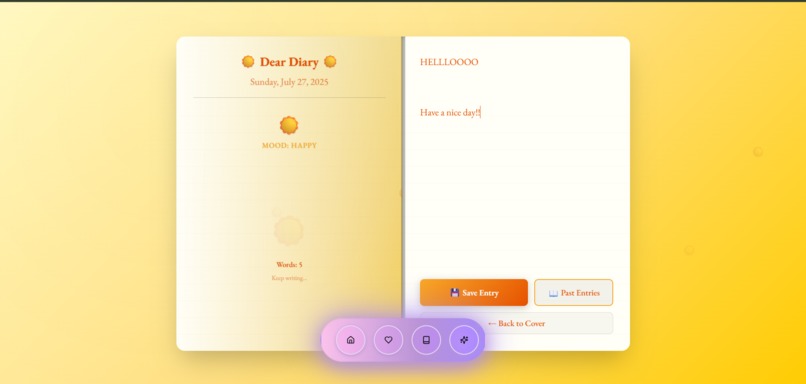
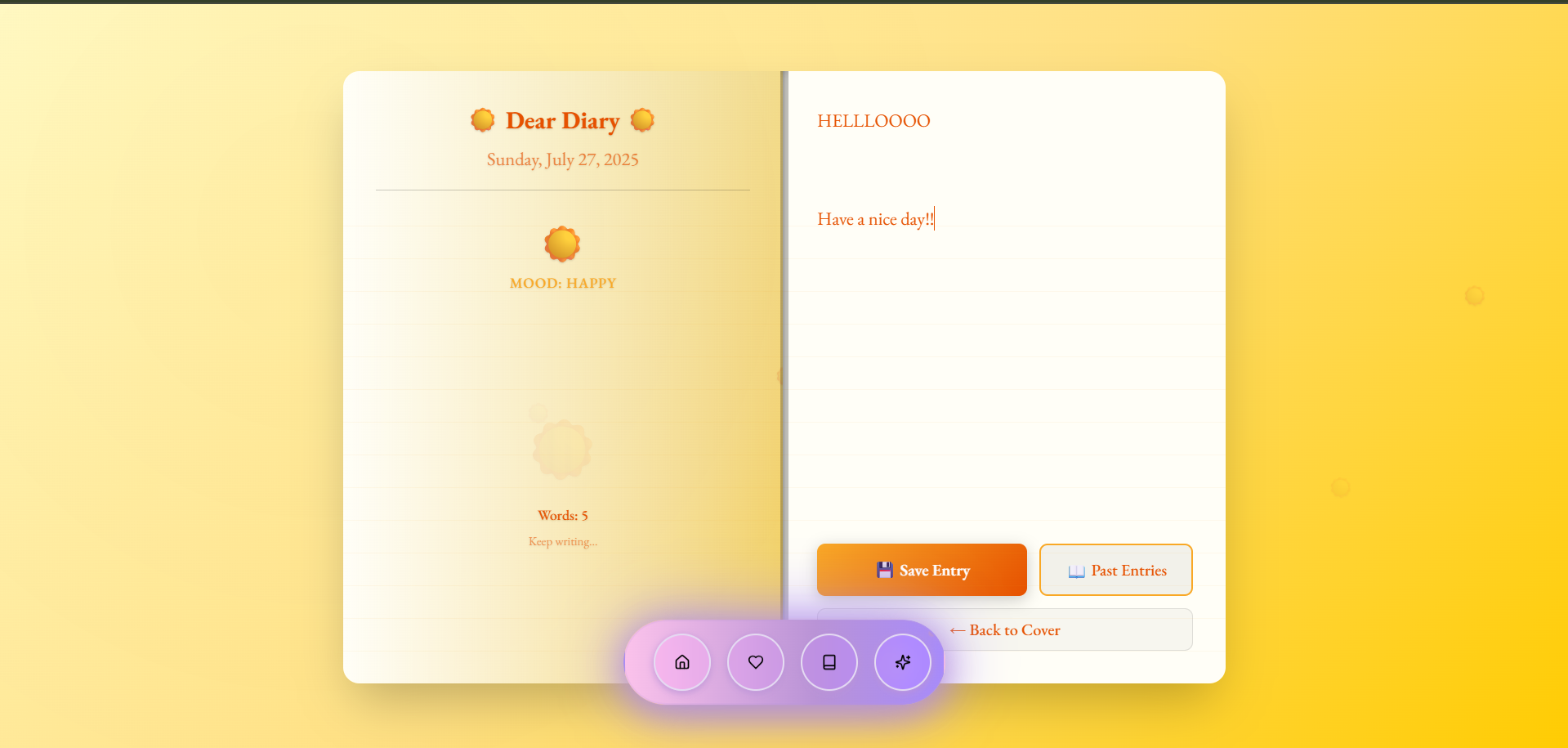
journal writing space
-
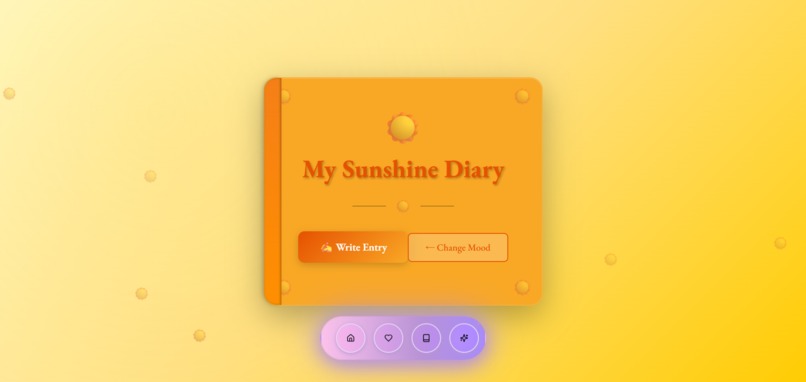
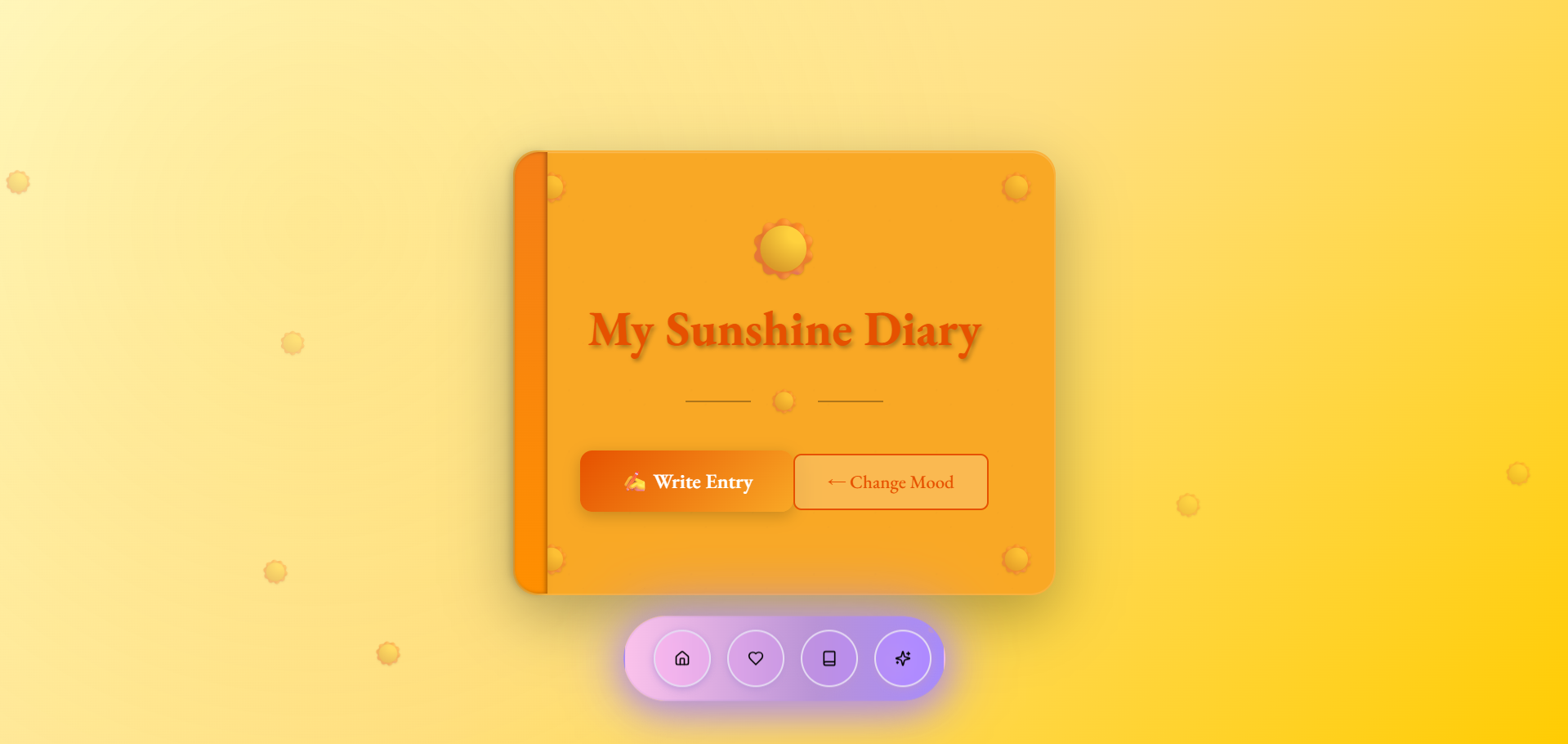
dairy cover
🧩 Problem Statement In a fast-paced digital world, emotional expression often takes a backseat. Existing journaling platforms can feel overly structured or uninspired, lacking emotional connection and aesthetic appeal. There’s a growing need for a space that not only helps users express themselves but also reflects their mood through visuals, tone, and design — a soulful, safe, and creative digital escape.
💡 Inspiration As a team, we all deeply enjoy journaling — it’s our way of processing thoughts, capturing memories, and understanding emotions. But current tools felt too clinical or overwhelming. We envisioned something more cozy and emotionally resonant — a mood-first space that feels like a warm vintage diary 🌸. That’s how MuseMood was born — a place where your emotions guide the experience, not the other way around.
✨ What it Does
MuseMood is a mood-based journaling web app designed like a vintage diary. It allows users to:
Select their current vibe with an intuitive mood selector 🌙☀️🕊️ Unlock a custom-designed diary theme based on their mood Write and revisit journal entries, saved locally per mood Track emotions over time through mood tagging Flip through their diary in an immersive, animated experience Soon: Auto-generated moodboards, poems, outfit inspirations, and playlists using AI and Spotify API (planned but not yet integrated due to time constraints)
🛠️ How We Built It
Frontend: React.js with Framer Motion for smooth, page-flipping animations Styling: Tailwind CSS, pastel color palettes, and EB Garamond font for a vintage, feminine aesthetic State Management: Mood-specific entries saved via local storage for quick access AI/Spotify Integration: Initially planned for generating personalized content like poems, moodboards, and playlists — postponed due to time constraints but in active development
🚧 Challenges We Ran Into
Designing consistent UI/UX for varying moods while keeping it intuitive Time limitations for implementing GPT-based creativity tools and Spotify integrations Deciding how to store and manage mood-based data without a backend Creating a calm, intentional design without compromising on interactivity
🏆 Accomplishments We're Proud Of
A fully functional mood-based diary experience with smooth animations and themed pages Achieved cohesive branding, visuals, and emotional tone across moods Built a unique experience that blends emotional resonance with minimalism Crafted an immersive journaling tool that feels both personal and beautiful
📚 What We Learned
Emotional design is just as important as technical design Prioritizing storytelling and human-centered UX creates stronger impact Planning integrations is good — but prioritizing core experience is better under time pressure Importance of modular, theme-based architecture in design systems
🚀 What's Next for MuseMood
Integrate OpenAI for mood-specific poems, affirmations, and creative prompts ✍️ Add Spotify API for mood-aligned playlists 🎧 Build moodboard and outfit suggestion features via AI-generated visuals Enable secure cloud-based entry saving and syncing Explore community features for shared emotional expression and journaling challenges
Built With
- drizzle-orm
- express.js
- figma
- git
- github
- google-oauth
- javascript
- node.js
- openai-api-(planned)
- passport.js
- postgresql
- react
- render
- spotify-web-api-(planned)
- tailwind-css
- typescript
- vite

Log in or sign up for Devpost to join the conversation.