-
-
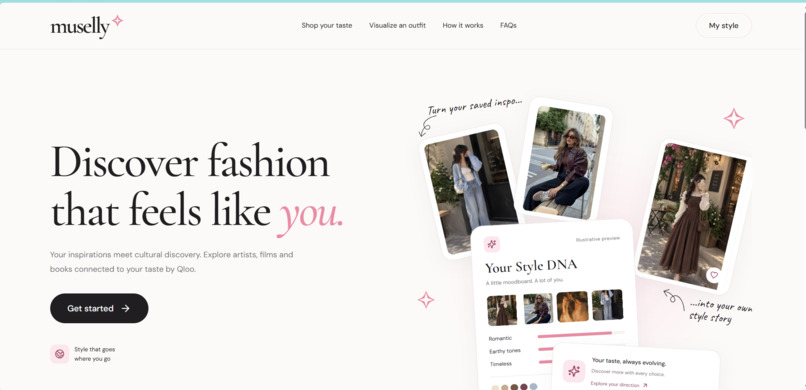
Meet Muselly: discover fashion that feels like you, inspired by your taste, culture and personal style.
-
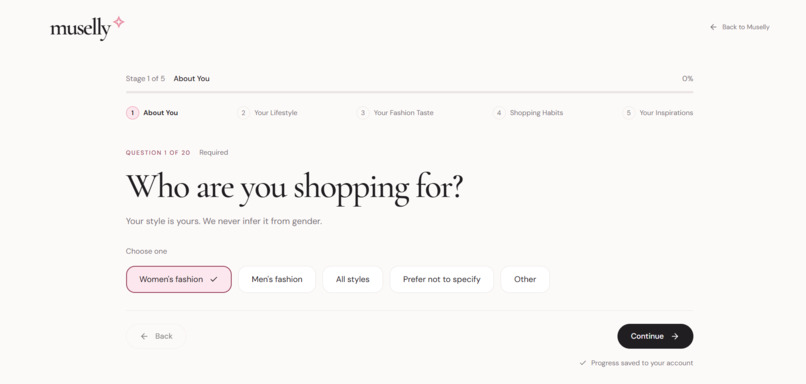
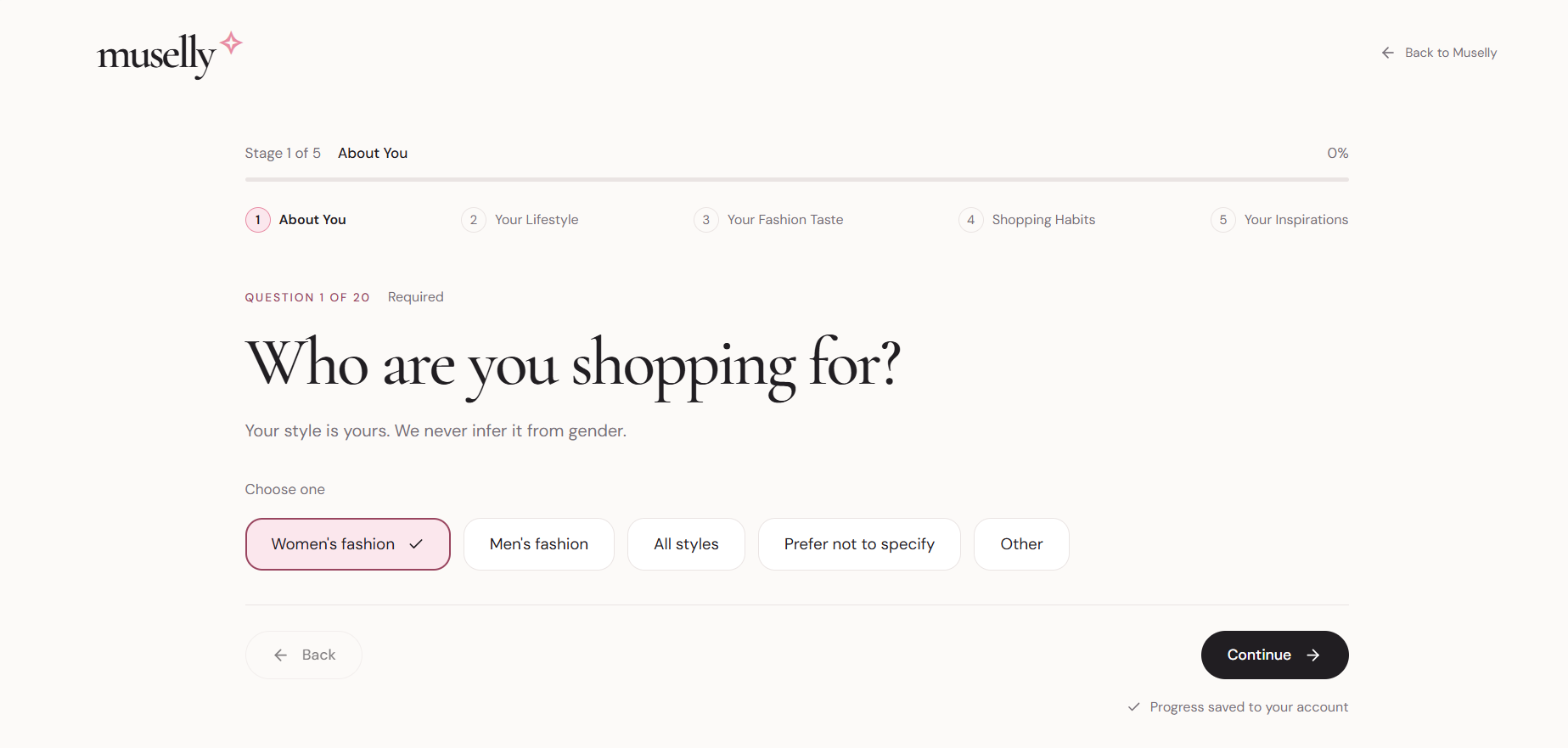
Your style starts with you. Share your preferences and inspirations through a guided taste test.
-
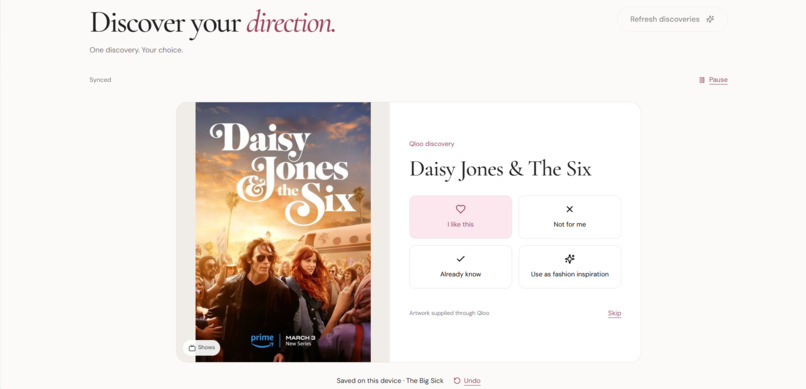
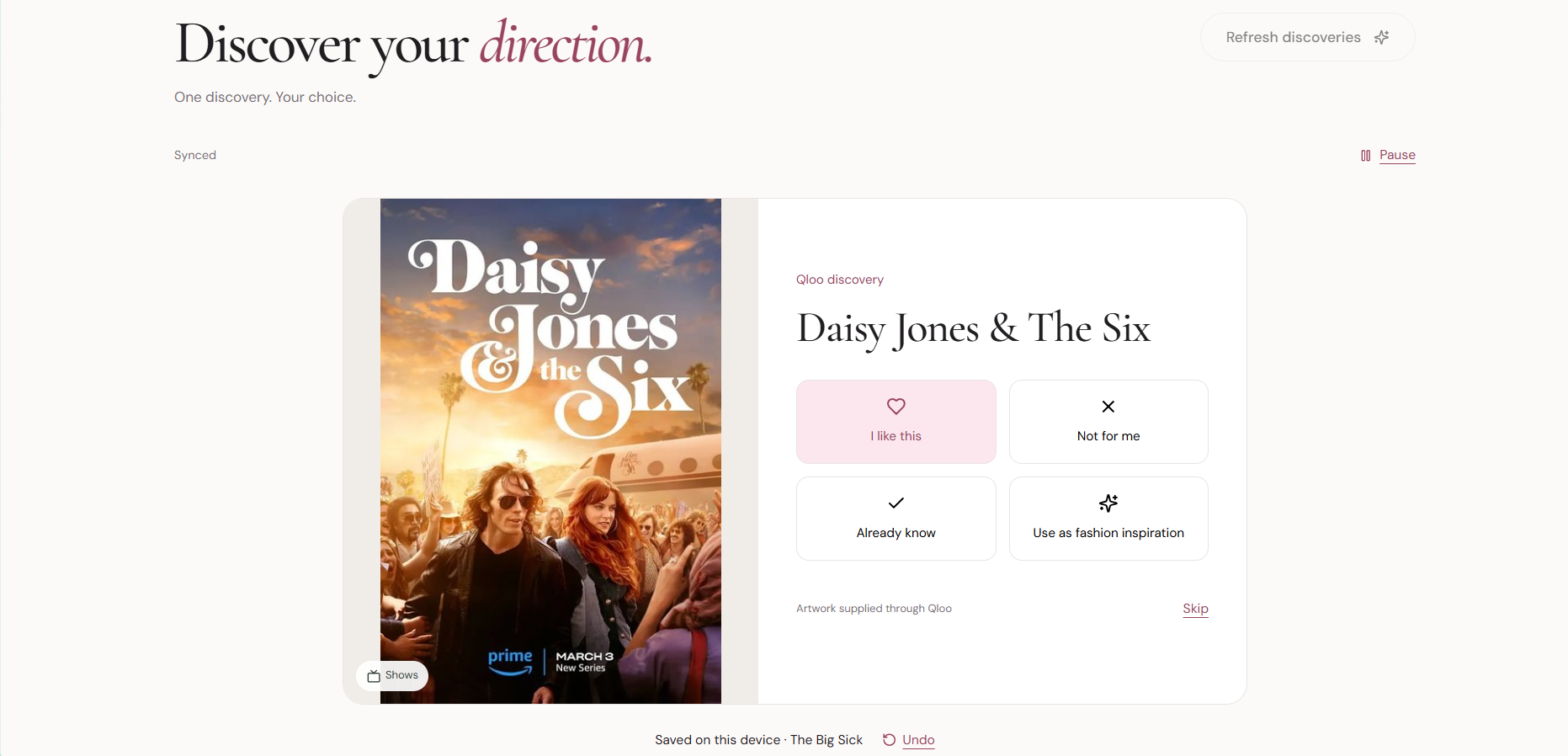
Explore books, music, films and shows connected to your taste through Qloo. Save what inspires you.
-
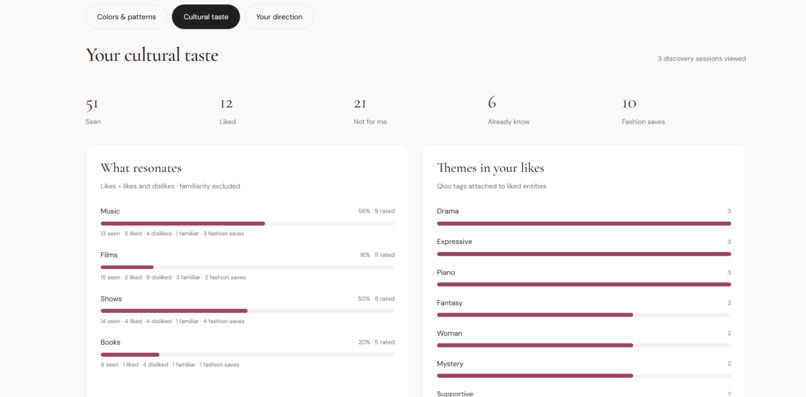
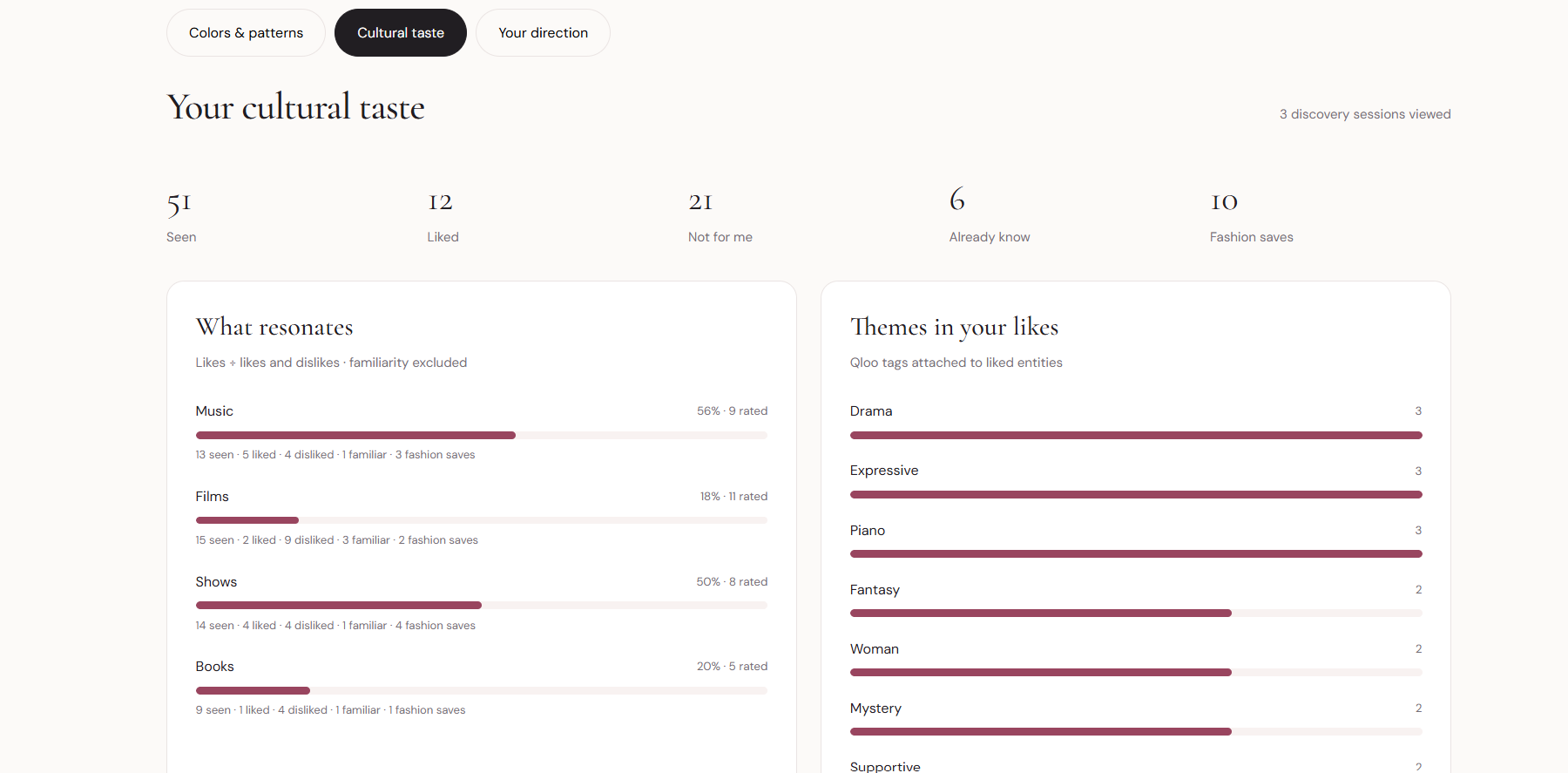
See your cultural taste come together in a personal dashboard, with insights into your interests and preferences.
-
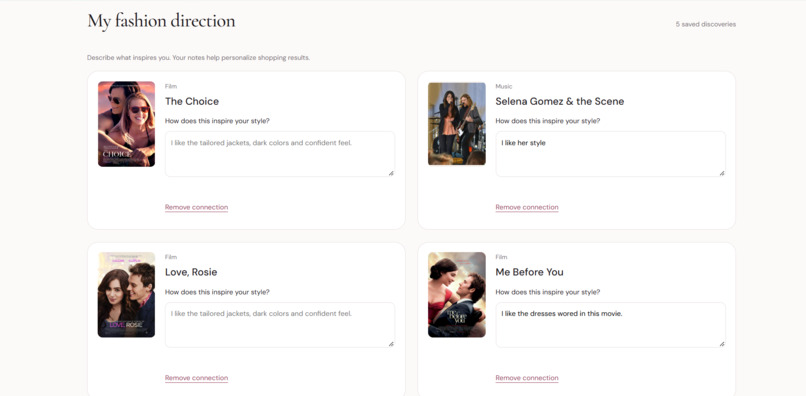
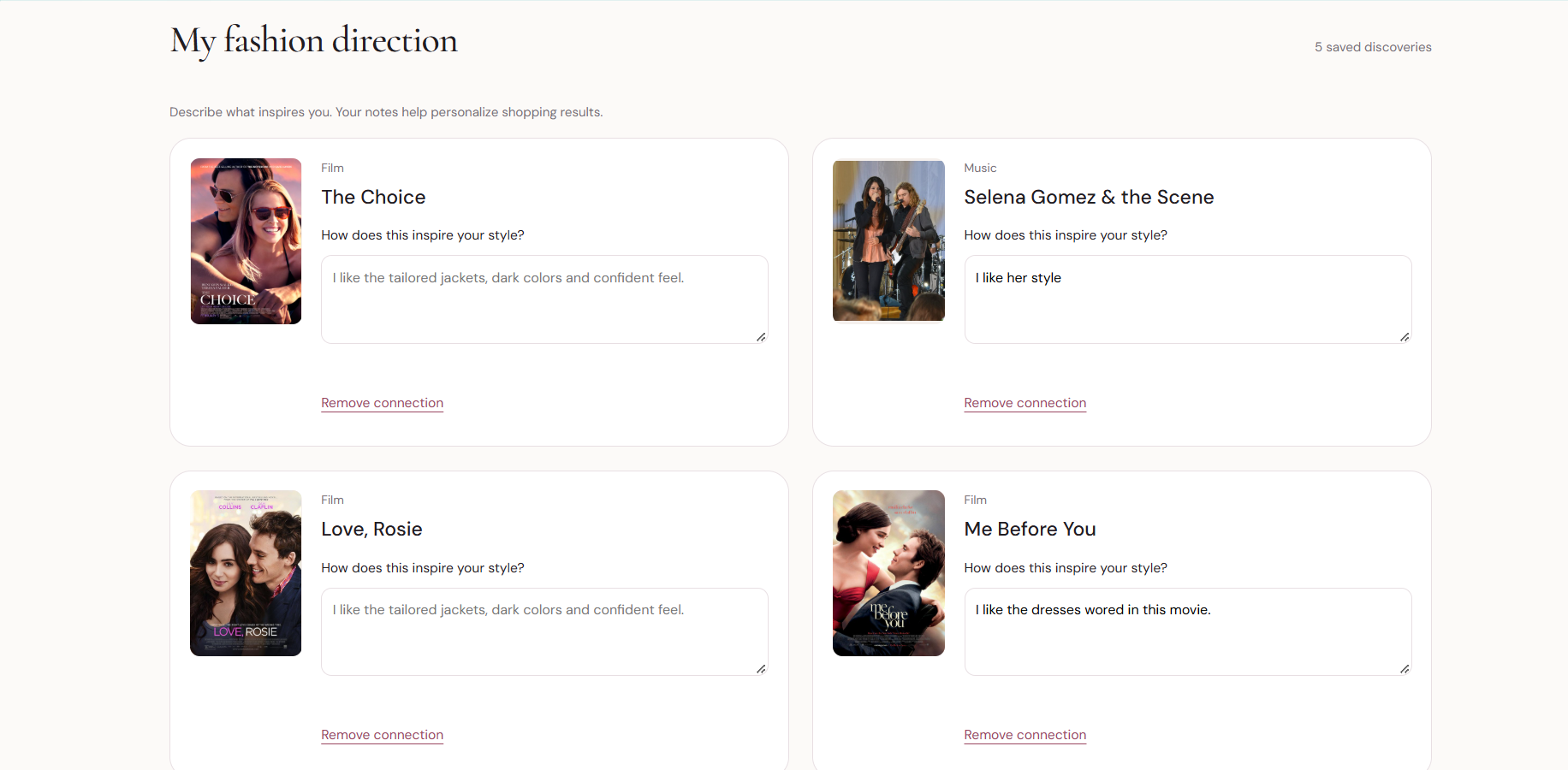
Write notes to Muselly what you love about each one to personalize your shopping results.
-
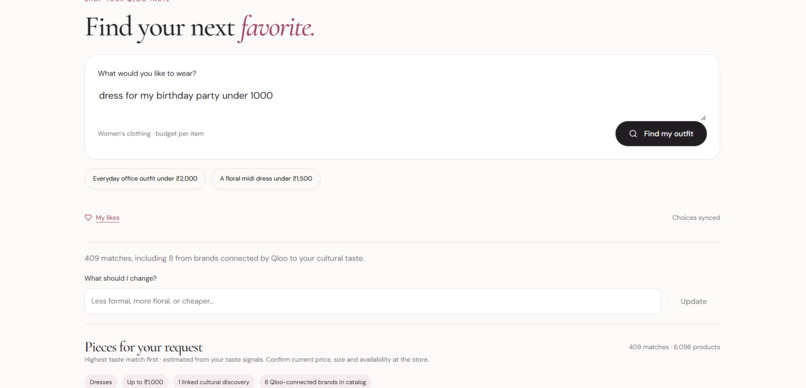
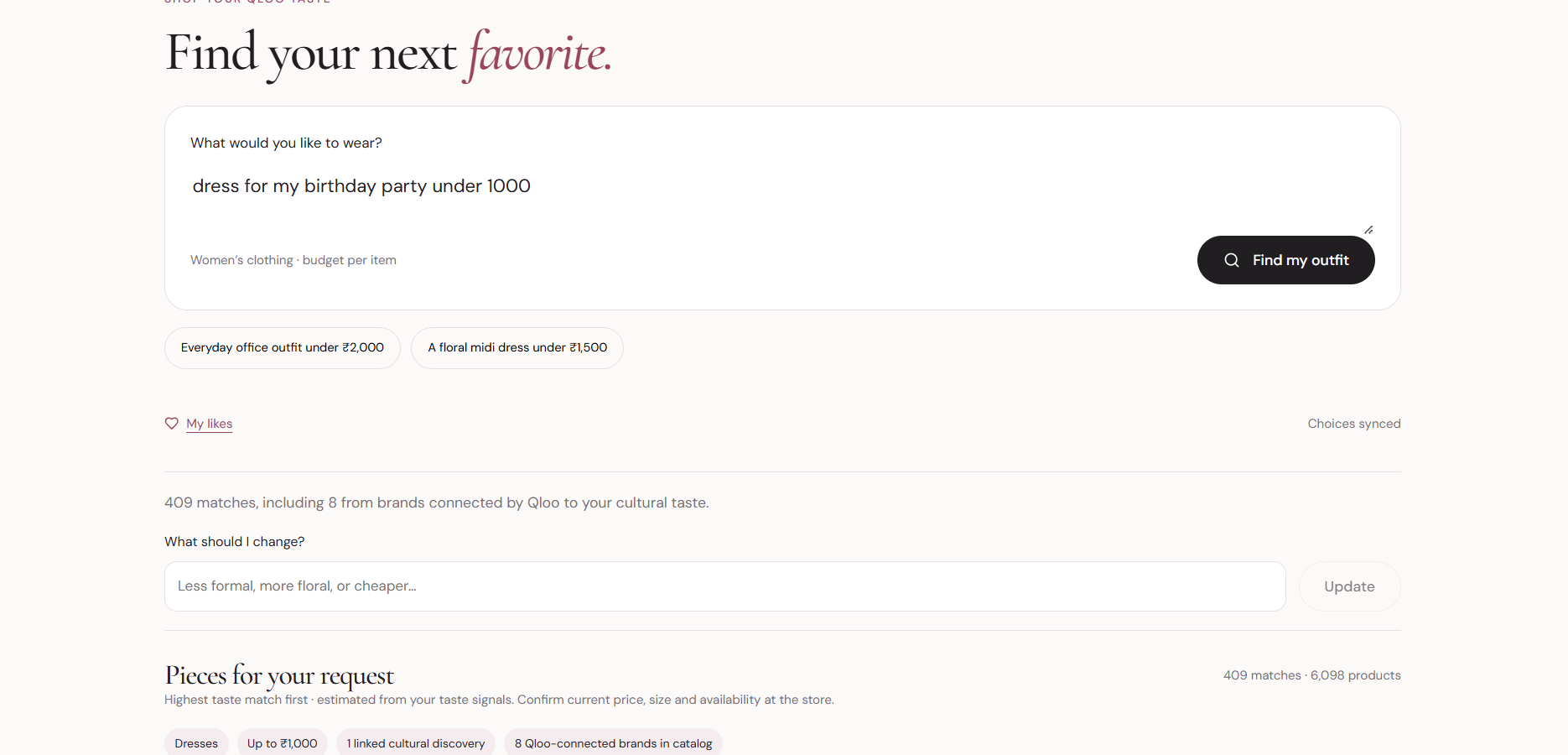
Tell Muselly what you’re shopping for. Add an occasion, budget and preferences in your own words.
-
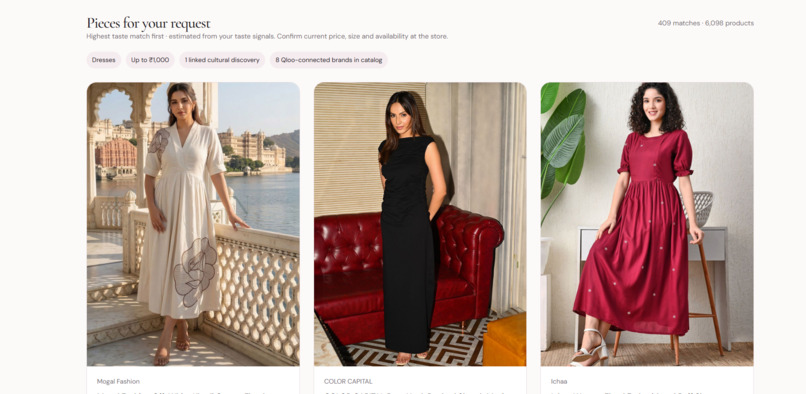
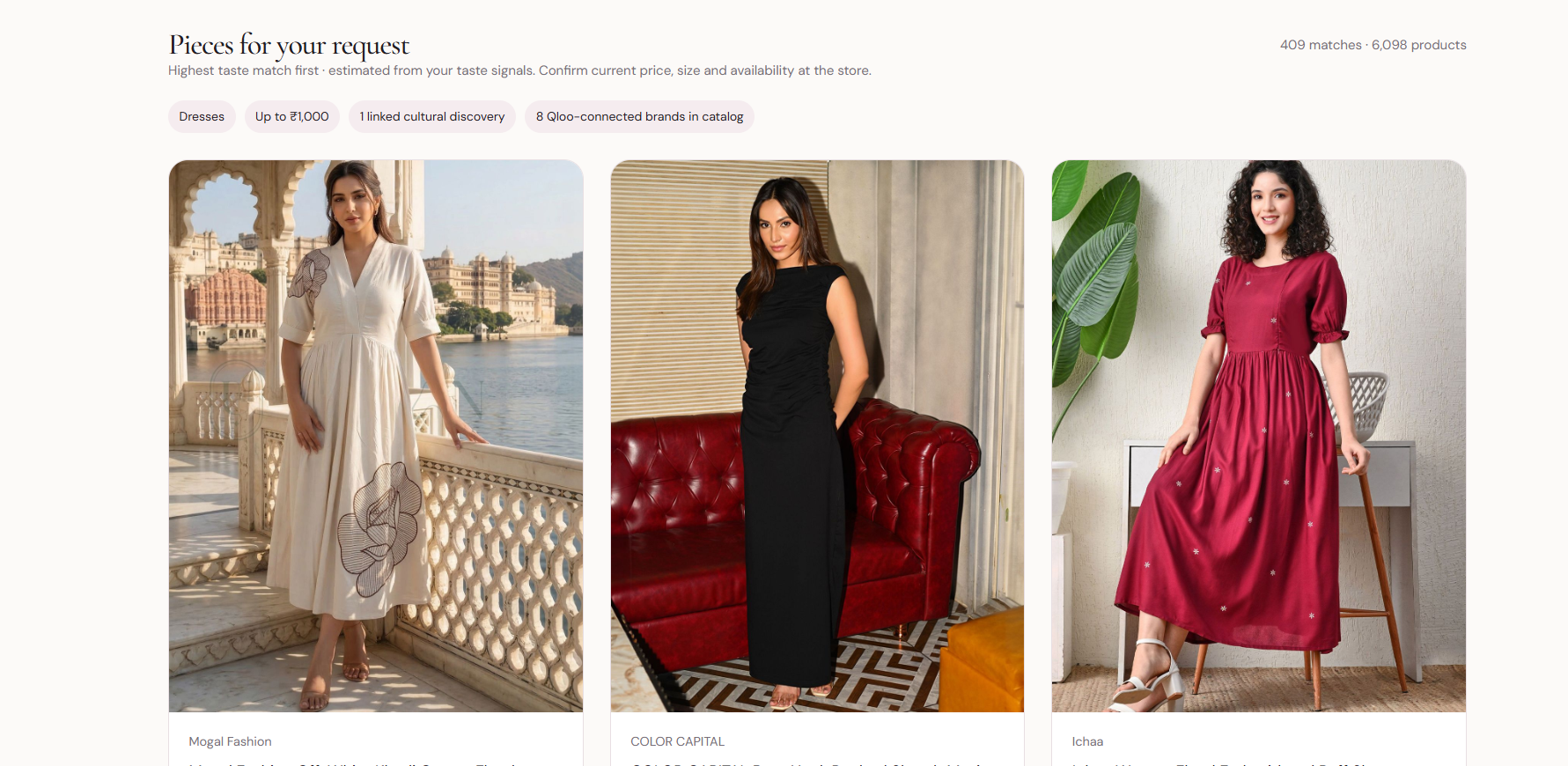
Explore real products matched to your request and saved taste. Refine the results, save favorites and visit the retailer.
-
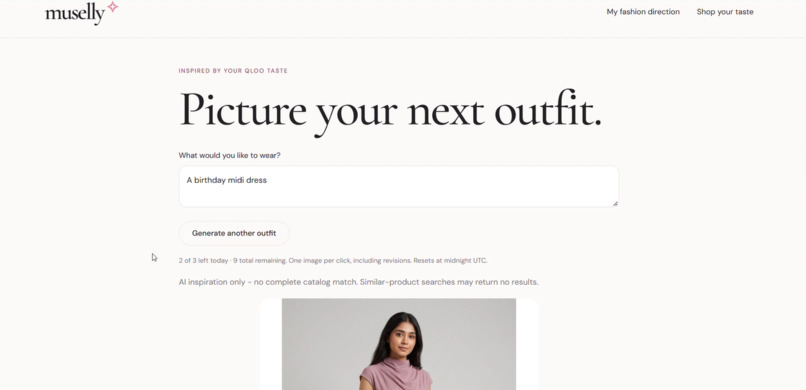
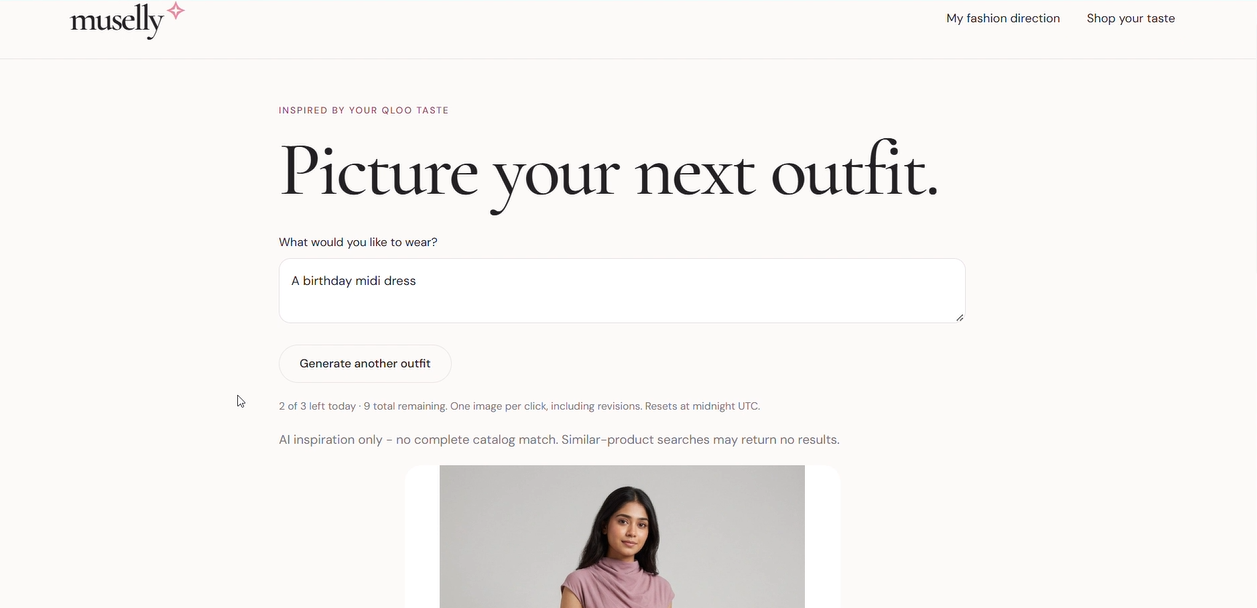
Turn your taste into an outfit—AI-generated inspiration shaped by your references, feedback, and Qloo cultural connections.
-
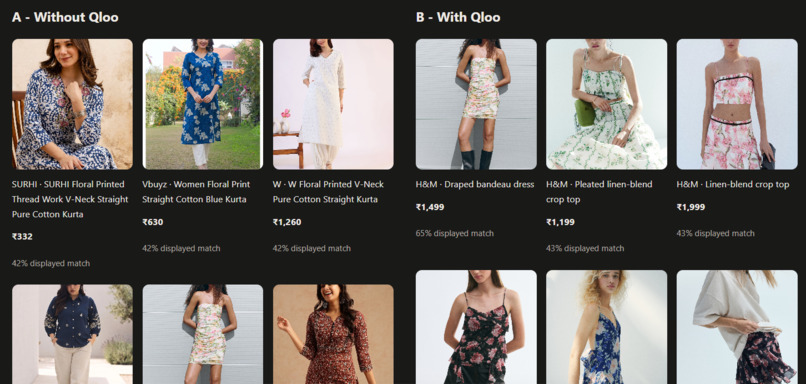
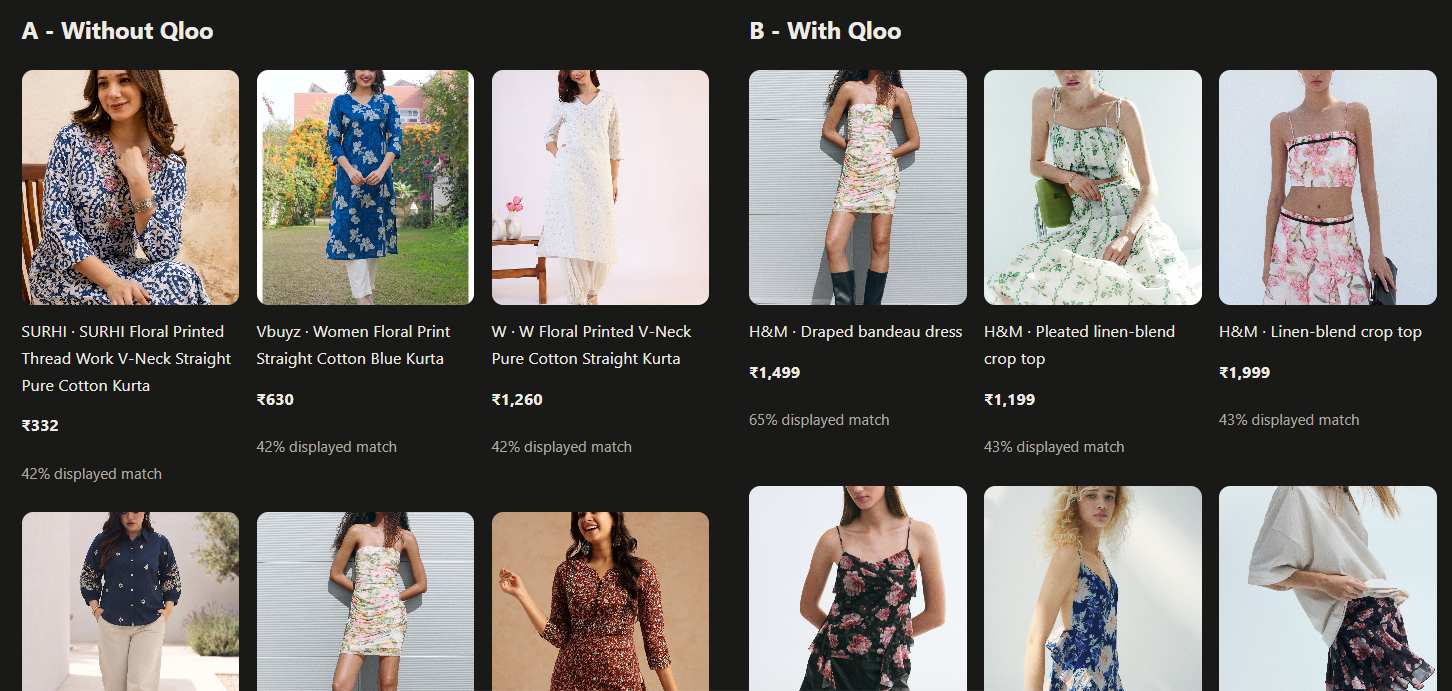
Same request, different rankings: compare results with and without Qloo’s cultural brand connections.
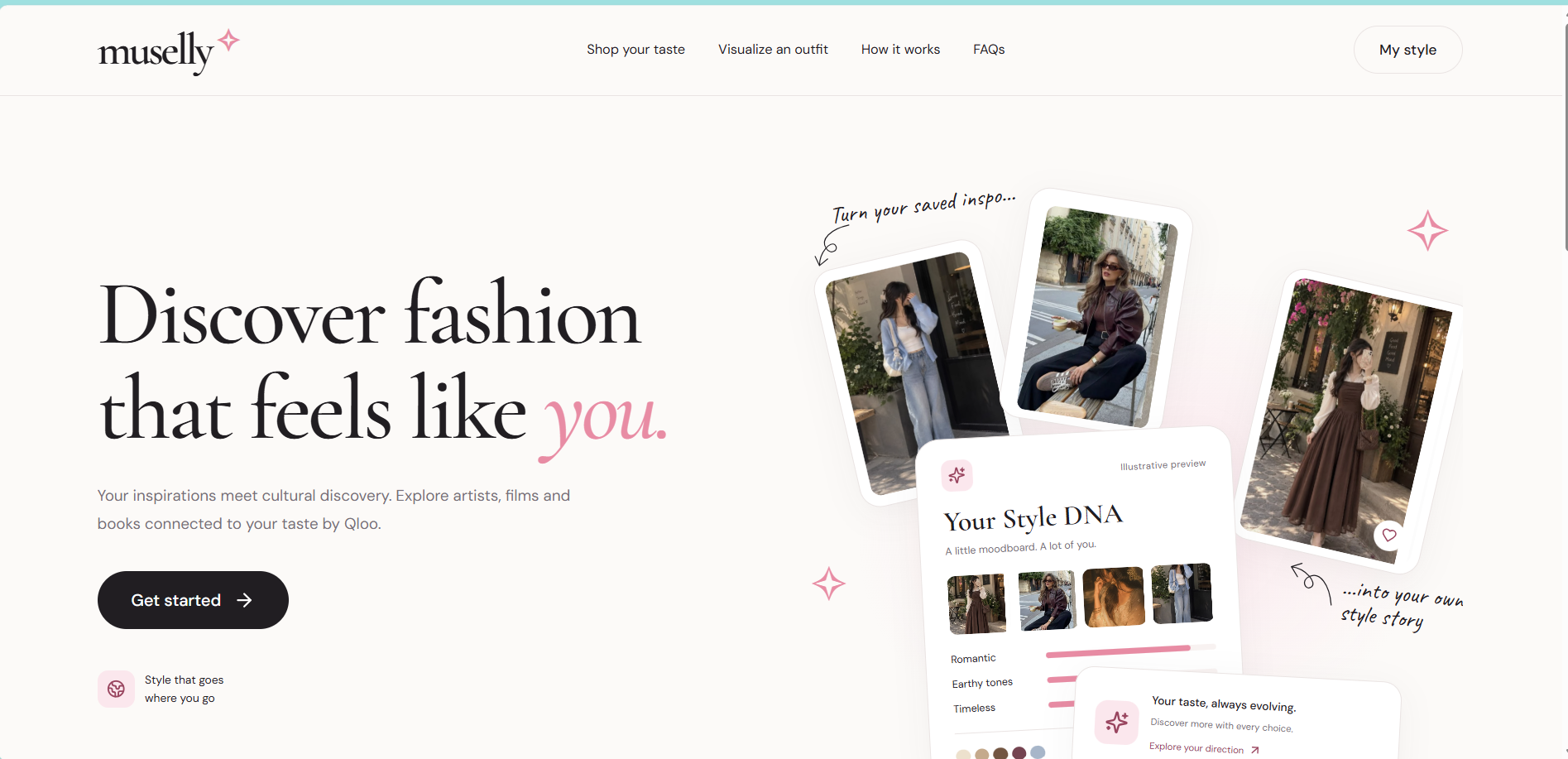
Inspiration
I often see an outfit I love and think, “Why can’t I find clothes like that?” I recognize my taste when I see it, but describing it or discovering something new is harder.
Image search helps find similar clothes. I wanted something that could answer a different question: “What else might I love that I don’t know how to search for?”
That became Muselly: a product I wanted to use myself. Throughout development, I kept asking: if I wasn’t satisfied with the recommendations, how could I expect a customer to be?
What it does
Muselly connects personal inspiration, cultural taste, and fashion discovery.
Users begin with a questionnaire and reference images. They can explore color and pattern analytics, discover music, films, shows, and books through Qloo, and give feedback on each discovery.
When a discovery inspires their fashion, they can explain why in a short note—for example, “I like the floral prints, soft colors, and relaxed clothing.” This lets the customer establish the connection instead of assuming that liking a film means liking its costumes.
Users can describe an outfit in English, such as “An everyday office outfit under ₹2,000.” Muselly searches 6,098 saved products from Myntra, AJIO, Nykaa Fashion, and H&M India, ranks suitable pieces, and provides direct retailer links.
The shopping agent follows Understand → Consult Qloo → Search → Evaluate → Refine. It can expand its Qloo search, diversify suitable results, or identify a gap when a request cannot be satisfied. Users can steer it with corrections such as “less formal, more floral” or “cheaper and without red.”
Users can also visualize an outfit before searching for it. Gemini generates an outfit image guided by their request, saved preferences, feedback, and Qloo brand affinities. They can revise it with instructions such as “keep the trousers, change the top,” then choose Find similar pieces to search for individual garments.
Generated outfits have I like this and Not for me controls, with optional reasons such as color, shape, or overall style. These choices guide future outfit generation without automatically changing cultural preferences. Generated images are inspiration; available products may differ.
Qloo is the cultural intelligence layer: it powers cultural discovery and supplies brand affinities for personalization. Customer requests, budgets, and corrections take priority.
How we built it
I built the interface with React, the backend with FastAPI, and used Supabase for authentication, database storage, and private inspiration images.
Gemini interprets shopping requests, analyzes reference images, and generates outfit previews. Qloo connects supported interests to cultural discoveries and brand affinities. The shopping agent combines these tools with catalog search and ranking.
I used Apify to prepare the catalog and checked product metadata, prices, links, and images. Shopping searches use this saved catalog rather than scraping on every request. Customers confirm current prices, sizes, and availability at the retailer.
Cultural and product feedback saves locally and syncs in the background. Generated outfits and their feedback are saved privately in the database. Image generation has backend-enforced allowances of three images per day and ten total per user, including revisions.
Challenges we ran into
My biggest struggle was making recommendations feel like my taste. Early results sometimes included men’s or children’s clothing despite my questionnaire answers. Relevant brands could also be too expensive. I had to separate basic eligibility requirements from personalization.
The agent initially gave brand affinity too much influence. I revised the priorities so customer requests and corrections come first, while Qloo personalizes suitable options.
Catalog collection was less straightforward than expected. Some scrapers returned empty or unrelated results, and I had to work within a limited collection budget.
Tested requests with and without the agent and Qloo to understand their contributions.
Outfit generation introduced another problem: an attractive image could describe details that the catalog could not match. Searching separately by garment, color, and budget made similar product searches more useful.
Accomplishments that we're proud of
- Built a working journey from taste onboarding and cultural discovery to personalized shopping.
- Made Qloo part of cultural discovery, shopping personalization, and outfit-generation context.
- Added a shopping agent that responds to corrections while preserving explicit constraints.
- Created outfit previews that users can revise and use to find similar clothing.
- Connected saved outfit likes, dislikes, and reasons to future generation.
- Made cultural and product feedback responsive and persistent across reloads.
Most importantly, Muselly became something I could test, question, and improve through my own experience as a customer.
What we learned
Taste needs to be learned with the customer, not declared about them.
Liking an artist does not automatically establish a clothing preference. A relevant brand does not guarantee a suitable item. More products do not automatically mean better recommendations.
I learned to keep cultural connections, visual evidence, explicit requirements, and feedback distinct—and combine them carefully. A dislike should not become a blanket rejection of every feature in an outfit.
I also learned that small interactions matter. An immediate response to a choice, a saved correction, or the ability to explain why something feels wrong can make the experience more useful.
What's next for Muselly
My next priority is testing with more people to understand whether recommendations feel personal and whether corrections bring results closer to their taste.
I want to move beyond saved catalogs and connect Muselly to live retailers around the world, helping customers explore more fashion with current prices, sizes, and availability.
I also want to improve the connection between generated outfits and purchasable pieces, and make recommendation explanations clearer.
The goal remains the same: make finding something that feels like you easier and less dependent on luck. And there is still much more work and refinement that needs to be done to make user experience more relatable and personlized.
Try Muselly
Built With
- apify
- fastapi
- gemini
- javascript
- pillow
- postgresql
- python
- qloo
- react
- sqlalchemy
- supabase
- vite


Log in or sign up for Devpost to join the conversation.