About the Project — Muse
Inspiration
Buying physical art is deeply emotional, yet often intimidating. Many buyers struggle to understand whether an artwork fits their taste, space, or budget, while emerging artists find it hard to communicate the meaning and context behind their work in online marketplaces.
This gap between art discovery and confident ownership inspired Muse. We wanted to explore how AI could act as a digital curator—not to replace human taste, but to guide, explain, and support better decisions in the physical art marketplace.
What We Built
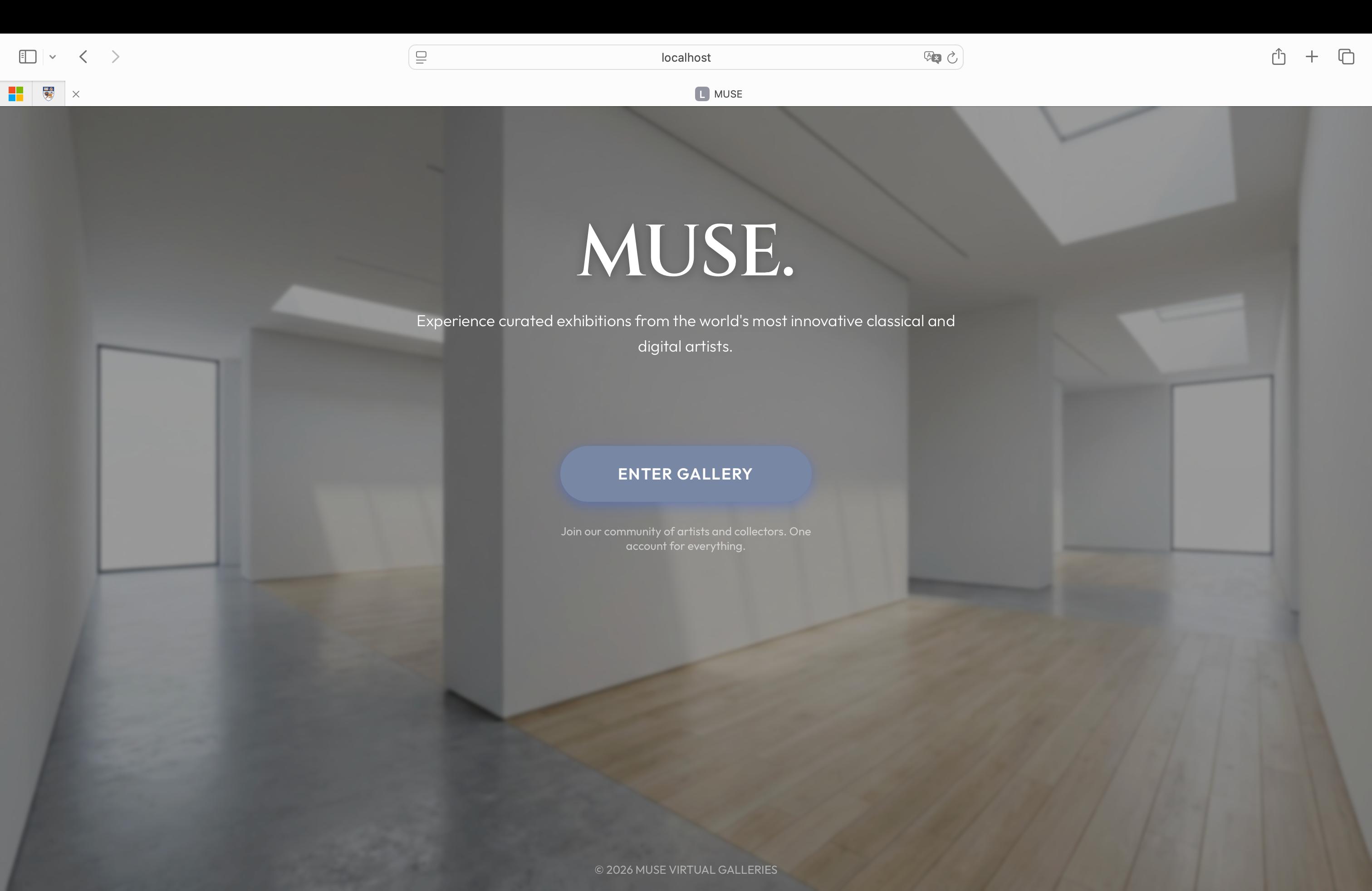
Muse is an AI-powered virtual art experience focused on clarity and confidence.
Buyer Experience
- Buyers answer a short preference quiz (style, mood, budget, space).
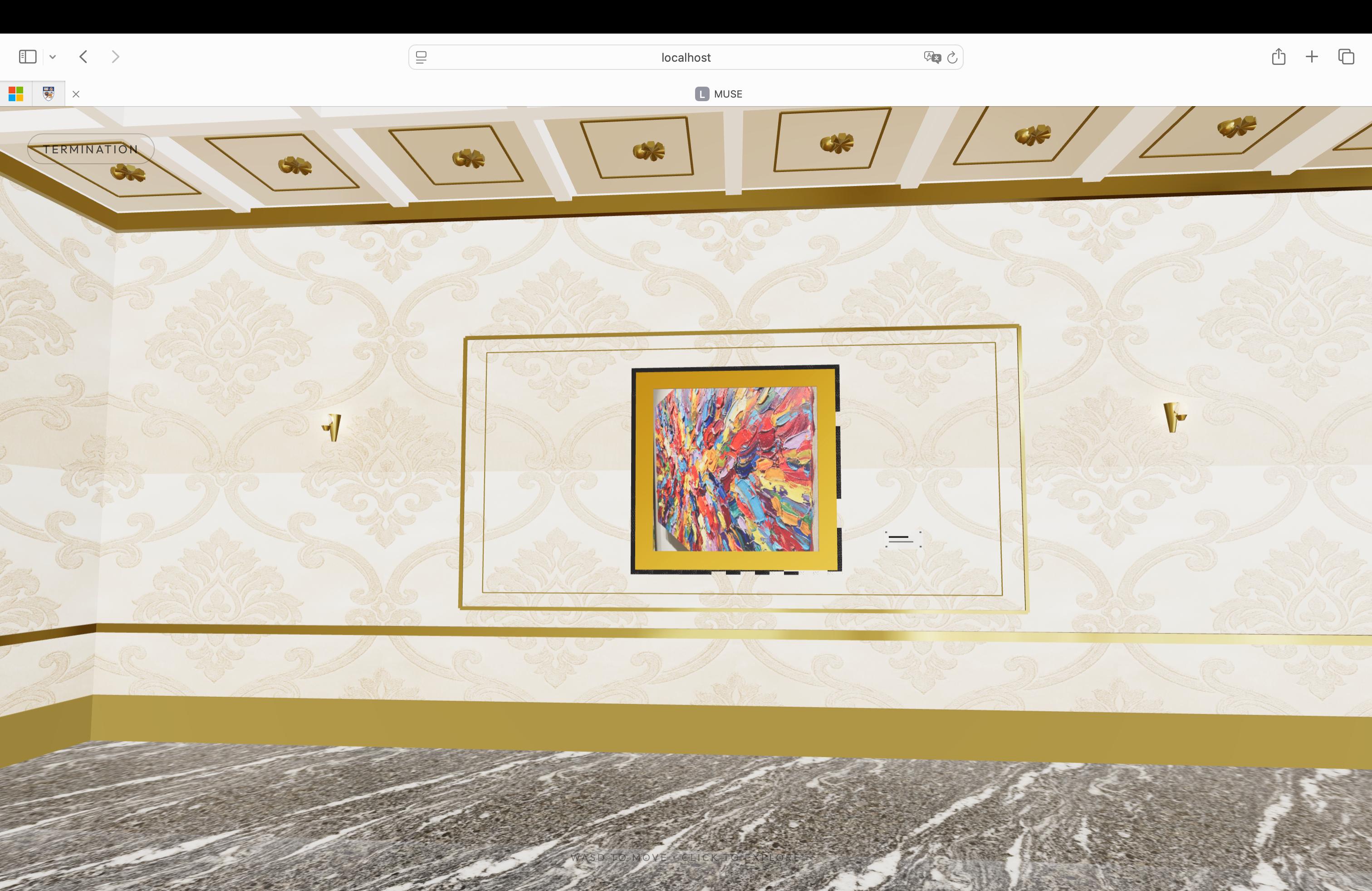
- A personalized virtual gallery presents the top 4 most suitable artworks.
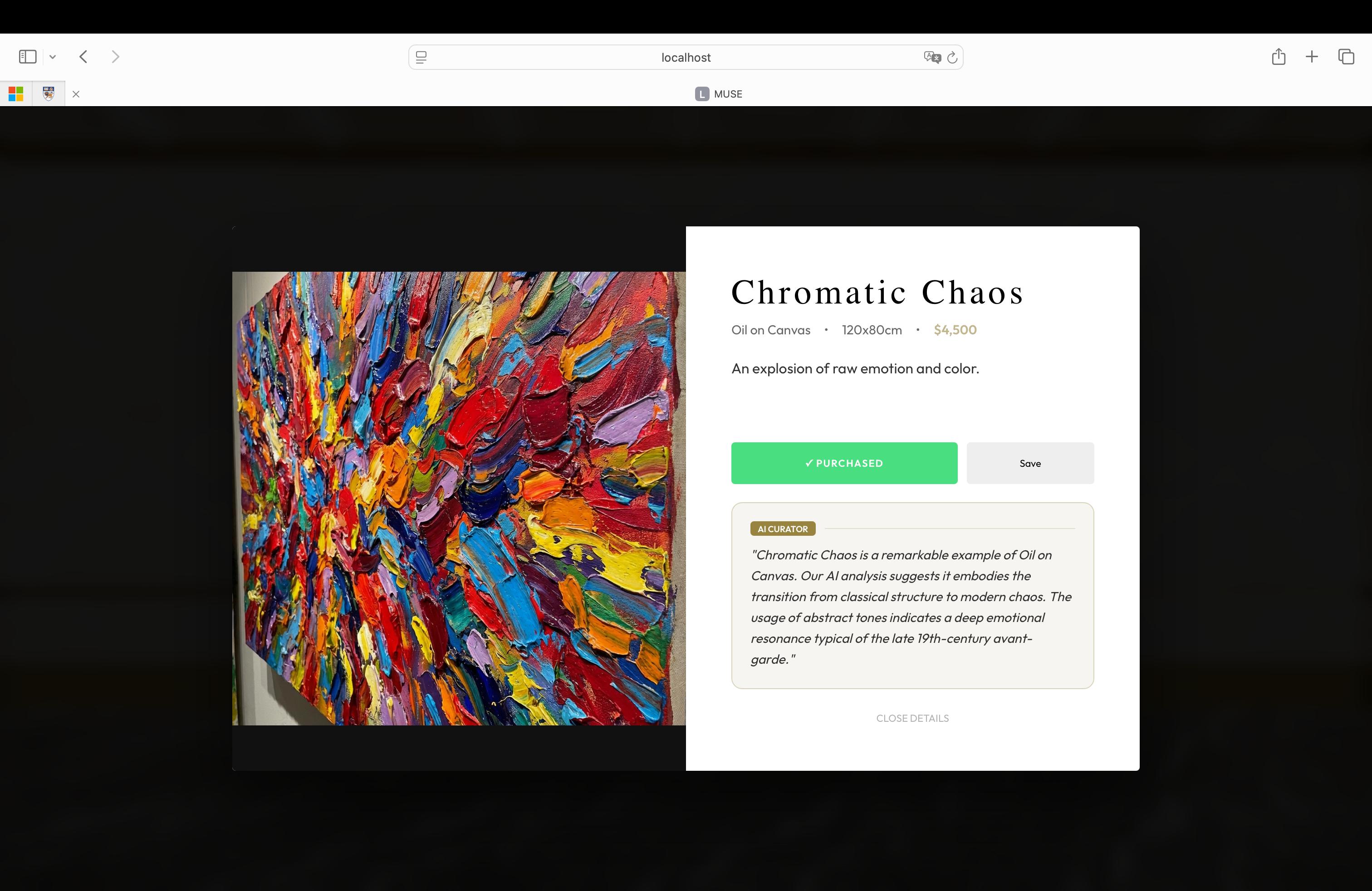
- An AI Buddy explains why each artwork fits, suggests placement, and supports decision-making.
- Buyers can compare artworks side by side, gaining structured guidance.
- Artwork stories are enhanced through text-to-speech narration.
Artist Experience
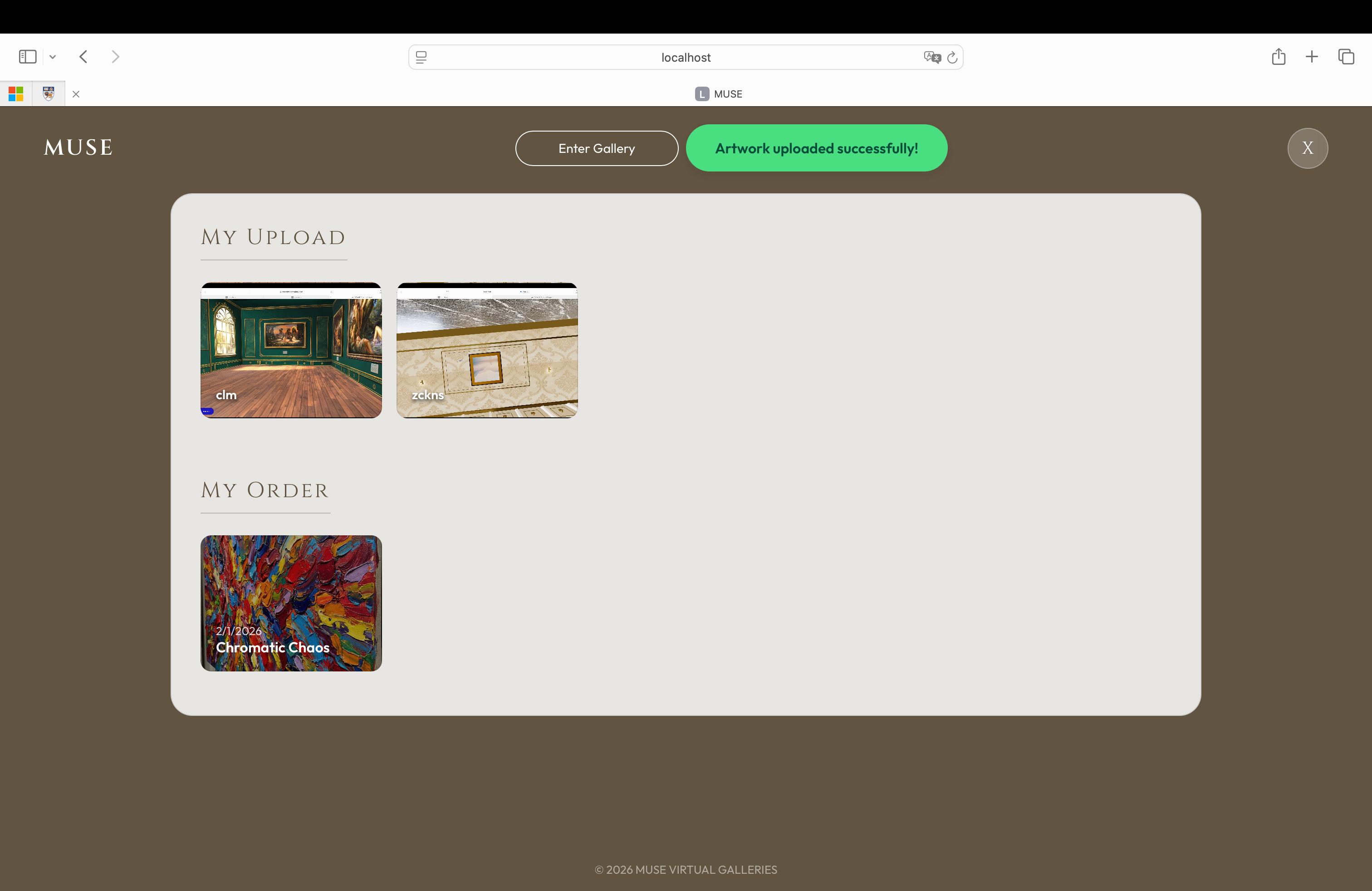
- Artists upload their artworks as usual.
- AI visually examines the artwork description and suggests standardized tags.
- Artists remain in control by approving or editing all AI suggestions.
How We Use AI
Muse uses a hybrid AI approach designed for reliability and trust. Rule-based logic is used first to filter artworks based on user preferences such as style, mood, budget, and space. This ensures consistent and explainable results. AI reasoning is then applied where it adds the most value:
- curating the final selection,
- explaining why an artwork fits a buyer,
- comparing artworks side by side, and
- analyzing artwork descriptions to suggest tags for artists. By separating filtering from reasoning, Muse ensures that AI enhances understanding and confidence, rather than acting as a black box. AI interprets the shortlisted artworks into a coherent, human-centered experience, similar to how a real curator would guide a buyer in a physical gallery.
What We Learned
We learned that AI is most effective when it supports understanding rather than automating decisions. Clear explanations and comparisons build more trust than recommendations alone, and giving artists control over AI outputs is essential for ethical adoption.
How We Built It
Muse is built using a modular architecture:
- Interactive virtual gallery frontend
- Backend for artwork data and sessions
- AI service for curation, vision-based tagging, explanation, comparison, and text-to-speech
Caching and fallback logic ensure stability during live demos.
Challenges
Key challenges included balancing AI assistance with human control, designing explainable outputs, and maintaining system reliability under time constraints. These challenges shaped Muse into a practical and responsible AI-driven solution.
Looking Forward
Muse demonstrates how AI can transform the physical art marketplace by curating, explaining, and empowering confident human decisions—without replacing creativity or taste.

Log in or sign up for Devpost to join the conversation.