-
-
-
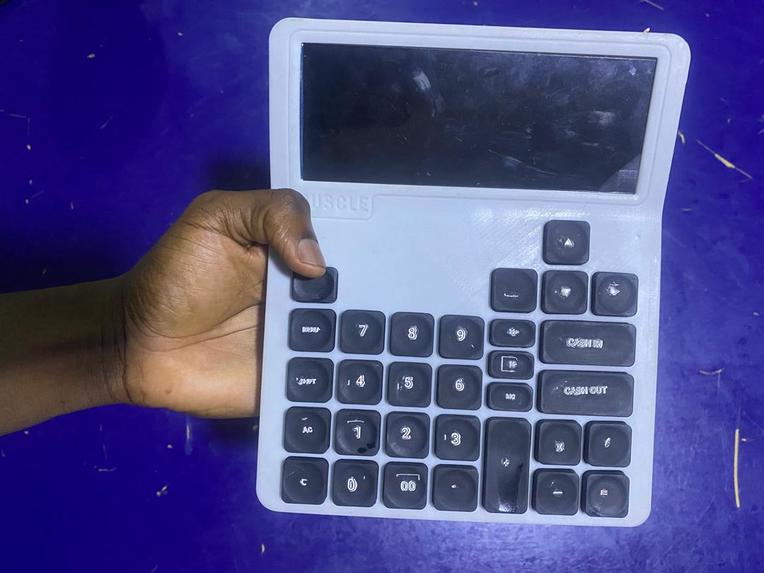
Potable, battery powered POS device
-

Field test
-
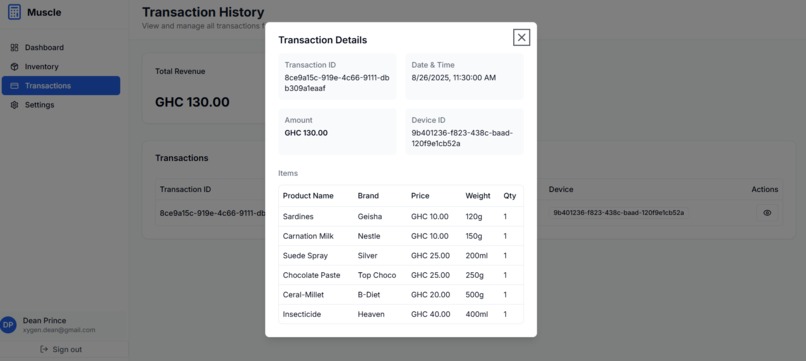
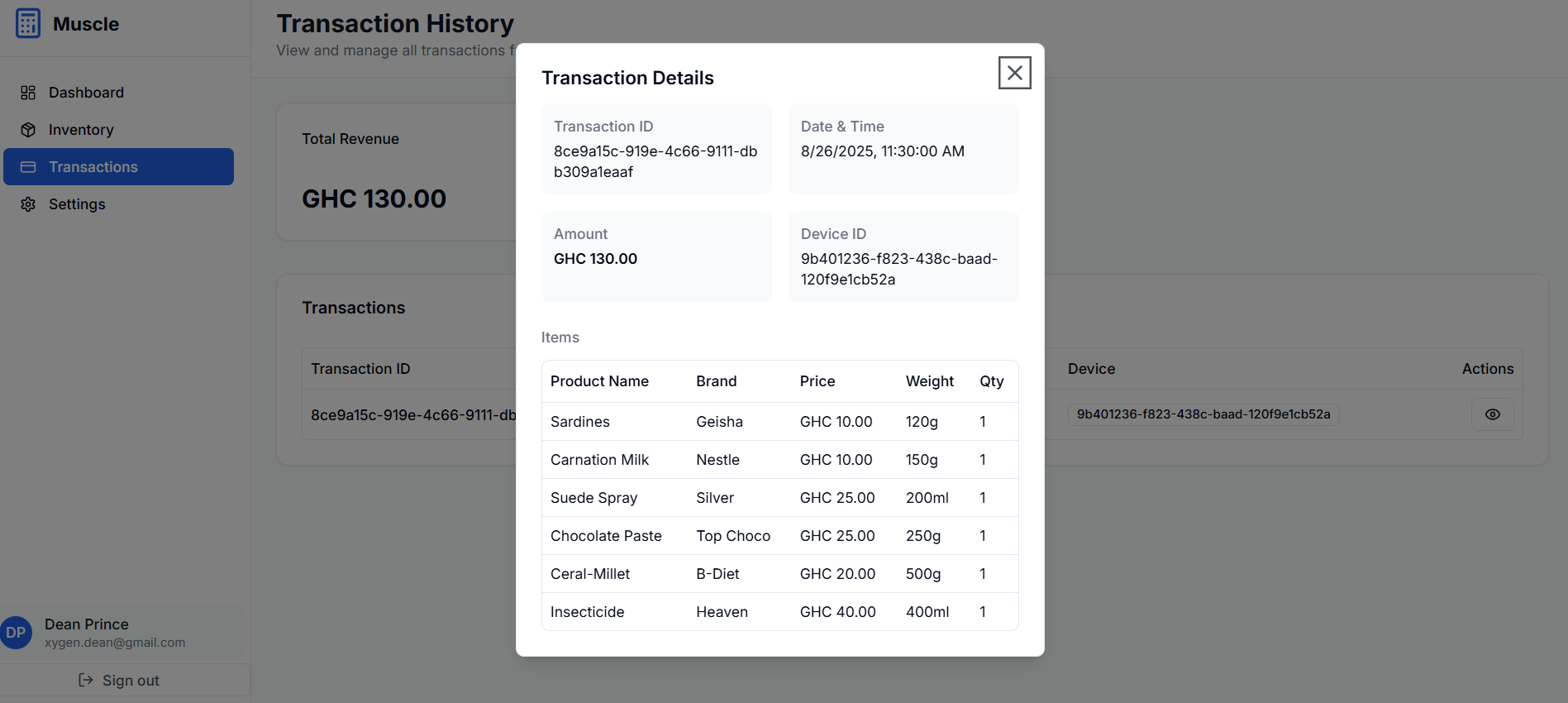
web application view

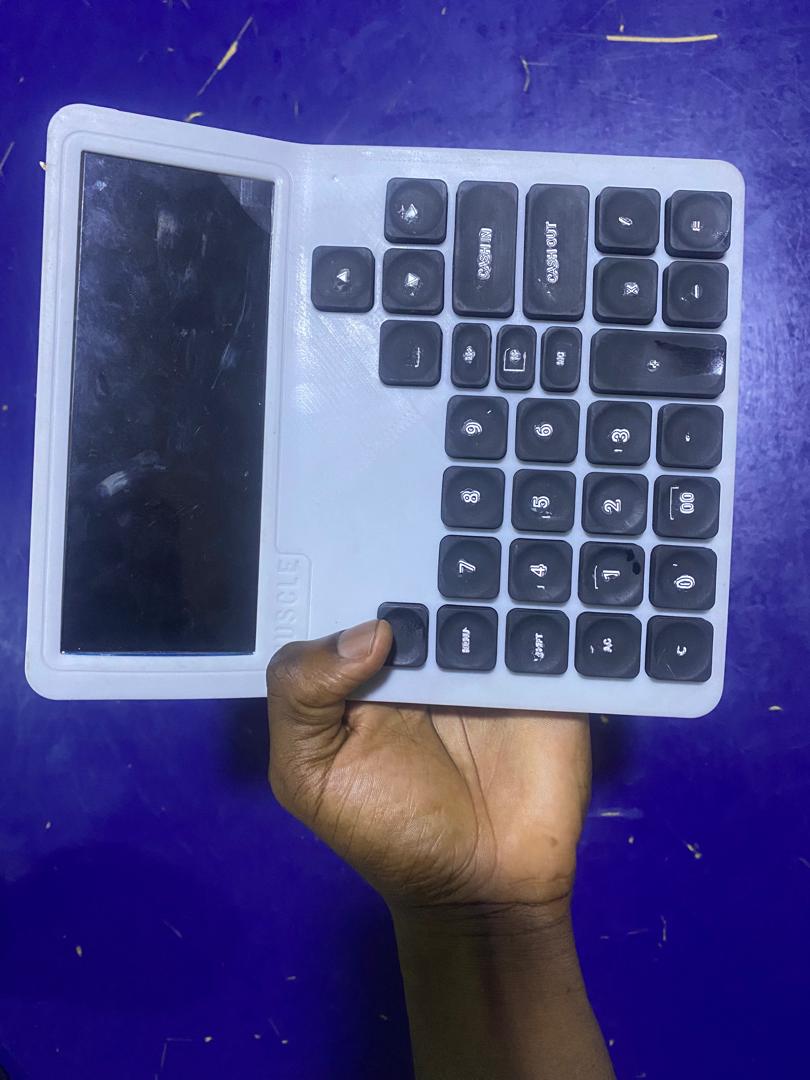

Muscle POS - Transforming African Retail
Inspiration
"Make sure you write down everything that was bought today. Don't forget. And don't touch any money that isn't yours." As a young boy helping at my auntie's shop, these words carried the weight of her livelihood. Armed with just a worn notebook and stubby pencil, I struggled daily with manual calculations, forgotten items, and the constant fear of disappointing her when the numbers didn't add up. This childhood experience revealed a continent-wide problem: millions of small African retailers still rely on handwritten records, leading to errors, lost revenue, and frustrated customers. While large enterprises use sophisticated POS systems, these solutions are bulky, expensive, and unsuitable for Africa's unique constraints of intermittent power, limited internet, and tight budgets. Muscle POS was born from this lived experience - turning a child's struggle into a solution that empowers the next generation of African entrepreneurs.
What it does
Muscle POS is a handheld, potable and battery powered device that revolutionizes small retail operations across Africa. Our solution transforms the checkout experience through:
Core Functionality:
- Barcode scanning with instant product recognition and pricing
- Real-time inventory tracking and automatic stock updates
- Transaction processing with automatic total calculations
- Sales analytics through companion web application app
How we built it
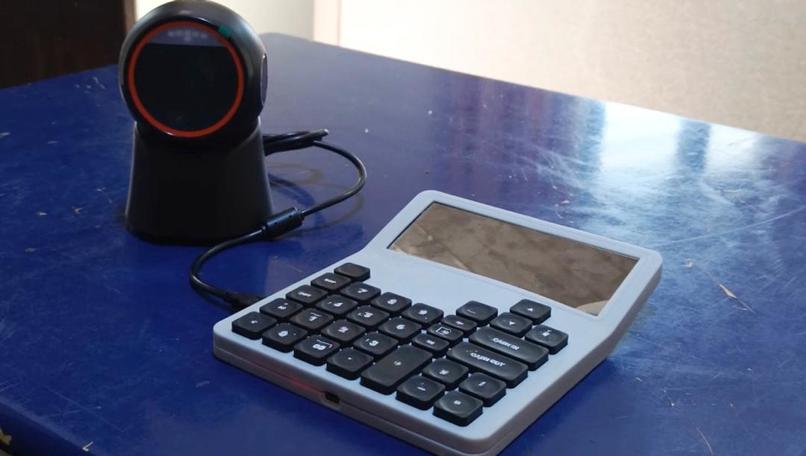
We developed a complete portable solution featuring a handheld device equipped with a barcode scanner, a 6.2-inch display, and a 5000mAh battery. At its core is custom microcontroller firmware integrated with an embedded SQLite database to ensure full offline functionality. This device is complemented by a web-based application that provides cloud analytics and centralized inventory tracking.
The development process began with detailed requirements analysis, followed by hardware design and optimization tailored for field use. We then built and tested the firmware, ensuring seamless scanning, storage, and sync capabilities. The system was piloted in two shops, allowing us to gather real-world feedback. Iterative refinement—based on user input—helped us enhance reliability and usability, resulting in a solution capable of running all day on a single charge.
Challenges we ran into
One of the key challenges was power optimization. To achieve reliable all-day operation, we had to carefully select low-power components and implement effective power management strategies across both hardware and firmware. Designing an offline-first architecture was another hurdle—ensuring the device worked flawlessly without internet while maintaining smooth synchronization with the cloud when connectivity resumed required careful database design and sync logic.
We also faced constraints around manufacturing costs. Striking the right balance between professional-grade features and affordability—especially for small businesses. Finally, receipt printing integration emerged as a limitation during pilot testing. While core functionality performed well, integrating a seamless printing solution remains an area for future improvement to complete the end-to-end transaction workflow.
Accomplishments that we're proud of
During testing, we recorded a 92% improvement in transaction speed—reducing the time to log 10 items from 7–10 minutes down to just 30–50 seconds. Our successful pilot validation resulted in 100% shop owner satisfaction, with users reporting significant boosts in speed and efficiency. From a technical standpoint, we’re proud to have implemented a fully offline-capable system with seamless cloud integration and optimized power management that ensures uninterrupted all-day operation. Most importantly, this solution delivered real-world impact by digitizing manual, paper-based processes, bringing professional-level transaction management to small African retailers and SMEs.
What we learned
User feedback shaped our priorities—pilot testing highlighted features like receipt printing that became essential. Designing with an offline-first mindset proved critical for reliability in areas with limited power and internet. We also saw that simplicity drives adoption—a calculator-like interface was more effective than complex features. Lastly, we learned that early attention to manufacturing—especially injection molding costs—is key to building a scalable product.
What's next for Muscle
In the next 3–6 months, we’ll focus on finalizing the inventory management module and launching an advanced analytics dashboard. Over the 6–12 month horizon, our goals include integrating receipt printing, expanding pilot testing, and building manufacturing partnerships. Looking ahead to 1–2 years, we aim to optimize for mass production, expand into multiple West African countries, and partner with microfinance institutions to improve device accessibility for small retailers.
Built With
- amazon-web-services
- autodesk
- c
- c++
- iot
- kicad
- vscode


Log in or sign up for Devpost to join the conversation.