Inspiration
Health info is everywhere, but connecting the dots across wearables, labs, records, routines, and real life feels impossible. Even when you know what to do, following through feels like a second job. We built Murph to make health progress easier and less lonely. The name is a nod to Murph Cooper from Interstellar, the scientist who solves the gravity equation and saved humanity.
What it does
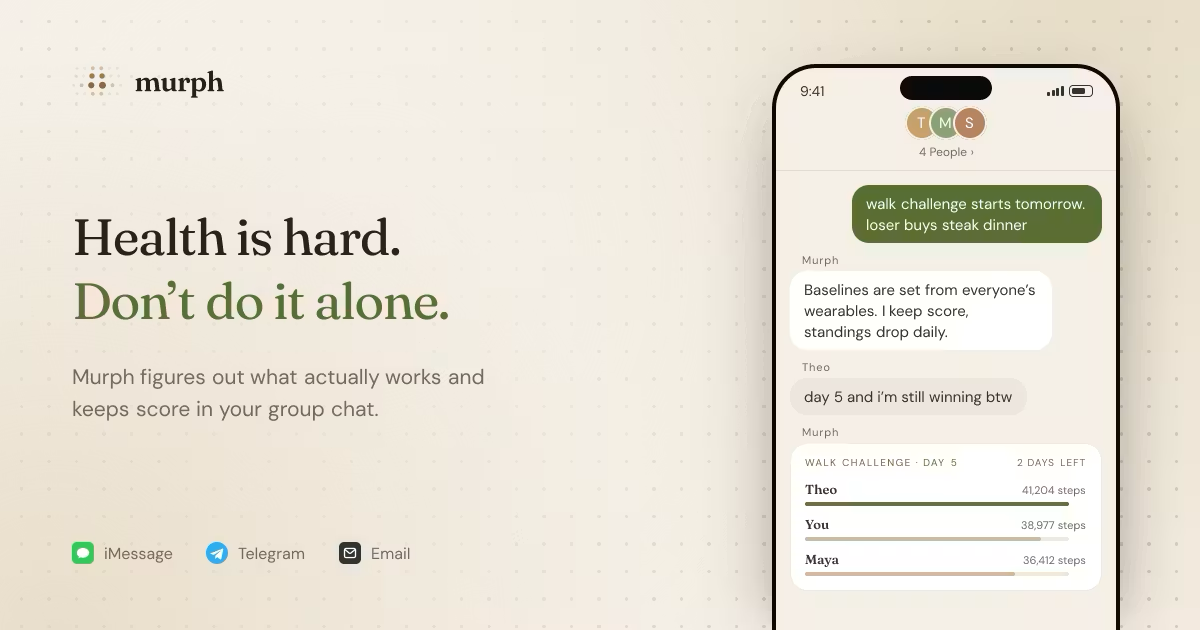
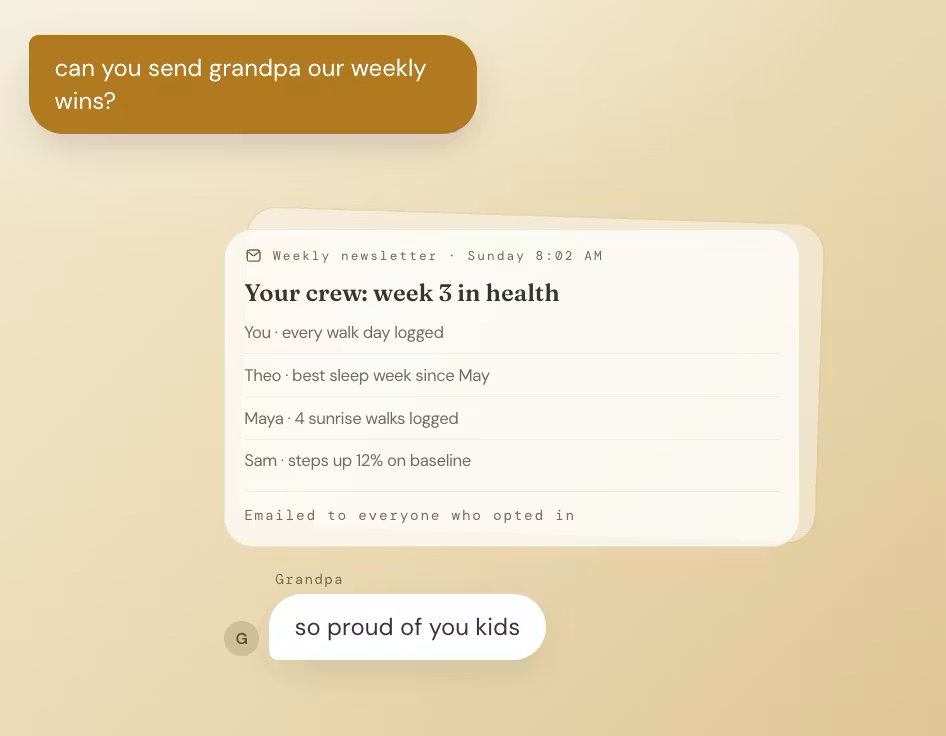
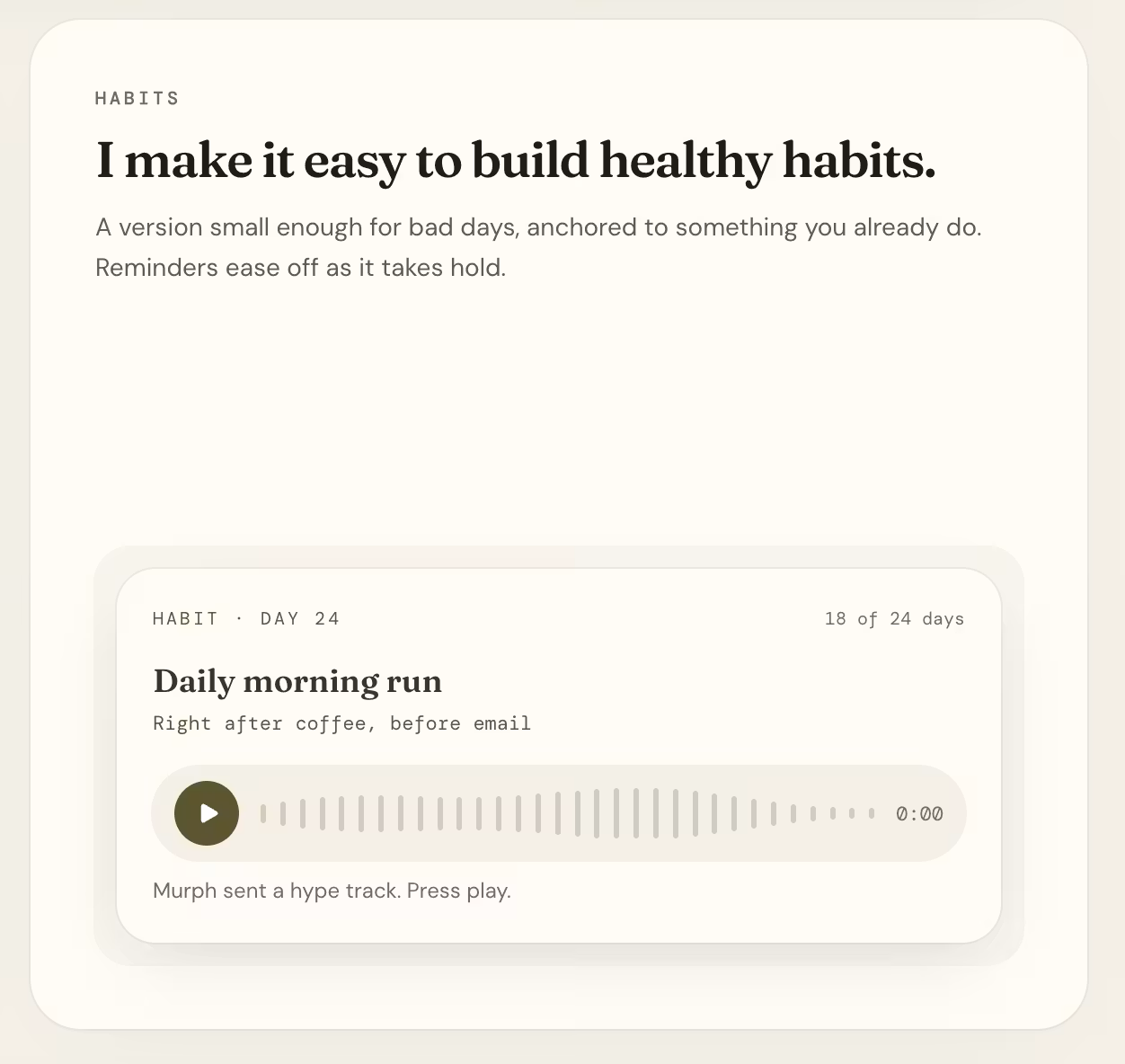
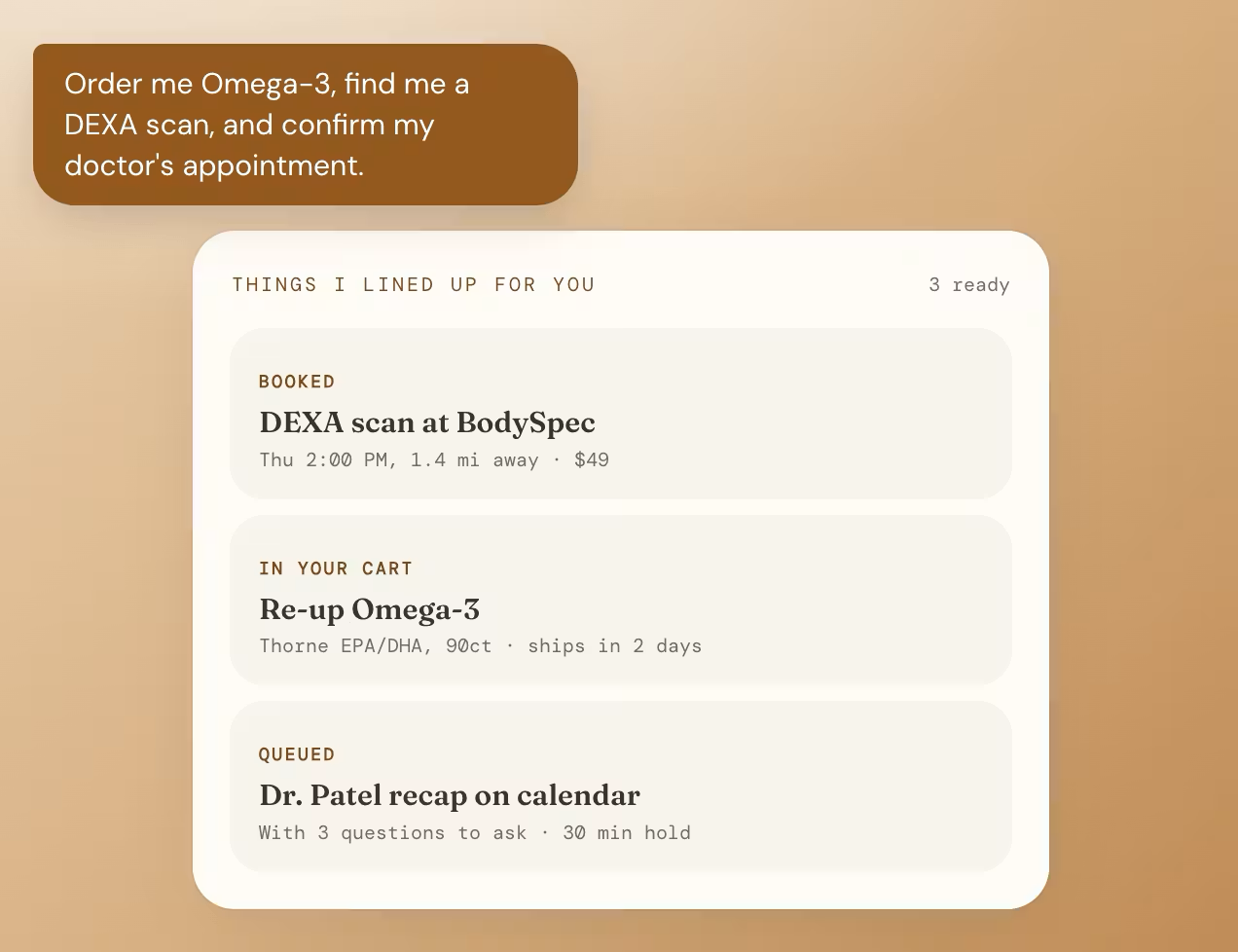
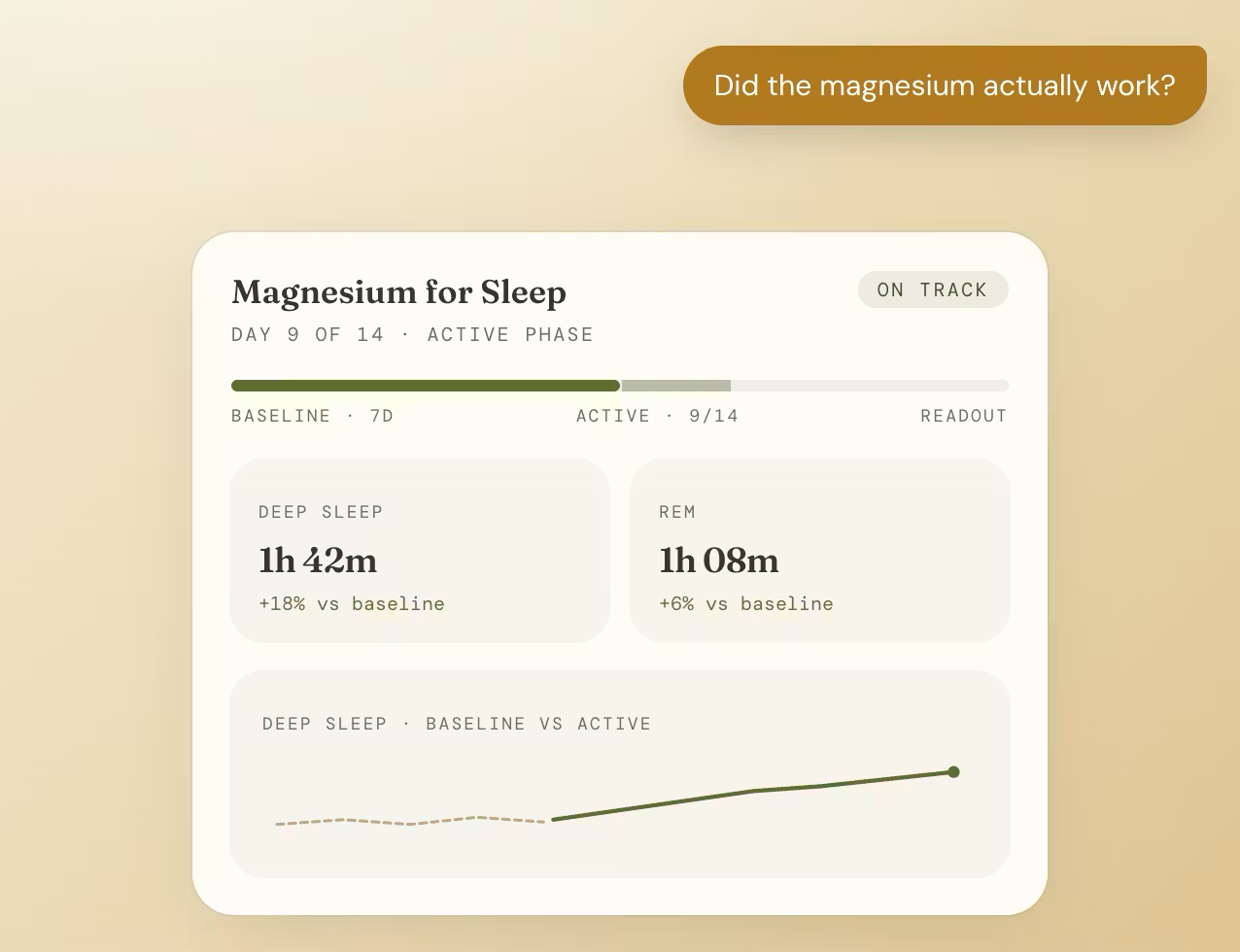
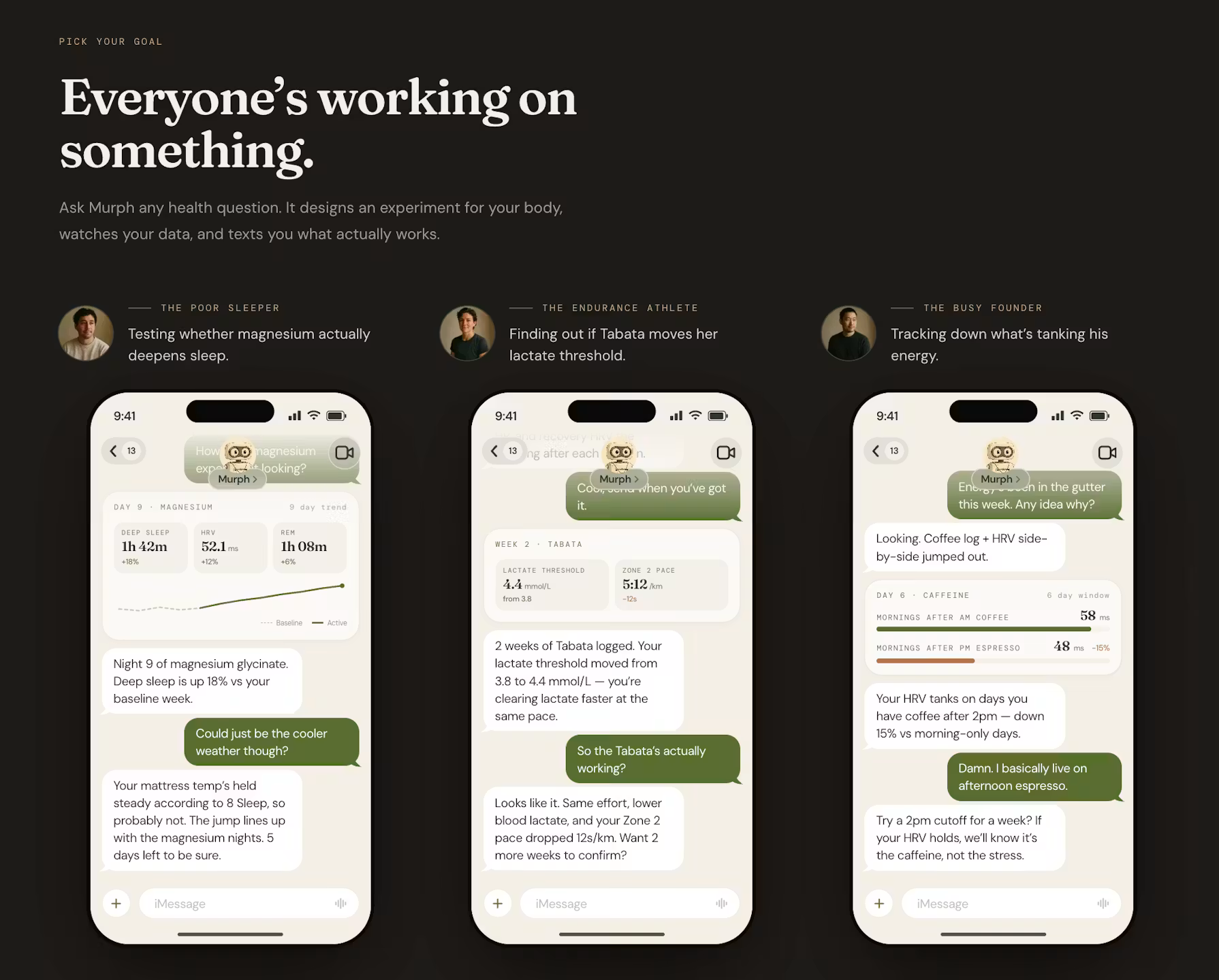
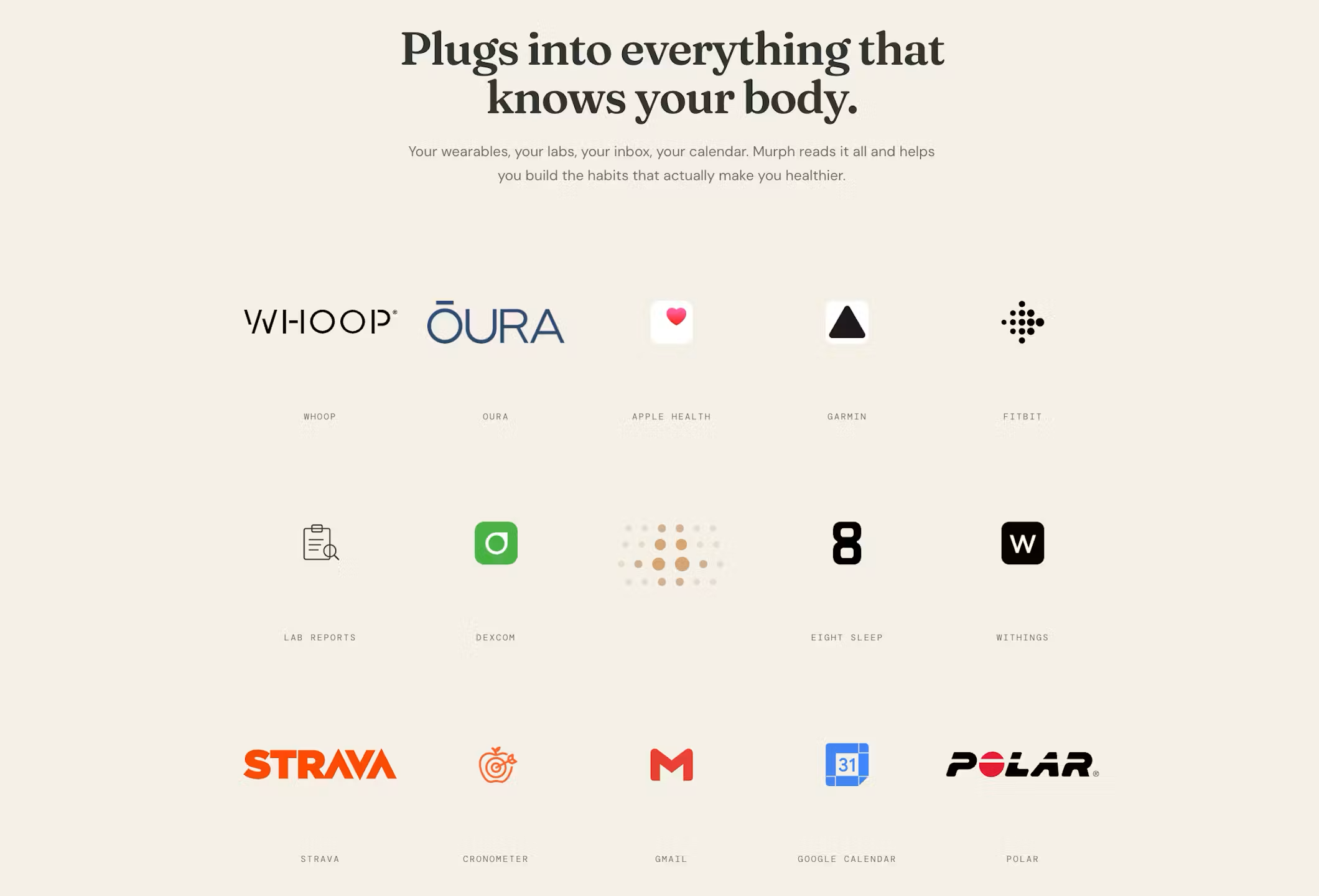
Murph is an open-source, private-by-default personal health assistant you can text through iMessage, Telegram, or email. It remembers your context, connects supported wearables, lab reports, and clinical records, answers questions, suggests next steps, and follows up proactively when you want it to. You can run health challenges with friends in a group chat, run personal experiments with Murph to learn what seems to work for you, or ask it to book appointments or order supplements on Amazon.
How we built it
We built Murph as a TypeScript system around a private, file-native health vault. Markdown keeps context human-readable, while append-only event logs preserve where every change came from. Next.js, Tailwind, Postgres, Temporal, Cloudflare, and Codex power the web app, integrations, and encrypted per-user agent workspaces.
What we shipped during Build Week
Murph existed before Build Week. From July 13–21, we used Codex and GPT-5.6 to push it from a conversational health assistant toward an agent that can gather evidence, act, and follow through.
- Automatic meal capture. We completed an opt-in iPhone pipeline that detects likely meals on-device, strips photo metadata, parses high-confidence meals, and keeps uncertain photos in a private Yes/No review queue.
- One-memo onboarding. A natural voice memo becomes structured private health context through three parallel Codex agents, while Murph stays responsive and asks only for important gaps.
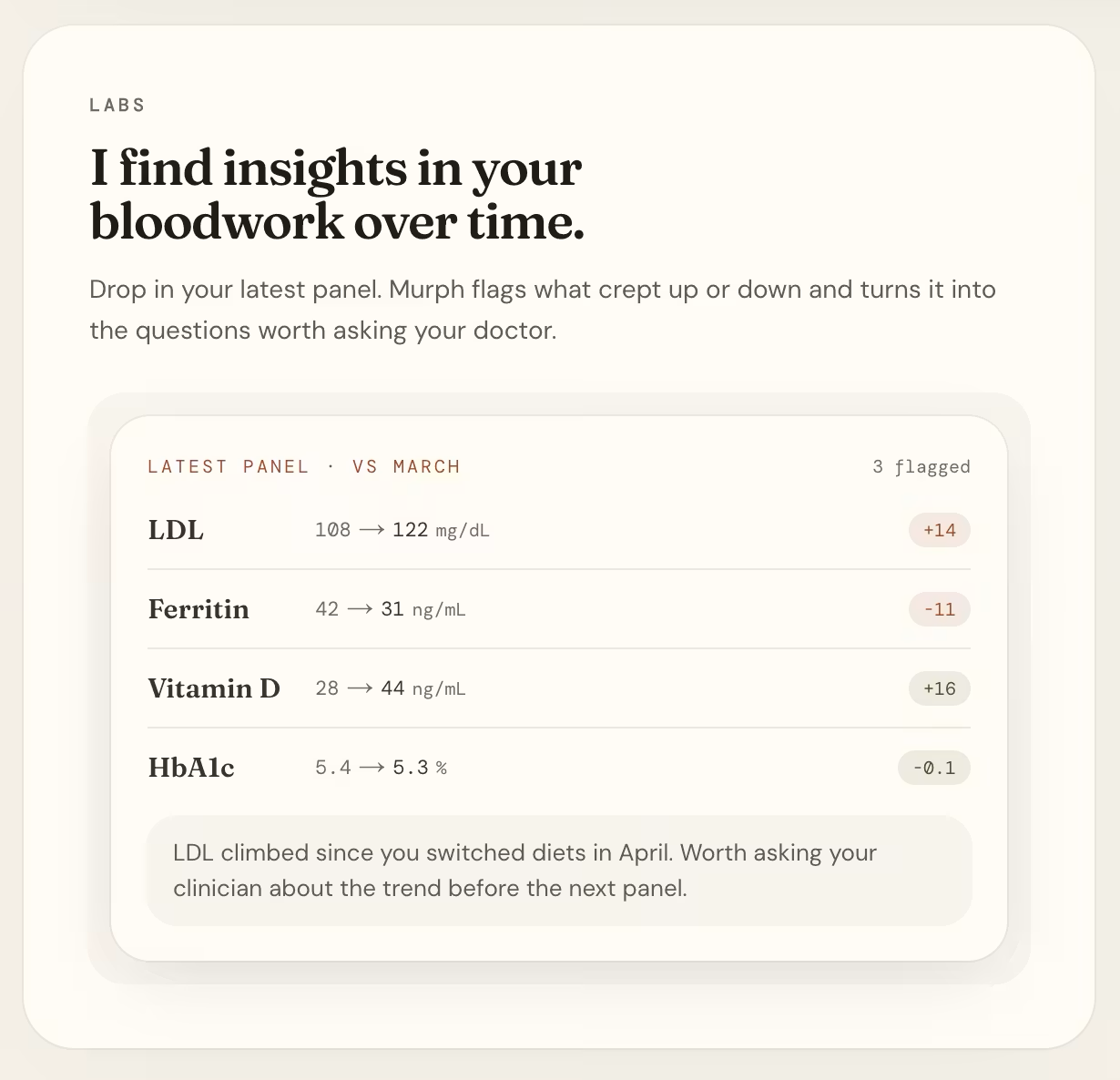
- Medical records, labs, and biomarkers. Murph can privately import supported Epic records, search current lab panels and nearby collection sites, and bring measured lab and wearable history into one honest view.
- Smarter group health. Private and group Murphs can collaborate within consent boundaries, while challenge standings distinguish real zeroes from missing permissions, stale syncs, and disconnected data.
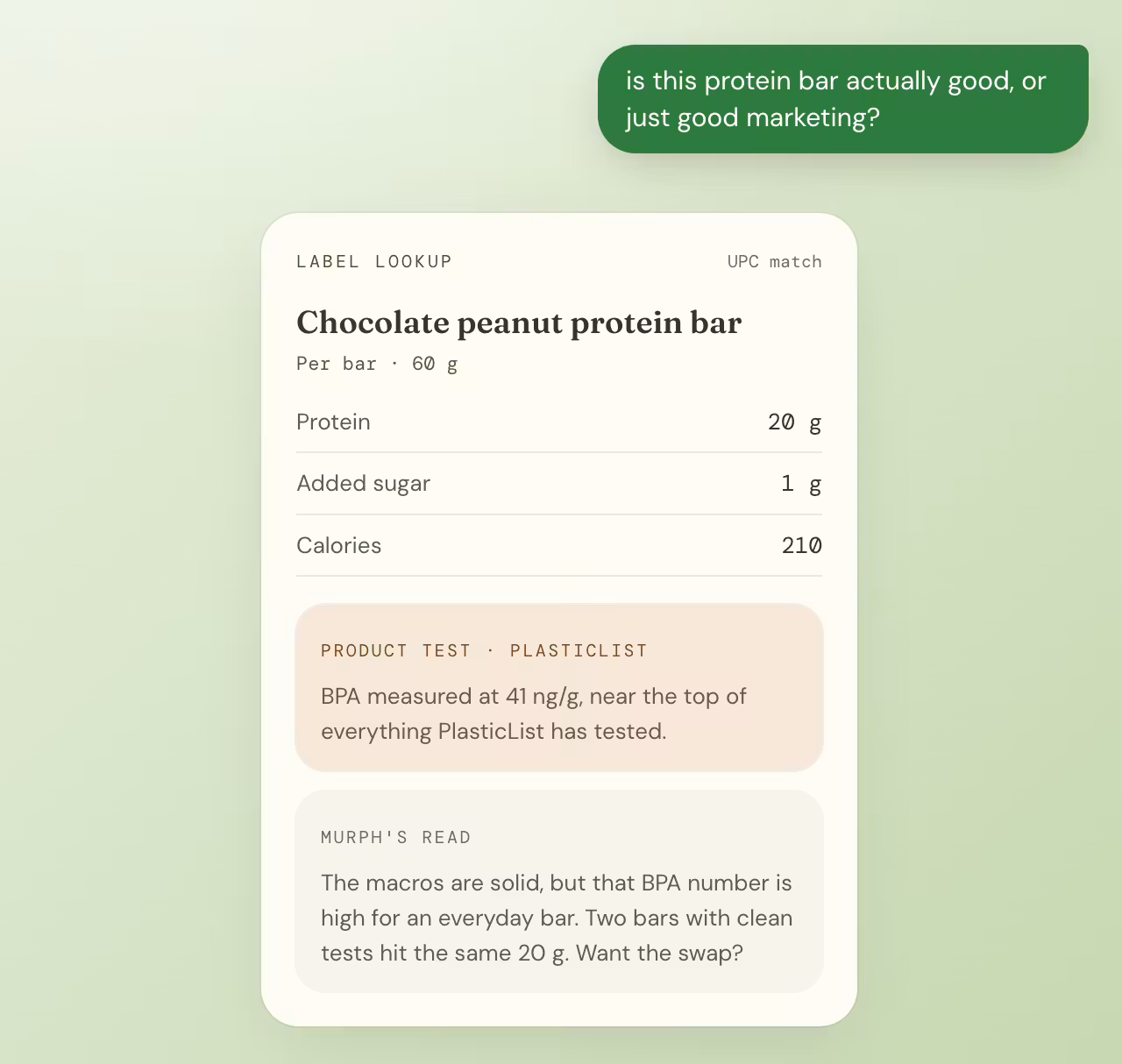
- Murph Safe. We launched public supplement and branded-food search that shows label contents, linked product tests, provenance, and what remains unknown—without pretending to certify products as safe or unsafe.
Challenges we ran into
The hard part wasn't getting AI to answer a health question. It was making Murph trustworthy enough to remember and act. Health data is messy, every provider means something slightly different, and retries across messages, calls, and syncs can create duplicate or stale actions. We had to preserve provenance, make actions retry-safe, protect private data, and make proactive check-ins feel useful instead of annoying.
Accomplishments that we're proud of
We're proud that Murph works end to end and in our own lives. It helped me run sleep experiments that improved my deep sleep, and I now do push-ups every day because skipping gets me roasted in a group chat. My dad is using it to help manage chronic-pain flareups from the side effects of cancer. We also open-sourced Murph under Apache 2.0, made it self-hostable, and shipped a companion app on the App Store.
What we learned
We learned that the fastest way to improve Murph is to use it ourselves, onboard people manually, and watch where real life breaks the plan instead of building from hypothetical feedback.
What's next for Murph
Next, we're onboarding more people, learning where Murph becomes useful and where it falls short, and tightening our core health improvement loop. We'll deepen data connections, real-world actions, experiments, and group challenges based on repeated demand, then automate only the bottlenecks we see. Long term, Murph will understand the whole picture and get quieter, more personal, and better timed as it gets smarter and knows more of your context.
Built With
- cloudflare
- codex-cli
- nextjs
- planetscale
- tailwind
- temporal
- typescript
- vercel


Log in or sign up for Devpost to join the conversation.