-
-
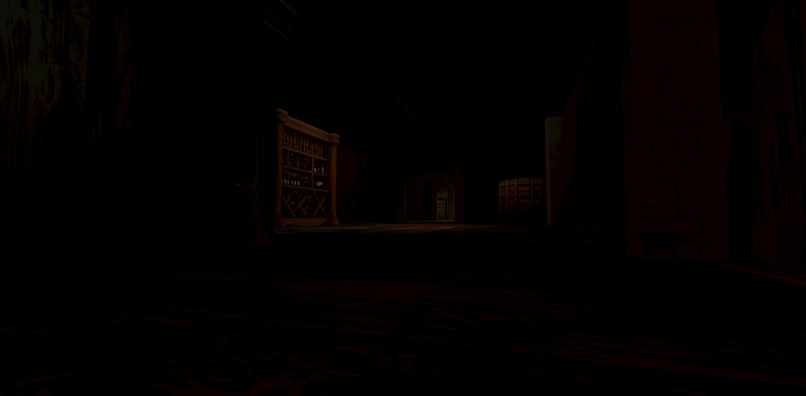
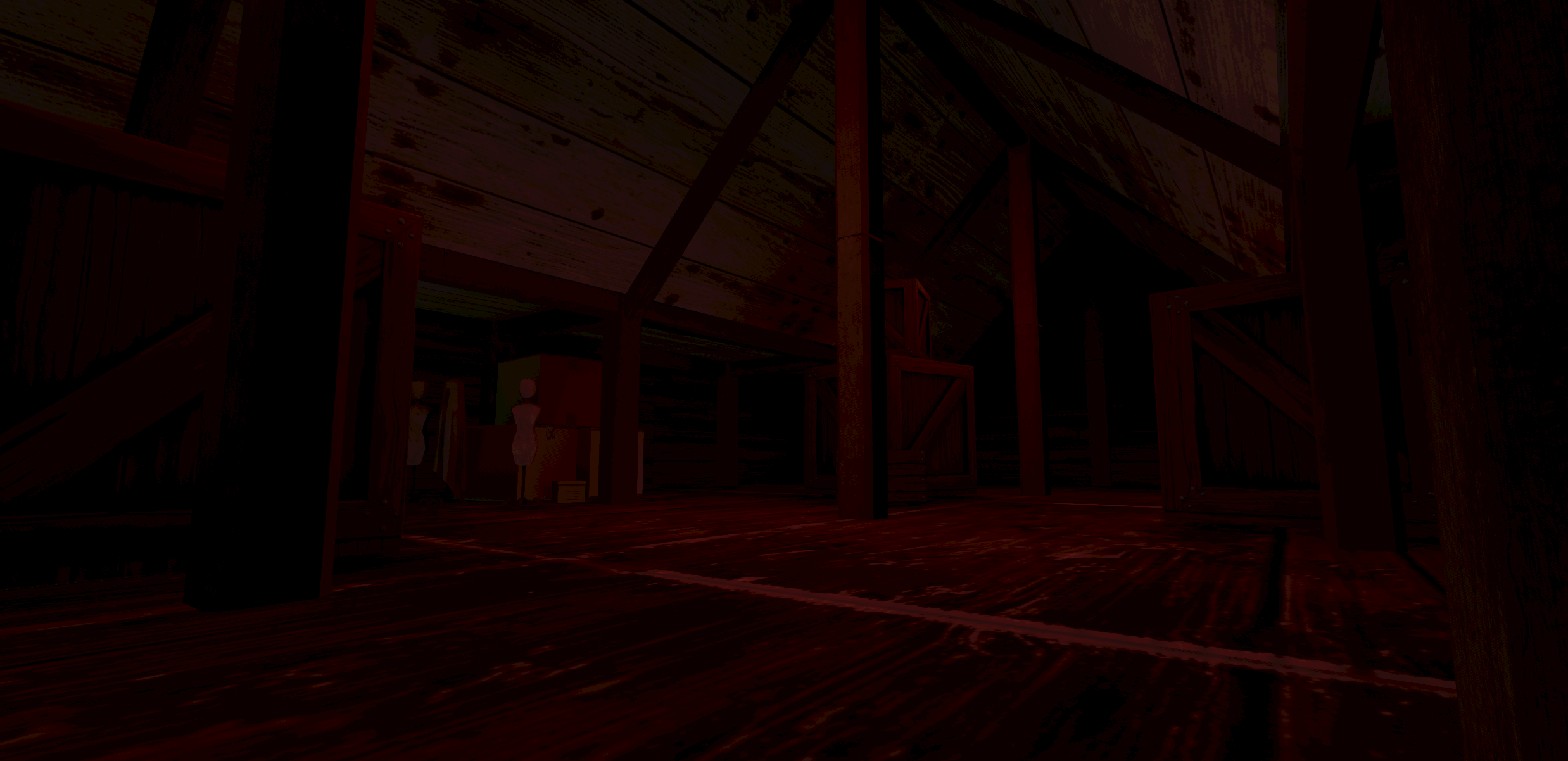
Attic
-
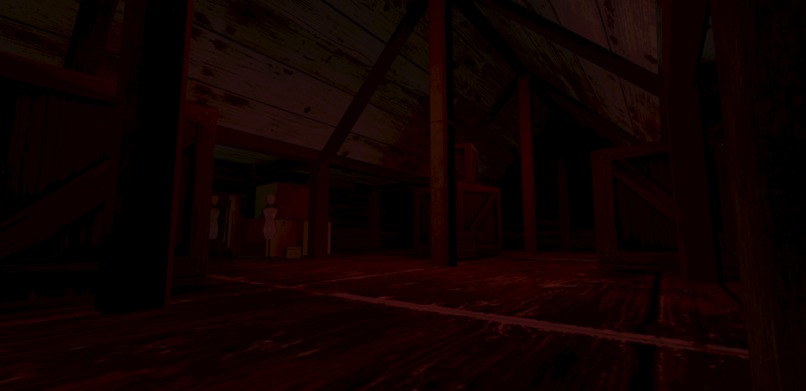
Attic
-

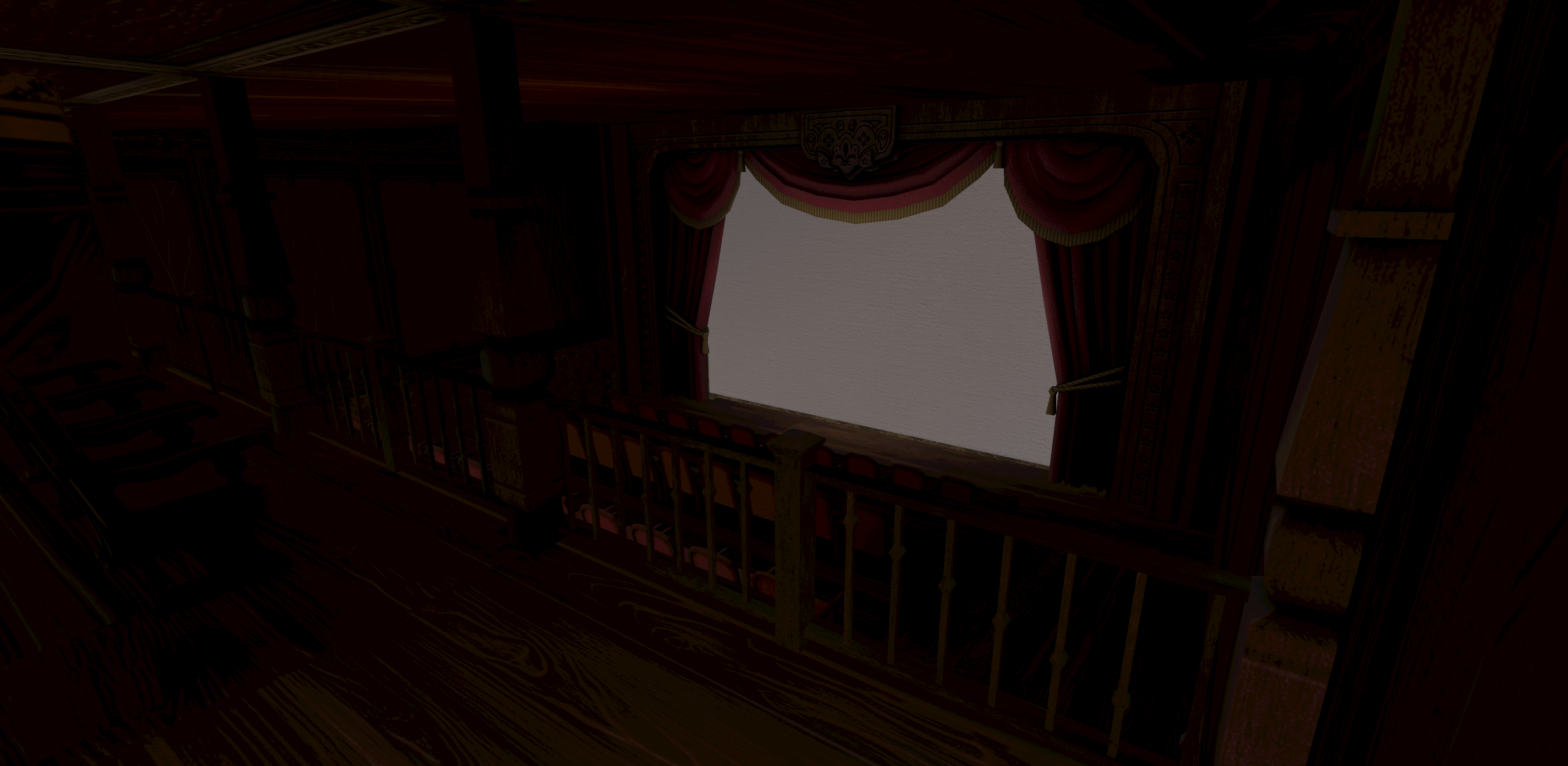
Theater
-
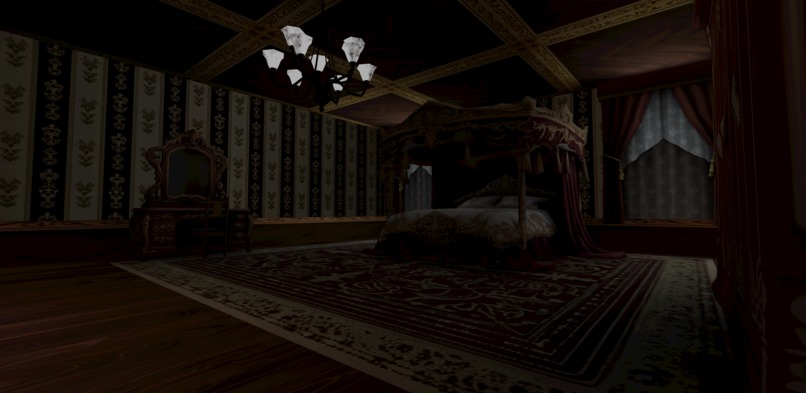
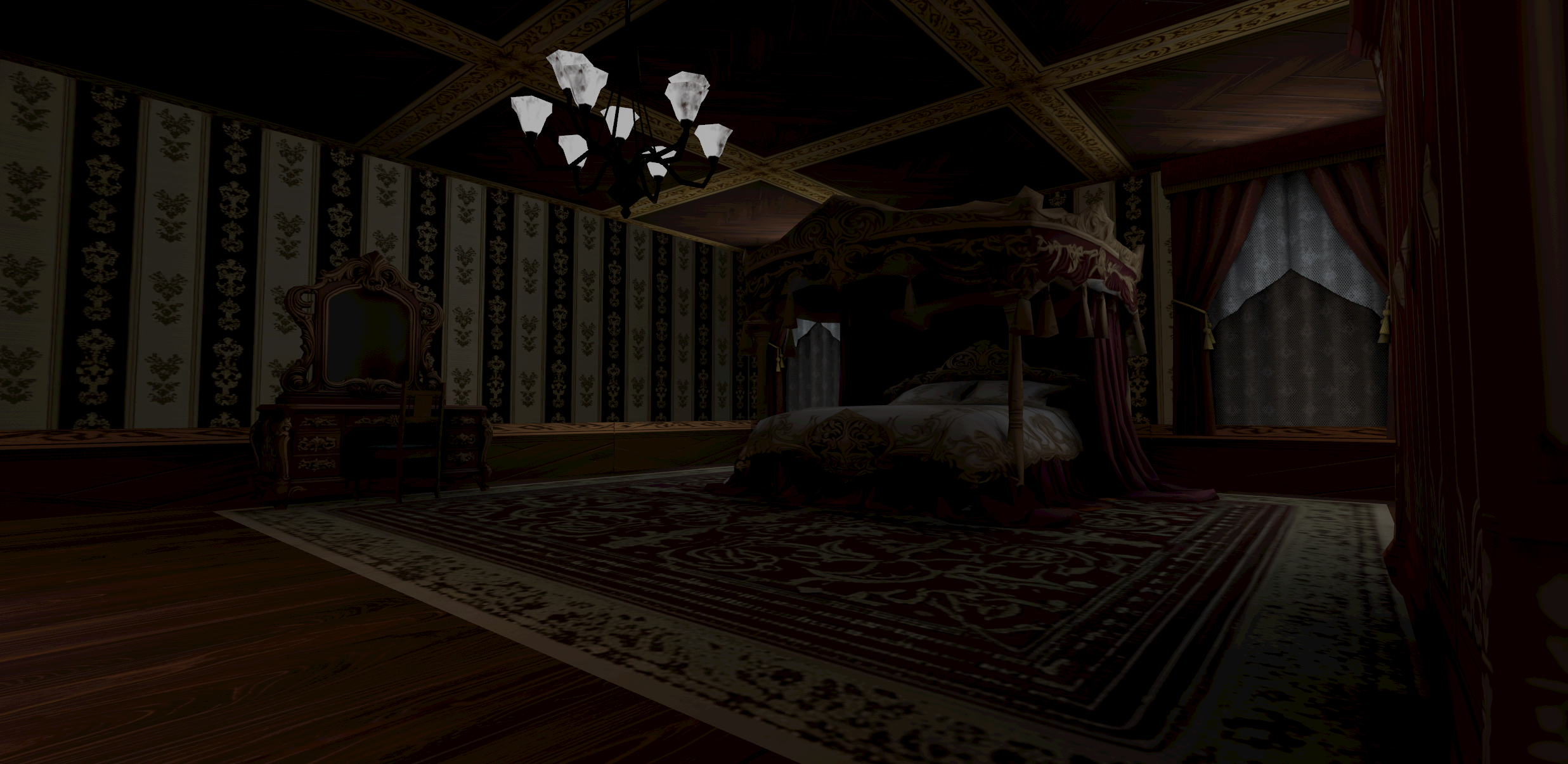
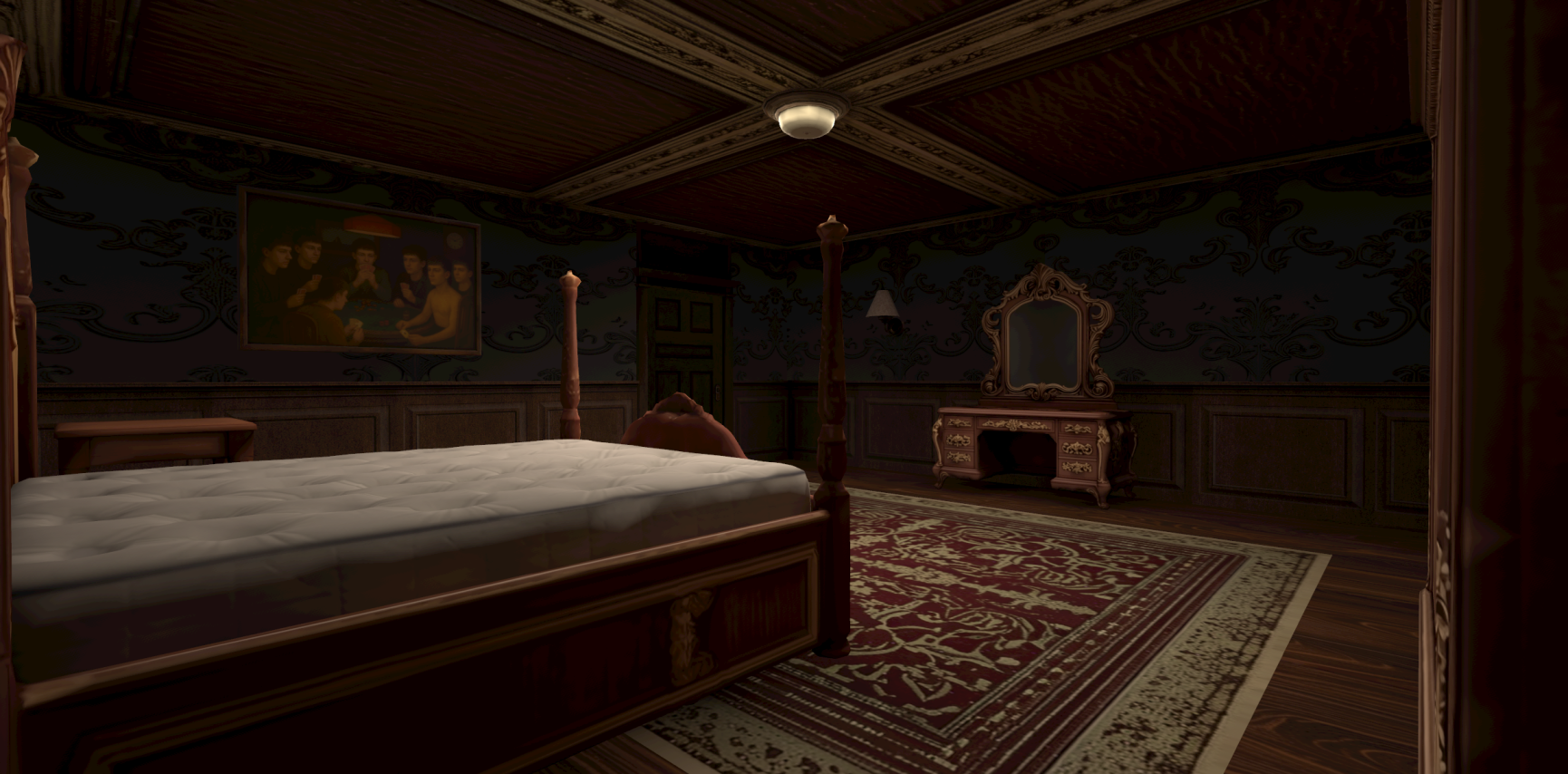
Master Bedroom
-
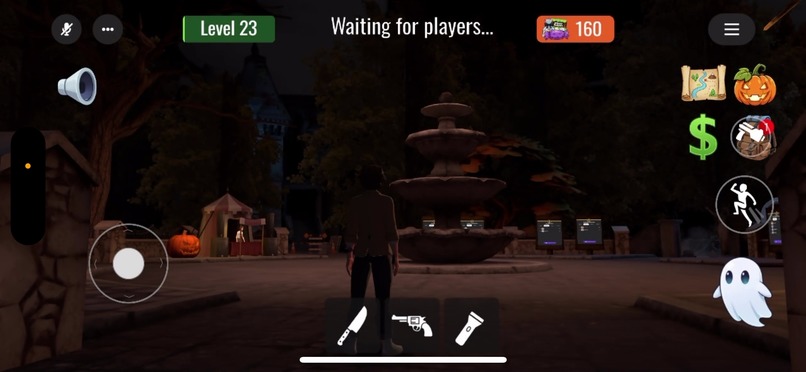
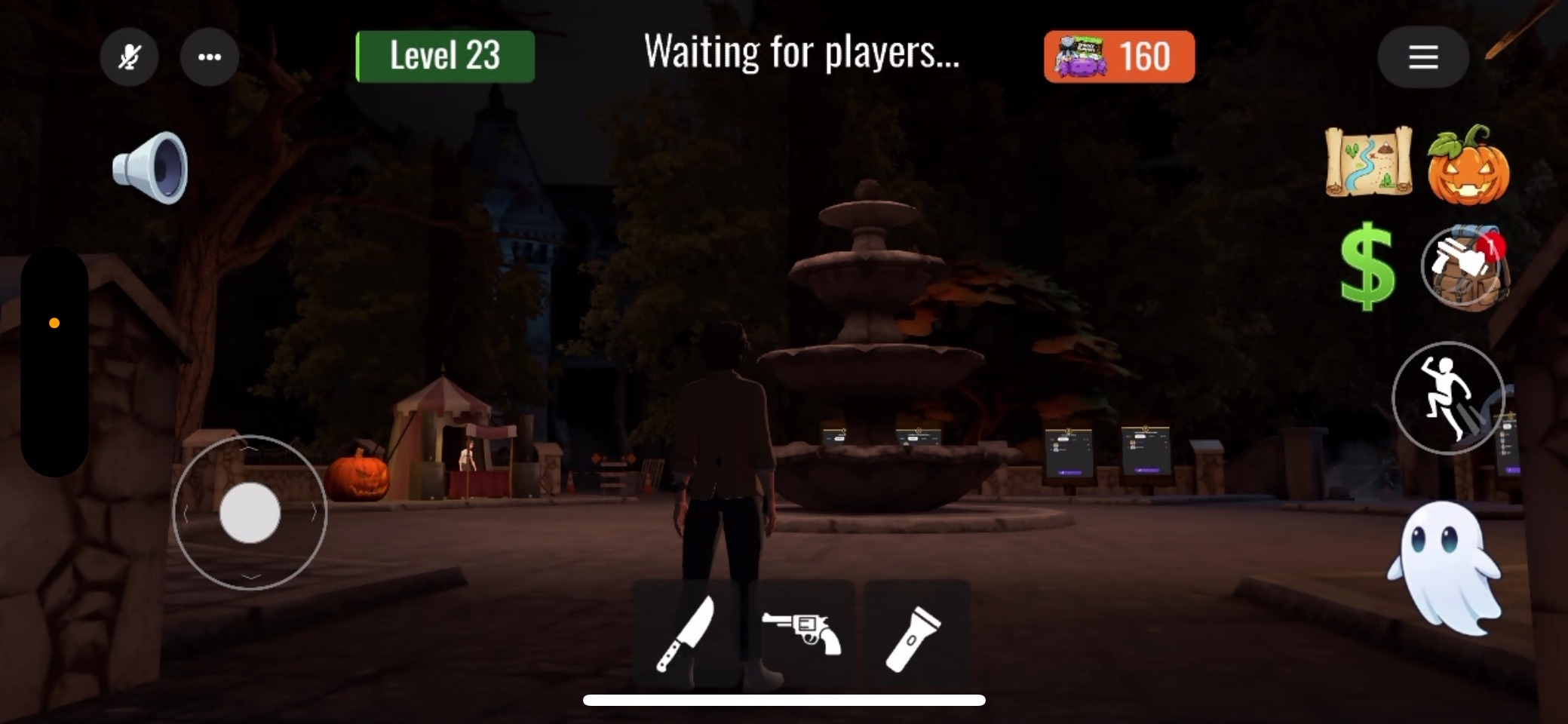
Lobby - HUD / CustomUI in-game
-
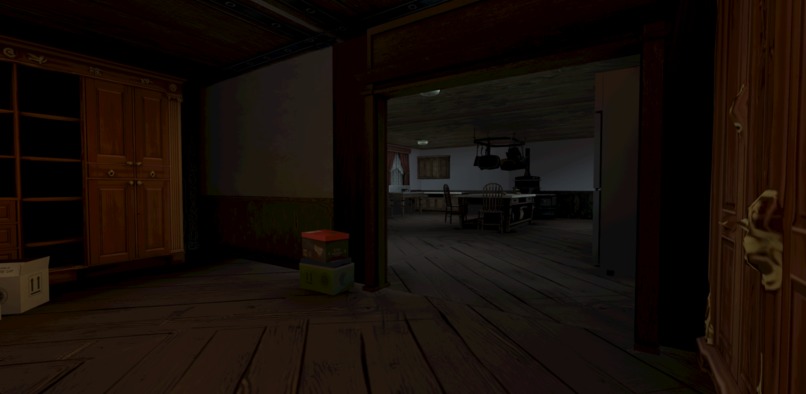
Kitchen
-
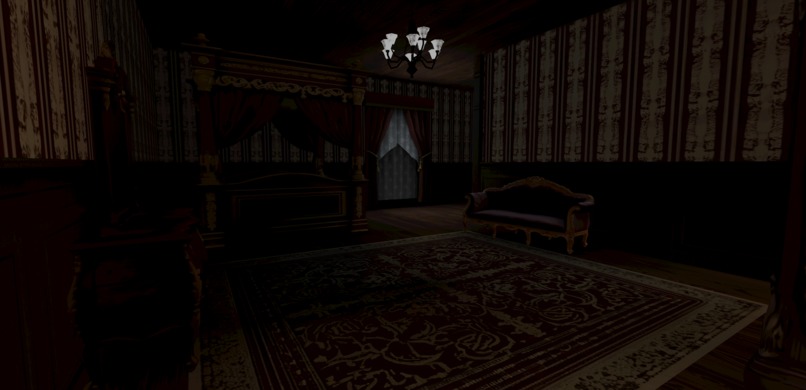
Bedroom
-
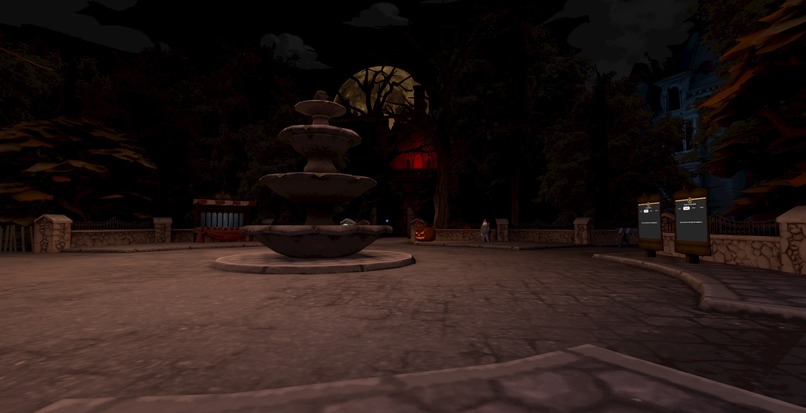
Lobby
-
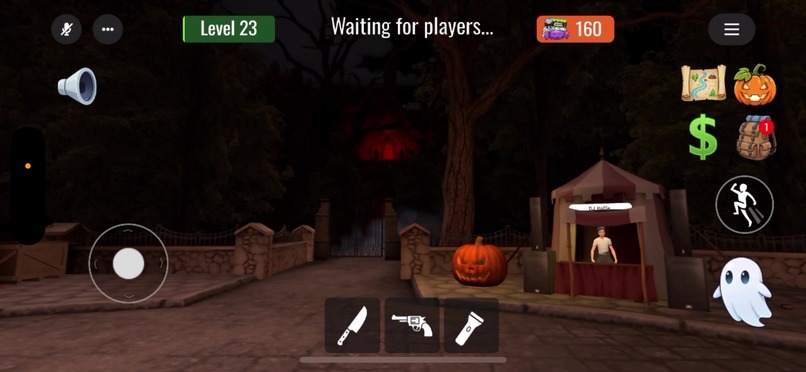
Lobby - HUD / CustomUI in-game
-
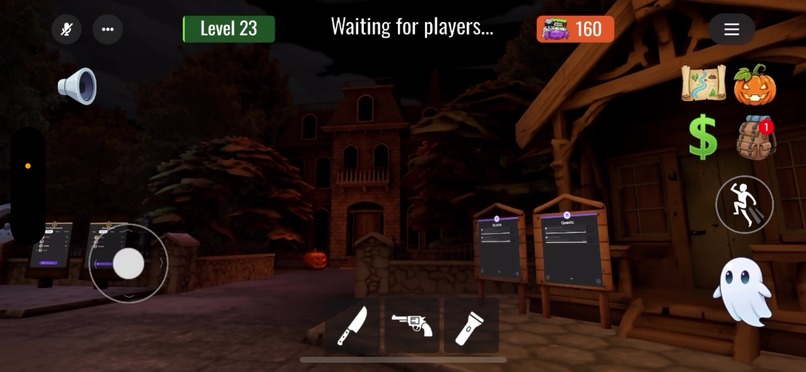
Lobby - HUD / CustomUI in-game
-
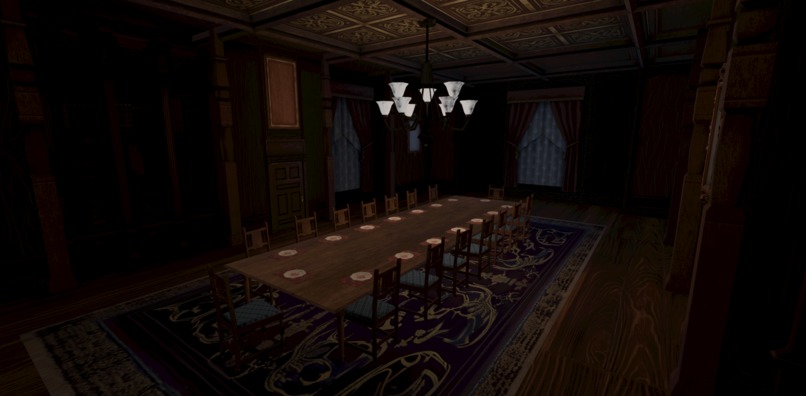
Dining Room
-
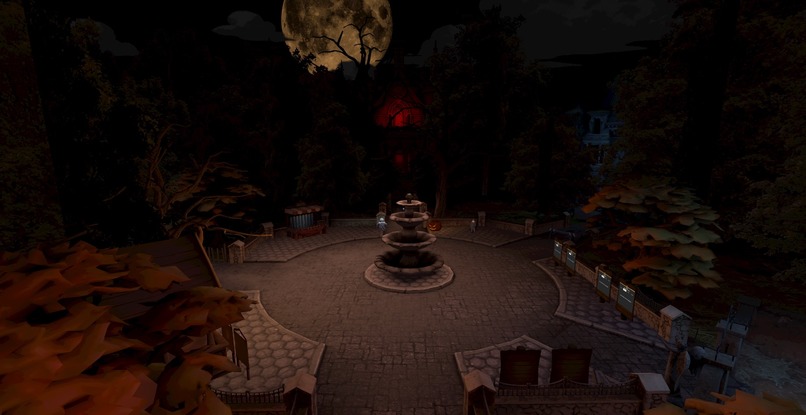
Lobby
-
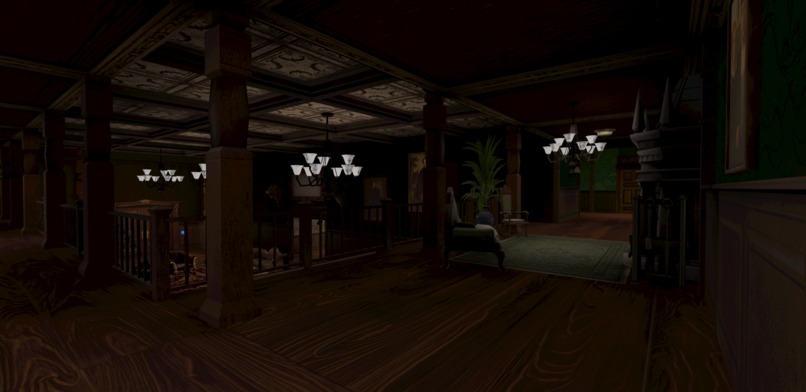
Upstairs
-
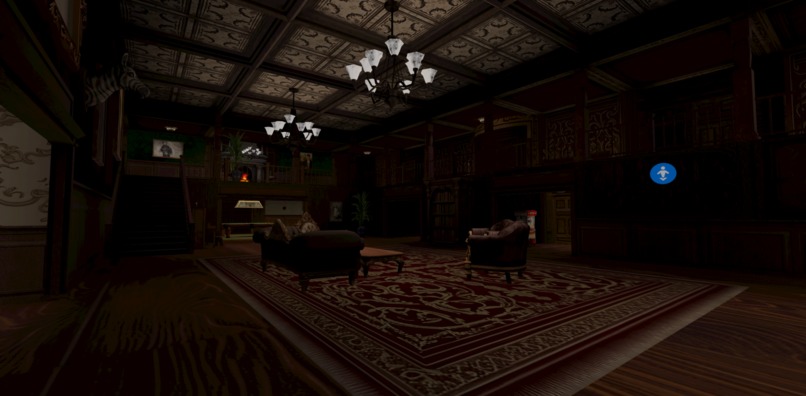
Entrance
-
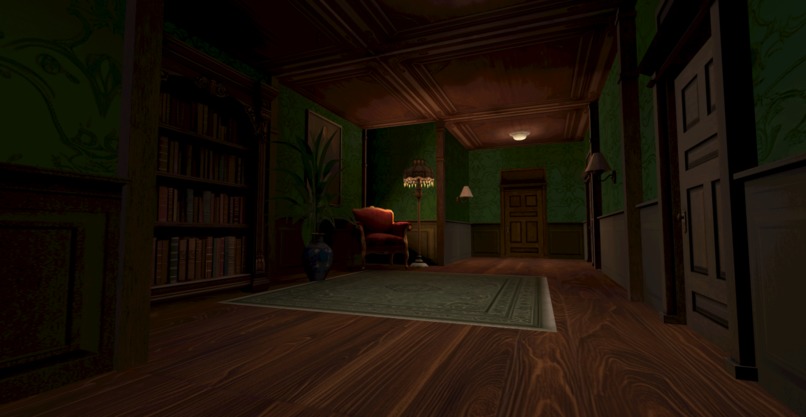
Hallway
-
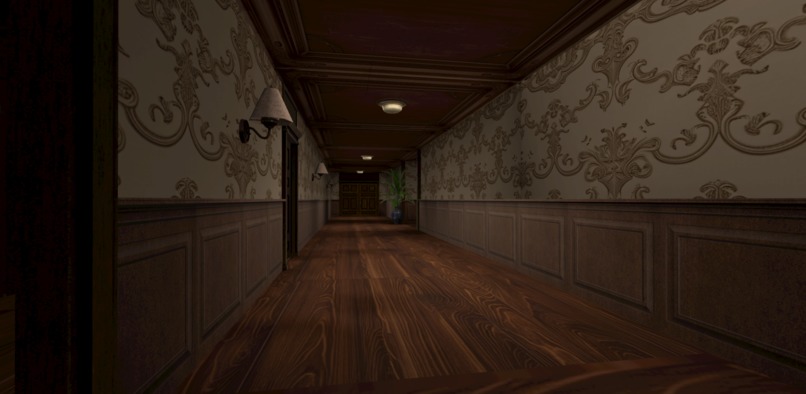
Hallway
-
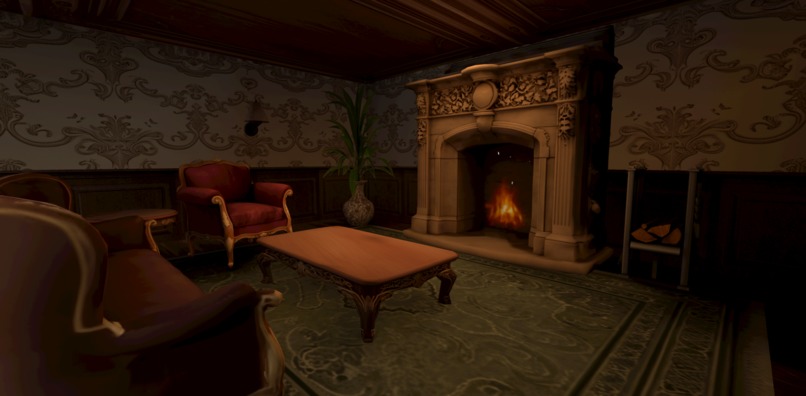
Common Area
-
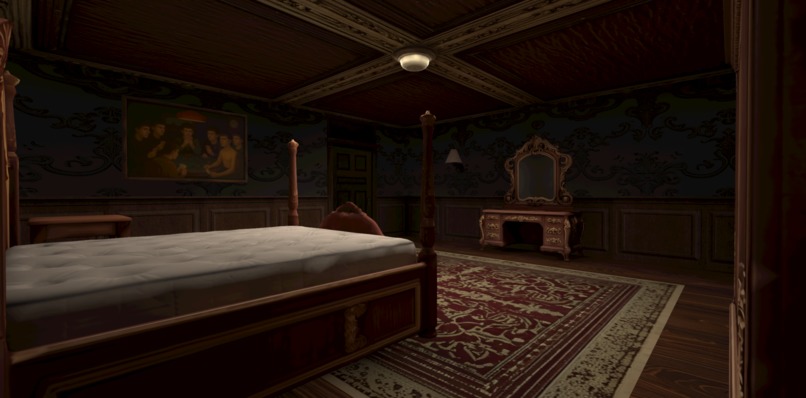
Bedroom
-
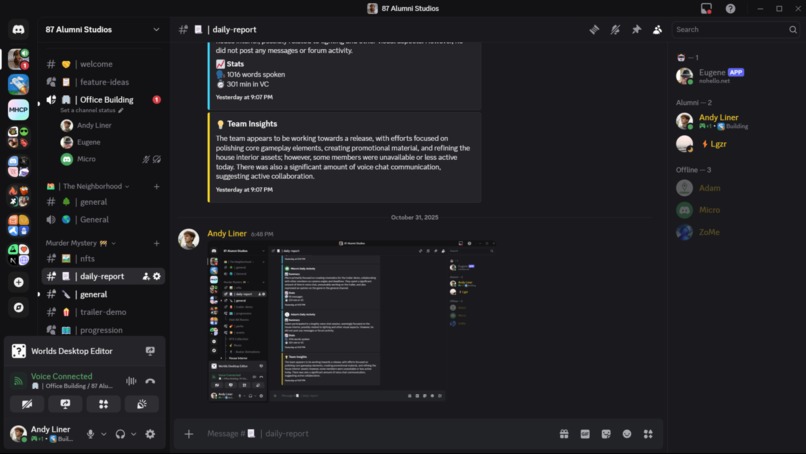
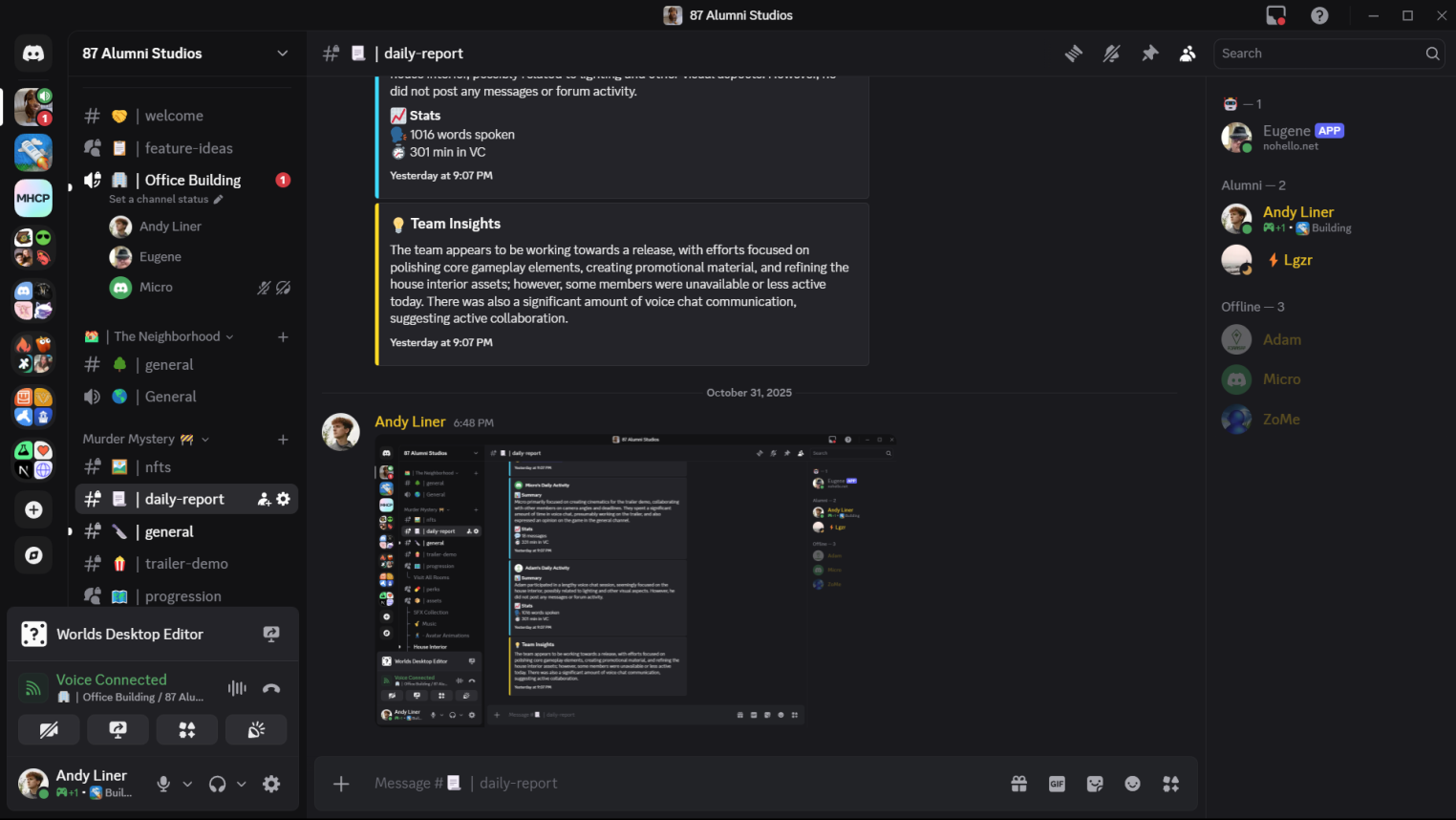
Discord Server #daily-report Channel
-
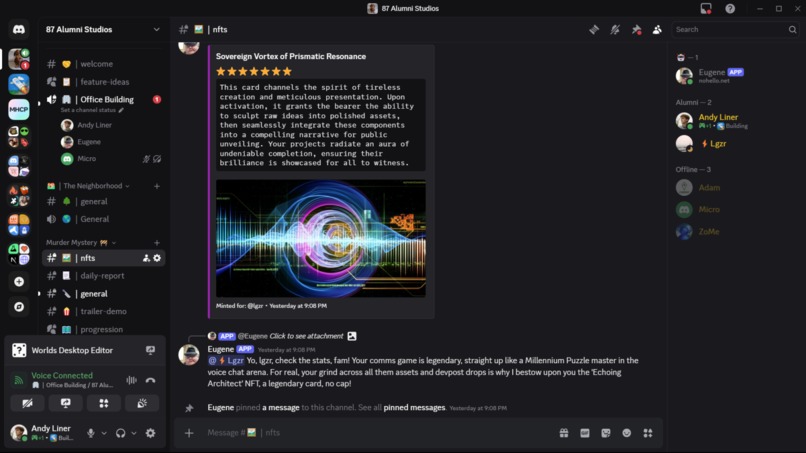
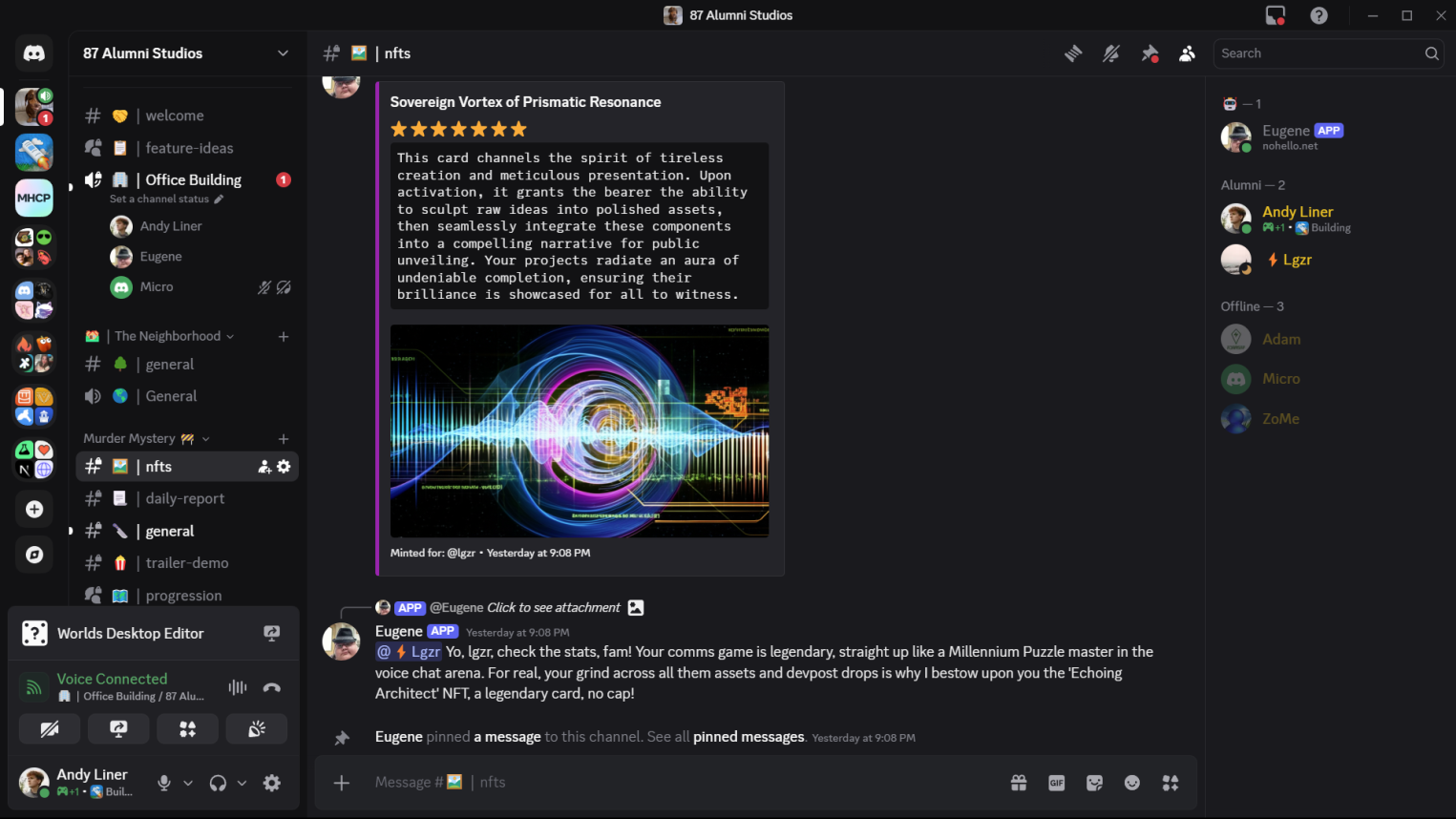
Discord Server #nfts Channel
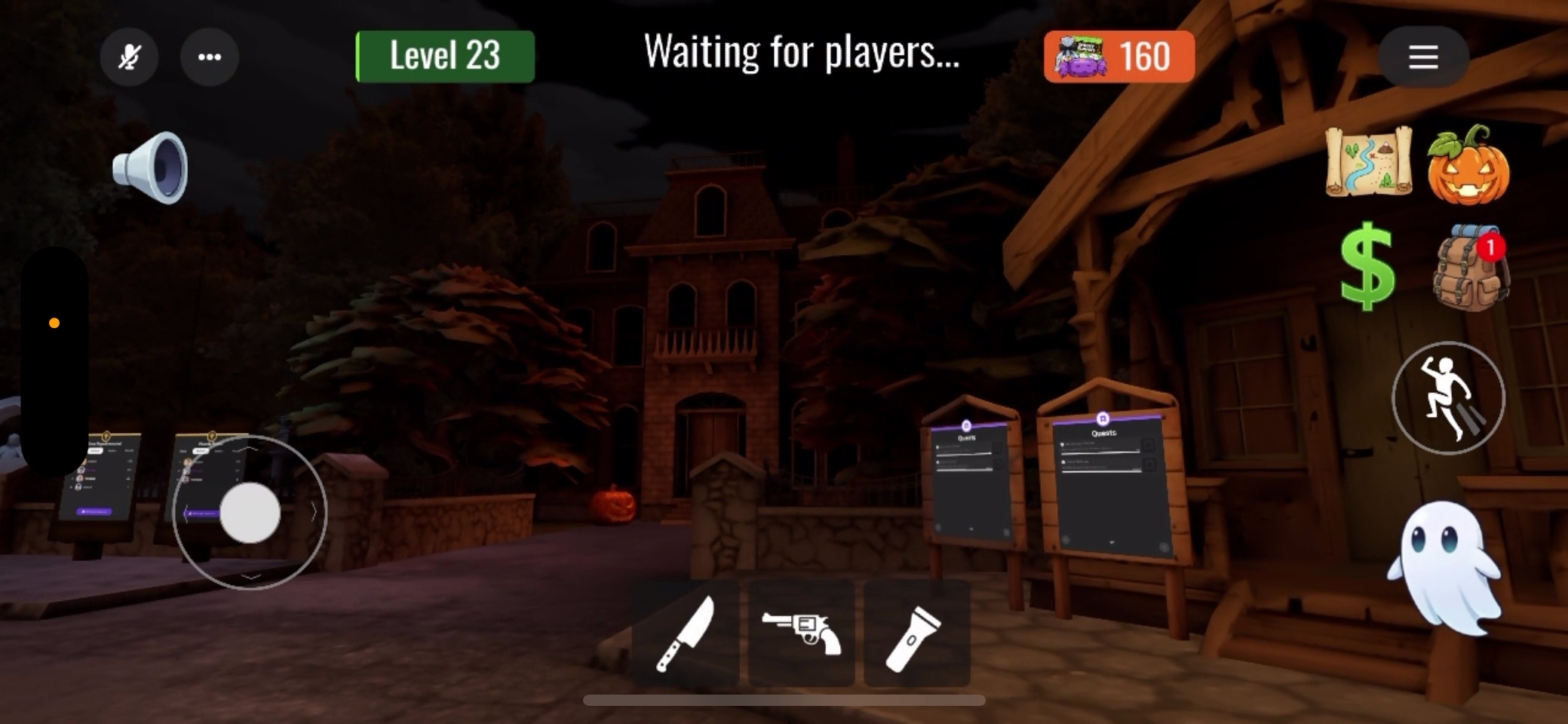
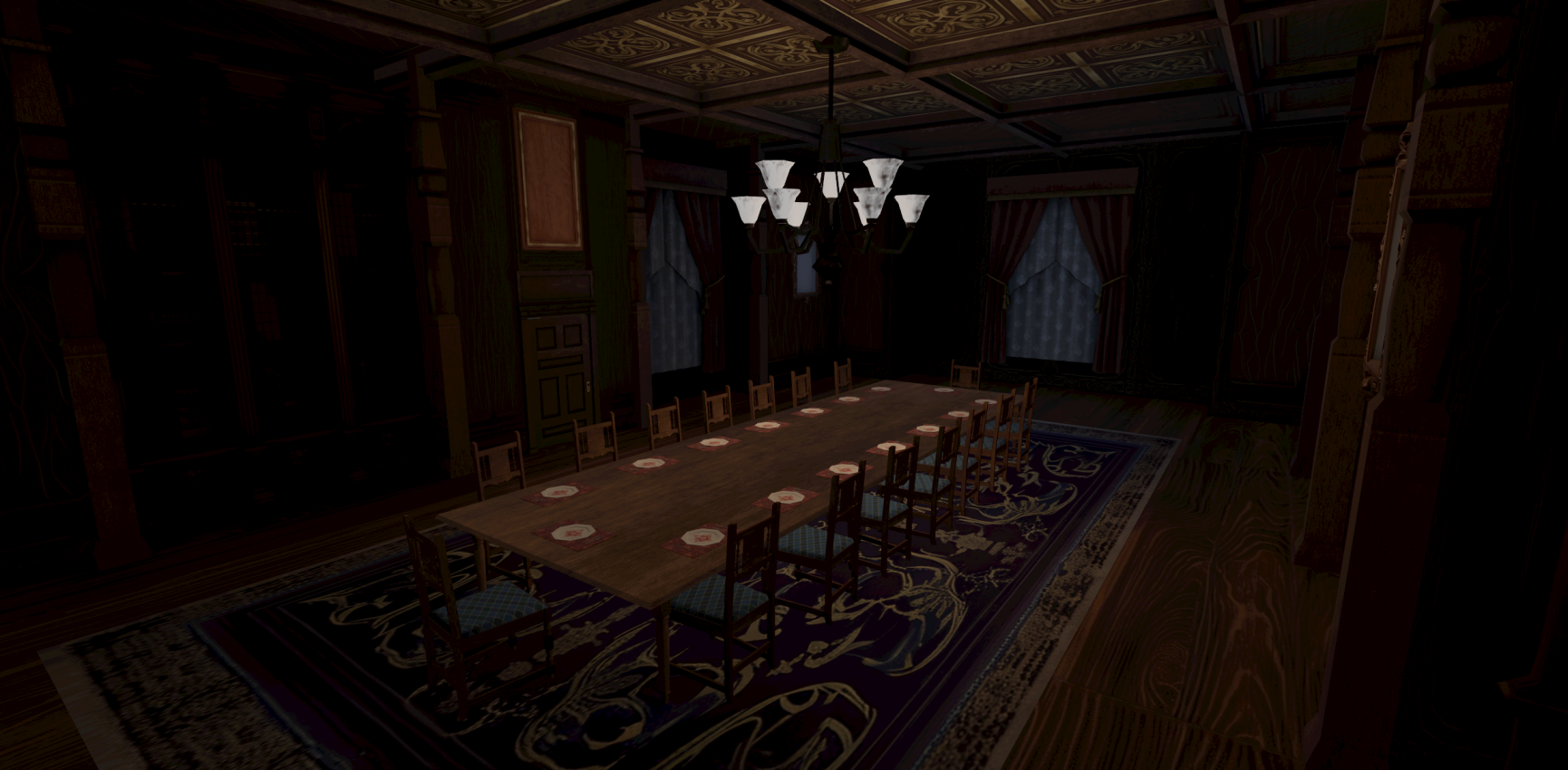
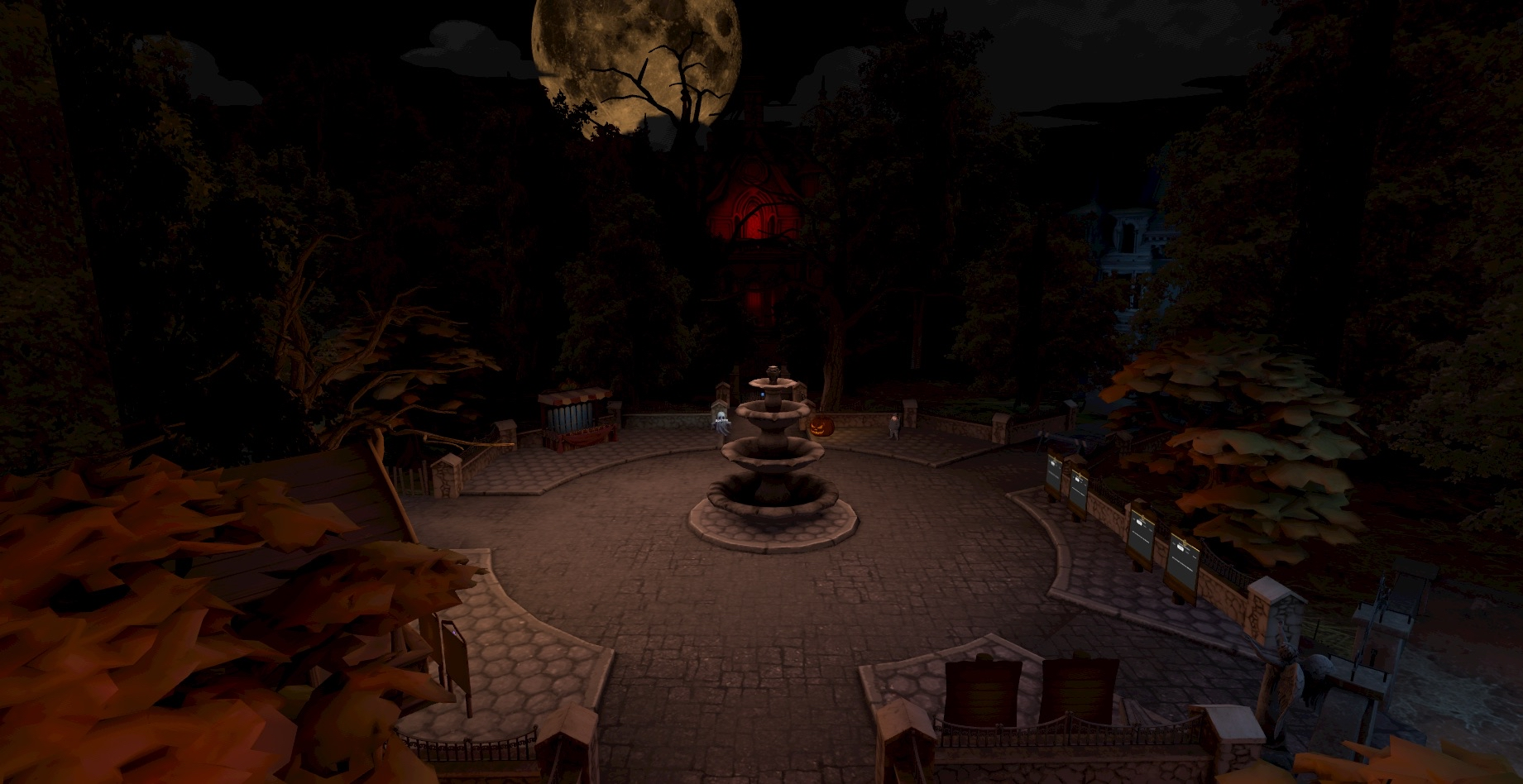
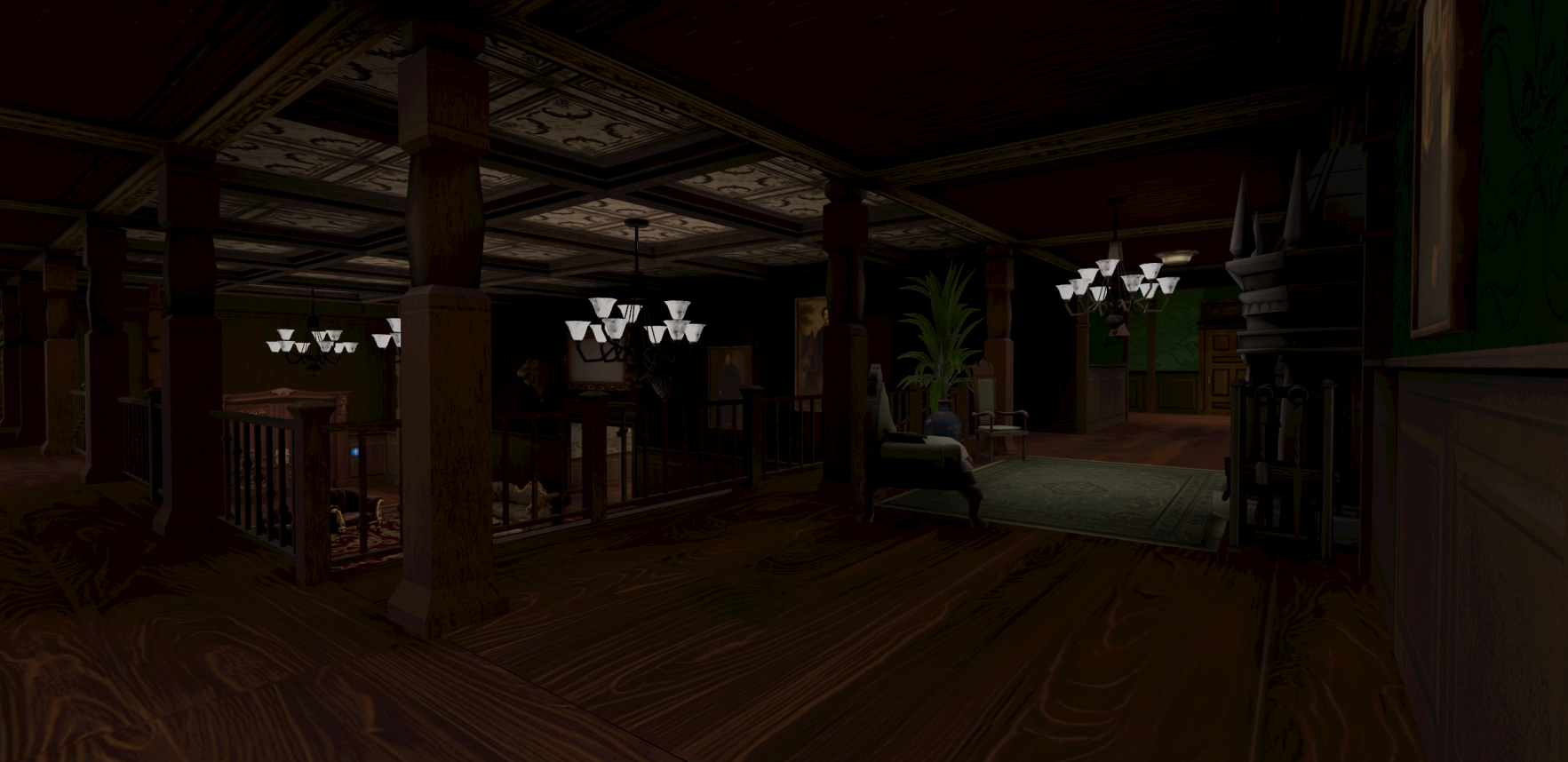
Inspiration
Our primary objective was to create an immersive interactive mystery experience focused on strategic depth, atmosphere, and fun, leveraging Horizon Worlds' unique capabilities for this captivating genre.
We prioritized a high-accessibility, optimized aesthetic that is both visually cohesive and engineered for peak performance across the entire Meta Horizon device ecosystem, especially mobile. This strategic choice maximizes player reach and ensures a smooth, fun experience while retaining sophisticated functionality.
What it does
Murder Mystery delivers a robust team-based mystery and strategy experience on Meta Horizon, designed primarily for mobile responsiveness.
Core Features & Gameplay:
- Role Assignment: Players are randomly assigned roles: The Murderer, The Detective, and Bystanders (or 'Innocents').
- Action Mechanics: The Murderer uses a hidden melee item with stealth mechanics to remain concealed, used for eliminating other players. The Detective uses a revolver as a defensive tool, and must determine who the Murderer is. The system emphasizes stealth and strategy.
- Progression and Economy: We implemented a Leveling System and a Leaderboard System to track player statistics and encourage continuous engagement. Players can collect in-game currency (gold coins) that spawn dynamically across the map.
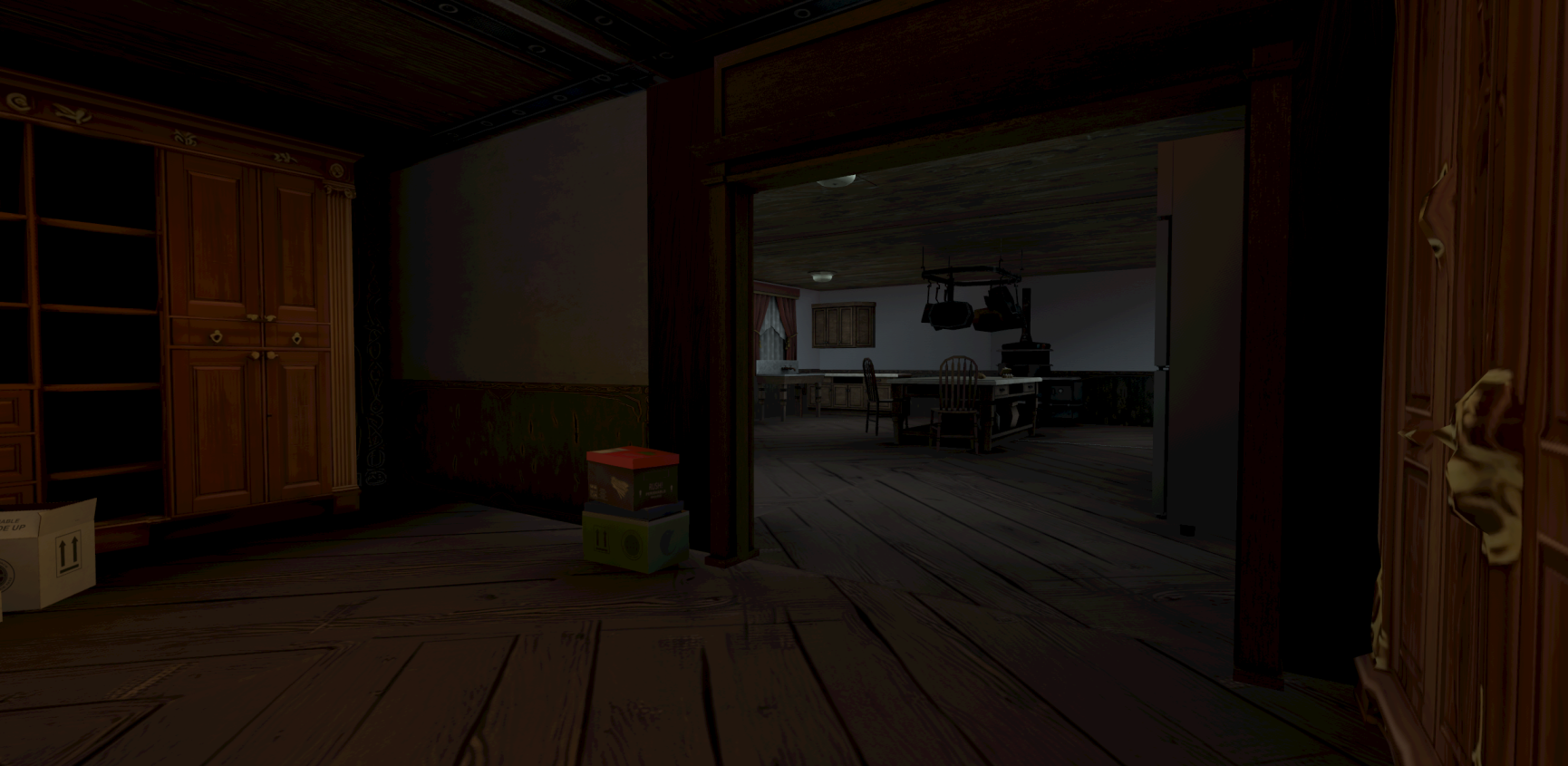
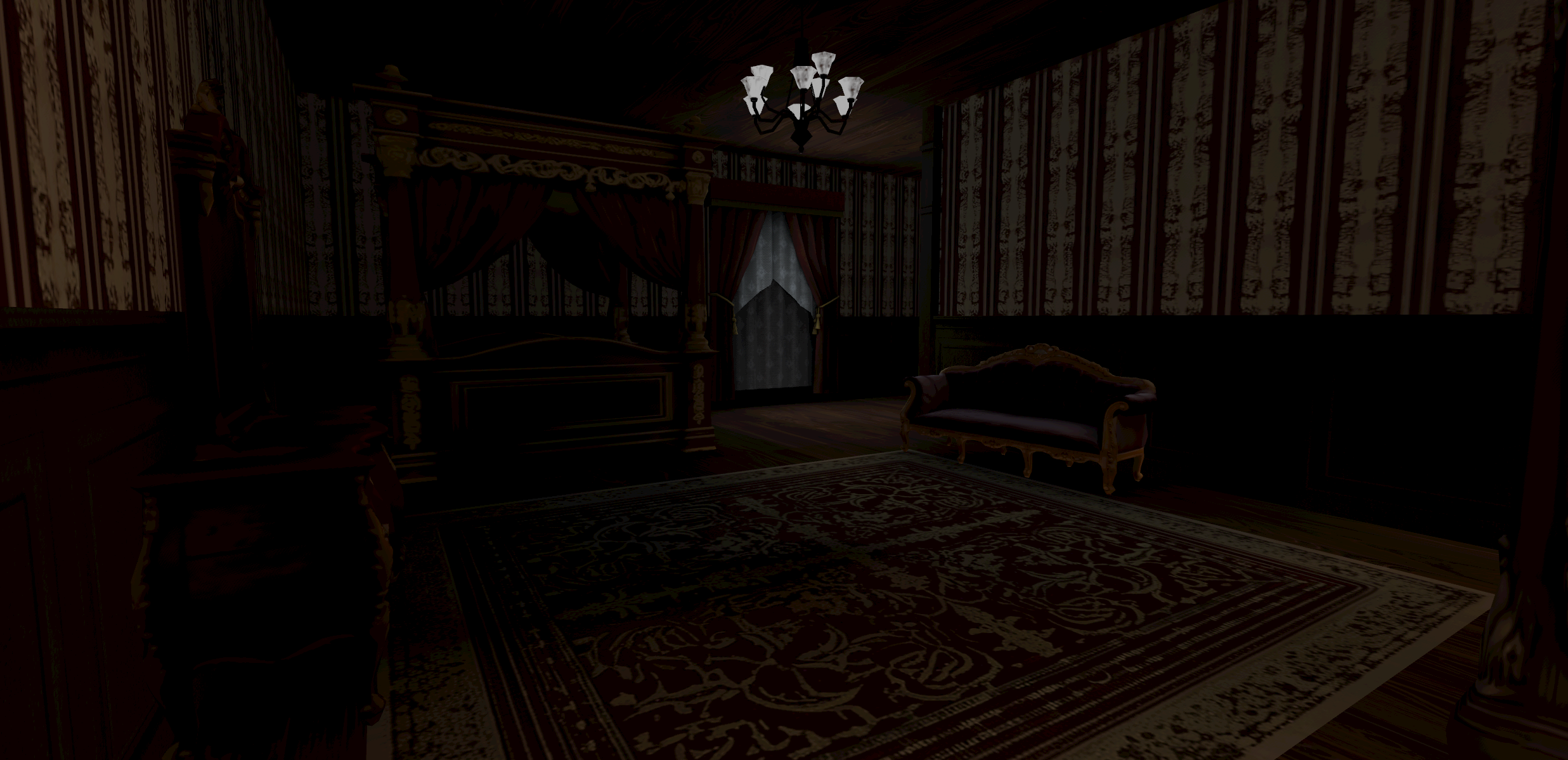
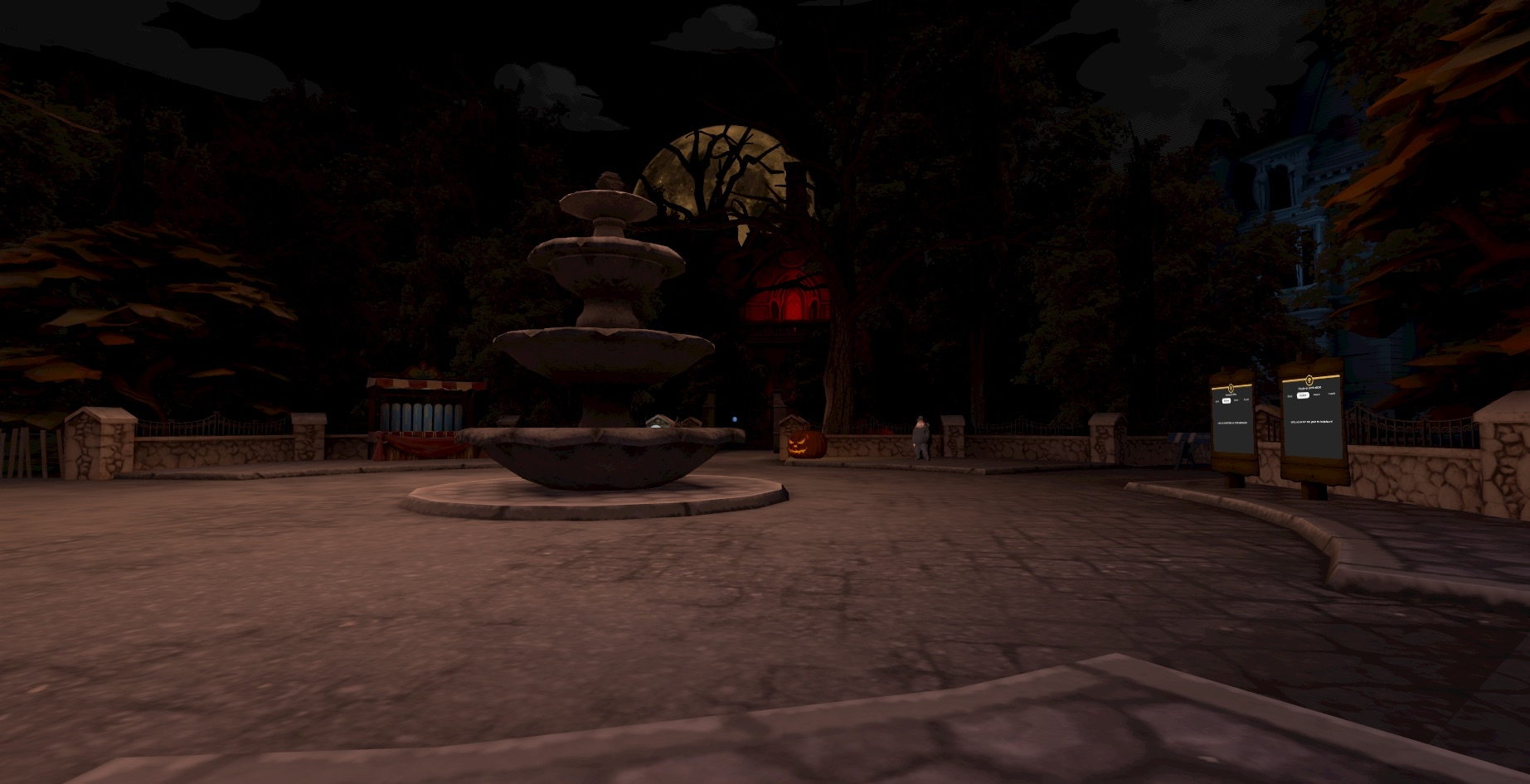
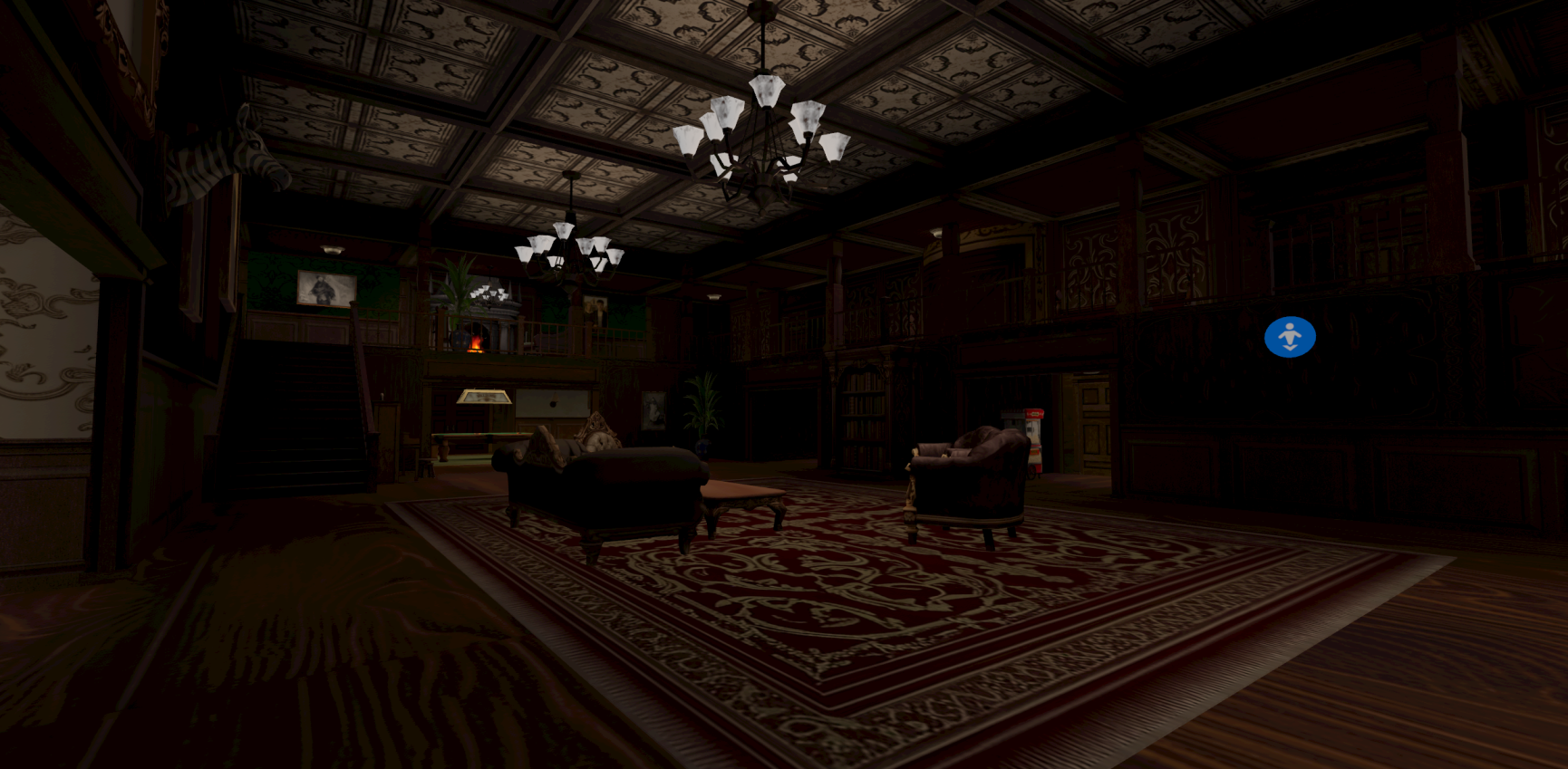
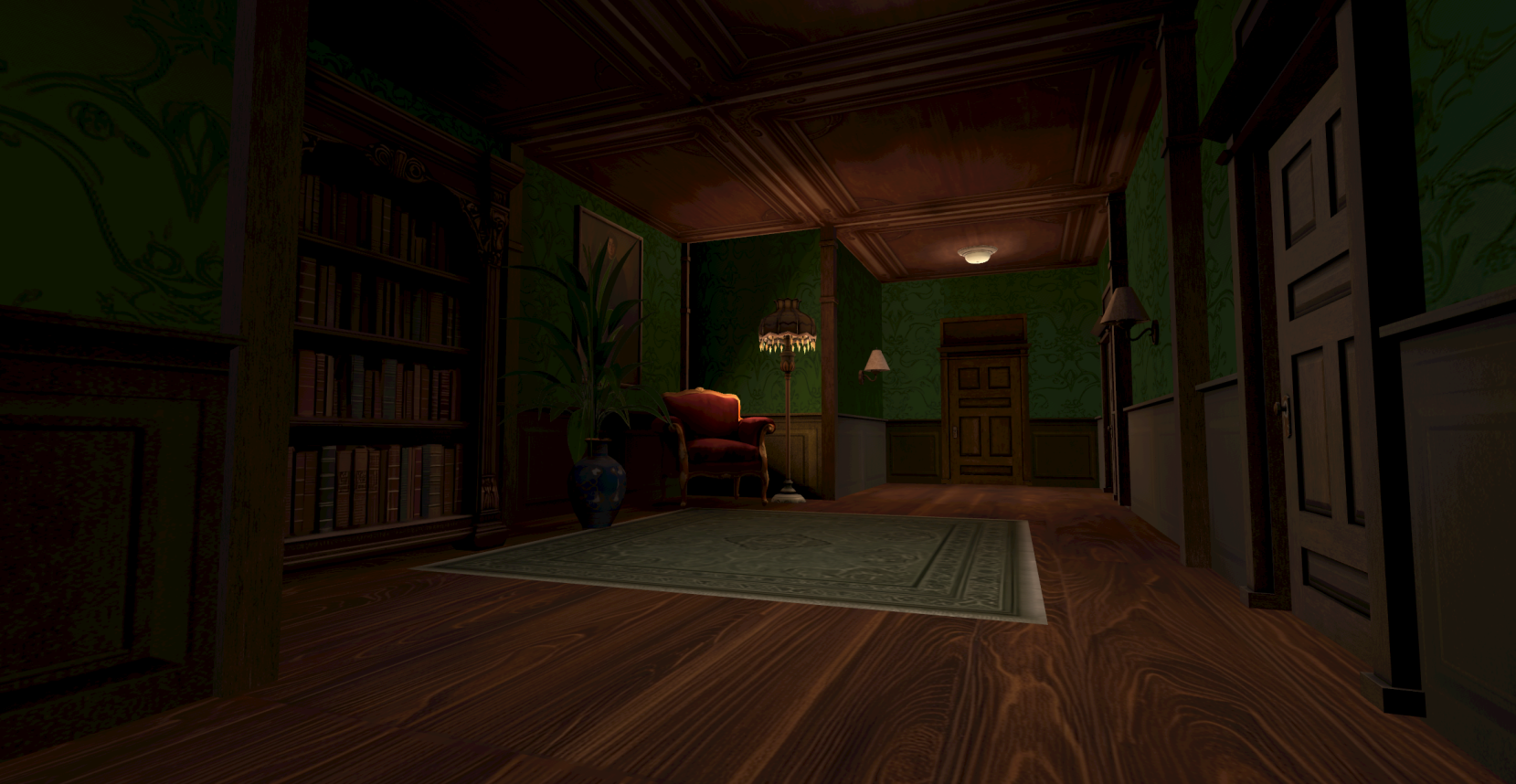
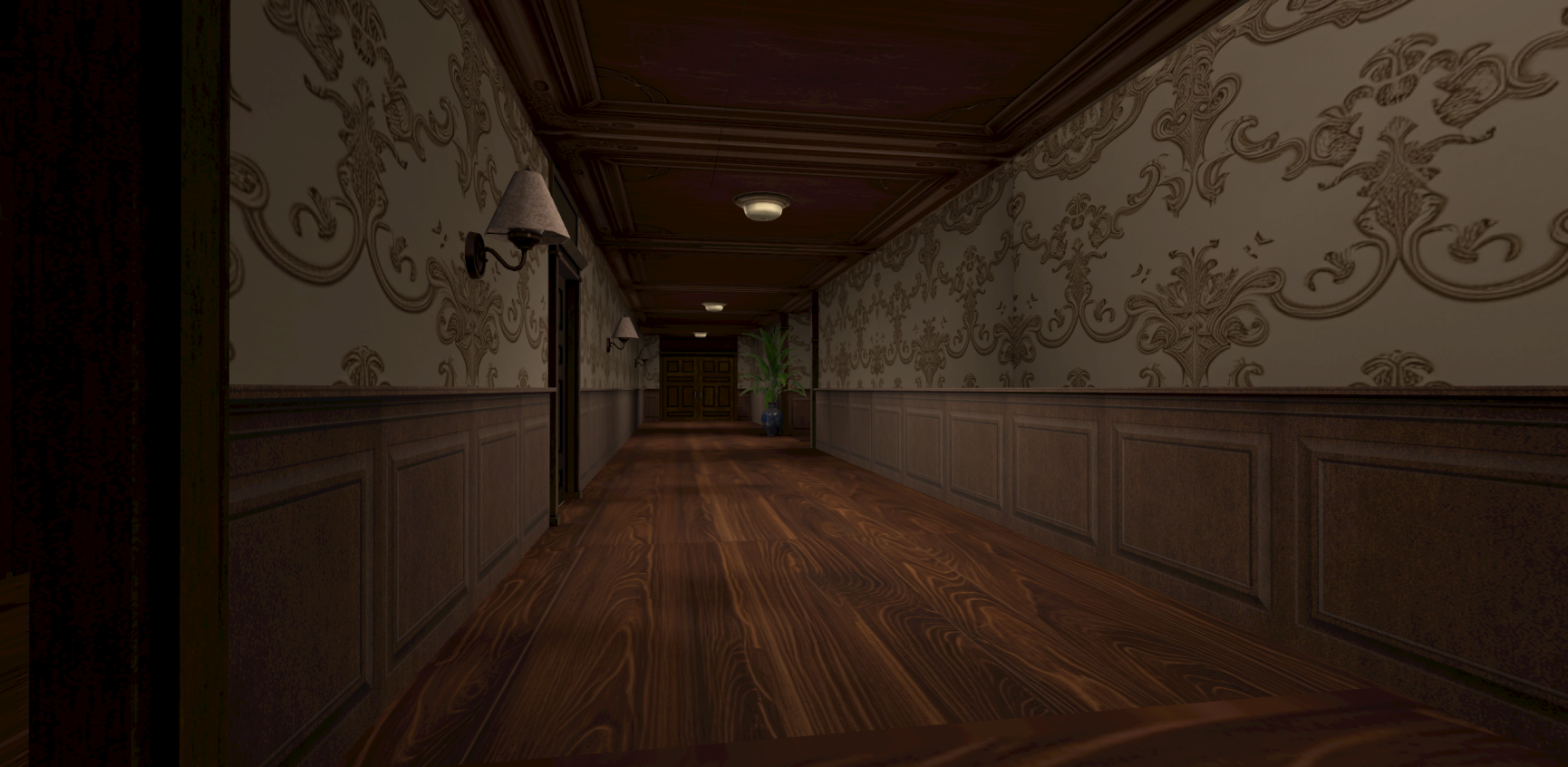
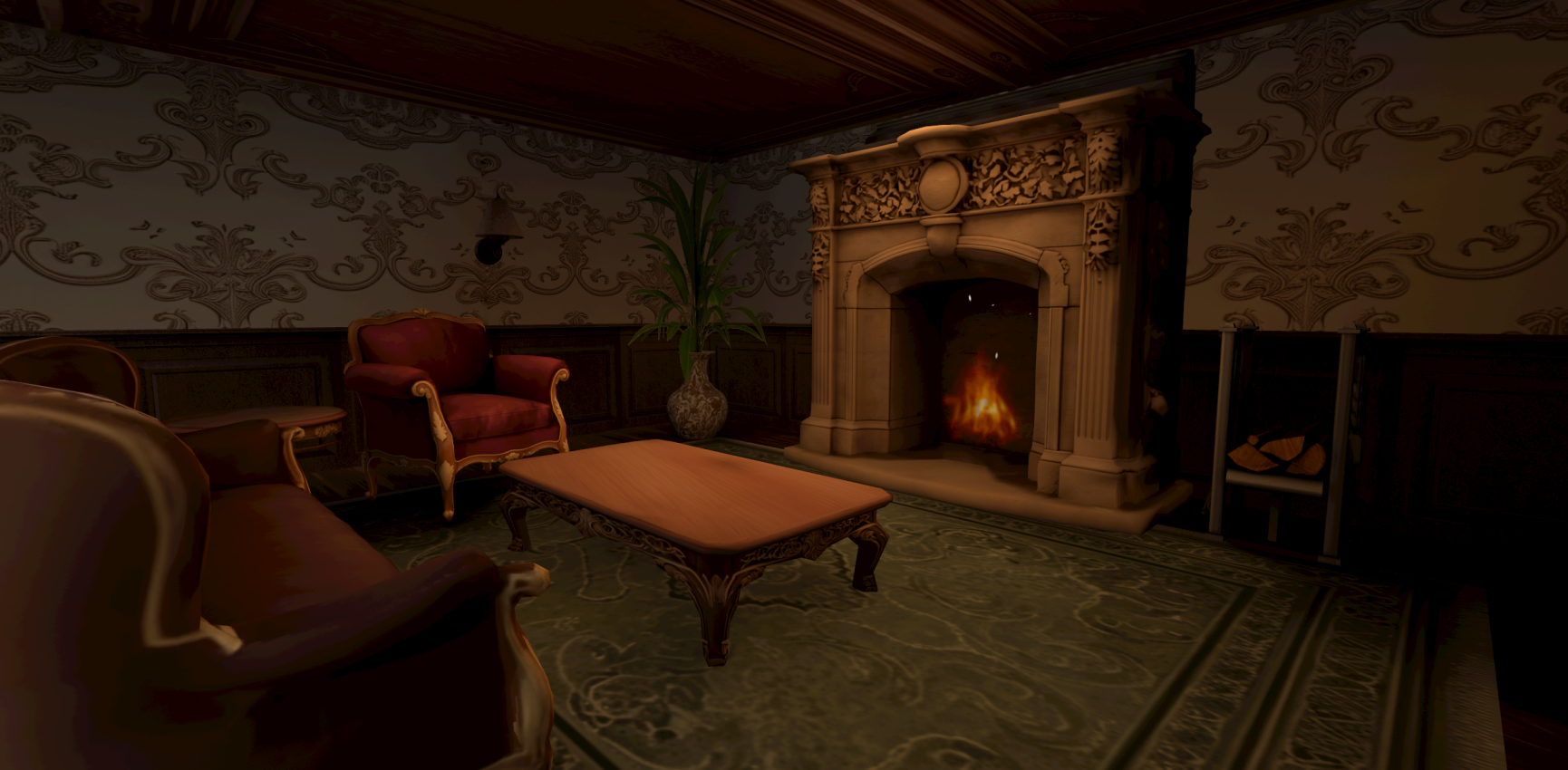
- Environment: The game takes place across a large Island map featuring an atmospheric Manor. The map environment is tailored for suspense and mystery, with plans for dynamic lighting (generator-controlled) and environmental elements like fog and storm effects.
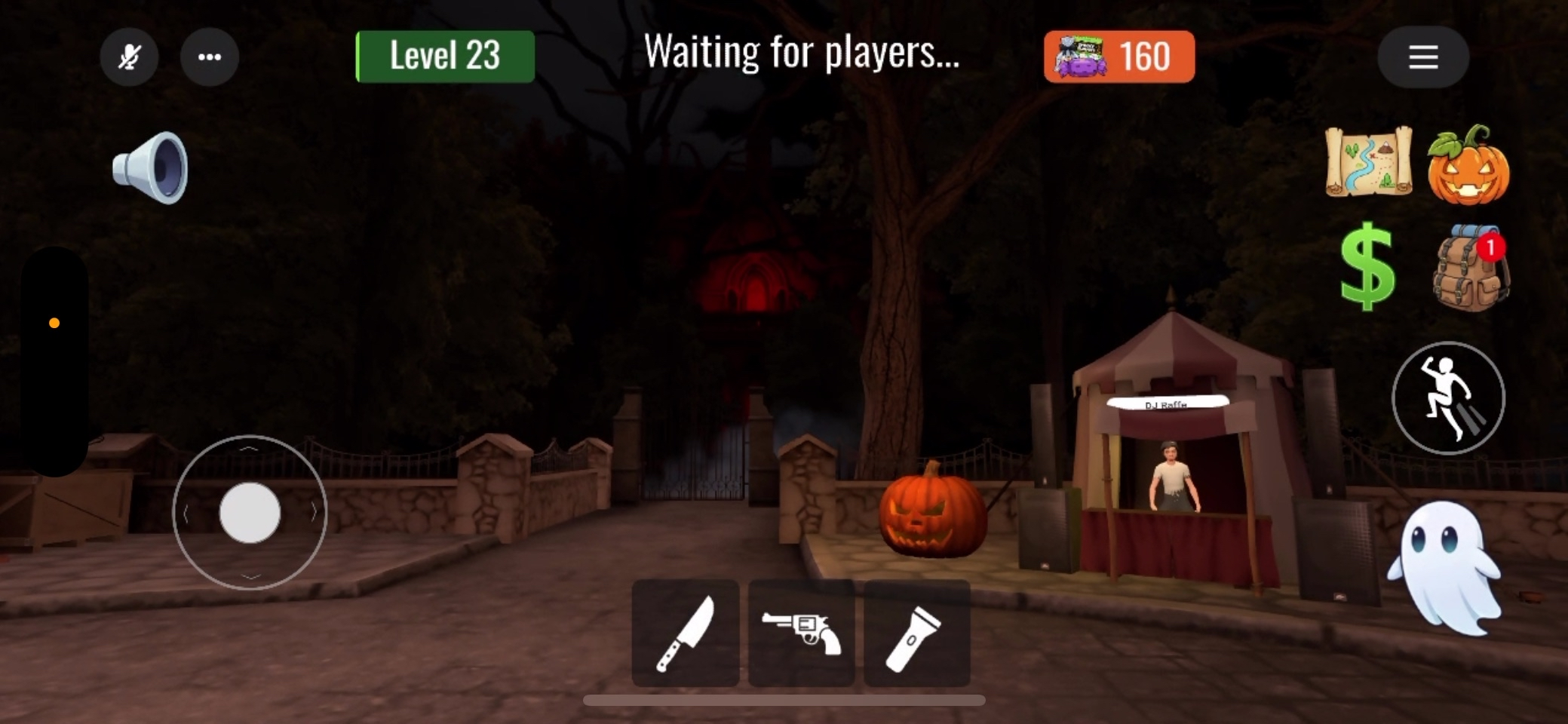
User Experience and Custom UI: We prioritized a custom user interface (UI) system, recognizing the shortcomings of native Horizon UI capabilities. The custom UI features:
- Responsive HUD: Game state, player status, and real-time updates are shown via a custom HUD designed around optimal mobile viewing specifications.
- Role-Specific Interfaces: Different UI layouts for the Murderer, Detective, and Bystanders.
- Spectator Mode: Post-elimination observation controls, allowing interaction via gestures.
- In-Game Feedback: We developed a model for a feature request system/feedback board, enabling players to submit and vote on future additions, thus empowering the community to guide the game’s expansion.
How we built it
The development relied heavily on establishing automated systems and streamlined architectural processes to maximize productivity within the tight deadline.
Custom Tooling & Automation: Our core innovation was the creation of two proprietary tools that dramatically improved our workflow and team productivity:
- Eugene (AI Management Tool): Eugene operates as a central nervous system for the team, streamlining collaboration and communication. It can answer questions about the project, generate reports on team activity, and summarize conversations, acting as a full-server context system for rapid knowledge transfer and tracking.
- Figma-to-Custom UI Pipeline: We engineered a process that converts Figma designs directly into Horizon Worlds-compatible UI script (GSX) via a React/Next.js pipeline. This tool eliminated tedious manual conversion and UI setup, allowing our designers to iterate on the mobile-first interface at unprecedented speed.
Code Architecture and Implementation:
- Refactoring: The entire codebase underwent multiple extensive refactors to consolidate logic, specifically aiming for the Singleton Architecture for game state management. This approach was estimated to achieve a 70% reduction in latency and bandwidth compared to initial redundant methods.
- Modularity: We implemented a systematic process to manage scripts and assets, aiming to have the game loop logic consolidated into minimal files for readability and scalability.
World Building: Asset creation was divided systematically, with team members often taking ownership of specific rooms or asset types, allowing for concurrent development. We used modeling software like Maya and focused on optimizing asset complexity (e.g., reducing vertex count) to meet Horizon's strict performance thresholds. We ended up using a modular grid system to build the layout, and utilized Meta Gen AI for quick iteration and generation of textures. While we had quite a few custom 3D assets made for this project, we used Gen AI models to fill the gaps - we made sure that we prioritized making custom assets we knew would be cloned a lot, such as doors, lights, etc. due to the high-poly count constraints that AI gen has.
Challenges we ran into
The greatest obstacles we faced were due to an overall lack of experience developing on the platform, which resulted in some technical difficulties, as well as a few set backs in our worlds development. We also ran into quite a few bugs, but did our best to develop systems to get around them.
World Building: We spent about a week or two experimenting with different methods of building our world. We tried creating a level in a 3D software called Maya - and while we were able to build out an entire level, certain constraints in lighting caused us much confusion and was not very iterative (had to bake textures, not very scalable, adding things to the map became messy with more complexity). It was a process of making slight changes, re-importing and trying to notice differences. We experimented with lighting systems, material mappings, mesh sizes and more trying to produce the best results. About a week after no success, we decided to switch methods. This was a tough decision because of the tremendous amount of effort we put into trying to make it work and the time spent actually creating the map, but ultimately we could see that this method was not going to cut it. Instead, we developed a simple grid simple system that utilized Meta's AI gen for modeling & textures. This method was significantly faster, way more iterative, and modular. After scrapping our previous world entirely, it only took 2-3 days to create the layout and beginnings of a beautiful interior of a manor. With the help of some custom 3D models for certain assets like lights, various trim, staircases, etc. the world really began to take shape. Using both Meta's Gen AI and our own modeling expertise resulted in a beautiful world.
UI Responsiveness Constraints: The platform's native UI tools required a lot of coding and iterating, which posed some challenges for us in crafting the UI that we wanted to build. Having to constantly re-compile the UI and make small iterations to check back and forth, as well as identifying small inconsistencies was becoming a bit painful. Being very familiar with Figma, and having experiencing building tools previously, in the first week or so we devoted some time to building a custom UI framework, simulating true responsiveness to deliver a premium mobile-first experience. Our Figma-to-Custom UI Pipeline was critical in quickly iterating on solutions for this bottleneck. We made a Figma tool that allows you to convert any Figma design directly into horizon code, which you can then place directly into a CustomUI. This allowed for quick iterations and easier development for our CustomUI. Although, we wish we had a bit more time to polish and fully implement our UI.
Collaboration Hurdles: *. Our team is very new to the platform, with only a bit of experience competing in the prior competetion - so none of us fully realized our strengths and weaknesses until about halfway through the project. After our initial level didn't produce the results we wanted (lighting issues, scalability, too static) and also a messy code-base that worked, but was also not very maintainable, we had to sit down as a team and re-priotize and discuss who should be working on what. It was a difficult decision, we ultimately we decided the only path forward was to start fresh and completely refactor the entire level, and the entire code-base. With significant contributions from all members of our team, we worked to our strengths and made it happen. This took some time, but was well worth it in the end.
Accomplishments that we're proud of
We are immensely proud of several key achievements that distinguish our project:
Advanced Development Tools: We successfully built and deployed a suite of in-house automation tools (Eugene, Figma-to-Custom UI Pipeline) that provide a highly optimized and unique workflow, saving countless hours on manual compilation and troubleshooting. This pipeline enables rapid iteration on core design elements. Eugene gave us daily reports, tracked our conversations, and helped us stay organized. For example, if we were brainstorming ideas about the game Eugene would log those ideas, and could remind us about them. At the end of the day, Eugene would analyze everything we posted in the discord and gave us a report to let us know who did what, and even gave out rewards for best efforts, which helped the team stay motivated and produced more sharing of progress amongst the team.
Optimized Codebase: We achieved a substantial reduction in code complexity and latency through aggressive refactoring and consolidation, resulting in a highly optimized and fast core game loop. We went through 2 or 3 refactors through the course of this project. As our code-base expanded and got messier, we always made it a point to reconsolidate and remove any redundancies. This also taught us a lot about best-practices we might employ with future projects, how we should structure things, how our Core game loop should interact with various managers, controllers, etc.
Custom Mobile-First UI: We created a feature-rich custom UI/HUD, focusing specifically on a mobile-friendly layout, theme-fitting and beauitful icons, and functionality. We used our own Figma to UI pipeline to iterate quickly and made something we think is pretty awesome.
Cohesive Assets and Map: We created a large and visually distinct manor map with custom, optimized assets (modular walls, unique furniture, stairs) that look amazing, ensuring a premium environment for the gameplay. The map is very modular, so doing expansions in the future will be very easy and we plan on making changes after hearing some feedback from the community. Additionally, using the Sublevels / World Streaming we plan on adding a handful of new maps down the line.
What we learned
Our primary lesson centered on aligning our creative ambition with the competition's quantifiable objectives. We learned that to succeed in this contest, we must prioritize specific performance metrics:
- Prioritizing Accessibility: We learned the critical importance of creating a highly optimized world that balances visual appeal with extreme accessibility, ensuring a high-performance experience for the widest possible audience.
- Systematic First: We learned the critical importance of building a robust, systematic framework and architecture before engaging in complex content creation, minimizing future technical debt. Our custom tools (Eugene) were indispensable to this systematic approach.
- Understanding Constraints: We developed a deep working knowledge of the limitations imposed by the Horizon Worlds TypeScript system and its rendering engine, allowing us to design around non-standard behaviors (like lack of native gap features in UI).
- Value of Collaboration Tools: The automation of logging and status updates via Eugene proved indispensable for managing a collaborative remote team and directly contributed to our chances for the Best Team Collaboration award.
What's next for Murder Mystery
Assuming a successful launch and submission, we are prepared for immediate iteration and future expansion:
- Short-Term Polish: Final focus will be on polishing sound design and music integration, and importing the full map assets. We will also finalize dynamic visual features like fog and an active night/day system.
- Monetization and Cosmetics: We plan to fully develop the Shop and Inventory Systems to introduce skin packs for melee items and gear, using AI generation pipelines to quickly scale our asset library.
- Community Integration: We will actively deploy the built-in feedback system to gather community data and drive updates based on player requests and preferences.
- Map Expansion: We have preliminary plans and assets for subsequent maps, including an Asylum map, to expand the core game experience.
- Future Development: The team intends to leverage the robust toolset developed during this contest for future projects, including pursuing other game genres and perhaps entering additional contests.
Built With
- eleven-labs
- figma
- gemini-api
- genai
- github
- maya
- nano-banana
- notebook-lm
- substance-painter
- typescript
- worlds-desktop-editor


Log in or sign up for Devpost to join the conversation.