-
-
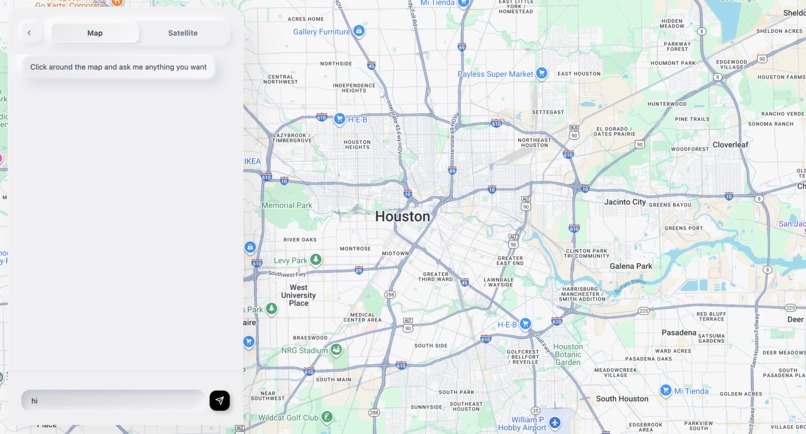
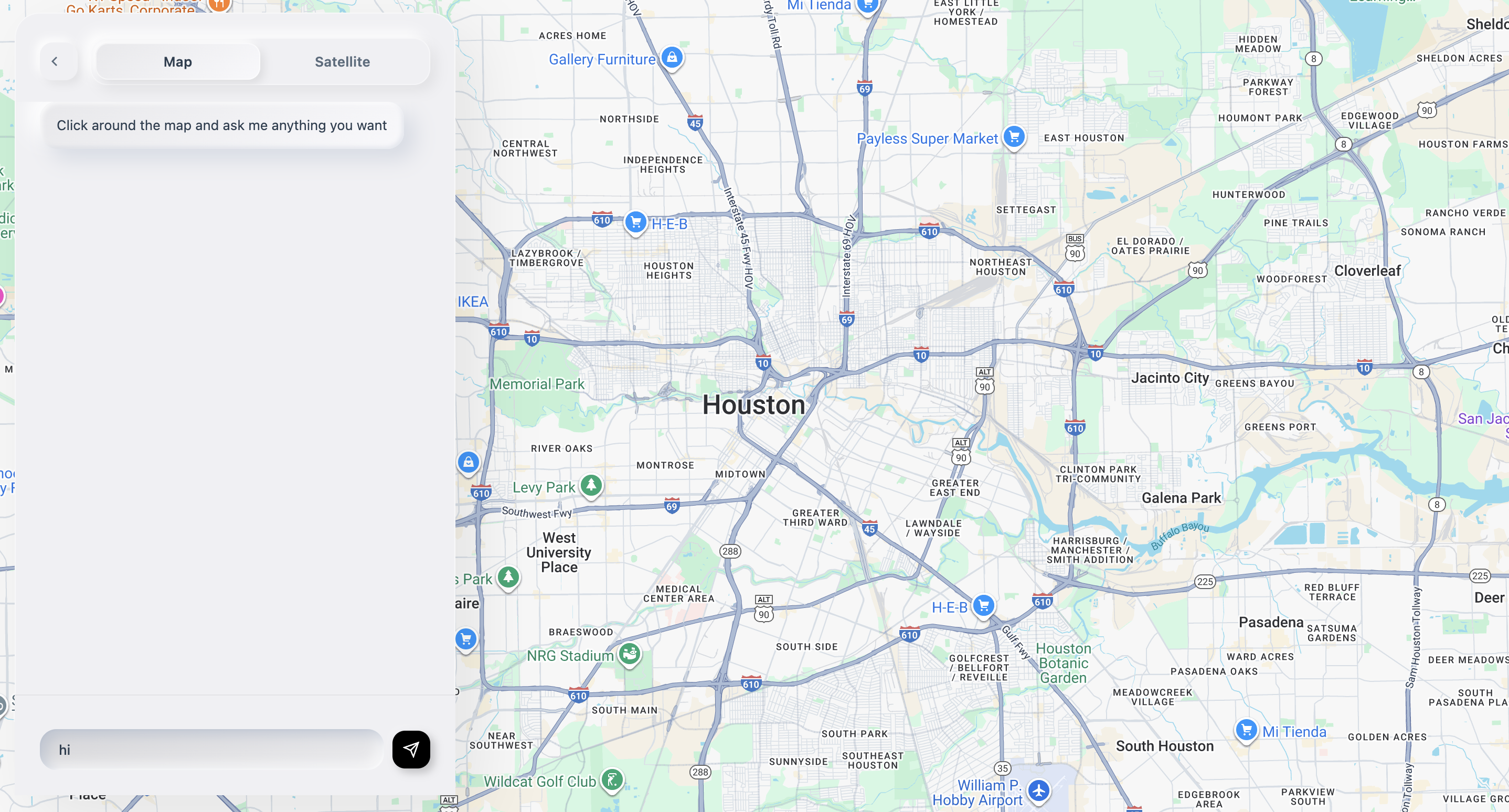
MunchMind’s interactive map interface for local restaurant recommendations.
-

Logo
-

Logo


MunchMind
Inspiration
- Interns, in movies, who fetch lunches for their higher-ups.
- The gradual movement away from scrolling on phones, looking for other interfaces of communication like voice.
- Finding more out about food venues near us.
- The study of data, big data, and everyone eats food (lot's of it).
What it does
- Users can fetch all the restaurants and info anywhere, further refining their query with natural language to find more relevant locations.
- Map pins grow with relevancy, then a user can read an AI analysis, visit websites, call, see reviews, all in one click.
Includes logic to scrape and order deliveries with natural language from Uber Eats.
Intern helps you decide, offers help. Agent orders and pays. All work from the same datastore and models, separated for easier development, and interact together via REST streams, calls, and MCP routes.
Links
- Intern GitHub
- Intern Live Demo
Agent has Speech-to-text using OpenAI Whisper, therefore we thought it interesting to add MCP routes streaming input over text directly to the order automation for integration in other AI platforms as we are essentially building atop their interaction interfaces anyway!
How we built it
We built it through a shared passion for food, connection, and entertainment.
Challenges we ran into
- Twilio VOIP numbers are restricted from signing up to Uber Eats, which we wanted to forward the auth 2FA code via webhook to finalize the order.
- It’s a little slow, so it would need official Uber Eats integrations or large amounts of pre-processing.
- PCI DSS during off_session payments for seamless orders.
Accomplishments that we're proud of
As a team, turning in something together that works, is stable, and performant.
What we learned
- Uber Eats doesn't like Twilio numbers.
- Anthropic states they have sliding window context limits for their API, which is not factual.
What's next for MunchMind
- Use by the developers when in uncommon locations.
- Adding more restaurant data for more locations.
Built With
- actions
- amazon-ec2
- astro
- clouflare
- docker
- git
- google-auth
- google-maps
- node.js
- postgresql
- sqlite
- supabase
- svelte
- typescript
- vite
- zod

Log in or sign up for Devpost to join the conversation.