Inspiration
The MultiOptiEdu project is an application that tackles the pedagogical challenge of teaching divisibility in number theory. It achieves this through a unique, two-pronged approach:
- The Visual Component
- The Algorithmic Component
What it does
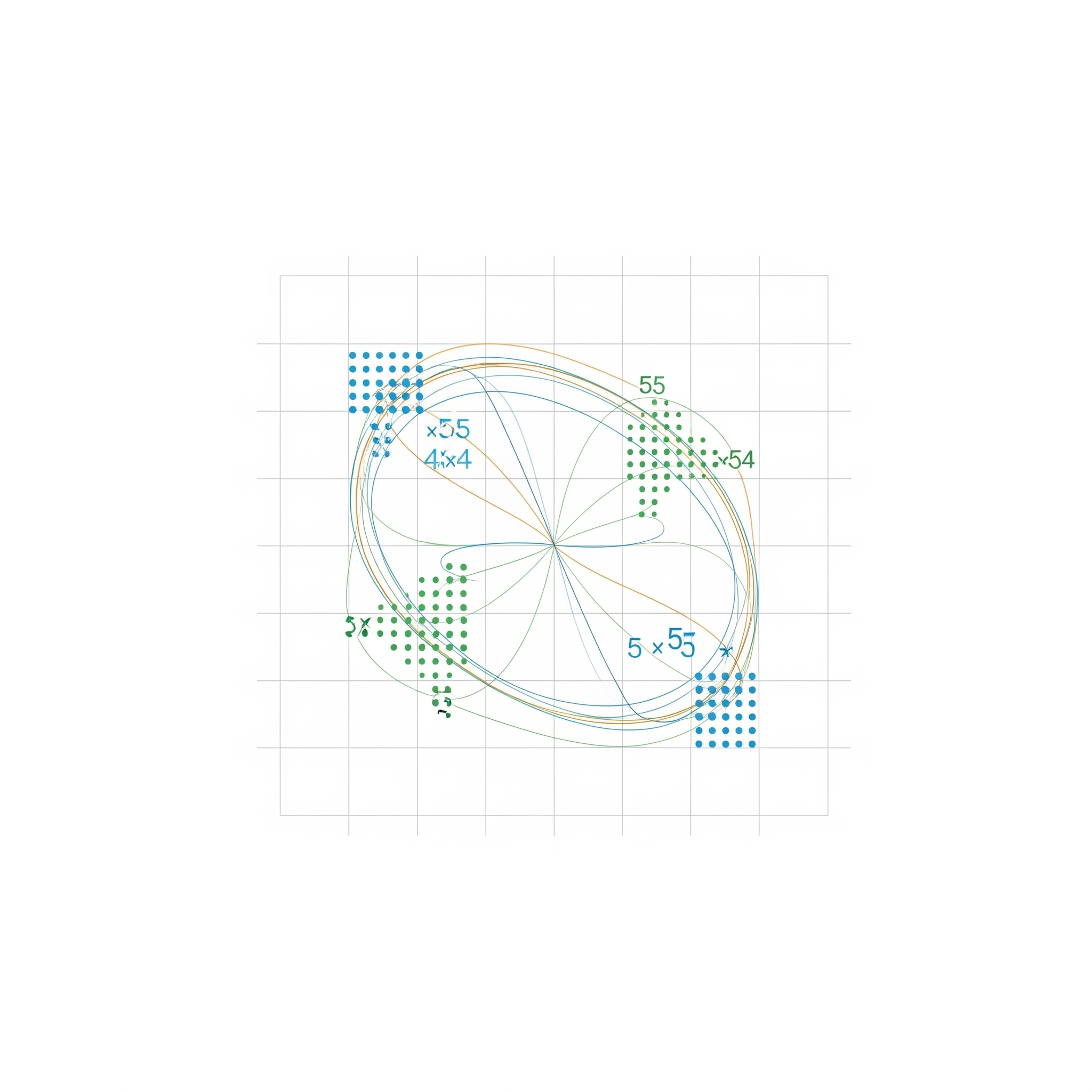
The Visual Component: The core of the project is its visual engine, which uses Python and the matplotlib library to transform a basic multiplication table into an informative graph. This visualization reveals the patterns of numerical relationships and the density of common divisors. The Algorithmic Component: Based on the insights from the visual model, the project implements a minimalist algorithm to find the Greatest Common Divisor (GCD). This algorithm is a computational representation of the project's core visual intuition, demonstrating how a graphical observation can be translated into an effective and efficient problem-solving method.
How we built it
The project was constructed in two main phases. First, I created a visual component using Python and the matplotlib library to generate a mapping of multiplication tables. This visual approach served as the foundation and proof of concept for the second phase. The core of my work was then to translate these visual patterns into a formal, functional algorithm. I built a minimalist and adaptive algorithm for the Greatest Common Divisor (GCD) that replicates the visual process of finding common divisors numerically. I also integrated concepts from computer science to manage the data, using Python's sets for the intersection of divisors, which is a very efficient approach. This process taught me to leverage the computer as a precise instrument for measuring and visualizing data.
Challenges we ran into
The Construction was a Sucess. The Only limits is the Imagination
Accomplishments that we're proud of
We are particularly proud of several key accomplishments that define the success of this project:
- Community Contribution: We successfully contributed to the open-source community by creating a project for specific challenges. This work can inspire other developers and educators, sharing a unique approach to learning mathematics.
- Innovative Approach to the GCD: Our greatest pride lies in creating a unique GCD algorithm. It is not based on existing formulas but is a direct translation of the visual logic from our graphs. This proves that visual intuition can be the source of a robust algorithmic solution.
- Empirical Discoveries: Our visual model allowed for key empirical observations beyond the algorithm's basic function. We discovered the phenomenon of the saturation of common divisors and the principle of transitive divisibility, both of which enrich the understanding of number theory.
What we learned
Through this project, I gained a deeper understanding of number theory and algorithm design. I also discovered the computer's capabilities as a true calculation instrument, a tool that goes far beyond a simple machine. I learned how to leverage software like Python and its libraries (such as matplotlib and numpy) to precisely measure and visualize data.
This experience taught me about the accuracy of computational results and how a computer can be a powerful hub for gathering and organizing various measurement tools. It was a profound learning experience that bridges abstract mathematical concepts with practical application, proving that a computer can be a powerful instrument for revealing and formalizing underlying mathematical principles.
What's next for MultiOptiEdu
The project's greatest potential lies in its future development as a pedagogical tool. The core concept, which translates abstract numerical relationships into visual patterns, is perfectly suited for a young audience aged 9-16.
The next steps for MultiOptiEdu would be to transform it from a proof-of-concept into a user-friendly educational application. This would involve:
- Developing an Interactive Interface: Creating a simple and intuitive graphical user interface (GUI) where students can input numbers and instantly see the corresponding visual graph and GCD calculation. This would allow for real-time experimentation and hands-on learning.
- Expanding the Learning Scope: The application could be expanded to include interactive tutorials and quizzes on key concepts like prime numbers, composites, and factors. The visual model could also be used to explore other number theory principles beyond the GCD, further enriching the learning experience.
- Gamification: Integrating elements of a game or a challenge-based system could make the learning process more engaging and rewarding for students.
Ultimately, the goal is to make a powerful computational instrument accessible to a new generation, demonstrating that math is not just about memorizing formulas, but about discovering patterns and building logical connections.

Log in or sign up for Devpost to join the conversation.