Inspiration
With the growing global burden of chronic and acute illnesses, early detection remains one of the most effective ways to reduce mortality and improve quality of life. However, access to timely diagnostics is still limited for many. MultiMed Oracle was born out of the idea to democratize early disease detection using machine learning, enabling individuals to receive health insights before symptoms become severe—bridging the gap between preventive healthcare and technology.
What It Does
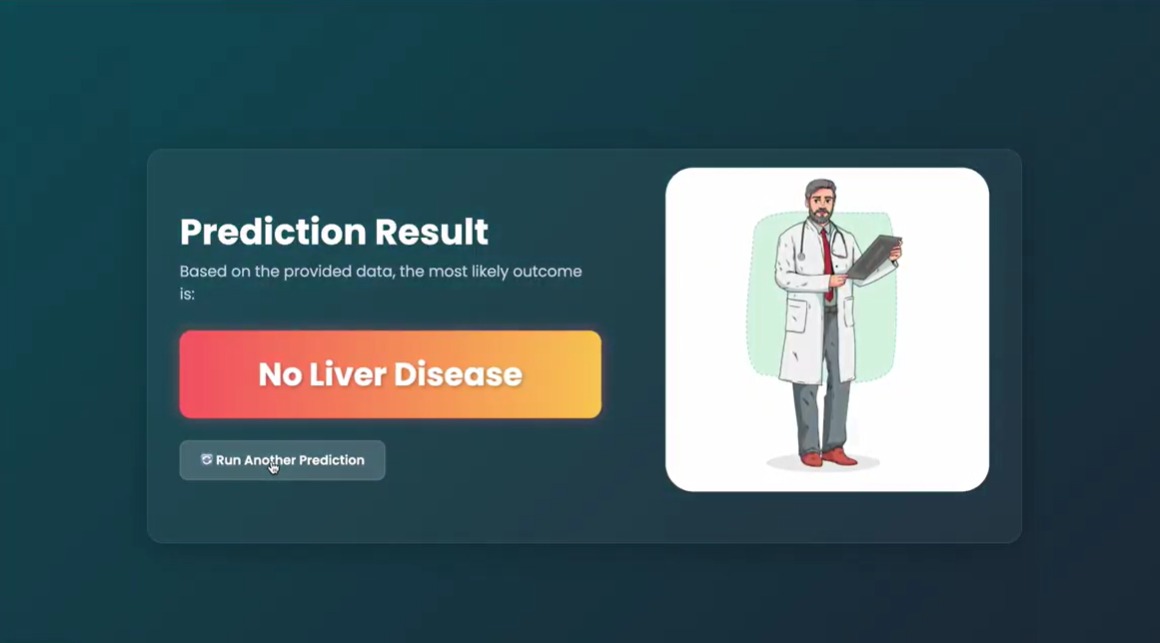
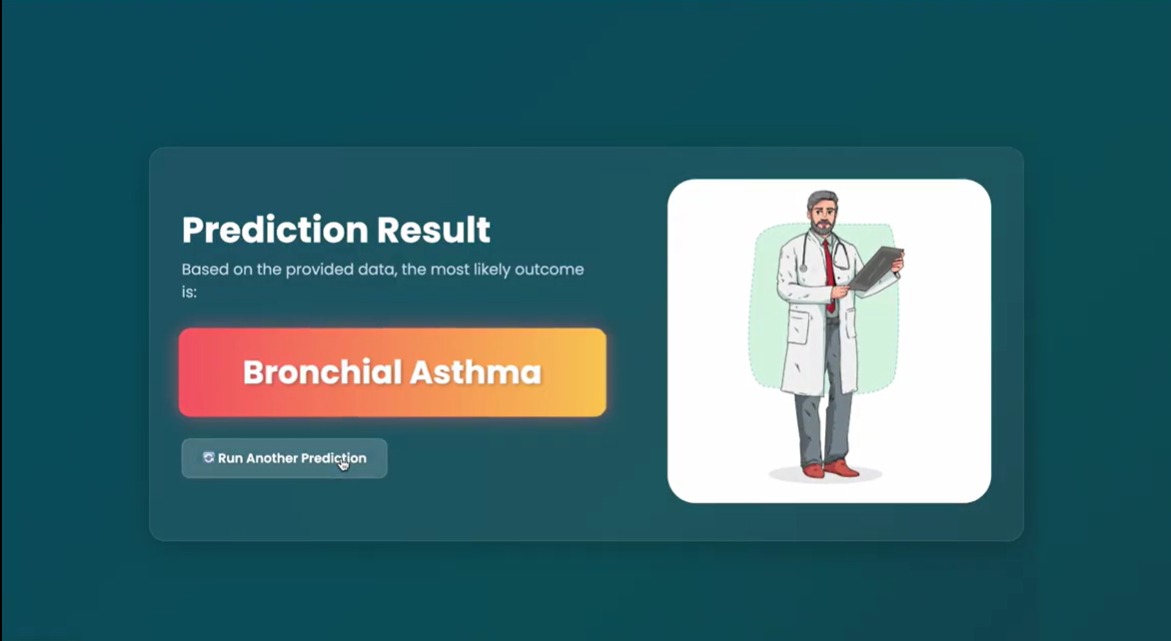
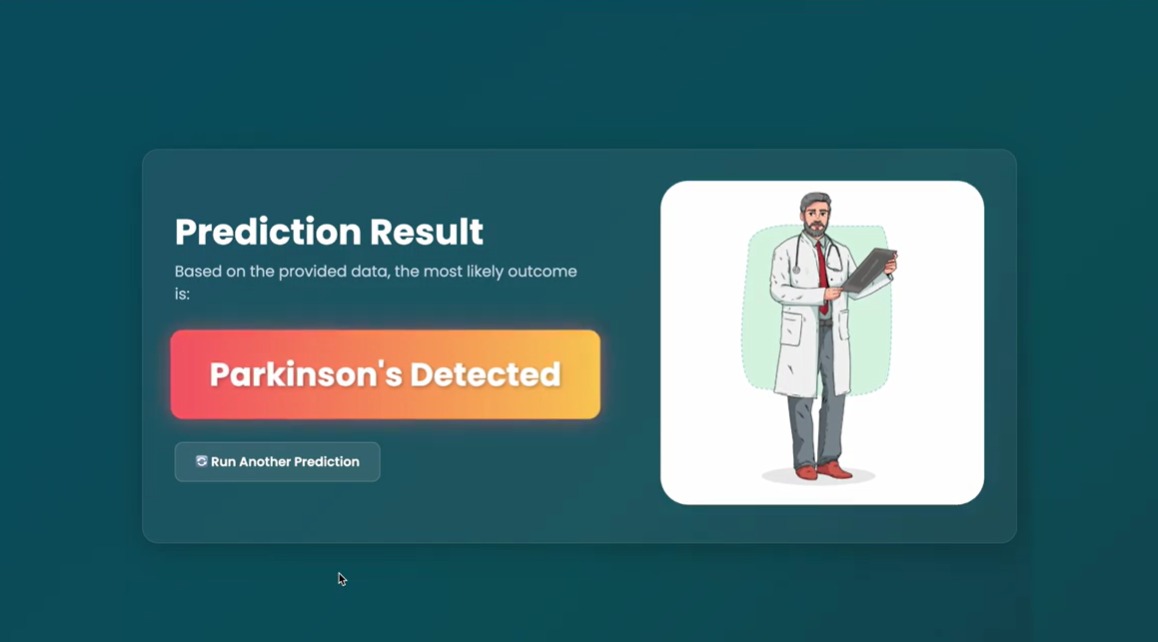
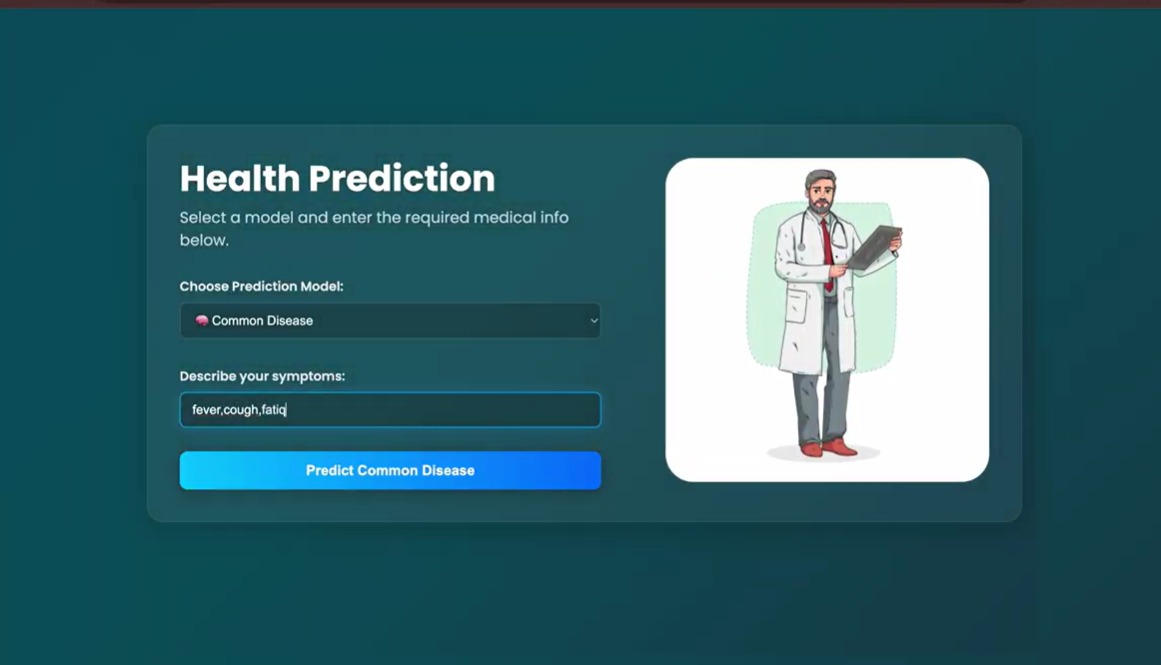
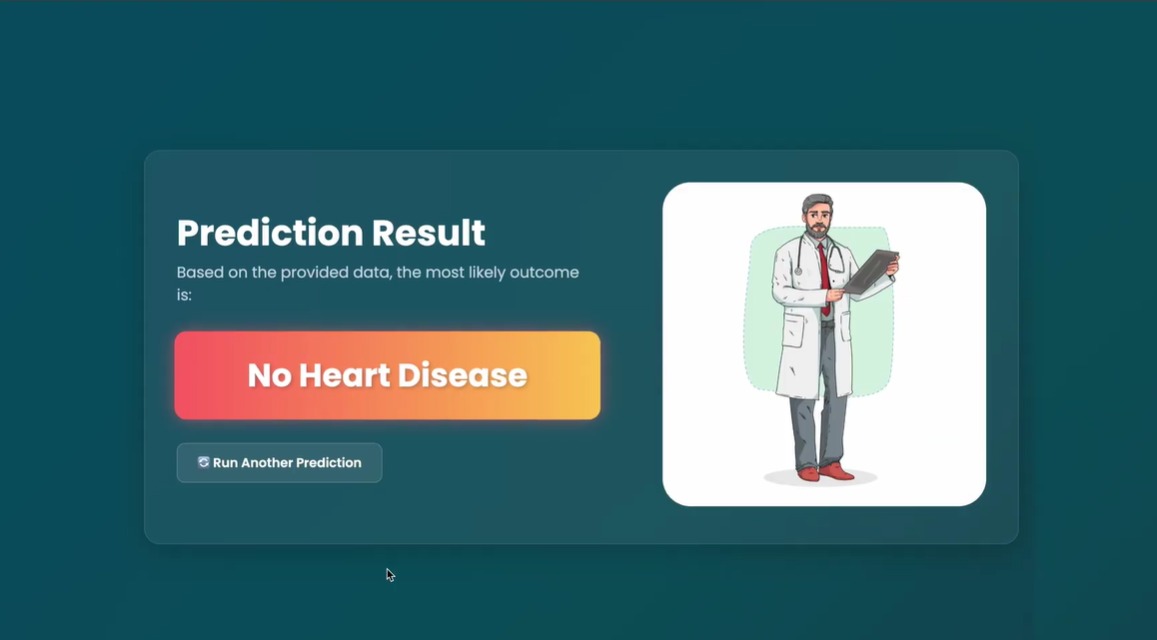
MultiMed Oracle is a comprehensive disease prediction platform that leverages machine learning to assess a user's health data and symptoms to predict the likelihood of multiple conditions. The system currently supports prediction for: Common illnesses Chronic conditions: Diabetes Liver Disease Heart Disease Lung Disease Parkinson's Disease Users can input relevant medical data through an intuitive interface and receive instant predictions along with preventive advice, empowering them to take action early.
How We Built It
The platform is powered by multiple supervised learning models, each tailored to a specific disease. Key components include: Data Pipeline: Cleaned and preprocessed disease-specific datasets using Pandas and NumPy Machine Learning Models: Built using Scikit-learn and XGBoost,catboost randomforest etc optimized through cross-validation User Interface: Developed using Streamlit for simplicity and rapid deployment Backend Integration: Consolidated all models into a modular backend, allowing the system to dynamically select and apply the appropriate predictive algorithm based on user input
Challenges We Encountered
Data Limitations: Sourcing high-quality, balanced datasets—especially for rare diseases—was difficult and time-consuming. Model Generalization: Avoiding overfitting while maintaining high accuracy across diverse datasets posed a significant challenge. System Integration: Merging multiple disease models into a unified system without compromising performance or usability required careful design. Interpretability: Ensuring users could understand and trust the results meant balancing predictive power with transparency.
Key Accomplishments
Successfully developed and deployed a unified, multi-disease prediction system with strong performance metrics (average accuracy ranging from 85% to 95%). Built a scalable, modular architecture that allows easy addition of future disease models. Delivered a seamless, user-friendly interface suitable for both laypersons and healthcare professionals. Created a tool that has the potential to support early diagnosis and reduce diagnostic delays in real-world applications.
What We Learned
The critical importance of clean, relevant data in medical AI applications. Best practices for training and validating machine learning models in a healthcare context. Techniques for managing feature selection and normalization across diverse datasets. How to design accessible tools that still maintain technical depth and precision. The ethical and practical implications of predictive healthcare systems.
What’s Next for MultiMed Oracle
Expanded Disease Coverage: Incorporate additional conditions such as kidney disorders, cancers, and mental health indicators. Wearable Integration: Ingest real-time data from devices like smartwatches and fitness trackers to provide continuous monitoring. Clinical Validation: Collaborate with healthcare institutions for clinical testing and refinement of predictive models. Mobile Application: Develop a cross-platform mobile app to increase accessibility and encourage daily health engagement. Explainable AI (XAI): Integrate tools like SHAP and LIME to provide transparent, interpretable predictions to users and clinicians. Multilingual and Inclusive Design: Enhance accessibility for global users through multilingual support and inclusive UX design.
Built With
- adaboostclassifier
- ann
- catboost
- cnn
- decisiontreeclassifier
- deeplearning
- dnn
- extraction
- flask
- gbm
- gnn
- gradientboostingregressor
- gru
- joblib
- k-means
- knn
- lightbgm
- lineardiscriminantanalysis
- linearregression
- linearregresssion
- logisticregression
- lstm
- machine-learning
- pickle
- python
- randomforestclassifier
- rnn
- scikit-learn
- svm
- xgboost


Log in or sign up for Devpost to join the conversation.