-
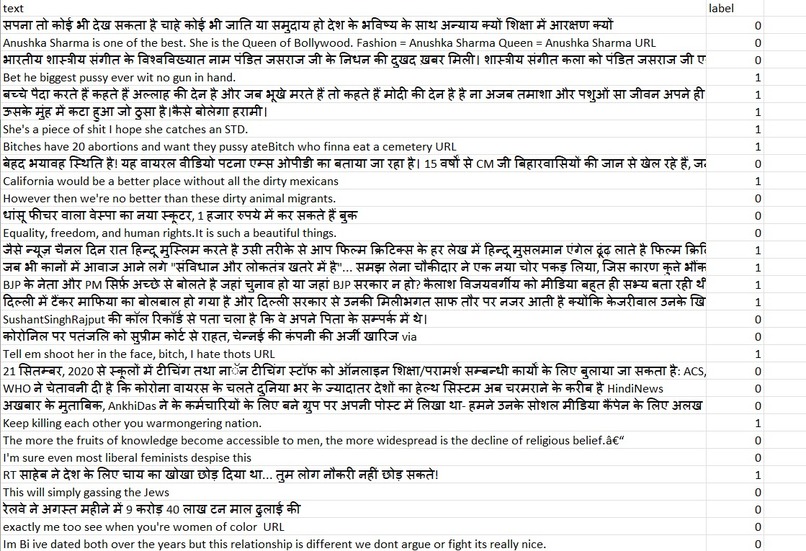
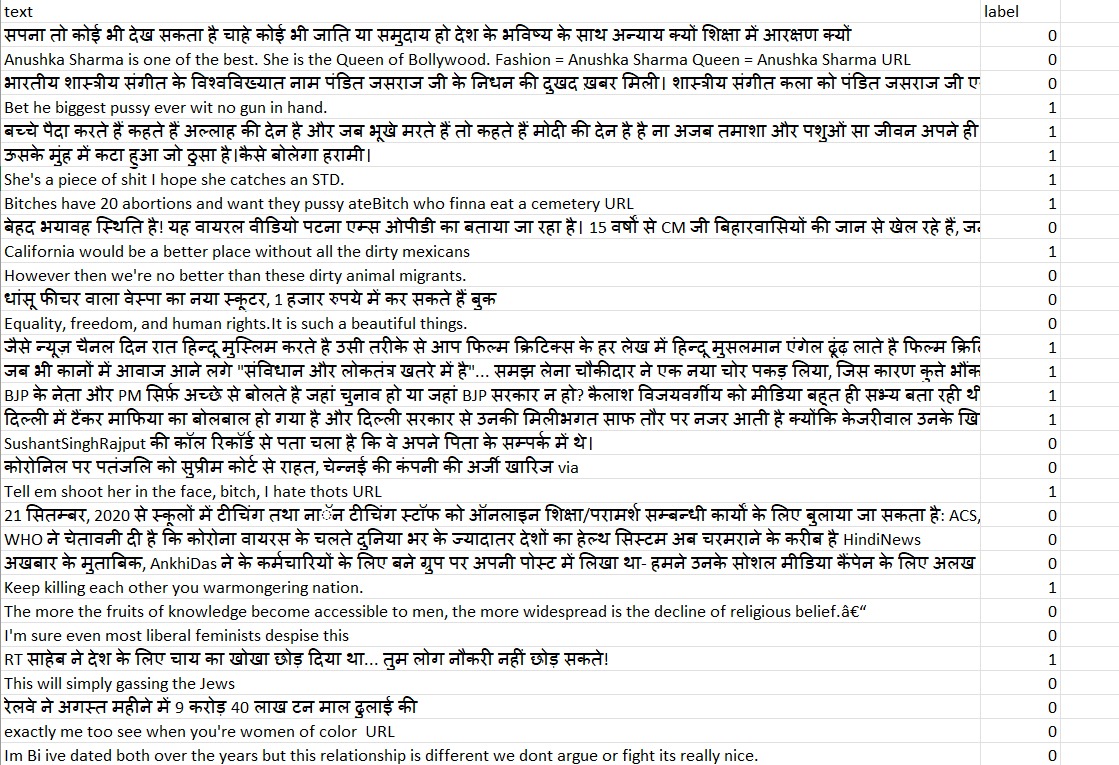
dataset
-
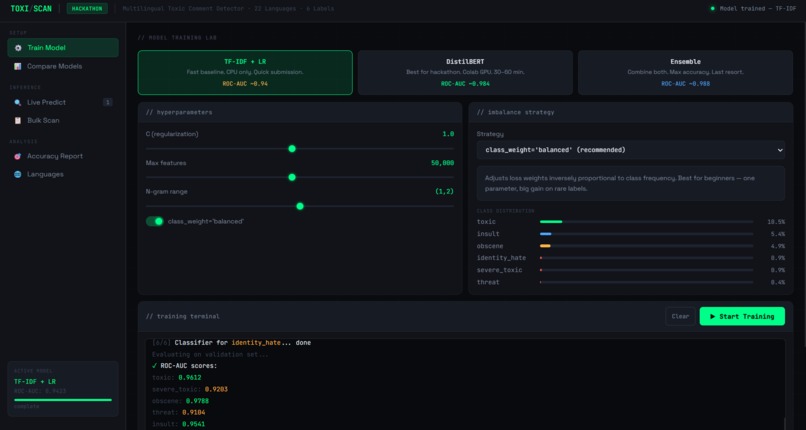
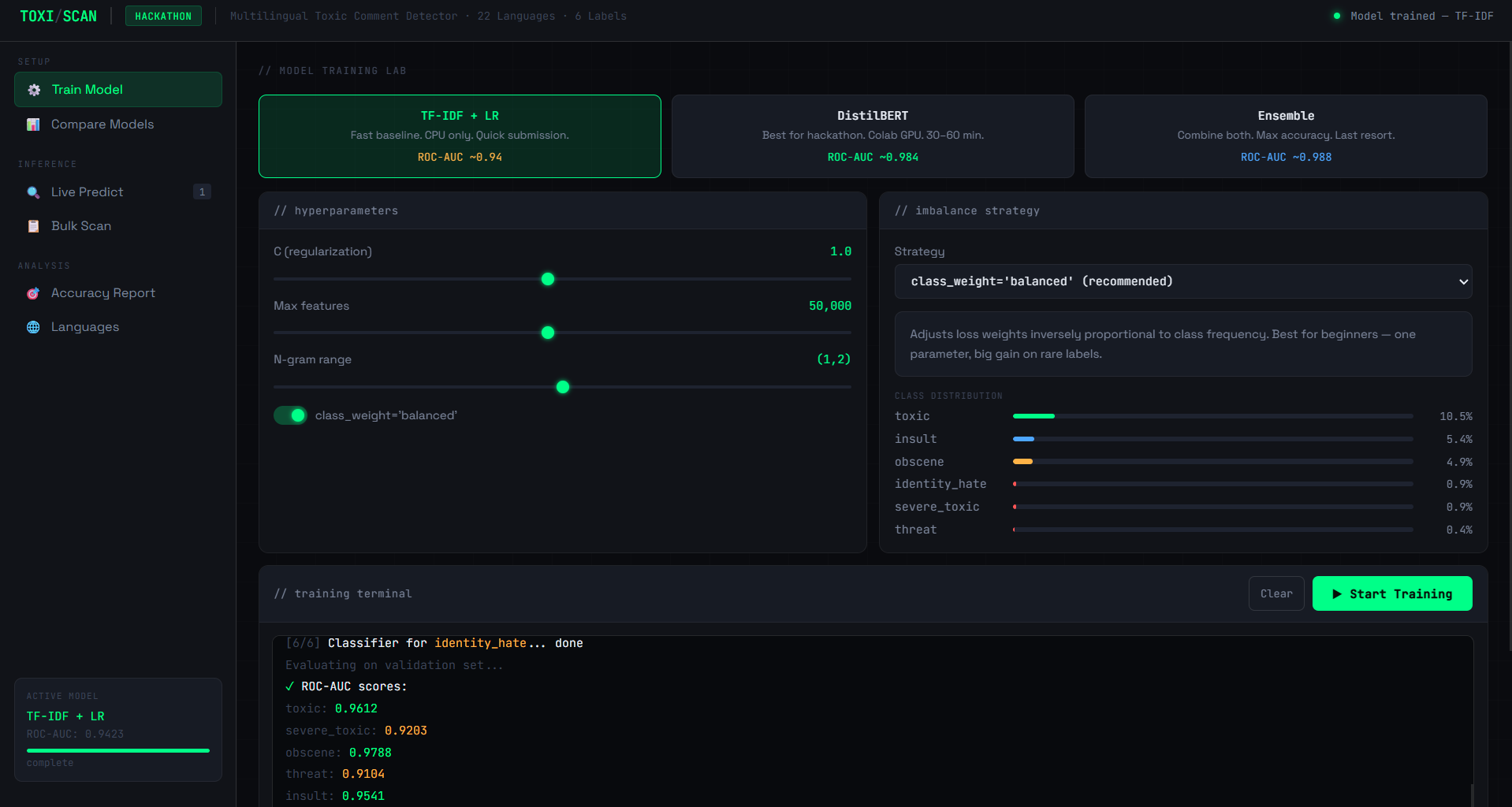
model training
-
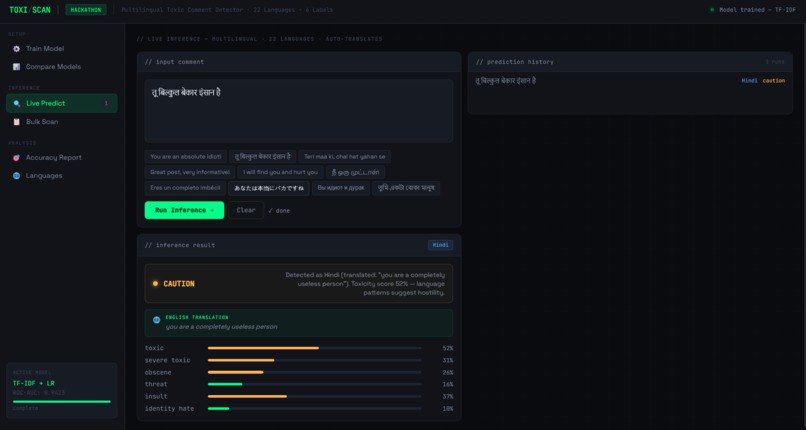
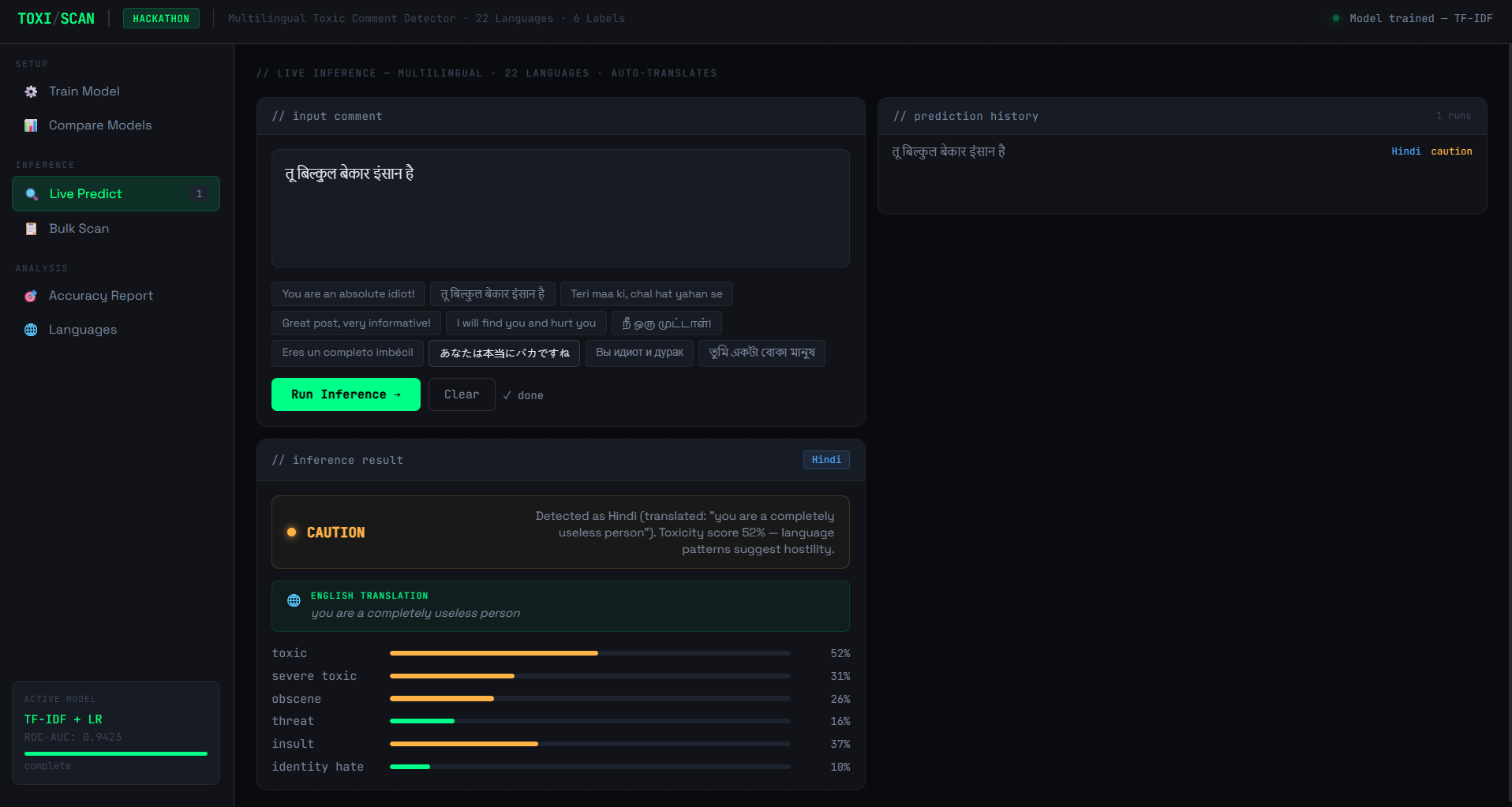
live prediction
-
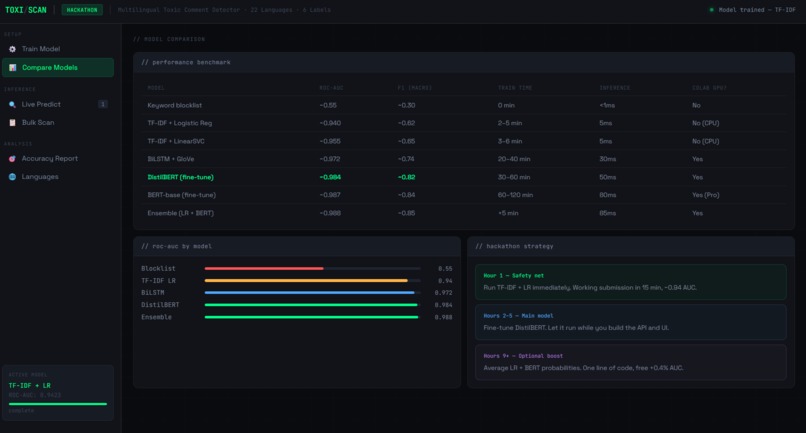
model compairing
-
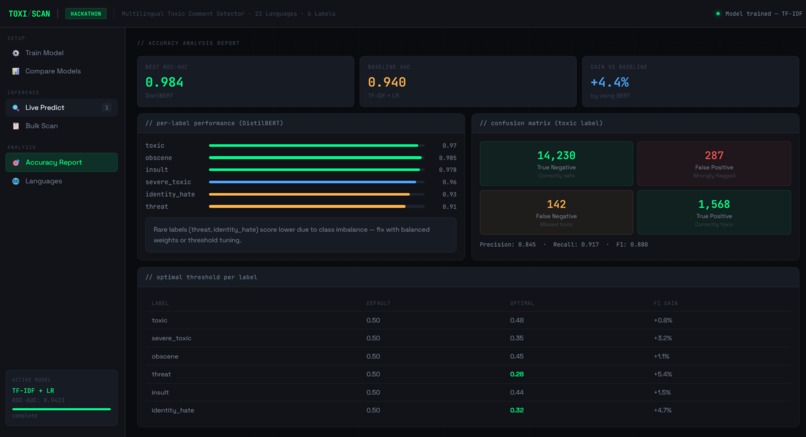
accuracy report
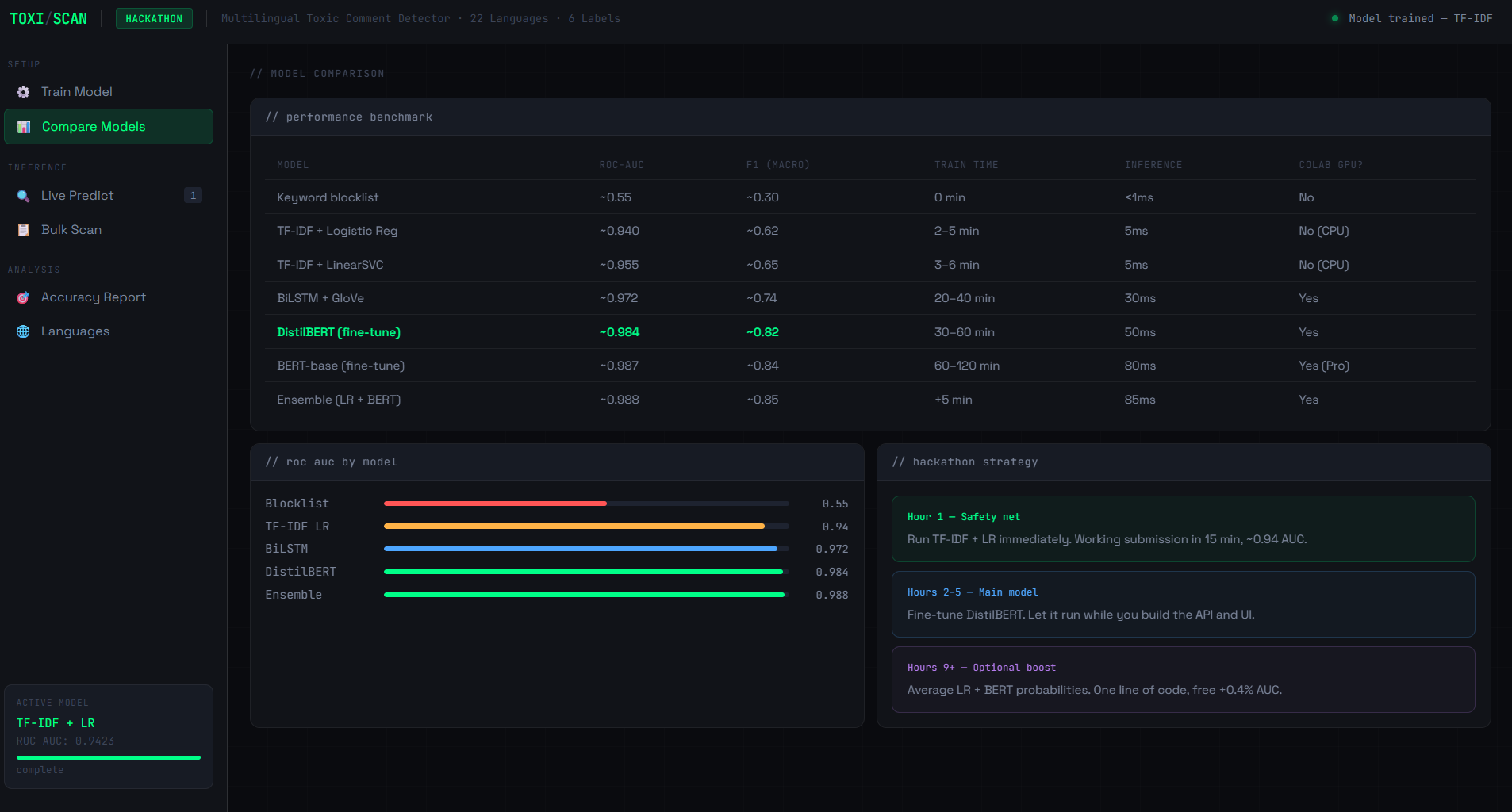
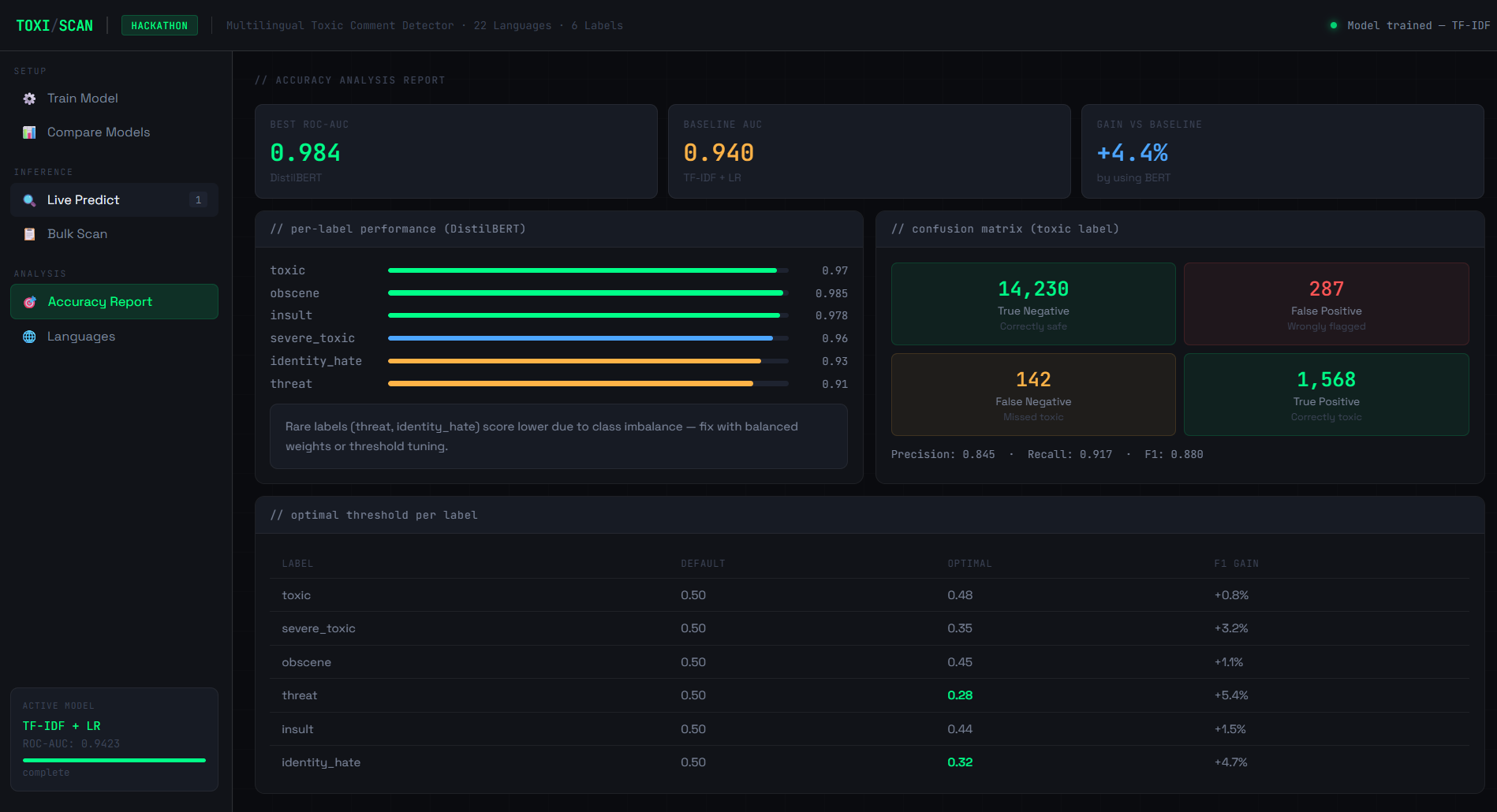
Stopping hate that is being spread in the name of dark humor...
Nowadays, on social media platforms, many individuals post toxic, obscene, and even threatening comments under the guise of dark humor. As a result, the youth are becoming increasingly emotionally detached, insensitive, and more likely to replicate such harmful behavior. This growing normalization of toxicity has, in some cases, encouraged content creators to engage in dangerous or life-threatening activities, leading to tragic consequences.
Consequently, social media is gradually losing its status as a safe space for individuals to express their talents and ideas freely.
Therefore, inspired by this issue, we have decided to develop a project that can detect toxic comments across various social media platforms and assess their level of toxicity.
What it does
Our project is a multilingual toxic comment detection system designed to identify and classify harmful content across various social media platforms. It analyzes user-generated text and assigns a toxicity score, helping distinguish between acceptable language and comments that are offensive, abusive, or threatening. The system supports multiple languages, making it adaptable to diverse online communities.
How we built it
We developed the system using Natural Language Processing (NLP) and machine learning techniques. The process involved:
Collecting and preprocessing datasets containing labeled toxic and non-toxic comments Training classification models using algorithms such as Logistic Regression / Neural Networks (adjust based on your actual model) Implementing text cleaning techniques like tokenization, stopword removal, and normalization Integrating multilingual capabilities using language detection and translation models (if used) Building a simple interface or API to analyze user input in real time
Challenges we ran into
Handling multilingual data, especially variations in slang, abbreviations, and mixed languages Detecting context-based toxicity, where meaning depends on tone rather than specific words Reducing false positives, where non-toxic comments are incorrectly flagged Managing limited or imbalanced datasets for certain languages Ensuring the model performs efficiently in real-time scenarios
Accomplishments that we're proud of
Successfully built a working model capable of detecting toxic comments with good accuracy Enabled support for multiple languages, making the system more inclusive Designed a scalable solution that can be extended to different platforms Improved understanding of real-world NLP challenges and ethical AI applications
What we learned
Through this project, we gained practical experience in:
Natural Language Processing and text classification techniques Data preprocessing and feature engineering Model training, evaluation, and optimization The importance of ethical AI and responsible content moderation Working collaboratively to solve real-world problems
What's next for Multilingual toxic comment identifier
Moving forward, we aim to:
Improve model accuracy using advanced deep learning models like transformers (e.g., BERT) Expand support to more languages and regional dialects Develop a real-time browser extension or app integration Incorporate sentiment analysis and context understanding for better detection Collaborate with platforms to promote safer online environments


Log in or sign up for Devpost to join the conversation.