-
-

-
-
-
-

-
-
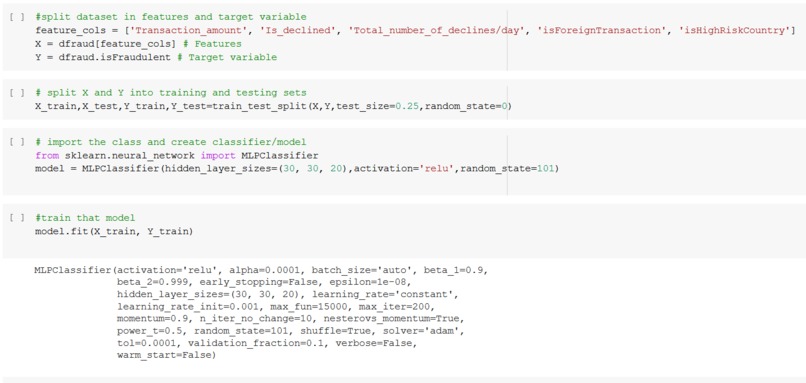
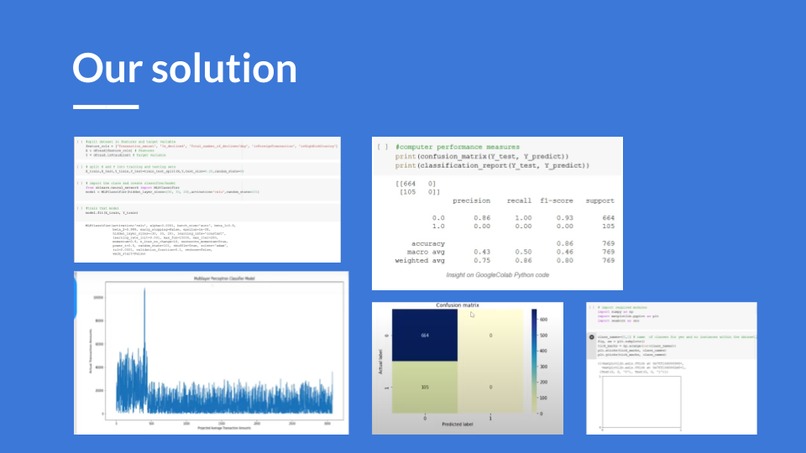
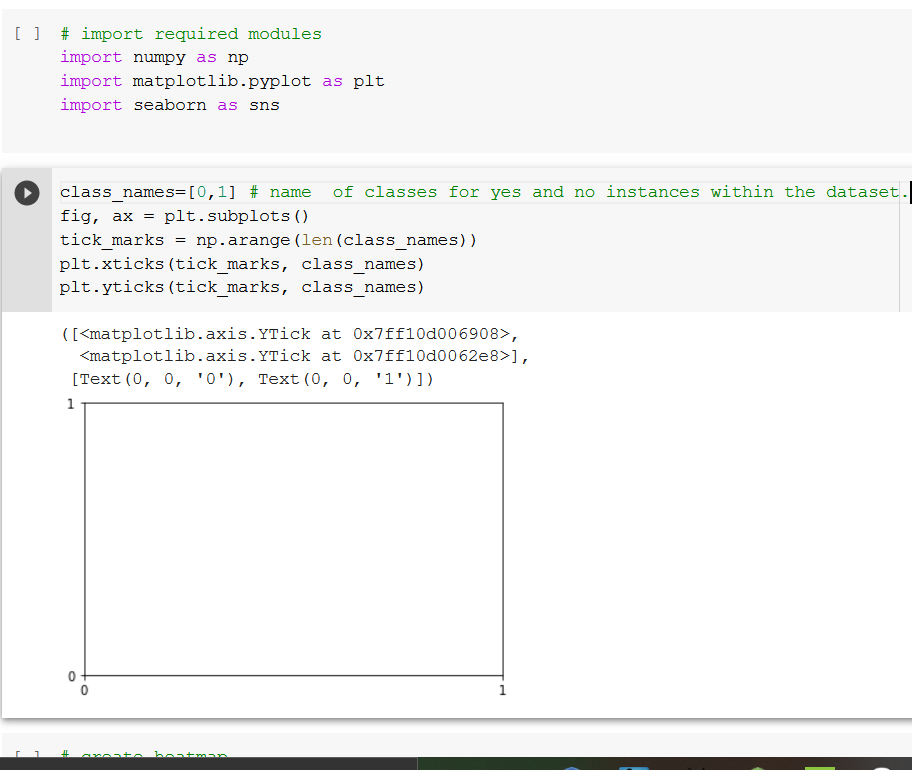
Insight on GoogleColab Python code
-
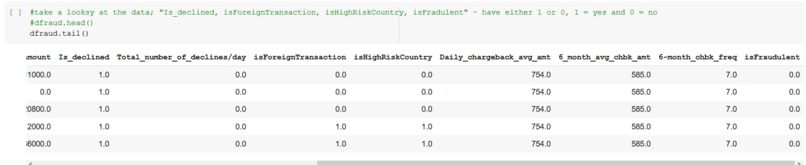
Insight on GoogleColab Python code
-
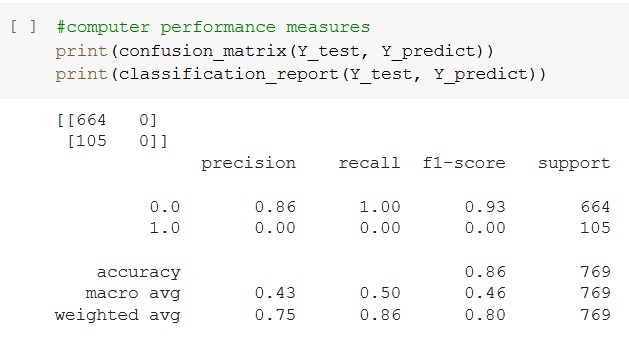
Insight on GoogleColab Python code
-
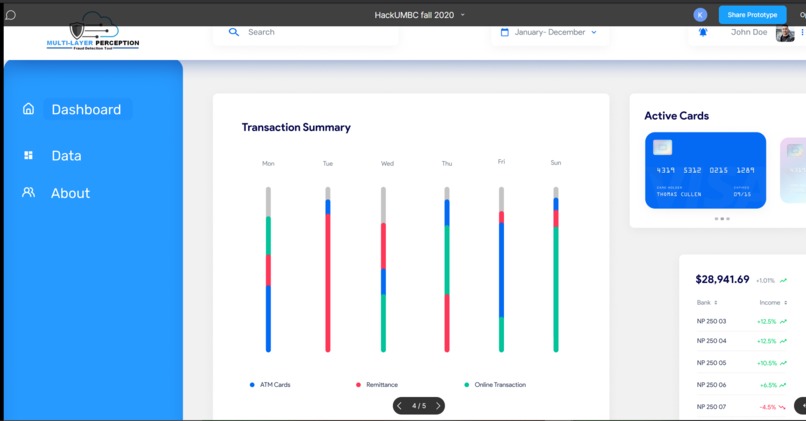
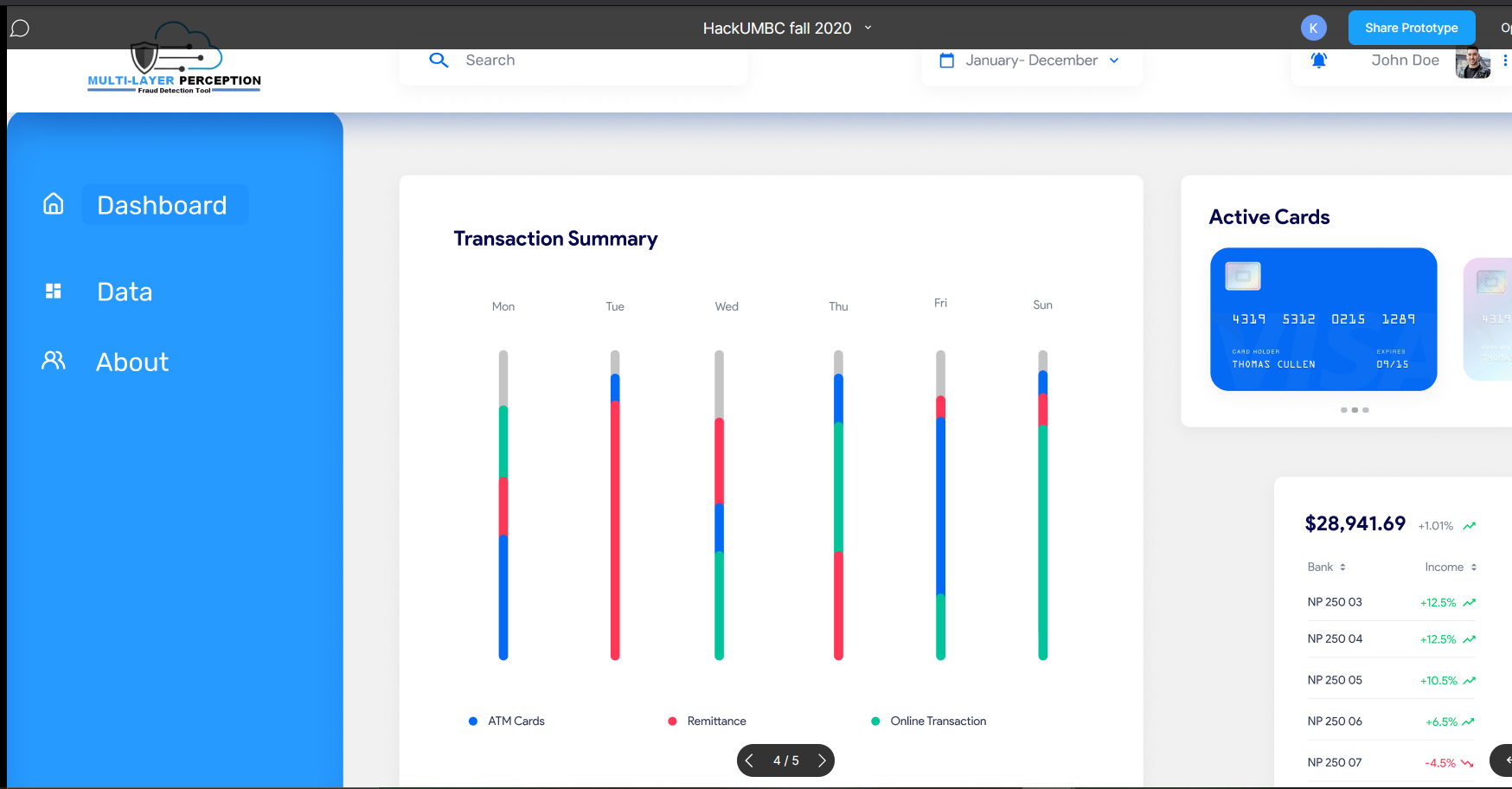
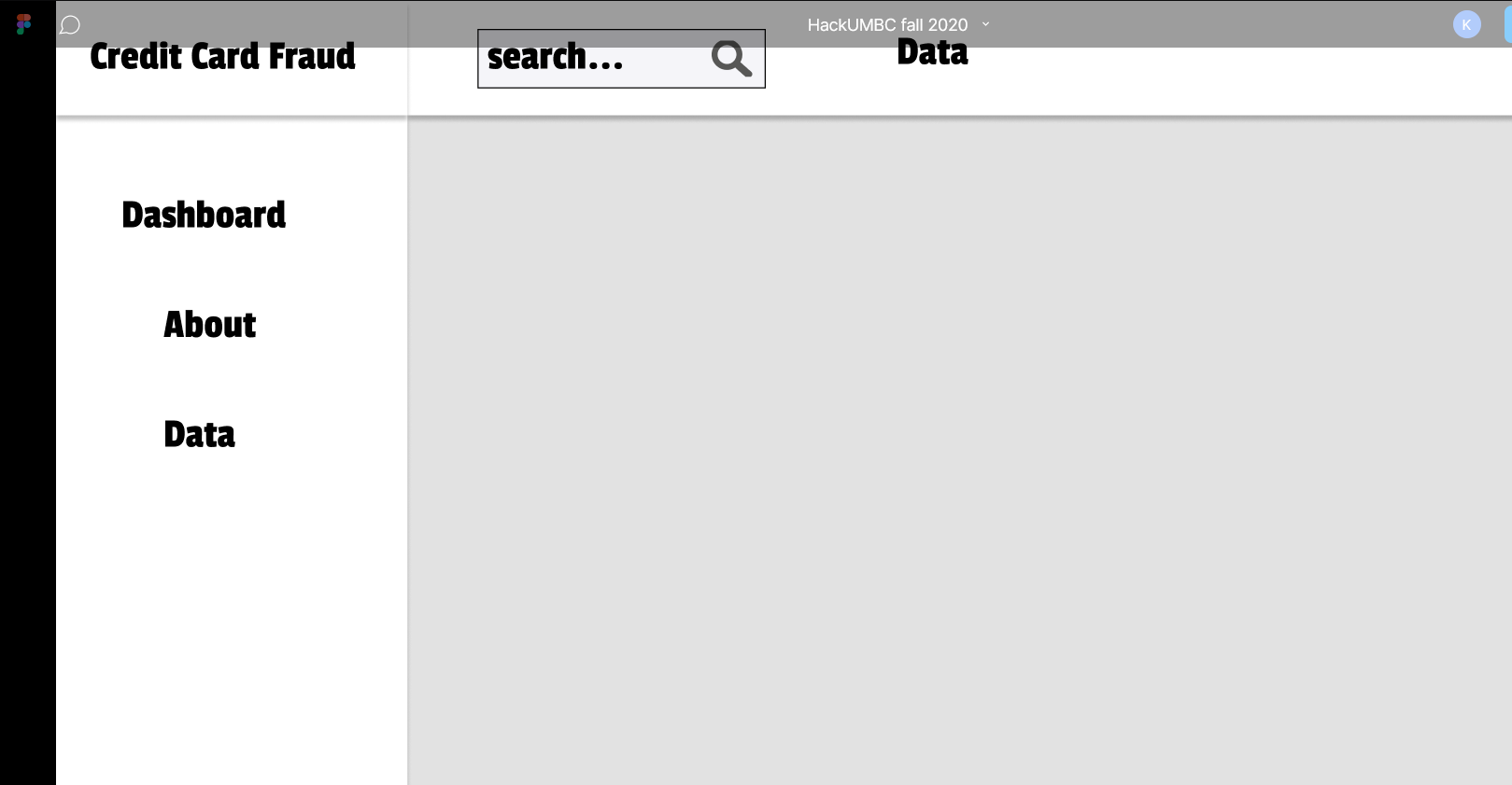
Initial design from Figma (low fidelity mockup)
-
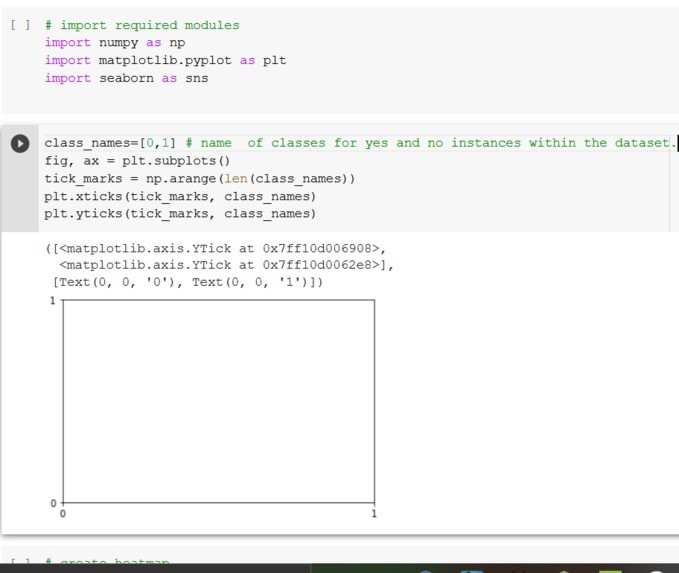
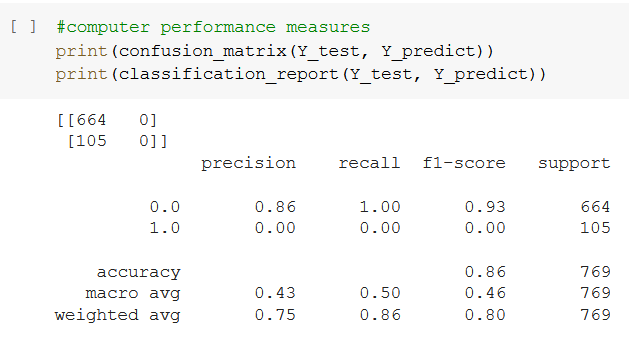
This is the setup for the confusion matrix; The finished confusion matrix is showcased in the live demo.
-
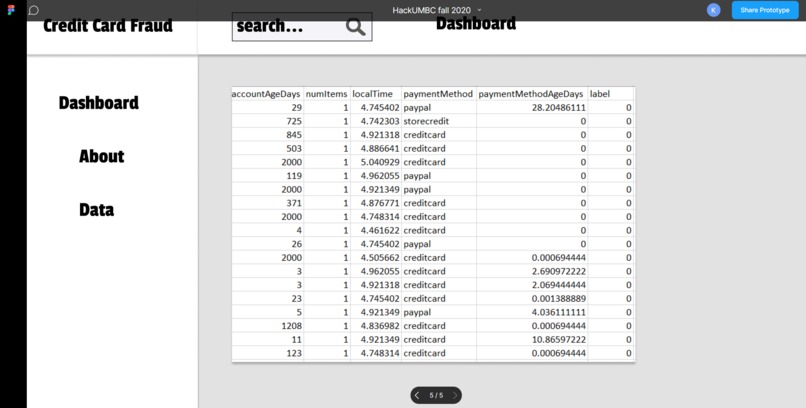
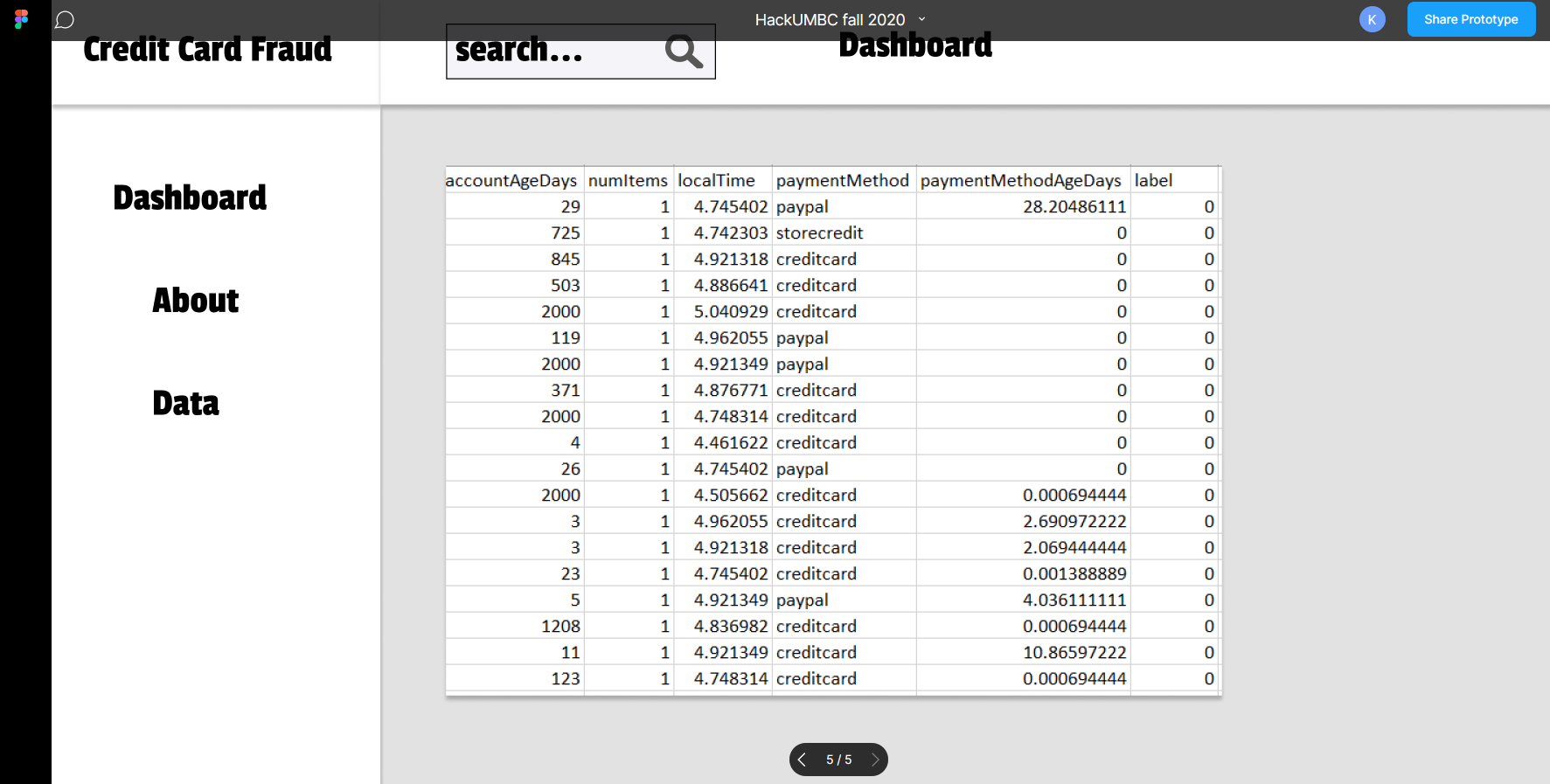
Initial design from Figma (low fidelity mockup)
-
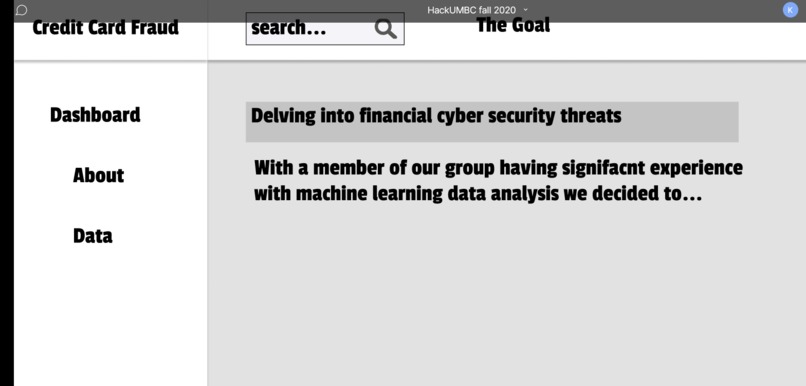
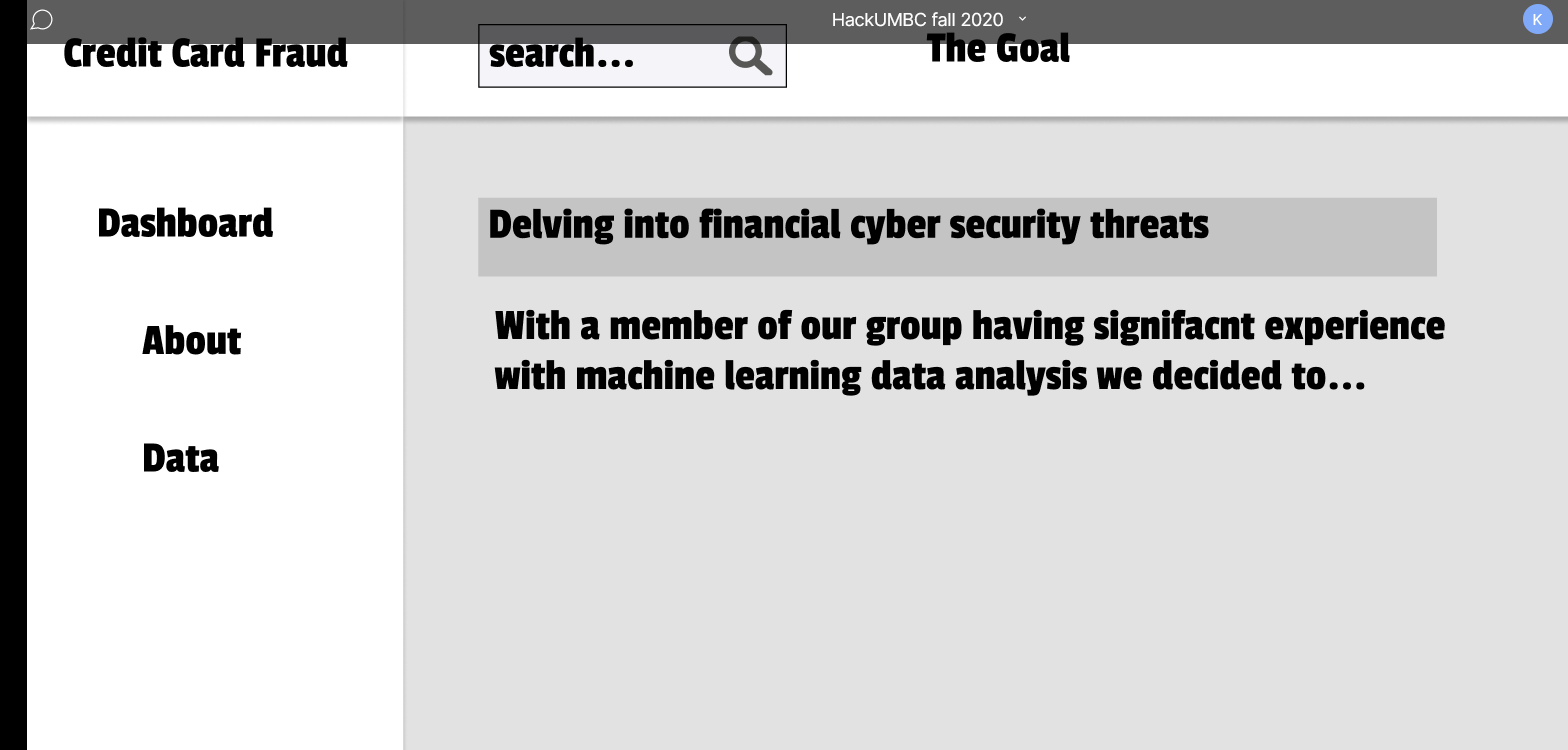
Initial design from Figma (low fidelity mockup)
-
Initial design from Figma (low fidelity mockup)




Inspiration
During the COVID-19 pandemic, America has seen the number of credit card fraud cases and schemes steadily rise across the nation.
What it does
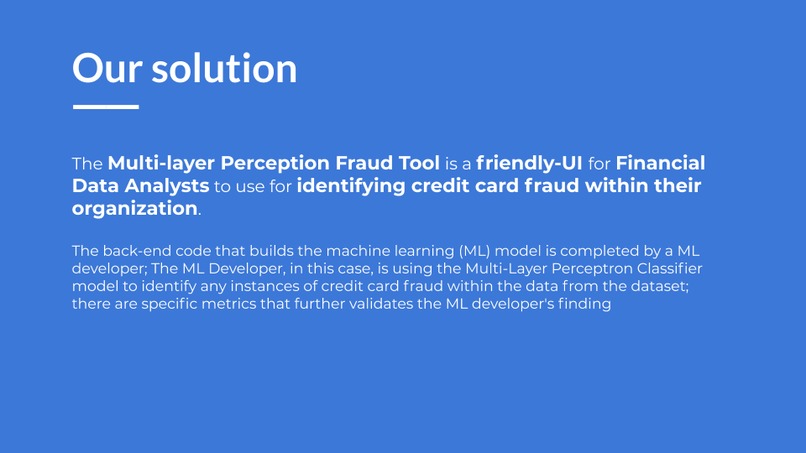
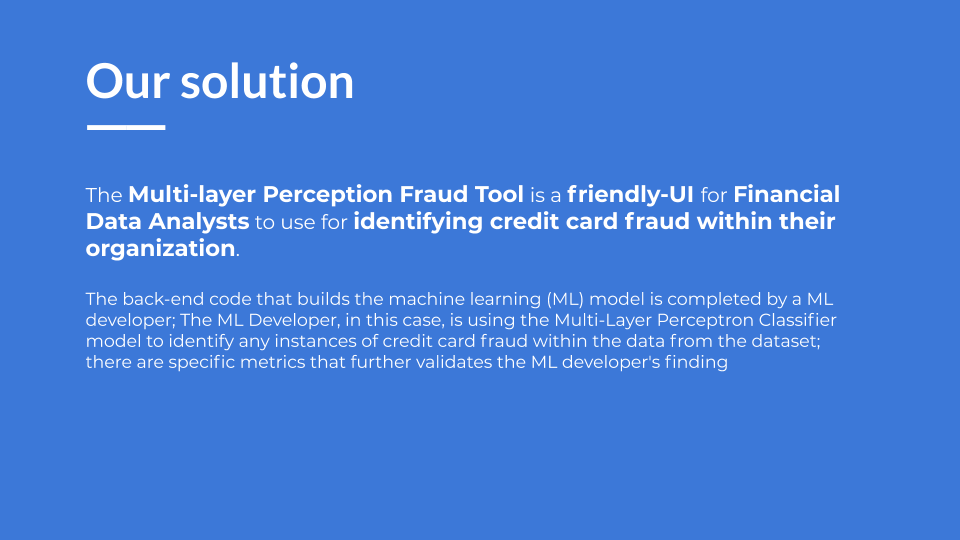
The Multi-layer Perception Fraud Tool is a friendly-UI for Financial Data Analysts to use for identifying credit card fraud within their organization. The back-end code that builds the machine learning (ML), model is completed by a ML developer; The ML Developer, in this case, is using the Multi-Layer Perceptron Classifier model to identify any instances of credit card fraud within the data from the dataset; there are specific metrics that further validates the ML developer's findings.
How we built it
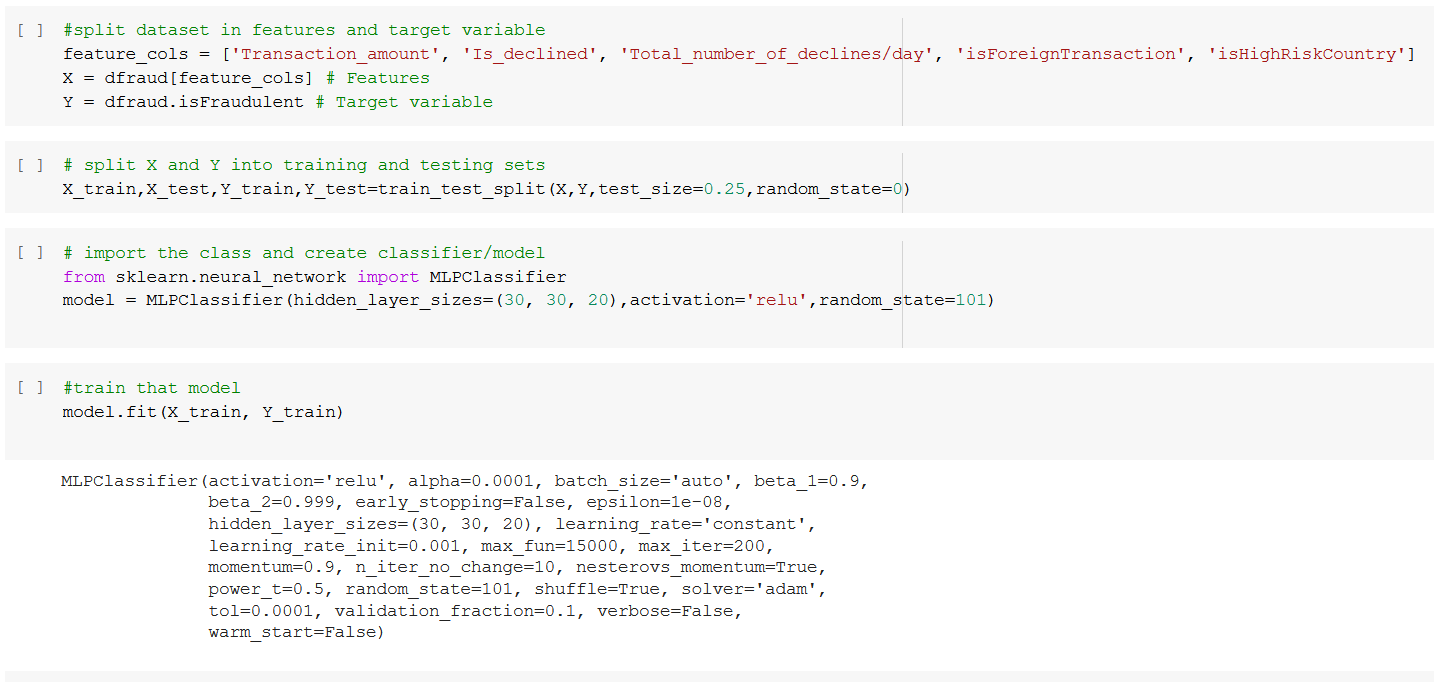
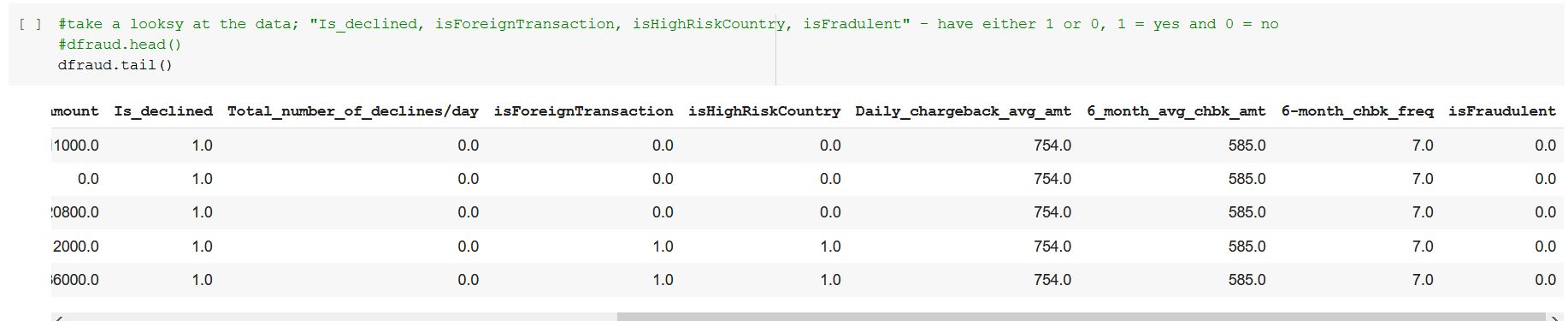
First, we located a finance dataset from Kaggle that included specific fields that highlighted the effectiveness of the ML model. Next, we had to alter the data some due to some strings' issues with the Python code; Essentially, every 'Yes' is changed to '1' and every 'No' is changed to '0'. By doing this, it became easier to fit the ML model. Then, load all of the relevant dependencies and train/test the model. Lastly, the code has more detailed steps for those interested in learning more; there will be a .pynb and .py available.
Challenges we ran into
Initially, it took several hours of brainstorming topic ideas, identifying the proper dataset, and solving format issues with our UI. Kareem realized that the Support Vector Classifier took longer to create the model, so he ultimately chose the Multi-Layer Perceptron Classifier as the model for identifying and validating credit card fraud and schemes within the dataset.
Accomplishments that we're proud of
We have a Figma UI that is a low fidelity mock up. We have utilized ML for data visualization, which has a cool and unique design for the product logo. We identified some very cool datasets along the way!
What we learned
Team members learned how to implement different menus in CSS and HTML. Kareem learned how to use at least one ML model to analyze credit card data for identifying credit card fraud.
What's next for Multi-Layer Perception Fraud Detector Tool
Our Technical Product Manager lead and ML coder, Kareem, has already created the Support Vector Classifier model; Kareem has attempted to utilize a Recurrent Neural Network (RNN) model, powered by TensorFlow, and a Long Short Term Memory (LSTM) model, powered by Keras, as the next steps for our Multi-layer Perception Fraud Detector Tool.


Log in or sign up for Devpost to join the conversation.