-
-
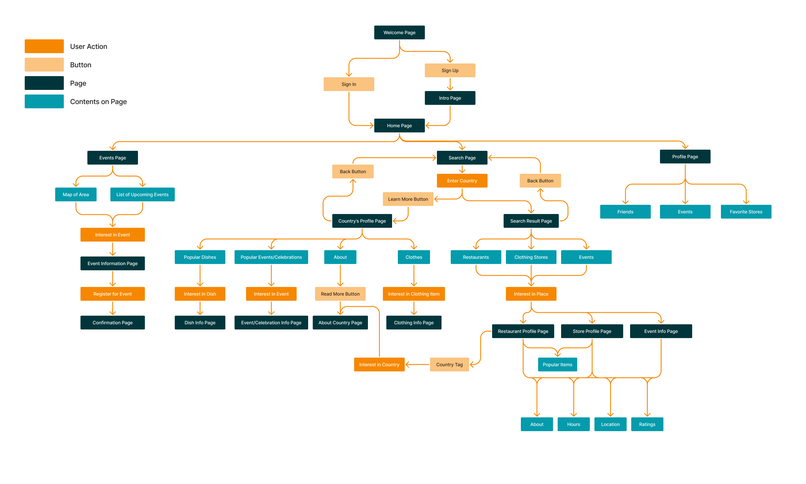
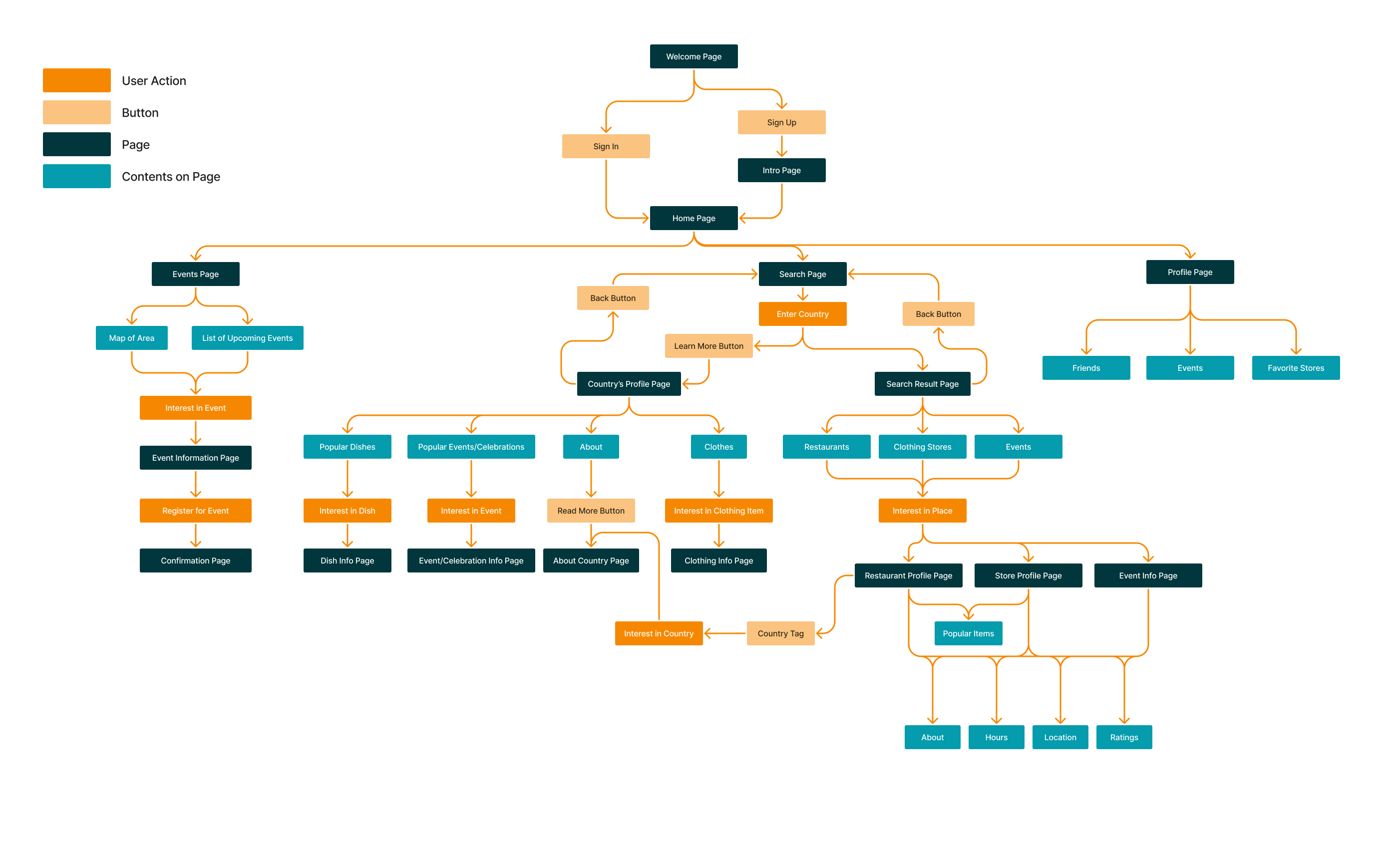
User Flow
-
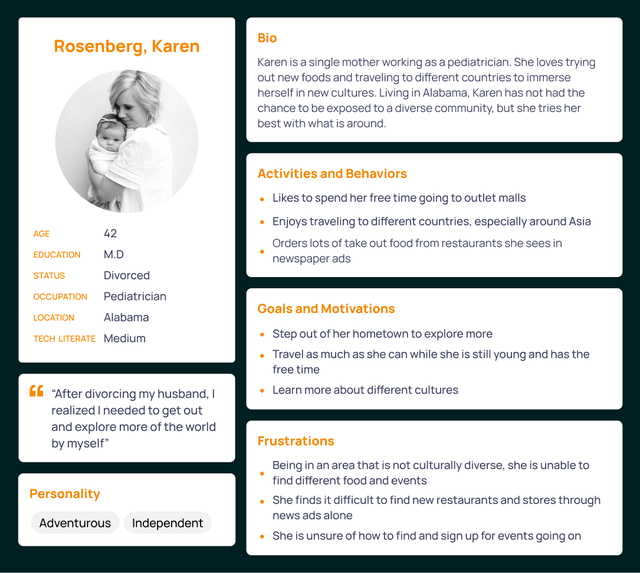
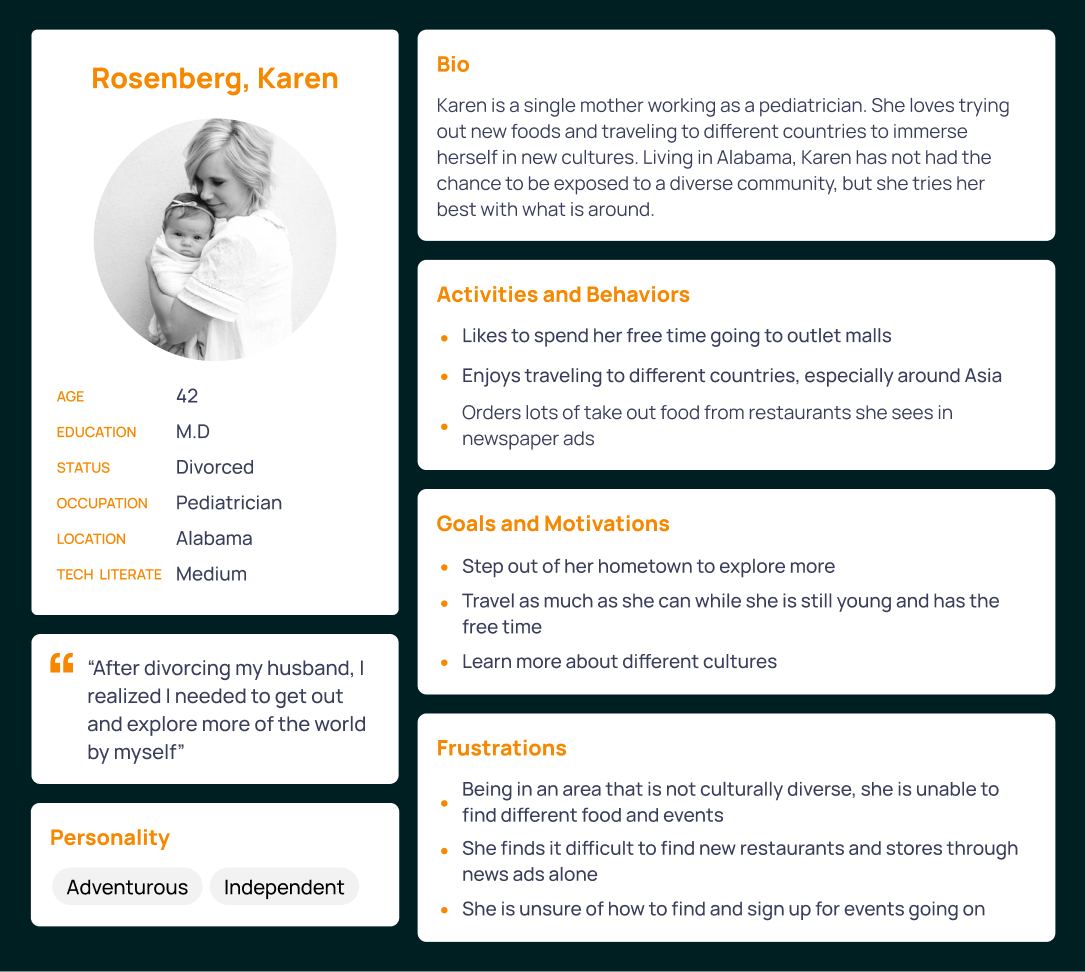
User Persona 1
-
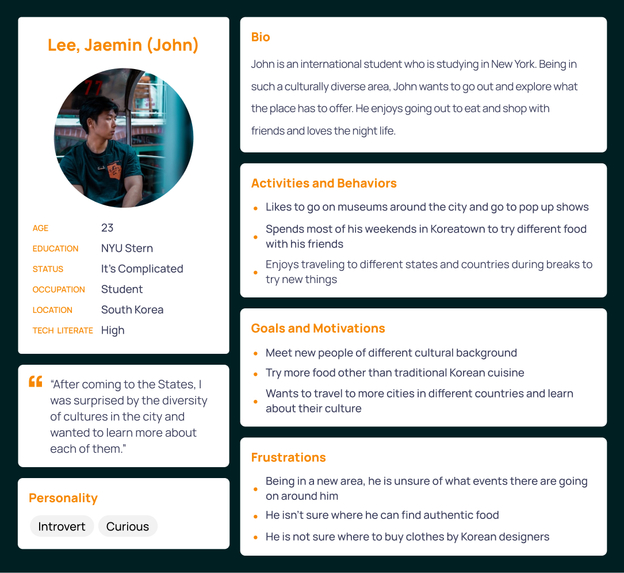
User Persona 2
-
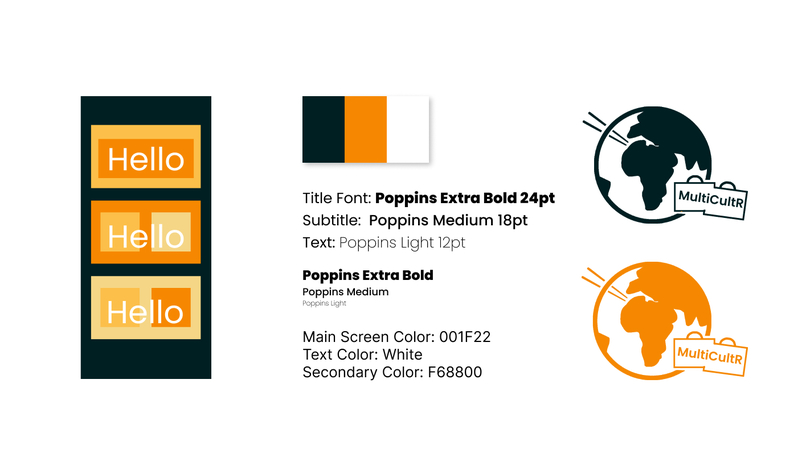
Color and Icon
-
Welcome Page
-
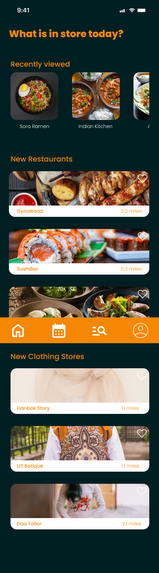
Home Page
-
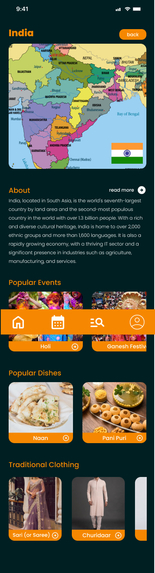
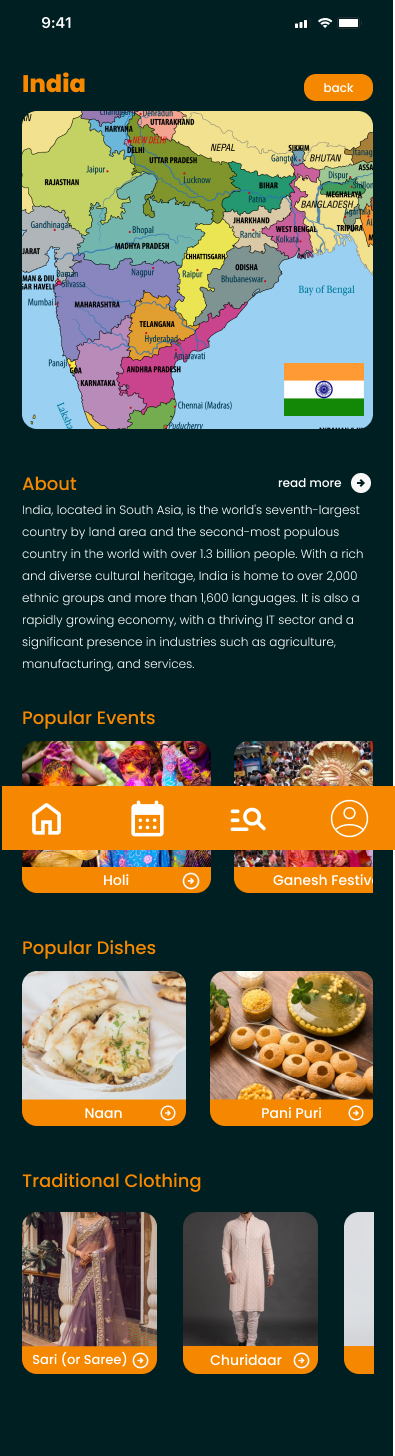
Country Information
-
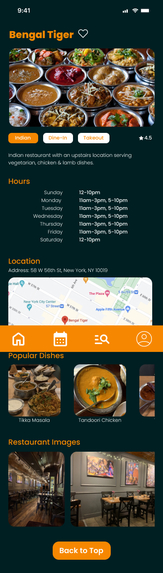
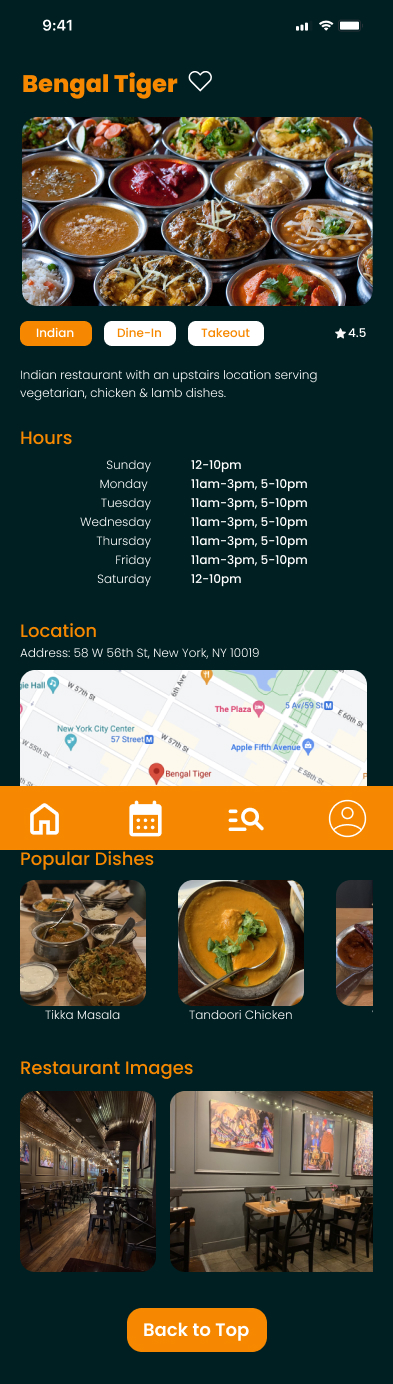
Restaurant Profile
-
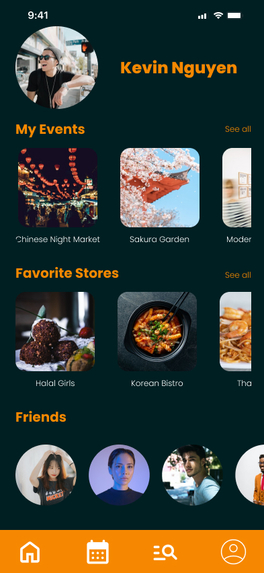
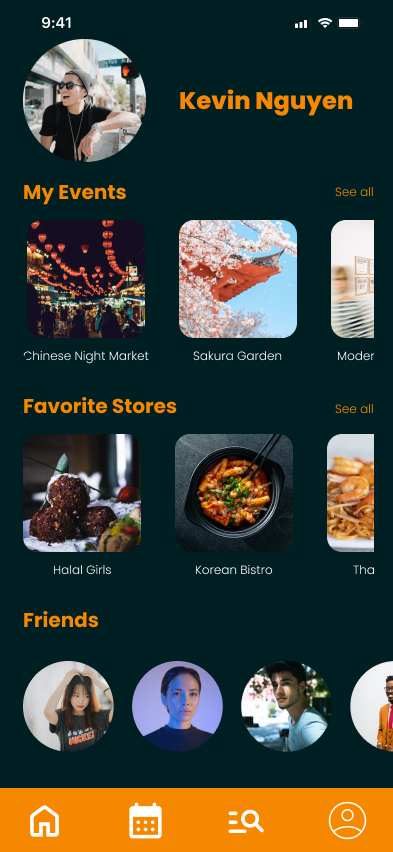
Profile
-
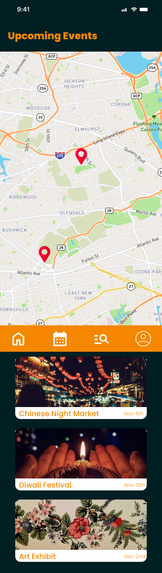
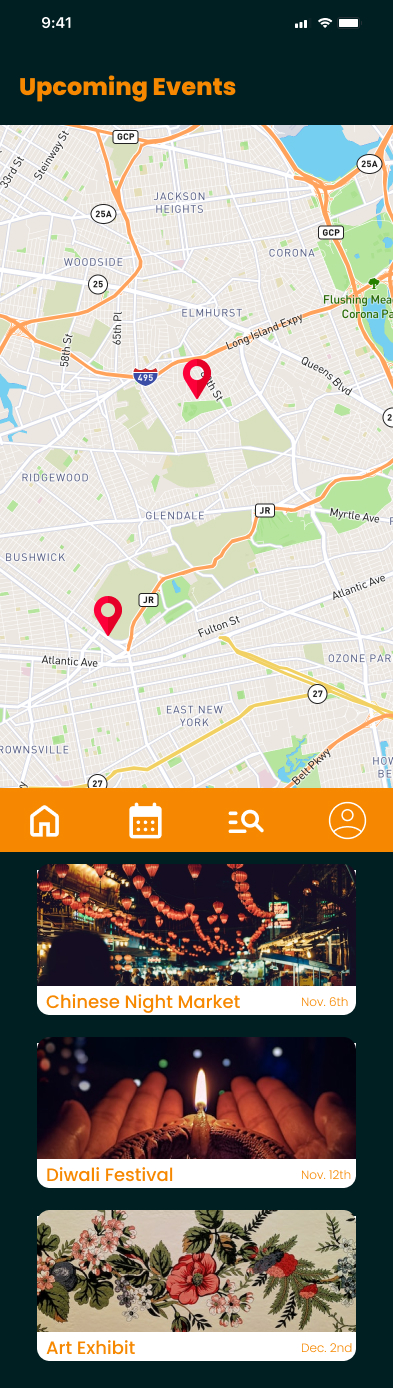
Event Search
Inspiration
Boston University has a diverse student body where people are able to showcase their cultures to each other. As students, we’ve seen cultural clubs put on shows and host events that we participated in. We were able to learn a lot about each culture and had fun doing so. With that being our inspiration, we wanted to create an app that would give people the ability to explore other cultures and partake in them to facilitate cultural exchange. Also being big foodies and shoppers, we focused on food and clothing in regards to culture. Lastly, we added the idea of events based on our experiences of partaking in them.
What it does
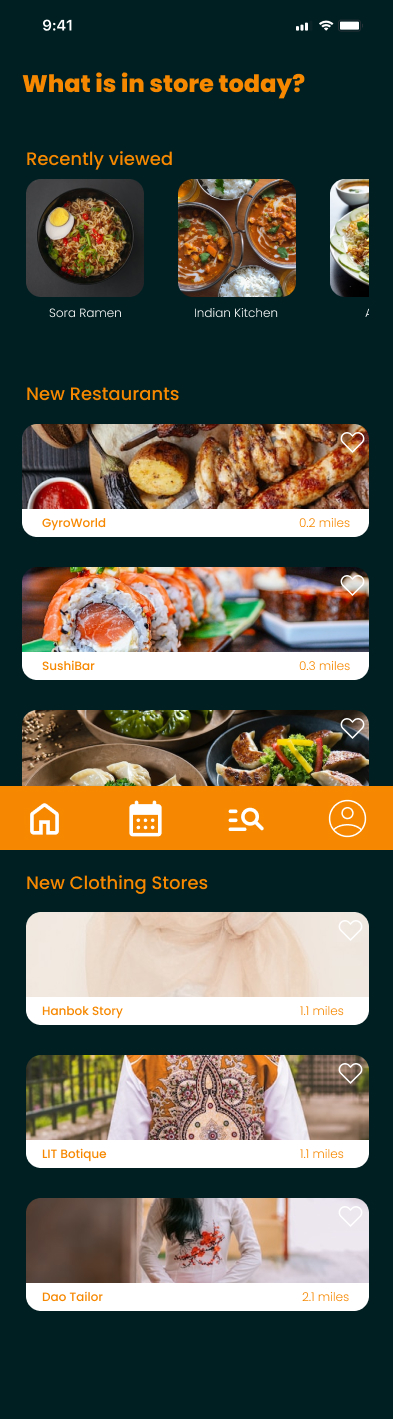
Through MultiCultuR, users are able to find restaurants, stores, and events near them of different cultures. The search page allows the user to look for a specific country in which they are interested in. After doing so, they can either choose to see stores near them related to that country, or learn more about that country. This gives people the ability to learn more about certain cultures as well as being able to partake in them. There is an option to look for events nearby as participating in events is an opportunity to gain firsthand knowledge about a certain culture. We wanted to keep the idea of an app that can find events or restaurants such as Eventbrite and Grubhub, but emphaisize the idea of empowering culture.
How we built it
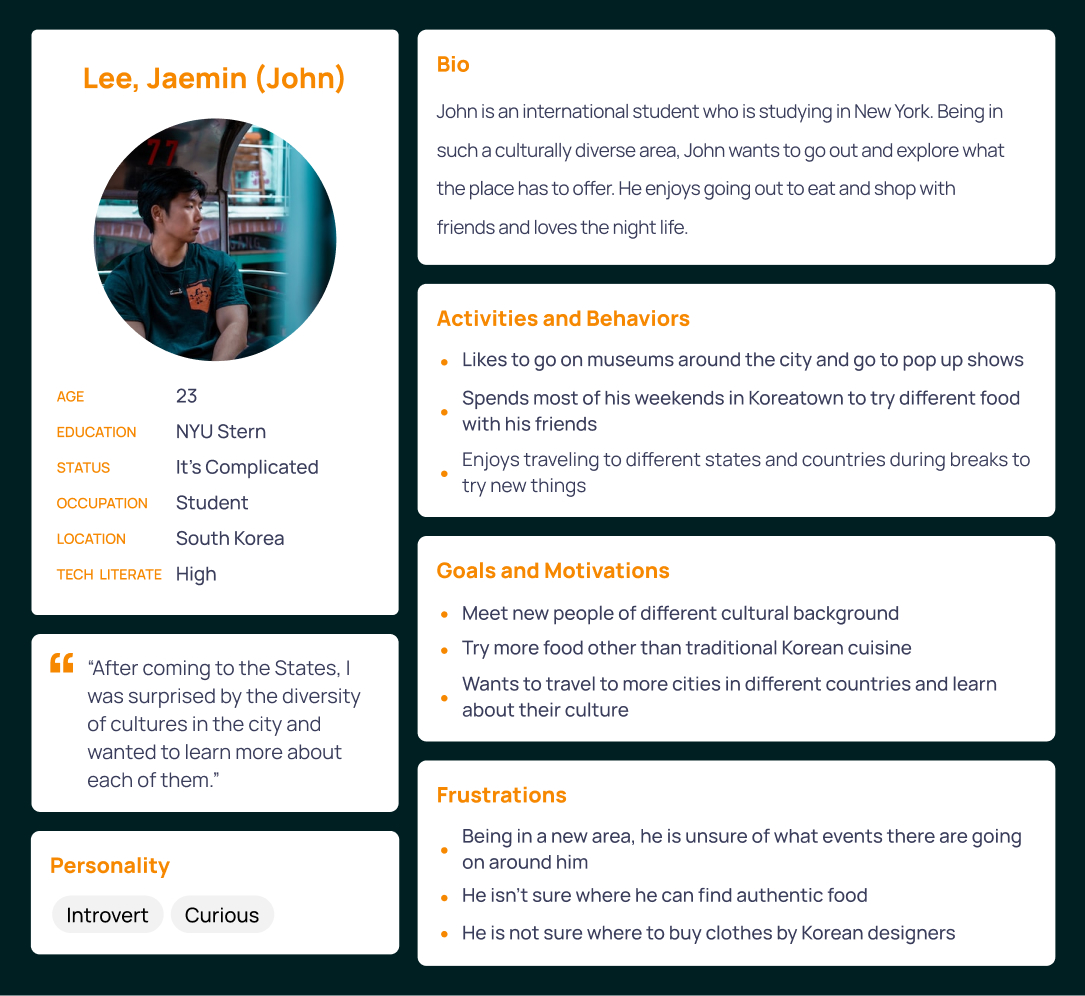
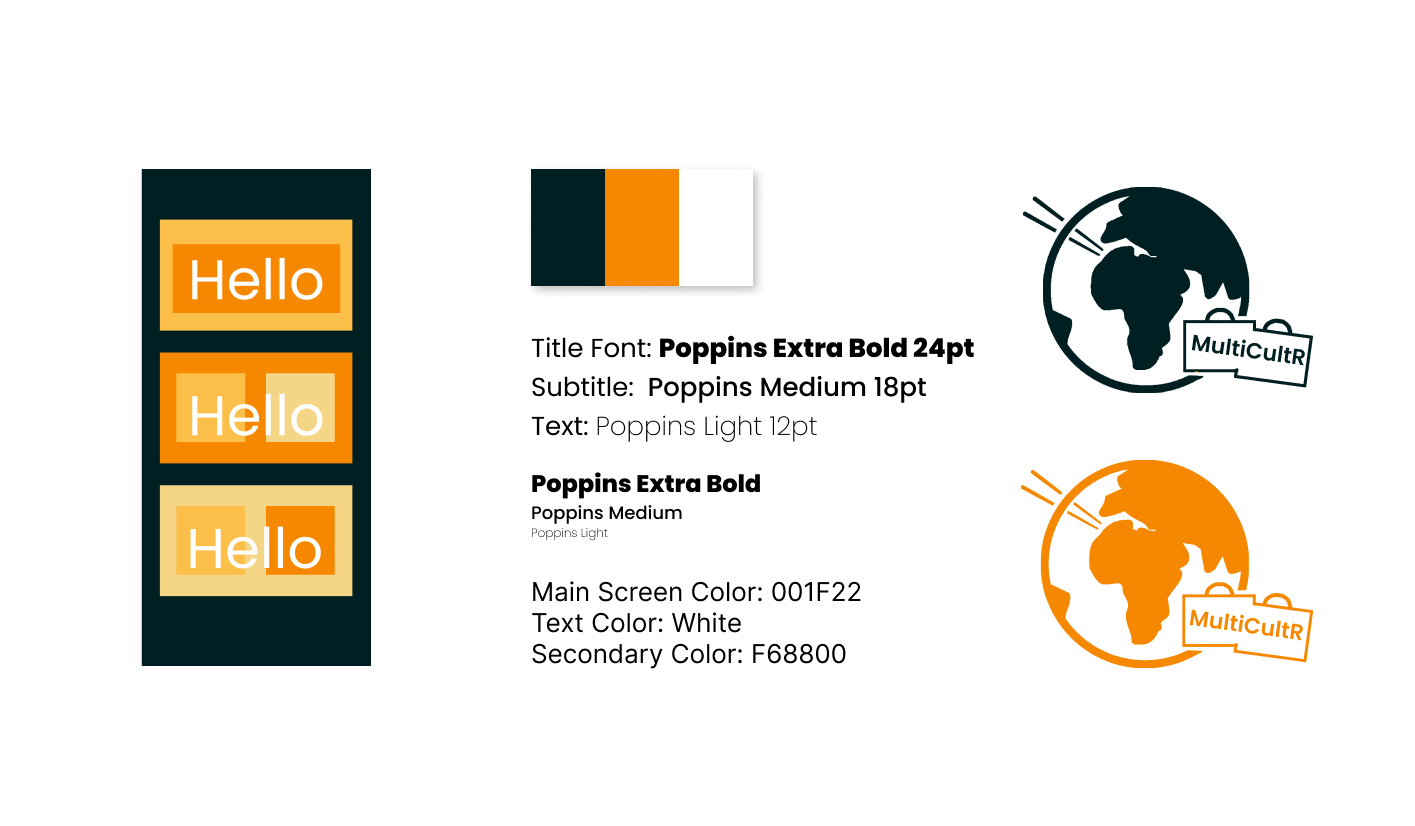
We began through creating mind-maps to find out what culture meant to us and what were important aspects. We narrowed it to clothes, food, and events. We conducted user interviews to assess barriers people have in exploring other cultures and what would motivate them to take initiatives to do so. With the information, we began creating sketches of our app on paper and pencil and discussed what components were important. We then translated our sketches to low-fidelity wireframes on Figma. We conducted preliminary user testing to get feedback. After choosing our color palette and topography, we began creating the high-fidelity wireframes. We continued to test our prototype and get feedback to iterate our designs.
Challenges we ran into
Cultural sensitivity: While the aim of the app is to promote cultural exchange, it's crucial to ensure that the app doesn't promote cultural appropriation or reinforce stereotypes. We had to ensure that the content is accurate and respectful of each culture. As such, we tried to do as much research as we can about the countries/cultures we have chosen. Content creation: Creating engaging and informative content that highlights the unique aspects of each culture can be challenging. Similarly, we had to conduct thorough research to gather relevant information and ensure that the content is accurate and authentic, especially since everyone has some innate bias/stereotype about the culture. We wanted to make sure we were able to share as much of the culture as possible.
Accomplishments that we're proud of
Something we were proud of after making MultiCultR were learning more about the tools available through Figma. Being beginner/intermediate level designers, we spent lots of time learning about the nooks and crannies of the software to create a higher functioning prototype. Another accomplishment that we’re proud of from this process was learning more about different cultures when researching. Because we needed to find information about certain Holidays/Celebrations, foods, and articles of clothing from certain countries, we were also able to learn about different cultures through various ways. Lastly, we’re proud of the smooth process we had while working as a team. With differences in opinions, we were able to compromise and delegate different tasks.
What we learned
Importance of research: We learned the importance of conducting thorough research to understand the target audience's needs and preferences. Being beginner UX designers, we needed to practice research skills as it is important for the role of a UX designer. Such insight can help ensure that the app meets the needs of the users and increases engagement. Cultural sensitivity: We also gained a greater appreciation for the importance of cultural sensitivity when designing an app that promotes cultural exchange. We learned how to avoid cultural appropriation or stereotypes, and instead, present accurate and respectful representations of each culture. Even now, we are still learning and improving our own cultural awareness. Design skills: As beginner/intermediate UX designers, this designathon gave us a chance to learn more UI skills that added emphasis to our app and elevated it to a more advanced level. With that, we definitely learned more about color choices, topography, and other more basic skills.
What's next for MultiCultR
User testing and feedback: Conducting user testing sessions to gather feedback and identify areas for improvement can help us refine the app and ensure that it meets the needs of the target audience. This is specifically important as some people may feel that their culture is not represented or is represented in an incorrect way. We want to ensure that no one would be offended and that the app is as inclusive as possible. Content expansion: Adding more content and features to the app can make it more engaging and increase user retention. We may consider partnering with cultural organizations or experts to develop new content and improve the existing content. We also wanted to expand on a more social aspect where people can converse with each other and facilitate the cultural exchange and empower each other.
Built With
- figma

Log in or sign up for Devpost to join the conversation.