-
-
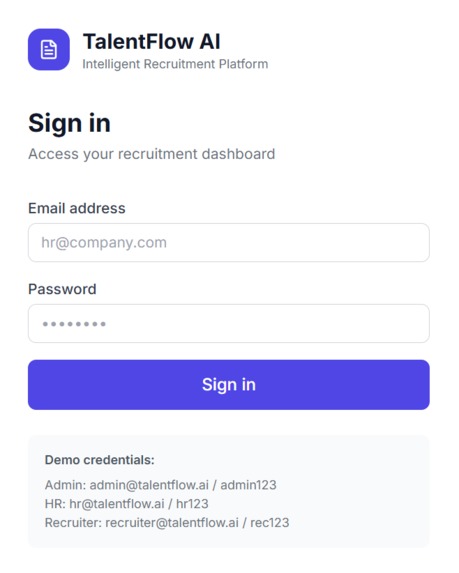
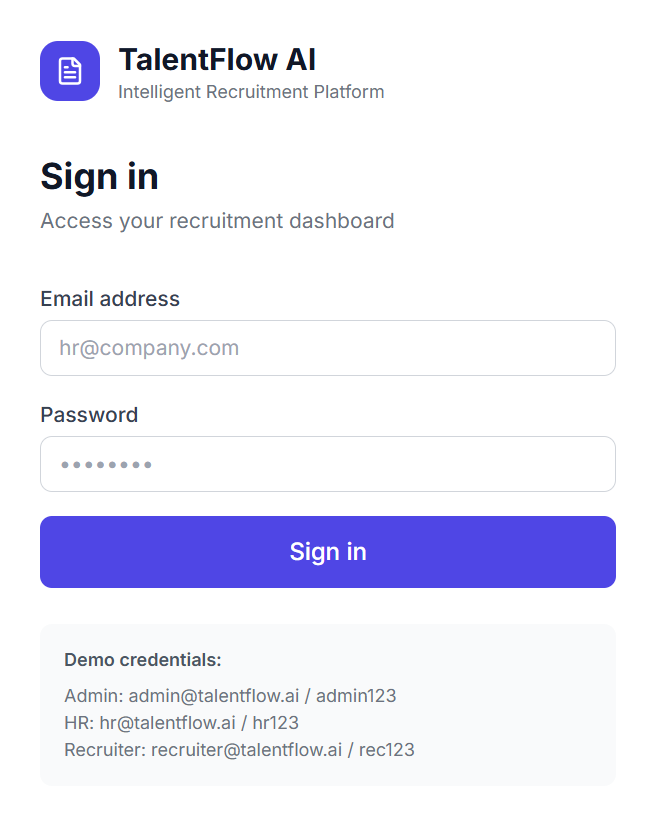
3 Login Interface
-
-
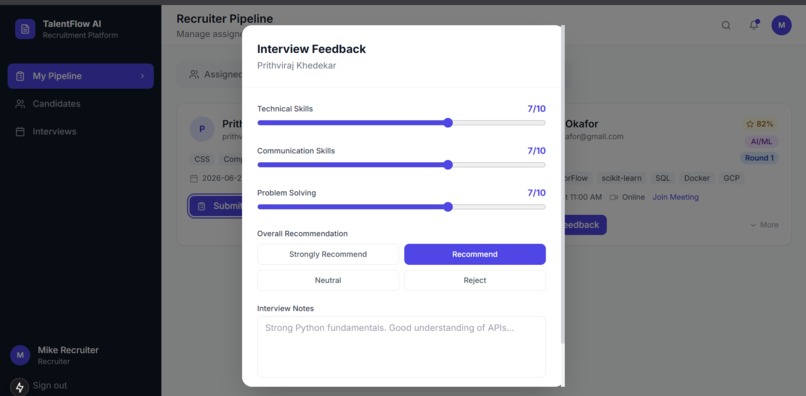
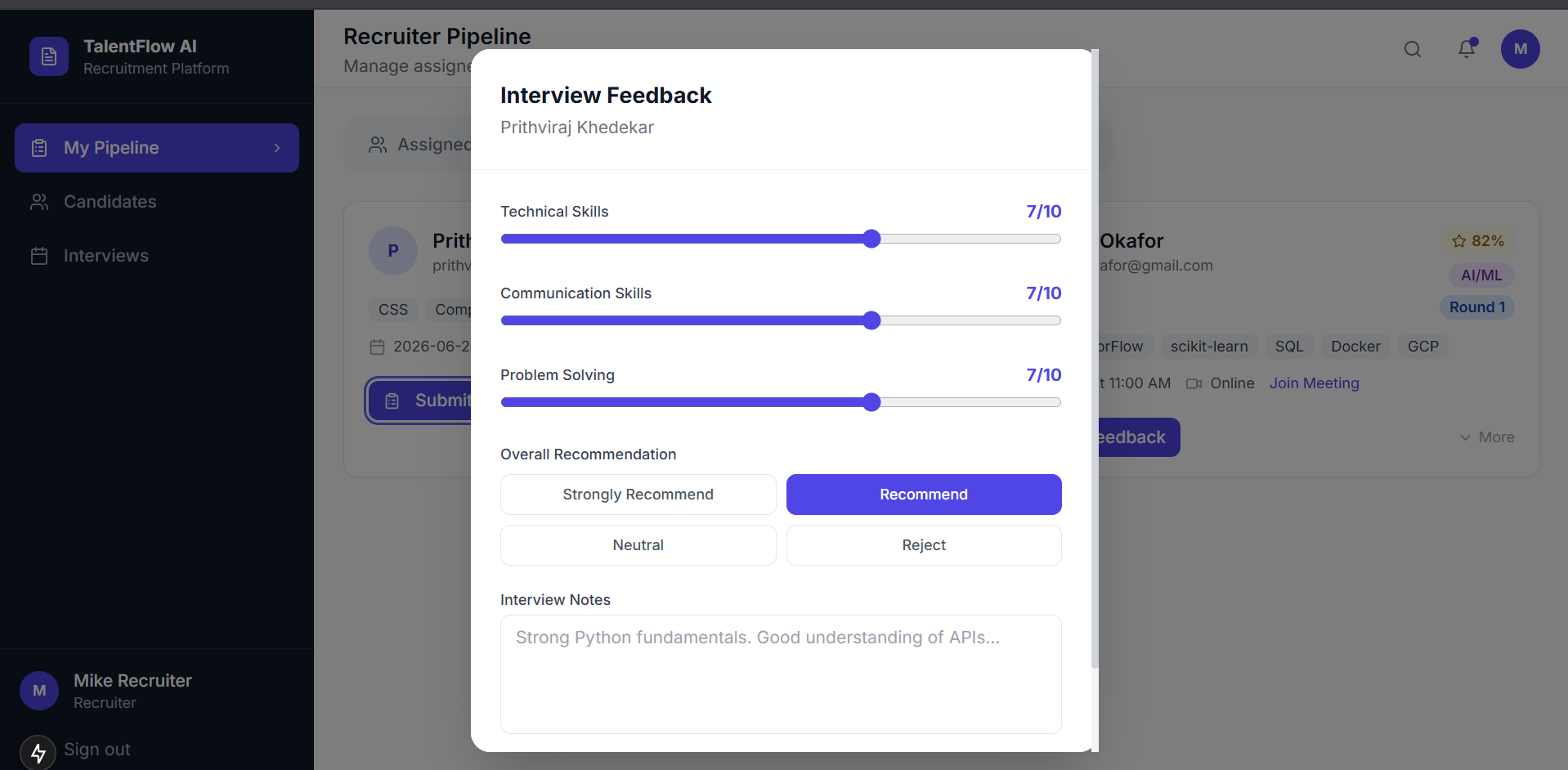
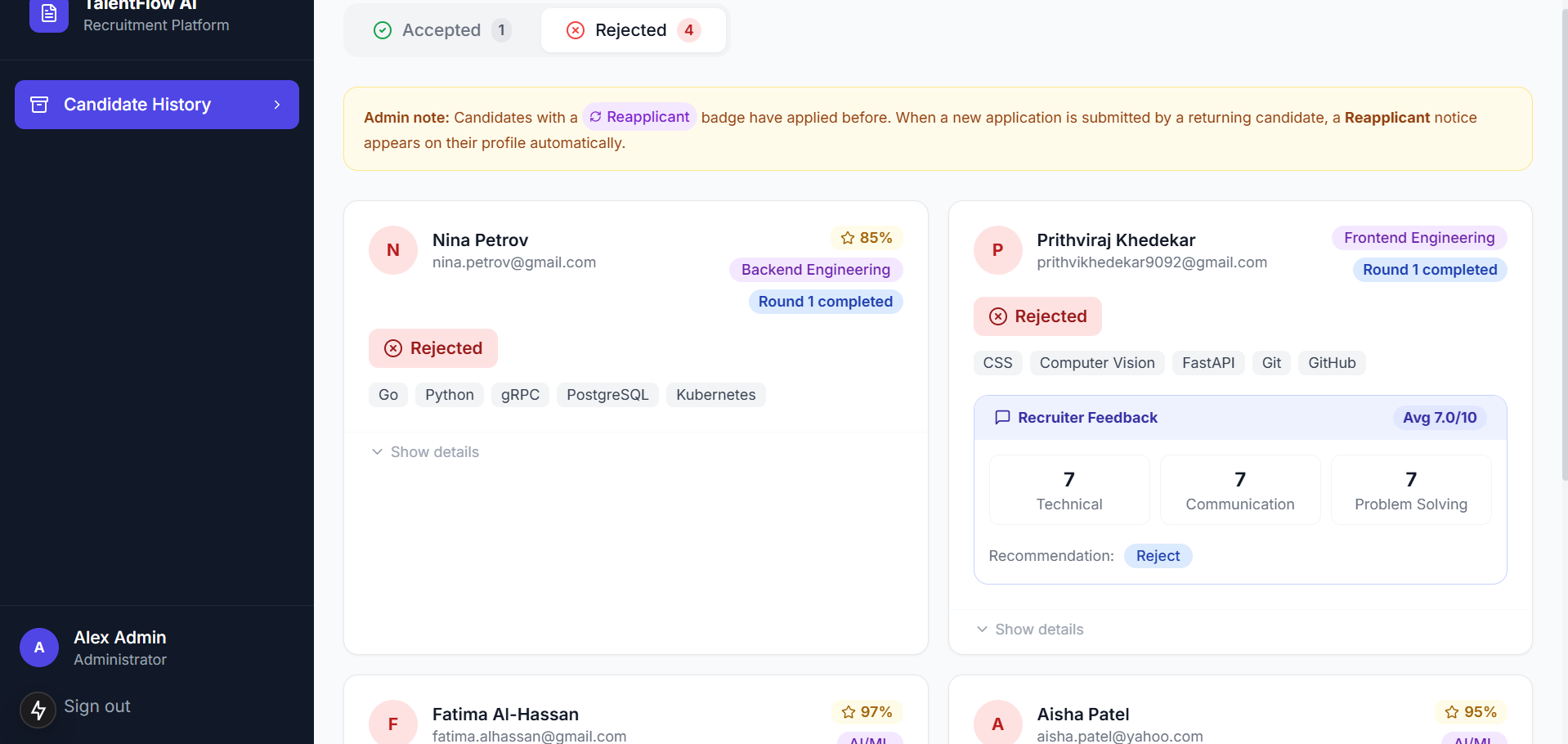
Feedback System after every interview
-
-
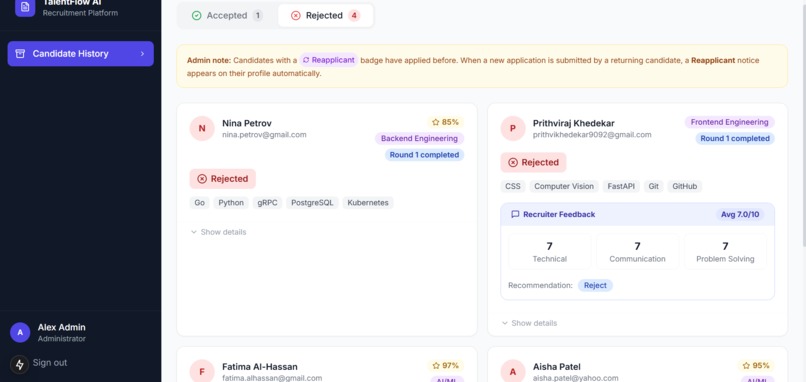
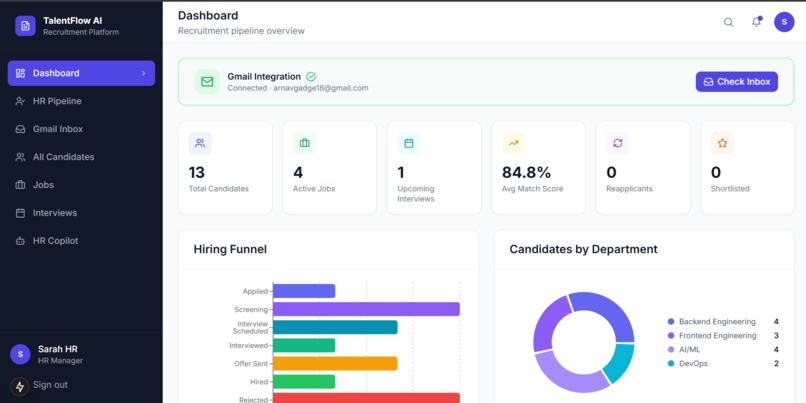
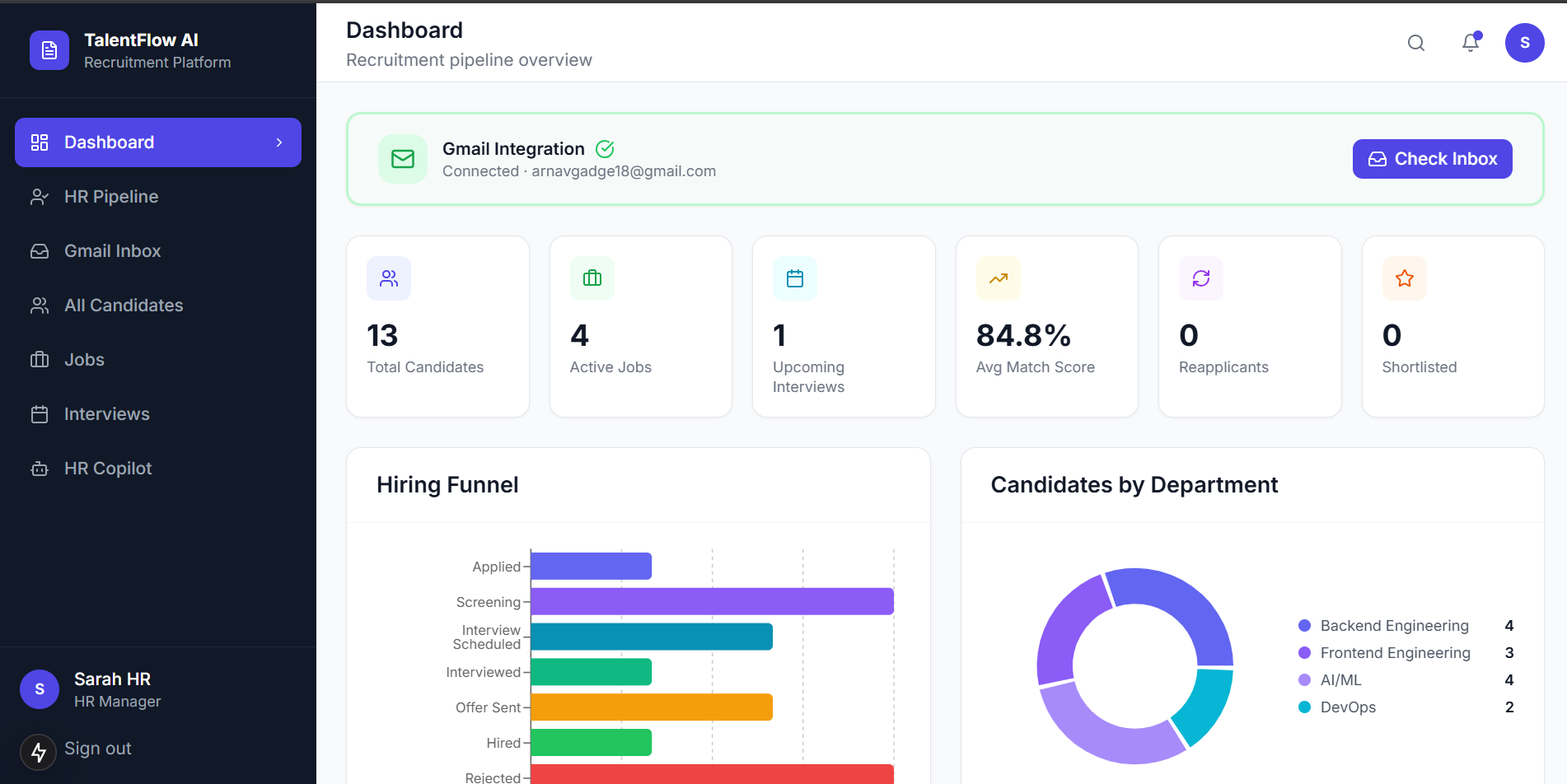
Admin Interface
-
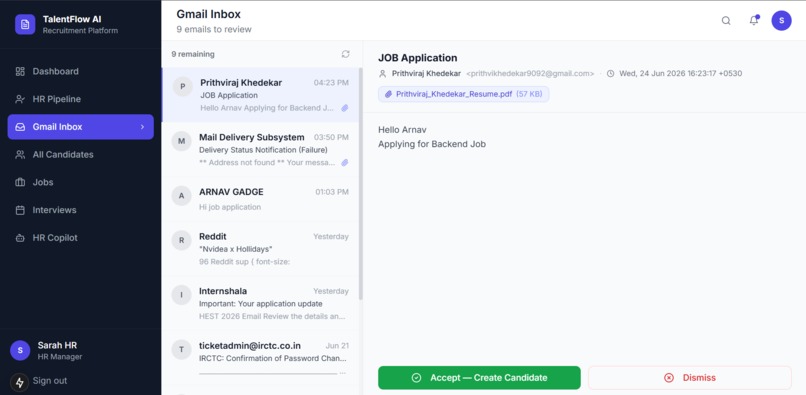
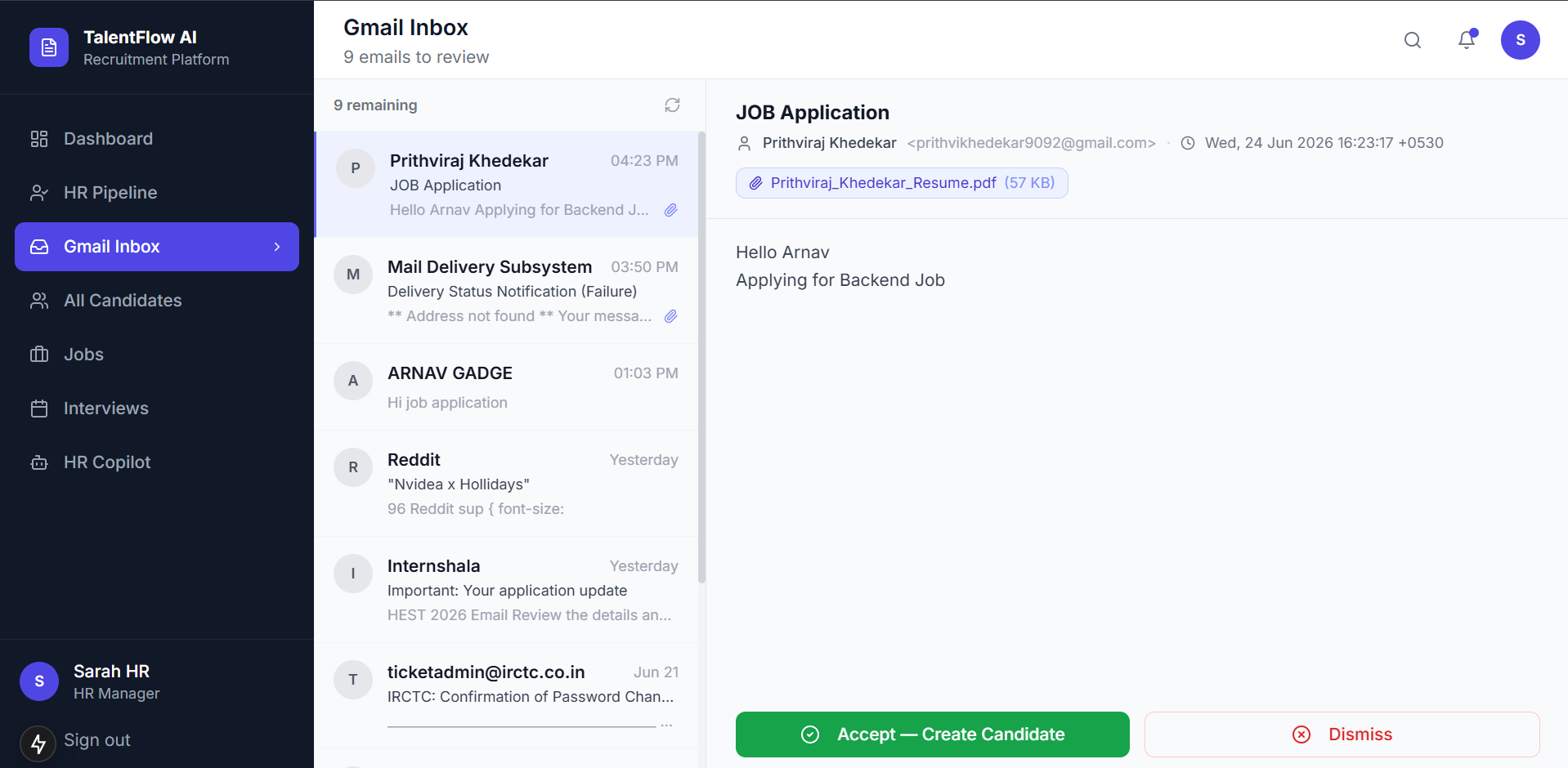
Mail Overview with options of accept and recject
-
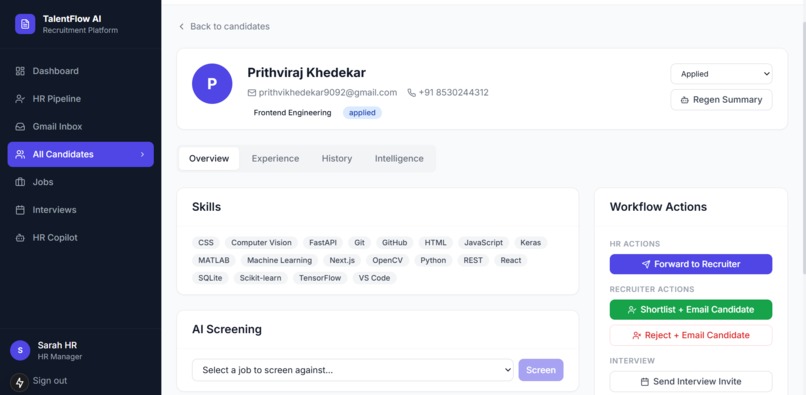
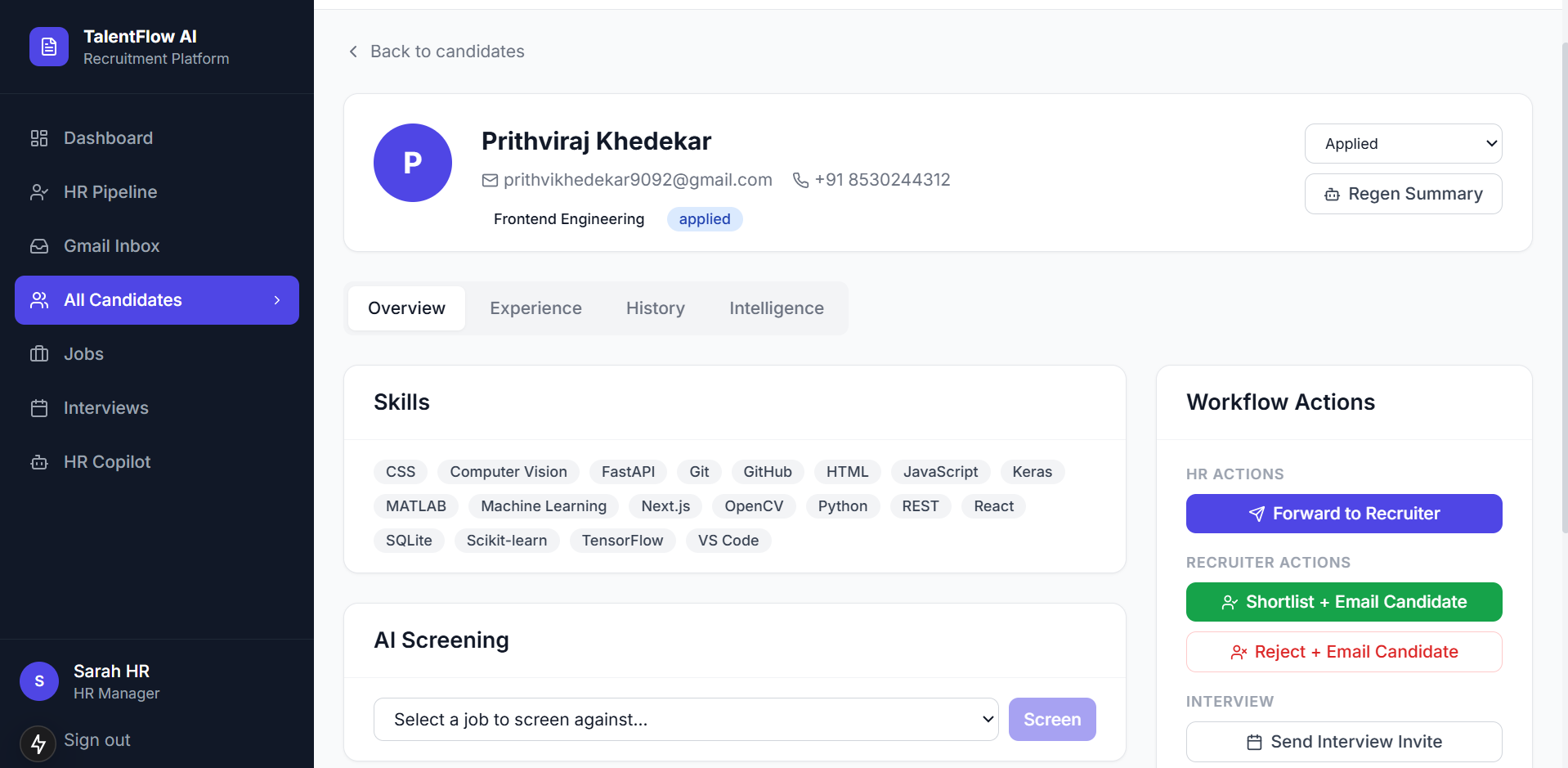
Candidate details
-
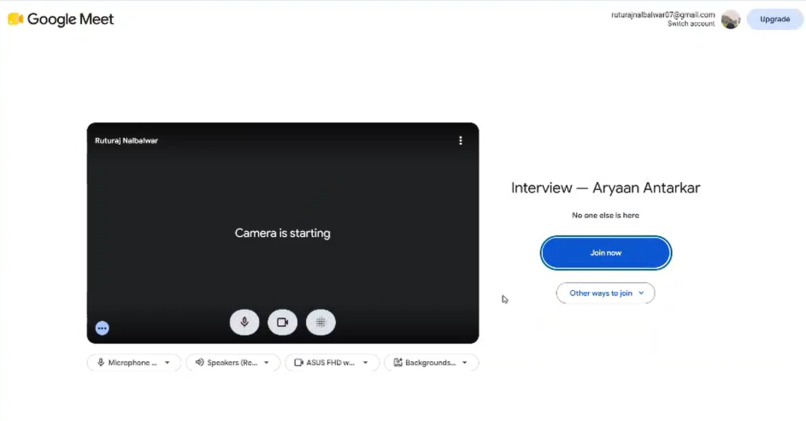
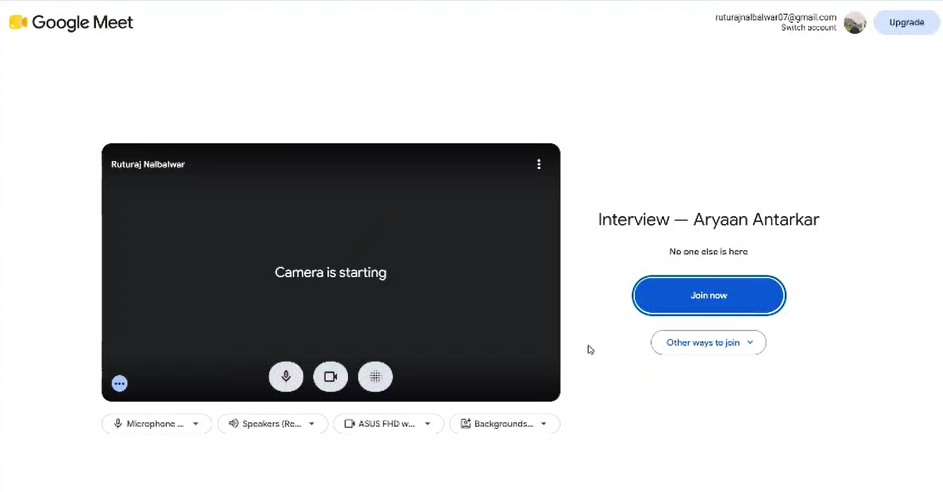
Auto Meeting Link Generator
-
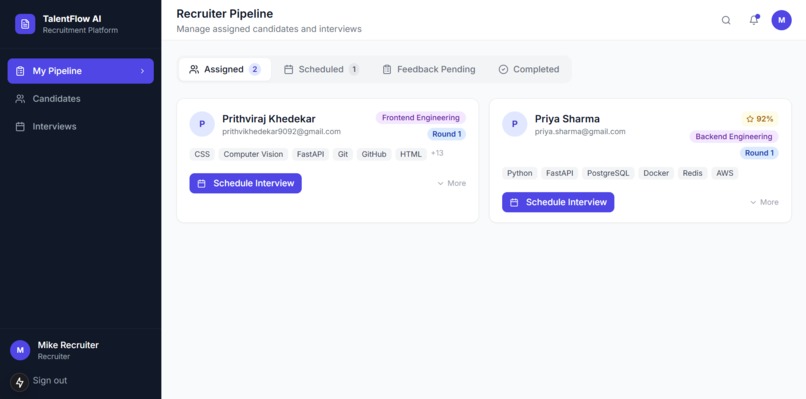
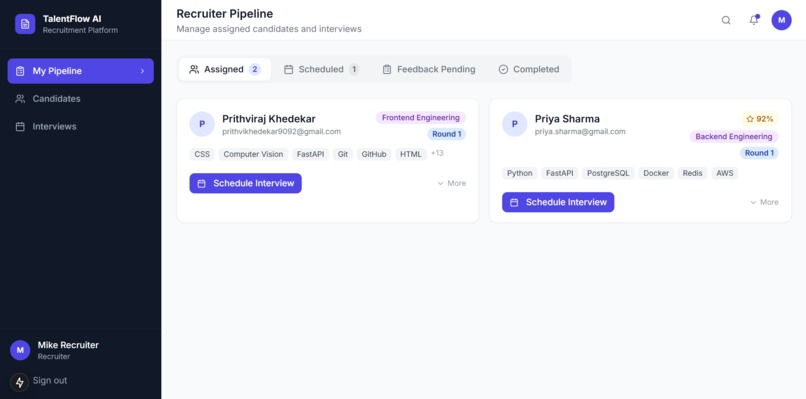
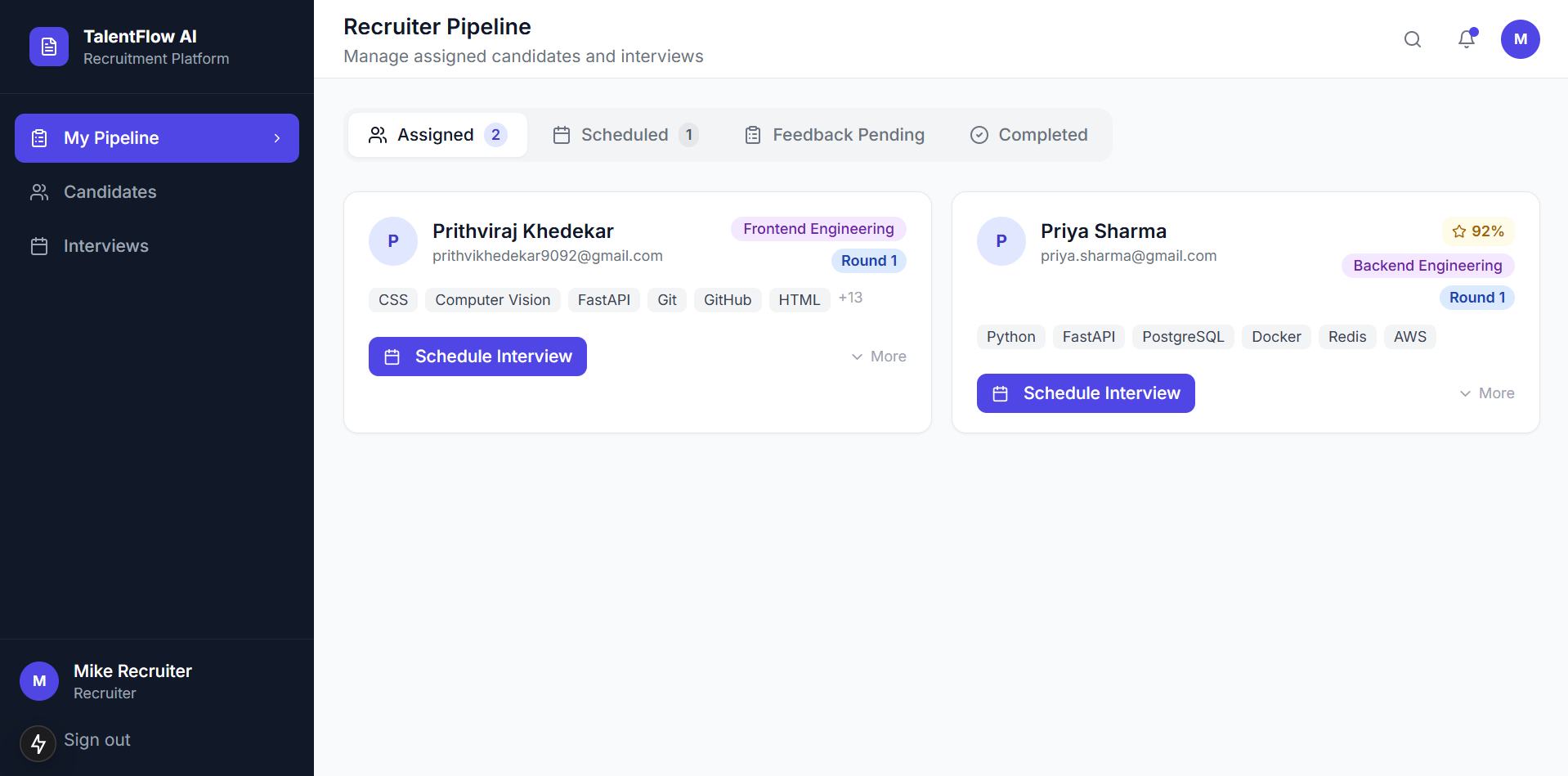
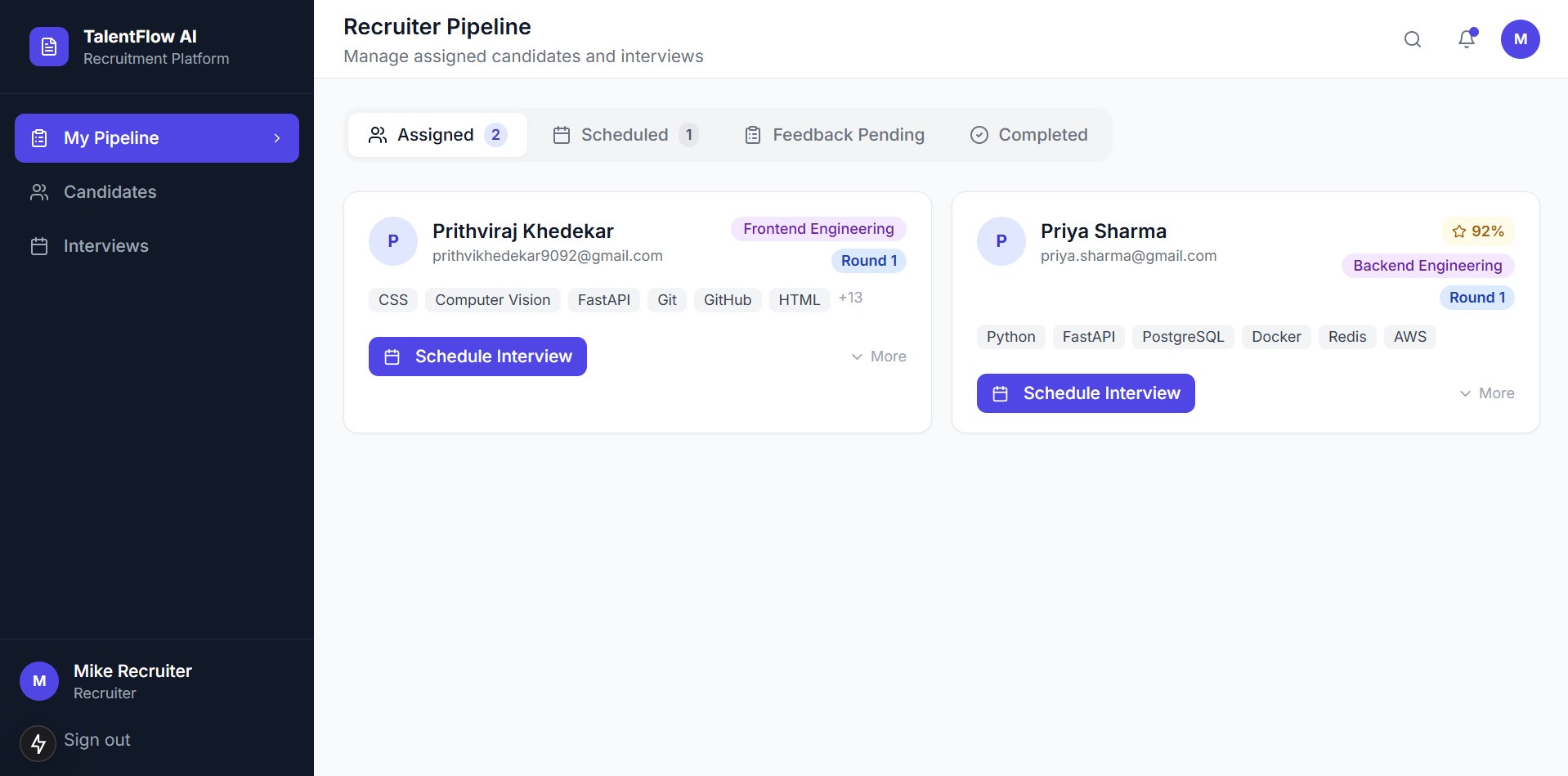
Recruiter Pipeline
-
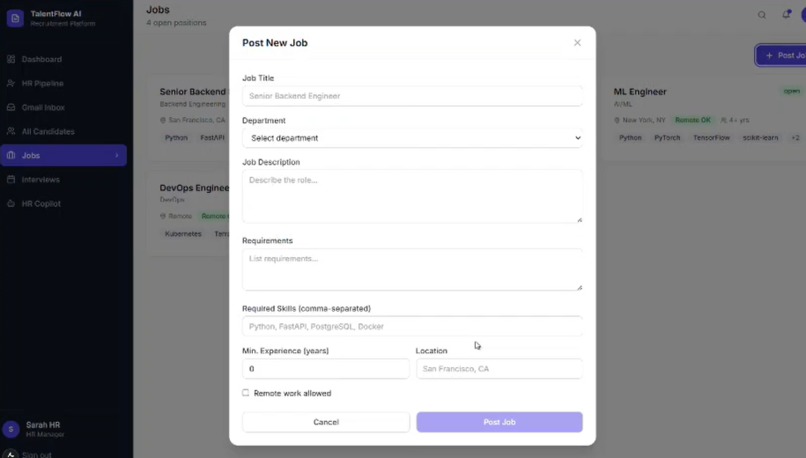
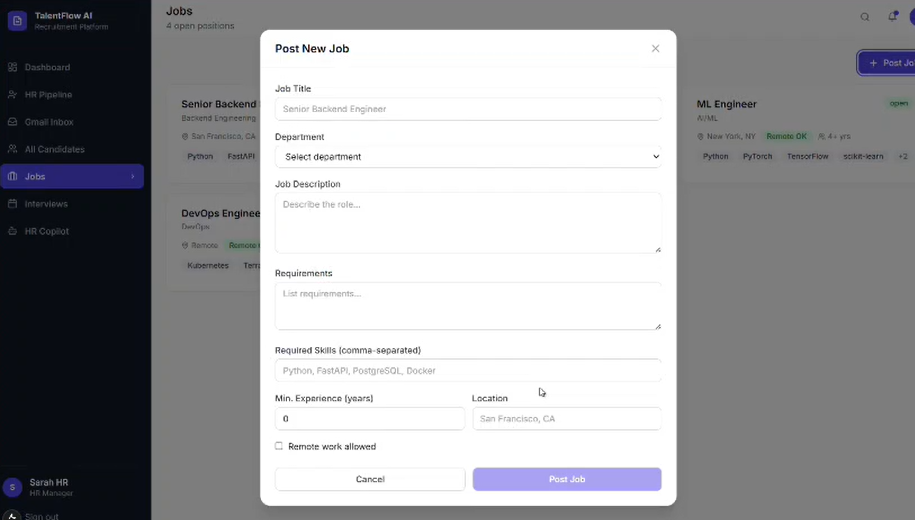
Post A Job Option
-
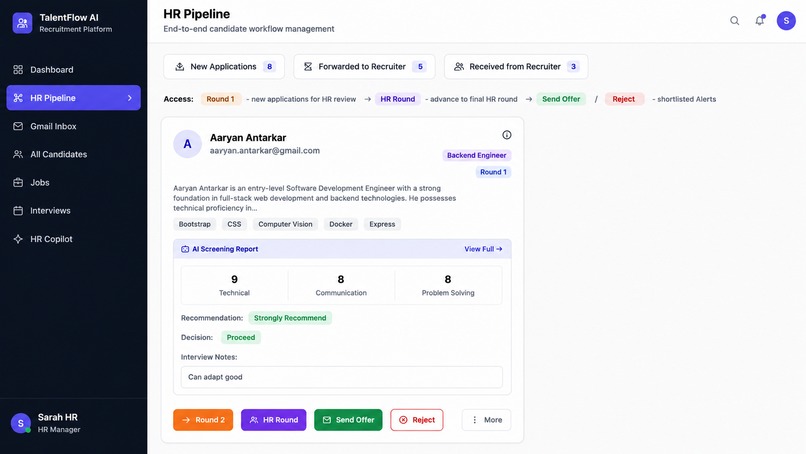
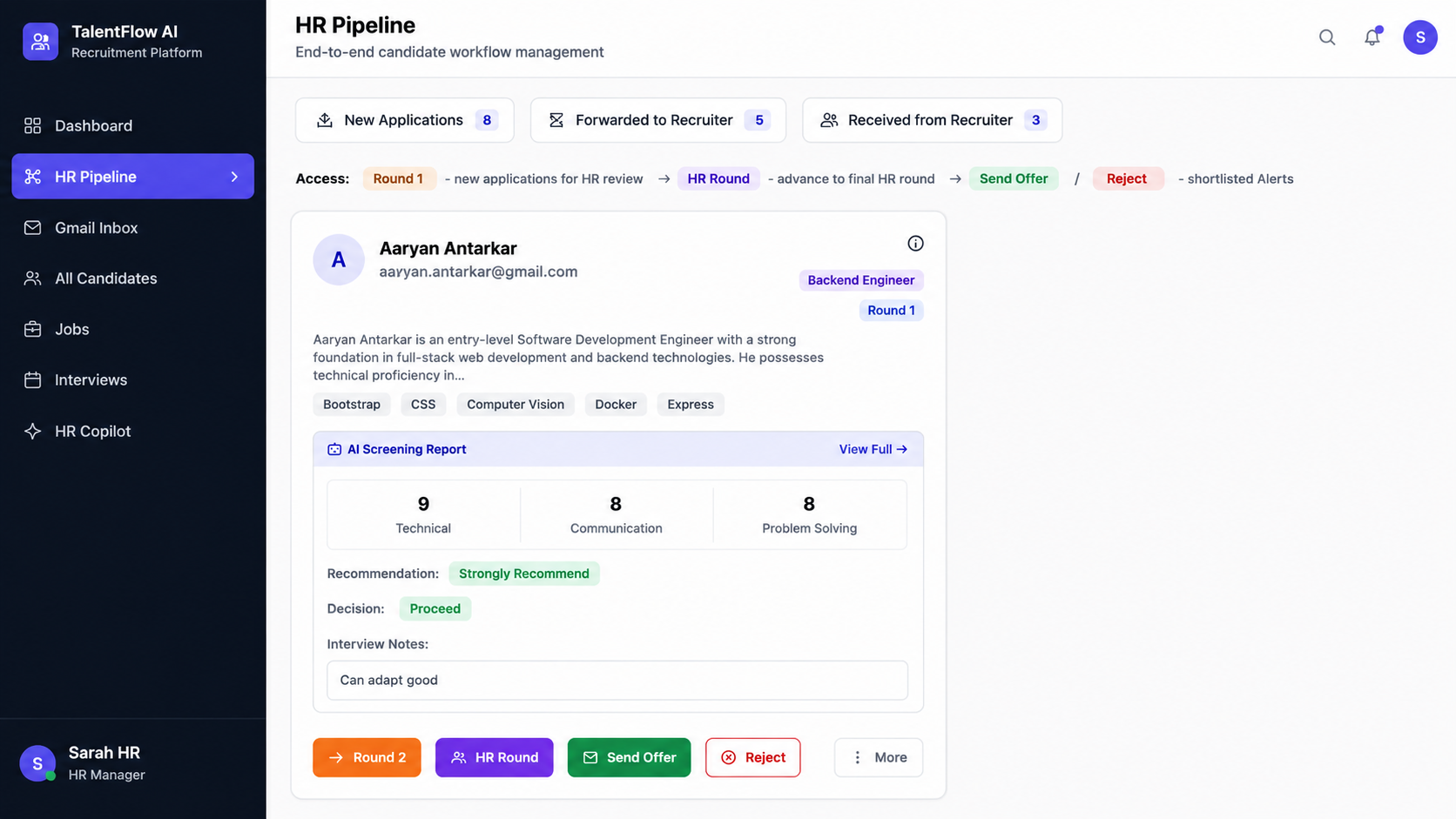
Interview Rounds are stored and monitored
-
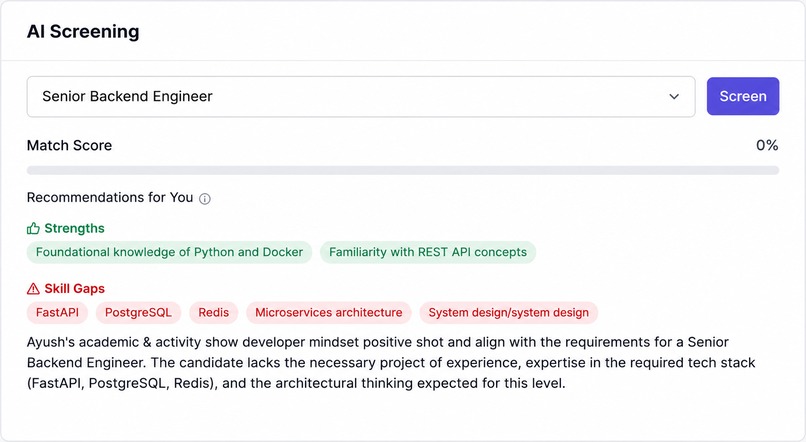
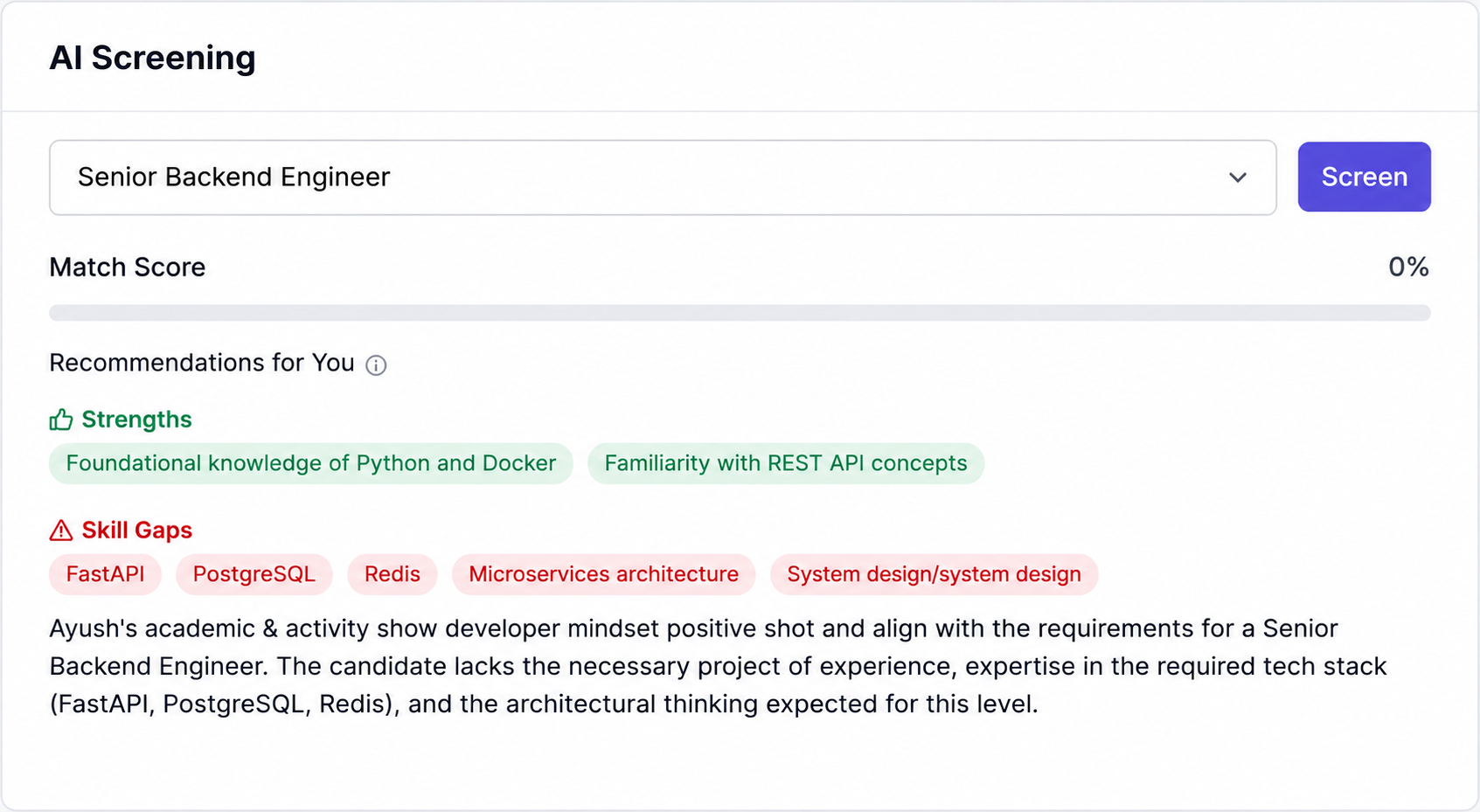
Resume Screening Option According To The Job
Inspiration
Today's recruitment procedures use stand alone AI tools such as resume screening or processing but have no way of sharing information. Every stage of the hiring process basically starts from zero as organizations miss the opportunity to collect valuable experience gained from past interviews and candidate evaluations. We wished to introduce a platform where AI systems could work together and exchange knowledge using a unified information system similar to DataHub.
What it does
The MultiAgent Recruitment Intelligence Platform powered by DataHub is an intelligent recruitment system that automates the complete recruitment process. The candidates send an application via Gmail, and the resumes go through an AI analysis to find the right matches regarding requirements for the position. Once everything is done, interviews are scheduled automatically, interviewers receive AI-generated briefs about the interviews, and HR gets smart hiring recommendations.
How we built it
By using Next.js 15, TypeScript, and Tailwind CSS, we have created the frontend, while for the backend, we have depended on FastAPI, Python, and SQLAlchemy by using Google Gemini as a reasoning engine for the specialized AI agents we created and integrated DataHub with the official acryl-datahub Python SDK for the shared metadata. The Gmail API deals with candidate intake and automation of email communication whereas the Google Calendar API enables scheduling of interviews and generation of Google Meet links. Security is ensured through use of JWT authentication and role-based access control while the platform has been designed keeping in mind that it should operate even if DataHub is temporarily unavailable.
Challenges we ran into
The main obstacle that we faced was the transition from independent AI operations to authentic collaboration among multiple agents. As a solution, we had to restructure the framework to allow each agent to function via the read → reason → write approach with DataHub acting as shared memory. Our next hurdle was to make sure DataHub was a beneficial addition to our system without being a vulnerability. By using features such as feature flags, graceful degradation, background synchronization, and merge-based metadata updates, we achieved this.
Accomplishments that we're proud of
We take great pride in having created an actual enterprise recruiting platform as opposed to just a chatbot. Each hiring process result adds to the continuous growth of the knowledge graph in our organization, thus enhancing future decisions. We have interconnected several AI agents and created innovative technology named "DataHub," where we have applied the essential principles of metadata reasoning and automated interview scheduling and communication. Moreover, we managed to integrate with Gmail and Google Calendar systems and to create a safe role-based system that enables tracking the entire recruitment process.
What we learned
This project taught us that the real power of AI agents comes from collaboration rather than individual intelligence. DataHub showed us how shared metadata enables agents to reason with organizational context instead of isolated prompts. We also gained practical experience designing scalable multi-agent architectures, integrating enterprise metadata systems, implementing secure APIs, and building resilient AI workflows that continue functioning even when external services are unavailable.
What's next for MultiAgent Recruitment Intelligence Platform with Datahub
Our upcoming objective is to turn the platform into a completely automated recruitment intelligence system and carry on with the integration of DataHub, improve cooperation of the AI agents, put in place the predictive hiring analytics, and constantly enhance hiring decisions based on shared enterprise knowledge.
Built With
- adk
- ai
- datahub
- docker
- fastapi
- gemini
- git
- gmailapi
- google-calendar
- jwt
- llm
- mcp
- metadata
- next.js
- oauth
- postgresql
- python
- rest
- sqlalchemy
- sqlite
- tailwindcss
- typescript

Log in or sign up for Devpost to join the conversation.