Inspiration
In Burundi, many families struggle to access even the most basic health resources. Clean drinking water is not always guaranteed, and medicine is often scarce, or far from reach, especially in rural areas. These challenges lead to preventable health problems, putting lives at risk and deepening cycles of poverty. Seeing this reality inspired me to create a solution that combines technology with practicality, making essential resources available in a simple, affordable, and accessible way.
What it does
MugangaRobot is an off line voice-controlled robotic dispenser designed to make life easier and safer. It can provide clean water and dispense medicine at the right time and in the right dose. Users simply give a voice command in english (own language in future ), and the robot responds by delivering what they need. It connects via Bluetooth to a laptop or phone, works without the internet, and uses AI to make the interaction natural and reliable.
How we built it
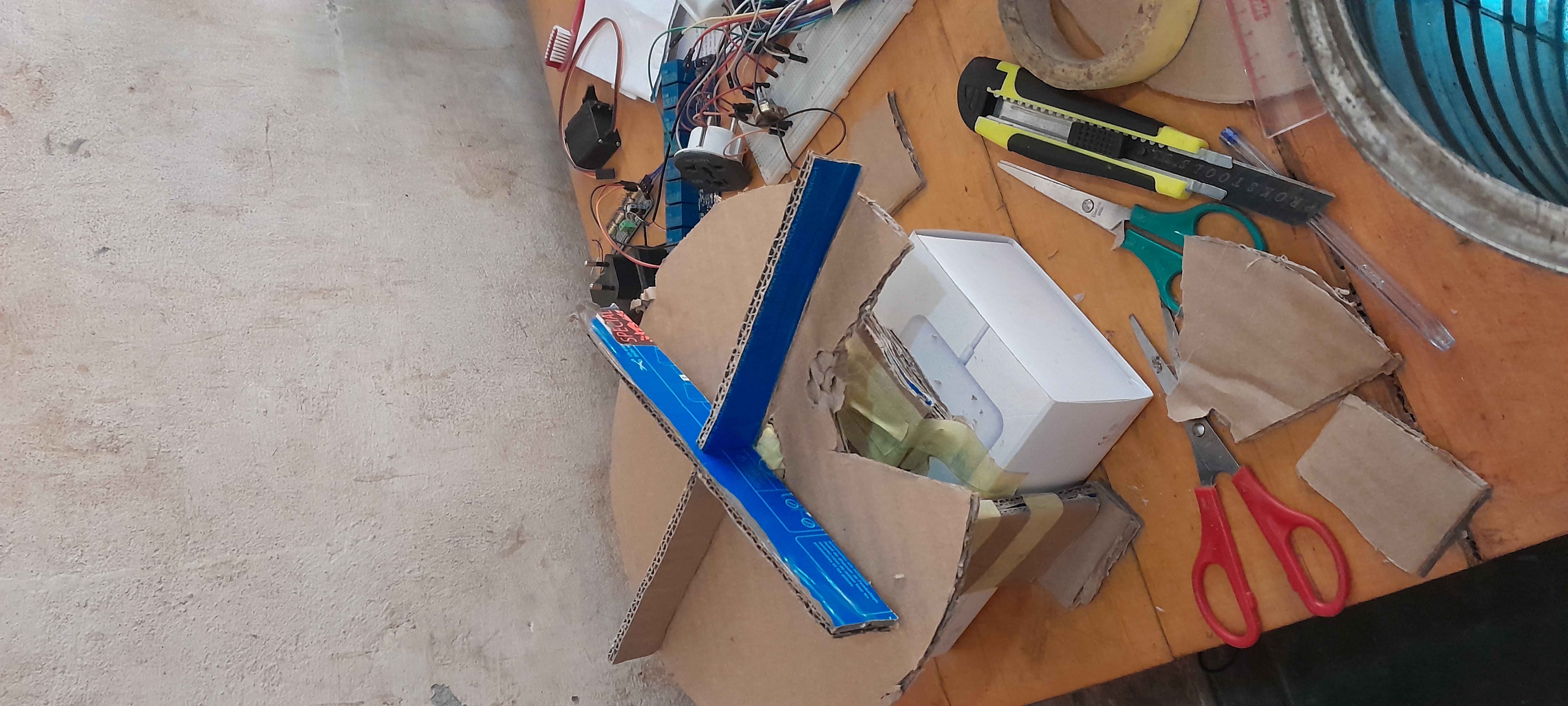
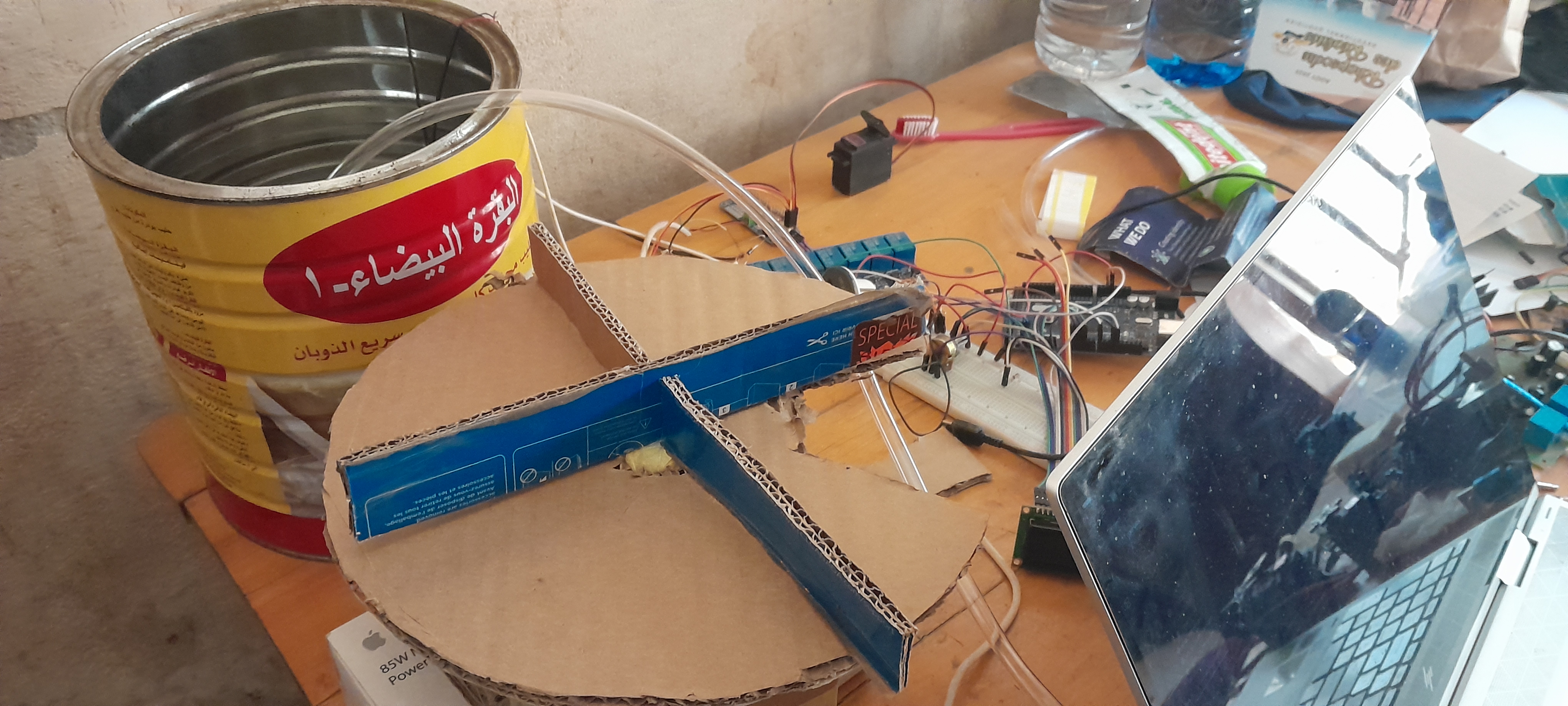
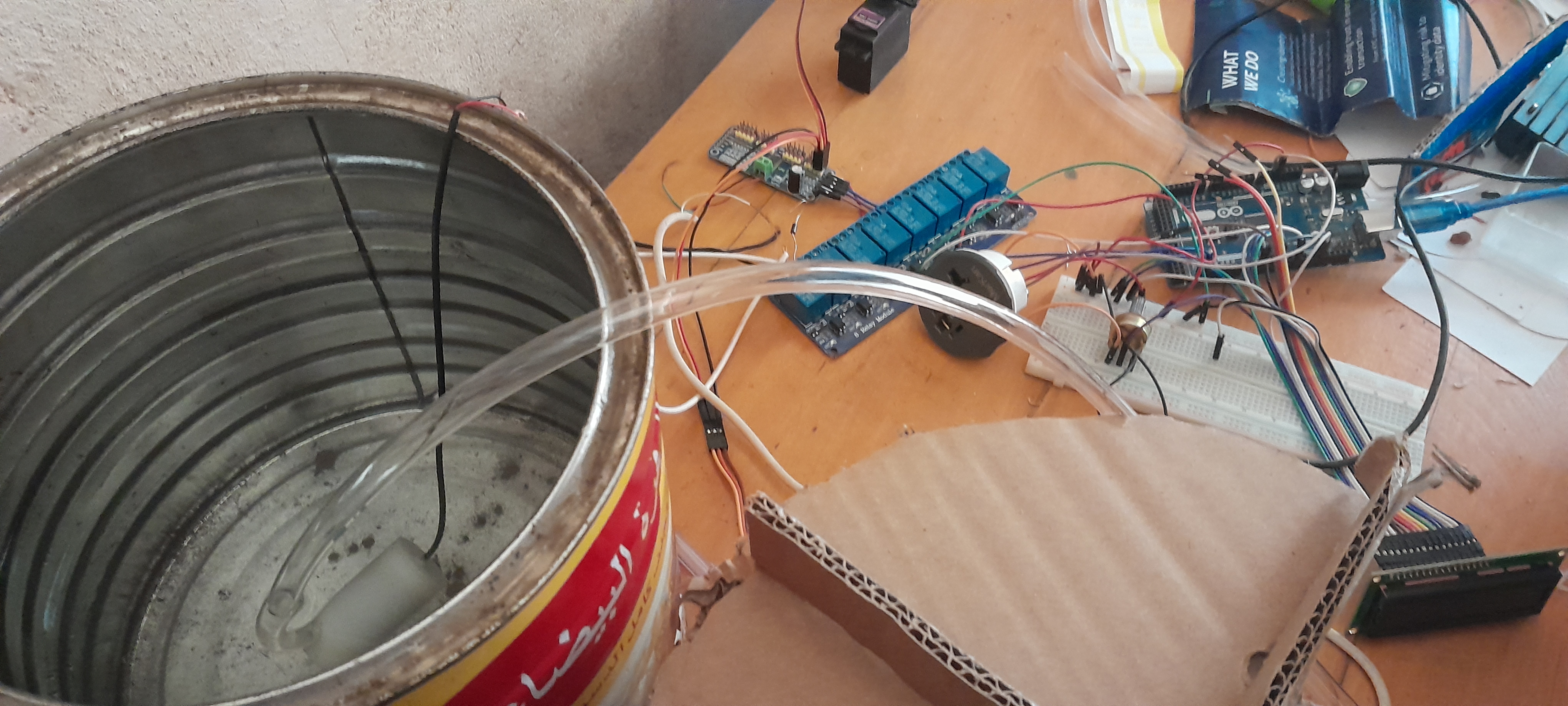
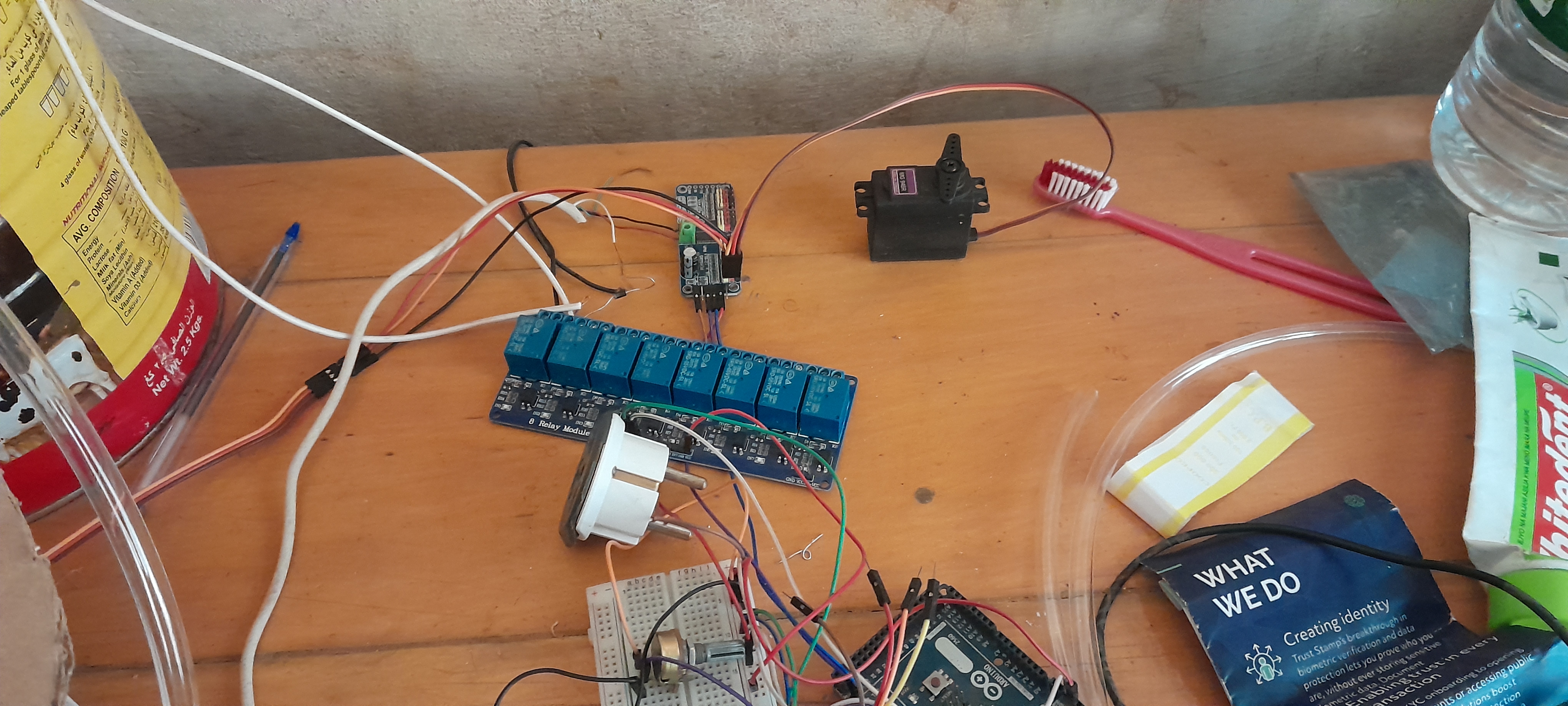
We built MugangaRobot using an Arduino Mega as the brain, connected to pumps for water and motors for pill dispensing. A microphone from PC captures voice commands, which are processed through lightweight speech recognition models . The system is designed to run offline, making it ideal for rural environments with no internet. We also integrated simple mechanical parts to ensure precise dispensing of both water and medicine.
Challenges we ran into
Hardware limitations: The mini pump needed more stable power and a proper driver circuit (realy + diode) to work reliably, which took time to debug.
Model loading time: Running a 20B parameter model locally on my PC.
Offline setup: Ensuring the whole system (speech-to-text, AI planning, Arduino control) worked completely offline without internet was difficult, but essential for Burundi.
Integration bugs: Getting FastAPI, Ollama, and Arduino to communicate smoothly required several iterations.
Accomplishments that we're proud of
Built a fully offline voice → AI → hardware pipeline with no internet dependency.
Successfully dispensed both pills and precise water volumes via voice commands.
Designed the system to clamp dosages and water amounts for user safety.
Packaged the idea into MugangaRobot, a culturally relevant health assistant for Burundi.
Demonstrated a working proof-of-concept that bridges AI with real-world impact.
What we learned
How to integrate AI agents with embedded systems (FastAPI + Ollama + Arduino).
The importance of power supply design and choosing the right electronic drivers for pumps/servos.
How to prime, calibrate, and measure flow of real hardware for reliable results.
That offline-first AI solutions are critical for communities with limited connectivity.
How to communicate complex technical ideas simply for broader audiences.
What's next for MugangaRobot
Refine the prototype: Improve reliability of the pill dispenser and water pump, and package the electronics into a safe, user-friendly box.
Testing in real settings: Try MugangaRobot with families and health workers in Burundi to get feedback on usability and safety.
Safety features (future): Add scheduling, reminders, and overdose prevention once the basic system is stable.
Caregiver support (future): Build an optional companion app for doctors or family members to monitor usage.
Stock monitoring (future): Integrate simple sensors to alert when pills or water are running low.
Scale deployment (long term): Train local health workers and youth to assemble and maintain units, creating both health and job impact in Burundi.

Log in or sign up for Devpost to join the conversation.