
Inspiration
We were inspired by our shared interests in playing music, which made us wonder if this common ground could help our community and bring people together. With research, we found out that music therapy can be incredibly useful for patients recovering from different conditions.
What it does
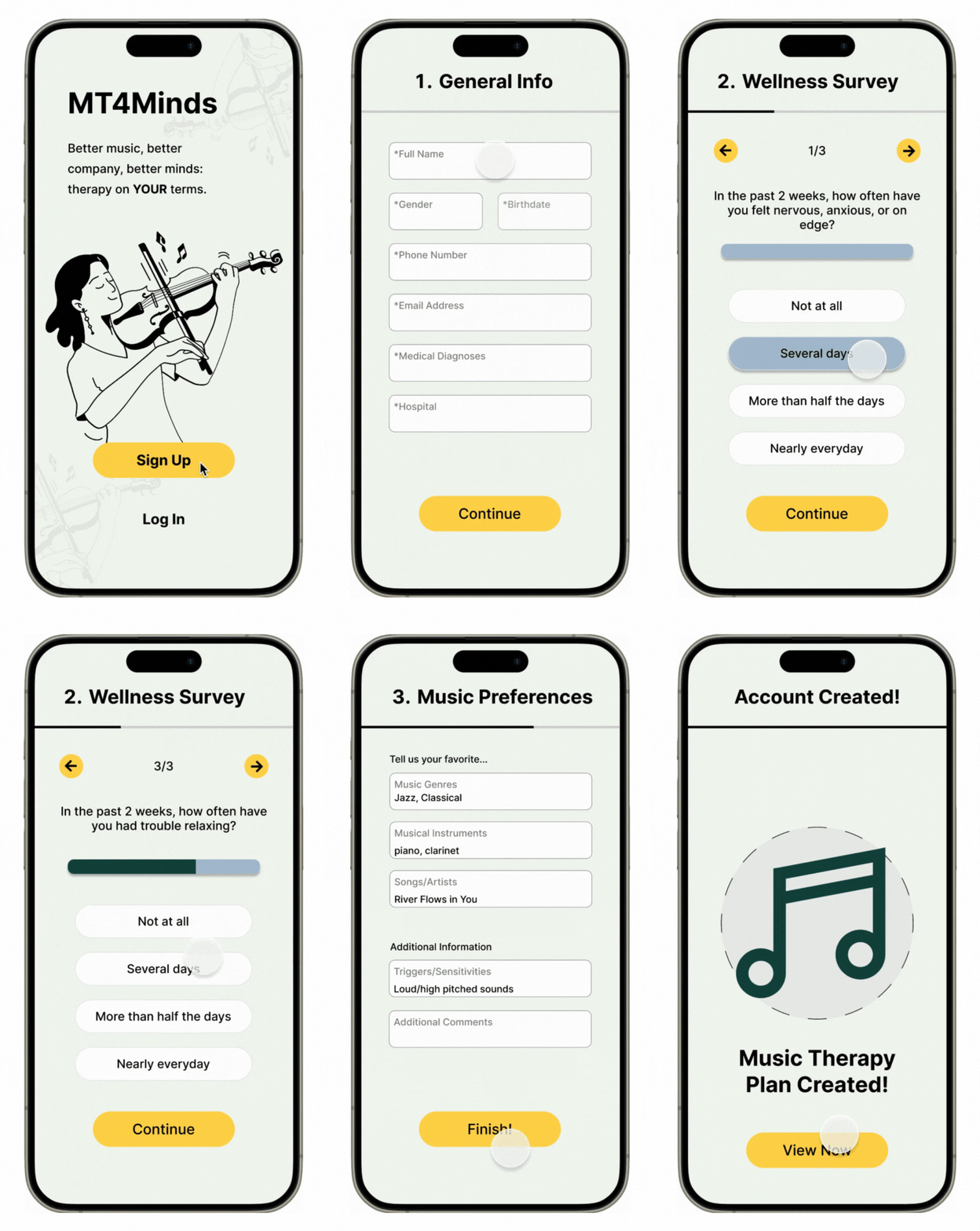
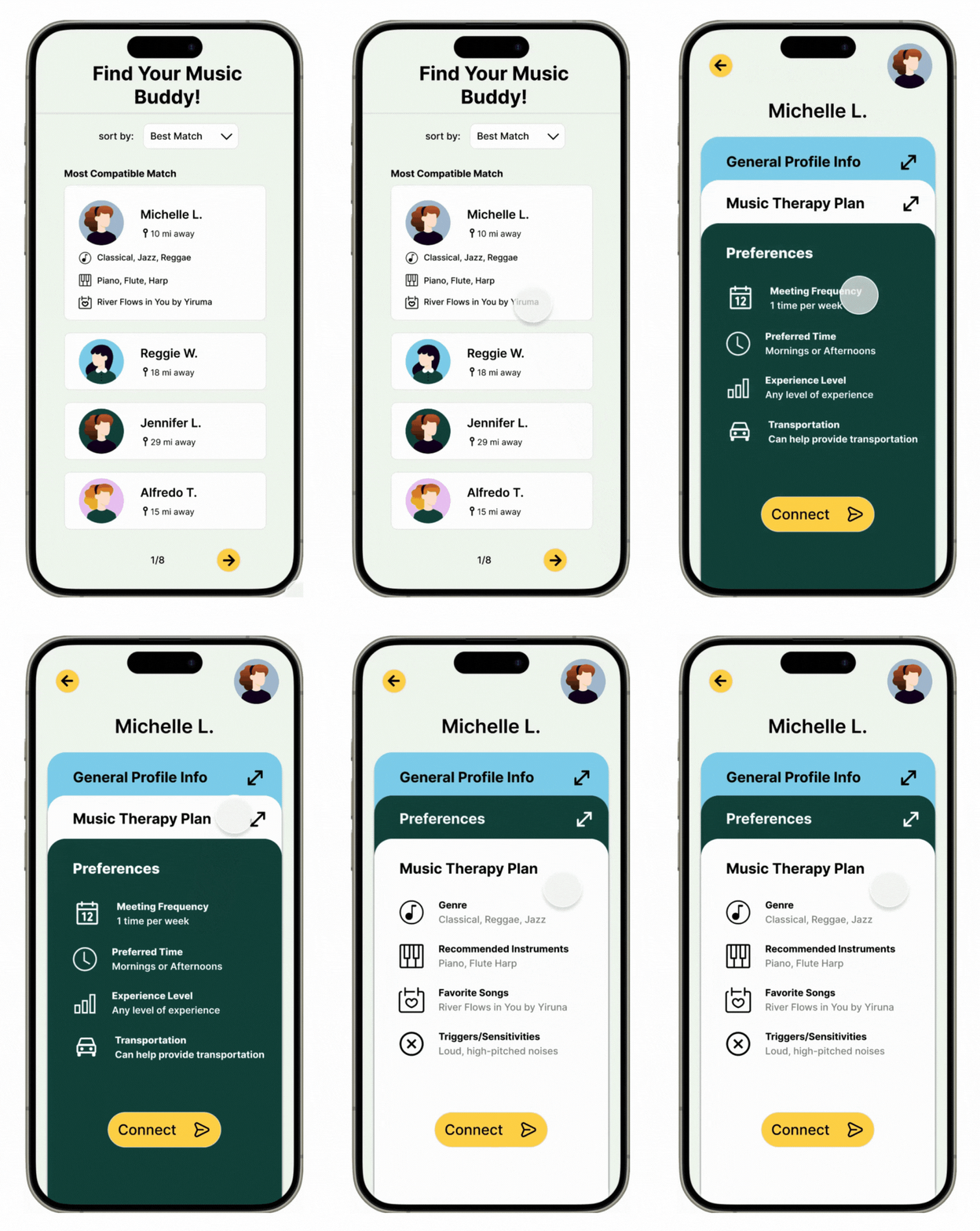
The design for our app includes a survey for the patient to fill out that will provide some input into their mental health, their music likes/dislikes, and if they are comfortable, their health condition(s). Using this information about them, a machine learning algorithm should create a personalized music therapy schedule with song recommendations. This app will also be used by volunteers who enjoy playing music - they can view different patients' music therapy schedules through their profiles and decide who they want to play for according to their tastes.
How we built it
We spent the first couple hours of the hackathon ideating about the product and how we could best design it to be user friendly. Isabella worked on the front end / UI aspect, which included creating a problem statement, sketches, low-fidelity wireframes, then prototyping the high-fidelity wireframes in Figma. Jonathan and Manushri worked on the back end side by experimenting with IBM Z to implement machine learning and platforms like Swift in order to begin building a mobile app. Due to the time constraints, we decided to prioritize the prototype and design for our submission as we were not able to fully build the app before the deadline. Illustration Credits on Sign-Up Screen: @illiyinstudio
Challenges we ran into
We struggled to work with new tools and set goals that were unattainable in 24 hours at first.
Accomplishments that we're proud of
We are proud that we were able to overcome numerous roadblocks and present the product we had envisioned together.
What we learned
We learned to be thorough in our design and consider all scenarios / paths that could be selected by the user. We also learned how to be adaptable and continue to improve our product as we faced challenges.
What's next for MT4Minds
Next, we would like to bring our vision to life by coding a polished mobile app and implementing IBM Z to carry out the machine learning in our product. In the future, we'd also like to have the volunteers fill out feedback forms about the music they played and the response from the patient, which would then be fed back into the ML model so it could find patterns in the data to enhance the efficiency of the recommendations.
Built With
- figma

Log in or sign up for Devpost to join the conversation.