-
-
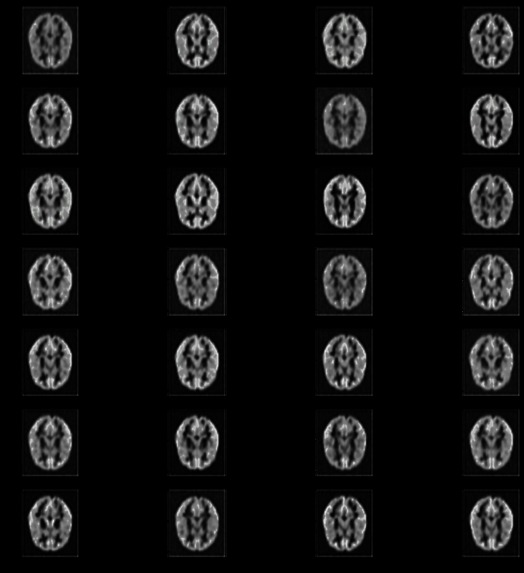
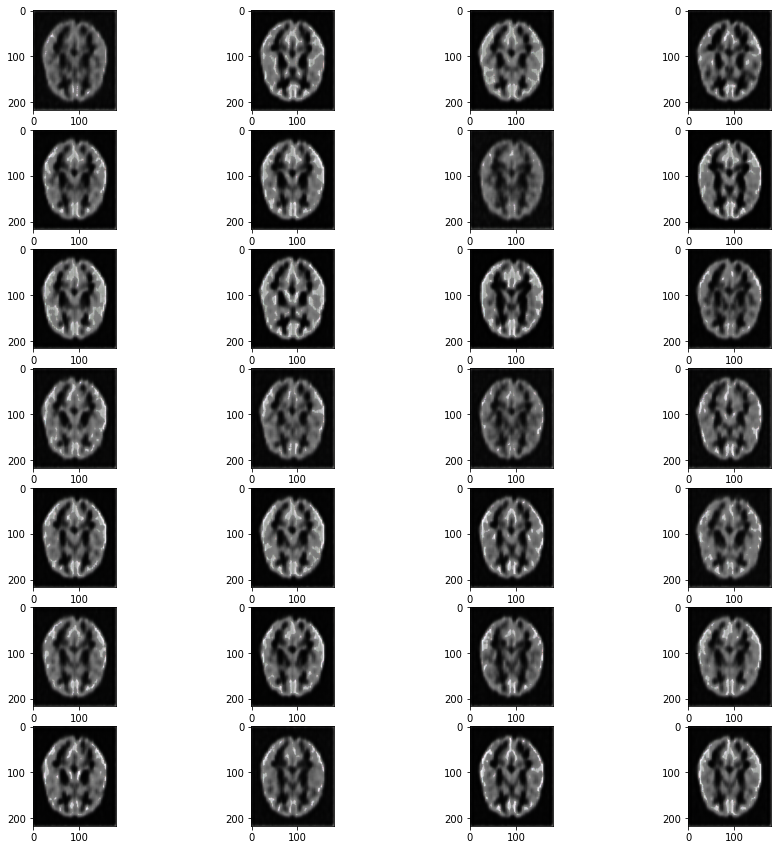
Predicted_Segmented-Image_epoch_50
-
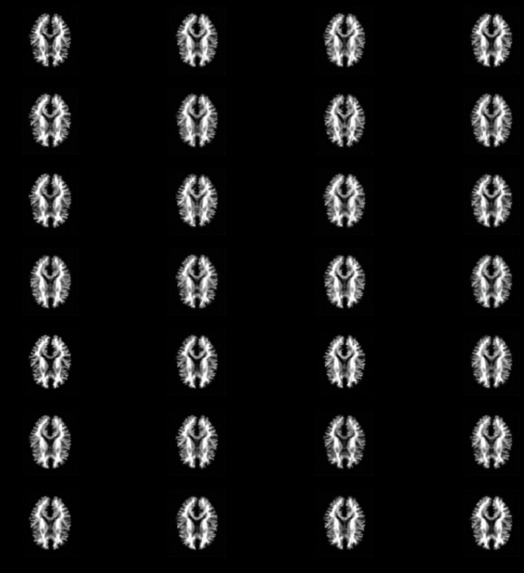
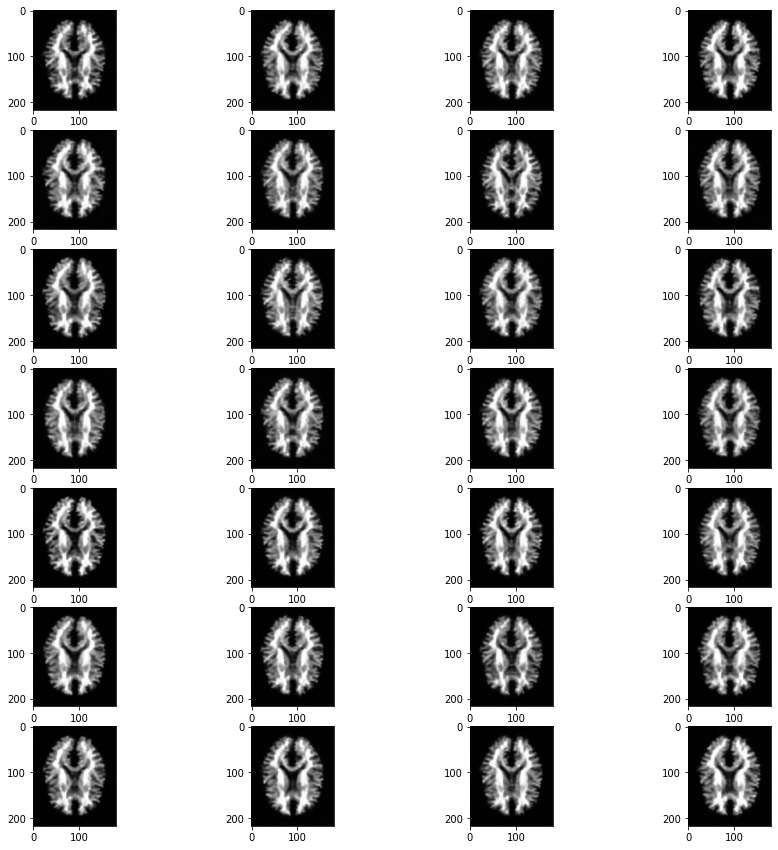
Predicted_Segmented-Image_epoch_100
-
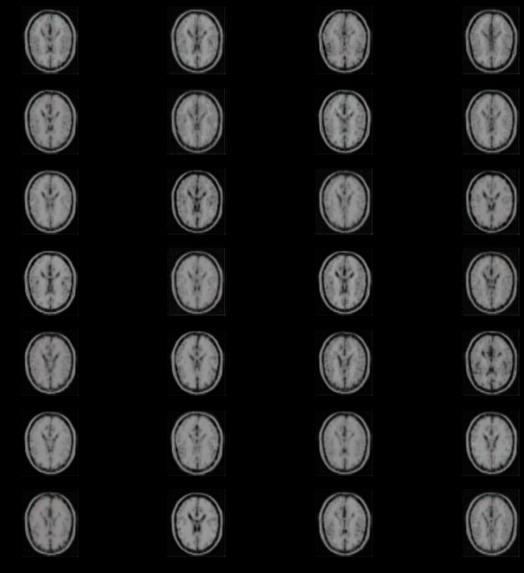
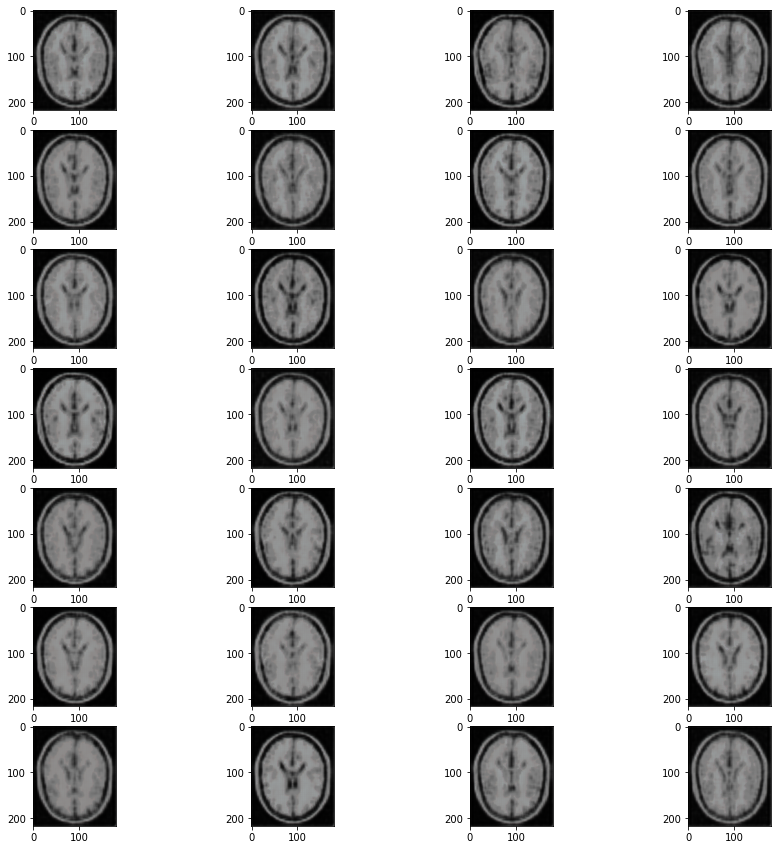
T2_Predicted_Epoch_30
-
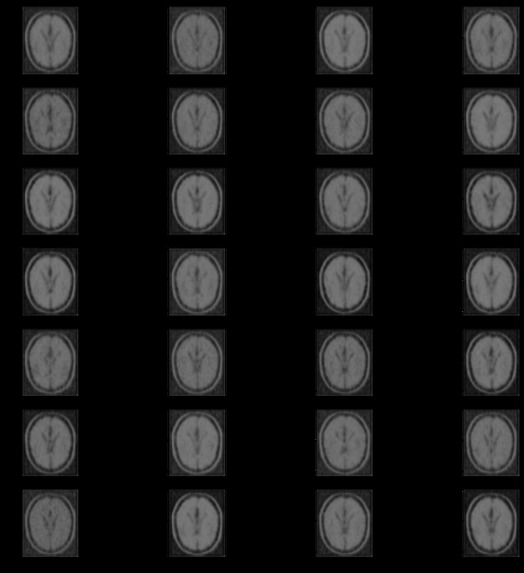
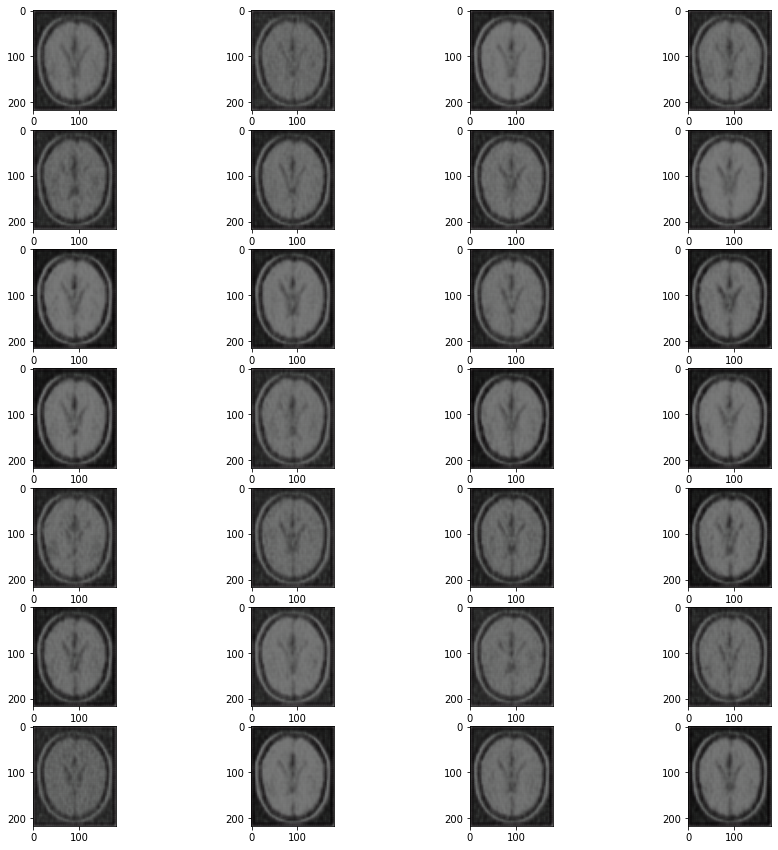
T2_Predicted_Image_Epoch_10
Inspiration
We came across that one of the latest problems in the Medical Sector is related to MRIs and CTs. MRIs are very expensive and require high amounts of energy. Also, because of their powerful Magnetic Power, patients with any iron part implemented are at risk. The same goes with CT scans since their use of radioactivity is quite harmful to weak, young, and old people. We are trying to solve some of these issues with the use of Deep Learning.
What it does
One of the main aspects of our project is MRI Image Synthesis. In this, we convert T1-Weighted images into T2-Weighted images. Along with this, our other model helps by generating Segmented Brain MRI images to show the distribution of white matter.
How we built it
So we have created two models, one for Image synthesis and the other does Segmentation. Both works on generating images. We have implemented VAEs to achieve the purpose.
Challenges we ran into
Learning and understanding the terminologies involved with MRIs really took a while like Preprocessing MRI images requires quite a different methodologies than in general. We were learning PyTorch along with the implementation, and although it's quite pythonic in nature still took some time to wrap our minds around.
What we learned
We learned about issues faced and how to use deep learning to solve them. One of the interesting things we learned is the terminologies and concepts related to MRI image synthesis. Along with that we also learned PyTorch which was one of our main objectives.
What's next for Medizoid
We will be implementing Conditional Generative Adversarial networks (cGANs) to improve the accuracy of our model. Along with that, we will be creating a web application so that it could be of some help to society.
Built With
- ai
- deep-learning
- django
- machine-learning
- python
- pytorch


Log in or sign up for Devpost to join the conversation.