Inspiration
We wanted to make education more interactive and accessible, including for communities with limited internet connectivity. Instead of just reading about concepts, students should be able to experiment with them.
What it does
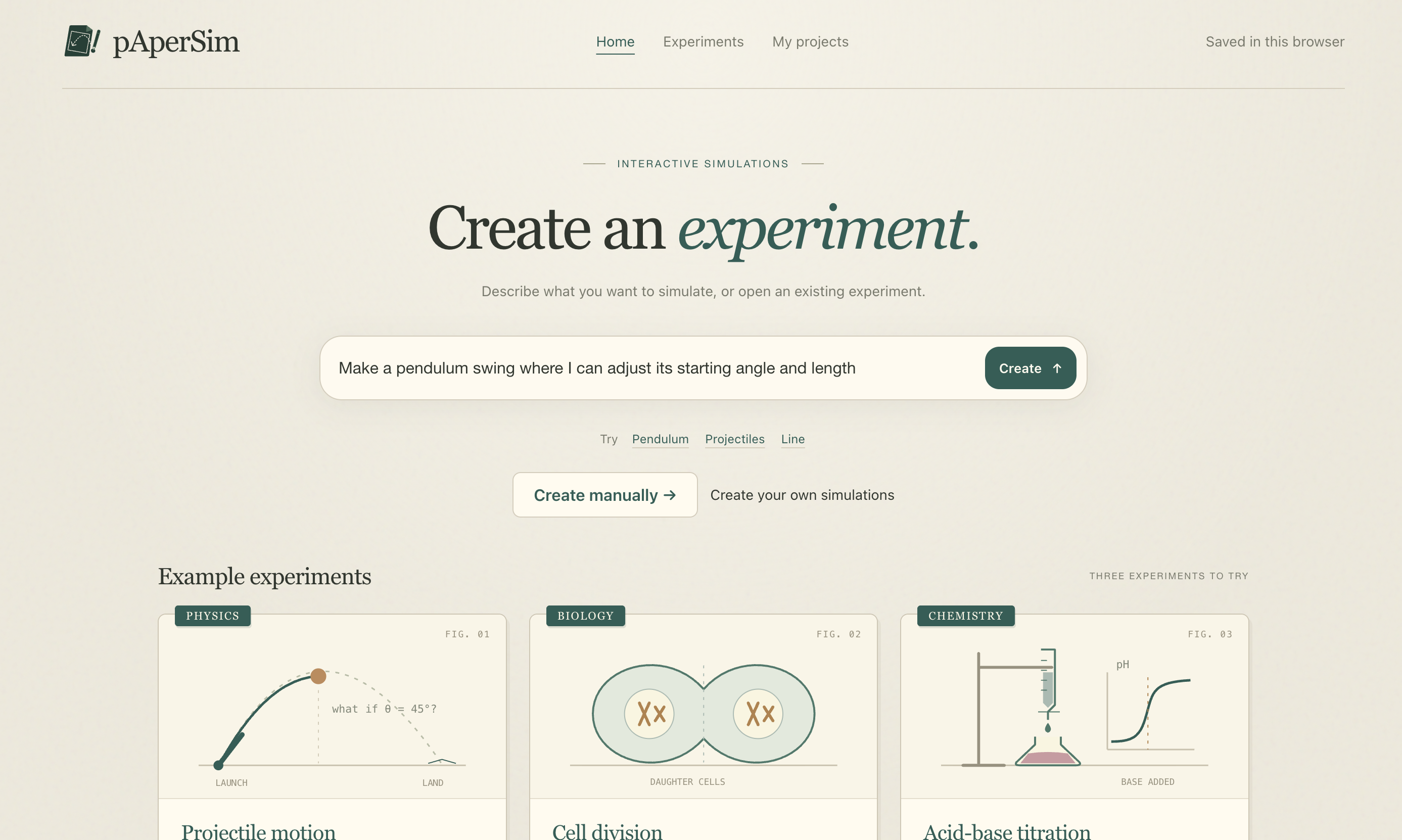
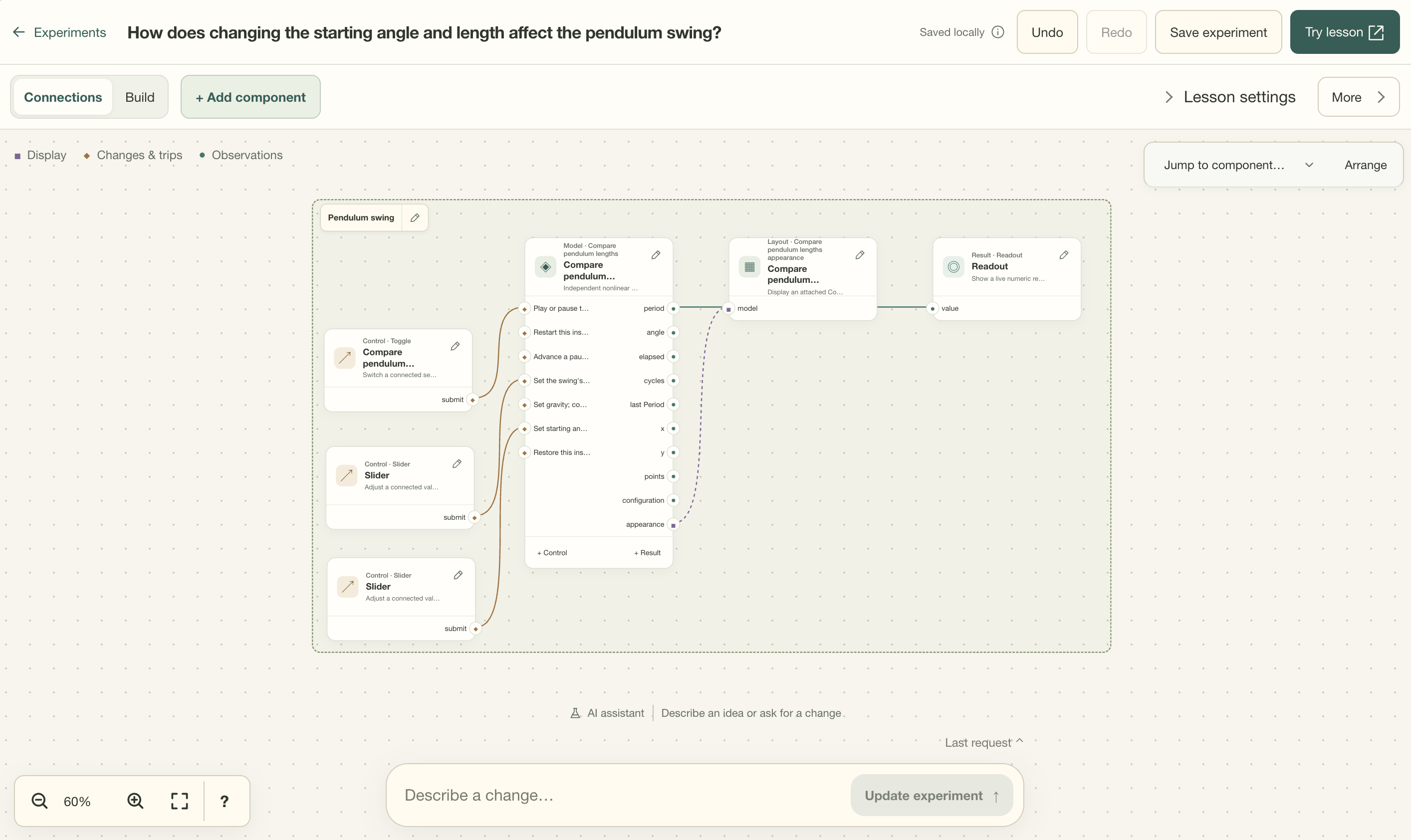
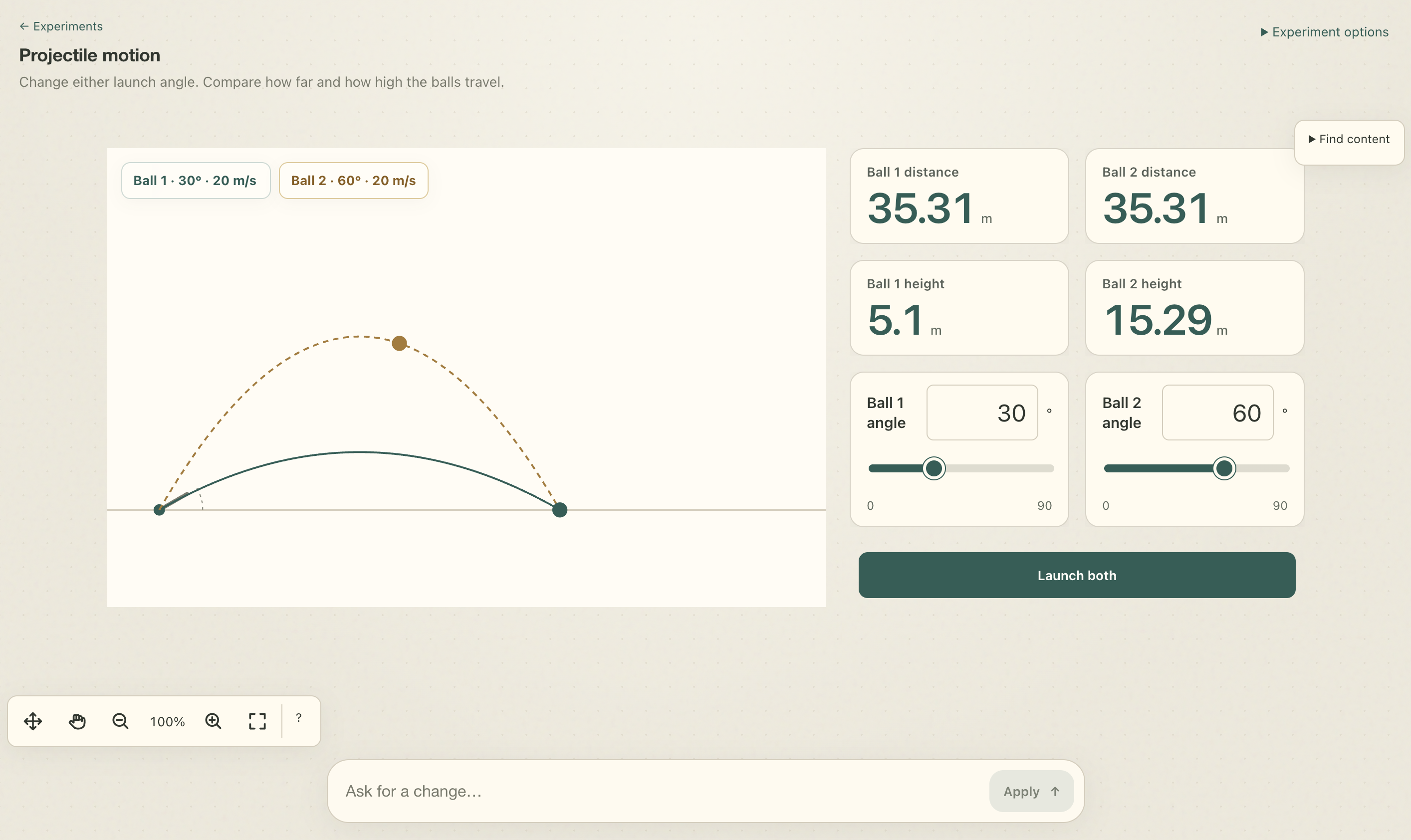
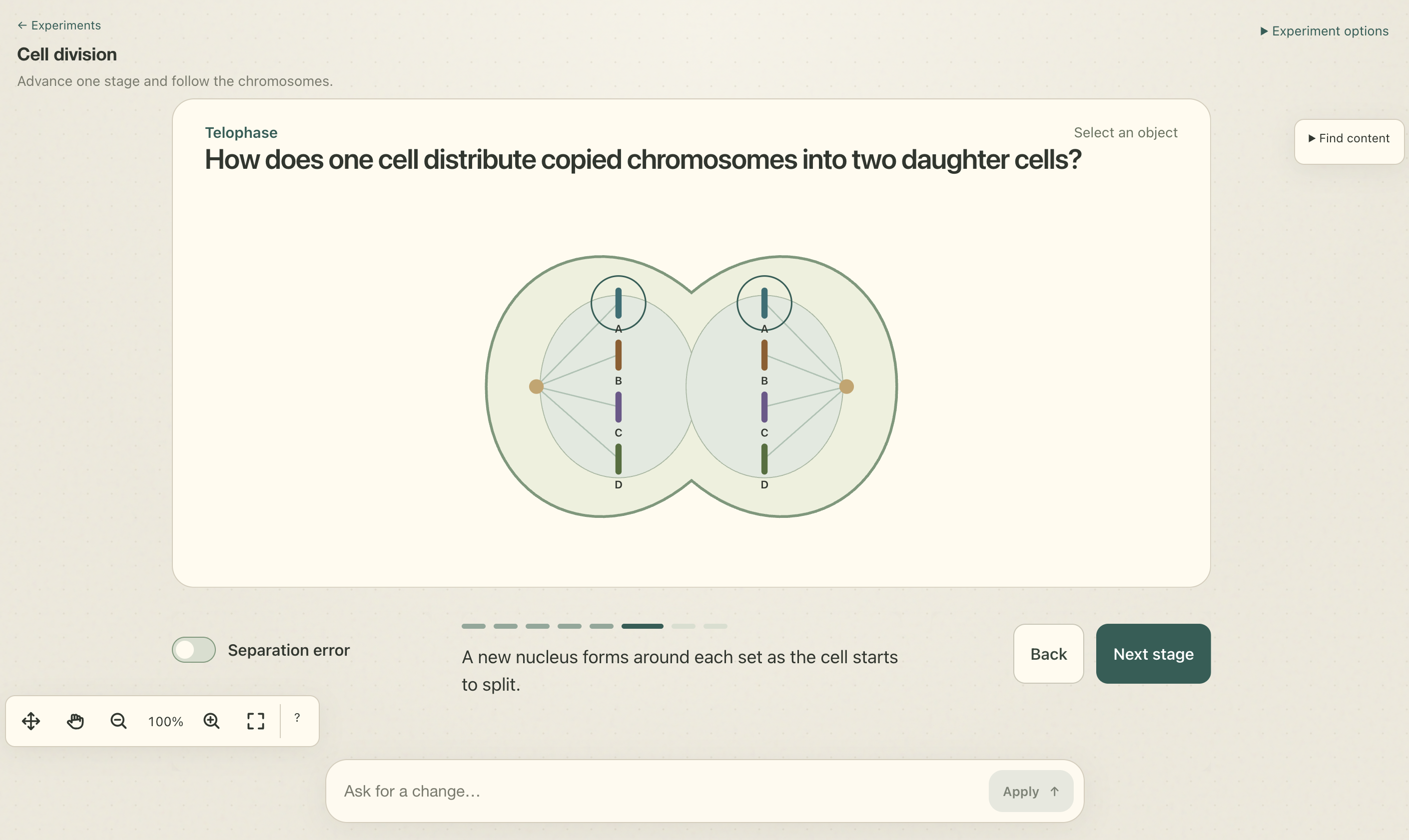
pAperSim turns natural-language requests into interactive, editable educational simulations using Apertus 1.5 8B. Users can explore experiments, modify components, and share their creations with the community.
How we built it
We developed a component-based framework where Apertus selects and configures reusable components rather than generating simulation code from scratch. Our system validates and executes these components through a trusted simulation engine. We also support local inference using a 4-bit quantized Apertus model.
Challenges and what we learned
Our biggest challenges were getting Apertus to reliably select, configure, and connect components while keeping the simulations accurate and responsive. We learned how structured authoring, validation, and reusable components can make smaller language models practical for complex applications.
What's next
We aim to bring pAperSim to offline, resource-constrained environments, including Raspberry Pi-powered classrooms, and expand its community-driven component library.
Built With
- apertus
- mlx
- mongodb
- next.js
- tailwind
- three.js
- typescript

Log in or sign up for Devpost to join the conversation.