-
-
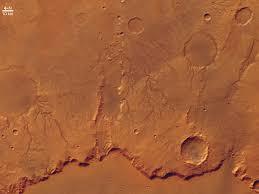
Martian surface
-
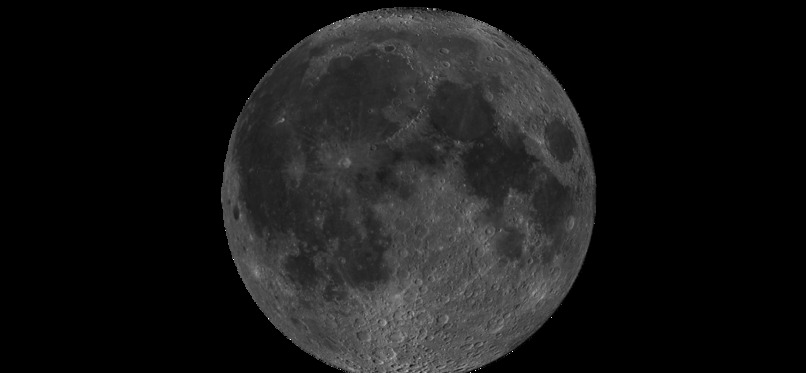
Moon surface
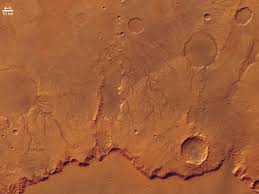
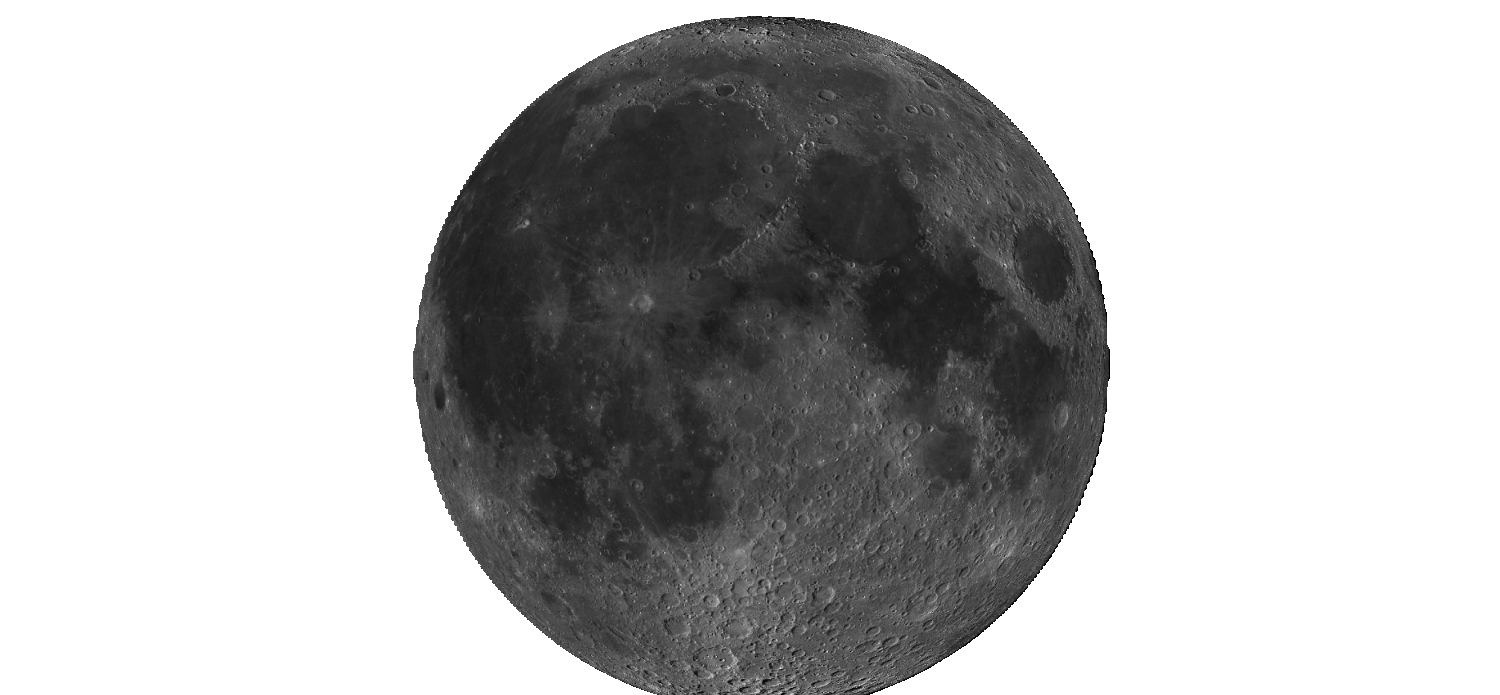
Inspiration
Today's GPS serves as the main inspiration source for MPS. The closest celestial body is the moon and more than likely will be the next body on which humanity will settle. Therefore, to start off small, MPS plans to apply the GPS concept on the moon and further develop it as its used.
What it does
The program maps out not only the fastest route but also the safest route for the astronauts from point A to point B.
How we built it
Utilizing Python and js, we first thought about developing a model, however, simplicity is key. Taking this to heart, we chose to implement the A-Star algorithm to map out multiple paths and only return the fastest and safest one (ie the one with the least elevation change between its neighboring pixels on the inputted image map).
Challenges we ran into
The main challenge for us was our compromised timing due to other responsibilities. Coming back to BU at 9:30pm from a fencing tournament, we were about to call quits. But, we didn’t. We reminded ourselves that no matter the opportunity type or size, it’s a rare occurrence from which you can learn lots and, most importantly, practice what we’re passion about! Others challenges we ran into were the logistics of the functions, parameters, and output format.
Accomplishments that we're proud of
Outputting an accurate path overlaying the inputted image map. We’re also proud to have develop a tangible product, even 3/2 finished, given our circumstances. It was thrilling nonetheless!!
What we learned
We learned to efficiently distribute workload and chose the most convenient and time efficient strategies.
What's next for MPS (Moon Positioning System)
Next is to apply it to other diverse locations on the moon's map and make it practical for realistic use cases not only for the moon but also hopefully for other planets.

Log in or sign up for Devpost to join the conversation.