-
-
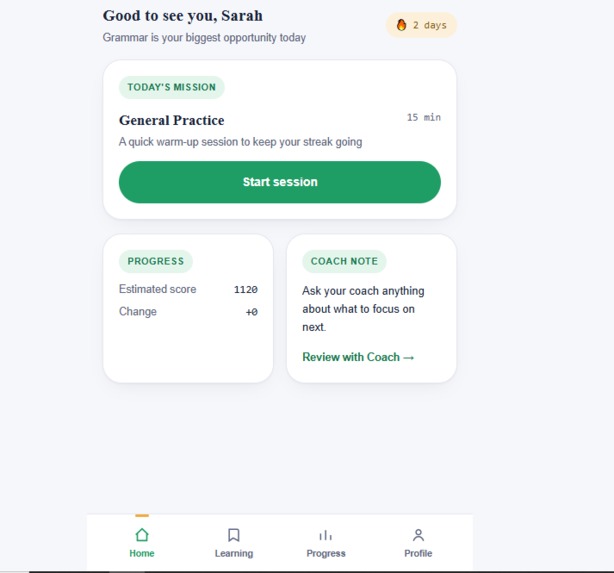
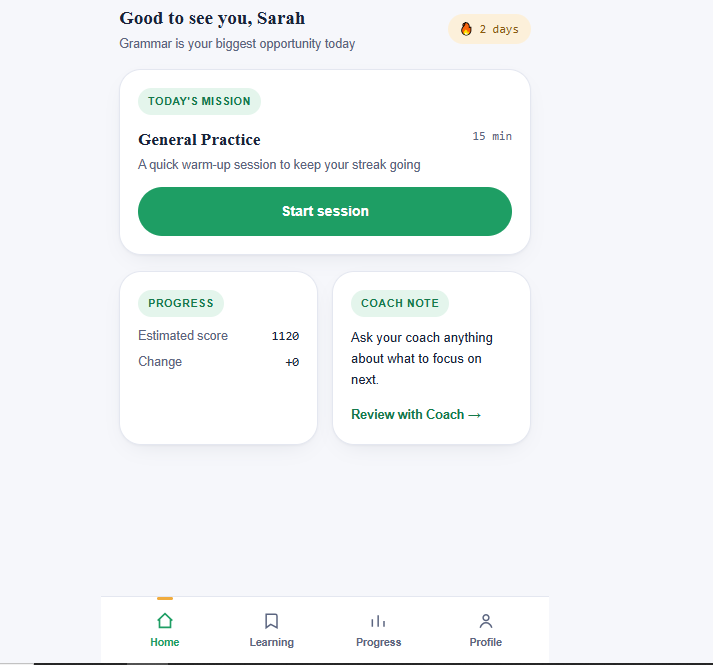
Dashboard
-
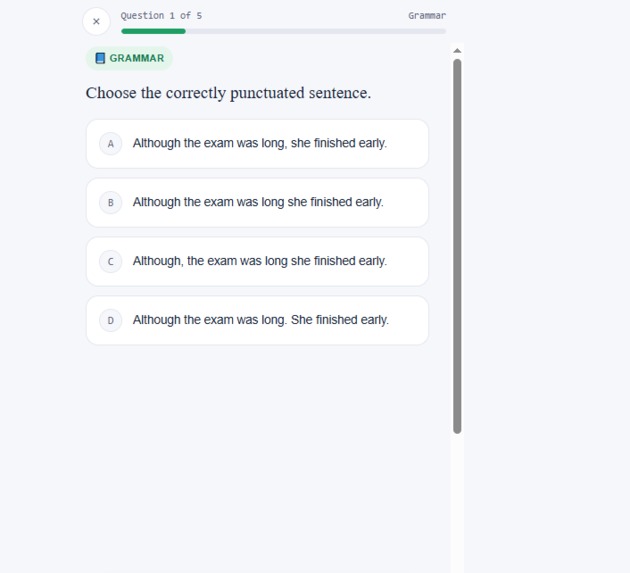
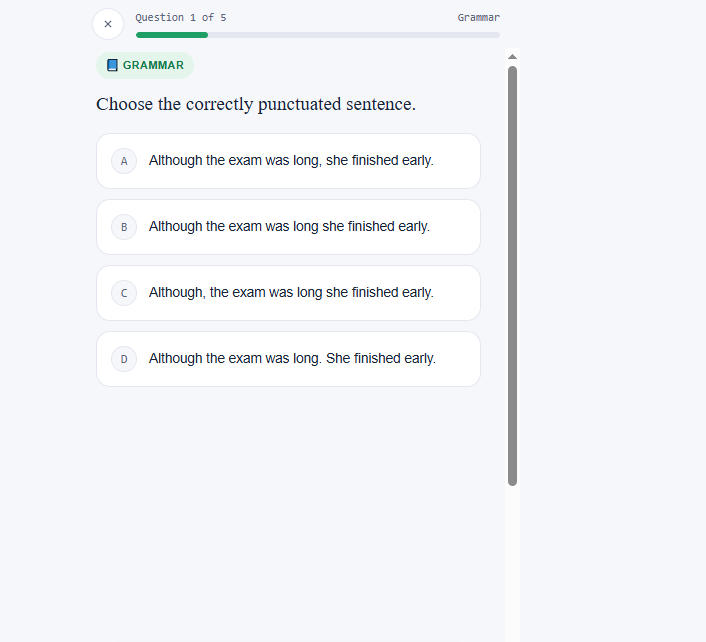
Question
Inspiration
We were inspired by a simple problem: access to quality, personalized education should not depend on where a student lives or the resources available at their school.
Students in underserved public schools can struggle to access personalized tutoring and effective SAT preparation. We wanted to build more than another learning platform or chatbot—we wanted to create an AI mentor that understands each student and adapts to them.
What it does
MowSat AI is an AI-powered personalized learning companion delivered as a Progressive Web App (PWA).
It analyzes a student's performance, identifies strengths and learning gaps, creates personalized study plans, adapts practice difficulty, provides guided tutoring, and continuously tracks progress.
Its core learning loop is:
Assess→Analyze→Plan→Learn→Adapt
Unlike a traditional chatbot, MowSat AI uses specialized agents to diagnose, plan, coach, and analyze a student's learning journey.
How we built it
We built MowSat AI as a modular system consisting of a PWA frontend, backend, AI agent layer, and student intelligence layer.
The frontend provides a responsive and accessible experience across phones, tablets, and computers. The backend manages APIs, authentication, assessments, student data, and communication with the AI system.
Our AI architecture uses specialized agents:
Diagnostic Agent — identifies weaknesses and strengths. Planning Agent — creates personalized study plans. Coaching Agent — provides guided tutoring. Analytics Agent — tracks progress and recommends adjustments.
The system maintains structured learning data such as assessment history, topic mastery, performance trends, and relevant student context.
Our core stack includes Next.js, React, TypeScript, Tailwind CSS, Python, FastAPI, PostgreSQL, SQLAlchemy, Pydantic, Google Gemini, and PydanticAI.
Challenges we ran into
Our biggest challenge was making the AI behave like an agent rather than simply a chatbot.
We had to determine how the system should:
Understand a student's learning history. Identify genuine weaknesses from performance data. Decide what the student should do next. Adapt difficulty based on results. Maintain useful student context without overwhelming the AI. Produce reliable, structured outputs. Remain accessible to students using limited devices or slower internet connections.
We also had to balance ambitious AI functionality with the limited time and resources of a hackathon.
Accomplishments that we're proud of
We are proud of designing a system where AI is connected to a student's actual learning journey, rather than treating every interaction independently.
We're particularly proud of:
Designing a multi-agent education architecture. Building around a continuous assess → analyze → adapt learning loop. Creating a personalized student intelligence layer. Designing the product as an accessible PWA. Focusing on underserved students rather than building another generic AI chatbot. Building the project as a modular system that can grow beyond the hackathon. What we learned
We learned that building useful AI is about much more than connecting an LLM to an application.
The quality of an AI education system depends heavily on data, context, architecture, validation, and feedback loops.
We also learned that personalization requires understanding not only what a student asks, but what they have struggled with, how they are progressing, and what they should do next.
Most importantly, we learned to design AI around the needs of the student, rather than designing a product simply around what the technology can do.
What's next for MowSat AI
The hackathon is only the beginning.
We want to expand MowSat AI beyond SAT preparation into a broader personalized learning platform covering areas such as mathematics, reading comprehension, study skills, and foundational education.
We also plan to improve offline and low-bandwidth capabilities, expand the question and learning-content library, strengthen personalization, and eventually support teachers and schools with tools for monitoring student progress.
Our long-term vision is simple:
Give every student access to a tireless AI learning mentor—regardless of where they come from or the resources available to them.
Built With
- agents
- ai
- api
- css
- fastapi
- gemini
- generative
- github
- learning
- machine
- next.js
- postgresql
- pwa
- pydantic
- pydanticai
- python
- react
- rest
- sqlalchemy
- tailwind
- typescript


Log in or sign up for Devpost to join the conversation.