-
-
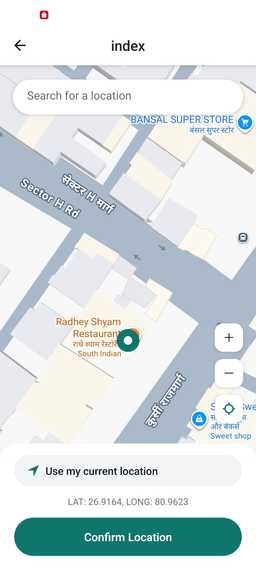
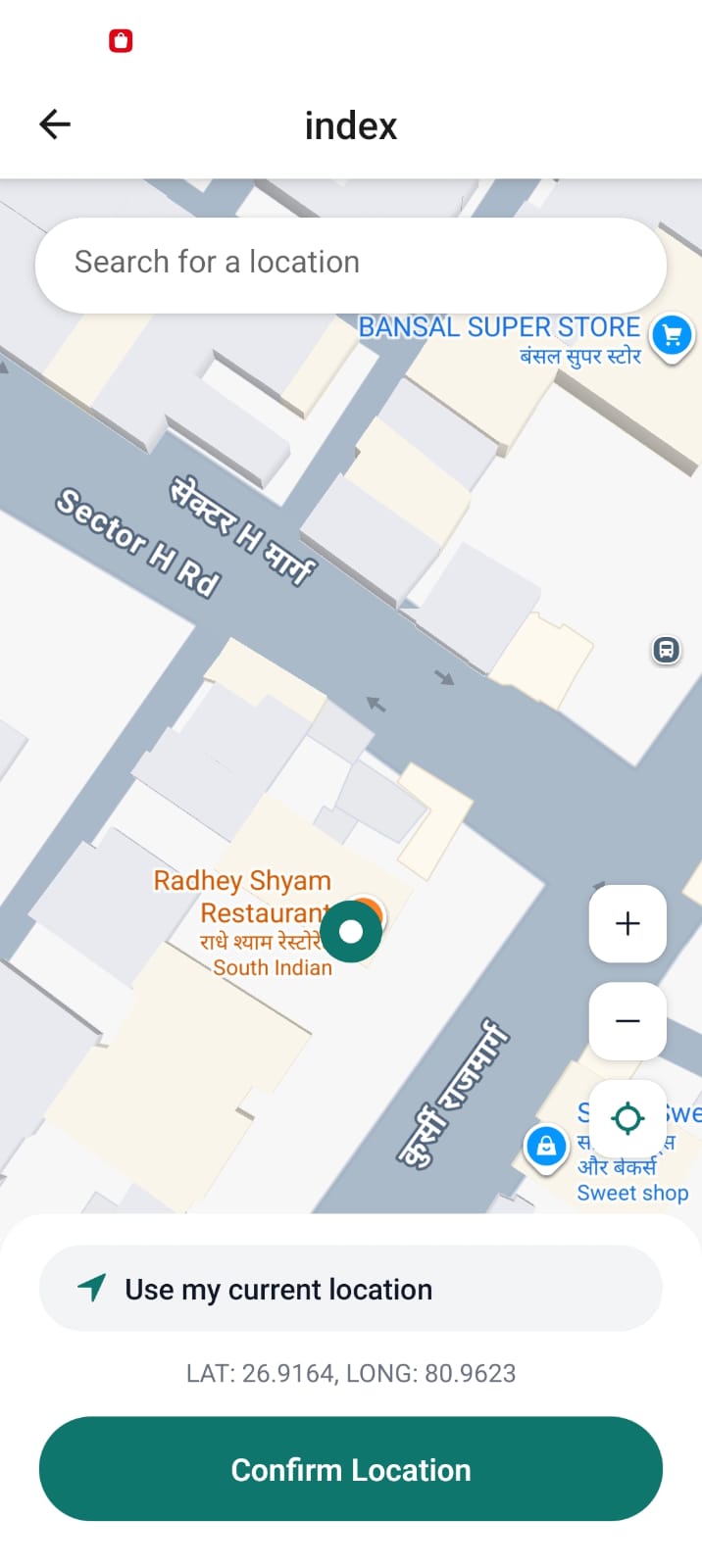
Previous Location which we provide by marking on map
-
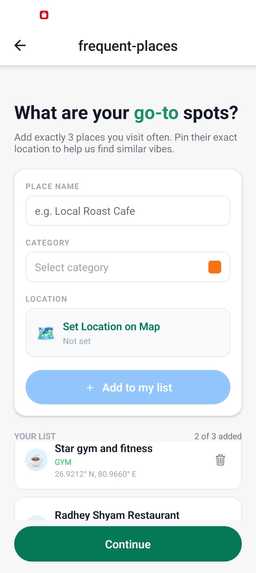
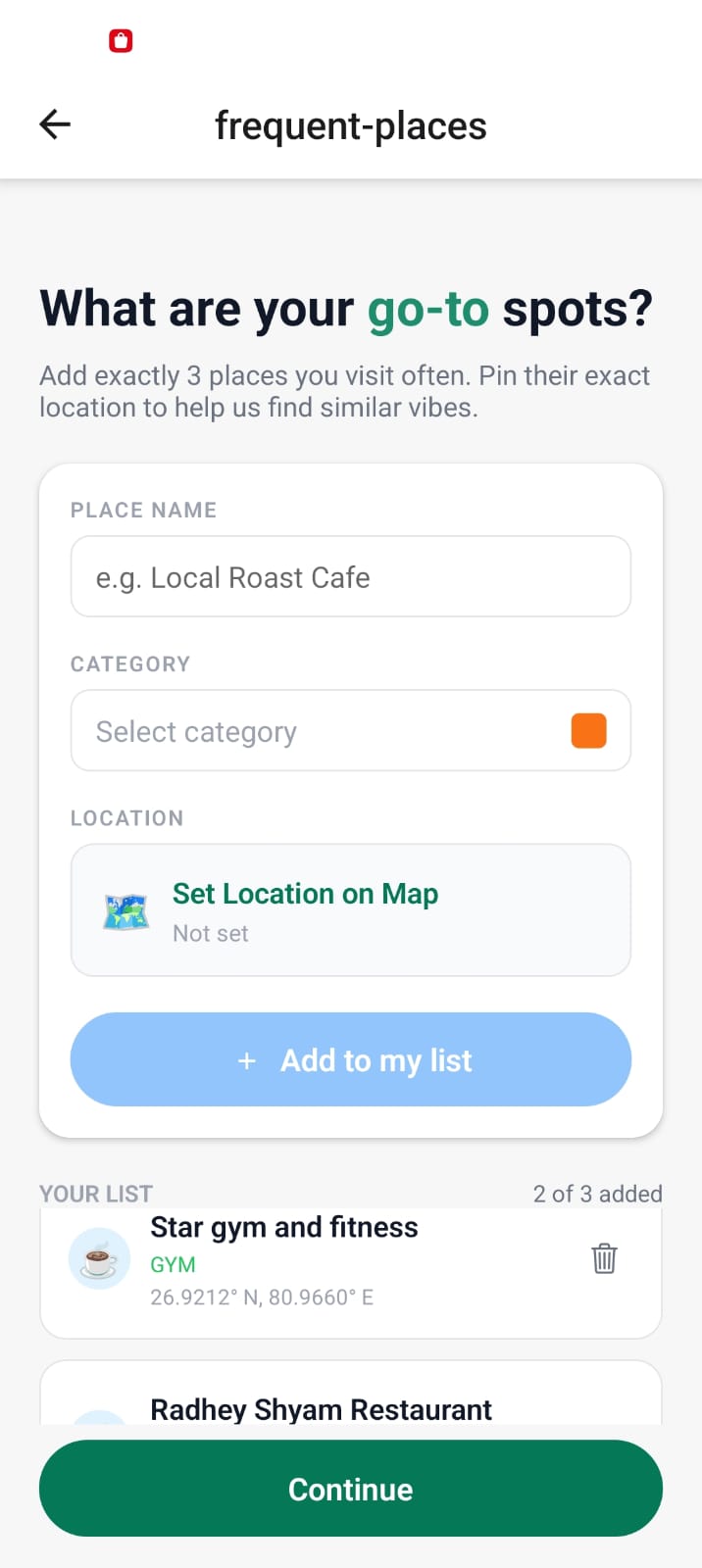
Frequently visiting places
-
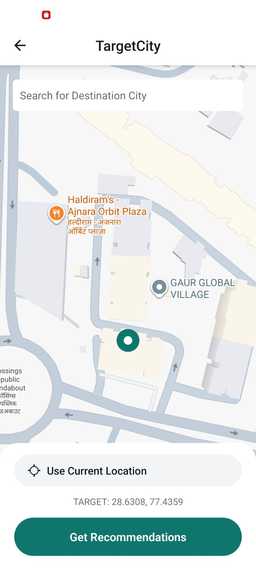
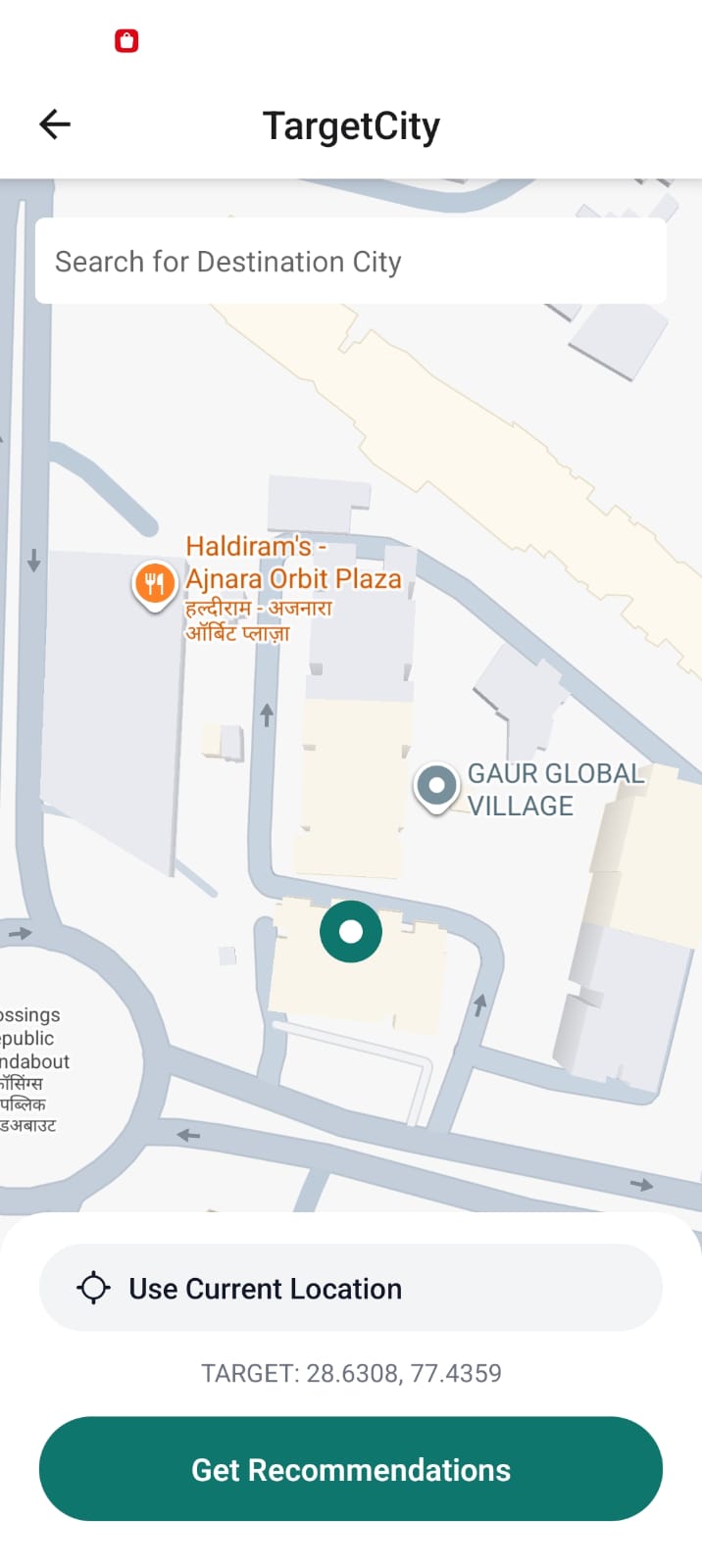
Current Location where you currenly live
-
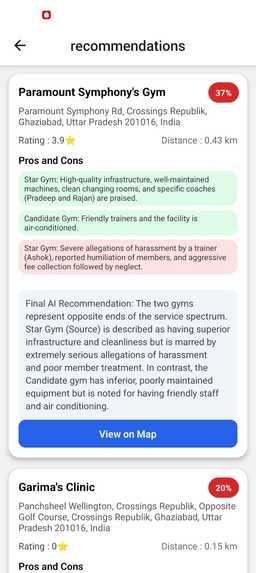
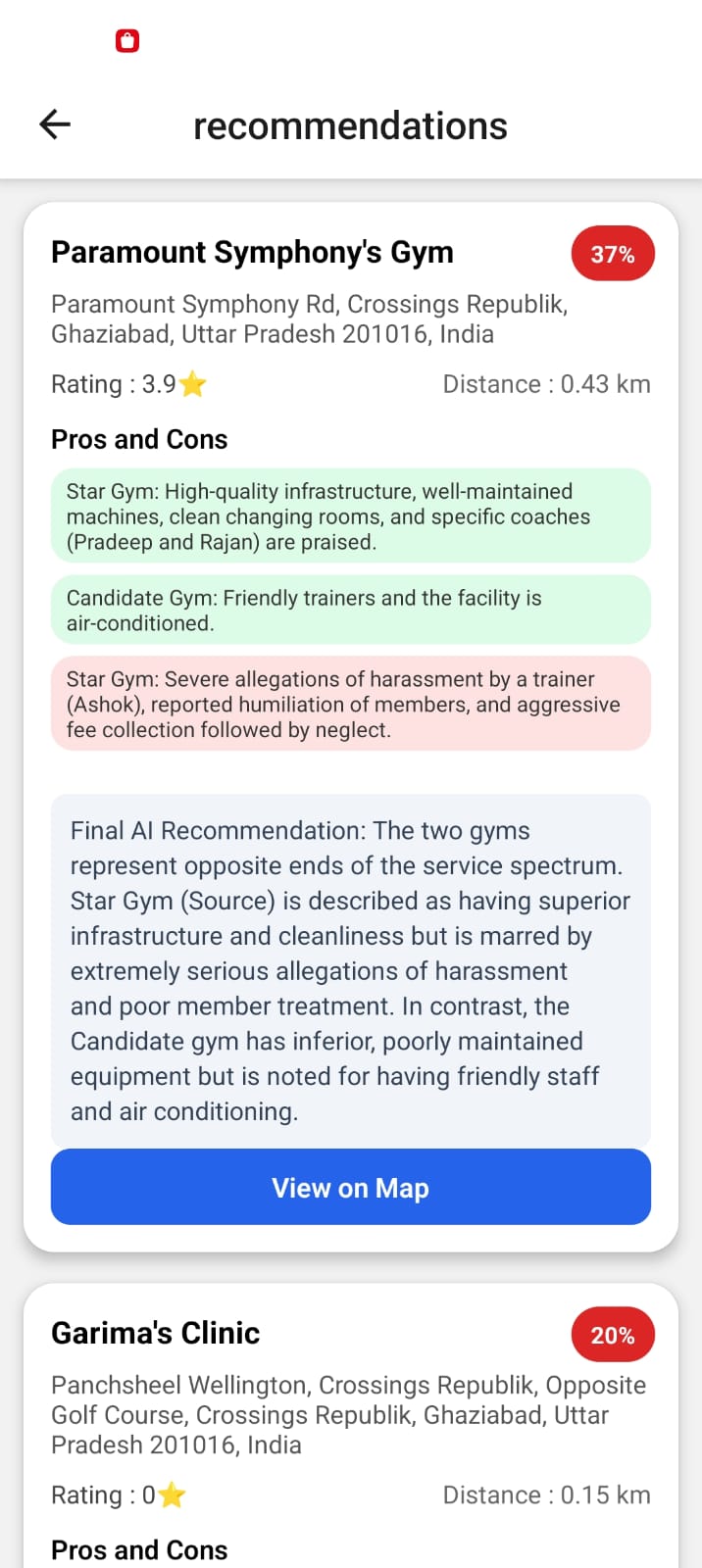
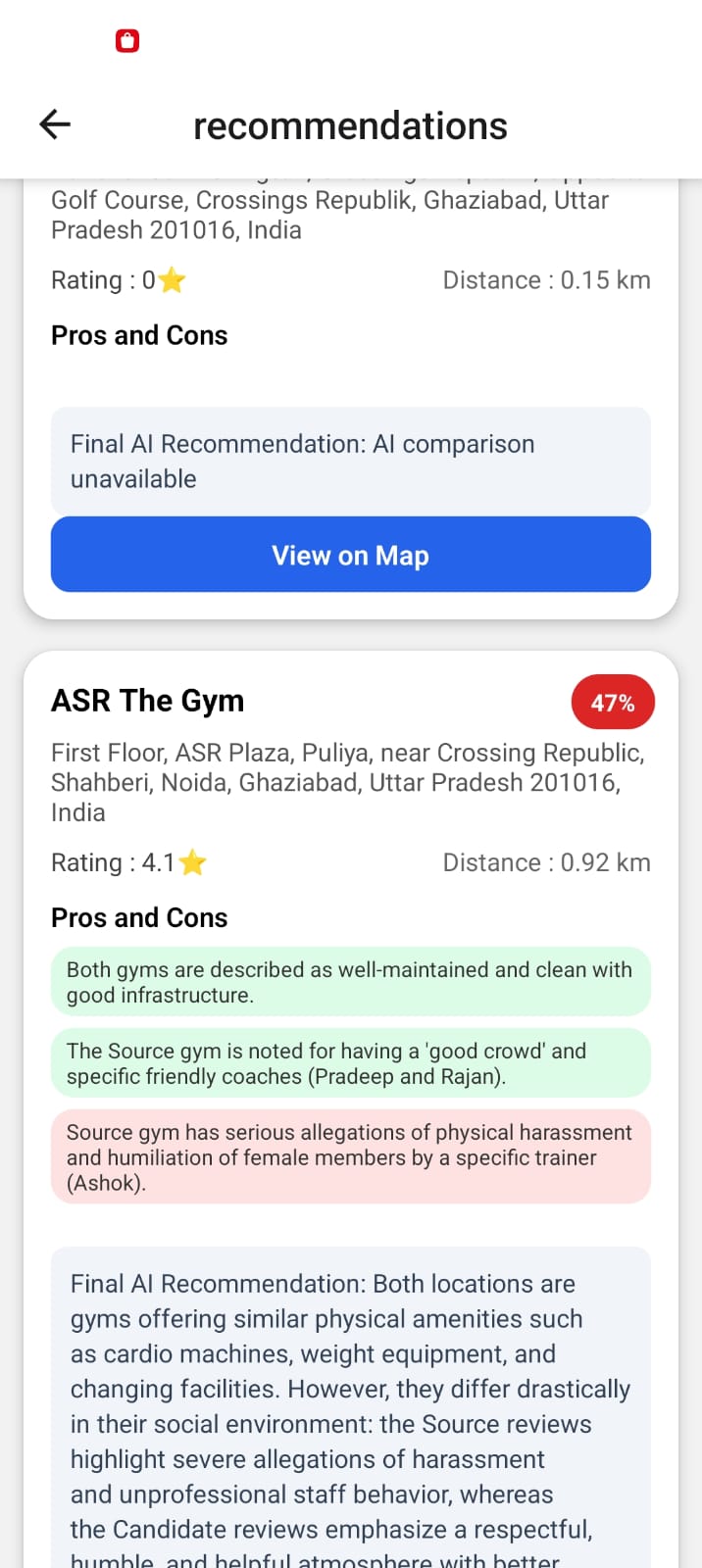
More Results with score, reasonings, pros and cons
-
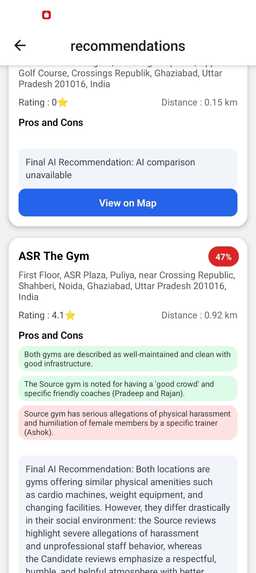
Results Recommendations
🌍 MoveWise — Our Project Story
✨ What Inspired Us
The idea for MoveWise came from a simple but widely experienced problem:
relocating to a new city.
When we move, we do not just change locations — we leave behind familiar places we trust, such as our gym, favorite café, or a reliable hospital. Most existing map-based applications focus on proximity, but they do not understand personal preference or past behavior.
We wanted to build something that answers a more human question:
“If we liked this place in our old city, where should we go in our new city?”
That question became the foundation of MoveWise.
🧠 What We Learned
Building MoveWise helped us grow across system design, geospatial reasoning, and AI integration.
Technical Learnings
- Designing a location-aware backend using Node.js and Express
- Working with Google Places and Distance Matrix APIs
- Implementing reliable distance calculations using mathematical formulas
- Integrating Gemini AI for structured comparison and ranking
- Building APIs that are scalable, fault-tolerant, and frontend-friendly
Conceptual Learnings
- Personalization creates more value than raw data
- Distance represents user behavior, not just geography
- AI becomes powerful when combined with deterministic logic
- Clear backend design leads to a better user experience
🛠️ How We Built the Project
MoveWise was built as a multi-stage intelligent pipeline, where each step adds clarity and context.
1. Capturing User Context
We begin by understanding:
- Where the user is moving from
- Where the user is moving to
- Which places they already trust
This allows us to build recommendations based on real preferences, not assumptions.
2. Preserving Travel Behavior with Distance Analysis
To preserve how far users are comfortable traveling, we calculate the distance between a trusted place and the previous city center.
When needed, we use the Haversine formula to compute the great-circle distance between two coordinates:
[ d = 2R \cdot \arcsin\left( \sqrt{ \sin^2\left(\frac{\Delta \phi}{2}\right) + \cos(\phi_1)\cos(\phi_2) \sin^2\left(\frac{\Delta \lambda}{2}\right) } \right) ]
Where:
- ( R ) is the radius of the Earth
- ( \phi ) represents latitude
- ( \lambda ) represents longitude
This distance becomes the search radius for discovering places in the new city.
3. Discovering Similar Places
Using the calculated radius:
- We search for places near the new city
- We restrict results to the same category
- We filter for relevance and quality
This ensures that recommendations remain logical and meaningful.
4. AI-Based Comparison and Ranking
This is where MoveWise becomes intelligent.
Instead of using static filters, we use Gemini AI to compare each new place with the original trusted place. The comparison considers:
- Distance similarity
- Ratings
- Reviews
- Services and amenities
The AI generates:
- A match score
- A short explanation
- A ranking order
This transforms raw location data into actionable insights.
5. Delivering Clean Results to Users
We present results as:
- Ranked place cards
- Distance indicators
- Ratings
- AI match scores
- Clear explanations
This enables users to make confident decisions without spending time manually comparing options.
🚧 Challenges We Faced
1. Ensuring Distance Accuracy
API limitations and quota issues required us to implement fallback logic using mathematical distance calculations, ensuring consistent results.
2. Avoiding Generic Recommendations
Finding nearby places was straightforward. Making them relevant required carefully balancing:
- User history
- Distance behavior
- AI-based reasoning
3. Designing Effective AI Prompts
We had to iteratively refine Gemini prompts to ensure:
- Consistent scoring
- Comparable outputs
- Clear, concise explanations
This taught us the importance of prompt engineering in production systems.
4. Building a Robust System
We focused on designing each step so that:
- Failures in one stage would not break the entire pipeline
- The backend remained modular and extensible
- The system stayed reliable under real-world constraints
🌱 What This Project Means to Us
MoveWise represents our approach to building user-centered software.
By combining:
- Geospatial logic
- Mathematical reasoning
- Real-world data
- AI-driven intelligence
we built a system that prioritizes familiarity, comfort, and trust for users in a new city.
🏁 Final Reflection
Through MoveWise, we strengthened our ability to design end-to-end intelligent systems that blend:
- Backend engineering
- API orchestration
- Mathematical modeling
- AI-powered decision making
MoveWise showed us that impactful software does not just answer where —
it explains why.
MoveWise — Helping us feel at home, wherever we move.


Log in or sign up for Devpost to join the conversation.