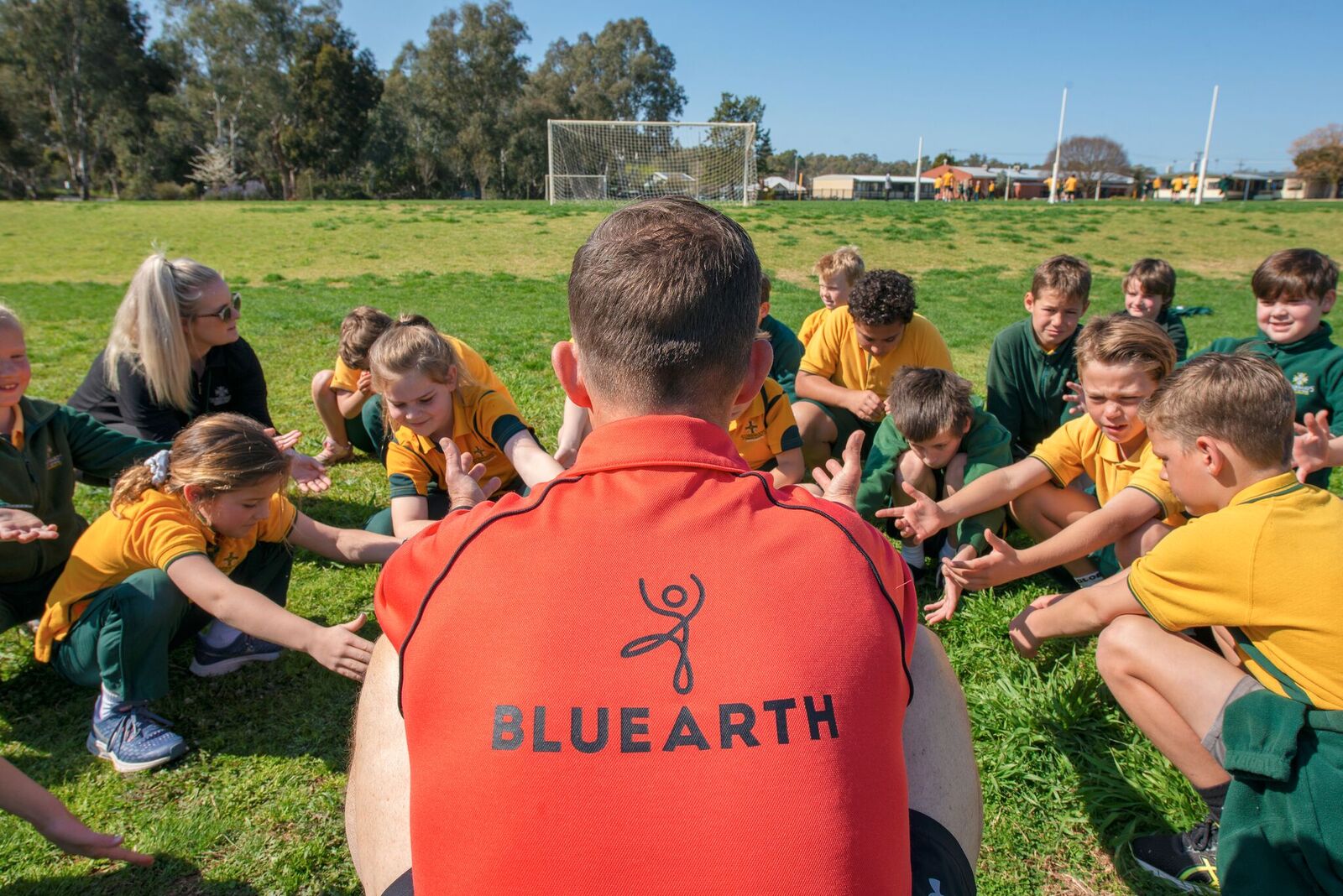


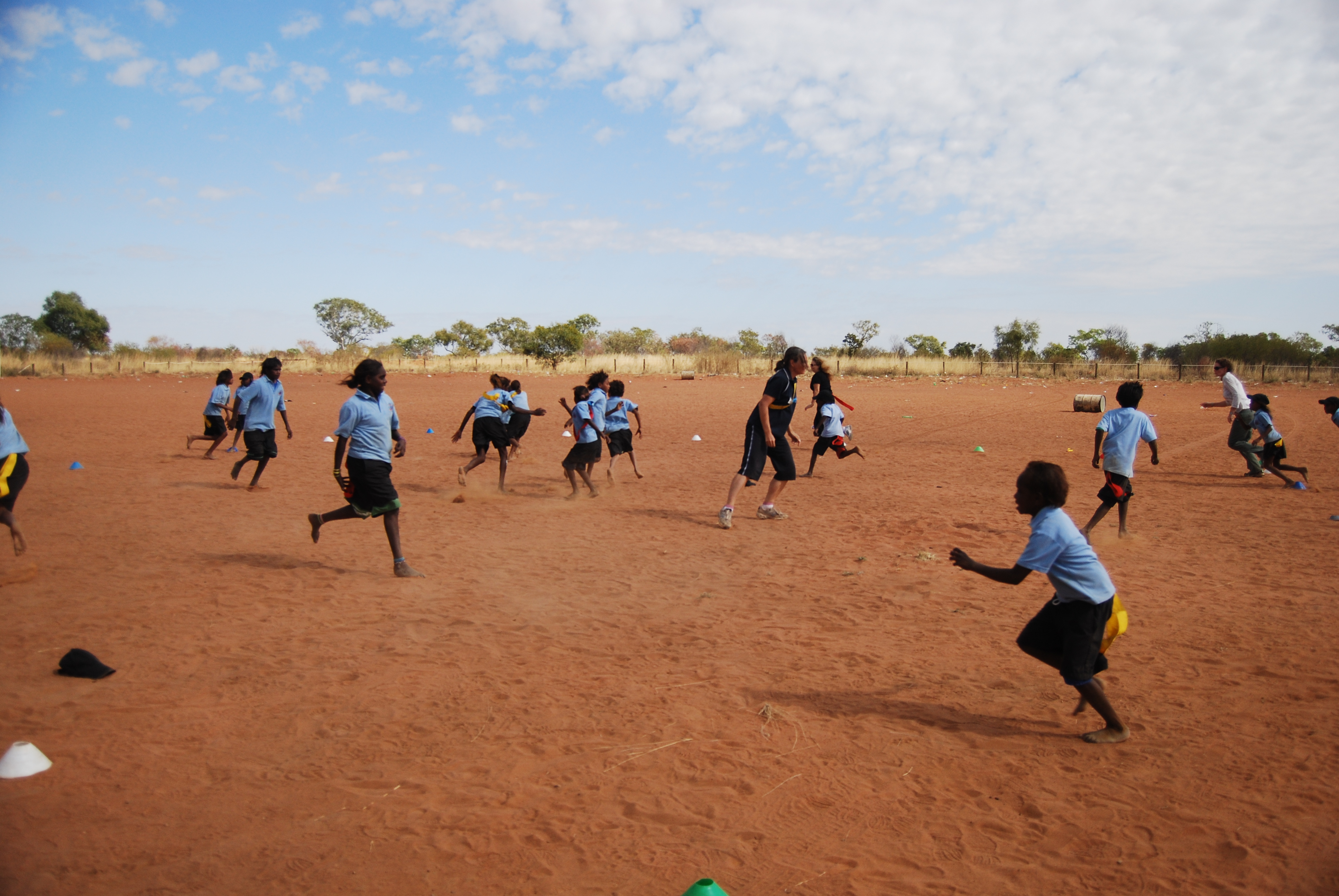
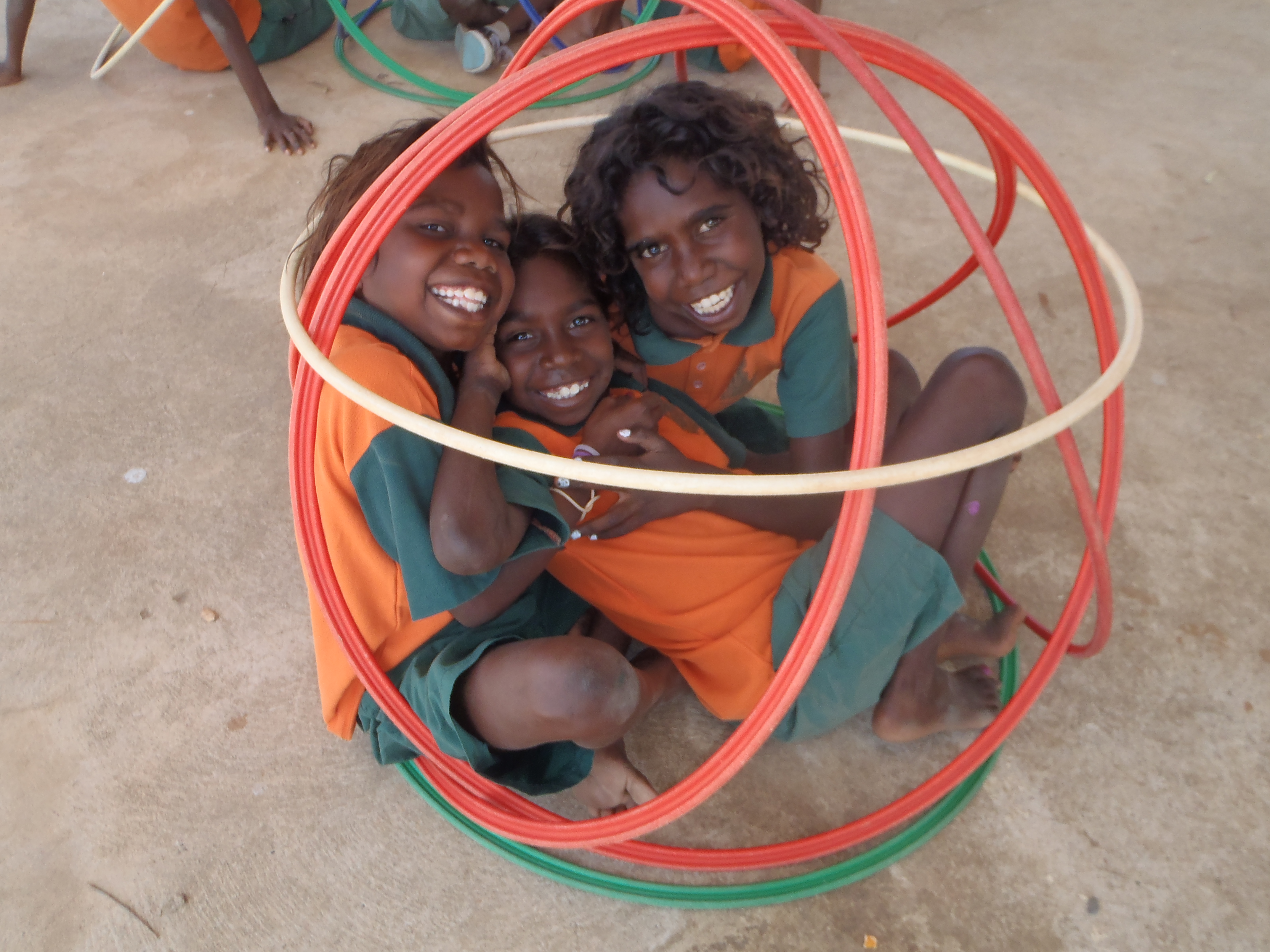
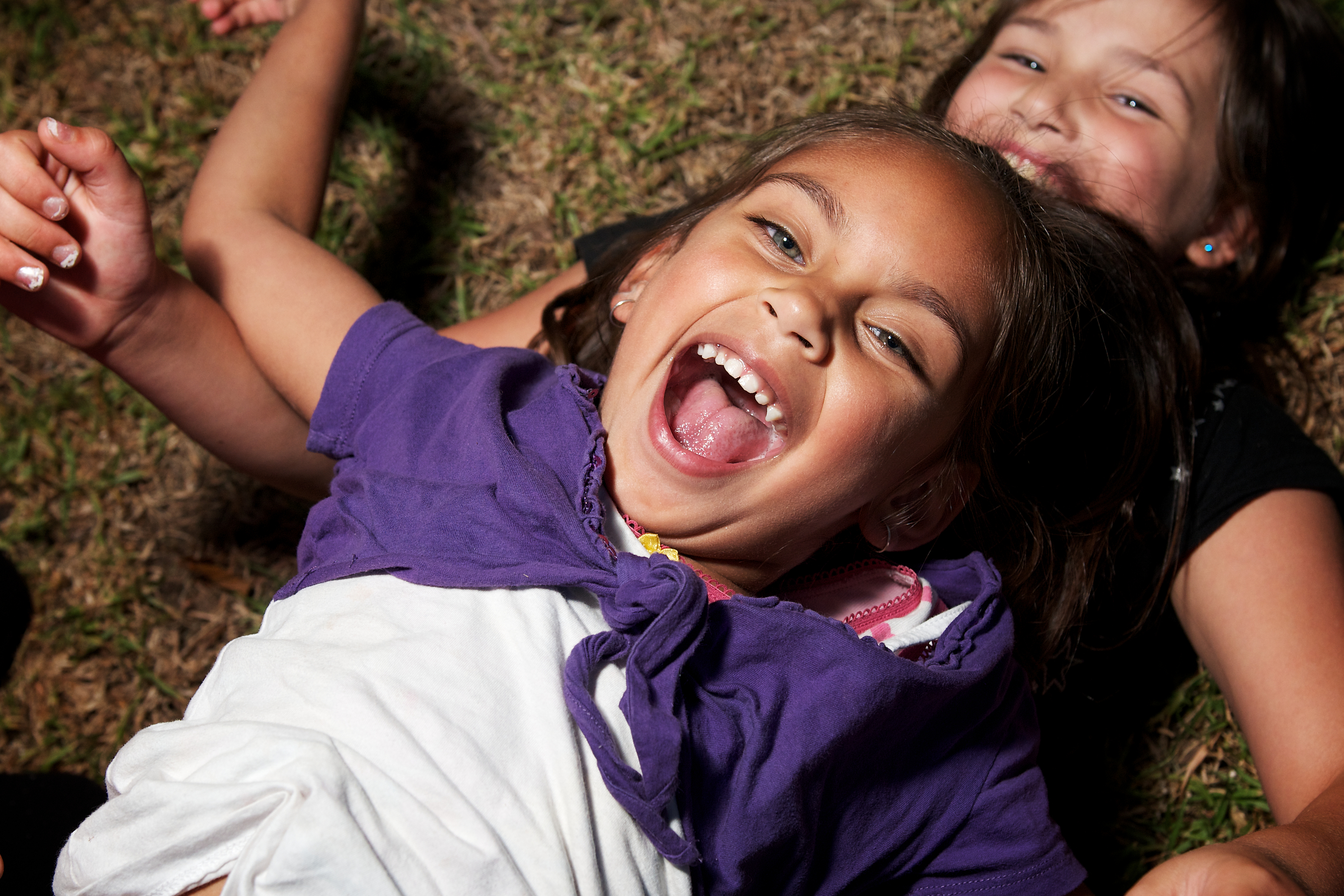
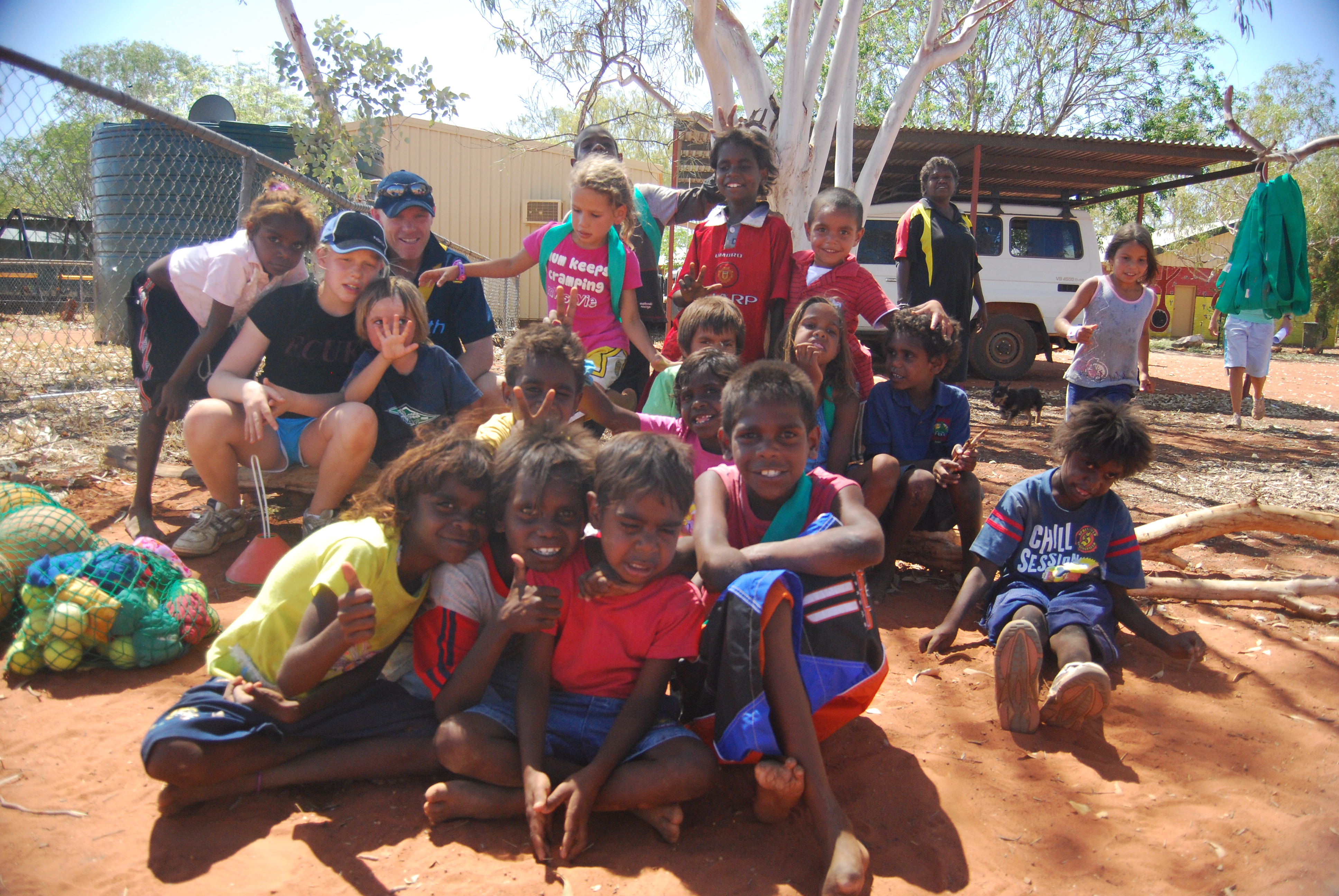
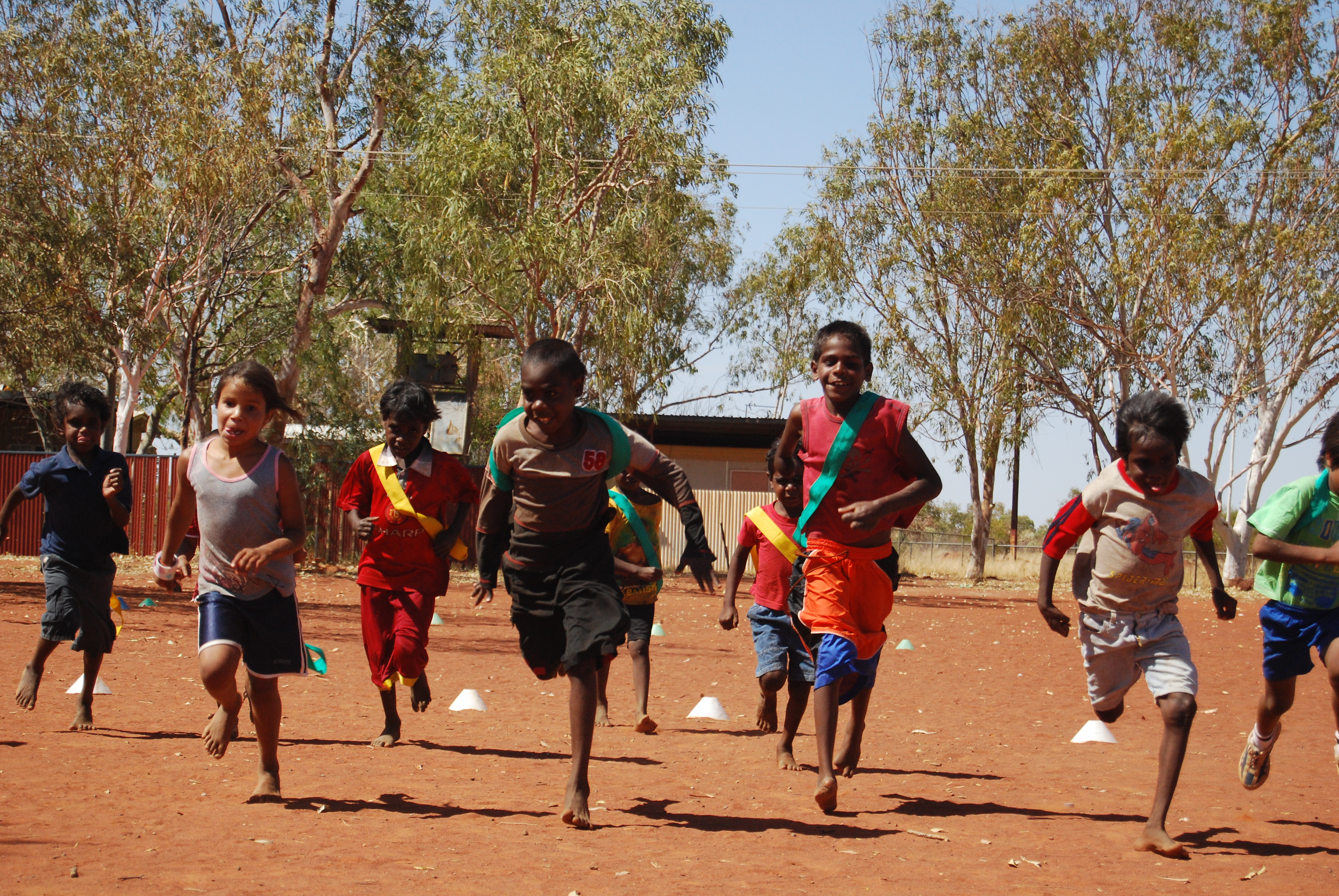
Bluearth is a 20 year old Not for Profit that has worked with over 400,000 students in Australia. The inactivity crisis is worsening and 9 out 10 children are not moving enough according to physical activity standards. We run our unique evidence based programs across the country to inspire our young to engage in Physical Literacy that can impact on the rest of their life. We are scratching the surface compared to the need but we are now ready to advocate strongly, bolder than ever before to highlight what is completely unacceptable.
Our mission, Our Vision and Our Values Our mission, Our Vision and Our Values are all dependant on our approach to movement:
MISSION: To improve the health and wellbeing of all Australians by making movement part of everyday life
How do we achieve this? Teaching and encourage Australians how to Move Well
VISION: For all Australians to develop their ability to move with confidence and competence in a wide variety of physical activities that benefit whole-person health and create personal motivation for lifelong active living.
How do we achieve this? Help all Australians to Move Well in a wide range of activities and sports that will their benefit well-being and create personal motivation for lifelong active living.
OUR VALUES:
For all: We support all forms of health and adapt physical activity for everyone. We value and nurture the uniqueness of each person.
Wellbeing: We believe that appropriate physical activity improves the wellbeing of everyone who participates.
Connection: We value connection to others, the environment, and ourselves.
Inspire: We inspire through our understanding and our passion for human movement as a cause.
Respect: We believe in respect for self, respect for others, respect for community and respect for truth, learning and development.
Joy: We believe in the joy created by mindful movement that nurtures individuals and strengthens social bonds with others.
Bluearth’s Move Well approach underpins all these Values.
We can point to all of the awesome outcomes of our program, participation, new skills, socialisation, improved esteem, endless ideas on how to move, increase movement etc... not to devalue these really are fantastic...
What always seems MOST important about what we bring/share is that our program is not driven by these outcomes. It is truly intrinsic, self-driven, mindful movement which speaks to our very humanness.
Our program is so enjoyable and joyous because it taps into what we are designed to do at the simplest level. And it’s done with no need to prove what level you’re at or meet a set of requirements.
It’s sheer unapologetic exploration, play and experiencing of our true nature: To moving well.
It is not about just moving for the sake of moving: • It is more than running or walking
It is obvious that Bluearth will not be able to turn back the clock. Moreover, there are no quick fixes for a problem so deeply rooted in contemporary lifestyles.
It is Bluearth’s contention that this is not fundamentally an information problem. People know that they should be more active. Nor can they effectively be coerced or shamed into being less sedentary. Imposing physical activity regimes are by and large counter-productive. Without having positive experiences to draw from, those who are disinclined to being active will not change their behaviour.
It is pertinent here to mention the similarities and differences between the Bluearth’s Move Well and conventional sports.
Bluearth firmly encourage all people to be involved and to play sport. Bluearth recognise that for many this is not the preferred option because of factors that are the very reason many of us love sport. The Bluearth’s Move Well approach is one that would underpin anyone’s involvement in sport, prepare anyone for that avenue and of course to support those who choose an alternative way to be physically active for a lifespan. Everyone has different preferences, so it is important that people can choose what form of activity they most enjoy. For many it is about being active in a natural environment, taking in nature whilst enjoying the activity. The Bluearth’s Move Well approach underpins all forms of movement.
“According to recent research, physical activity levels for Australians are declining. This is partly due to the sedentary nature of many forms of work and leisure activities, such as watching television or using computers, as well as changes in transportation.” “Many of us find it difficult to stick to some form of exercise, others don’t know where to start.” – ref: healthchannel.vic.gov
The lifestyle problem makes it difficult to build in a disciplined approach to being physical activity. The recommendations from Health experts is to:
• “sustaining the motivation and discipline; to stick to your activity plan, what time you’re going to do it. It’s like making an “appointment” • “making fitness a non-negotiable priority. - Like eating, breathing and sleeping.” We know that for the vast majority this does not work, it needs a different approach, which we call intrinsic motivation.
Statistics show that the number of people participating in yoga is slowly increasing. However, there does not appear to be any other initiatives that encourage people to move well are working. A Government sponsored Sporting Schools program in Australia resulted in a spend of $200m with no measurable impact in increase activity.
What we are experiencing is unprecedented so traditional approaches may be of questionable value: o The past two decades have had a greater impact on human evolution than the past two thousand years o Social, economic and technological developments have engineered activity out of the normal lifestyle of most living in first world countries o For the first time, humans who were genetically designed to move have the option of being sedentary o Medical issues are arising because the body cannot cope with stasis (definition, the state of equilibrium or inactivity caused by opposing equal forces). Definition of stasis. a slowing or stoppage of the normal flow of a bodily fluid or semifluid. The Move Well concept is similar to Yoga and Pilates: The Move Well model is based on the similar concept to yoga, which operates on a worldwide basis. In using the yoga model, there is similarities between Bluearth and Yoga, that make the model relevant. Move Well is the name of the program, like: • I do Yoga, I take the Move Well approach • I teach Yoga, I teach Move Well • Yoga is for all ages, Move Well is for all ages • Yoga is about Body & Mind, Move Well is about Body & Mind • Yoga is about quality, Move Well is about quality of movement • Yoga has evolved over a long period, o Move Well has evolved over the last 20 years, it continues to explore and develop
Move Well approach in layman’s terms:
To Move Well in layman’s terms for the general public is:
Is the ability to move with confidence and competence in a wide range / variety of physical activities that benefit the healthy development of the whole person.
A learning experience that allows the child to understand and feel their body.
When you understand and can connect to your body, then your movement patterns become very clear.
The child becomes attune to their body and takes responsibility for the activity that they need to do.
The child becomes more accountable for their own wellbeing and improvement.
As the body becomes more “online”, so does the mind.
The child becomes more aware of their surroundings and more aware of others.
We encourage them to be the best they can be.
It is a life long journey building your personal Move Well philosophy in the holistic sense, which is about building the skills, knowledge and behaviors to lead to an active live, (like Physical Literacy it is a lifelong development process).
In the explanation above we have referred to a Child, the earlier a child starts to Move Well, all the better. However, it is relevant to every person, and it is never too late to start to Move Well.
Accreditation Process & Coaches Training Bluearth has always had a very high standard of training available to all their coaches. The coach’s intention is to ensure the authenticity of the work and highest standard of coaching Australia wide. The approach allows coaches to continue their own personal development and to uphold their reputation.
Coaches initially attend a 200hr Coach Training (can be undertaken in 4 one week modules separately or as a one month intensive).
- Move Well Module 1 – movement philosophy 1 Movement and meaning through a lifespan. Led by Mark Mcgrath
- Move well Module 2 – psychology of mindful movement, Understanding the body-mind continuum: From a motivation to intrinsic motivation. Led by Jeff Simons
- Move well Module 3 – Movement 2 Led by Mark Mcgrath
- Move Well Module 4 – Psychology of mindful movement 2 Led by Jeff Simons
Advocacy:
Bluearth Foundation will build its public reputation as the first point of call for movement in Australia with it’s Move Well initiative. Bluearth’s name becomes known as the leading authority in movement and associated importance regarding both physical and mental health and wellbeing.
Bluearth continues to highlight the crisis, with every opportunity. Promoting the solution for Australia by encouraging the Move Well initiative. This will help the coach with identity. The Bluearth coach being associated to a worthwhile cause that is contributing towards the health of the nation.
WHAT IS WHOLE HEALTH?
From birth we are granted the opportunity of internal authority, and our nature as sentient beings is to express growth and wholeness throughout our lifespan. The challenge for the Government Systems that regulate and support this opportunity for the population is to realise that the answers to the complex problems of a postmodern informational age, lie in the recognition of the wisdom inherent in living systems, as a balance to the externalised process that measure and classify.
Any comprehensive or integral approach to dealing with human beings in the informational age has to encompass an understanding of the staged development that humans move throughout a lifespan, are a microcosm of those that have shaped us from a much larger perspective.
For any intervention to have a sustained effect in society, it must cater for;
The inner needs of the individual; belonging, purpose, acceptance, responsibility The outer needs of the individual; nutrition, shelter, physical/psychological safety The inner needs of the culture; mutual understanding, interpersonal relationship The outer needs of the society; economic structure, education, health etc.
What has Bluearth Developed?
Bluearth has evolved a pathway that is comprehensive, inclusive, informed and validated by cross-discipline approaches. This explanation also relates to how we differ from sporting bodies, and explains briefly why we believe our approach, which unifies efforts and currently existing resources, needs government support.
We have chosen to begin our mission by working with teachers and students, to shape their intentions and behaviour, using a movement and activity program that allows them to better understand who they are, in self, culture and society.
The link between the activities undertaken by Bluearth Foundation and the control/prevention of diseases in human beings is multidimensional and interdependent with the systems that are currently in place.
Bluearth’s Move Well development
Bluearth employs a principle-based approach drawn from the sciences of Kinesiology, Psychology, and Philosophy of human behaviour, as well as time-honoured movement practices and contemporary physical training methods. Stages of locomotion follow the same basic order in our early motor development as in evolution. As each phase of movement emerges, the earlier stages serve as a foundation and support for more advanced actions. The fundamental principle of developmental movement is that the primary actions are integrated into and support the later actions.
Because each previous stage underlies and supports each successive stage, any skipping, interrupting, or failing to complete a stage of development can lead to alignment/movement problems, imbalances within the body systems, and problems in perception, sequencing, organisation, memory, and creativity.
A body-based view of the same conceptual sequence would be; deep stabilisers to large push/pull muscles; centre of mass to the periphery; exploration in movement and work on muscle balance as a contrast to sports specific patterns.
An individual’s intention and physical expression develop in tandem with the stages of development, to grow our perceptual understanding, which comes out of our day to day experiences. The focus of authority, if there is to be a sustained shift in the causes and conditions around inactivity and obesity, needs to shift from an external perspective of do’s and don’ts, to include an inner knowing that is embodied and comes from sustained experience in an environment that encourages enquiry.
The scenario that is common to the understanding of the inactivity/obesity issue is one of external dosage. If only the individual knew the correct dosage of the activity for them, their long-term physical activity profile will look after itself. Our experience has informed us, that this is far from the case. In order for a human being to choose activity throughout their lifespan, it has to have meaning for them. In the formative stages it needs to be guided by a skilful, creative mentor. The Bluearth Coach.
Our Journey to this Point
What our philanthropic funding has allowed is the independence and scope to develop an integrated approach to moving and activity, and a sustainable method of delivery for this program. Our view is an interdependent view, of the relationship of activity, to health and disease. Our journey has allowed us to be aware of the complex nature of what it is to live in a modern/informational setting, where information abounds, and instant gratification is the order of the day.
The Crisis
The disease manifestation of sedentary living is the major epidemic resulting from declining physical activity levels, Sedentary Death Syndrome (SeDS). Related disorders of SeDS include; obesity, type 2 diabetes, stroke and heart disease. Research indicates the children most likely to ignore the physical activity message in schools are those children with already poor movement skill.
• Studies have identified trends showing that Australian adolescents with poor coordination are less physically active which is associated with lower levels of fitness. • Poorly coordinated children not only have lower self-esteem but also are less intrinsically motivated towards physical activity. • Children with Developmental Coordination Disorder tend to spend less time interacting socially with their peers. • The link between motor competence and physical and mental health needs to be examined further but children with poor coordination may be more at risk of developing obesity, juvenile diabetes and cardiovascular disease. It is important to note that exercise is not the antidote for SeDS as prescribed by many researchers. An antidote implies a passive single administering of a curative drug or intervention. The true solution to this epidemic is physical activity behavioural change within society. The key is physical activity behavioural choices that reflect the skills, opportunities and needs, particular to specific phases throughout a life span. These behavioural patterns are formed largely during infancy and childhood.
The Bluearth Foundation believes the richness and variety in the Move Well program together with the mentor directed process of self-awareness provides the platform from which children can make informed choices regarding what activities are most suitable to them. The child can form a match between their intentions and the movement activities most suitable to those intentions. The key is to match the here and now needs and wants, to the what and where of activities.
The traditional physical education model is highly structured around skill development and competition. In years past many children benefited and developed from this process due to the already existent, diverse embodied experiences from an active and physically challenging home/social environment. The children had already developed strong attitudes and beliefs about physical activity, movement and competition. It was not learnt from a book; it was a real lived experience.
The traditional model emphasizes the outcomes message from exercise. That is, the sports directed doctrine focuses on winners and losers. This emphasis alienates many participants who equate physical activity with competition and for many, a feeling of failure and inadequacy. Children then reflect on the outcome as winners or losers, achievers or failures.
The children, who appear to be most at risk of the preventable diseases termed SeDS (developmental delayed, behavioural disorders, poor parental role models, low socio-economic class, female), are also least likely to benefit and excel from the present traditional model of physical education in schools. The children most needing to become physically active are least likely to embrace the present model.
Bluearth is Honouring the Spectrum of Development and Training Significant Others in this Approach
When one truly considers what is being offered, it becomes paramount to support an organisation whose focus is the whole person. The whole person located in the environment in which they work and learn, with their teacher, who is responsible for their development, guided by the mentoring ability of the Bluearth Coach.
Our professional practice has been to work with individuals in a collective setting using their own embodied awareness, in an environment that asks them to enquire into what, how and why they move. This allows them to develop the faculty to actively organise and understand their version of activity throughout a lifespan.
Additionally it is important to recognise that young children lack the resilience and persistence required for successful voluntary action in a range of experiences. The Bluearth Coach provides the role modelling/mentoring dimension that society now recognises as so important for individuals to develop the capability to make informed choices.
The Bluearth Move Well Program focuses on the understanding or meaning behind the importance of movement.
“Organisms organise,” the developmental psychologist William Perry once said; “and human organisms organise meaning.”
Move Well is just plain Common-sense
It is so simple, it is common sense, it is a challenge like Florence Nightingale, forcing change on the system.
Our Bluearth Move Well program has now gained enormous credibility as it aligns to the Physical Literacy model. The 2 models complement each other. A person that has been trained in Bluearth’s Move Well will readily understand “Physical Literacy”.
It is my belief that the general public will more readily understand the Bluearth’s Move Well approach as we as teaching it in a common-sense way as per Nightingale’s Hygiene approach.
We will be increasing using Physical Literacy material to assist us, as there is some excellent material available, as per that produced by SportAus. As I believe having the PL explanation below helps the explanation of Move Well.
Physical Literacy:
Definition:-A global definition of physical literacy (According to the International Physical Literacy Association - IPLA) is: The motivation, confidence, physical competence, knowledge and understanding to value and take responsibility for engagement in physical activities for life. Other definitions also include specific references to the individuality of physical literacy. Engagement in physical activities for life refers to an individual taking personal responsibility for physical literacy by freely choosing to be active on a regular basis. This involves prioritising and sustaining involvement in a range of meaningful and personally challenging activities, as an integral part of a person’s lifestyle. Although it has been formally defined, with slight variations around the world, the use of the term Physical Literacy (PL) has not been consistent or smooth. There has been some confusion around the term. This is partially because the concept has been questioned in comparison to Physical Education (PE). Physical Education is a required curriculum subject, while Physical Literacy is a lifelong journey. PL is not a replacement to PE, nor is PL a singular subject to be taught within an educational curriculum. Over time, PL has gained more traction internationally with a wider global audience recognising the holistic potential of PL to offer an opportunity for staying active and sustaining longevity through a healthy life. Domains: Following directly from the definition, there are four domains at play in which values that predispose an individual to engage in physically meaningful pursuits are developed. • Motivation • Confidence • Physical Competence • Knowledge and Understanding If any, or multiple domains, are missing, the process will not be wholistic and will not be developing full physical literacy. These domains, which are also defined slightly differently in different countries, incorporate a whole range of elements such as different skills and qualities that can be developed to produce important attributes. Attributes: If the appropriate conditions for each individual are created in the program, then the following attributes should emerge:
- Wanting to take part in physical activity
- Having confidence when taking part in different physical activities
- Moving efficiently and effectively in different physical activities
- Having an awareness of movement needs and possibilities in different physical activities
- Working independently and with others in different physical activities
- Knowing how to improve performance in different physical activities
- Knowing how physical activity can improve well-being
- Having the self-confidence to plan and effect a physically active lifestyle Meaningful Experiences: Physical Literacy program/session content should be • Purposeful (clear & worthwhile goal) • Engaging (requires full attention) • Relevant (builds on previous PL experiences) • Rewarding (adds to competence & self-esteem) The approach taken to Physical Literacy should create in participants behaviour that demonstrates a disposition to physical activity. Teachers and coaches should reflect on their impact on participants and how they can be role models demonstrating their own physical literacy in their daily interactions. Planning and Delivery: Each participant is on their own physical literacy journey. Knowing participants’ starting points is a key. It allows teachers to know what is needed to create (individual) progress and plan subsequent sessions with appropriate challenges and opportunities, at the right pace, for each individual. There is a wide range of teaching strategies that can be used successfully. Whatever methods are used, the key is to ensure initial engagement, appropriate challenges and pace, and time for participant reflection (charting PL journeys perhaps). This will lead to participant satisfaction and enjoyment leading to valuing physical activity for its own sake. “Work in the space between ‘I can’ and ‘I cannot’” (Kretchmar, 1975). Measurement: Assessment must not overshadow teaching. Get to know children – foster individual dispositions. Spend time with them. The more time spent with younger children the better (e.g. 1hr per day) The International Physical Literacy Association (IPLA) believes that there are fundamental principles regarding supporting work with individuals: • Physical activity should be valued, and it is ultimately the responsibility of each individual to choose physical activity for life. • Motivation, confidence, physical competence, knowledge and understanding should be fostered in all physical activity experiences through the promotion of holistic embodied health. • Everyone should be welcomed and appreciated as individuals on a unique physical literacy journey and that their progress on this journey should be celebrated.
Thank you for allowing Bluearth to express its passion in writing and we hope it is taken in the spirit in which it is intended. We will continue to vigorously work to improve the wellbeing of humanity.

Log in or sign up for Devpost to join the conversation.