-

Logo
-
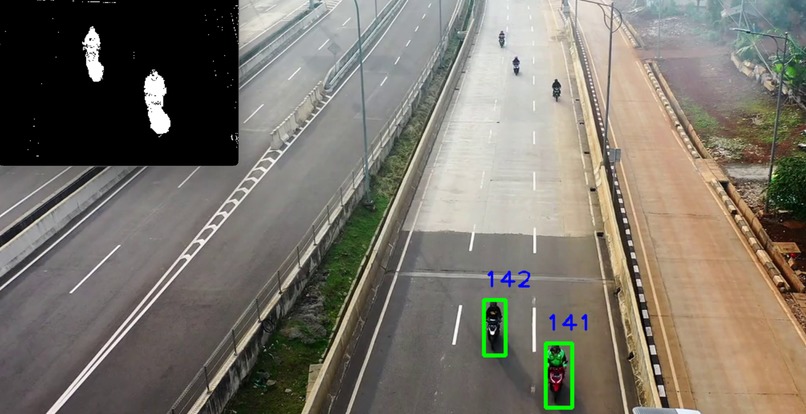
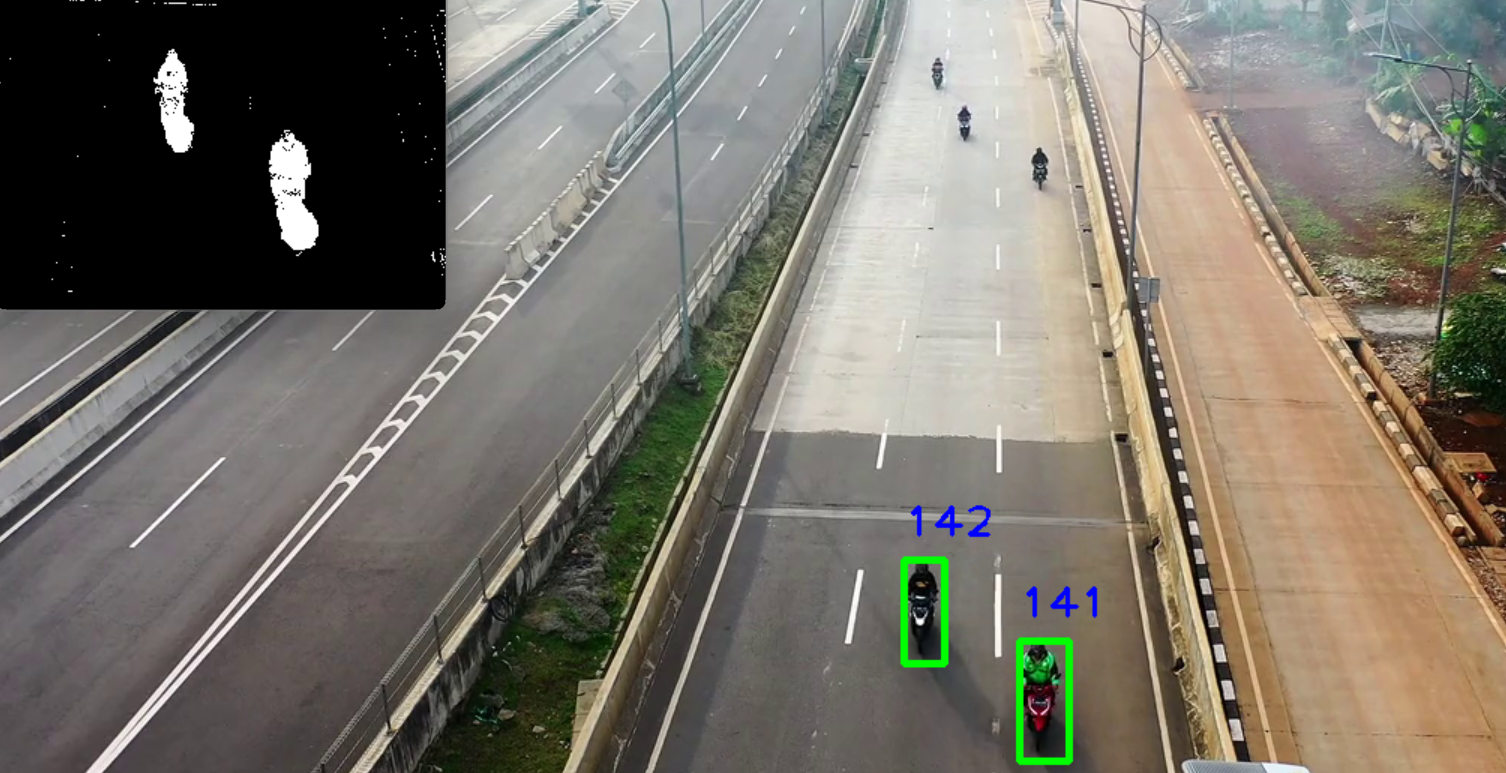
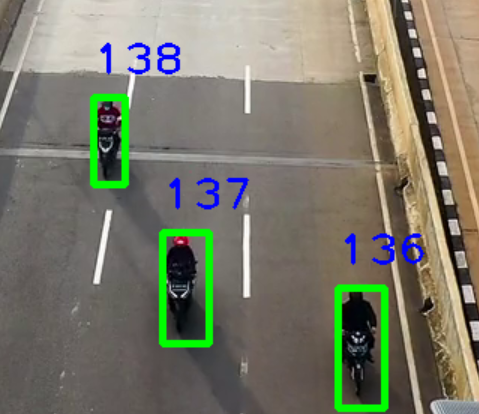
Image showing how the program tracks the moving vehicles from a video
-
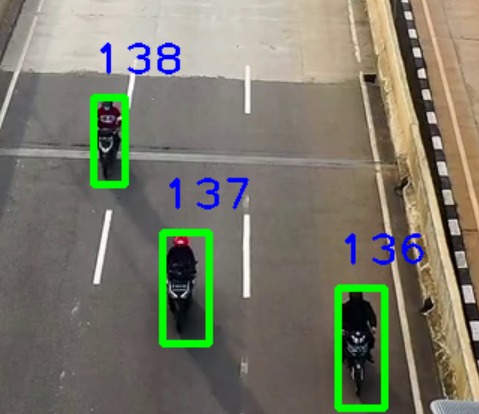
-
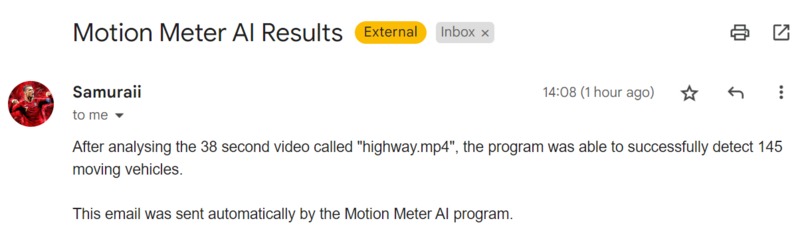
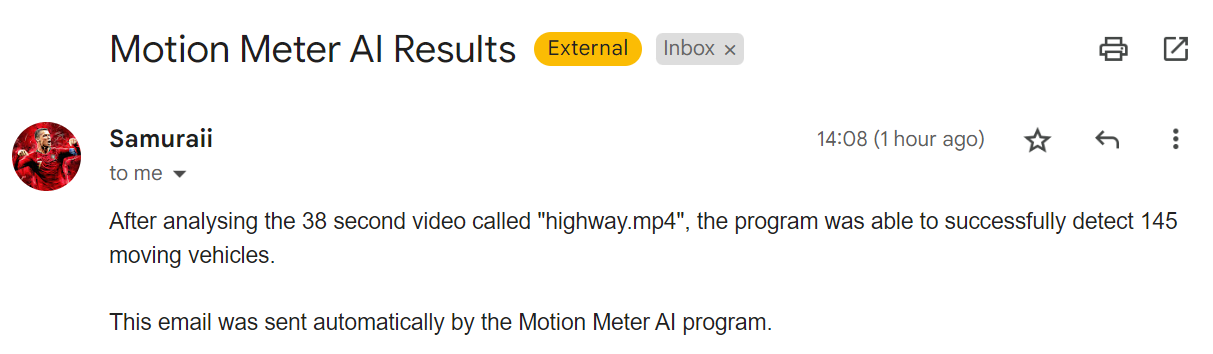
Image showing how the program sends an email of the results
-
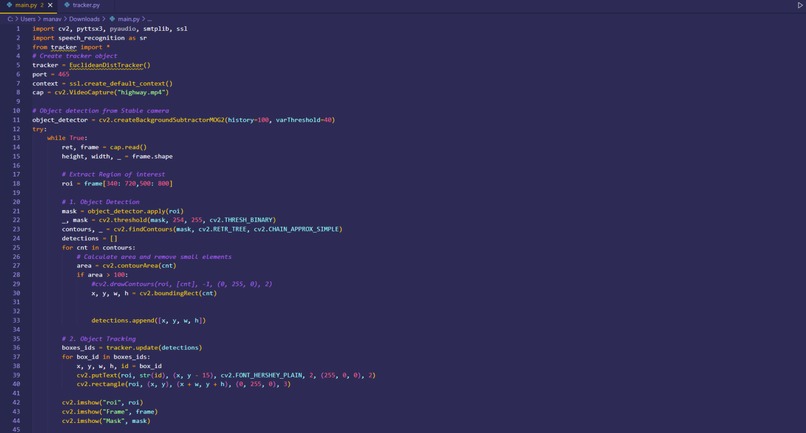
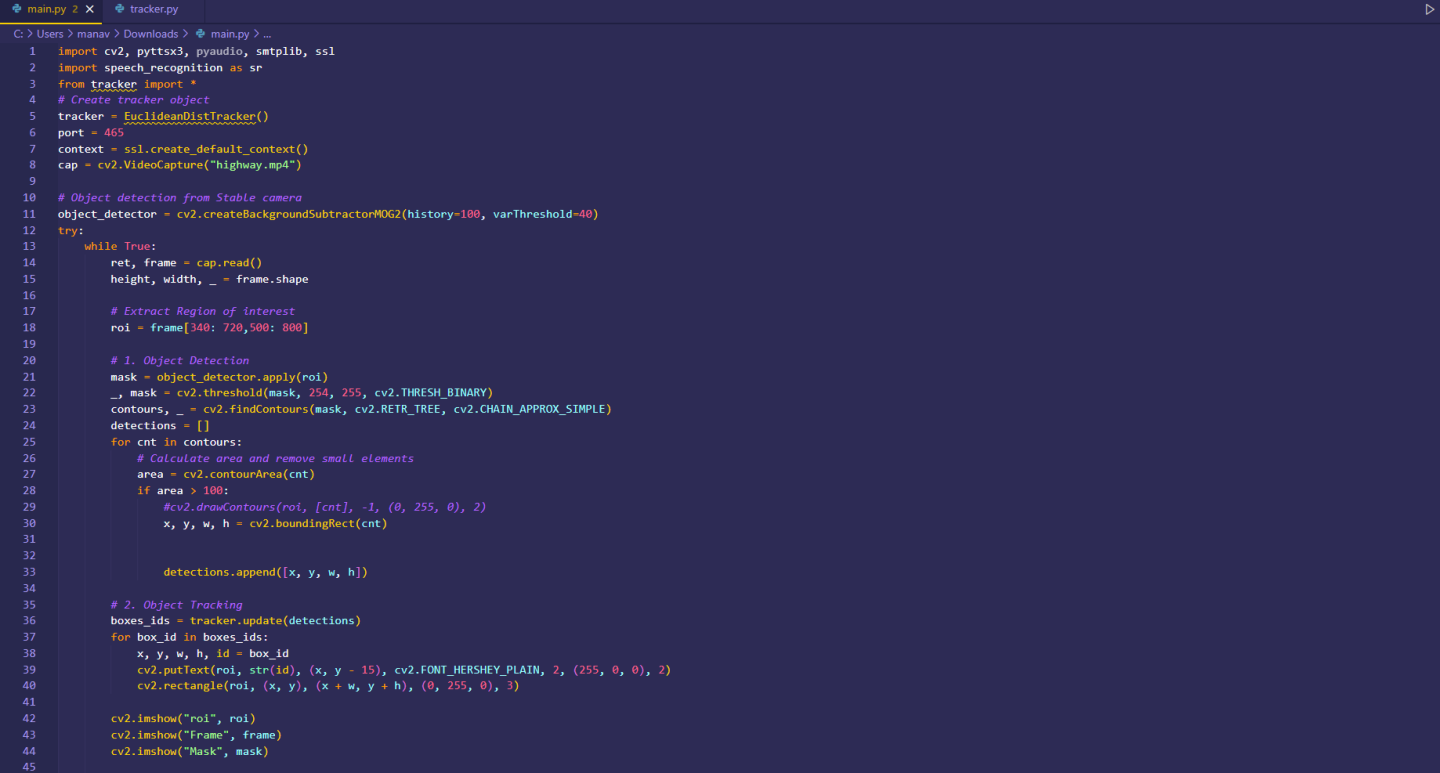
Code that calculates number of vehicles and then sends the results to a email address inputted by the user
-
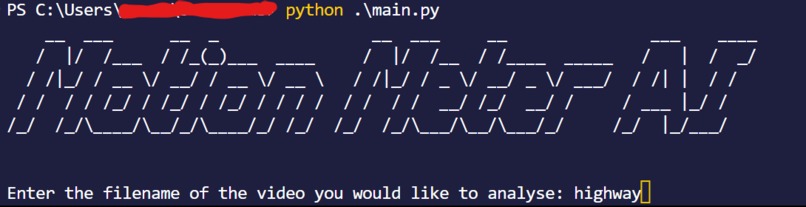
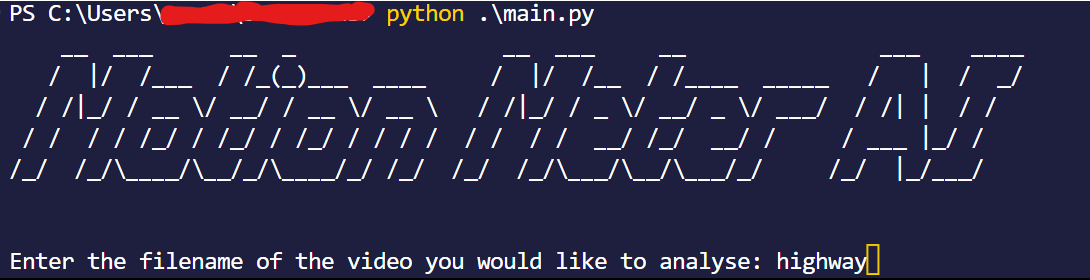
Shows what the terminal looks like when the program is executed
-
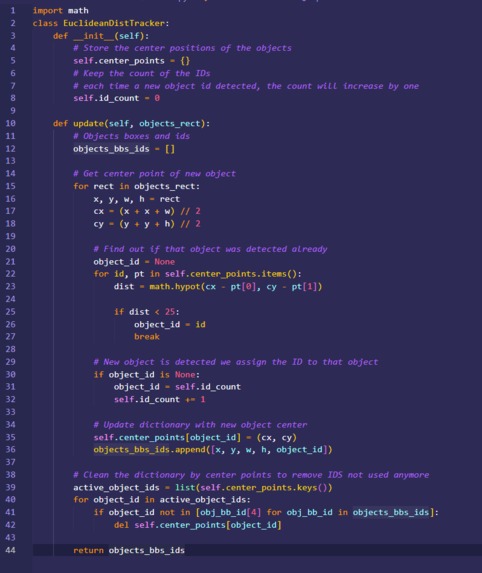
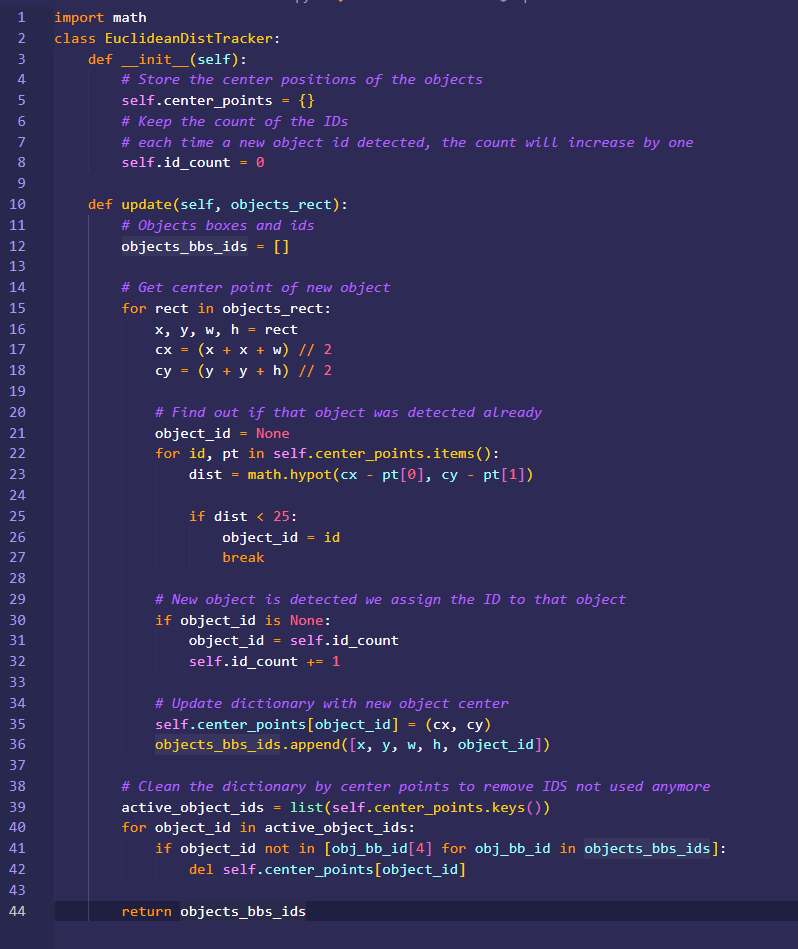
Code for Euclidean Distance Tracker

Inspiration
One day, me and my friend decided to count how many cars passed by in a minute, and I was surprised to find out that it was more than 75! That got us thinking, and we wondered if there was a way to track and count the number of cars passing by our area automatically.
Immediately we started researching and learned about computer vision, a technology that can be used to recognize objects in images or videos. That's when we got the brilliant idea to write a Python program that uses computer vision to detect cars on the road.
Challenges we ran into
One of the major challenges we faced was training the object detection algorithm to recognize different types of vehicles in various conditions. We had to train the algorithm to analyse a specific area of the roads, and work out whether an object is moving in each frame. Additionally, configuring the email service and getting it to work seamlessly with the program was also a challenging task that took some time to figure out. We had never used Python's SMTPLIB before, and this was a new experience for the both of us.
Accomplishments that we're proud of
Overr the last 2 days, our problem-solving skills have improved quite massively. We have collaboarted seamlessly as a team, and built a product that is capable of being heavily implemented into the real-world, possibly by governments/institutes. We have managed to optimize the performance of our code and make it compatible with operating systems such as Linux, Windows and even MacOS!
What we learned
In conclusion, building this Python program was an incredible learning curve. We were able to combine our interests in Artificial Intelligence and Computer Vision to build a practical solution to a real-world problem. Through this project, we learned how to use OpenCV, PyFiglet, and other Python libraries and tools to develop an object detection algorithm. In addition, we also learned how to configure email services and utilize text to speech technology. Although the project presented some challenges, the satisfaction of overcoming them and seeing the final result was definitely well worth it. The program has a feature that is able to work out the duration of the video clip analysed as well as the frame rate.
What's next for Motion Meter AI
Now, we, as the developers of Motion Meter AI, plan to take our project further and develop more advanced algorithms to track the speed, direction, and type of vehicles passing by. We would love to partner with the local government and integrate our software within traffic lights, removing the need for speed cameras. Adding automatic number plate recognition (ANPR) could boost our program's viability and make it the perfect solution.Who knows, maybe our project that we thought was so little, will go on to inspire others to use technology to solve everyday problems within their own communities!


Log in or sign up for Devpost to join the conversation.