-
-

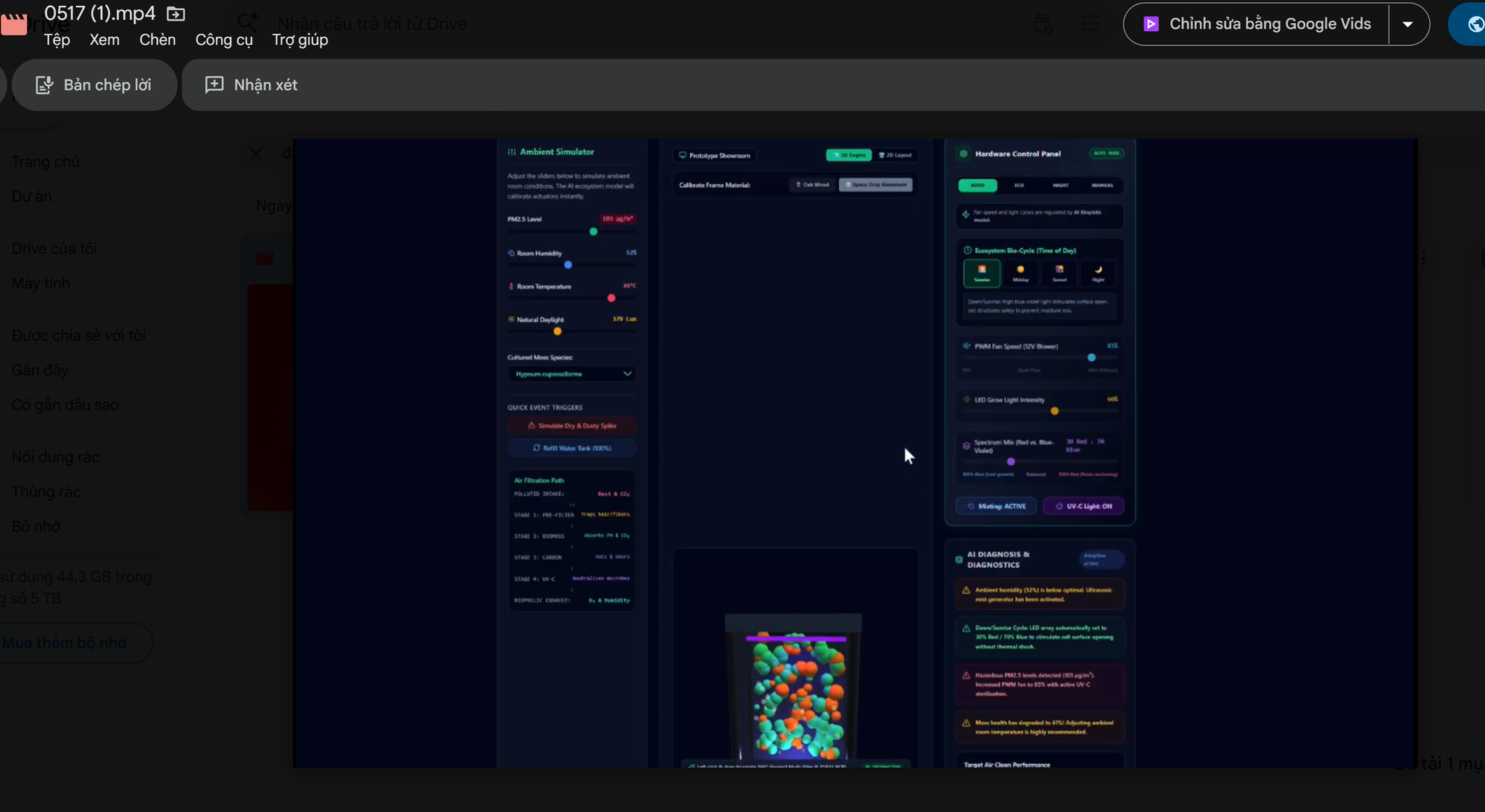
product simulation
-
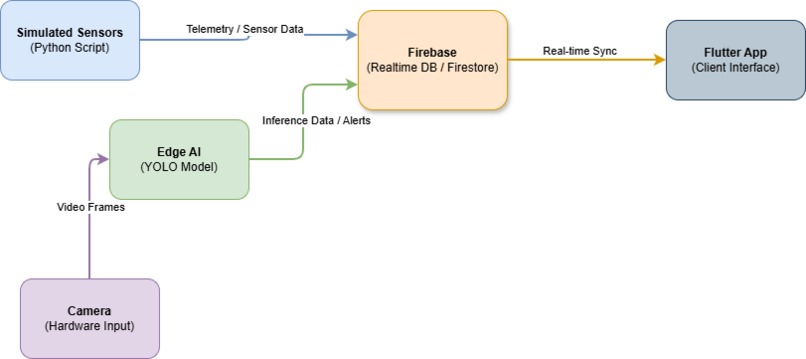
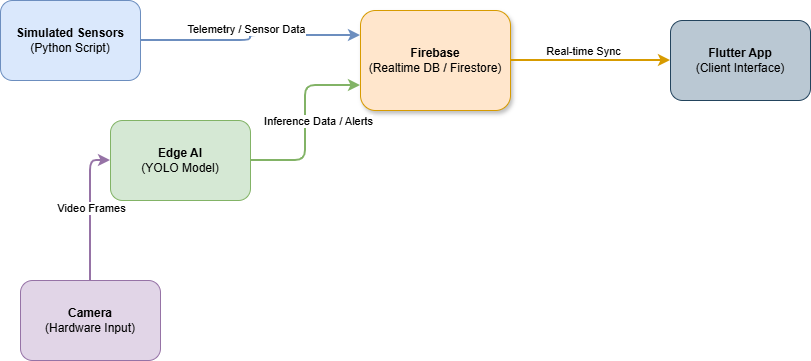
architecture diagram
-
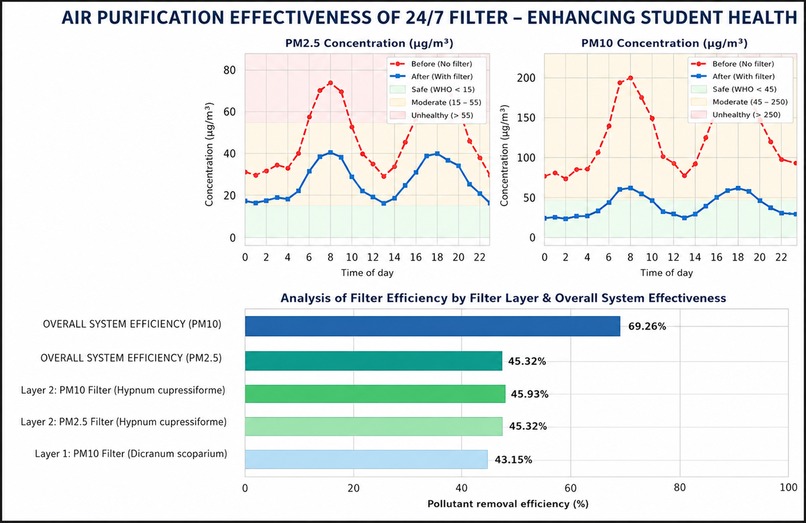
data viz
Inspiration: Breathing Life into Urban Spaces
The air we breathe is in crisis. Fine particulate matter (PM2.5 and PM10) laden with toxic heavy metals from traffic and industrial emissions is responsible for over 8 million premature deaths globally each year. While conventional HEPA purifiers are highly effective at trapping these particles, they come with a hidden environmental cost: they rely entirely on non-biodegradable synthetic materials, generating massive amounts of plastic and microplastic waste.
On the other hand, nature has already provided a perfect filter: Moss. With its unique biological structure, moss possesses a superior capacity to absorb fine particulates and capture $CO_{2}$. However, natural moss walls struggle to survive in the harsh, dry, and fluctuating climates of indoor spaces. We were inspired to bridge this critical gap. Our vision was to create a sustainable, eco-friendly solution that seamlessly merges the raw power of nature with the precision of modern AIoT technology.
What it does: The Environmental Wellness Device
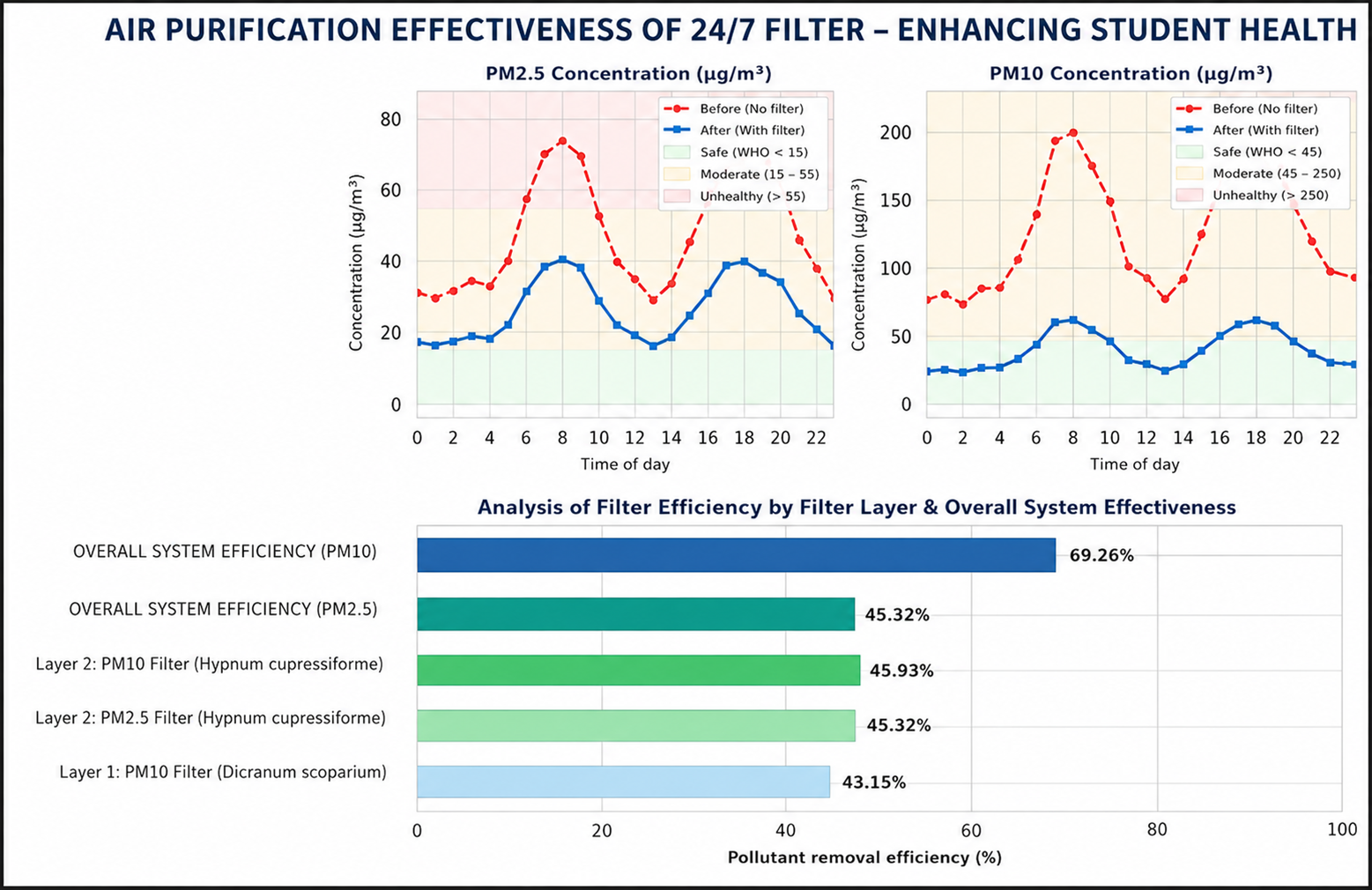
The Moss-based Air Purification System is not just another home appliance; it is an intelligent biological ecosystem. By utilizing living moss (such as Hypnum cupressiforme and Sphagnum moss) alongside beneficial microorganisms (Bacillus subtilis), our system naturally absorbs fine dust, decomposes organic odors, and inhibits harmful mold growth.
Instead of passively sitting in a room, our device acts as an active, sustainable companion. It continuously monitors its internal microclimate and autonomously triggers humidification, ventilation, and targeted lighting to ensure the biological filter thrives. For the user, it transforms air purification from a noisy mechanical process into a relaxing, green Smart Home experience that champions Biophilic design.
How we built it: A Masterclass in Simulation & Edge AI
Our ultimate vision is a physical device powered by an ESP32-S3 microcontroller. However, operating within the intense 6-day constraint of this hackathon, we strategically pivoted to build a highly robust, fully functional Proof-of-Concept (PoC) software simulation. This allowed us to rigorously test and demonstrate our Edge AI capabilities and asynchronous data pipelines:
- IoT Data Pipeline & Sensor Simulation: To mimic the physical world, we engineered advanced Python scripts that generate dynamic, realistic telemetry data for PMS7003 (PM2.5/PM10), SHT31 (Temperature/Humidity), and GY-30 (Light) sensors. This mock data fluctuates to simulate real-world air quality events and is pushed securely and instantaneously to our Firebase cloud infrastructure.
- Edge AI Vision Integration: The core of our innovation lies in Software for Edge AI. We trained a lightweight YOLO/TinyML vision model to classify the precise health status of the moss (healthy, dehydrating, decaying). For this PoC, we deployed the model on a local edge environment using a laptop webcam to scan sample moss images. This proves our system can perform real-time visual inference locally, ensuring privacy and eliminating cloud computing latency.
- Seamless App Frontend: The simulated sensor streams and AI classification results are synchronized in real-time via Firebase to our custom-built Flutter mobile application. The app provides users with a sleek, responsive dashboard to monitor air quality indices and triggers automated, push-notification maintenance alerts (e.g., activating UV cycles or warning of low humidity).
Challenges we ran into: The Art of the Pivot
Designing a symbiotic relationship between a living biological organism and an electronic enclosure requires extreme precision. Theoretically calibrating the aerodynamics of PWM fans so they provide sufficient air turnover without rapidly dehydrating the moss layer was our first major design hurdle.
During the hackathon execution, our greatest challenge was architectural. Transitioning from a hardware-centric roadmap to a simulated software environment meant we had to build a flawless asynchronous communication system. Ensuring that our Python mock sensors, the local Edge AI inference pipeline, and the Flutter frontend all communicated perfectly through Firebase without bottlenecks required relentless debugging and deep architectural restructuring.
What's next for HSV_HUST
This hackathon PoC has proven that our software architecture and Edge AI models are viable, responsive, and ready for deployment. Our immediate next step is to transition this software ecosystem onto the physical ESP32-S3 hardware prototype, refining the aerodynamic enclosure for maximum moss survivability.
Beyond a single consumer product, HSV_HUST envisions massive scalability. We aim to integrate these intelligent biological filtration nodes into commercial green buildings, hospitals, and schools, ultimately establishing a decentralized, AI-driven network of biological air purifiers that breathe life back into smart cities.


Log in or sign up for Devpost to join the conversation.