-
-
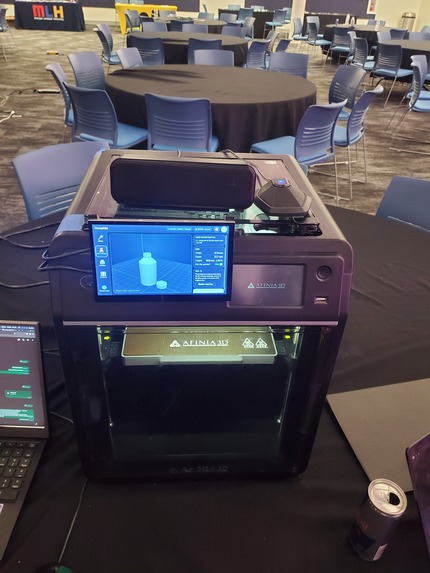
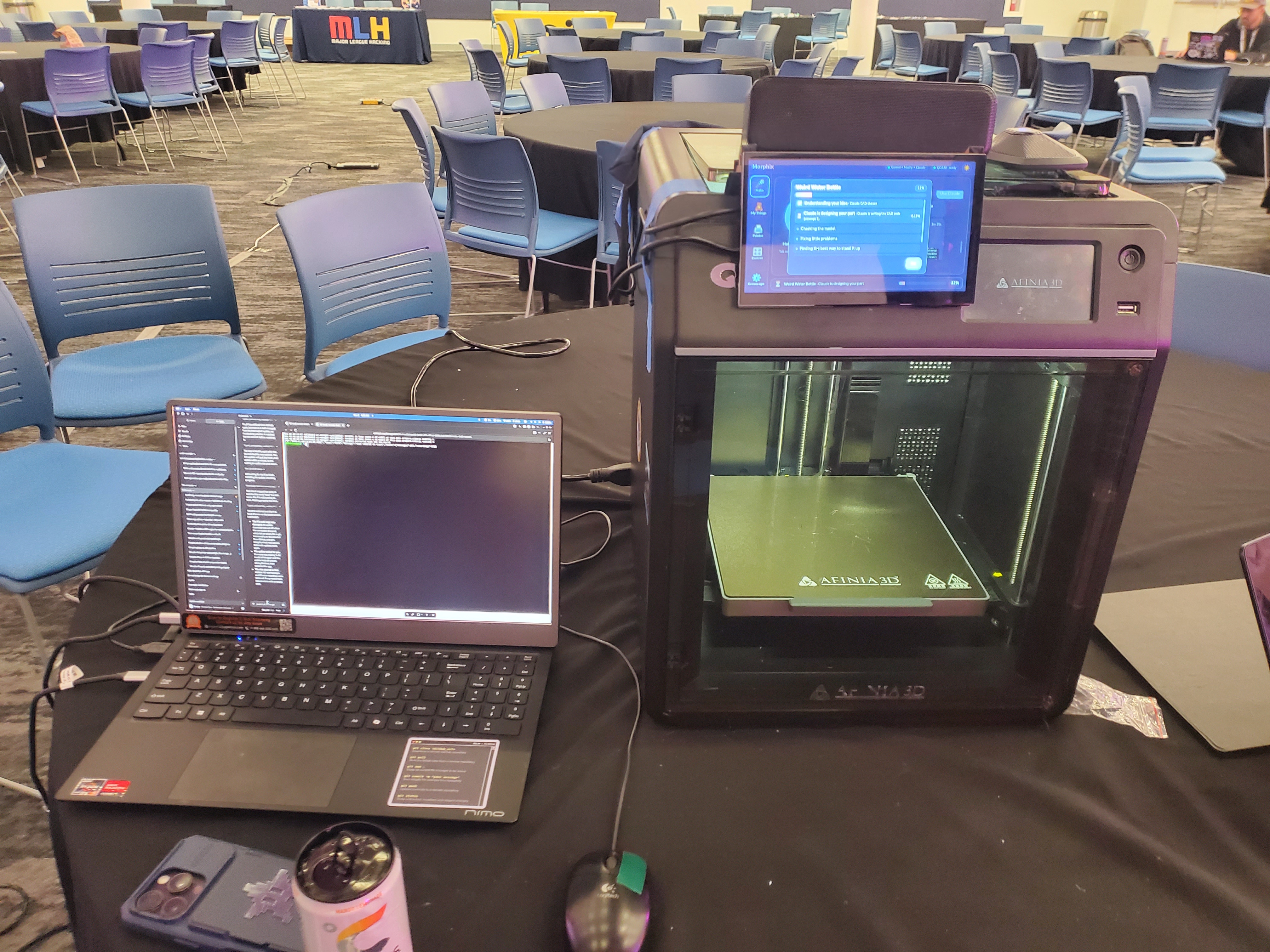
Front
-
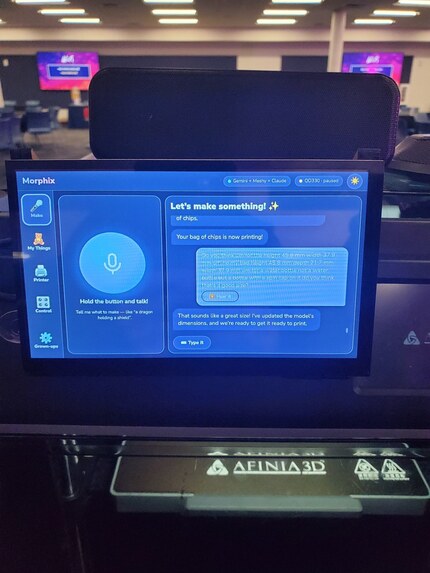
Screen
-

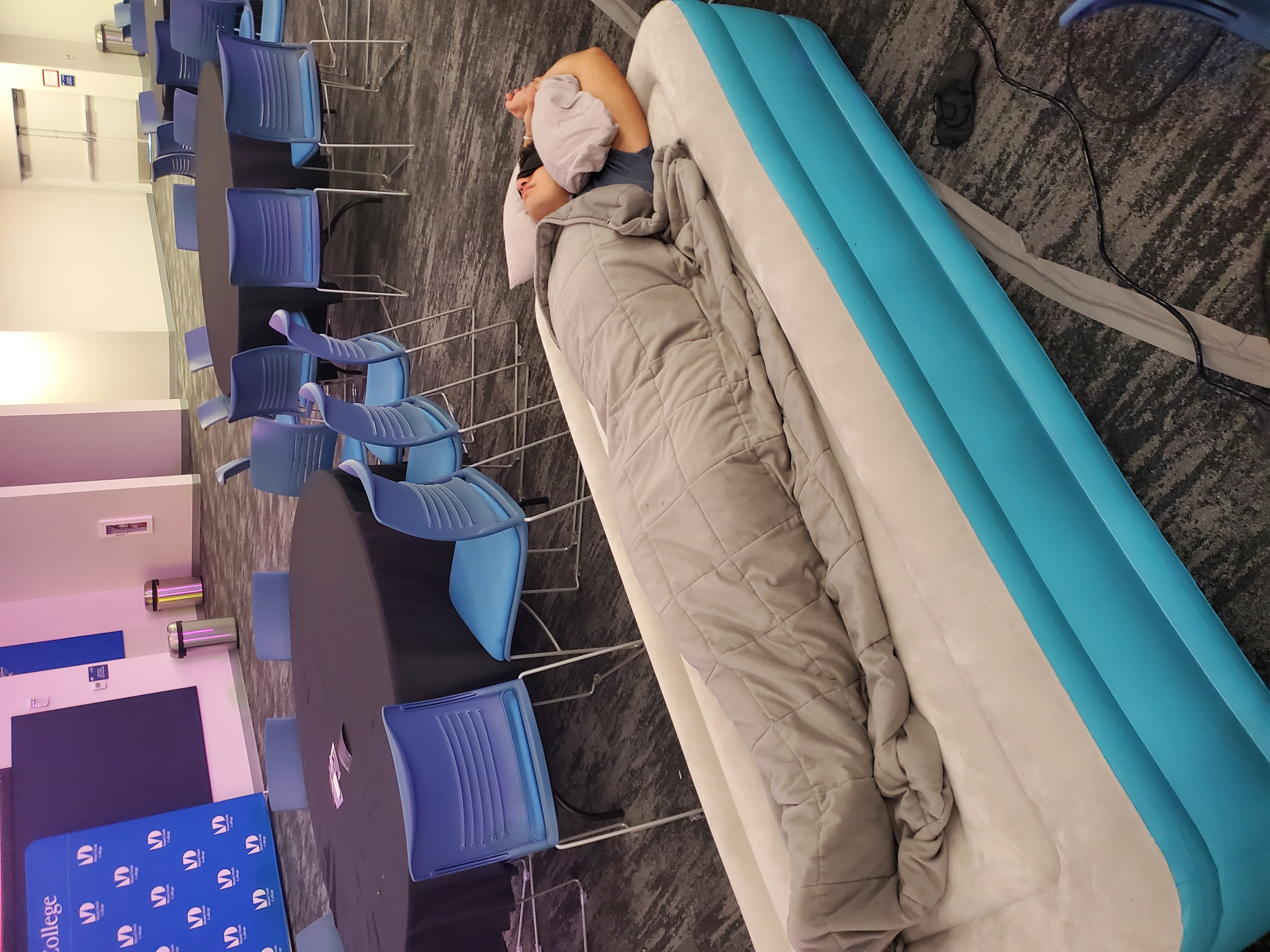
Sleeping
-
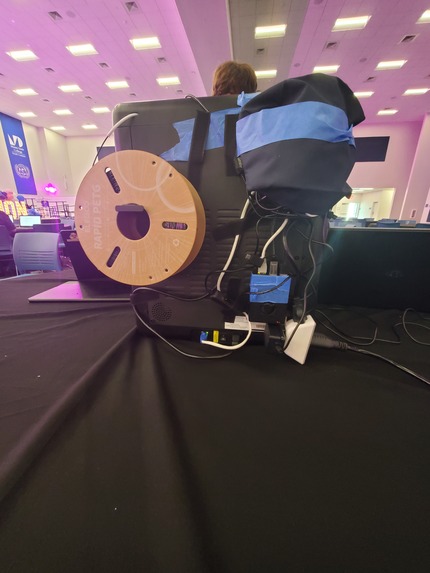
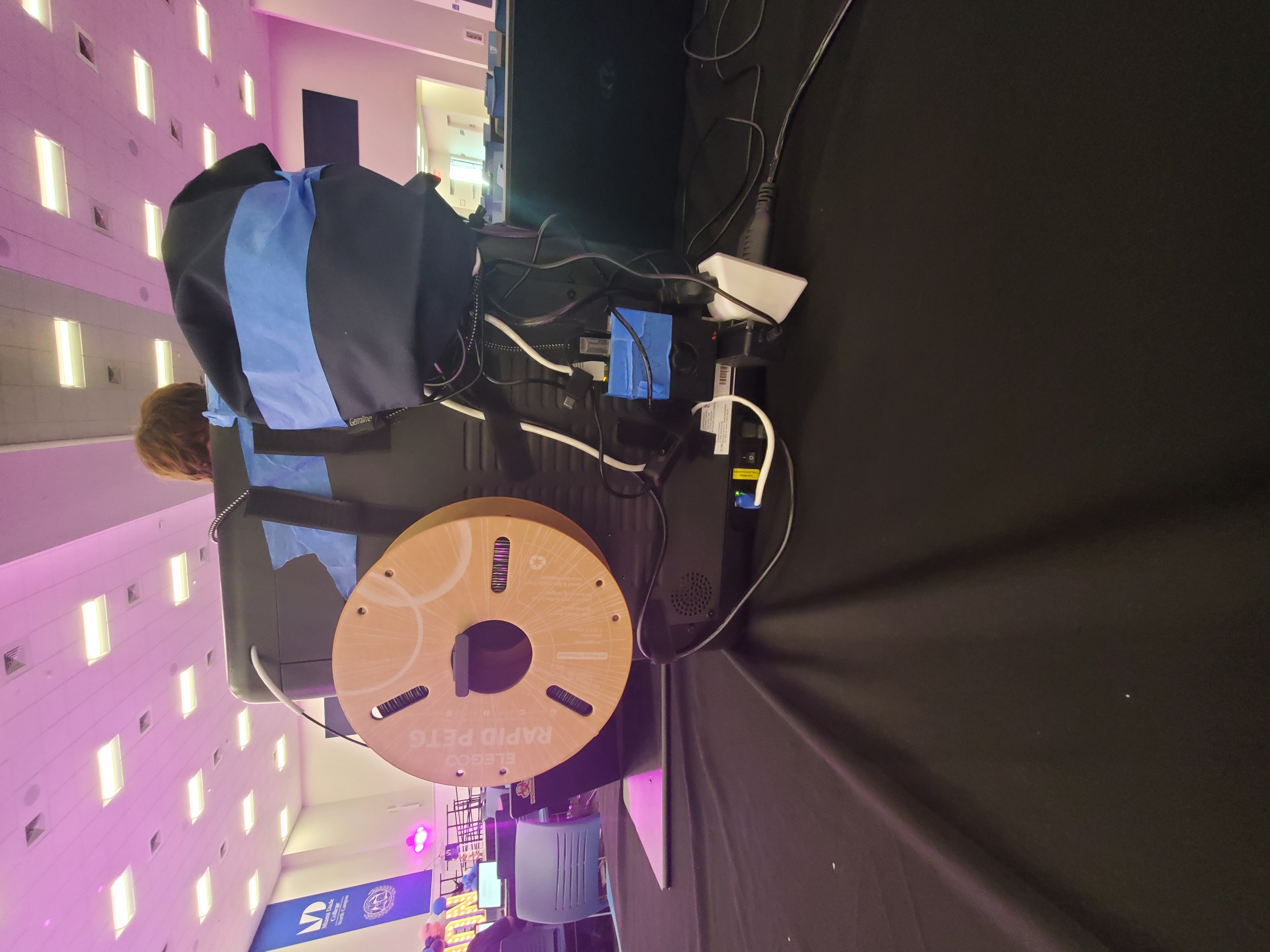
Back
-
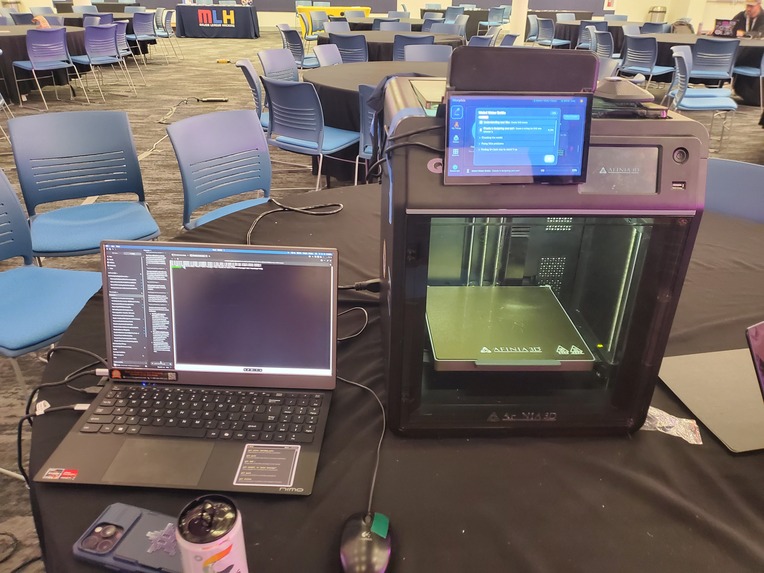
View
-
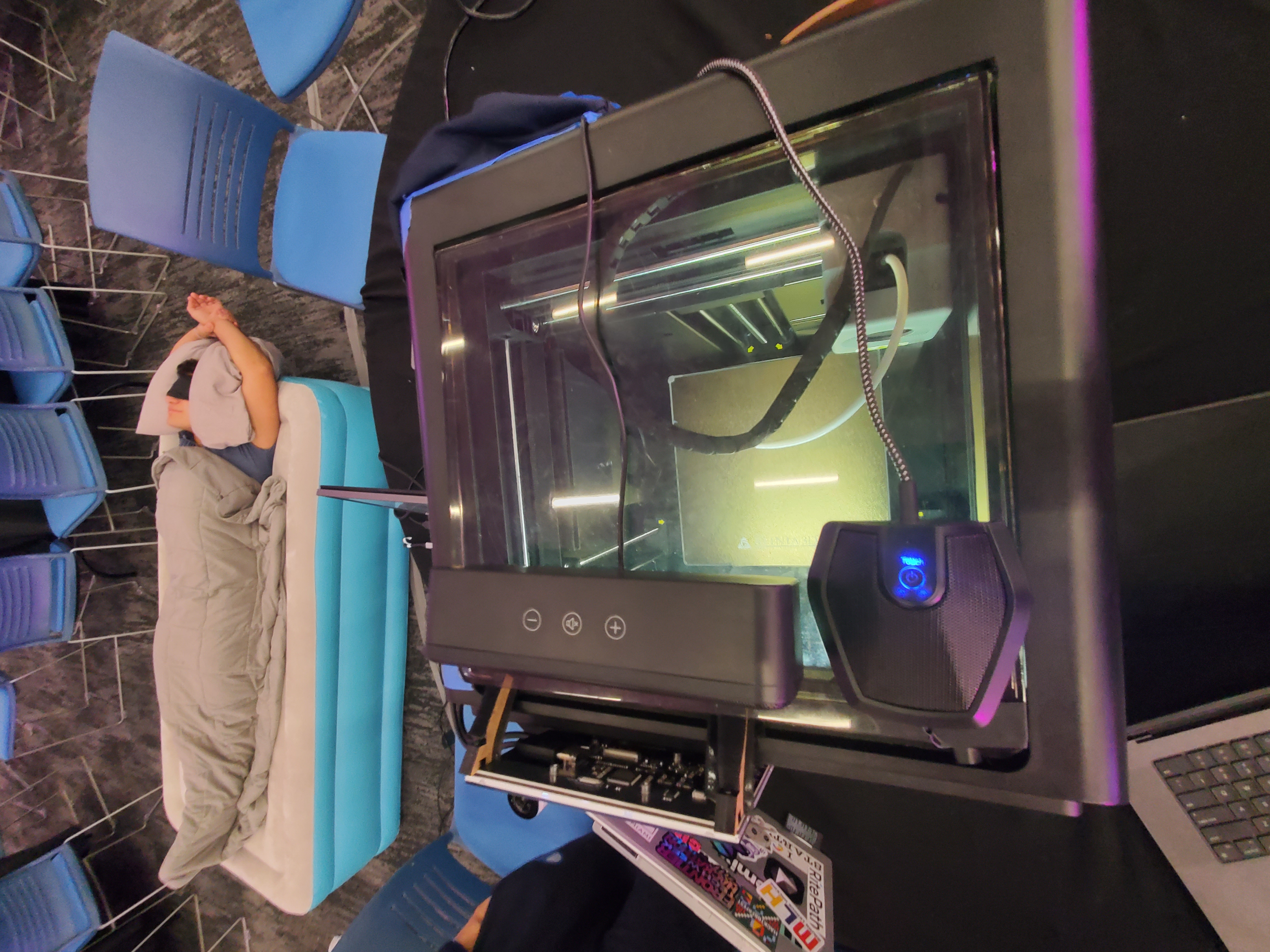
Top
-
-
-
-
-
Printing
Inspiration
“You always have to believe in yourself.” — Max Verstappen
Our idea started during a team discussion about engineering and what we could create for the SharkByte Hackathon. With the Brazil GP happening today, one of our teammates suggested doing something related to Formula 1 and to 3d print a working F1 car. However, when we started looking online, she couldn't find any 3D models that matched what she had in mind. "What if we design one ourselves?" No. Designing one ourselves would mean spending hours learning complicated CAD software. That's when we asked ourselves: "Why can't we just describe what we want to create and have AI design it for us?" But then we started thinking bigger. Why stop at a Formula 1 car? What if we could use AI to design almost anything, from custom toys to replacement parts to entirely new inventions, without needing to learn complicated CAD software? We realized that countless people probably face the same frustration of having an idea but not knowing how to bring it to life. We wanted to change that, and that's how Morphix was born.
What it does
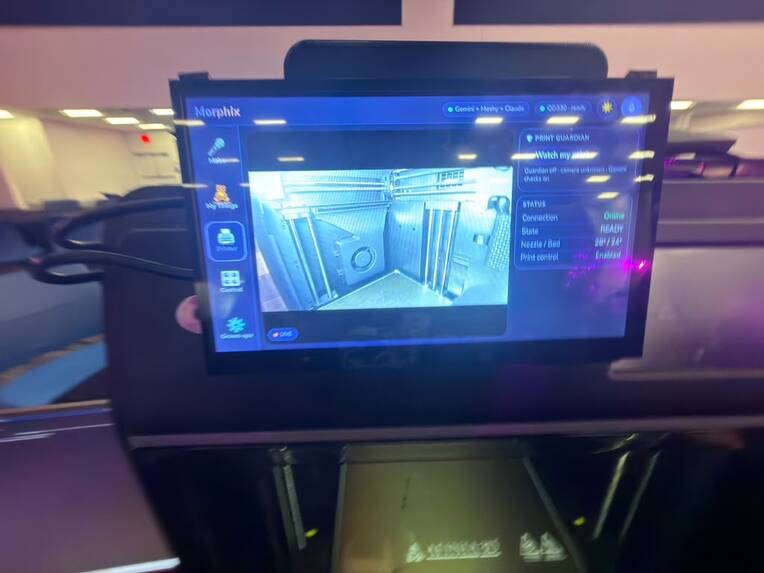
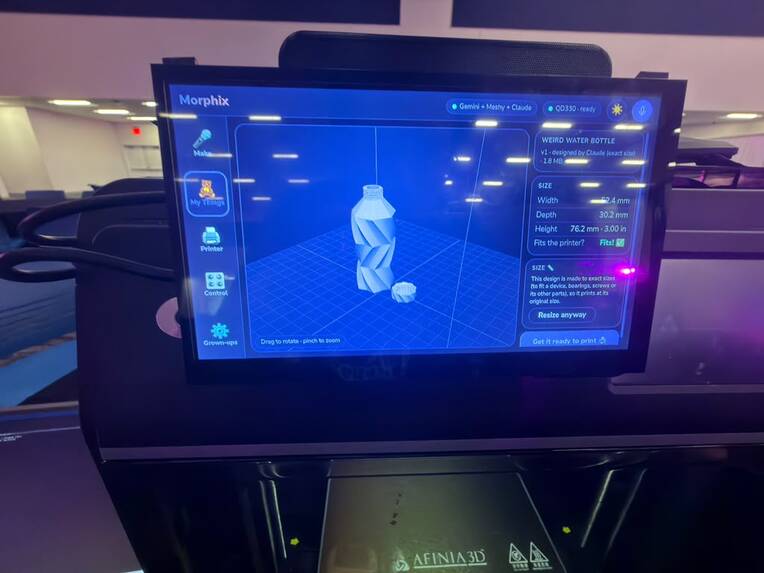
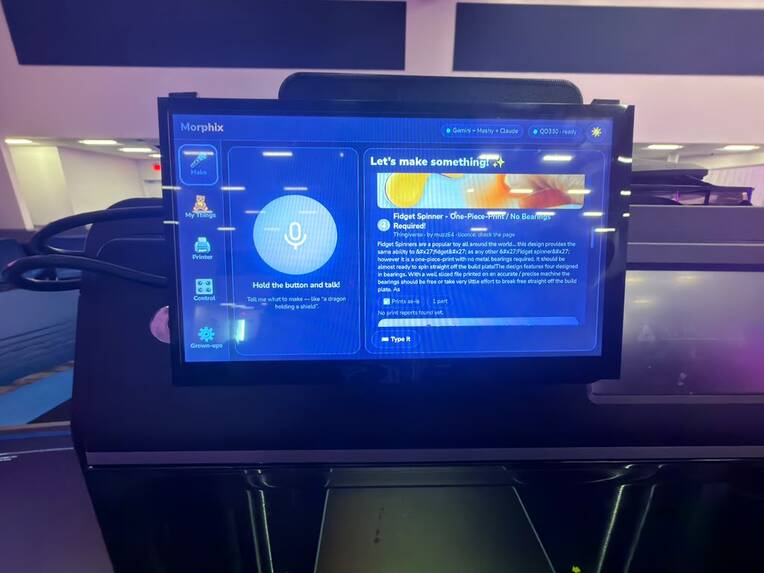
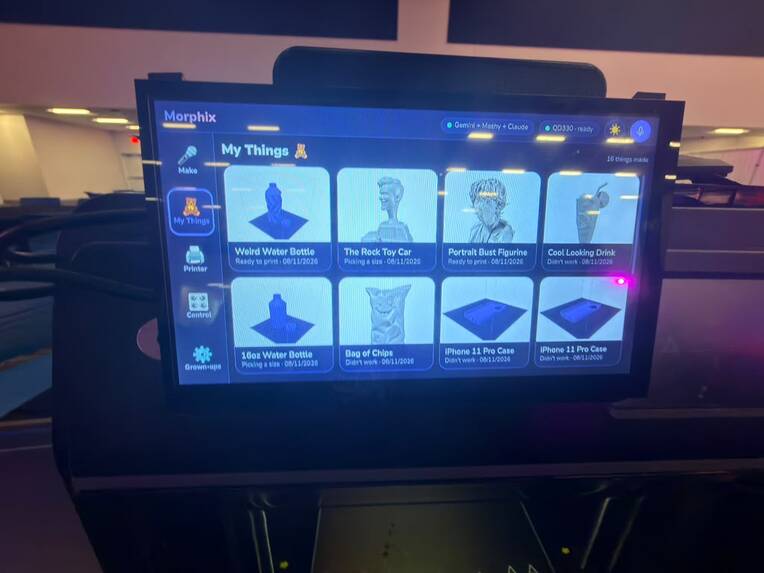
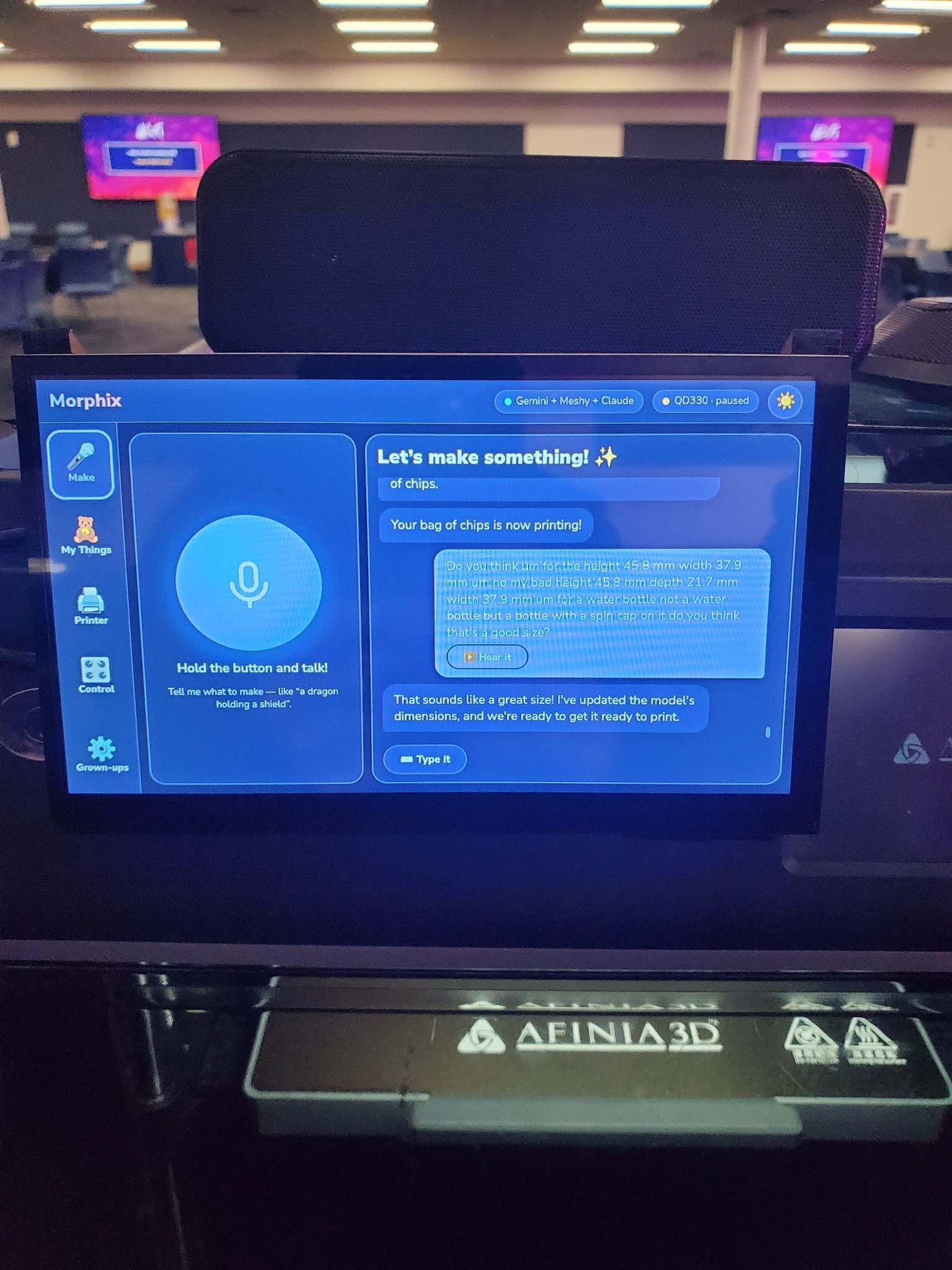
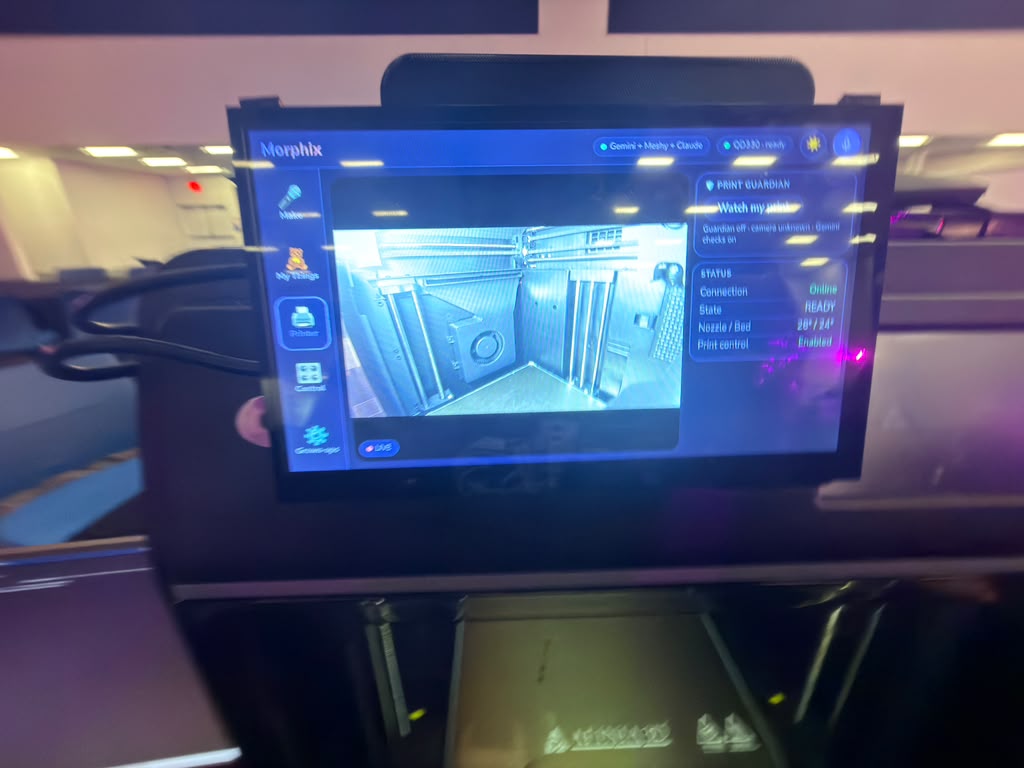
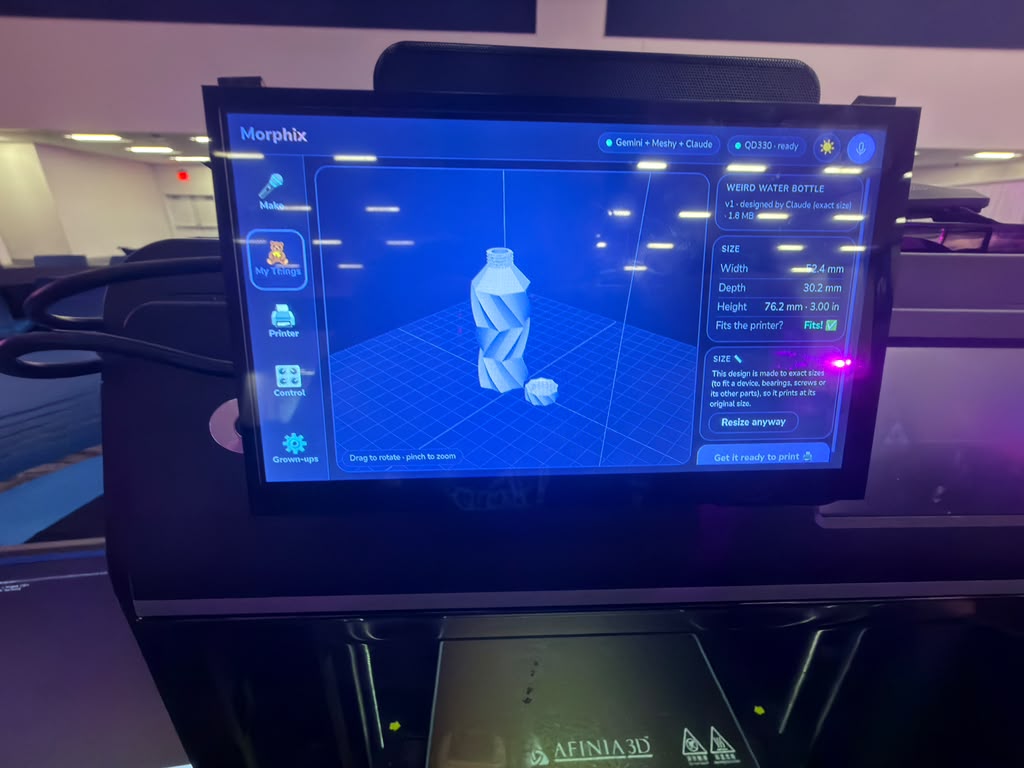
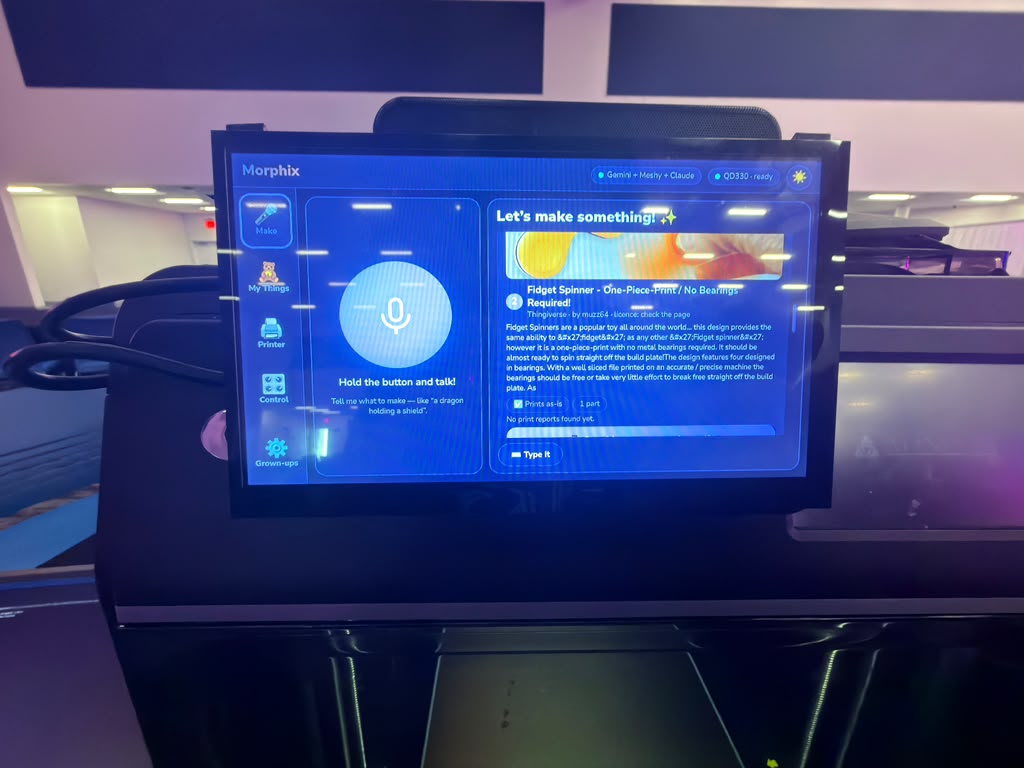
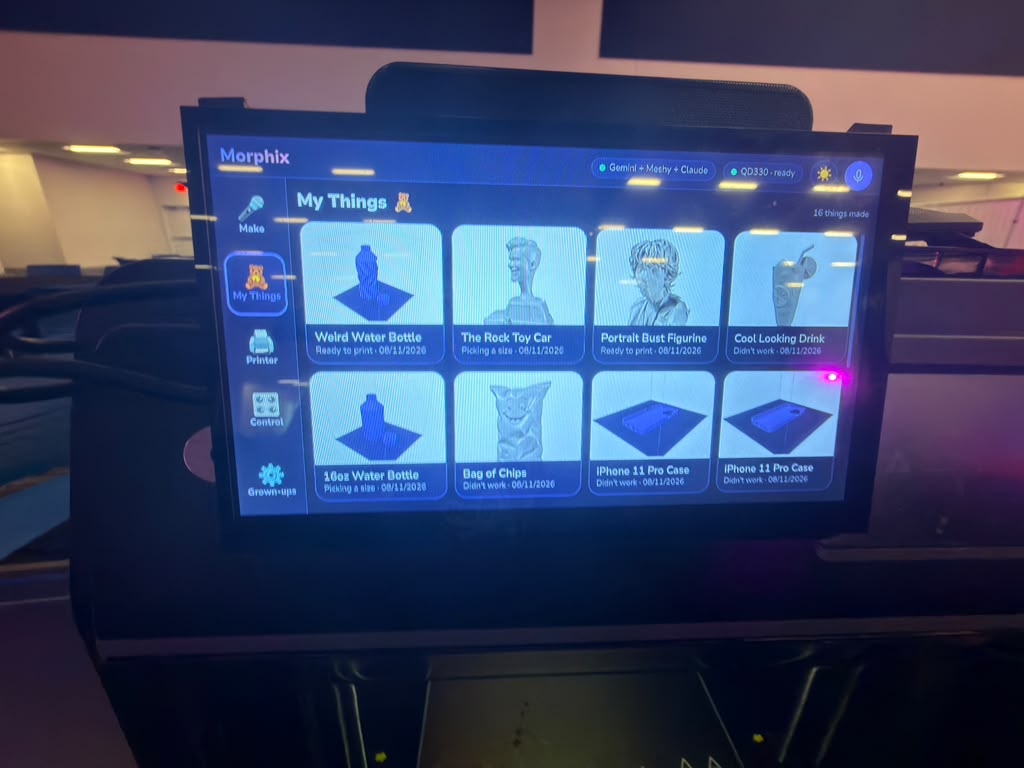
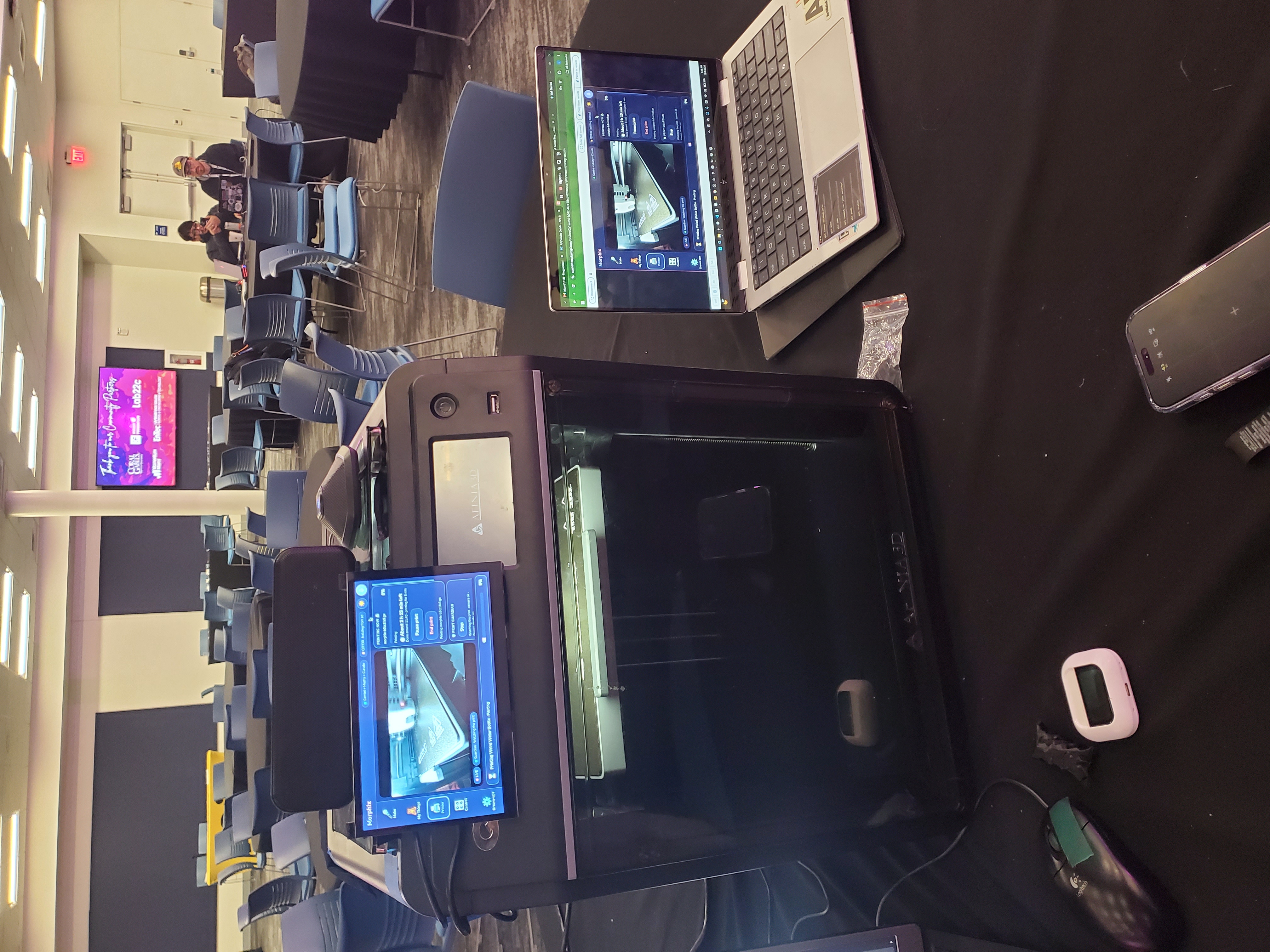
Morphix allows users to turn voice commands, photographs, and drawings into 3D-printable models using AI. By combining Google Gemini Live, Meshy AI, and PrusaSlicer, our system helps users go from describing an idea to preparing it for printing. We also developed Smart Model Search to find existing designs, a remote web interface for uploading images and accessing Morphix, and AI Print Guardian, which is designed to detect potential printing problems. Our goal is to make 3D printing as simple as explaining what you want to create.
How we built it
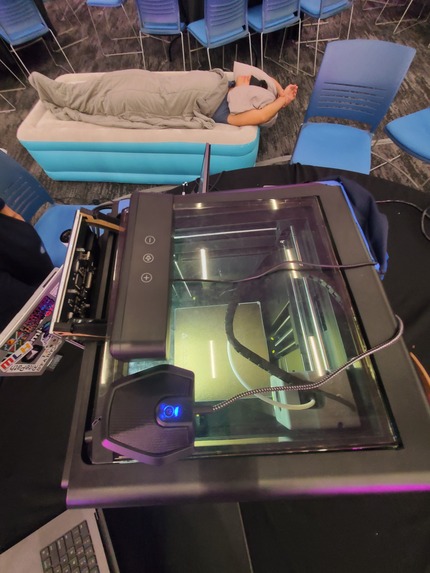
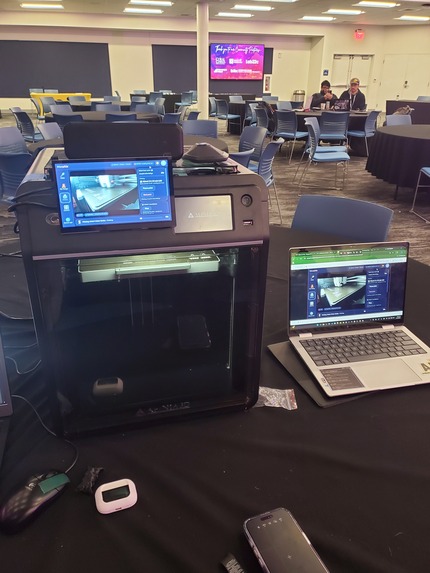
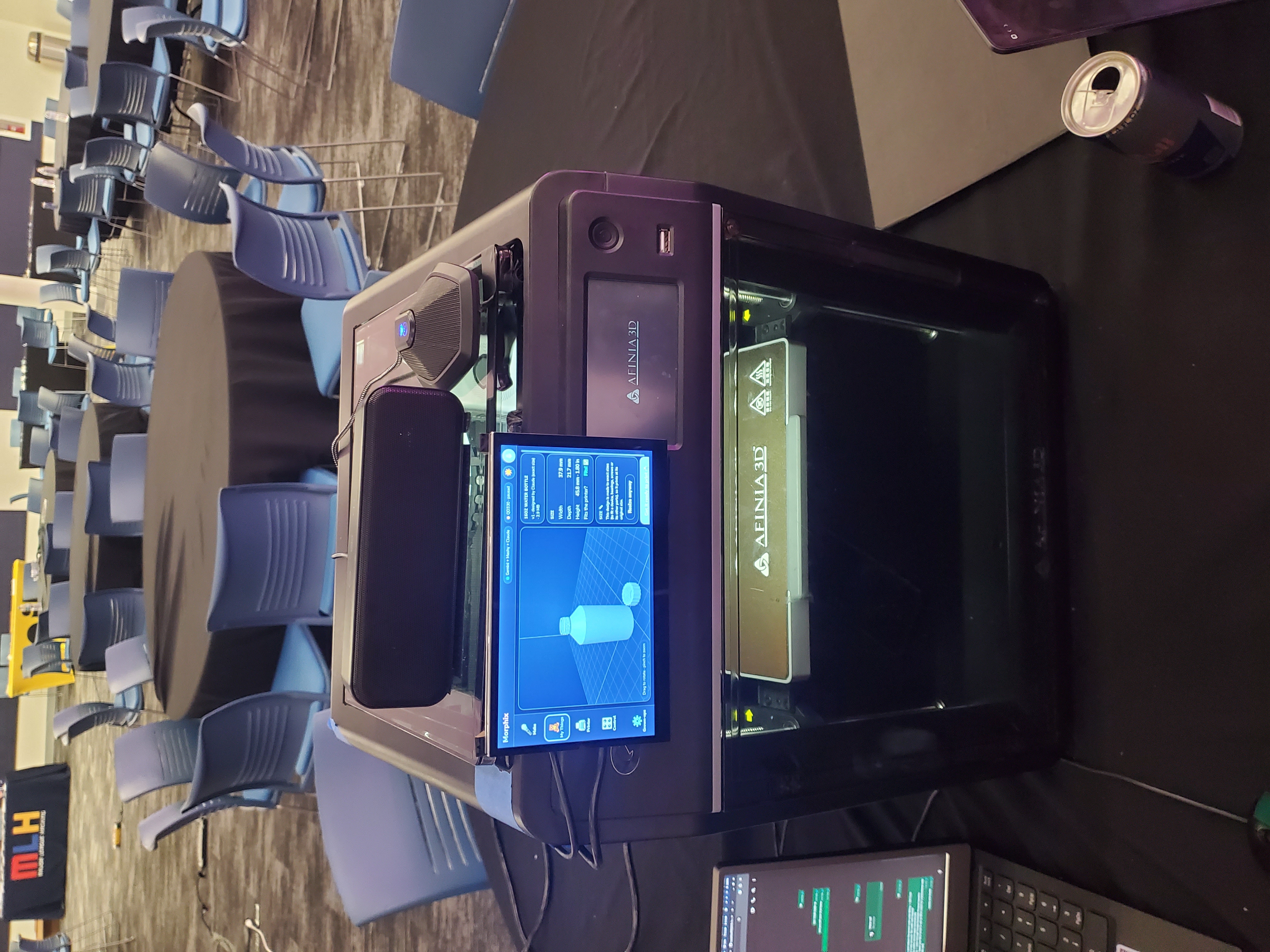
We developed Morphix using Cursor, Electron, React, and TypeScript. We connected Gemini Live for voice interactions, Meshy for 3D model generation, and PrusaSlicer for slicing. Our hardware prototype uses a Raspberry Pi 4 connected to an Afinia QD330 3D printer with a mounted touchscreen. We also incorporated Auth0 authentication, SQLite storage, and a Vercel-hosted interface for remote access.
Challenges we ran into
One of our biggest challenges was sleep, or more accurately, the complete lack of it. Between endless coding sessions, last-minute fixes, and troubleshooting at 3 a.m., we probably consumed enough Red Bull to power an actual Formula 1 car. At some point, we weren't sure whether Morphix was running on AI or we were running on caffeine. But despite the sleepless nights, we kept pushing forward, fueled by teamwork, determination, and a questionable amount of energy drinks.
Accomplishments that we're proud of
One of our proudest accomplishments was bringing together so many different technologies into one project in such a short amount of time. We integrated Google Gemini Live, Meshy AI, PrusaSlicer, and Auth0 into Morphix, combining AI-powered design, voice interaction, 3D printing preparation, and secure authentication. We also took advantage of the opportunities provided through Major League Hacking (MLH), exploring resources from Vultr, Tiger Data, Swarms AI, Google, and GoDaddy Registry. Beyond the software, we developed a touchscreen interface, connected our system to a Raspberry Pi, and built the foundation for AI Print Guardian. We're incredibly proud of how far we brought it during the hackathon.
What we learned
Throughout SharkByte, we learned just how complicated it can be to bring AI, software, and hardware together. From integrating different APIs and developing our touchscreen interface to troubleshooting Raspberry Pi connections and preparing 3D models for printing, we gained experience in areas we had barely explored before. We also learned that debugging one issue can somehow create three morand that sleep is apparently optional during hackathons. But perhaps our most important discoveries were that our favorite Red Bull flavor is Pink Lemonade, our favorite Celsius flavor is Sparkling Arctic Vibe, and our preferred coffee order is Colombian roast with two sugars and two creamers. After extensive research (and questionable caffeine consumption), these were probably our most thoroughly tested findings.
What's next for Morphix
SharkByte may be coming to an end, but Morphix is just getting started. Our next steps include completing end-to-end printing tests and improving AI Print Guardian to detect printing failures in real time. We also want to expand compatibility with other 3D printers, improve the mobile experience, and eventually make Morphix accessible to schools, makerspaces, and anyone who wants to bring an idea to life. Our long-term goal is to make 3D printing as easy as asking a question. And of course, we still have some unfinished business: 3D printing that working Formula 1 car.
Built With
- 3d-printing
- artificial-intelligence
- auth0
- computer-vision
- cursor
- electron
- gemini-live
- github
- godaddy-registry
- google-gemini
- html
- javascript
- meshy-ai
- node.js
- prusaslicer
- python
- raspberry-pi
- react
- sqlite
- swarms-ai
- tiger-data
- typescript
- vercel
- vultr
