-
-

App Icon - Light Mode
-

App Icon - Dark Mode
-
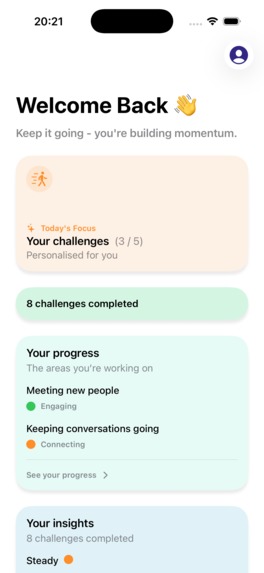
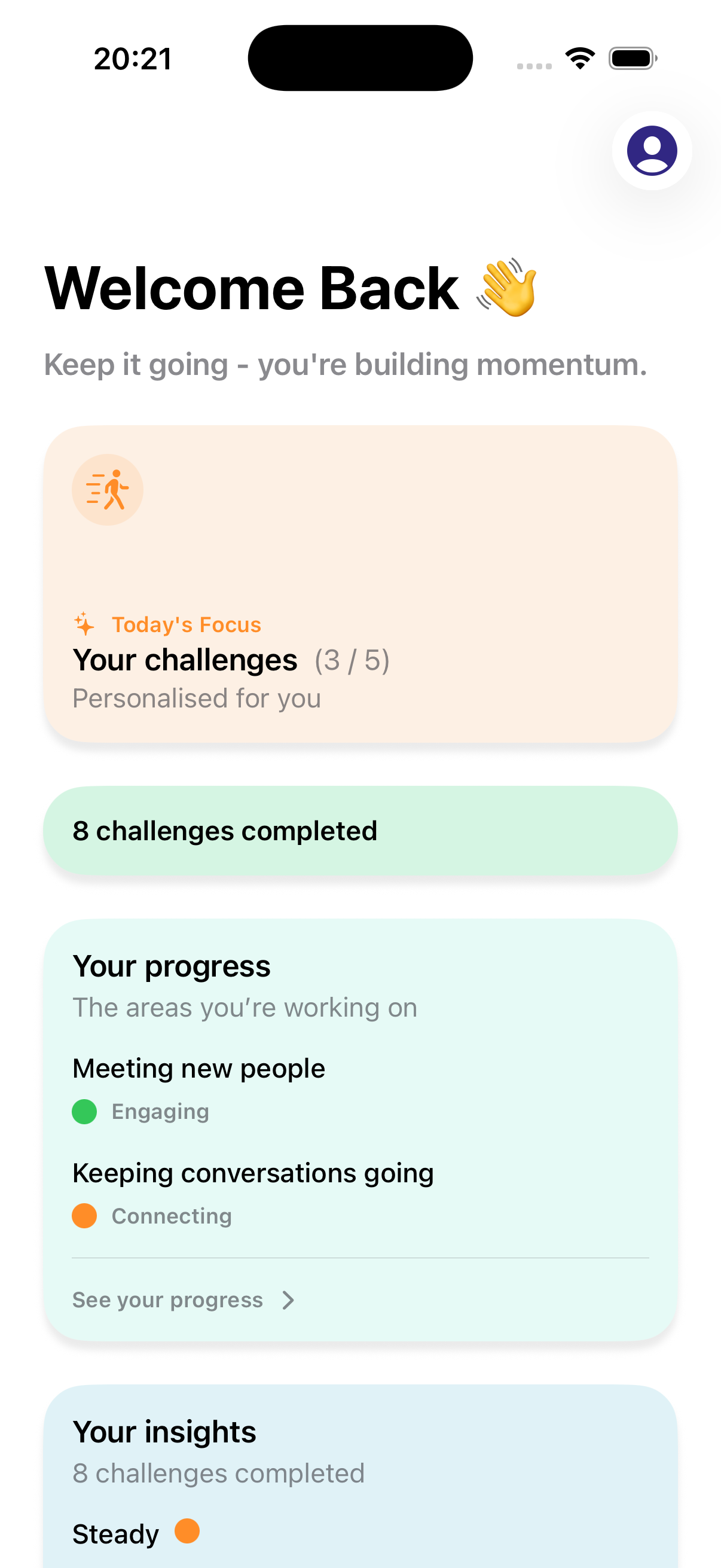
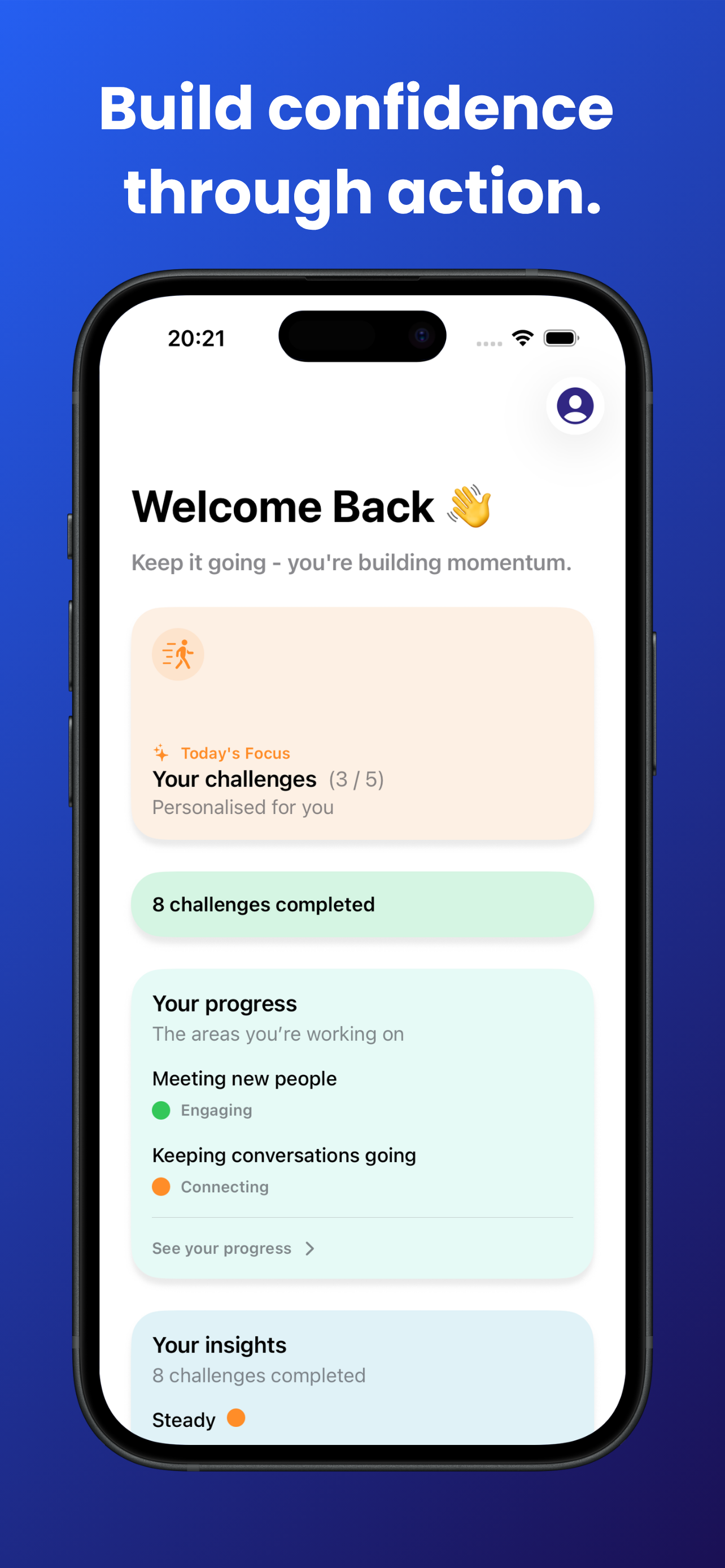
Home Screen - Daily Challenges, Challenge History, Progress, Insights
-
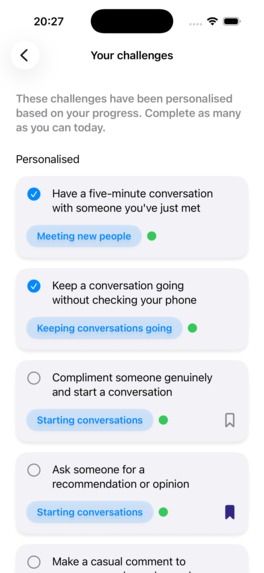
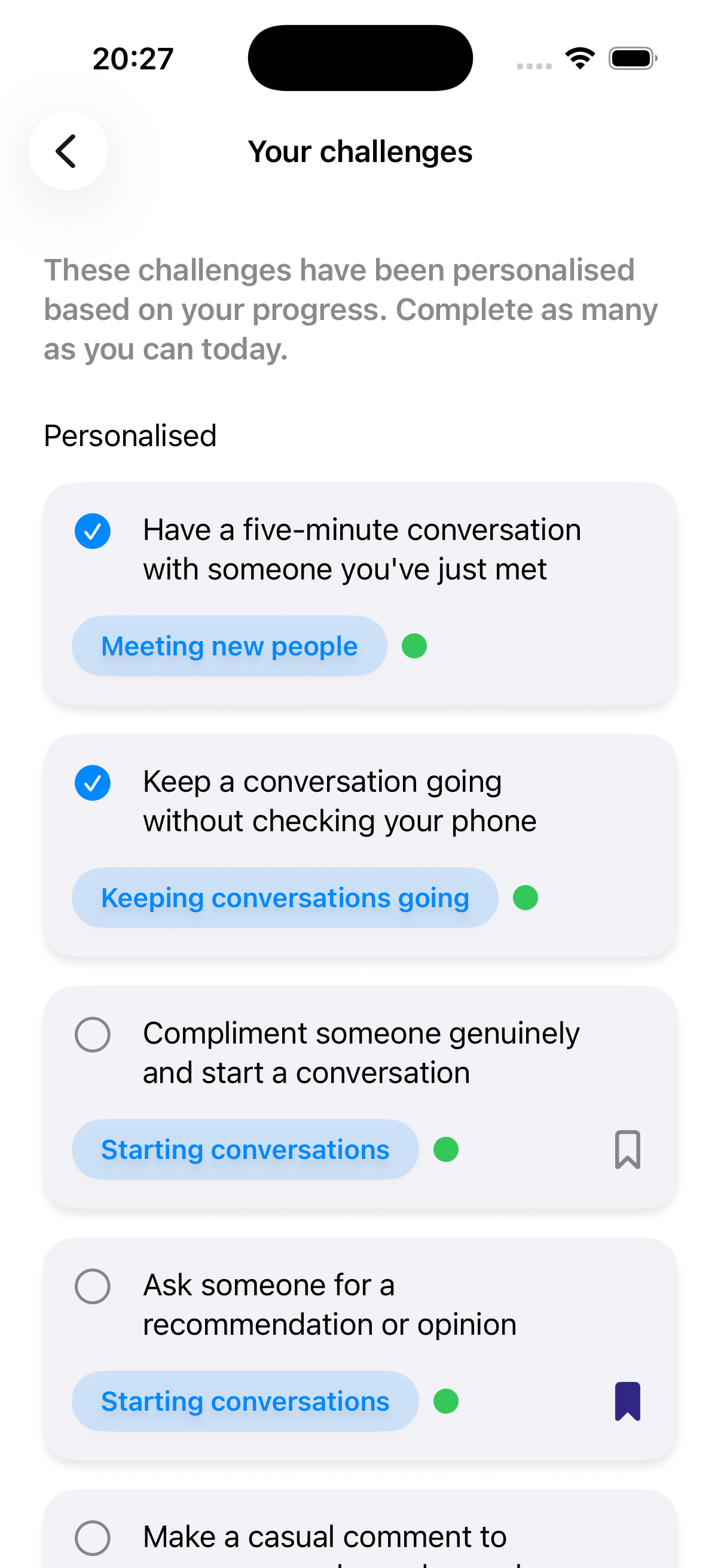
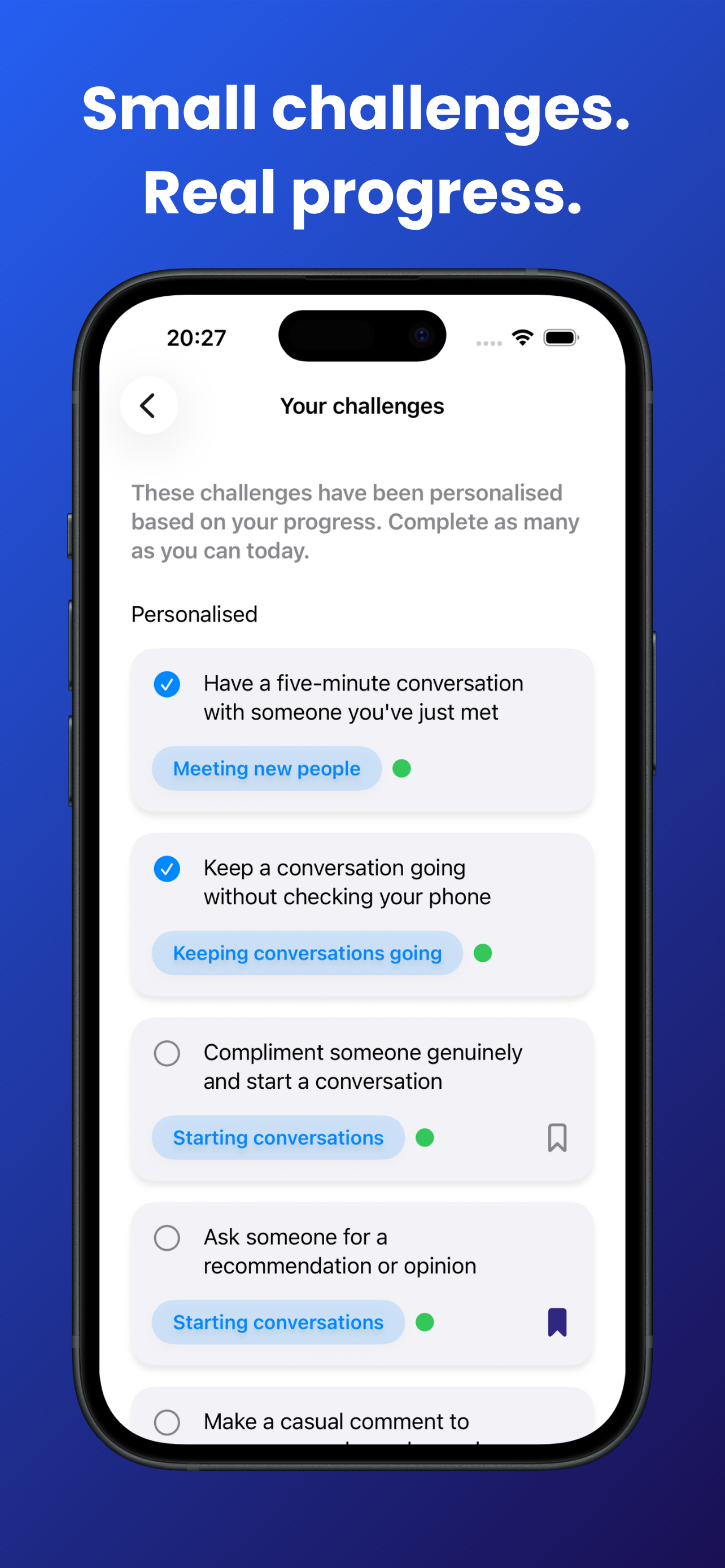
Daily Challenges - Personalised based on user's personal goals and perceived confidence level
-
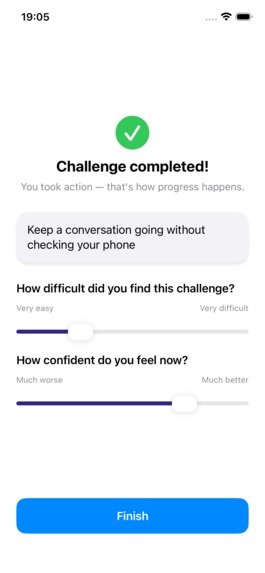
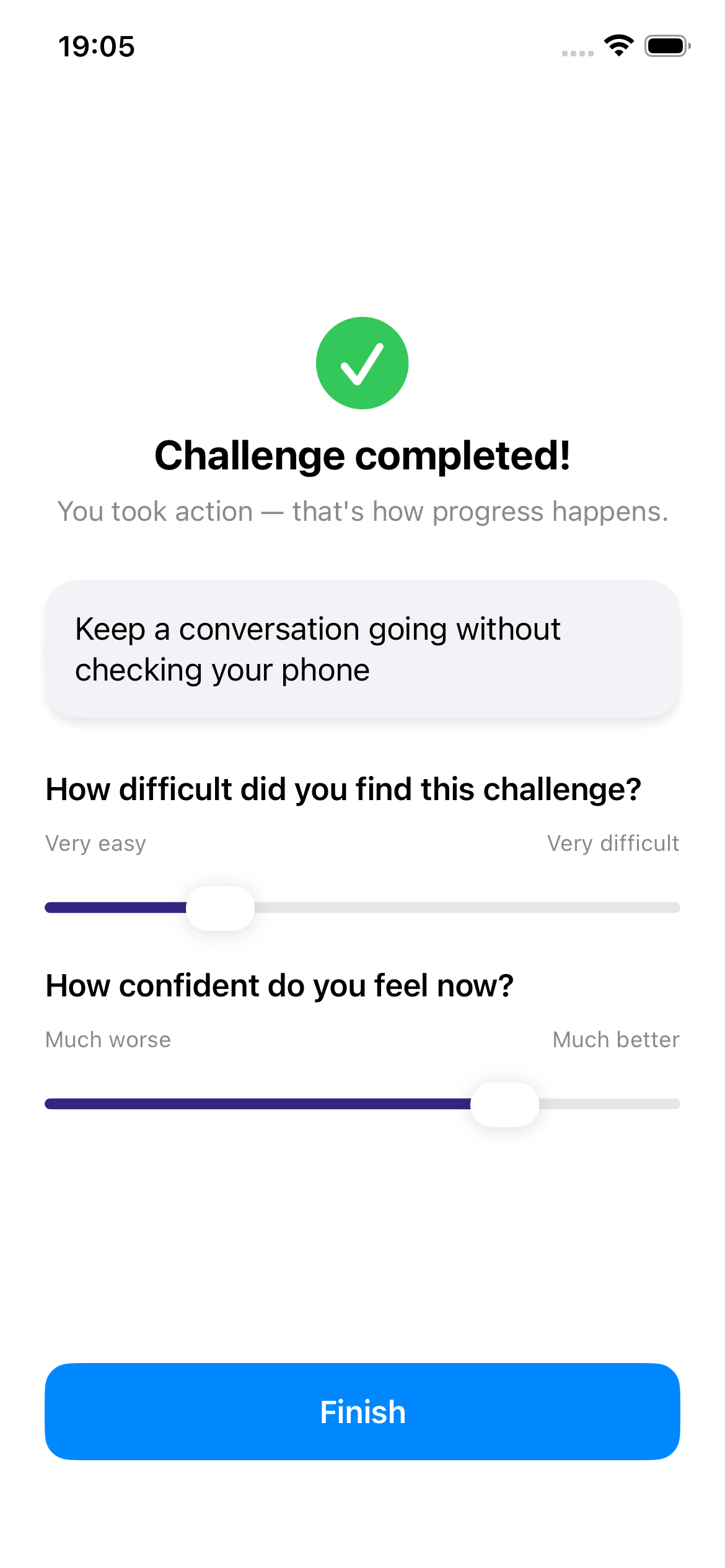
Challenge Reflection - Prompts the user to reflect on the difficulty and feeling of each completed challenge
-
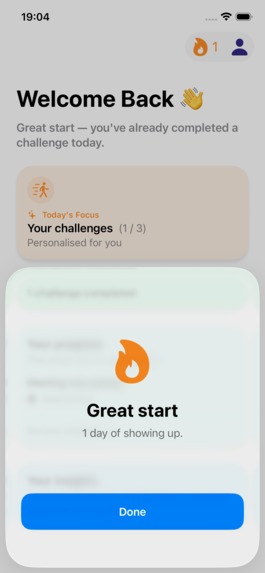
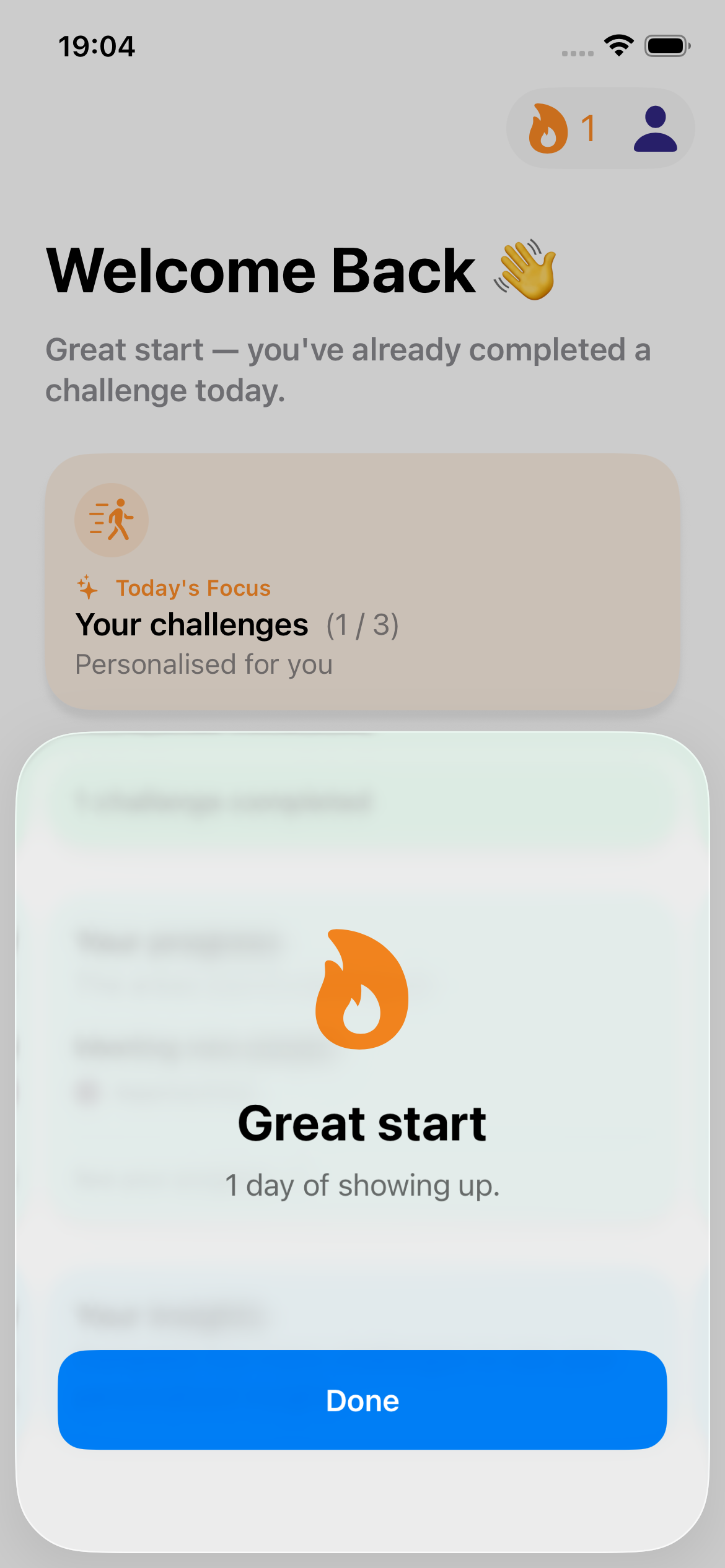
Daily Streak - Continues when a single challenge has been completed on any given day
-
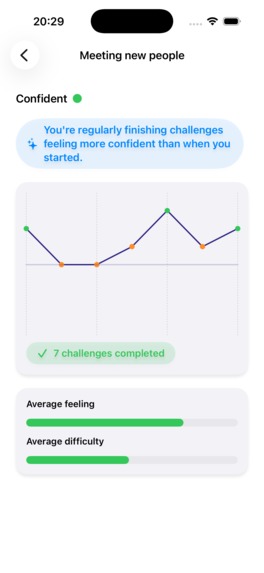
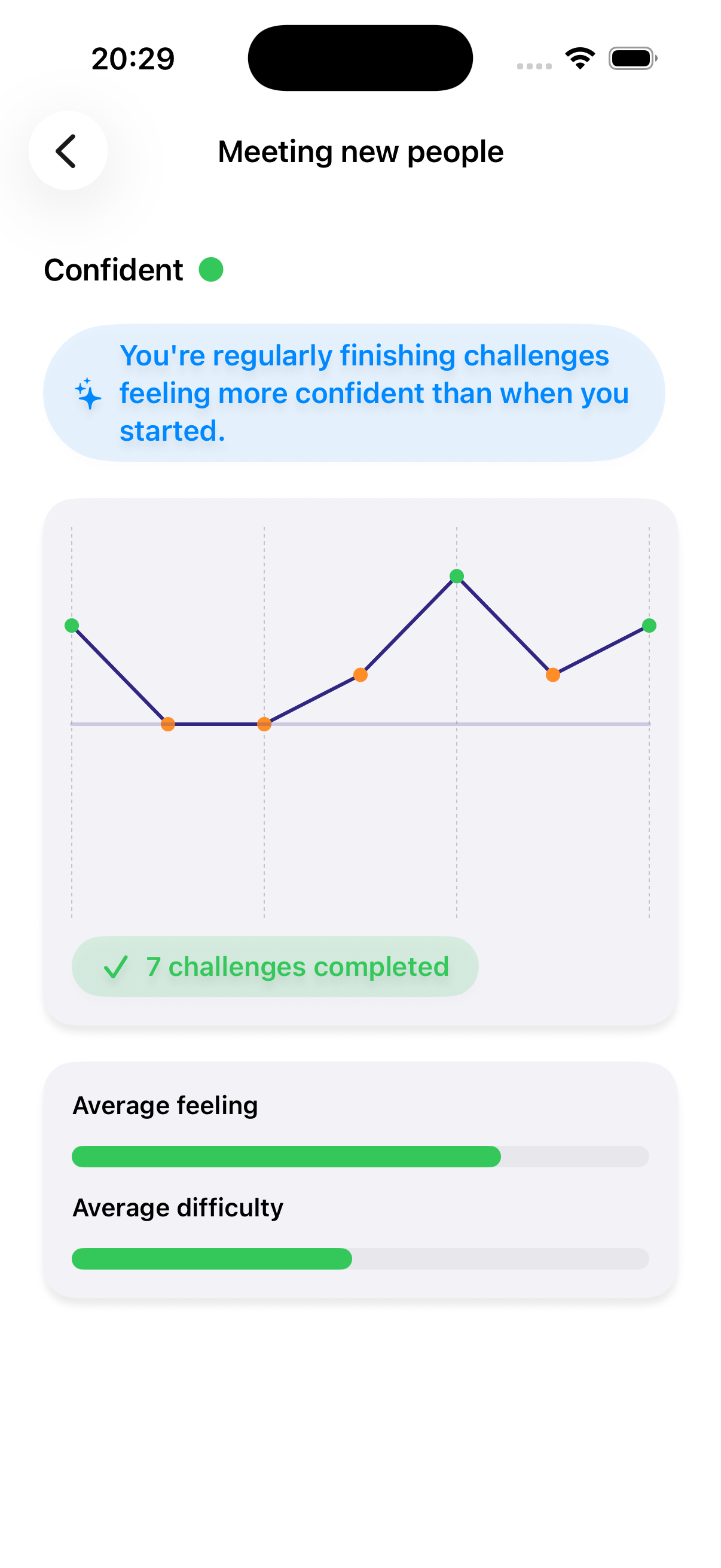
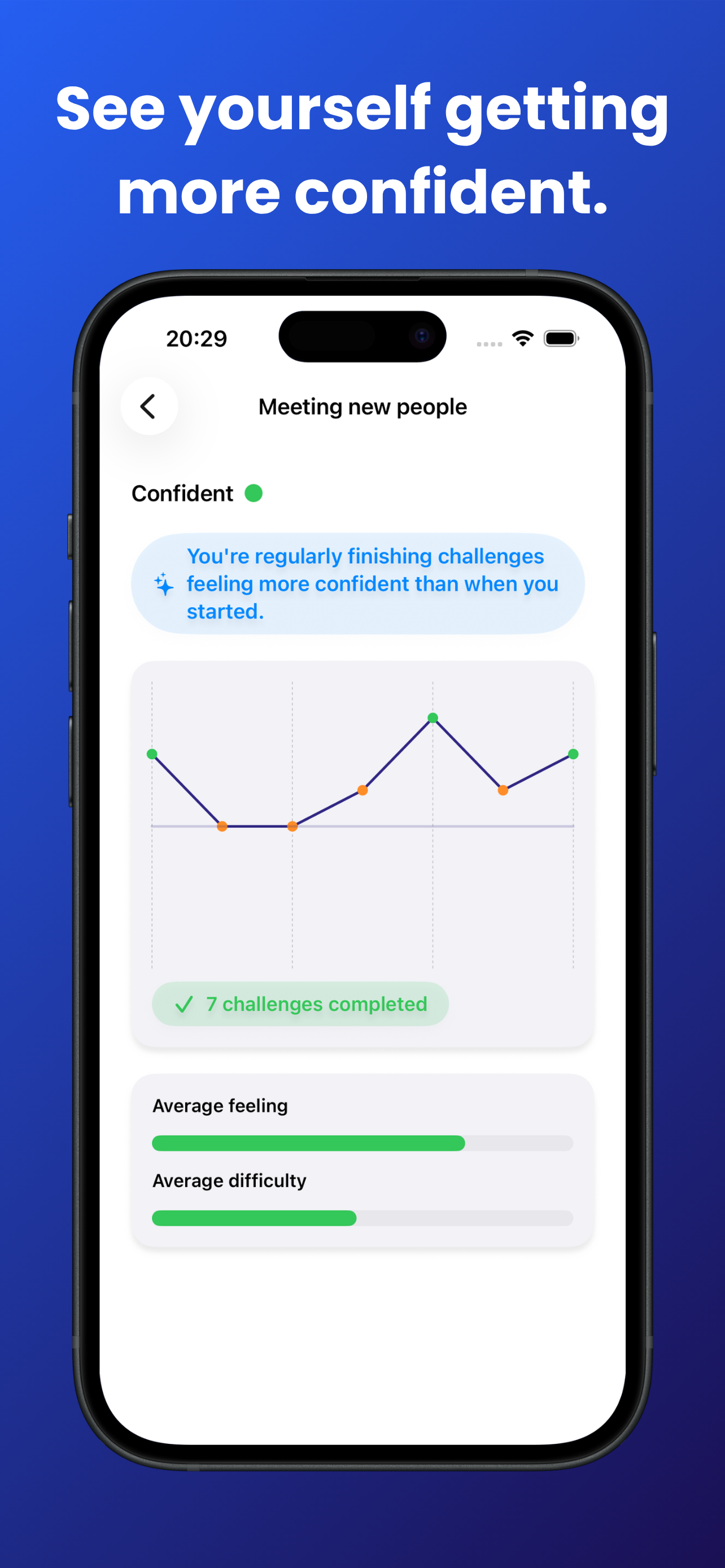
Progress Tracking - Recent activity with personalised insights and reflection scores
-
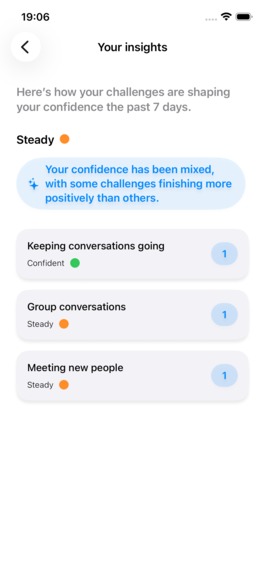
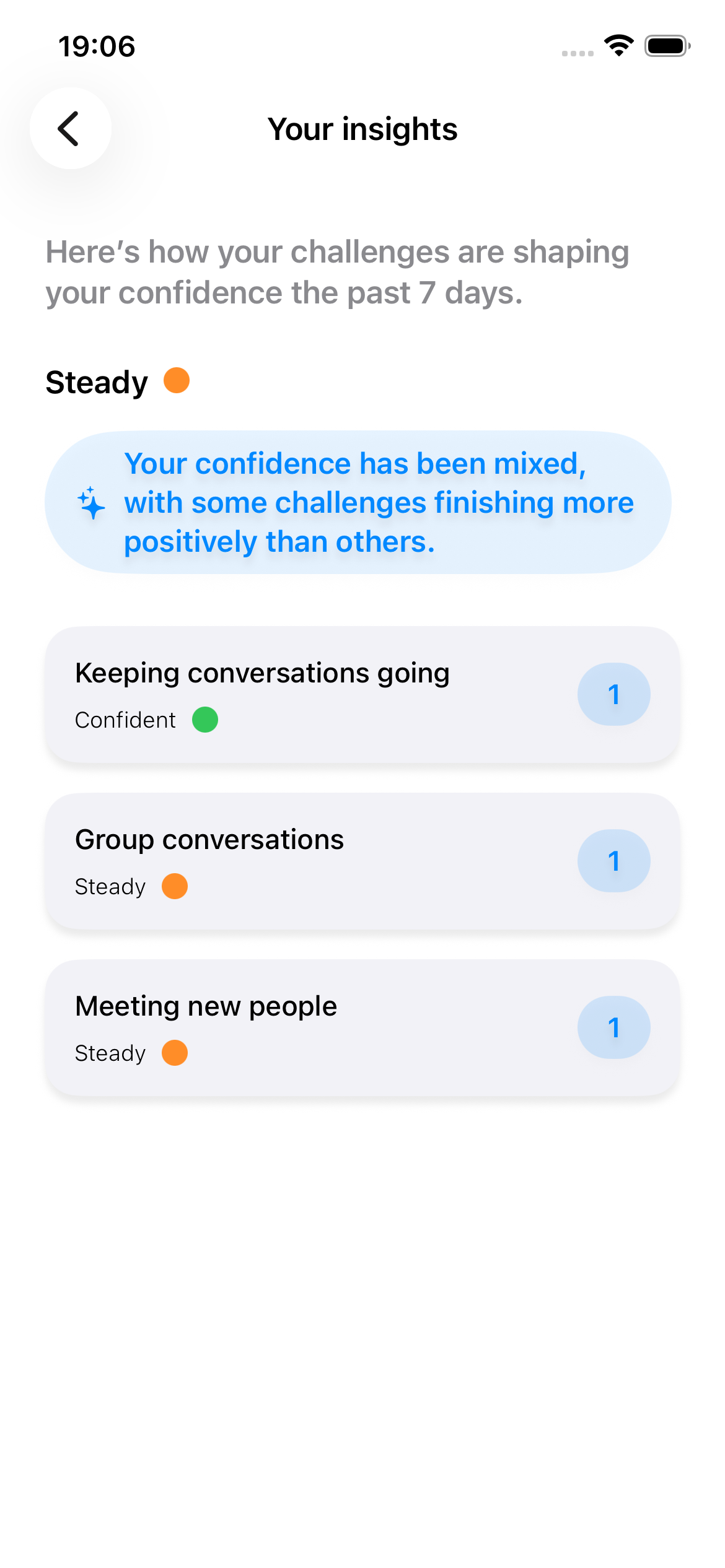
Personalised Insights - Trends from activity in the Past 7 Days
-
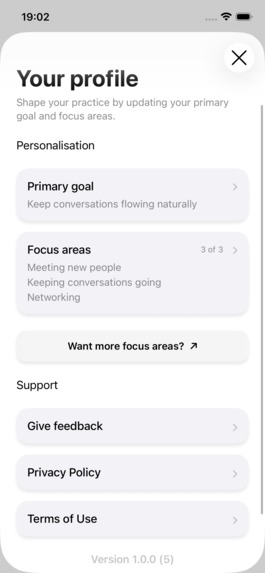
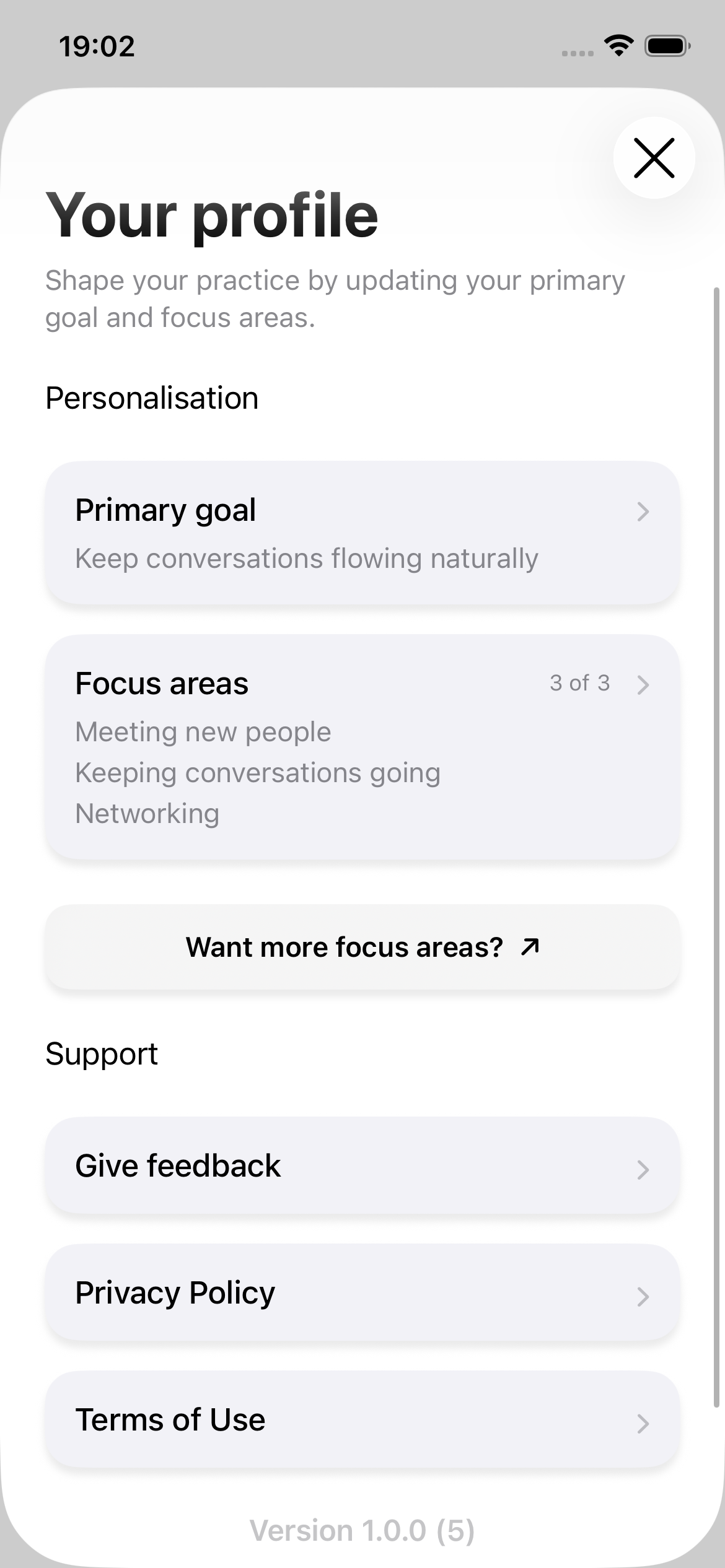
Profile Screen - Update primary goal and focus areas for relevant daily challenges, as well as support information
-
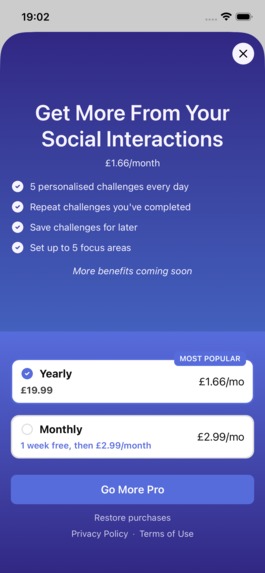
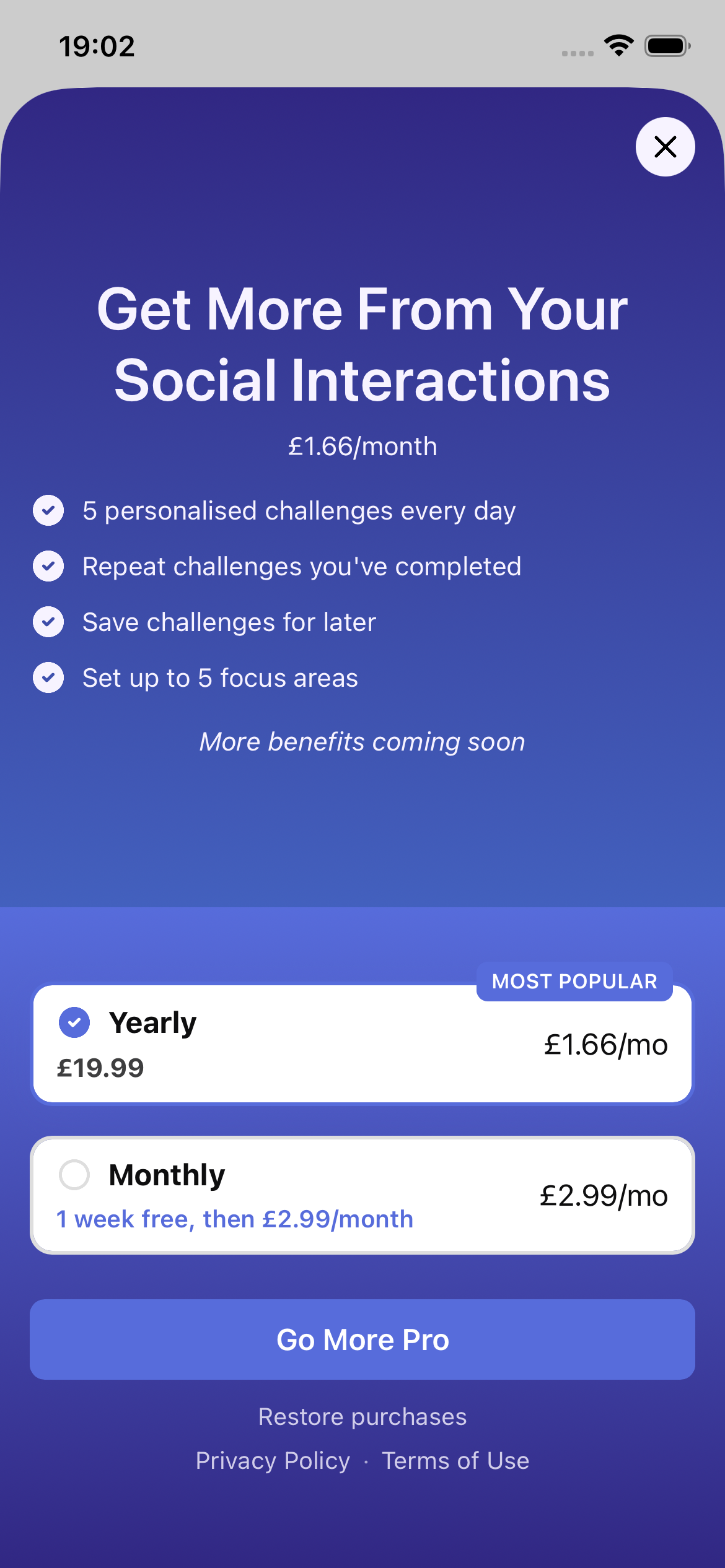
More Pro Paywall - Monthly (with Free Trial) and Yearly Subscription Offers - Powered by RevenueCat
-
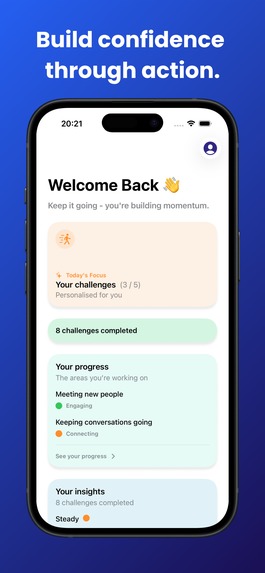
App Preview #1 - Structured, personalised, consistent, real-world practice
-
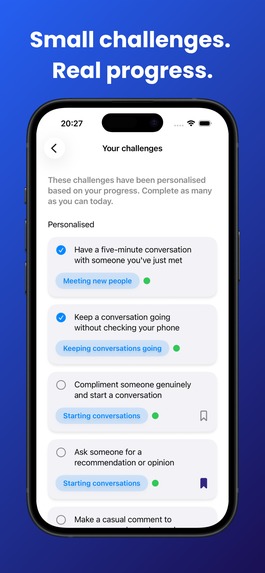
App Preview #2 - Personalised daily challenges determined by personal goals and confidence level
-
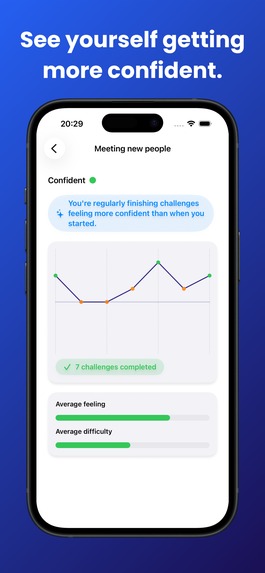
App Preview #3 - Personal Reflection through progress tracking and personalised confidence insights
-
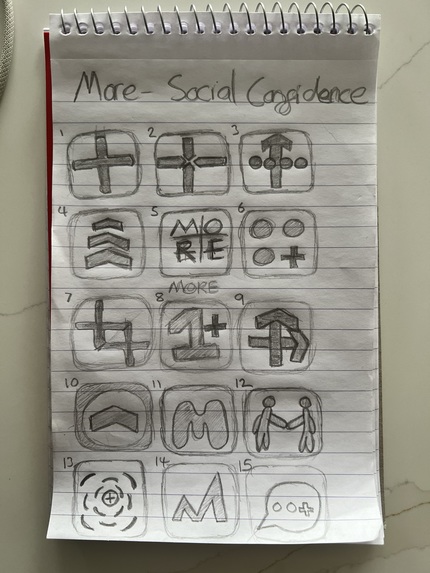
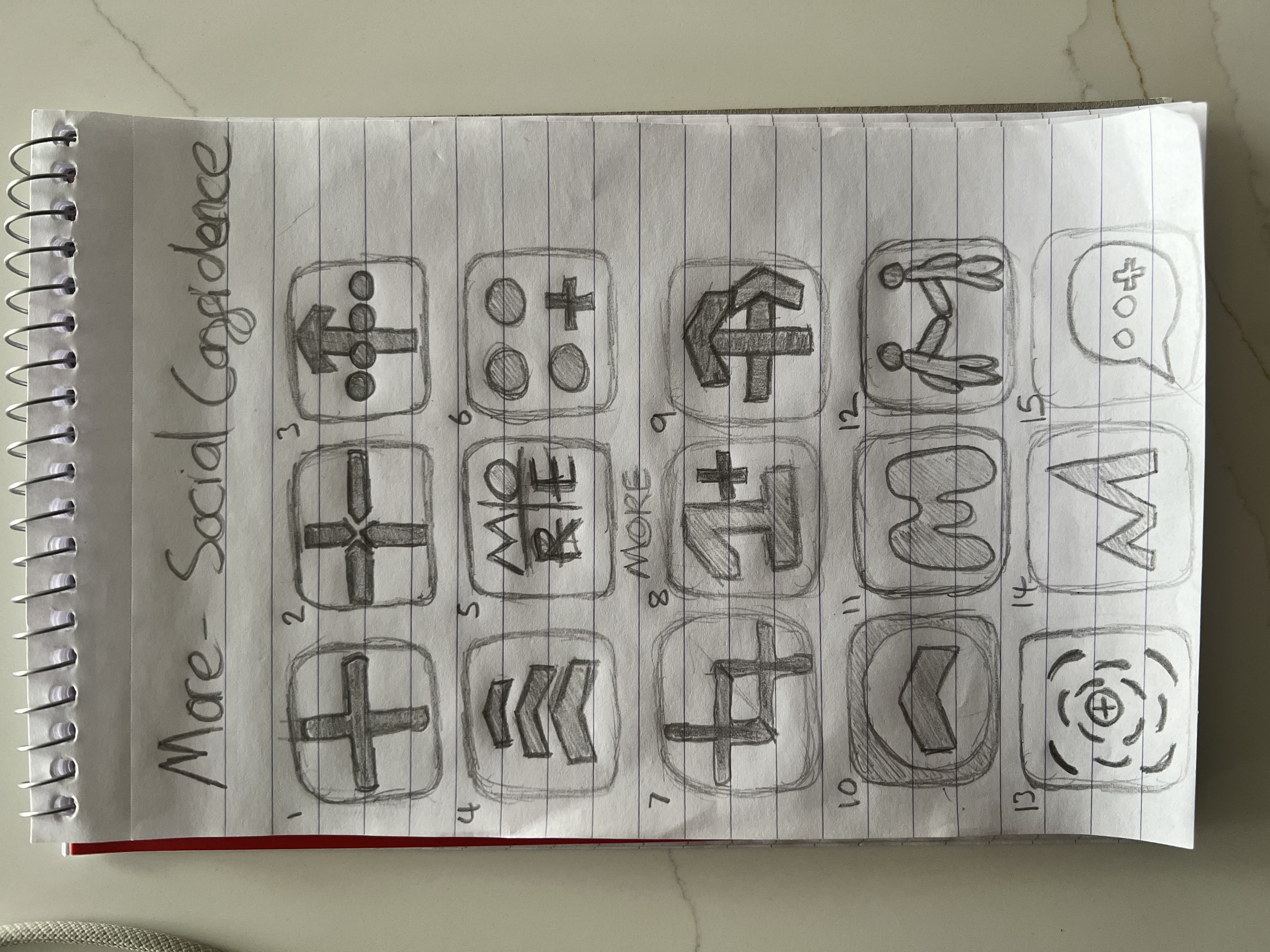
The initial 15 Concept Sketches of my App Logo, before running a user experiment


Inspiration
The past 18 months have been transformational for me in terms of improving my social confidence and connecting with others. I have a tight group of friends that I met through dance that like me are very passionate about pushing outside of our comfort zone. We would often set one another challenges in social situations to push ourselves and do things that we wouldn't normally think about doing. More times than not, we found that these social challenges resulted in positive outcomes rather than negative outcomes - despite the feelings of doubt we would have prior. After some time, I decided that I wanted to create an app that would help bring a daily structure to generating these challenges and also provide a way of tracking progress through personal reflection.
What it does
The app provides up to 5 personalised daily challenges from a range of nine social categories: Meeting new people, Keeping conversations going, Networking, Starting conversations, Group conversations, Dating, Public speaking, Making friends, and Talking to colleagues. The challenges are personalised based on the user's primary goal and up to 5 focus areas. Each day when a challenge is completed, the user is prompted to reflect on the difficulty (on a scale of Very Easy to Very Hard) and the feeling (on a scale of Much Worse to Much Better). These reflection scores are then used to determine confidence levels and feedback into the daily challenge personalisation. The user can reflect on previously completed challenges - repeating any that they would like to do again - or even save a daily challenge for later if they cannot do it on the given day. The app offers progress tracking across the nine social categories and provides personalise insight depending on the user's recent activity and confidence level per each category.
How I built it
I built the app in Swift, using the SwiftUI framework, using Xcode - of which I have many years of experience working with. I ran an app ideation phase with competitor analysis, a validation and research phase where I sent out a market research questionnaire to gather richer insights into what users would like to see from a social confidence app, I ran tests on my app logo designs to see what would stand out out the most to users, and I gathered user feedback during the development stage to understand where I could make improvements to the user experience.
Challenges I ran into
I have never built an app with subscriptions before, only In-App purchases, which presented as a huge challenge for me to understand and implement. RevenueCat significantly helped with the process of setting up Products and a Paywall, and syncing with my App Store Connect account. The biggest challenge here was knowing how Subscription Products differ to Consumable Products and what the additional legalities around Subscription Products were in terms of adhering to App Store Review Guidelines. I faced multiple rejections as I was unaware of what criteria needed to be met; this unfortunately meant I had to release the app much later than anticipated which ate up my marketing potential before the end of Shipaton.
Accomplishments that I'm proud of
I'm proud that I was able to make a Social Confidence app within 60 days, as I came up with the app idea on the 1st August which was the first day of Shipaton. Of course, if I'd have started earlier, I could have submitted to the App Store earlier and would have had more time to add new features, but ultimately I have a brand new app that I feel can make a positive difference to individuals and I have a starting point to grow this app and brand further into something even more special.
As well as building the app for Shipaton, I presented my app on two occasions; once at NSManchester at the midway point of the Shipaton event, and once at LeedsMobile on the final day of the Shipaton event. I received lots of feedback, praise, and a nice round of applause - as well as some RevenueCat merch. I was very proud to have been able to showcase my app and talk through the process of app ideation to having published app on the App Store.
What I learned
I learned a few things. Firstly, entering a competition isn't about winning, it's about being part of a community, sharing ideas, supporting one another, and having a level of accountability. I certainly put too much pressure on myself to get the app onto the App Store and to a high standard in a short space of time - all whilst having other things in life to deal with. Additionally, I now feel completely capable of building an app and monetising it, which is something I only partially felt confident with before; this has been a huge positive for me as an independent developer and it means there is a bright future ahead for me in this space. Finally, I've learned how to make a better quality app, through important stages like market research and gathering user feedback; previously, I had always built what I thought was best, and now I have an appreciation for what users actually want.
What's next for More: Social Confidence
I will certainly be focusing on improving the "More" brand, engaging with audiences, and pushing further with marketing strategies. This is also a new learning for me, and something that I am actively looking forward to do more of, given the little experience I have in marketing as a developer. I've got a roadmap of new features lined up which stick to the core purpose (i.e. the 'WHY') of the social confidence app. I truly believe that this app is a fresh idea that fits well with the common goals of individuals focusing on personal growth and confidence.

Log in or sign up for Devpost to join the conversation.