-
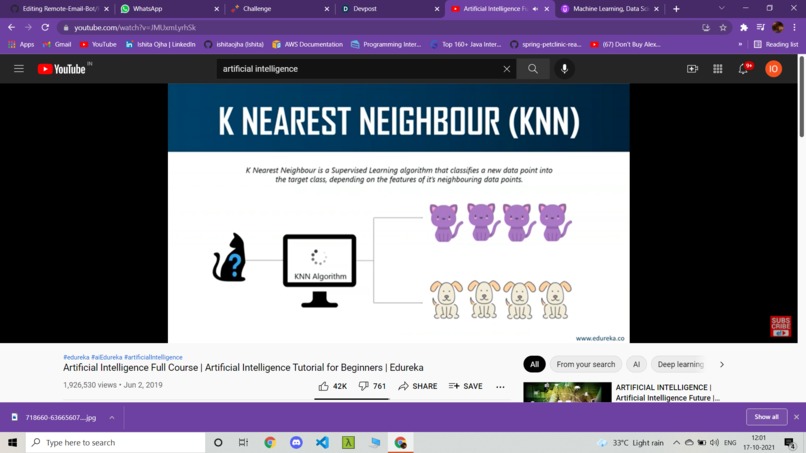
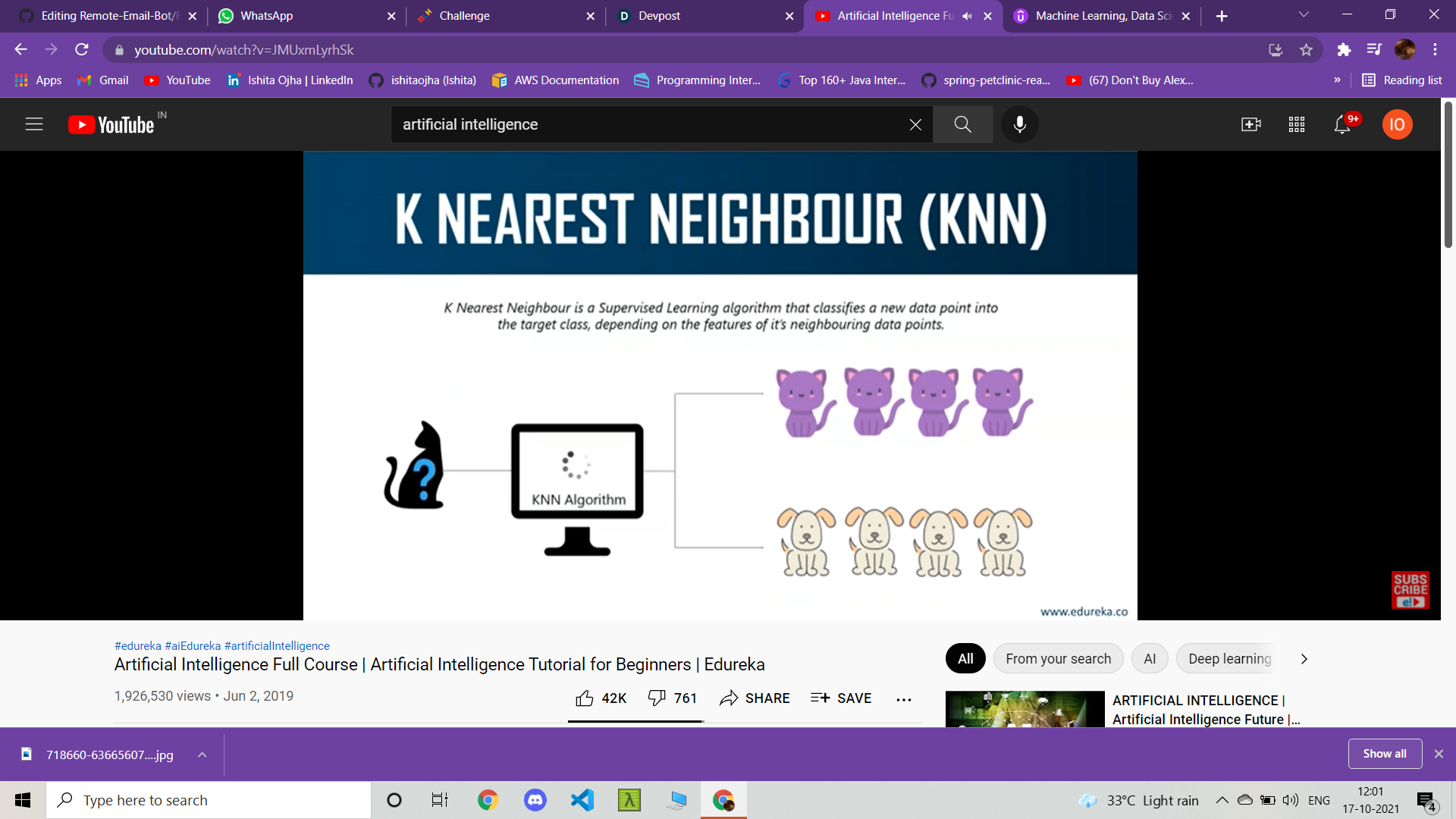
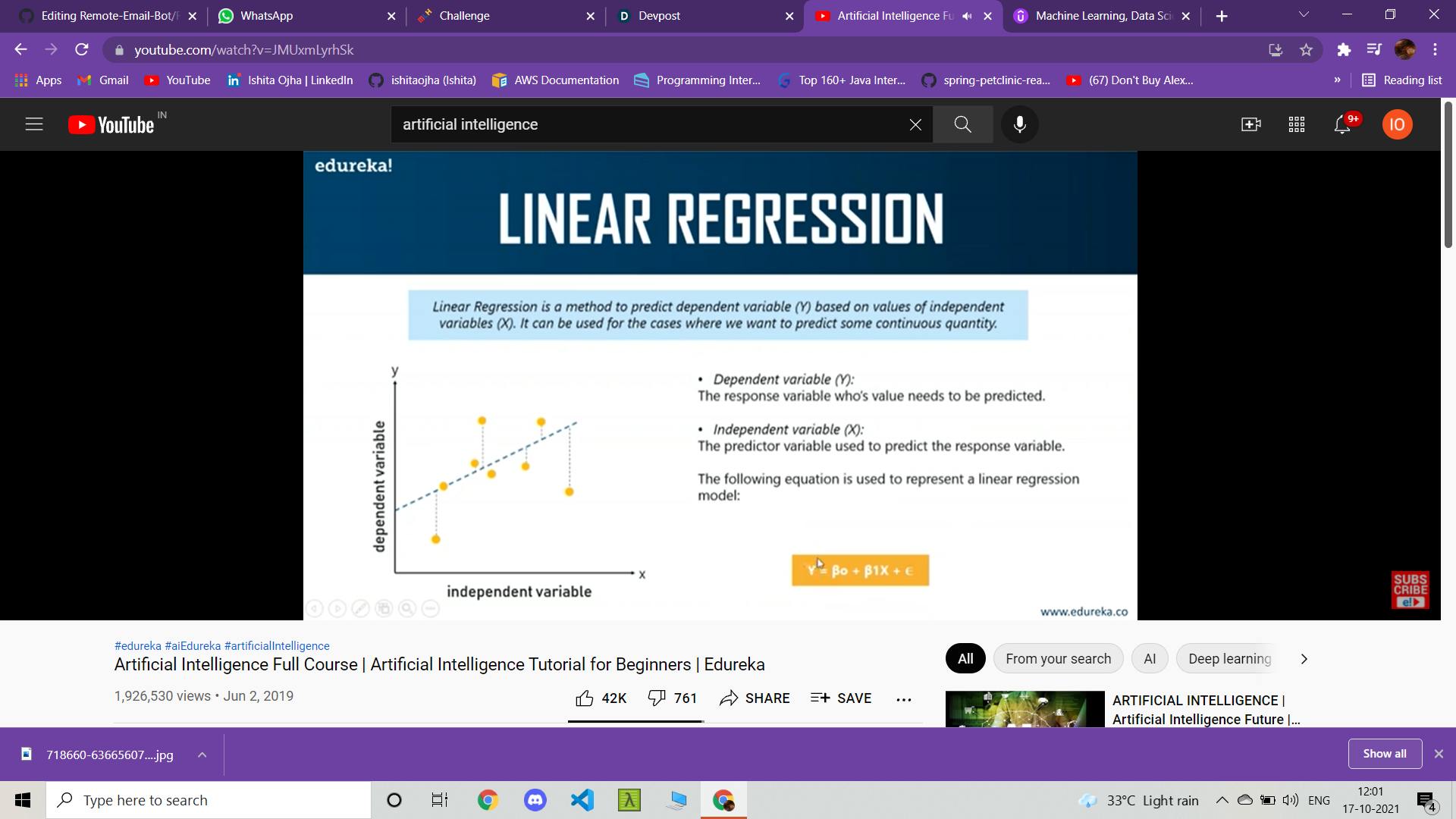
Learning from Youtube
-

Learning from Udemy
-
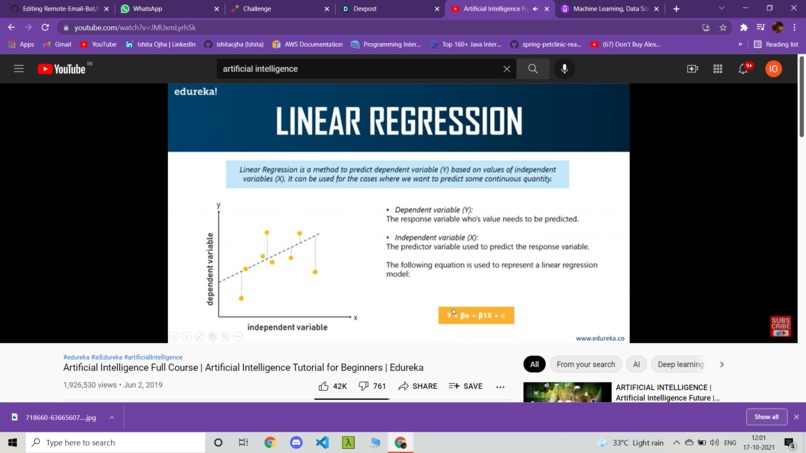
Learning from Youtube
-
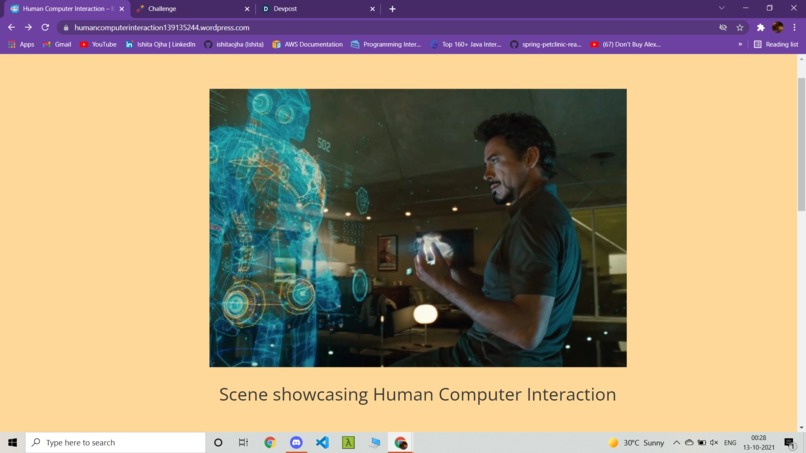
My blog On AI
-
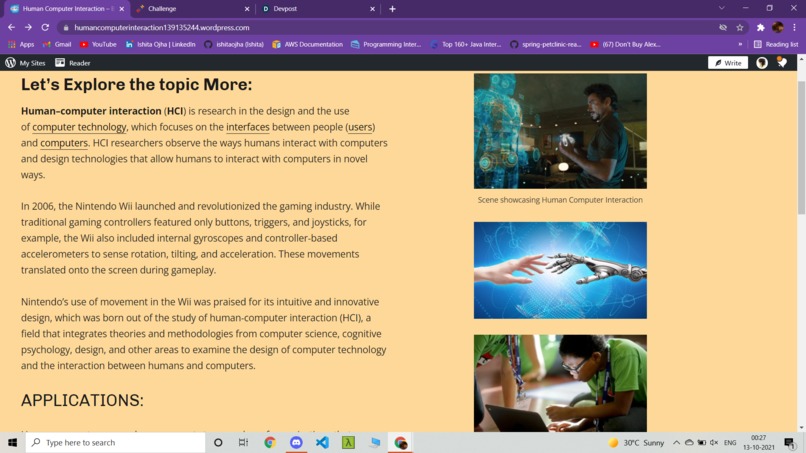

Inspiration
Artificial Intelligence garners more frontpage headlines every day. Artificial Intelligence, or AI, is the technology enabling machines to learn from experience and perform human-like tasks.
- Autonomous and connected electric vehicles
AI-guided autonomous vehicles (AVs) will enable a transition to mobility on-demand over the coming years and decades. Substantial greenhouse gas reductions for urban transport can be unlocked through route and traffic optimization, eco-driving algorithms, programmed “platooning” of cars to traffic, and autonomous ride-sharing services. Electric AV fleets will be critical to deliver real gains.
- Distributed energy grids
AI can enhance the predictability of demand and supply for renewables across a distributed grid, improve energy storage, efficiency and load management, assist in the integration and reliability of renewables and enable dynamic pricing and trading, creating market incentives.
- Smart agriculture and food systems
AI-augmented agriculture involves automated data collection, decision-making and corrective actions via robotics to allow early detection of crop diseases and issues, to provide timed nutrition to livestock, and generally to optimise agricultural inputs and returns based on supply and demand. This promises to increase the resource efficiency of the agriculture industry, lowering the use of water, fertilisers and pesticides which cause damage to important ecosystems, and increase resilience to climate extremes.
- Next generation weather and climate prediction
A new field of “Climate Informatics” is blossoming that uses AI to fundamentally transform weather forecasting and improve our understanding of the effects of climate change. This field traditionally requires high performance energy-intensive computing, but deep-learning networks can allow computers to run much faster and incorporate more complexity of the ‘real-world’ system into the calculations.
Built With
- udemy

Log in or sign up for Devpost to join the conversation.