-
-
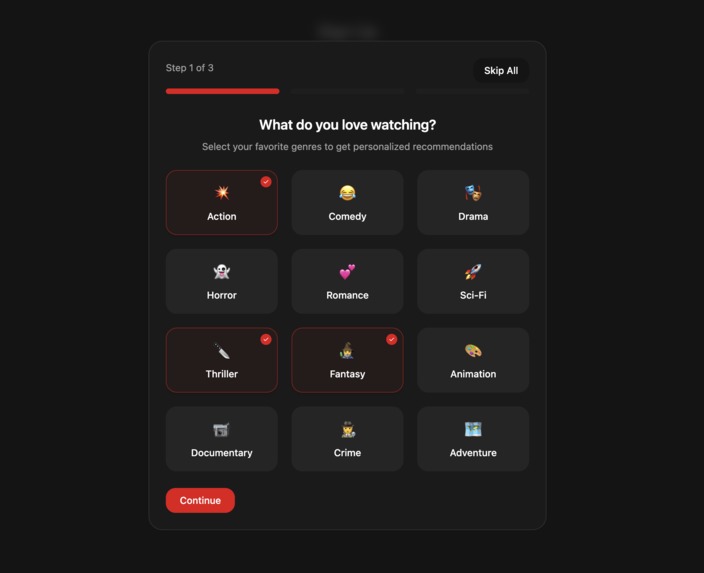
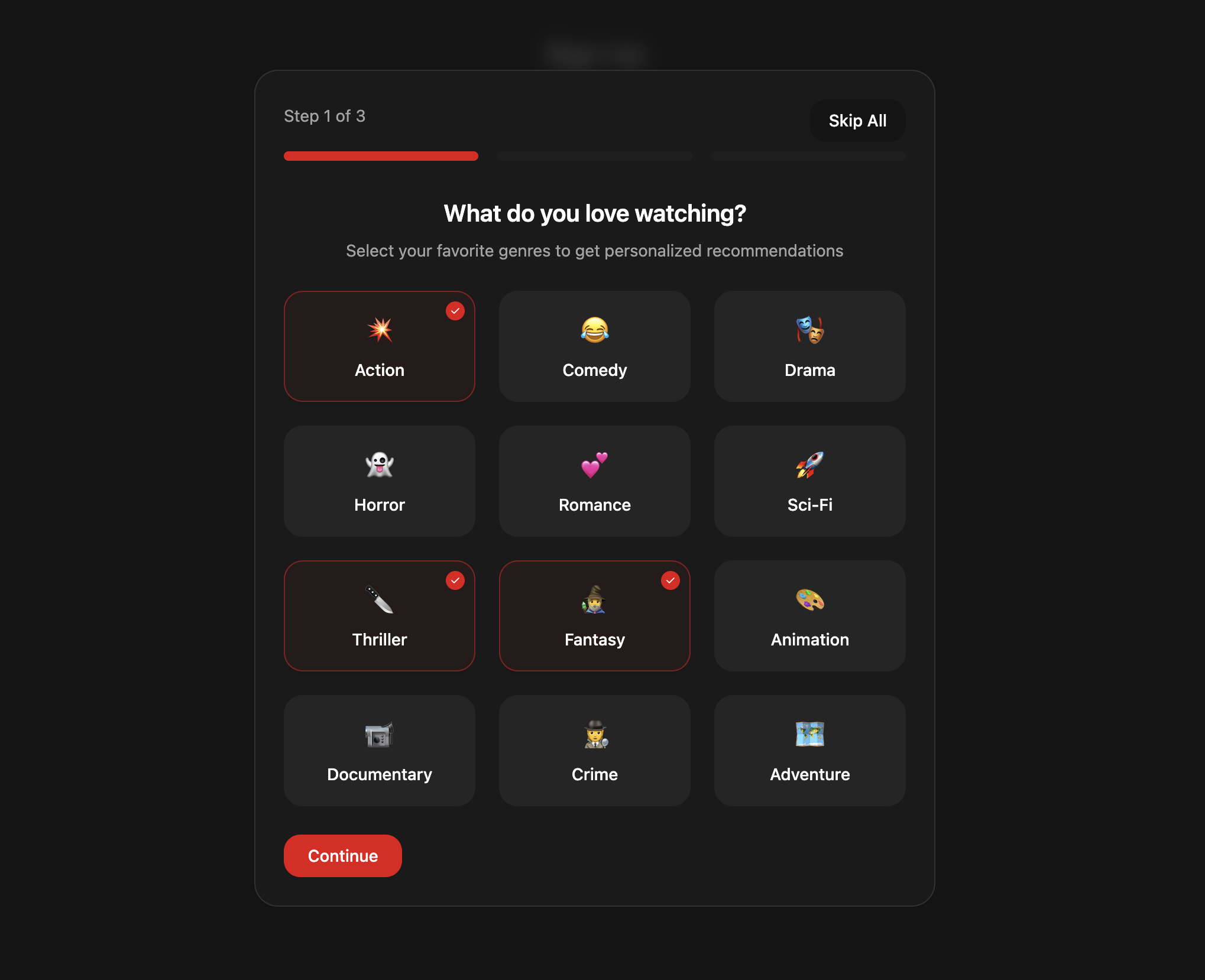
onboarding
-
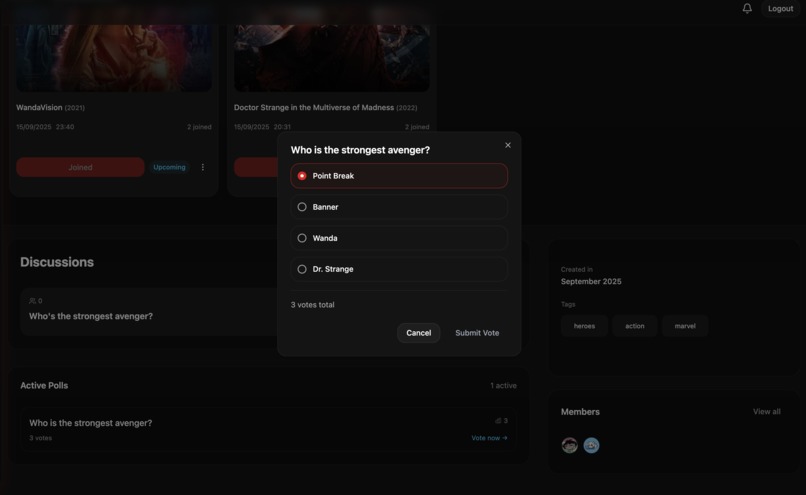
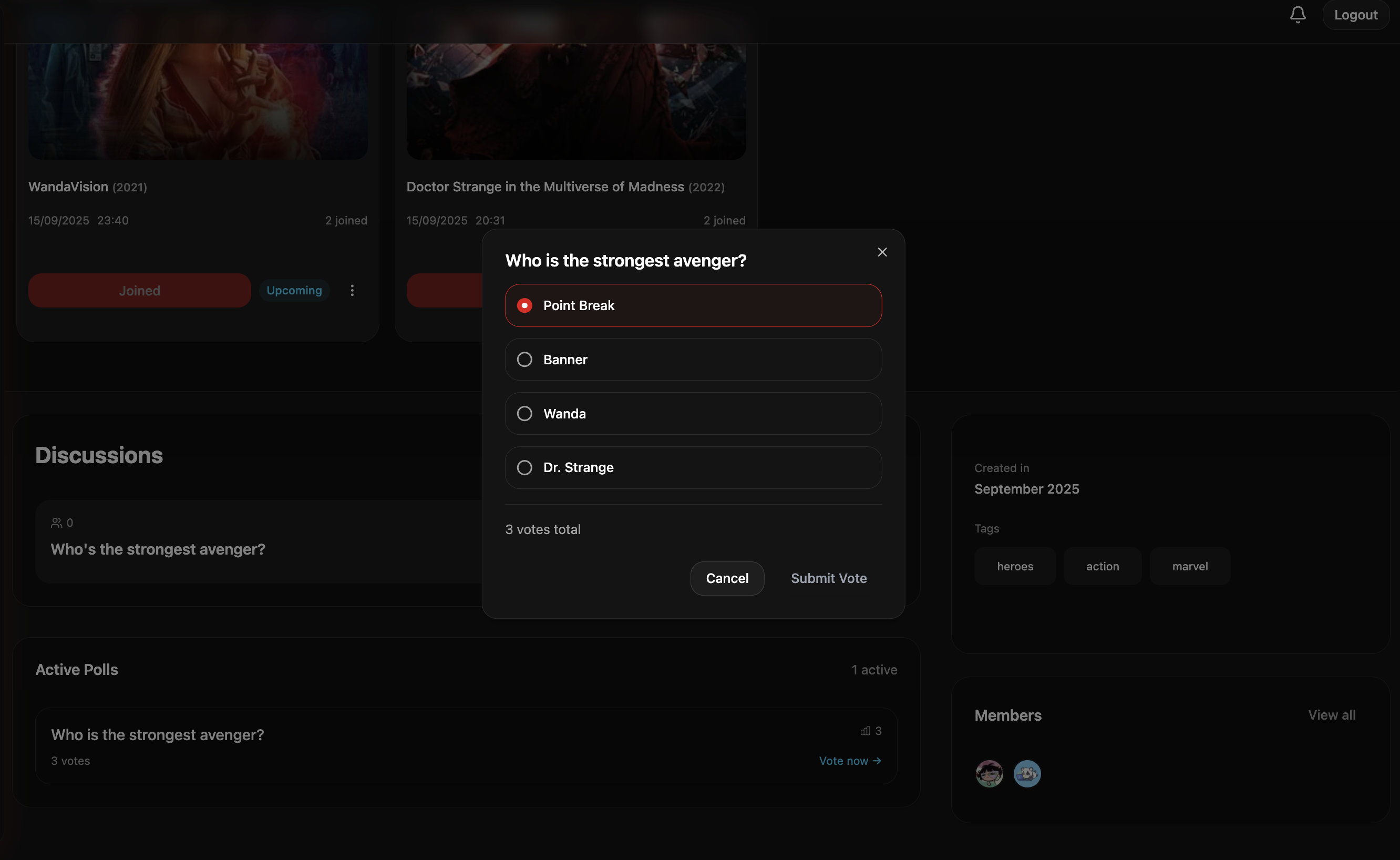
habitat polls
-
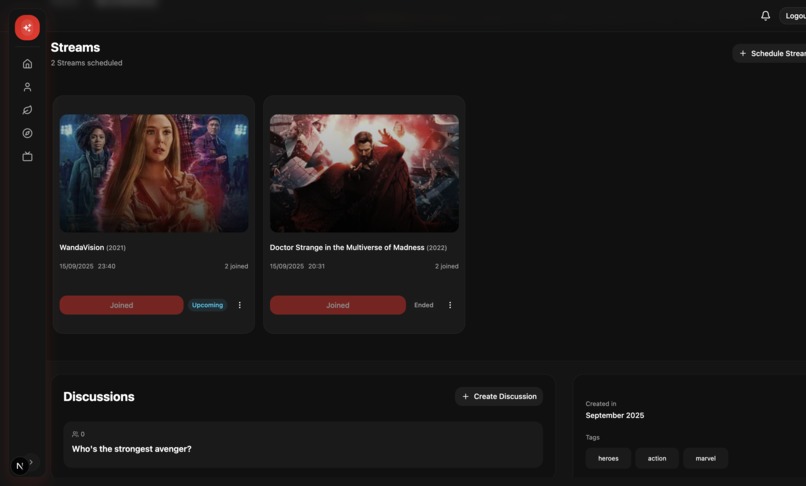
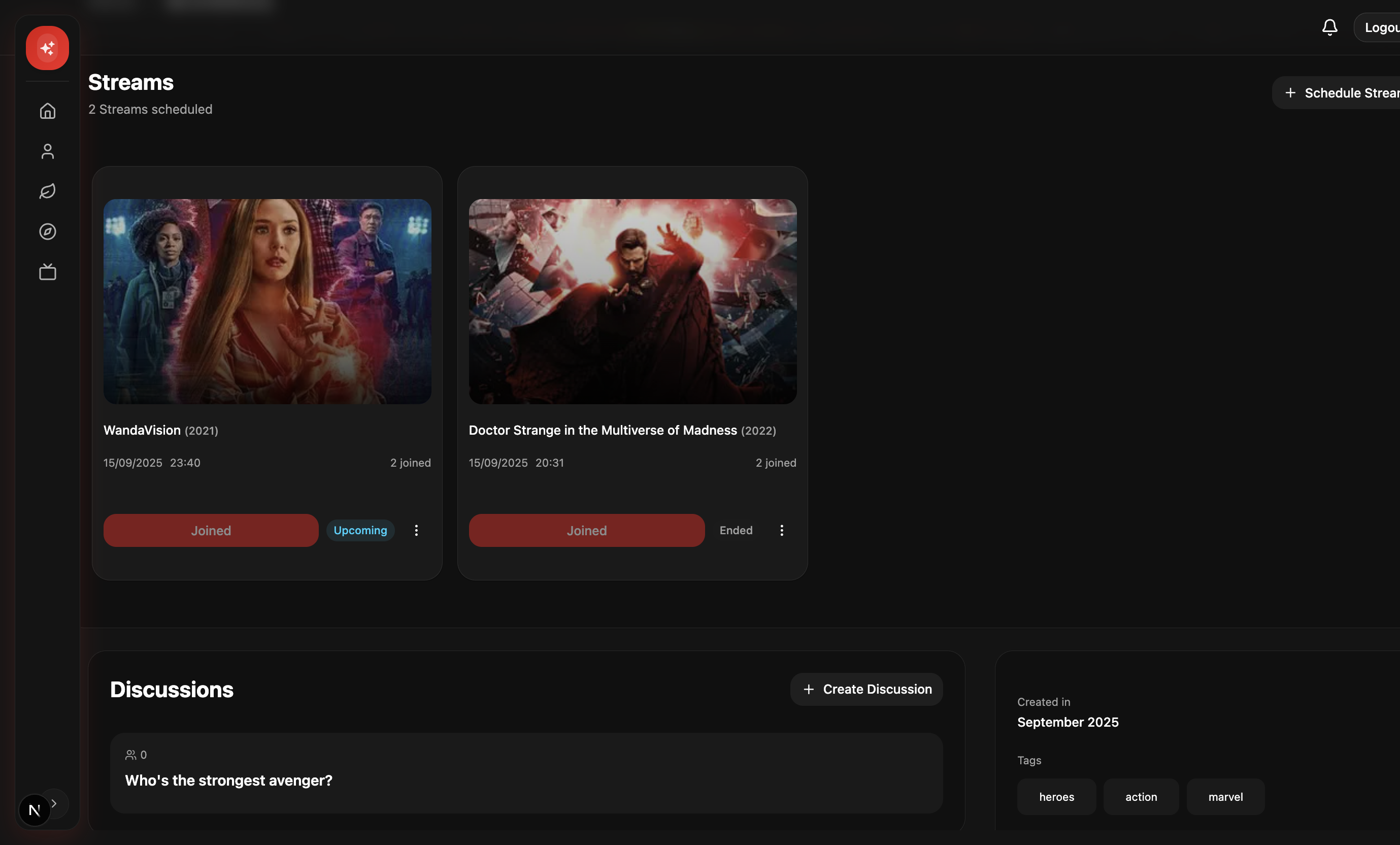
habitat details
-
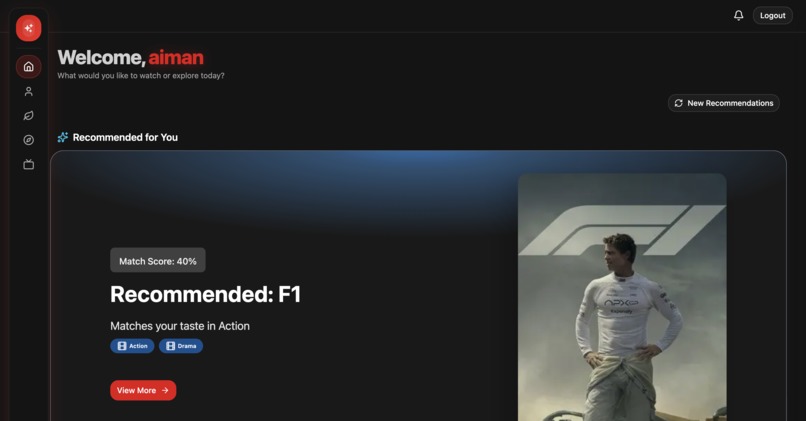
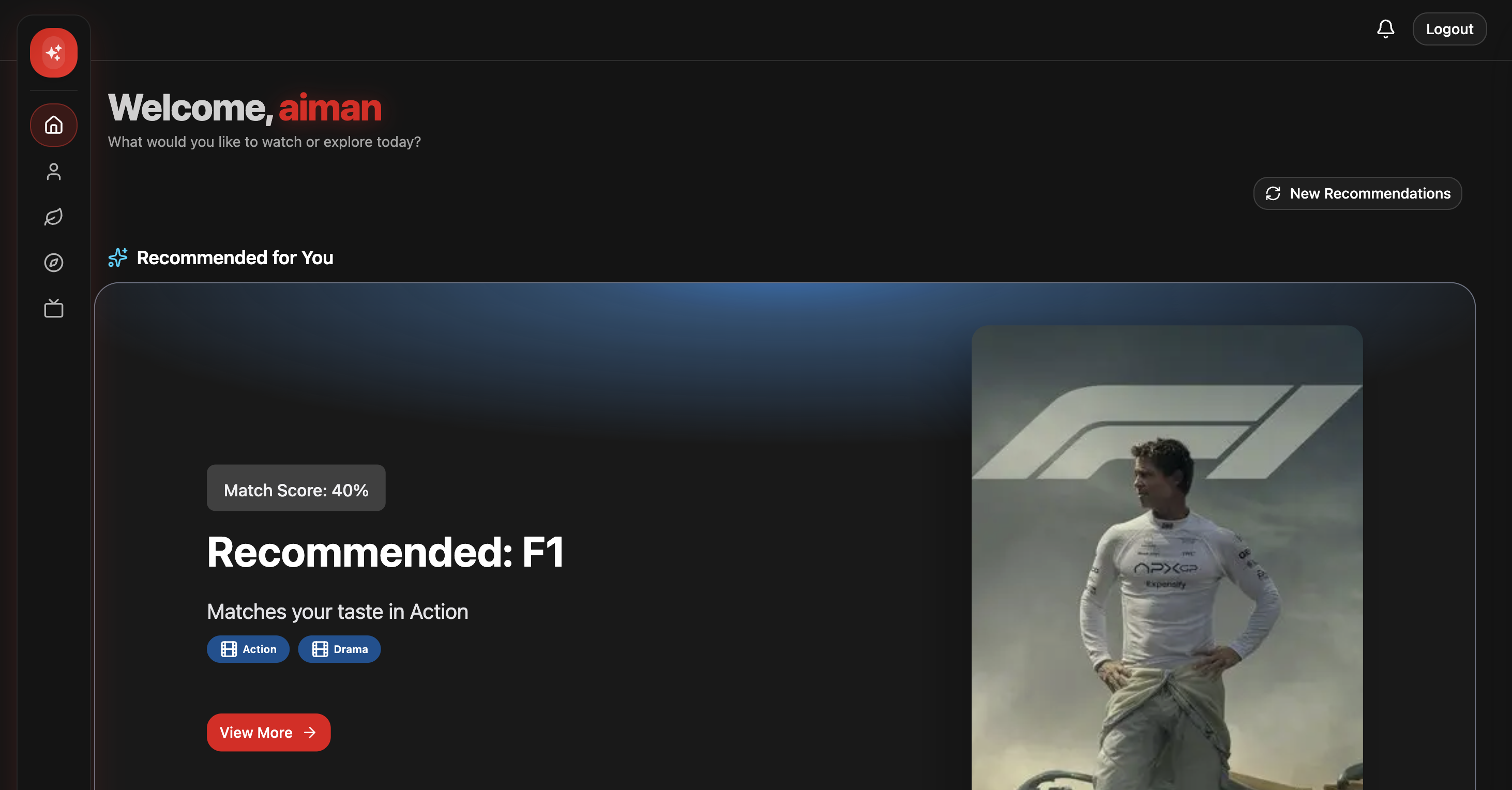
featured recommendation
-
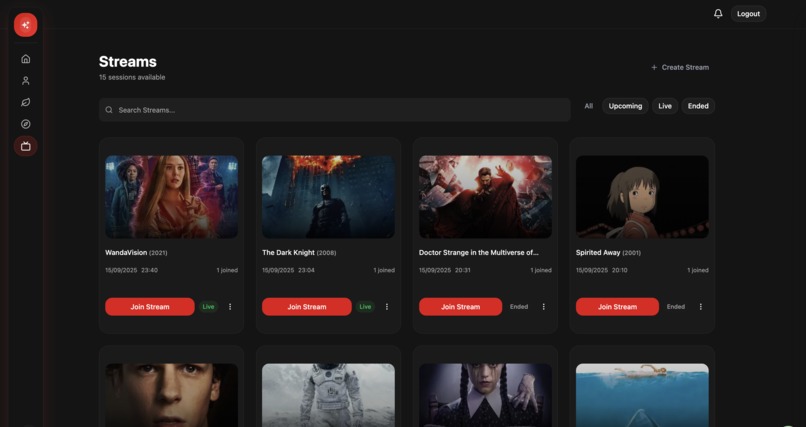
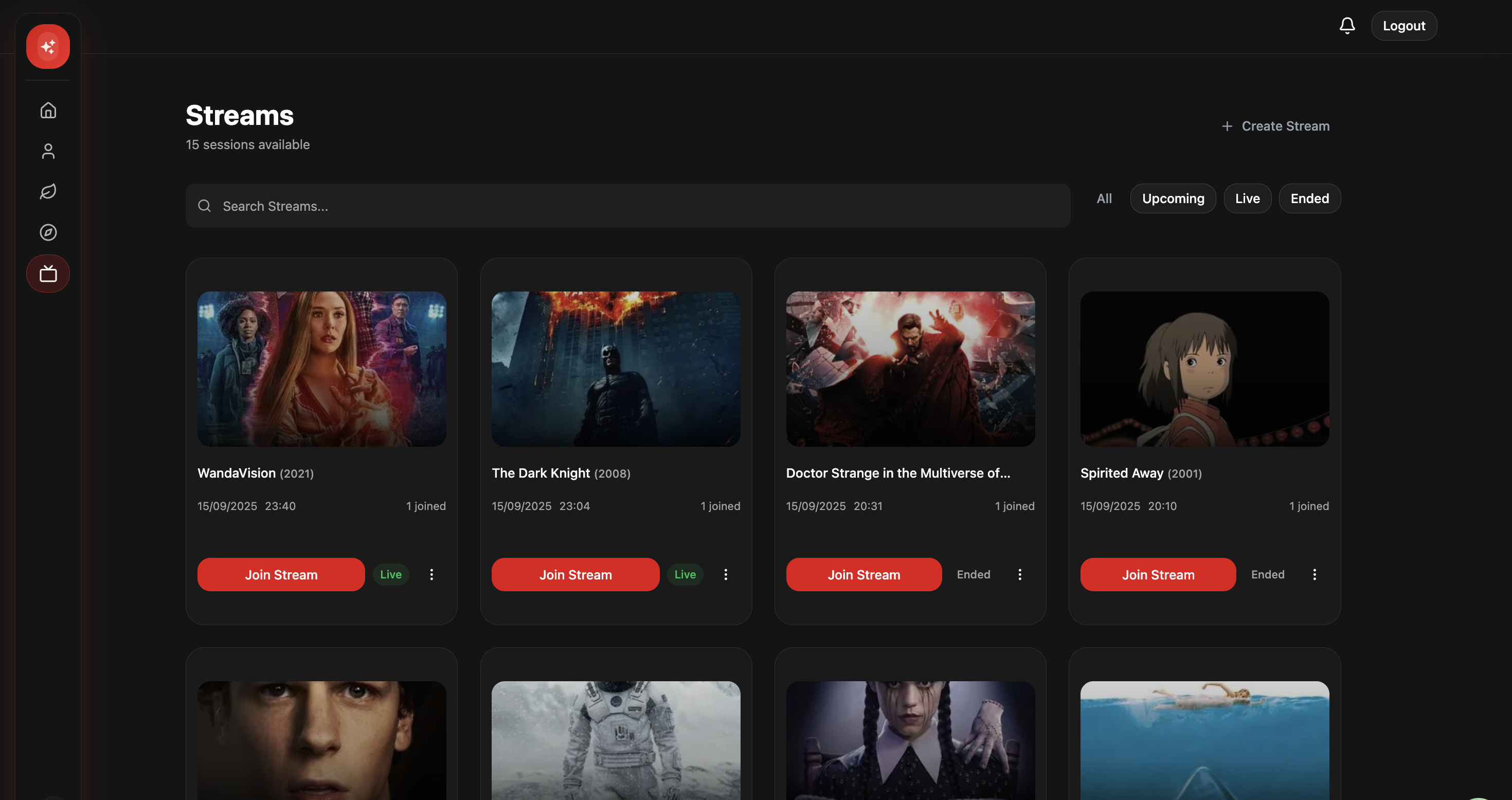
streams page
-
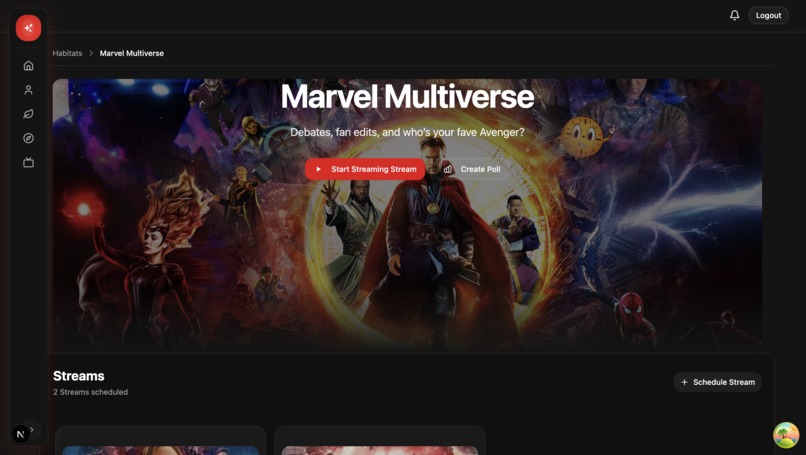
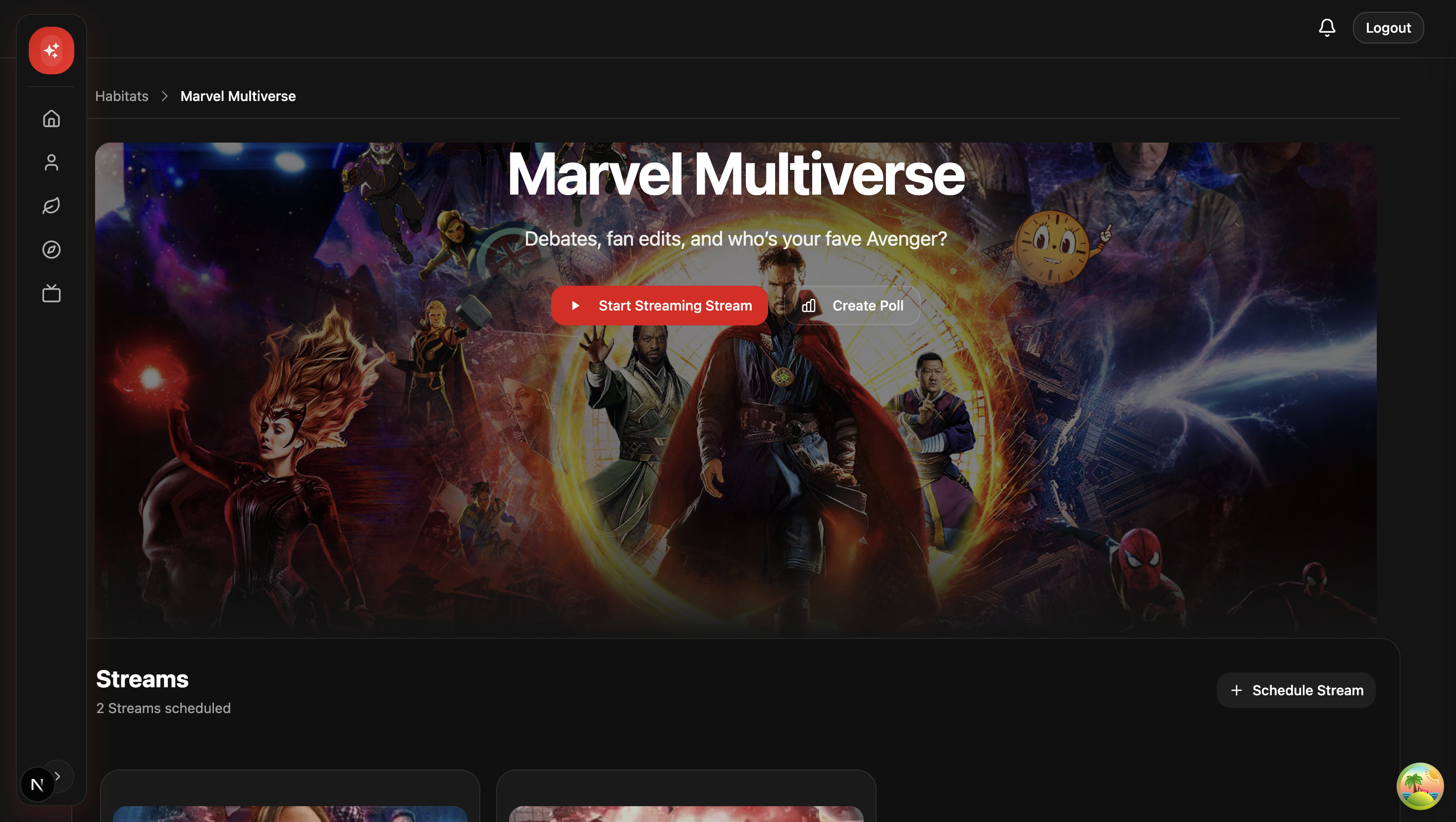
habitat banner
Inspiration
The inspiration for MoovyZoo came from recognizing a fundamental gap in how people discover and enjoy entertainment together. Traditional streaming platforms excel at content delivery but fall short in creating genuine social experiences. We were frustrated by the endless scroll through Netflix's algorithm-driven suggestions that felt impersonal, and the lack of meaningful ways to connect with friends and communities around shared movie and TV interests.
Our vision was to create something that combines the cinematic polish of Netflix with the community engagement of Discord and the spontaneous fun of social media. We wanted to transform passive watching into an interactive, social game where discovering your next favorite show happens through AI-powered conversations and genuine community connections rather than cold algorithms.
The "Zoo" metaphor represents diverse habitats where different fan communities can thrive - from horror enthusiasts to Marvel fanatics - each with their own culture, inside jokes, and shared viewing experiences. We envisioned a platform where AI doesn't replace human connection but enhances it, helping people find their tribe and discover content through both intelligent recommendations and social serendipity.
What it does
MoovyZoo is an AI-powered social streaming platform that revolutionizes how movie and TV enthusiasts discover, discuss, and watch content together. The platform combines multiple features:
AI-Powered Discovery: Our intelligent chat assistant "Zoovie" understands natural language and mood-based requests like "I want something clever but not too heavy" to provide personalized recommendations using real-time TMDB data and web search capabilities.
Habitats - Community Spaces: Users create and join themed communities around genres, fandoms, or specific shows where they engage in real-time discussions, community polls, and collaborative content discovery. These spaces foster genuine connections between users with similar tastes.
Synchronized Stream Parties: Real-time watch parties with synchronized YouTube playback, live chat, and host controls allow friends to watch together regardless of location. The system handles network lag compensation and seamless host transfers.
Social Friend Discovery: AI-powered taste matching helps users find friends with compatible entertainment preferences, creating meaningful connections beyond just "liking" the same popular shows.
Intelligent Recommendations: The platform learns from user behavior, social connections, and preferences to provide explainable content suggestions that adapt as tastes evolve.
How we built it
We built MoovyZoo using a modern, production-ready technology stack with Next.js 15, React 19, and TypeScript for the frontend, Supabase for real-time database and authentication, and OpenAI GPT-4o with LangGraph for advanced AI capabilities.
Our development approach was specification-driven and test-first. Every feature began with detailed requirements documents that defined user stories, acceptance criteria, and technical specifications. We followed strict Test-Driven Development (TDD) practices, writing failing tests before implementing any production code, ensuring robust functionality from day one.
The architecture follows clean, modular patterns with clear separation between data access (repositories), business logic (services), and presentation (components). We implemented error handling with centralized error mapping, real-time functionality using Supabase's live subscriptions, and performance optimizations including intelligent caching and lag compensation for streaming synchronization.
Database design was crucial - we created optimized schemas for recommendations caching, participant management, and real-time chat with proper indexing and Row-Level Security policies. The AI system integrates multiple APIs (TMDB, Tavily, OpenAI) through a sophisticated agent architecture that provides explainable recommendations.
Our visual design system targets a "Netflix meets Snapchat" aesthetic with cinematic dark themes, smooth animations, and social media-inspired interactions while maintaining accessibility and mobile responsiveness.
Challenges we ran into
Building MoovyZoo presented several complex technical challenges that required innovative solutions:
Real-time Synchronization Complexity: Implementing synchronized video playback across multiple users with different network conditions was incredibly challenging. We had to solve network lag compensation, handle YouTube Player API limitations, implement robust error recovery mechanisms, and manage state consistency when hosts transfer mid-session. The solution required sophisticated event debouncing, conflict resolution, and fallback strategies.
AI Integration Architecture: Creating an AI assistant that seamlessly integrates multiple data sources (TMDB, web search, user preferences) while providing explainable recommendations demanded complex prompt engineering and agent workflow design. We built a LangGraph-based system that chains multiple AI tools while maintaining conversation context and handling API rate limits gracefully.
Scalable Real-time Infrastructure: Managing real-time features across habitats, chat, participant lists, and playback synchronization without overwhelming the database required careful optimization. We implemented intelligent subscription management, connection pooling, and efficient database indexing to handle multiple concurrent real-time streams.
Complex State Management: Coordinating state between AI recommendations, social features, streaming sessions, and user preferences across a large application required sophisticated architecture. We leveraged React Query for intelligent caching and state synchronization while maintaining clean component boundaries.
Mobile-First Real-time UX: Ensuring seamless real-time experiences across devices, especially handling mobile network transitions and background/foreground state changes during streaming sessions, required extensive testing and optimization.
Accomplishments that we're proud of
We're incredibly proud of building a production-ready social streaming platform that genuinely innovates in the entertainment discovery space:
Sophisticated AI Integration: Our "Zoovie" AI assistant represents a breakthrough in entertainment recommendation systems, combining natural language understanding with real-time data integration to provide truly conversational content discovery that feels natural and helpful.
Seamless Real-time Synchronization: We achieved sub-500ms synchronization across multiple users for video playback, complete with network lag compensation and robust error recovery - a technically complex feat that creates genuinely magical shared viewing experiences.
Comprehensive Social Architecture: The platform successfully balances multiple social features - habitats, friend discovery, chat, polls, discussions - without feeling overwhelming or cluttered, creating natural user flows between different social contexts.
Professional Code Quality: Despite the rapid development pace, we maintained excellent architectural standards with clean separation of concerns, comprehensive testing, and robust error handling that would meet enterprise-grade requirements.
Modern Design System: We created a cohesive visual identity that successfully combines cinematic polish with social media engagement, resulting in an interface that feels both sophisticated and approachable to our target demographic.
Scalable Infrastructure: The technical foundation we built can handle real-time interactions across thousands of users while maintaining performance and reliability.
What we learned
This project taught us invaluable lessons about building complex, real-time social applications:
AI Integration Complexity: We learned that successful AI integration requires careful balance between automation and user control. The most effective AI features feel like natural extensions of the user experience rather than standalone chatbots.
Real-time System Design: Building synchronized experiences across multiple users taught us the importance of event sourcing patterns, conflict resolution strategies, and graceful degradation when network conditions vary.
Social Feature Psychology: We discovered that successful social platforms need multiple interaction modalities - from quick reactions to deep discussions - and that community formation happens organically when you provide the right structural foundation.
Performance vs Feature Trade-offs: Managing real-time features while maintaining smooth user experiences required constant optimization decisions and taught us to measure performance impact of every feature addition.
Test-Driven Development Benefits: Following strict TDD practices proved invaluable for a complex application with multiple integrated systems, catching integration issues early and enabling confident refactoring.
User Experience Cohesion: Creating a platform with multiple complex features taught us the critical importance of consistent interaction patterns and unified visual language to prevent cognitive overload.
What's next for MoovyZoo
MoovyZoo's future roadmap focuses on deepening social engagement and expanding platform capabilities:
Advanced AI Features: Implementing scene analysis for deeper content discussions, sentiment analysis for community moderation, and predictive recommendation engines that anticipate mood and context changes.
Gamification Expansion: Introducing the planned "Binge Race" feature where friends compete to finish series first, along with achievement systems, community challenges, and social leaderboards that make entertainment consumption more engaging.
Platform Integration: Expanding beyond YouTube to support Netflix, Disney+, and other major streaming platforms through browser extensions and native integrations where possible.
Enhanced Community Tools: Adding advanced moderation tools, community events, watch-along scheduling, and creator tools for power users to build larger, more engaged habitats.
Analytics and Insights: Building comprehensive recommendation analytics that help users understand their taste evolution and discover new genres based on subtle preference patterns.
Built With
- nextjs
- supabase
- tmdb
- typescript

Log in or sign up for Devpost to join the conversation.