-
-
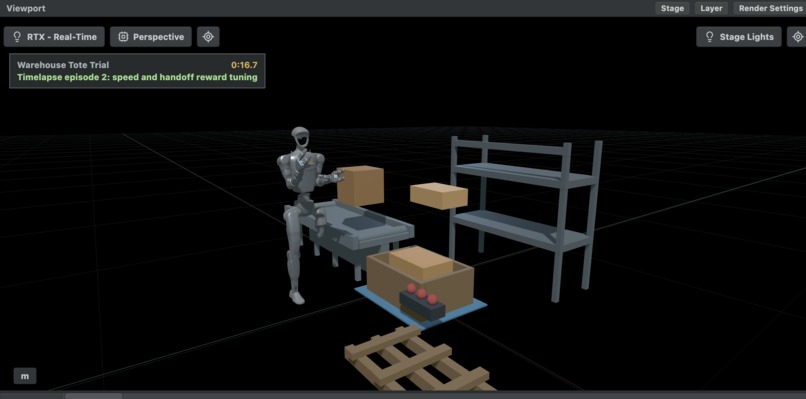
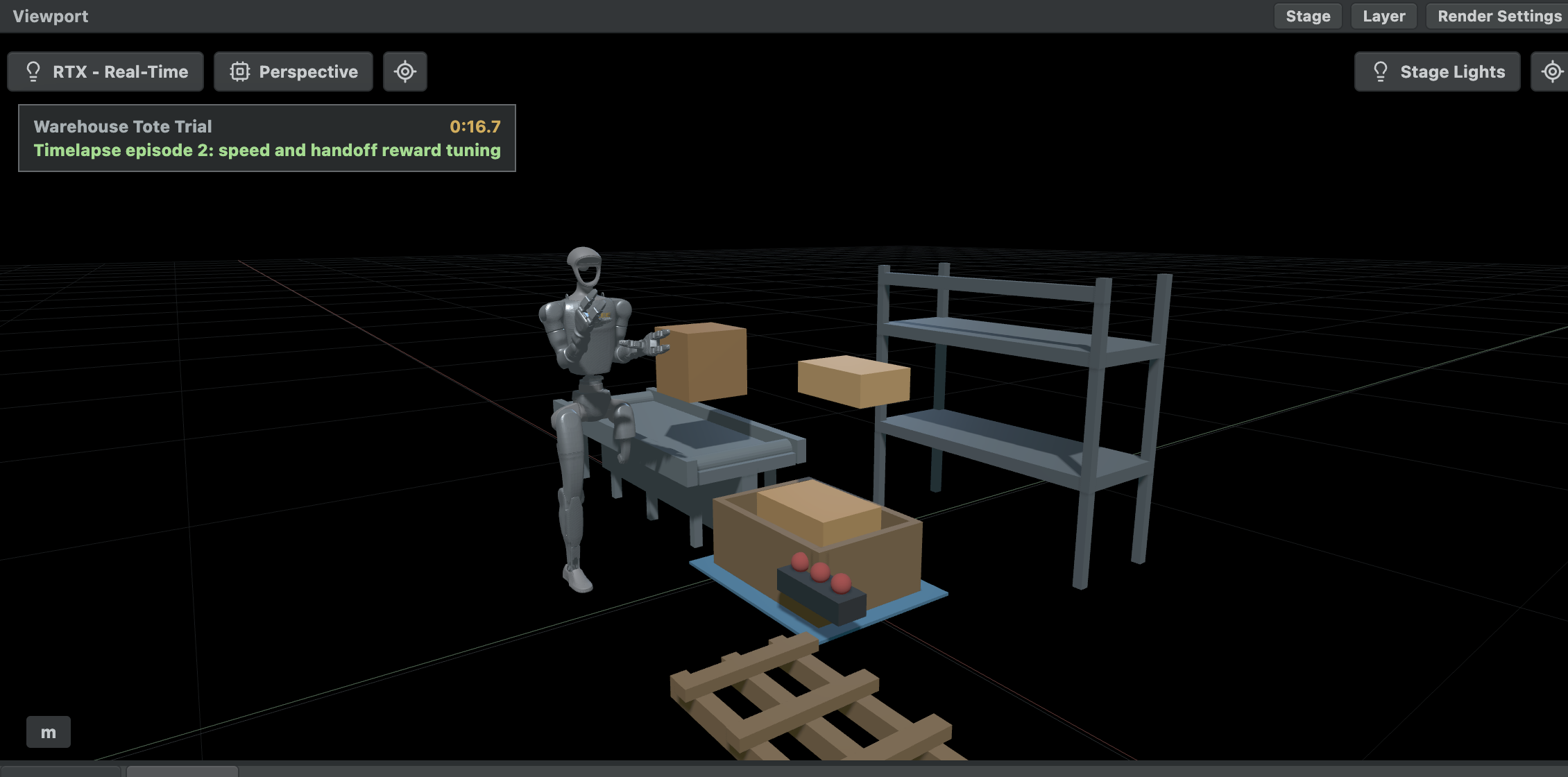
Robot trained by Luna to unload boxes on a conveyor belt in an industrial warehouse
-
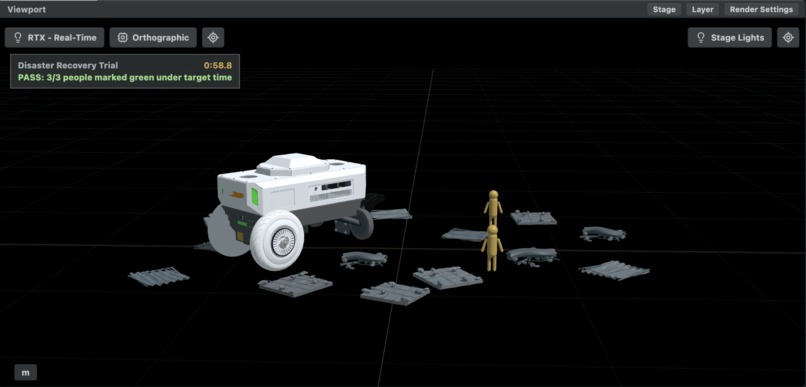
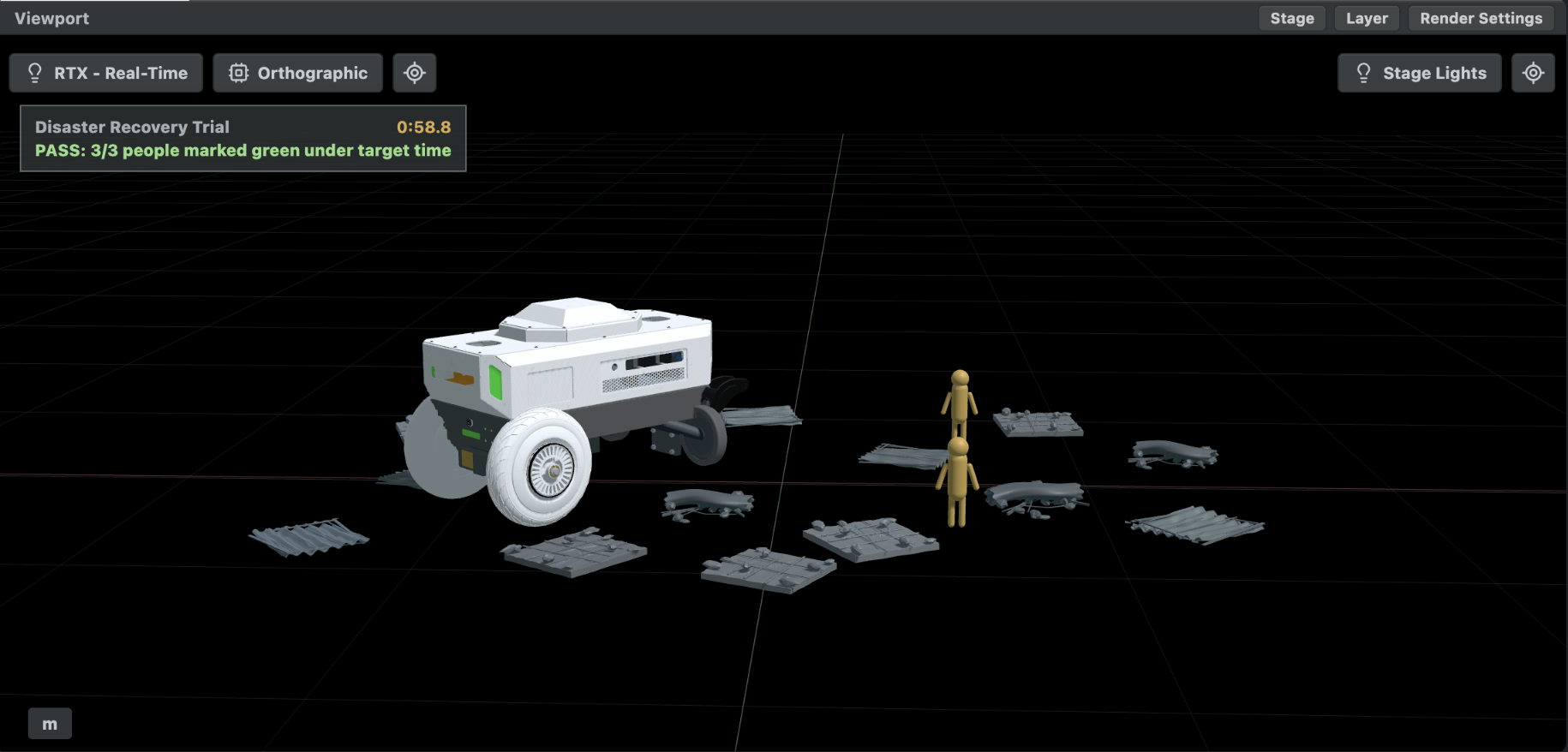
Luna-trained rover navigating through debris to locate survivors in a disaster simulation
-
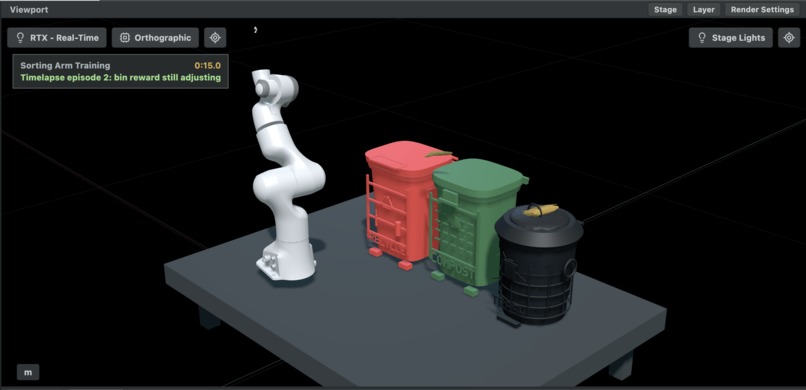
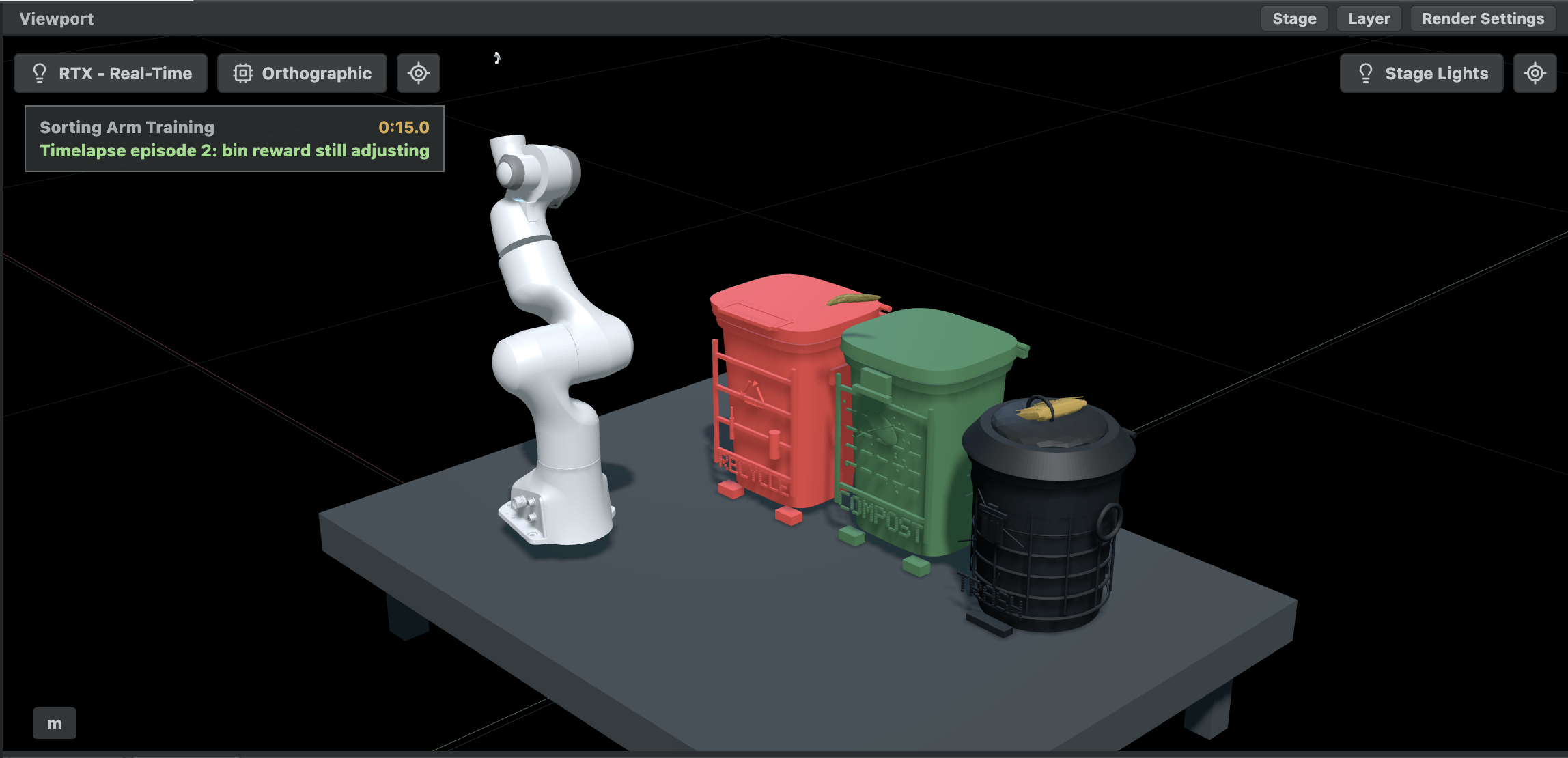
Luna simulation using RL to train robotic arm to properly handle and sort trash
-
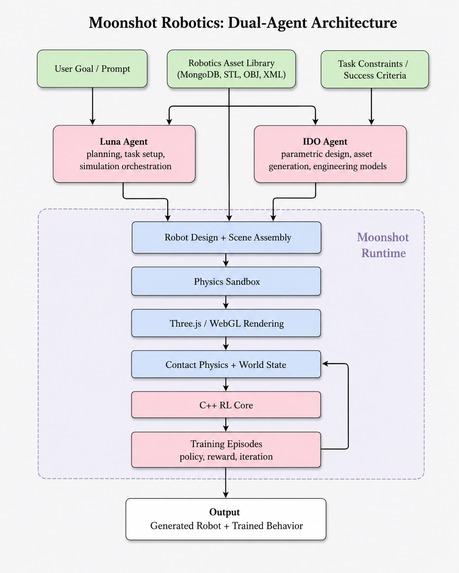
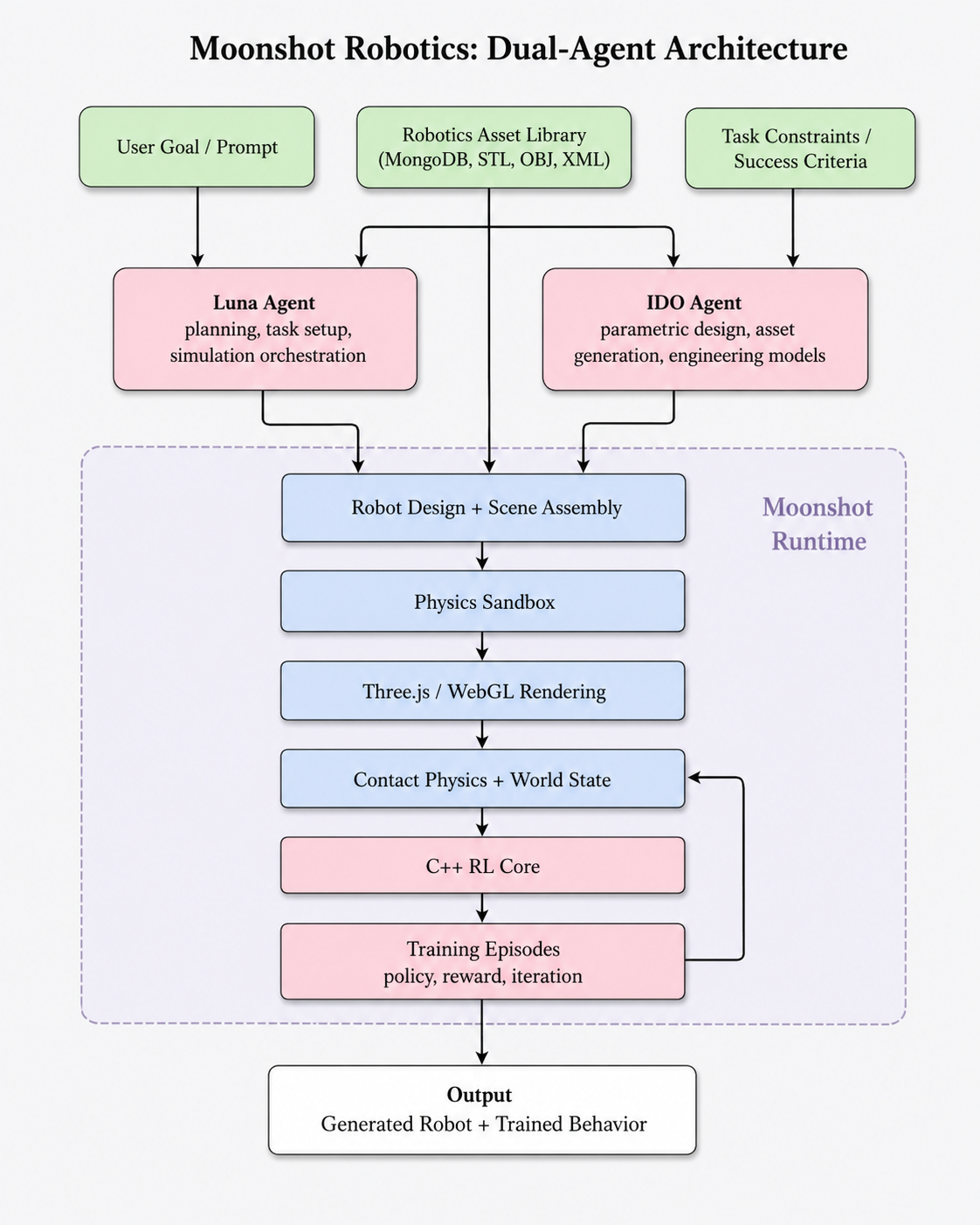
Lunas dual agent architecture
-
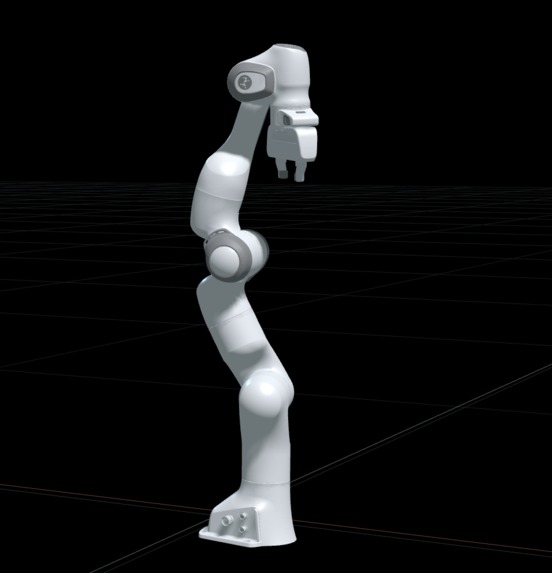
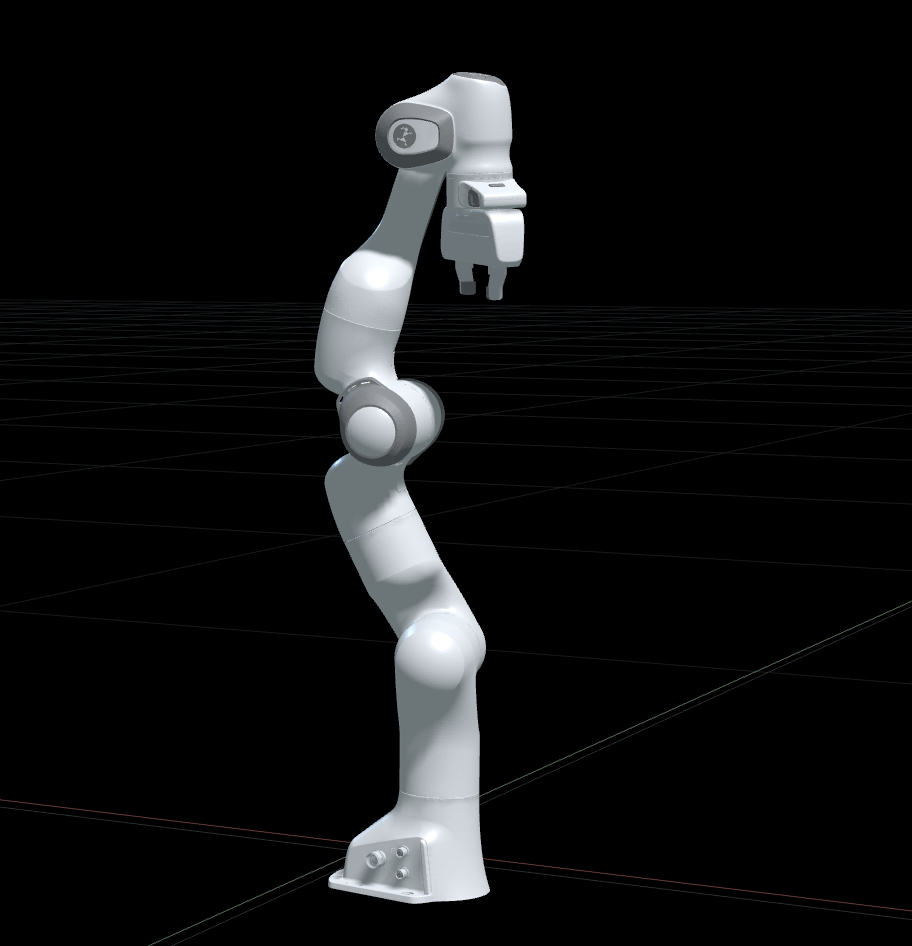
Completely articulated robotic arm; assembled entirely through Luna
-
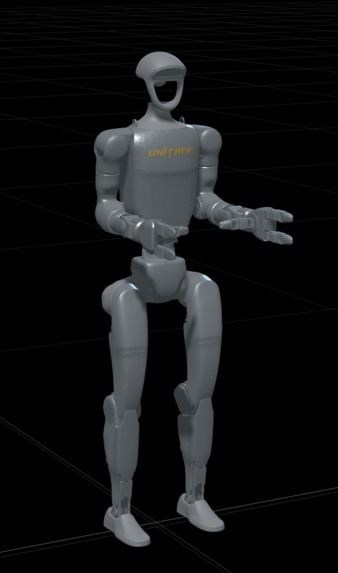
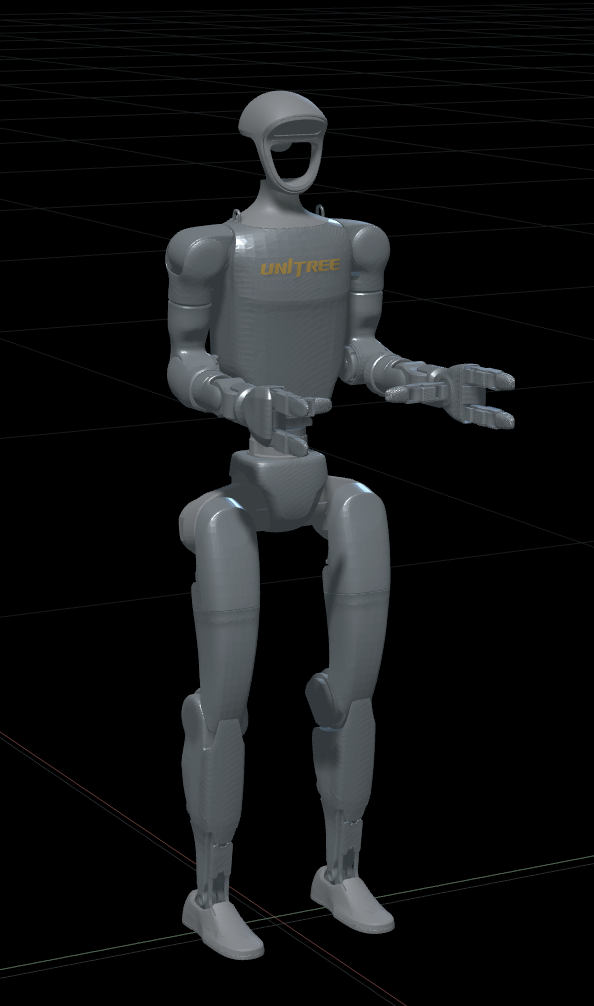
Full-body humanoid robot; assembled entirely through Luna
-
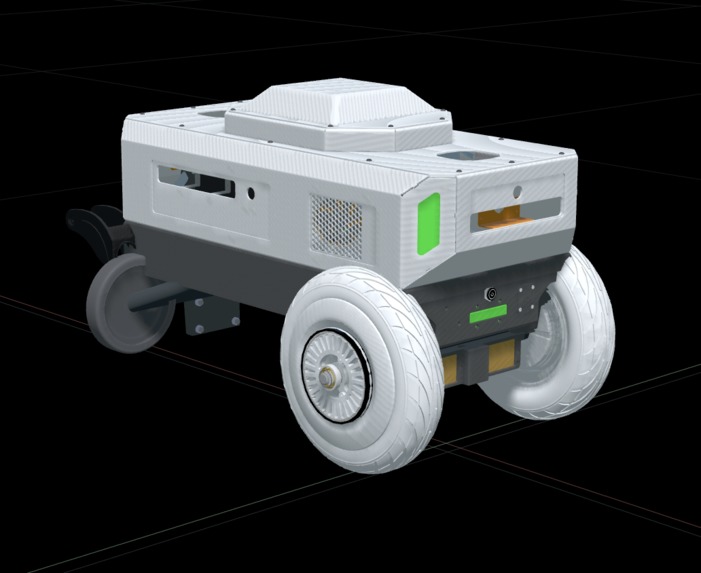
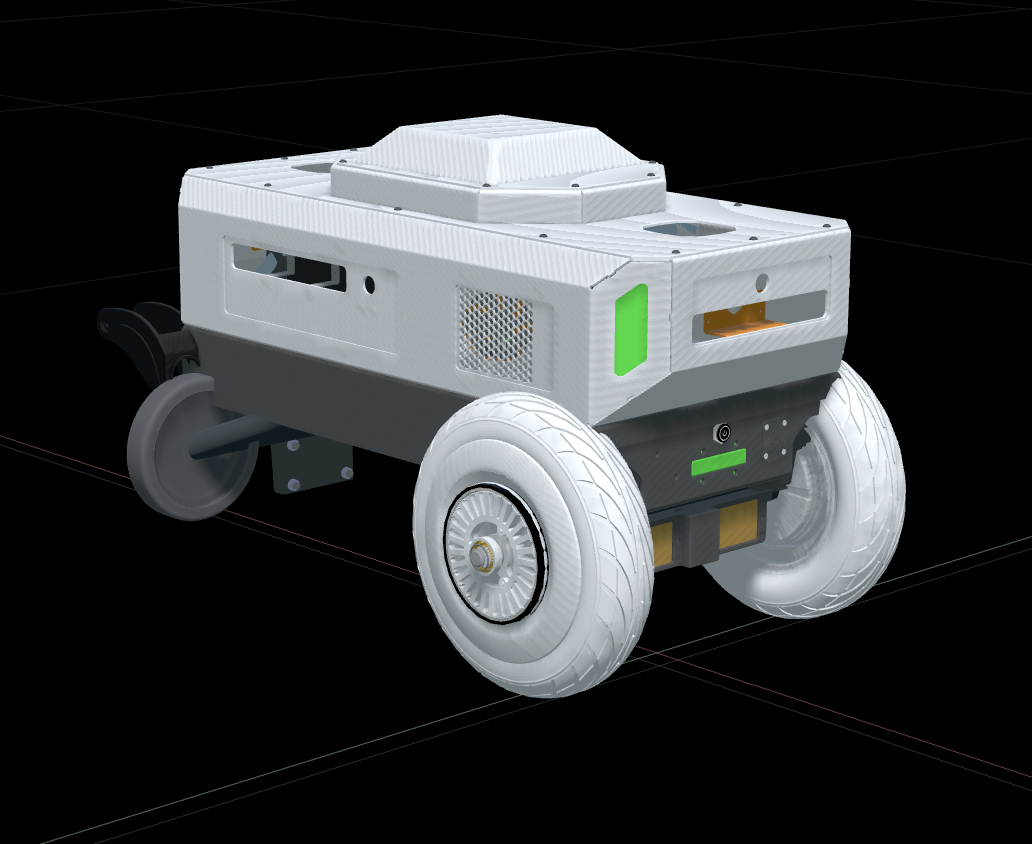
Rugged all-terrain disaster recovery rover; assembled entirely through Luna
-
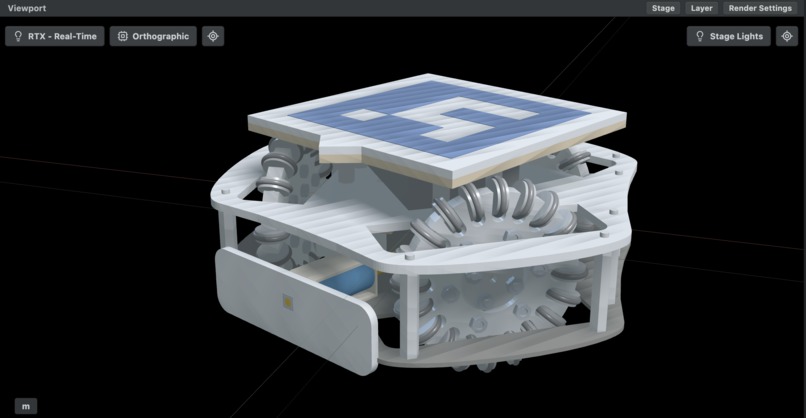
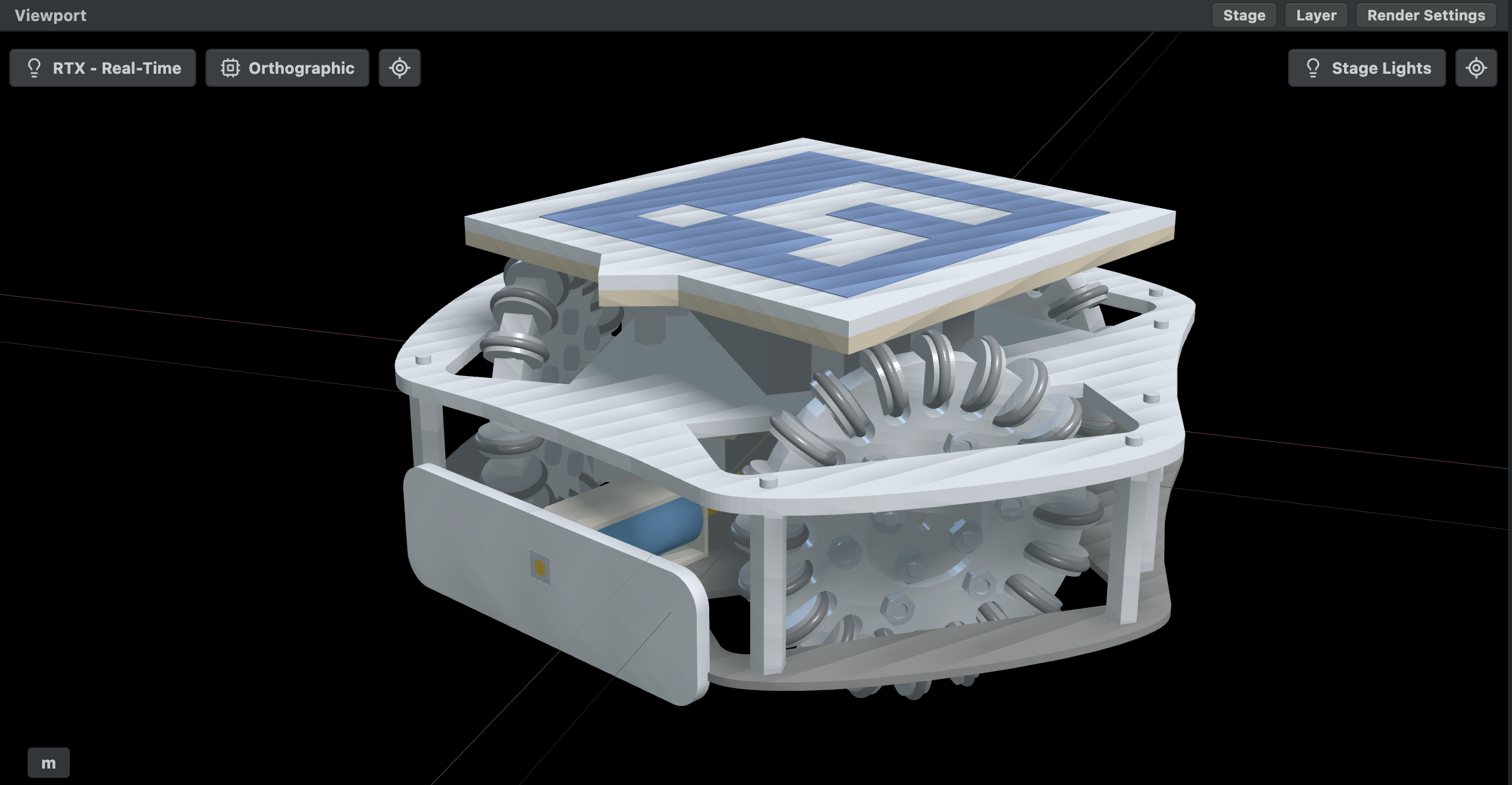
Compact autonomous lift platform; assembled entirely through Luna
-
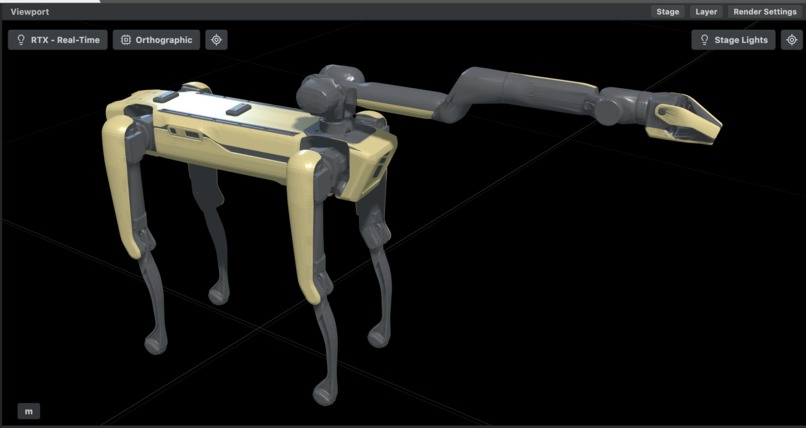
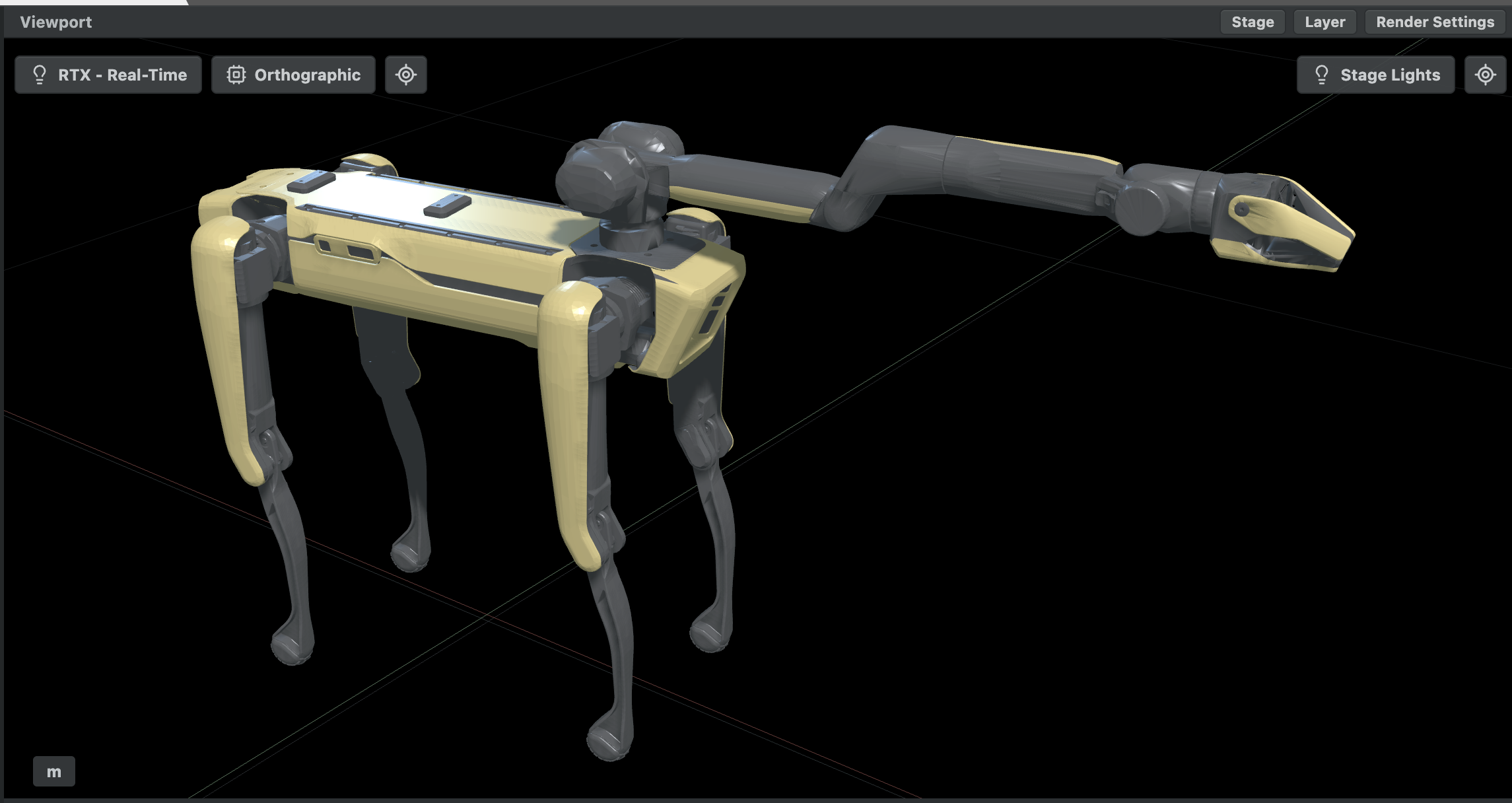
Dynamic quadruped "dog"; assembled entirely through Luna
-
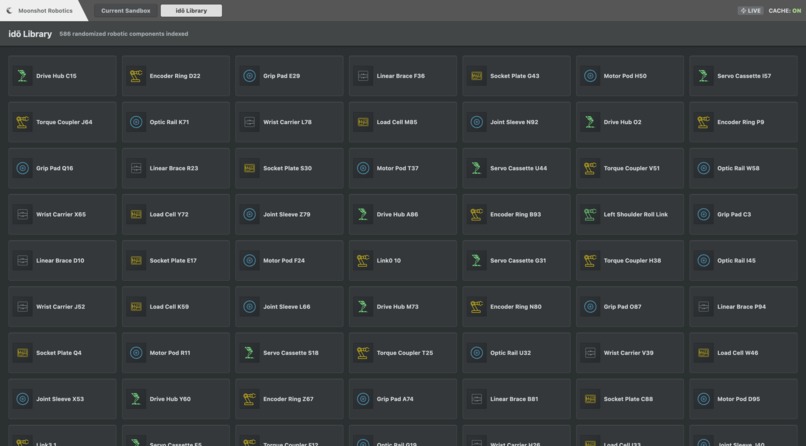
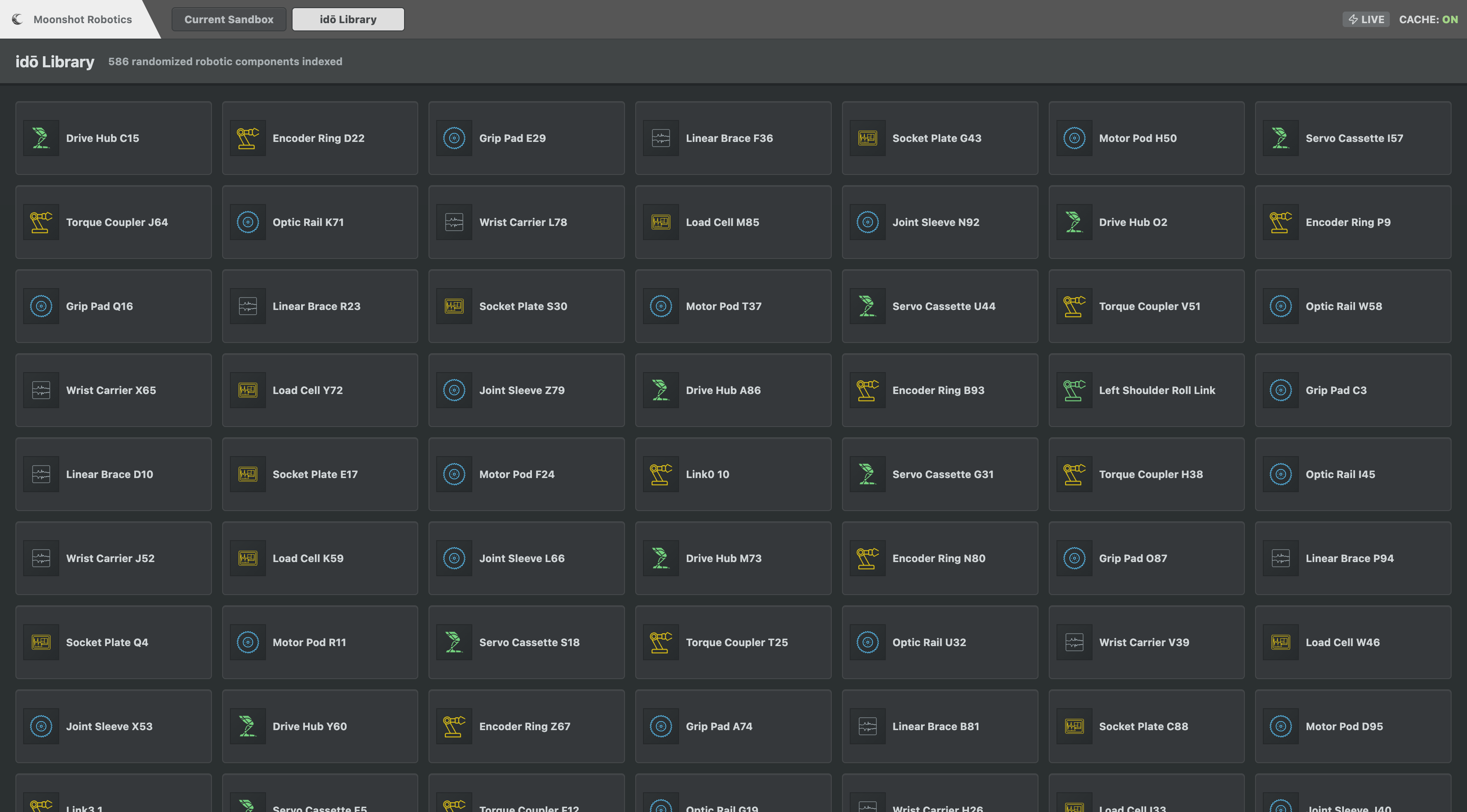
Moonshot Robotics comes shipped with 586 robotic parts, all queryable by Luna through MongoDB
Moonshot Robotics: Autonomous machine learning for the next generation of intelligence — Physical
Vishay Agarwal, Omar Gadelrab, Kesshavan Kirubaharan
The Problem
Robotics is one of the hardest fields in engineering because every project requires an enormous amount of infrastructure before any intelligence can be developed. Engineers must assemble robots, build simulation environments, configure physics engines, write controllers, create reinforcement learning tasks, manage training pipelines, and connect dozens of disconnected tools.
While AI has made software development dramatically easier, robotics remains fragmented, requiring significant expertise across mechanical engineering, simulation, controls, machine learning, and systems engineering.
The result is that most robotics projects spend more time building infrastructure than developing intelligent behavior.
Our Solution
Moonshot Robotics is an AI-native robotics platform that provides the entire infrastructure required to build, simulate, and train robots from a single prompt.
Rather than functioning as another coding assistant, Moonshot acts as a complete robotics operating environment powered by autonomous agents.
At its core is our dual-agent architecture.
The first agent, powered by our open-source intelligence framework IDO, performs high-level reasoning, planning robot architectures, generating simulation worlds, selecting components, creating tasks, and coordinating the overall robotics workflow.
The second agent executes the plan by generating robot code, constructing physics environments, assembling robots, producing C++ control systems, creating reinforcement learning environments, launching training jobs, validating results, and iteratively improving performance.
Behind these agents is a full robotics infrastructure stack built into the platform, including:
- Real-time 3D robotics sandbox
- Physics simulation engine
- Robot assembly pipeline
- Modular robot asset library
- Environment generation system
- Reinforcement learning environment creation
- Automated RL training pipeline
- C++ robotics runtime
- Training visualization and debugging tools
- AI-powered workflow orchestration
- Simulation asset management
- End-to-end project generation from natural language
Instead of asking users to integrate all of these systems themselves, Moonshot provides them as one unified platform where AI handles the engineering workflow automatically.
Execution Plan
Our first milestone is delivering a complete AI-powered robotics sandbox capable of generating simulations, assembling robots, and producing executable robotics projects from natural language.
We will then expand the platform with larger robot libraries, richer simulation environments, scalable cloud reinforcement learning, and deployment tools for physical robots.
Over time, Moonshot will evolve into a comprehensive robotics development platform where designing, training, testing, and deploying intelligent robots occurs within one integrated system.
Target Users
Moonshot is built for organizations and developers creating the next generation of intelligent robots, including:
- Robotics researchers
- AI and machine learning engineers
- University research labs
- Robotics startups
- Industrial automation companies
- Enterprise robotics teams
- Students and educators
- Hackathon builders and rapid prototyping teams
By providing the infrastructure that robotics developers currently spend months assembling, Moonshot allows users to focus on creating capable robots rather than building the tooling around them.


Log in or sign up for Devpost to join the conversation.