-
-
Logo
-
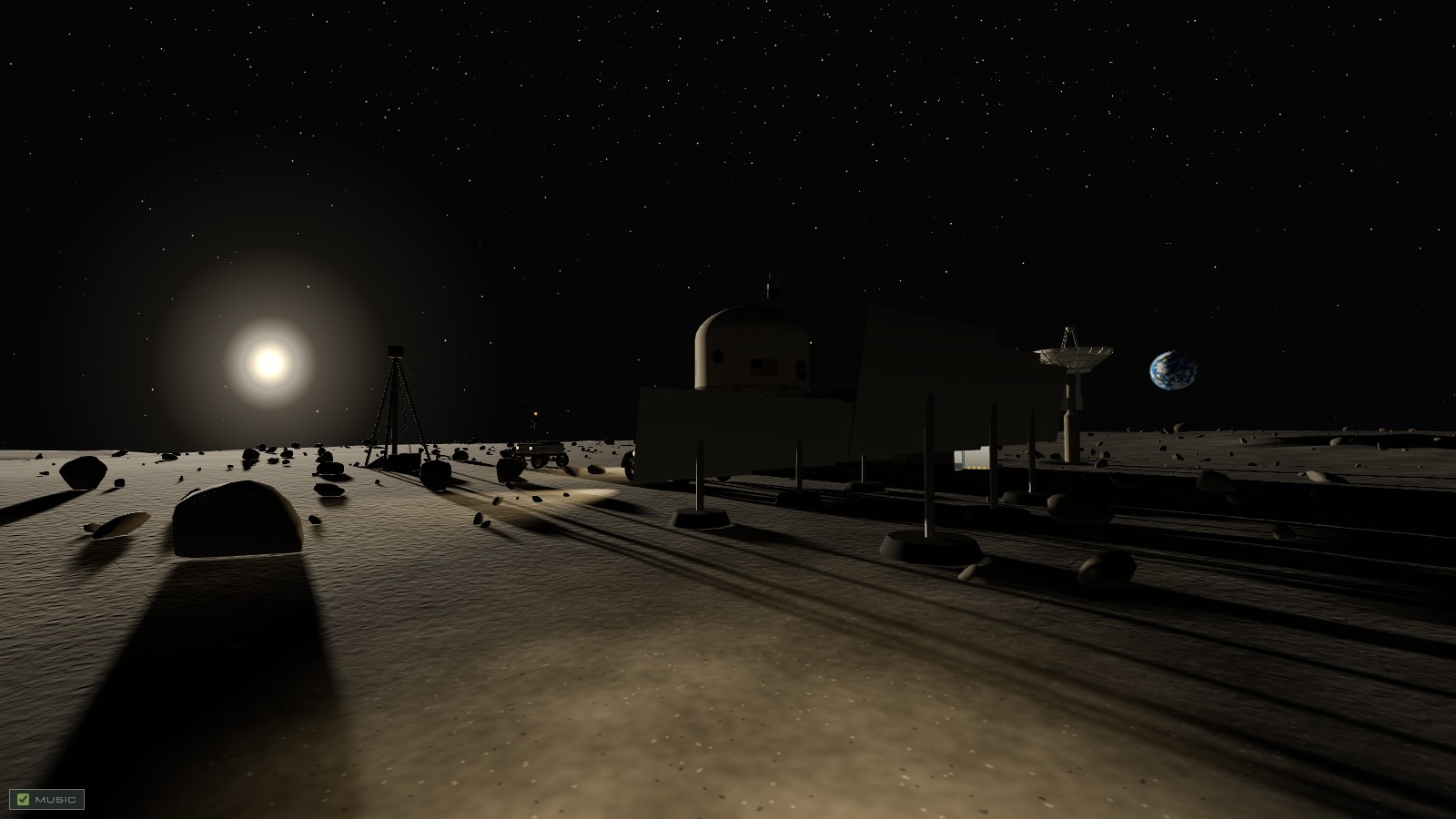
Distinctive lighting at the lunar poles
-
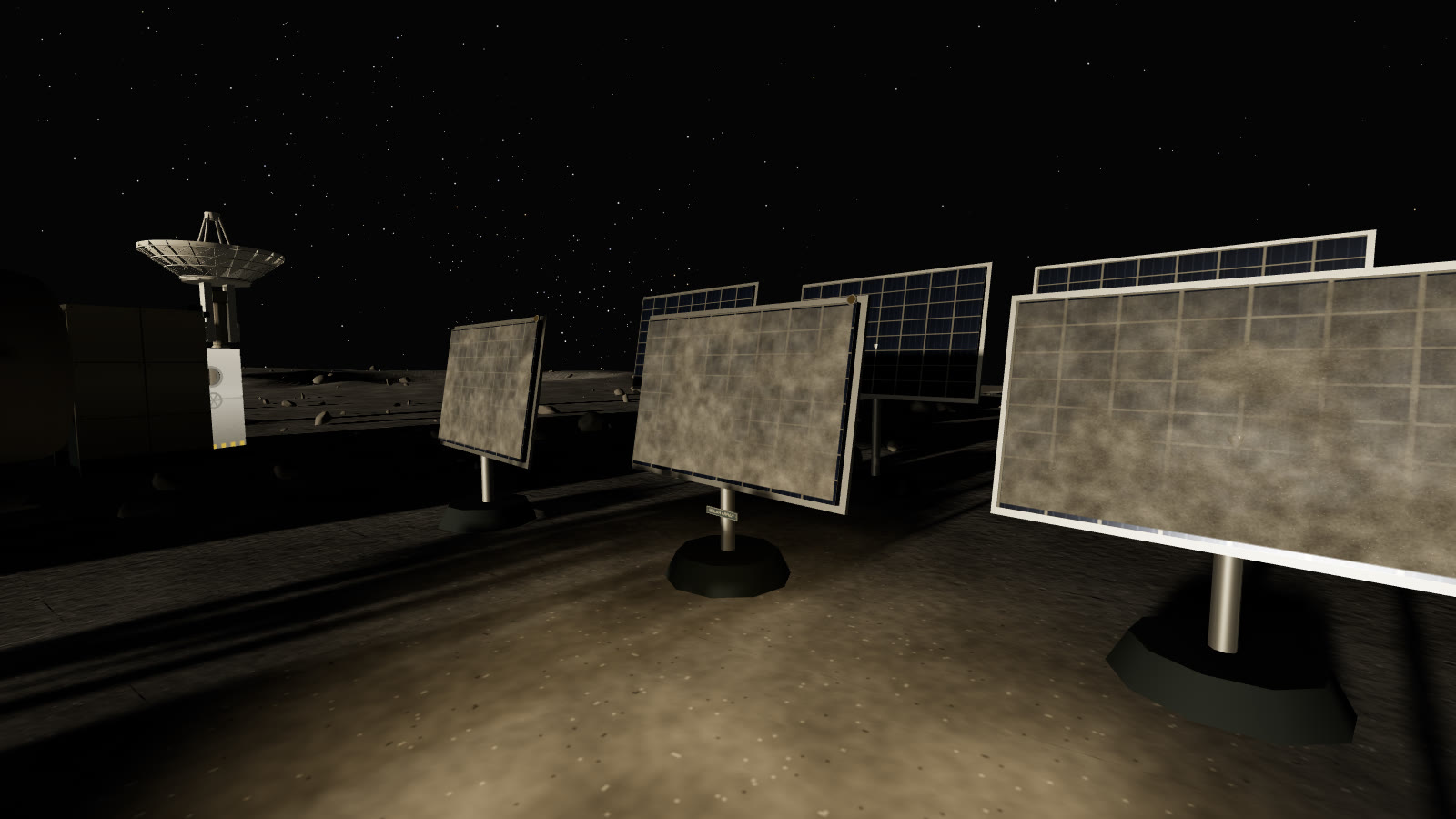
Clean the solar panels
-
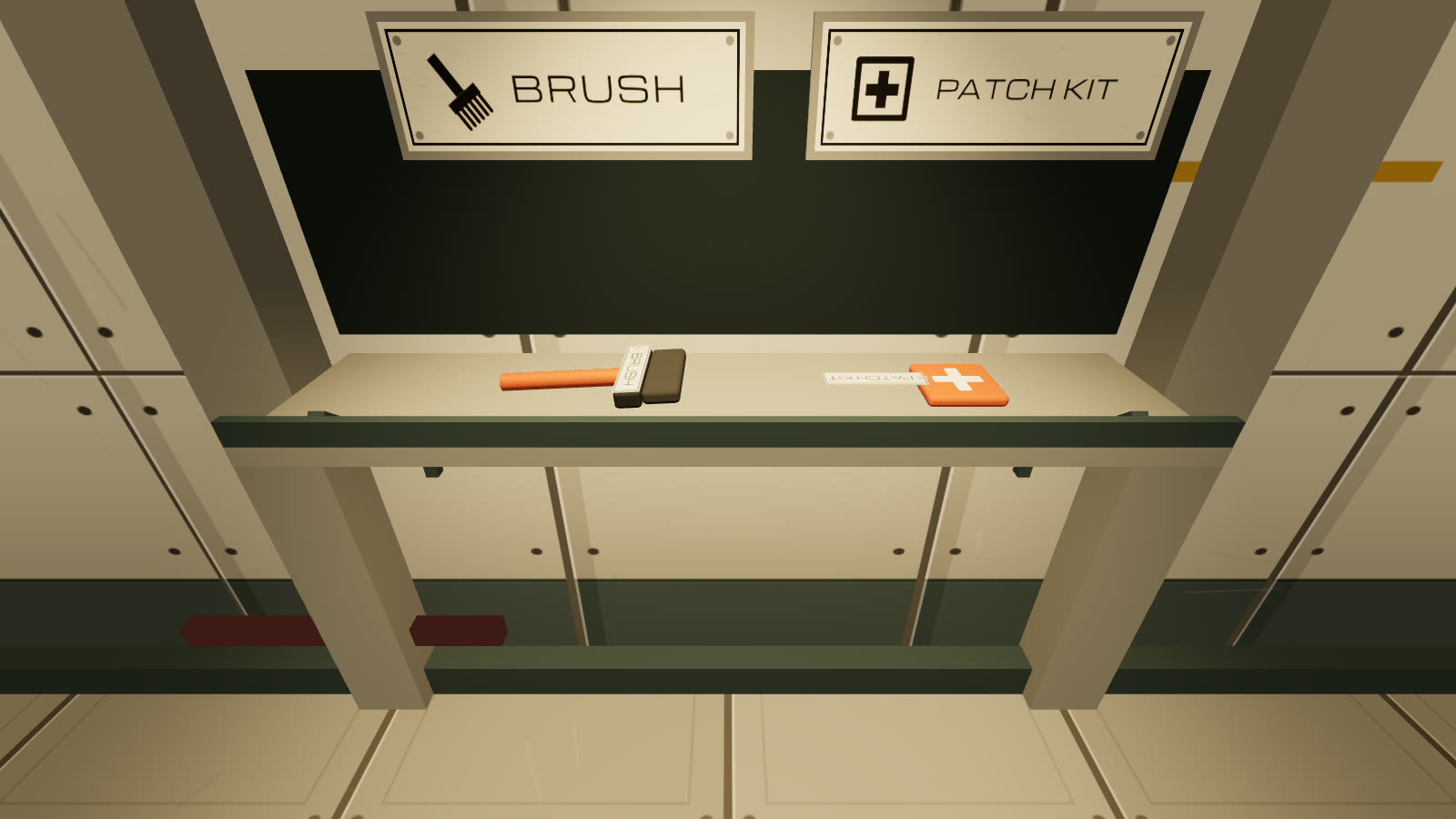
Tools available
-
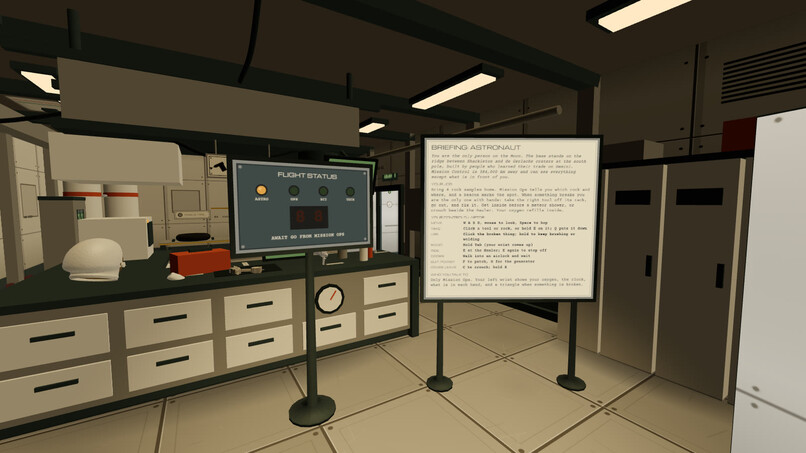
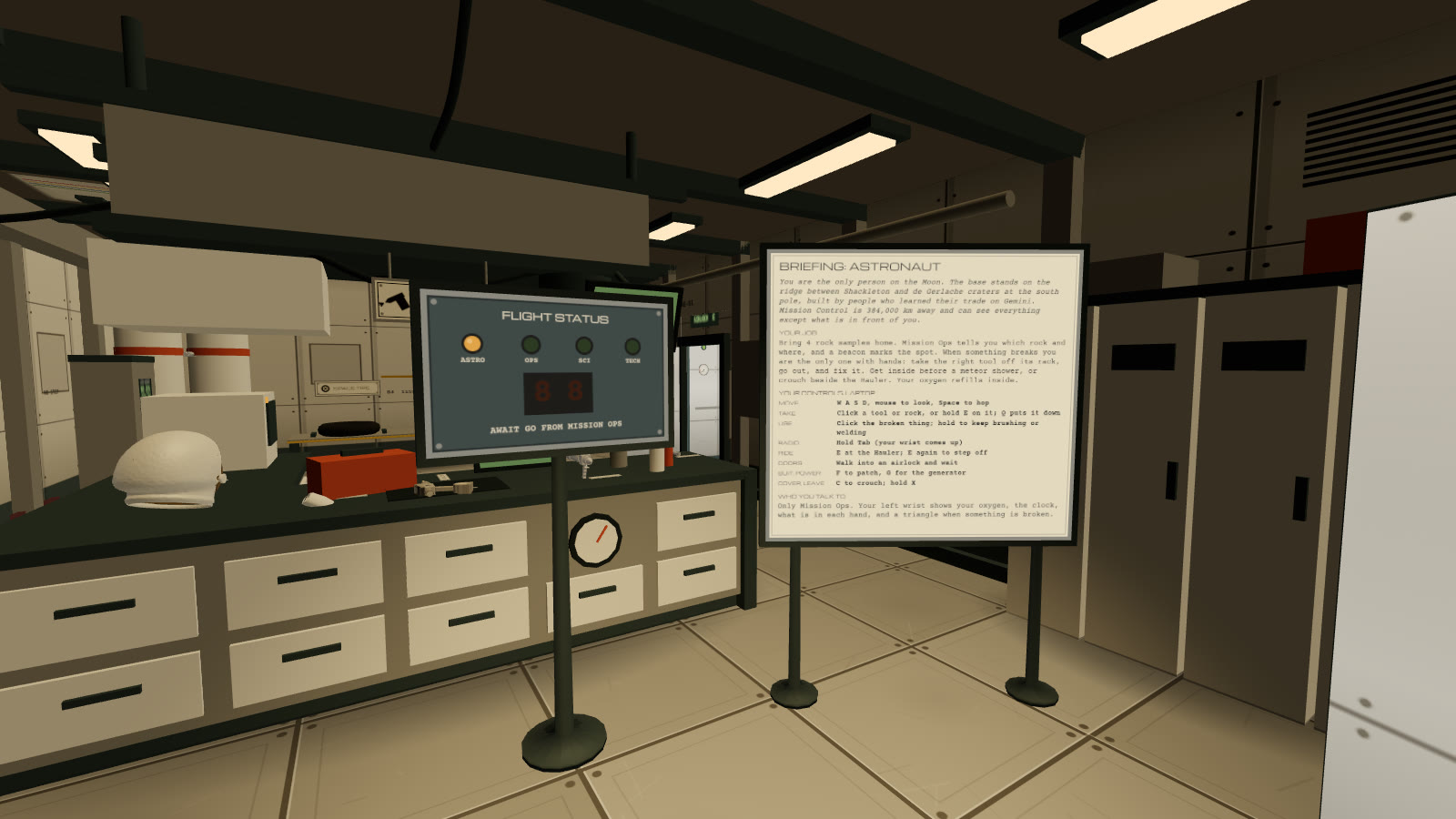
Mission brief
-
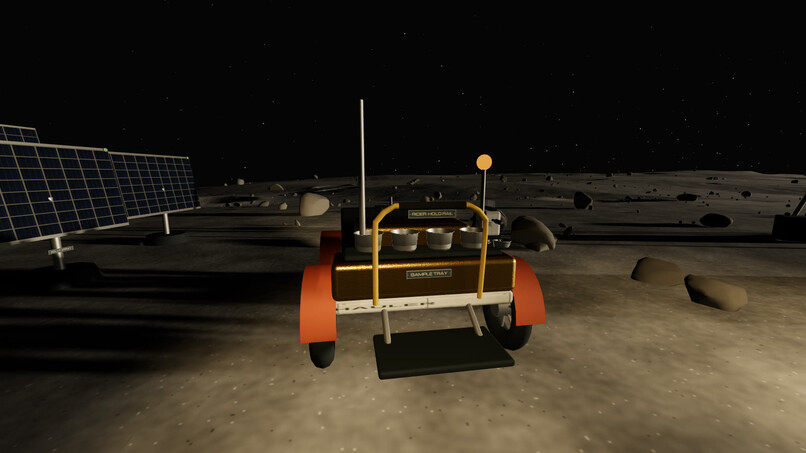
Lunar Roving Vehicle (LRV)
-
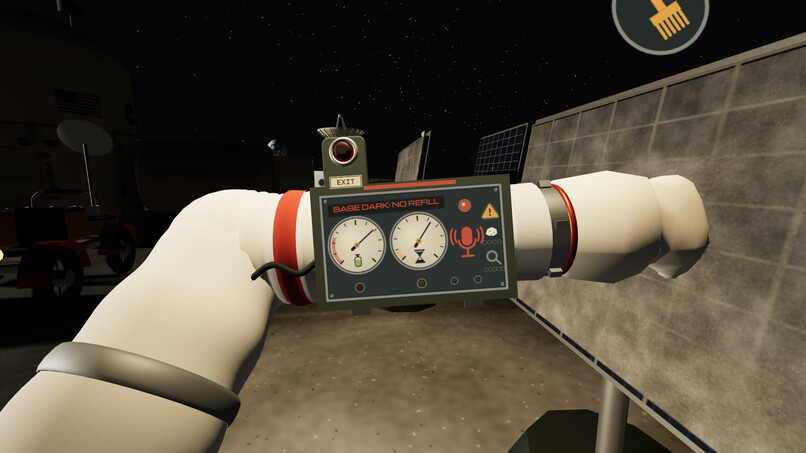
Arm mounted display
-
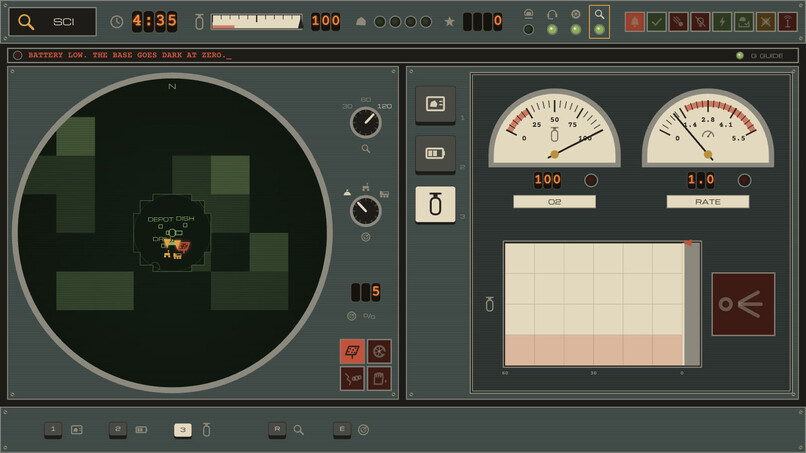
Science Menu
-
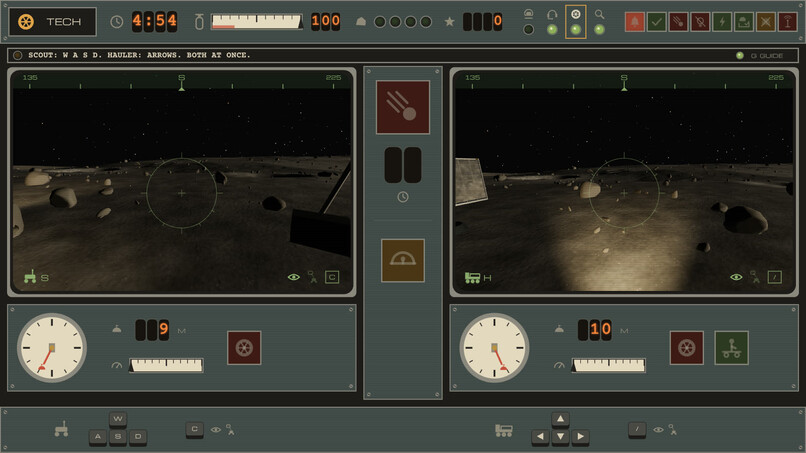
Rover Technician Menu
-
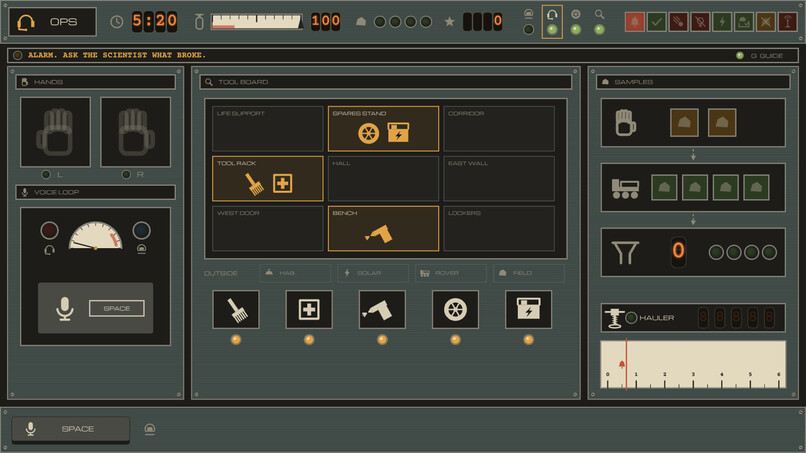
Mission Control Menu
-
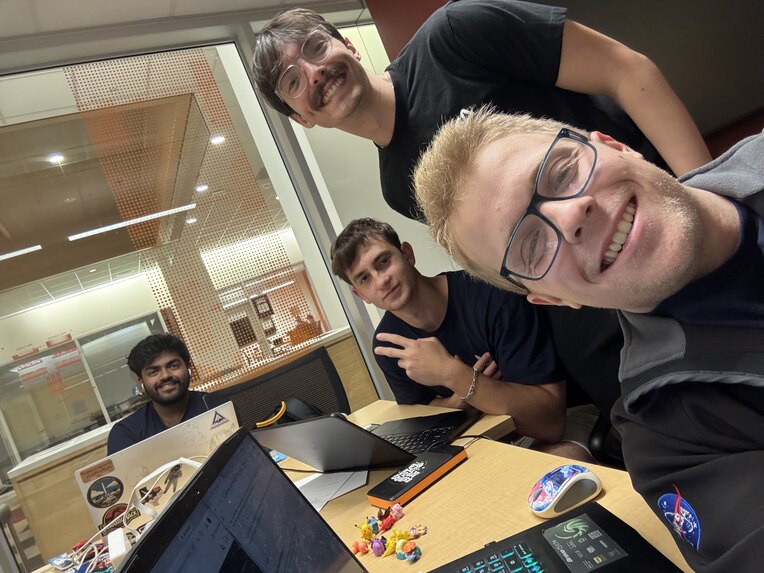
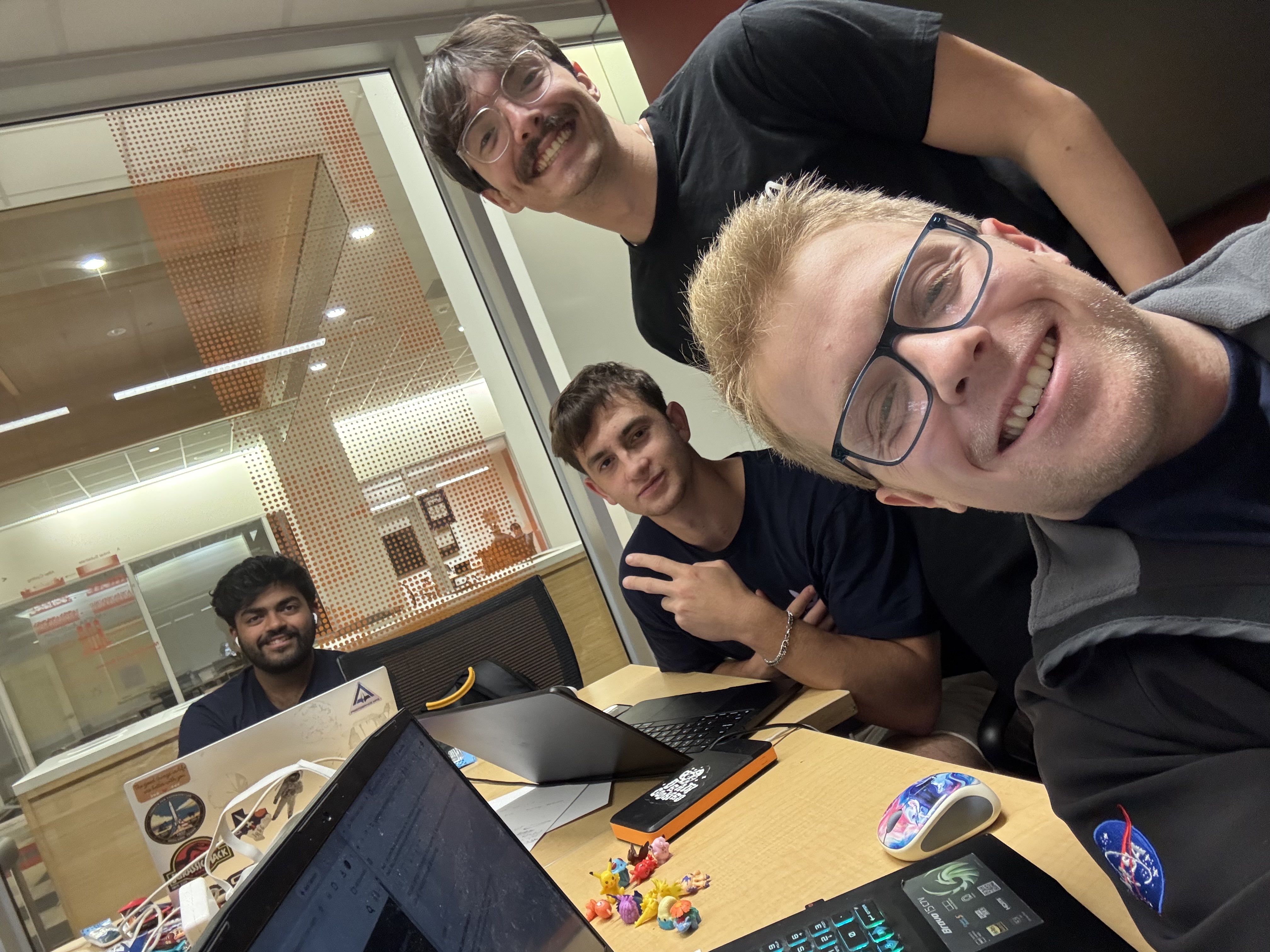
Team Photo
Moonbase Managed
A 2 or 4 player asymmetrical multiplayer game with one astronaut on the moon in VR, with 1 or 3 mission control specialists frantically trying to bring him home and collect regolith samples from 384,000km away.
Why Asymmetrical Multiplayer? It is rare for the entire friend group to have VR headsets. With one player in VR and the others on their laptops this game brings VR to everyone.
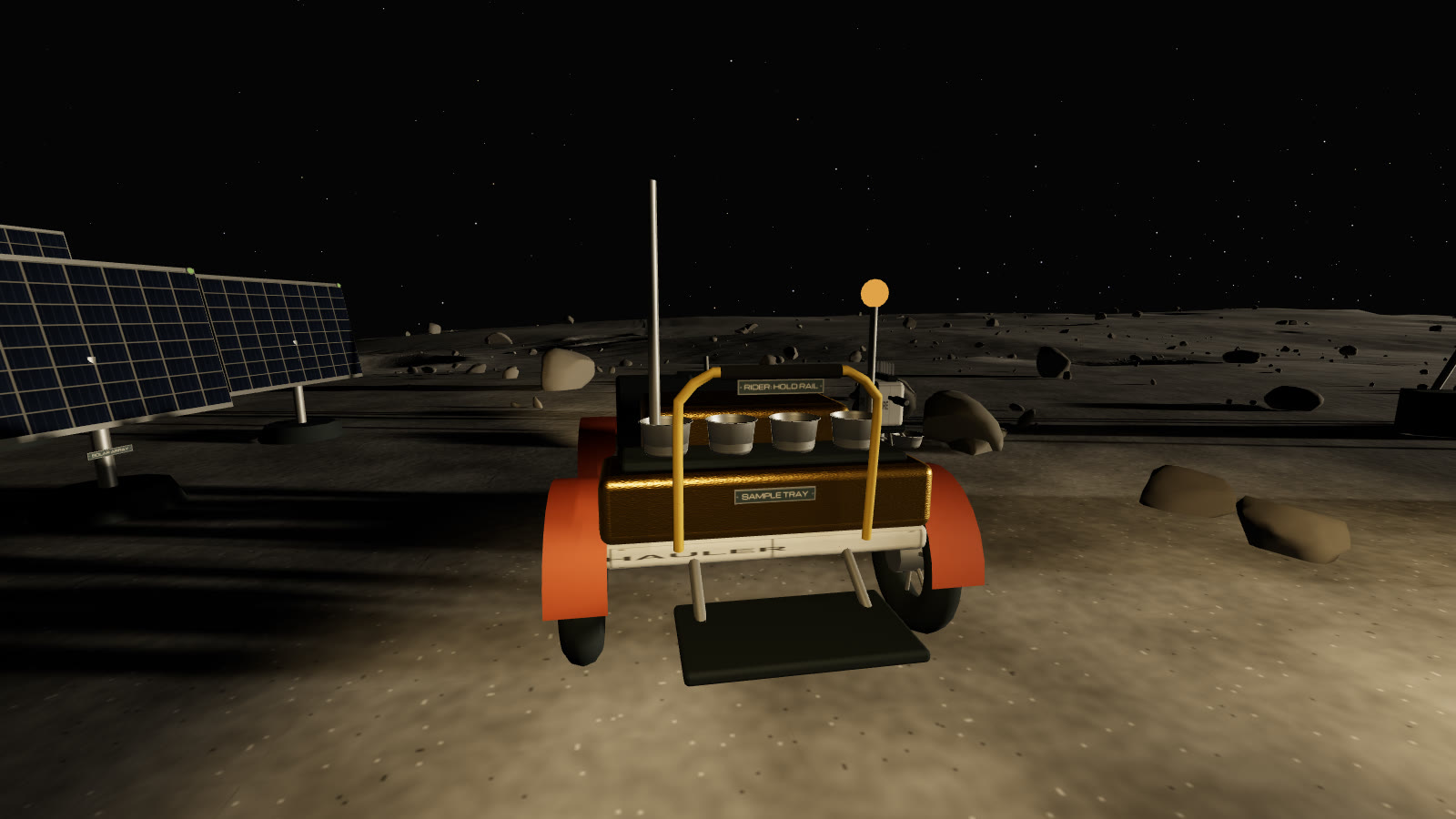
One player wears a Meta Quest and plays the astronaut on the Moon. Everyone else sits at laptops in Mission Control. They can see everything except what is in front of the astronaut. The astronaut has the hands; the ground has the knowledge. Talk, or fail.
All game music is human made and was created over the course of the hackathon.
Play it: https://moonbasemanagedfrom.earth
Source: https://github.com/JasperGrant/Moonbase_Managed
Rundown
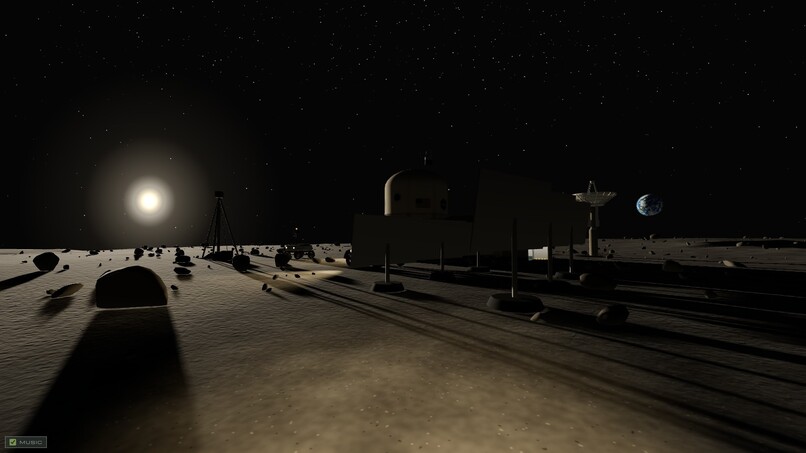
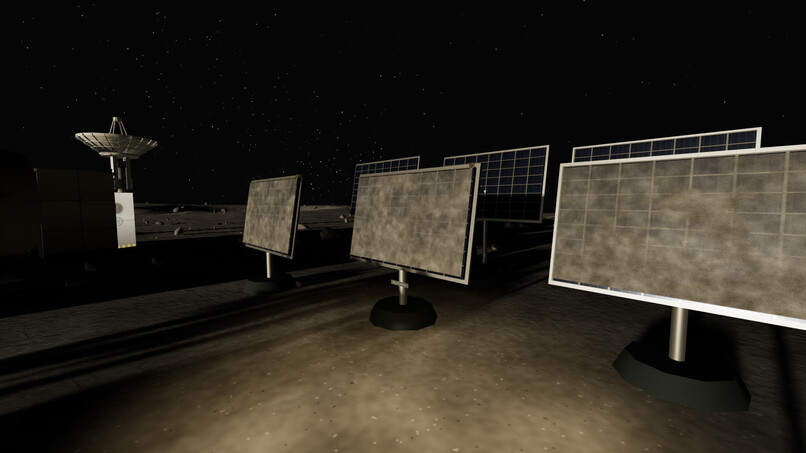
The base stands on Connecting Ridge, between Shackleton and de Gerlache craters at the lunar south pole. The terrain is real NASA Lunar Orbiter Laser Altimeter (LOLA) elevation data. Our mission is to analyze important rock samples that may show evidence of materials for In Situ Resource Utilization (ISRU). Meanwhile the hull cracks, the solar panels get dusty, the suit leaks, the battery goes flat and meteor showers cause constant danger. Only the astronaut can fix things, and only Mission Control knows what is broken, which tool fixes it and where the right rock is.
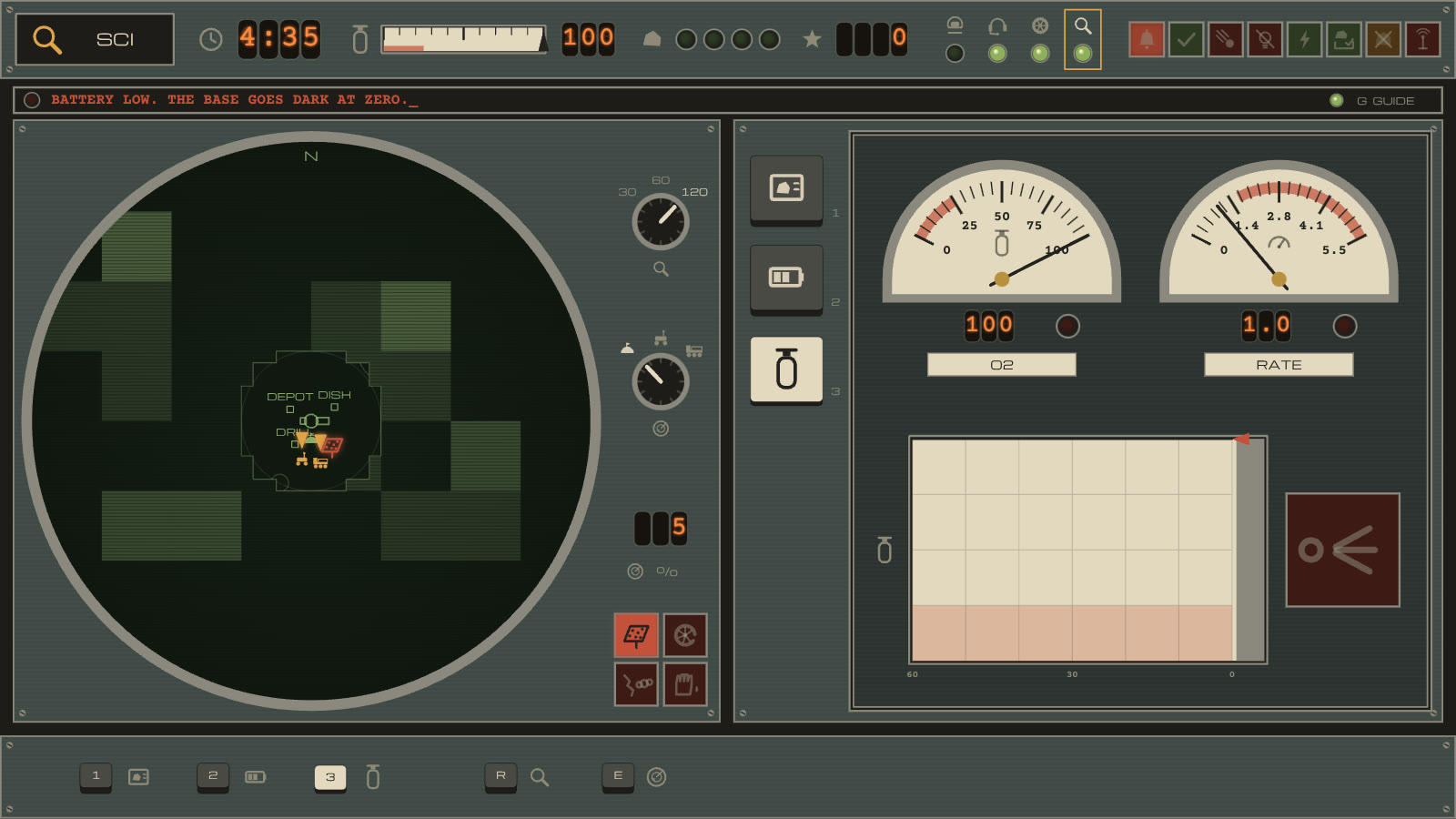
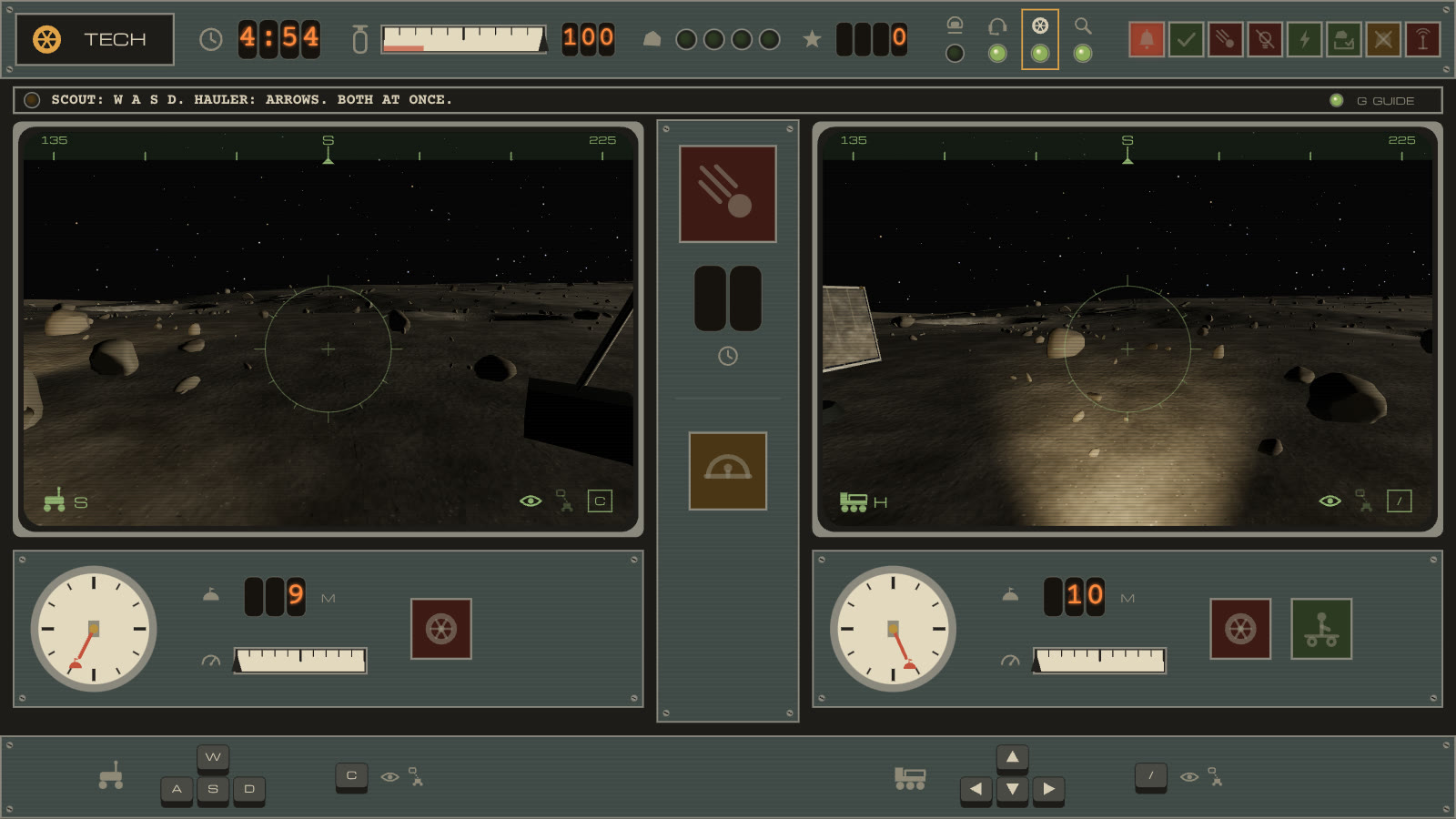
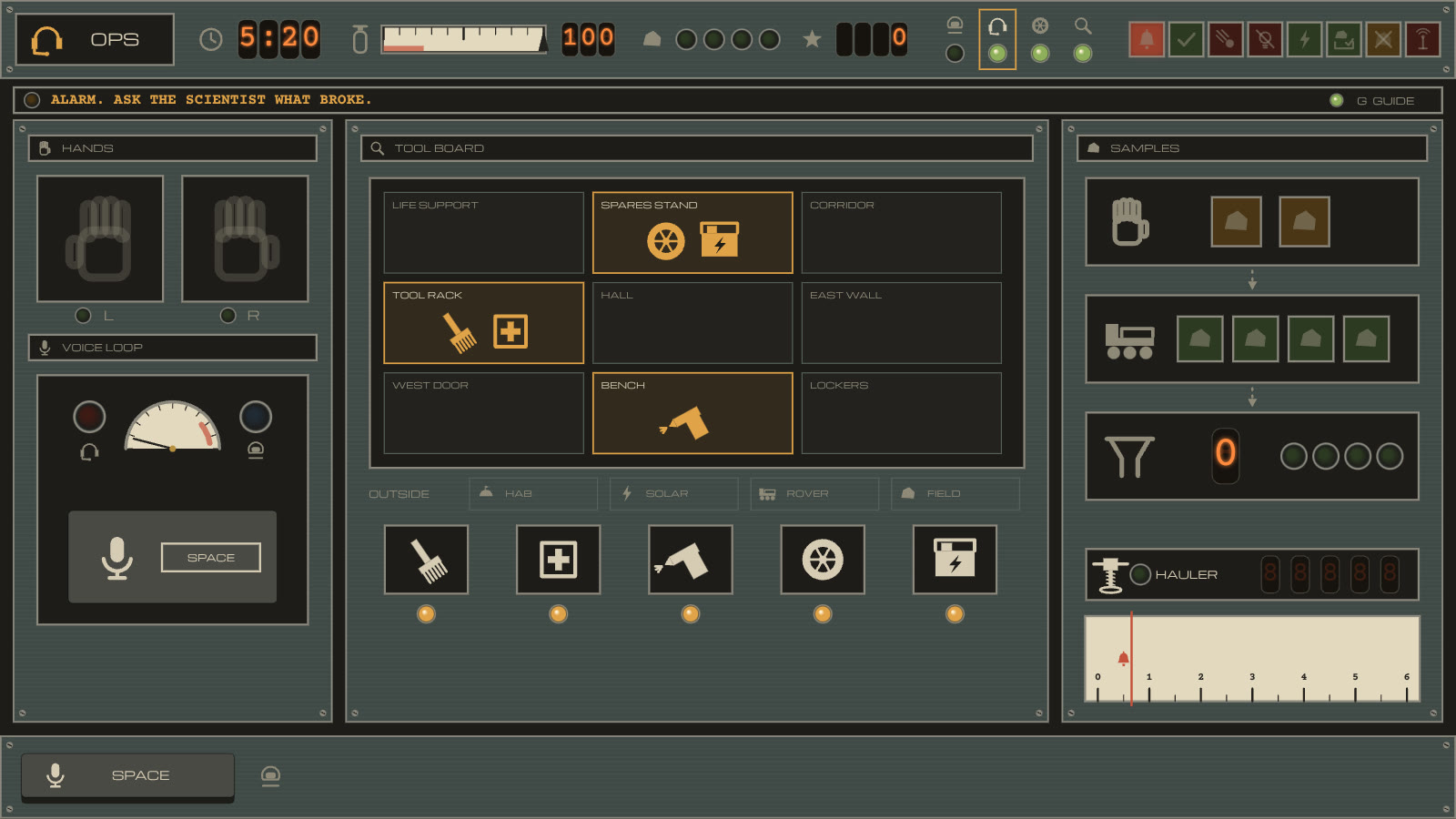
Mission Control did not win the proposal to upgrade the equipment they used for this mission, so they’re making it work old-school. We wanted to ensure a strong visual fidelity with 1960’s gauges, nixie tubes, engraved labels, and cream dial faces.
The crew
| Seat | Where | What they do |
|---|---|---|
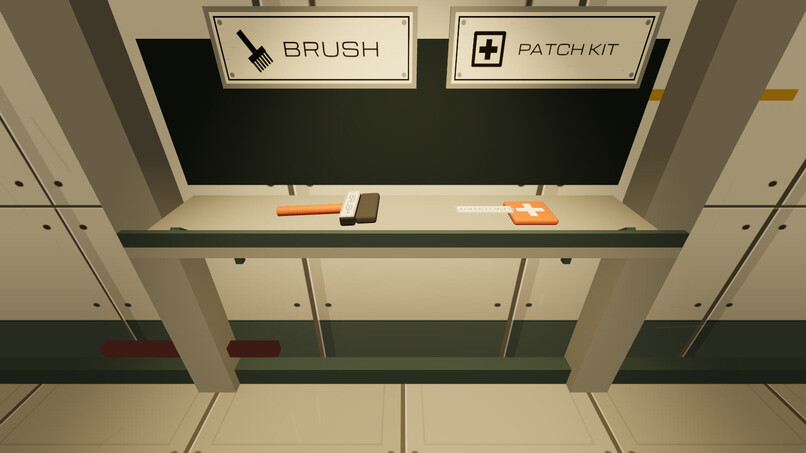
| Astronaut | Quest headset (or a laptop) | Walks the Moon, takes tools off the racks, welds cracks, brushes panels, patches the suit, picks up samples, rides the Hauler rover. |
| Mission Ops | Laptop | The only person that can talk to the astronaut. Holds SPACE to talk, starts the mission, sets beacons over tools. |
| Technician | Laptop | Drives two rovers at once from camera feeds, with no map. The Scout, which is faster and surveys the map, and the Hauler, which carries the astronaut. |
| Scientist | Laptop | Has the map, warnings, and gauges. He can see which fault is blinking and which tool fixes it. |
2-player mode: one Astronaut plus one Mission Operator who runs all three consoles.
4-player mode: one seat each. Each role reads its brief and starts the mission.
How to play
- Open https://moonbasemanagedfrom.earth and choose 2 or 4 players.
- Each laptop player picks a seat. A headset goes straight to the Astronaut seat.
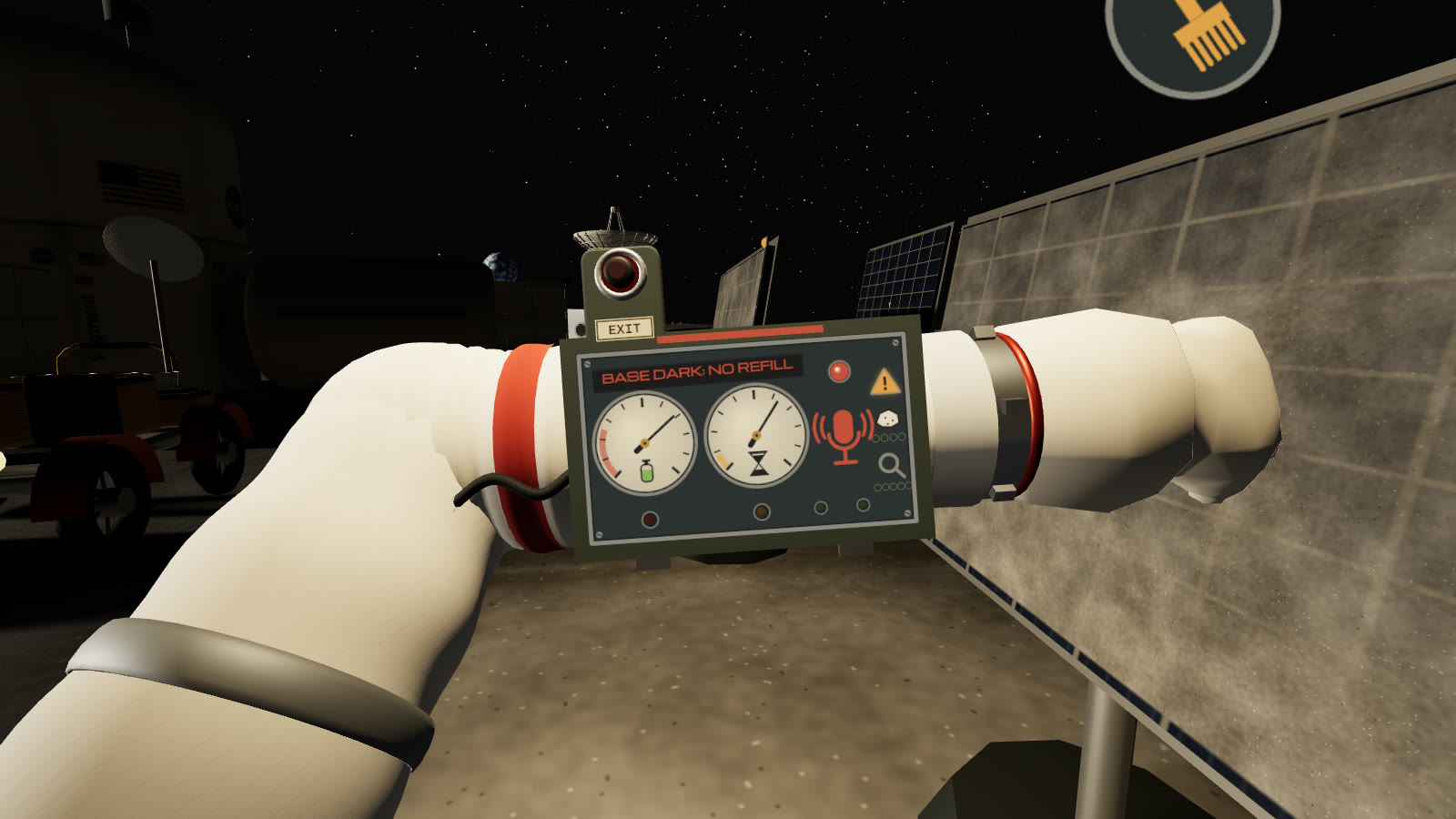
- During the game, the astronaut should stand in another room and can only communicate with mission ops over the comms on his wrist.
- Retrieve 4 samples before time runs out while fixing faults in your life support system that pop up.
If the server has lingering sessions, an admin page (moonbasemanagedfrom.earth/admin) can remove players and alter settings for the environment.
Astronaut controls
| Headset | Laptop | |
|---|---|---|
| Move | Left stick, right stick turns, A hops | W A S D, mouse, Space |
| Take | Trigger or grip on a tool or rock | Click, or hold E |
| Use | Hold the tool against the broken thing | Click and hold |
| Radio | Raise your left wrist like a watch | Hold Tab |
| Ride | Grab the rail on the Hauler | press E at the Hauler |
| Doors | Walk into an airlock and wait | The same |
For the drill, you must grab it with both hands.
How we built it
- three.js r180 + WebXR`. We chose this to keep the game light, and easily deployable on our domain for rapid development and judging purposes.
- cannon-es our physics engine
- Real data: NASA LOLA terrain for the south pole, real crater placement, and NASA 3D models.
- UI: everything the astronaut reads is a lamp, a board, a dial or the wrist cuff. We put considerable effort into keeping the authentic 1960’s astronaut style
- Voice: push-to-talk radio between Mission Ops and the astronaut, with positional sound in the headset.
Credits: Terrain: NASA LRO / LOLA. 3D models and photos.


