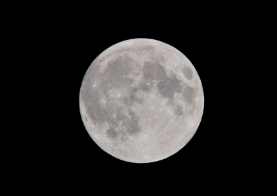

🌕 MoonPhase Tracker – Real-Time Lunar Visualizer 💡 Inspiration The Moon has fascinated humans for thousands of years. From cultural traditions to space exploration and astrology, its phases have influenced rituals, calendars, tides, and even emotions. The inspiration behind MoonPhase Tracker came from a desire to make the lunar cycle instantly accessible to anyone — students, stargazers, photographers, or casual explorers — through a simple, fast, and beautiful interface powered by real-time data.
Most apps that show moon data are bloated, paid, or full of ads. I wanted to build something lightweight, informative, and completely free that feels like a window into the cosmos — powered by open APIs and pure frontend code.
🌙 What it does MoonPhase Tracker is a minimalist, real-time moon visualization app. It fetches the current lunar phase and displays it using a visual emoji or SVG, along with accurate lunar data such as:
Current Moon Phase Name (e.g. Waxing Crescent, Full Moon)
Illumination Percentage (how much of the moon is lit)
Moon Age (days since the last new moon)
Optional: Next Full/New Moon predictions
All this is shown in a clean, responsive design that works on both desktop and mobile — perfect for quick checks before stargazing or planning lunar photography sessions.
🔧 How we built it Languages/Tech Used: HTML, CSS, JavaScript
API Used: IPGeolocation Moon Phase API (free tier used)
Frontend Design: Responsive layout with custom styling and lunar icons
Logic: JavaScript fetches real-time data and dynamically updates the interface
Hosting: Can be run locally or hosted freely on GitHub Pages, Netlify, or Vercel
The code is modular and clean, making it easy to maintain or expand in future versions.
🧱 Challenges we ran into Figuring out how to handle date/time across timezones to match the API’s UTC-based data with the user’s local view.
Some free APIs have limited request quotas or return slightly inconsistent data formats — had to normalize and parse them carefully.
Finding high-quality moon icons that matched each phase accurately and still looked great across devices.
Ensuring a balance between data richness and UI simplicity — making it informative without overwhelming the user.
🏆 Accomplishments that we're proud of Built a fully functional, real-time lunar phase tracker with no backend or framework
Achieved clean UI/UX without any libraries — pure HTML/CSS/JS
Optimized for speed: loads in under 1 second, even on mobile
All features built using only free, public tools and APIs
Created something that could be genuinely useful for students, teachers, and moon lovers around the world
📚 What we learned How to integrate a real-world data API effectively in frontend projects
Importance of good UI hierarchy and clarity for a science-based app
Learned to work with asynchronous JavaScript fetch logic and error handling
Gained experience in testing and debugging across browsers and screen sizes
Understood the nuances of astrological vs astronomical data when comparing moon sources
🚀 What’s next for MoonPhase Tracker The current version is just the start. Here’s what’s planned for the future:
🌙 Moon Phase Calendar – a timeline showing phases over an entire month
📍 Location-Based Visibility – dynamic visuals based on the user’s coordinates
🌓 Moonrise/Moonset Timings – so users know when to look up
🔔 Notification Reminders for next full or new moon
🌌 Space-themed Mode Switcher – dark, cosmic, retro, minimal themes
📸 Lunar Photography Assistant – tips based on current lighting and phase
💬 Fun Facts & Lore – add educational value with moon myths, science trivia, and NASA mission references

Log in or sign up for Devpost to join the conversation.