-

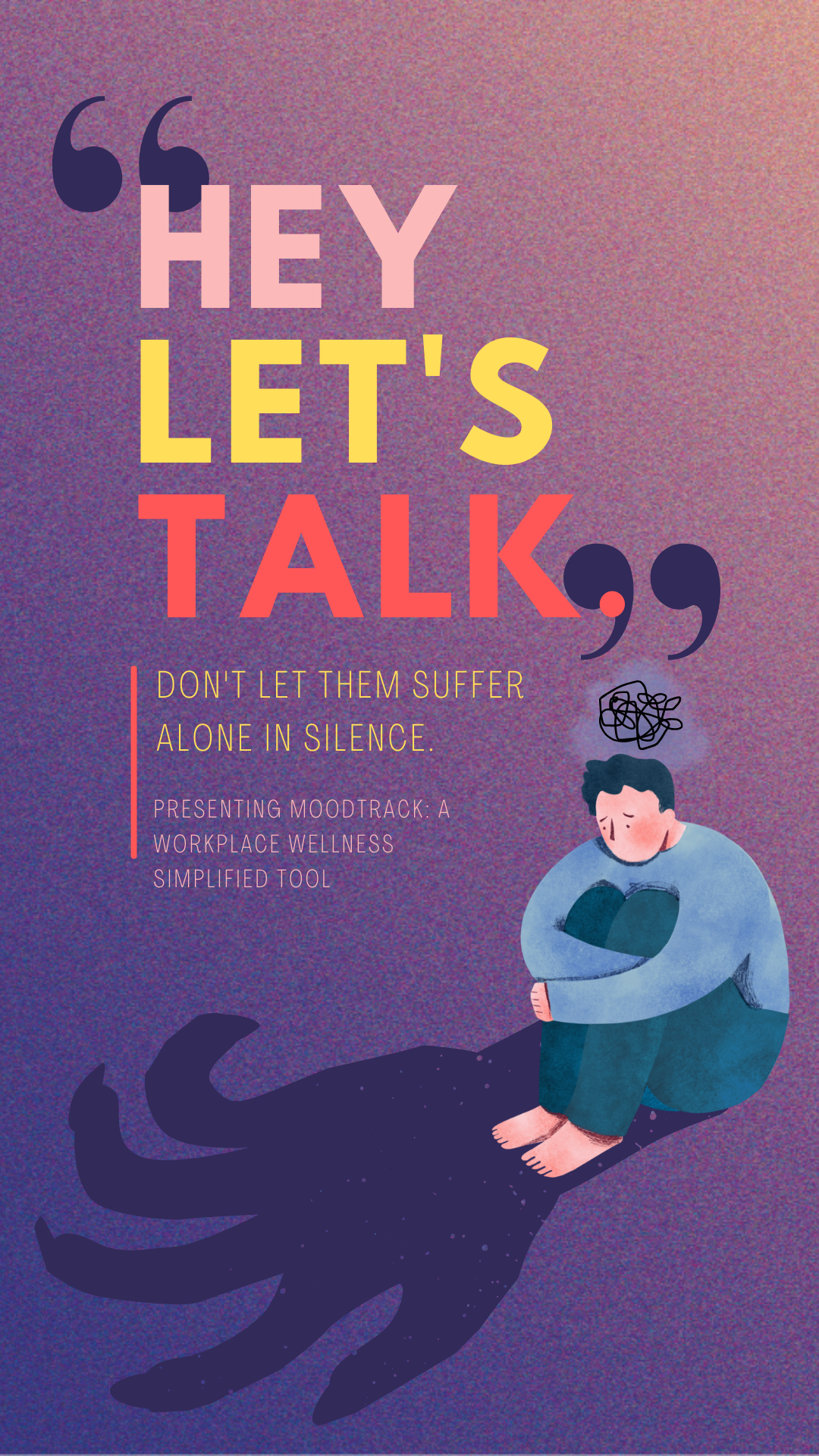
Presenting Moodtrack: A Workplace Wellness Simplified tool
-
Moodtracker: Mental Health Simplified
Inspiration
The inspiration for MoodTrack came from understanding the significant impact mental health has in the workplace. Canada Life's insights into increased absences and decreased productivity due to mental health issues underscored the need for a proactive, user-friendly solution to support employee wellness.
What it does
MoodTrack offers a daily mental well-being check-in platform for employees, integrating valuable resources from the Workplace Strategies for Mental Health website. It provides a safe space for employees to track their mental state and access personalized resources to manage their mental well-being effectively.
How I built it
MoodTrack was developed with Flask, utilizing Python for backend logic. The user interface was crafted using HTML and CSS, with Bootstrap for a responsive layout. Data is stored and managed using SQLite, providing a lightweight, efficient database solution.
Challenges I ran into
Integrating external resources in a meaningful, user-centric way was challenging. Ensuring user data privacy and creating an effective, anonymous feedback system for workplace mental health experiences were critical concerns.
Accomplishments that I'm proud of
Successfully developing a platform that could potentially make a real difference in improving workplace mental health is a significant achievement. The seamless integration of external resources and the creation of an anonymous feedback loop are aspects we're particularly proud of.
What I learned
This project deepened our understanding of workplace mental health challenges and the importance of easy-to-use, accessible tools. Technically, it was an excellent opportunity to integrate various web technologies to build a comprehensive solution.
What's next for MoodTrack
Future developments include AI-driven personalization for resource recommendations, expansion of the resource database, and exploration of mobile app versions for greater accessibility.
